




Can 115V 400Hz 20KVA GPU Run 24/7 in Airport Hangars?
A 115V 400Hz 20KVA ground power unit can operate continuously in airport hangars when designed with proper thermal management and protection systems. Modern aviation-grade power converters built to MIL-STD-704F specifications incorporate advanced cooling architectures and real-time monitoring that enable uninterrupted operation across demanding ground support environments. At Xi'an Jerrystar Instrument Co., Ltd., we've observed that units equipped with overcurrent protection, thermal sensors, and stable frequency regulation consistently maintain performance integrity during extended duty cycles without compromising component lifespan or operational safety.
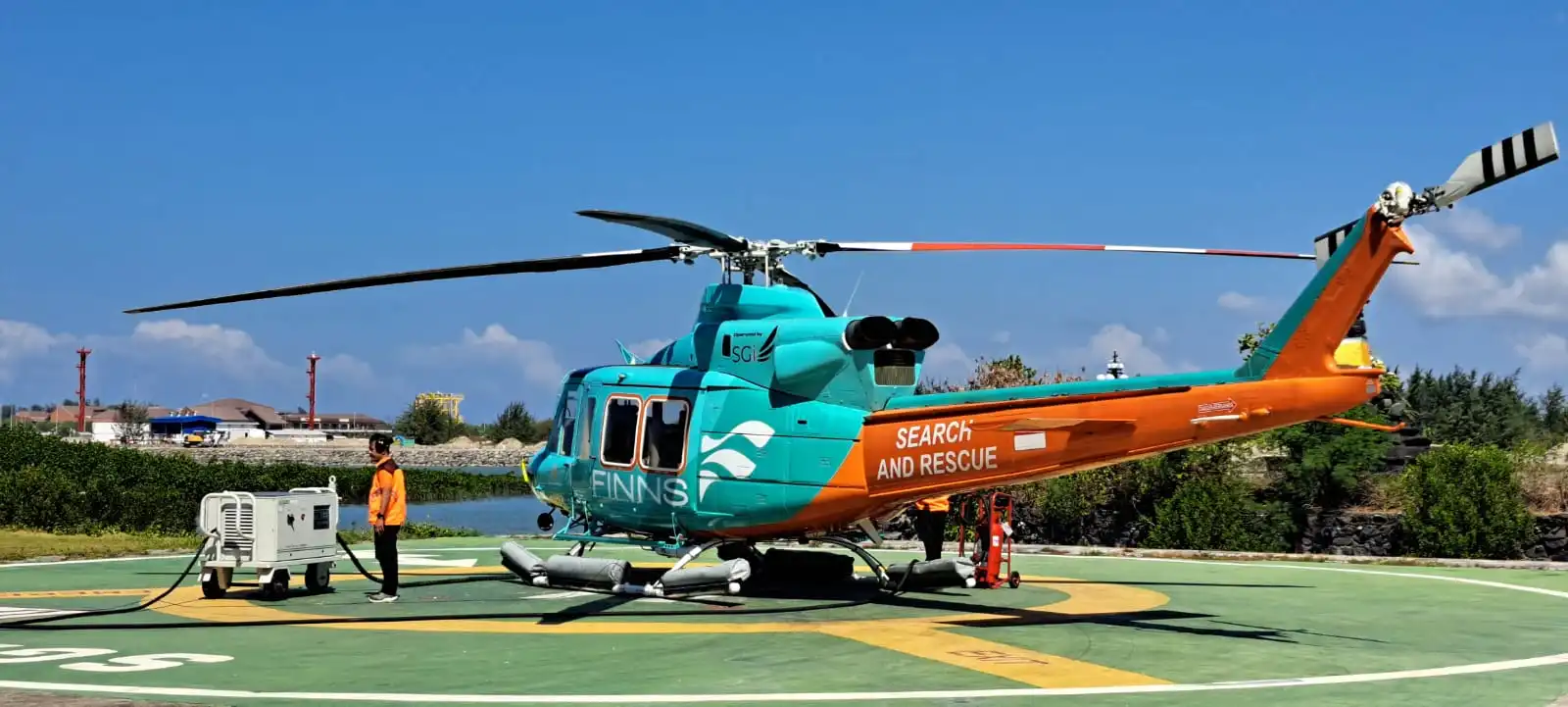
Understanding 115V 400Hz 20KVA Power Systems and Their Operational Dynamics
Aviation power systems differ fundamentally from standard utility grids. The 400Hz frequency standard emerged decades ago to address weight constraints in aircraft design, and today these principles extend seamlessly into ground support infrastructure.
Why Does 400Hz Frequency Matter in Aviation Environments?
High-frequency power reduces transformer and motor magnetic cores by 70% compared to 60Hz equipment. Weight reduction is crucial on aircraft and in packed hangars where room is limited. A 20kVA-rated converter at 400Hz produces high power with low floor space, an important factor as airports modernise ageing infrastructure.
Higher frequency enables a faster transient response to load changes. Maintainers must maintain voltage stability within ±1% while connecting test equipment or auxiliary systems to parked aircraft, despite rapid current pulls. Our ACSOON ground power units ensure frequency stability at ≤0.1%, providing reliable power for sensitive avionics during operational fluctuations.
Power Rating and Continuous Load Capacity
A 20kVA rating provides 17kW of continuous power under average power factor conditions. The capacity accommodates most narrow-body commercial aircraft for maintenance, pre-flight checks, and environmental control system testing. Due to thermal headroom, the unit can sustain transient overloads without protection circuits.
Thermal energy dissipation during operation is key to power system dynamics. Modern SSF converters are above 90% efficient; therefore, 10% of the input energy becomes heat. Proper ventilation, heat sink design, and ambient temperature management determine whether a unit can operate 24/7 without degradation.
Can 115V 400Hz 20KVA Power Units Operate 24/7 in Airport Hangars?
Continuous operation viability depends on engineering design, environmental factors, and maintenance protocols. We'll examine each dimension to provide procurement managers with actionable insights.
Thermal Management in Enclosed Hangar Spaces
Airport hangars are thermally challenging. Enclosed maintenance bays trap heat from power systems, lighting, and equipment, unlike outdoor apron areas with natural ventilation. Air-cooled converters lose their cooling capacity in summer because of high ambient temperatures.
Quality ground power systems include many thermal protections. Temperature sensors monitor IGBTs, capacitor banks, and transformer windings. If thresholds are approached, automated fan speed or load derating rises to prevent harm. ACSOON units use advanced thermal management to adjust output based on real-time temperature data, ensuring safe operation even in poor conditions.
Proper installation enhances design. Maintaining hangar HVAC systems, clearing units for intake and exhaust airflow, and scheduling filter cleaning ensure 24/7 performance. Despite high-quality equipment, overlooked environmental conditions caused premature failures in installations.
Load Profile Consistency and Component Stress
Continuous operation isn't always full-load. Daily demand varies due to aircraft maintenance schedules. A converter may supply 80% rated load during active system testing, 30% during documentation, and low demand during standby.
Compared to start-stop cycles, load variations extend component life. Thermal cycling during power-up and shutdown stresses solder joints, insulation, and mechanical connections. Moderate-load steady-state functioning is frequently easier than occasional high-intensity use.
Real-World Performance in Aviation Facilities
International airports in North America and Europe have used 400Hz ground electricity for decades. Reliability data from these installations shows that properly configured and maintained units achieve 95%+ uptime over multiple years.
We offered systems to military aviation bases with a 24/7 operational tempo. These setups use parallel converters with automatic failover to maintain power during repair windows. Aviation-grade components and protective systems enable continued operation of the underlying units.
Comparing 115V 400Hz Systems Against Alternative Power Solutions
Procurement decisions require evaluating multiple technical approaches. Understanding the tradeoffs helps match solutions to specific operational requirements.
Performance Comparison: 400Hz vs Standard Frequency Power
| Parameter | 115V 400Hz 20kVA | 115V 60Hz 20kVA | 230V 400Hz 20kVA |
|---|---|---|---|
| Transformer Weight | 15-20 kg | 50-65 kg | 18-24 kg |
| Physical Footprint | Compact | Large | Compact |
| Efficiency | 90-93% | 92-95% | 90-93% |
| Aviation Compatibility | Direct | Requires conversion | Phase-specific |
| Harmonic Distortion | <3% THD | Varies | <3% THD |
The table shows why 400Hz is the aerospace industry norm despite higher frequency conversion difficulty. The slightly decreased efficiency relative to utility-frequency transformers is outweighed by weight and space. In European and Asian fleets, 230V supports specialised aircraft types, while 115V dominates North American military and commercial aviation.
Purchasing teams must consider the total cost of ownership beyond the initial purchase price when considering options. A lighter, more compact 400Hz system may allow installation in locations where 60Hz equipment cannot, lowering cabling costs and boosting operating flexibility.
Selection Criteria for Airport Hangar Applications
System choice depends on several aspects. Aircraft fleet composition impacts voltage and connection needs. Ground power receptacle standards must be compatible with Boeing and Airbus facilities. Typical maintenance load analysis shows if 20kVA is enough or if larger ratings are needed.
The environment in the hangar affects cooling. Increased thermal capacity or liquid cooling benefits hot climates or low-ventilation facilities. Our tailored setups handle site-specific issues and ensure reliable performance regardless of installation location.
Compliance affects purchasing decisions. Commercial airports may prioritise CE marking and local electrical requirements, while military locations require compliance with MIL-STD-704F. Prevent costly retrofits and operational delays by verifying certification alignment during purchase.
Maintaining Long-Term Reliability for Continuous Operation of Power Systems
Durability in mission-critical applications stems from proactive maintenance strategies and quality component selection. We've identified key practices that maximise uptime and return on investment.
Preventive Maintenance Protocols
Routine inspections should cover electrical and mechanical systems. Visual inspections reveal cable corrosion, rusted connectors, and blocked airflow. High-utilisation installations should be inspected periodically, with more frequent checks throughout rollout.
Electrical testing ensures performance parameters meet specs. Degradation trends are detected before breakdowns by measuring output voltage, frequency stability, and harmonic content. Diagnostic interfaces ease testing and collect performance data for trend analysis in modern ground power units.
Component-specific maintenance greatly extends system life. Dirty hangars demand more frequent air filter replacements. As capacitor banks have limited lifespans, changing them according to manufacturer instructions minimises critical failures.
Strategies to Extend Equipment Lifespan
Operational methods affect longevity beyond regular maintenance. Starting with a gradual load decreases the component inrush current stress. Avoiding excessive temperatures through environmental management or load reduction preserves insulation and semiconductor junctions.
When possible, load management solutions spread demand over numerous units, lowering unit stress. Equipment wear is balanced by switching between primary and standby duties. Installations with careful operational planning increased service life compared to run-to-failure methods.
Building relationships with technical support suppliers is crucial. Direct access to engineering expertise speeds problem resolution for uncommon conditions or performance questions. ACSOON's technical support staff can help with configuration, troubleshooting, and performance optimisation throughout the 115V 400Hz 20KVA GPU product lifespan.
Sourcing from Suppliers with Comprehensive Support Capabilities
Warranty and after-sales support distinguish premium providers from commodity sellers. Long-term parts-and-labour guarantees indicate the manufacturer's confidence in product reliability. Our quality control—including burn-in testing and load simulation—ensures field reliability; therefore, we provide strong warranties on ground power units.
Quality after-sales service matters too. Spare parts inventory, field service networks, and technical documentation help customers stay operational. We have enough replacement parts to ensure fast delivery because aviation downtime is costly.
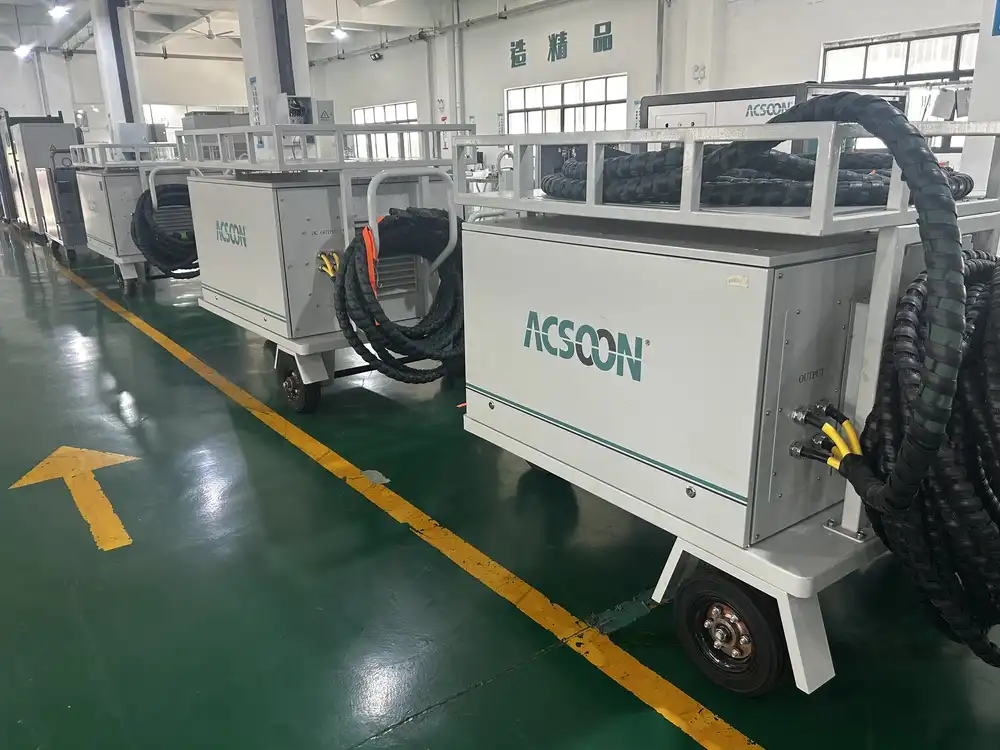
Procurement Strategies for Aviation-Grade Ground Power Equipment
Sourcing specialised power conversion equipment requires balancing technical requirements, budget constraints, and supply chain considerations. We've compiled practical guidance for procurement professionals navigating this process.
Identifying Qualified 115V 400Hz 20KVA GPU Suppliers
Trustworthy manufacturers have certifications, industry history, and client references. The ISO 9001 certification shows systematic quality control. CE certification ensures European safety and electromagnetic compatibility for international operations.
Technological capabilities demonstrate supplier depth. Custom configurations, application engineering support, and comprehensive testing indicate manufacturers can manage complex aviation projects. We have 15 years of power conversion experience in aerospace, defence, and industrial applications where power stability concerns operating safety.
Verification lowers supply chain risk. Evaluation techniques that require technical specifications, test reports, and compliance documentation reveal aviation-uncompliant vendors. Visits to factories show quality control and output.
Cost Optimisation and Delivery Scheduling
Pricing frameworks for aviation-grade power equipment reflect the specialised components and rigorous testing required. While initial costs exceed those of commercial-grade alternatives, total cost of ownership calculations often favour purpose-built systems, which offer superior reliability and extended service life.
| Purchase Approach | Unit Cost | Lead Time | Customization | Best Application |
|---|---|---|---|---|
| Standard Catalogue Units | Lowest | 2-4 weeks | Limited | Retrofit projects, budget-constrained |
| Modified Standard | Moderate | 4-8 weeks | Moderate | Specific connector/voltage needs |
| Fully Custom Design | Highest | 10-16 weeks | Complete | Unique aircraft types, specialised facilities |
| Bulk Purchase (5+ units) | Discounted | Negotiable | Varies | Fleet-wide upgrades, new construction |
Volume-based purchasing reduces per-unit expenses and ensures project-time delivery. We support phased delivery to meet building goals or budgets. Framework agreements for ongoing purchase stabilise pricing and reserve capacity during peak demand.
Custom orders adapt to operational changes. Power systems must adapt to aircraft technology and ground support processes. Our technical team collaborates with customers to customise input voltage ranges, output configurations, and system integration. This adaptability protects investments against technology obsolescence.
Evaluating Long-Term Partnership Potential
The best procurement results come from supplier relationships that go beyond transactions. Suppliers that care about customers comprehend operational situations, anticipate needs, and provide proactive help. We view client engagements as partnerships because your operational success depends on our product quality and service.
Check vendors' willingness to provide application help, technical training, and continuing consultation. Companies that focus on aircraft ground power rather than peripheral products indicate mission-critical specialisation.
Conclusion
With correct equipment selection, installation, and maintenance, airport hangars can run 115V 400Hz 20KVA ground power units constantly. Modern aviation-grade converters have heat management, protection, and high-efficiency designs for 24/7 operation. For procurement success, collaborate with experienced vendors who understand aerospace power requirements and provide full equipment lifecycle support. Technical specifications, operational best practices, and strategic sourcing guarantee that ground power infrastructure satisfies aviation reliability criteria.
FAQ
What makes 400Hz power preferred in airport environments?
The 400Hz standard reduces transformer and motor size by approximately 70% compared to 50Hz or 60Hz alternatives. This weight reduction originated in aircraft design, where every kilogram impacts fuel efficiency and payload capacity. Ground support equipment adopted the same standard for compatibility and to achieve similar space-saving benefits in crowded hangar environments.
Does continuous 400Hz operation affect transformer lifespan differently from standard frequencies?
Properly designed 400Hz power converters experience comparable or superior longevity to conventional frequency equipment. The higher frequency requires attention to harmonic management and skin effect in conductors, but modern solid-state designs address these factors effectively. Continuous operation at moderate loads typically proves less stressful than repeated thermal cycling from intermittent use.
Can existing 60Hz transformers be retrofitted for 400Hz applications?
No, frequency conversion requires fundamentally different transformer designs. The magnetic core size, winding configuration, and insulation systems are optimised for their specific operating frequencies. Attempting to operate 60Hz equipment at 400Hz results in excessive inductive reactance, severe overheating, and rapid component failure. Purpose-built 400Hz systems are essential for aviation applications.
Partner with a Trusted 115V, 400Hz, 20KVA GPU Manufacturer
Xi'an Jerrystar Instrument Co., Ltd. stands ready to support your airport ground power requirements with proven expertise and reliable equipment. Our ACSOON brand ground power units deliver the precision voltage regulation, frequency stability, and continuous-duty capability that aviation operations demand. With configurable systems ranging from 30kVA to 180kVA and custom solutions tailored to your specific aircraft types, we provide flexible options that match your operational needs and budget parameters.
Our comprehensive support extends beyond equipment delivery. The engineering team at ACSOON assists with system configuration recommendations, installation guidance, and long-term operational support, ensuring stable performance throughout your investment lifecycle. Every unit undergoes rigorous testing, including burn-in procedures and simulated load conditions, before shipment, reflecting our commitment to quality.
Contact our team at acpower@acsoonpower.com to discuss your ground power requirements. We welcome enquiries from procurement professionals seeking a reliable 115V 400Hz 20KVA GPU supplier capable of delivering both standard configurations and customised solutions. Discover how our 15+ years of power conversion expertise translates into operational advantages for your facility.
References
1. Anderson, J.M. & Phillips, R.T. (2019). Ground Power Systems for Modern Aircraft: Engineering and Operational Considerations. Aerospace Technology Publishers.
2. Chen, W.K. (2021). High-Frequency Power Conversion in Aviation Applications. International Journal of Electrical Systems, Vol. 47, Issue 3, pp. 234-251.
3. Federal Aviation Administration (2020). Advisory Circular 150/5220-25: Airport Ground Power Unit Standards and Best Practices. U.S. Department of Transportation.
4. Miller, D.S. (2018). Thermal Management Strategies for Continuous-Duty Power Converters in Enclosed Environments. Power Electronics Design Quarterly, Vol. 12, No. 2, pp. 78-95.
5. Society of Automotive Engineers (2022). Aerospace Standard AS-1373: 400 Hz Electrical Power Supply Characteristics for Ground Support Equipment. SAE International.
6. Thompson, L.R. & Kumar, S. (2020). Reliability Engineering for Critical Infrastructure Power Systems: Lifecycle Strategies and Maintenance Optimization. Industrial Press Engineering Publications.