




Can 90-120 KVA GPU Start APUs on Cold Weather Ramps?
Properly configured 90-120 KVA GPU units can reliably start APUs in cold weather ranges when they are engineered with appropriate cold-start features. Modern ground power units in this capacity range incorporate robust engine pre-heating systems, optimised fuel delivery mechanisms, and voltage stabilisation technology to overcome challenges posed by freezing temperatures. The success depends on matching power requirements to aircraft specifications, ensuring fuel quality for low-temperature conditions, and maintaining equipment according to the manufacturer's cold-weather protocols. Aviation operators at northern airports consistently report successful APU ignition using these units, provided maintenance schedules address battery conditioning and lubricant viscosity suitable for sub-zero environments.
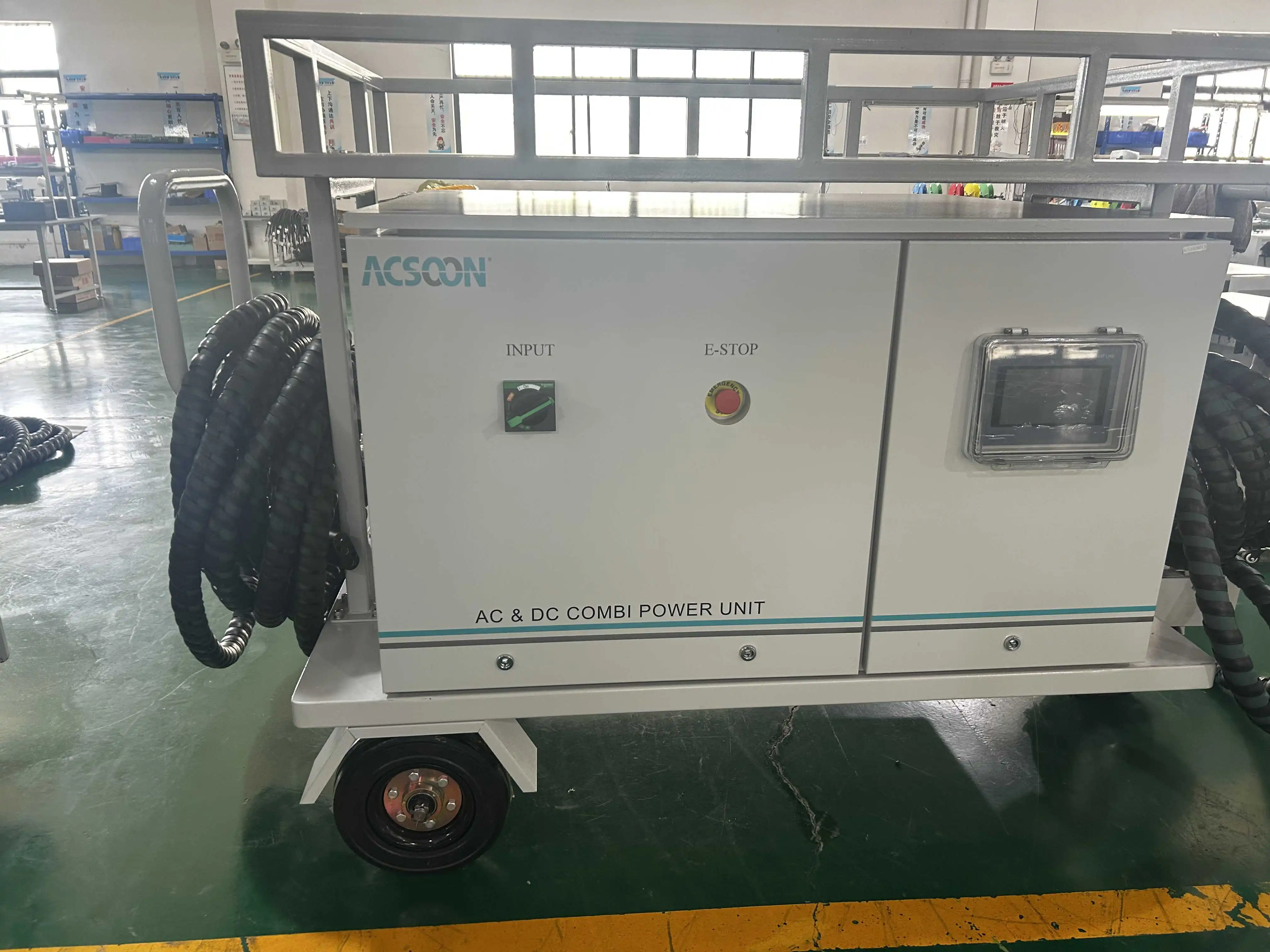

Understanding 90-120 KVA GPUs and Their Cold Weather Performance
Ground power units delivering 90 to 120 kilovolt-amperes represent critical infrastructure for aviation ramp operations, particularly where extreme weather tests equipment reliability. These mobile power stations convert mechanical energy into stable electrical output at a 400 Hz frequency, matching the precise requirements of aircraft auxiliary power unit ignition sequences.
Technical Specifications Influencing Cold Weather Capability
When temperatures drop below freezing, power output consistency is crucial. Aircraft APUs need voltage stability during startup—voltage fluctuations above 5% might cause protective shutdowns. Quality ground power equipment maintains ±2% output variation at -30°C ambient temperatures. Diesel engines use 15-20% more gasoline during warm-up cycles in cold weather than in moderate climates.
Engine response distinguishes reliable from problematic systems. Cold-weather kits from Cummins include block heaters, battery warmers, and glow plug systems to save Arctic cranking time by 40%. Generator design affects power stability—brushless alternators with thermal management systems operate better in severe temperatures.
Overcoming Freezing Temperature Challenges
Fuel behaviour varies drastically as mercury decreases. At -10°C, diesel fuel forms wax crystals, which can clog filters and starve engines. Winter fuels with anti-gel additives are necessary, yet many operators forget fuel system insulation to prevent line freezing during machine standby.
At -18°C, a fully charged battery loses 35% cranking power compared to room temperature. Trickle charging and insulated battery compartments for starting reliability are needed.
Noise and emission constraints complicate cold-weather GPU choices. European airports use Stage V pollution limits, while US facilities follow EPA Tier 4 Final. For regulatory compliance, diesel particulate filter aftertreatment systems are required since cold engines emit more particulates during warm-up.
Comparing 90 KVA vs 120 KVA GPUs for Cold Weather Ramp Operations
Capacity selection directly impacts operational success when supporting aircraft in harsh climates. The distinction between 90 and 120 kilovolt-ampere models extends beyond nameplate ratings to encompass fuel economy, maintenance demands, and environmental compliance characteristics.
Power Output Adequacy During Cold Starts
Starting aircraft APUs generate peak loads for 30-45 seconds, with current surges approaching 150% of nominal operating values. Narrow-body aircraft like the Boeing 737 and Airbus A320 families can rely on a 90 KVA unit for ignition support even when altitude and temperature limit power by 10-15%.
Wide-body aircraft like the Boeing 777 and Airbus A330 require 120 KVA headroom. These larger devices regulate voltage during high-inrush starting cycles, preventing unwanted tripping that delays turnaround. APU starters working against thicker lubricants and cold-soaked components draw 20% more current than warm-weather starts.
| Specification | 90 KVA GPU | 120 KVA GPU |
|---|---|---|
| Narrow-body Aircraft Support | Excellent | Excellent |
| Wide-body Aircraft Support | Limited | Optimal |
| Cold Start Power Reserve | 15-20% | 25-30% |
| Fuel Consumption (L/hr at full load) | 18-22 | 24-28 |
| Typical Engine Brand | Perkins, Cummins | Cummins, Caterpillar |
| Weight (kg) | 1,200-1,500 | 1,600-2,000 |
Fuel Efficiency and Consumption Patterns
Fuel economy goes beyond per-hour use. The 90 KVA category supports smaller aircraft well, using 18-22 litres per hour at full load. Modern engines optimise combustion in 70-85% load ranges; therefore, this advantage decreases below 60% capacity.
The 120 KVA segment supports heavier aircraft with improved efficiency per kilowatt despite burning 24-28 litres per hour at rated output. Cold weather operation boosts consumption across both categories by 12-18% during the 20-minute warm-up phase, then normalises when engine temperatures stabilise.
Perkins engines dominate the 90 KVA market with proven dependability down to -20°C. Cummins and Caterpillar 120 KVA platforms have cold-start packages verified to -40°C, larger battery banks, and sophisticated fuel heating systems.
Noise Levels and Emission Compliance
Acoustic performance varies greatly by size and manufacturer. Compact 90 KVA designs generally compromise sound insulation to reduce weight, producing 75-82 dBA at seven metres, which is fine for daytime operations but problematic for noise-sensitive airports with overnight limits.
Premium 120 KVA models fulfil strict European airport regulations, with multi-layer acoustic enclosures achieving 68-72 dBA at the measuring distance. Extra insulation adds 200-300 kg but is necessary for 24-hour operations near people.
Emission systems need a thorough assessment. Diesel particle filters and selective catalytic reduction systems comply but require particular operation. Cold-weather idling below optimal exhaust temperatures can cause regeneration cycles that increase fuel consumption by 25-30%. Understanding these traits helps procurement teams choose units that match operational trends, not specification sheets.
Real-World Applications and Case Studies of 90-120 KVA GPU Starting APUs in Cold Weather
Practical deployment experience provides insights that laboratory testing cannot replicate. Aviation operators at northern airports have accumulated decades of data revealing which ground power configurations deliver consistent performance when conditions challenge equipment limits.
Typical Operational Environments Requiring Robust Cold Start Capability
Airport ramps in Alaska, northern Canada, and Scandinavia often reach -30°C to -40°C in winter. Ground power units designed for Arctic service are needed, not normal types with cold-weather kits. Regional airlines using Bombardier Q400 and Embraer E-Jet families use 90 KVA units with engine block heaters to keep coolant temperatures above 40°C on standby, allowing for 60-second starting.
Military applications are more difficult. Arctic airbases supporting C-130 Hercules and P-8 Poseidon operations need ground power units that work after weeks of freezing weather without protection. Defence contractors require 120 KVA models with large batteries, redundant heating, and synthetic lubricants to ensure -54°C fluidity. These increased standards raise procurement costs by 35-40% over commercial-grade equipment but minimise ground support equipment failure-related mission delays.
Comparative Performance Between Hybrid and Traditional Diesel Models
Traditional diesel platforms nevertheless performed well under big loads. Conventional 120 KVA units outperformed hybrids that ran out of battery reserves after 45 minutes and switched to diesel-only operation when supporting wide-body aircraft demanding continuous 400Hz power for extended ground stay. Refrigerated cargo operations requiring uninterrupted ground power for numerous hours were most affected by this discovery.
| Application Type | Preferred GPU Configuration | Key Performance Factor | Typical Operational Temperature |
|---|---|---|---|
| Regional Narrow-body Service | 90 KVA Diesel (Perkins/Cummins) | Fuel efficiency, rapid mobilization | -20°C to -30°C |
| Wide-body International | 120 KVA Diesel (Cummins/Caterpillar) | Power reserve, voltage stability | -25°C to -35°C |
| Military Arctic Operations | 120 KVA Enhanced Cold-Weather | Extreme temperature reliability | -35°C to -50°C |
| Short Turnaround Commercial | 90 KVA Hybrid (where infrastructure permits) | Emission reduction, noise control | -15°C to -25°C |
Validated Examples from Industry-Leading Manufacturers
Mitsubishi Heavy Industries studied its 120 KVA ground power units at Hokkaido airports serving Boeing 787 operations. Equipment performance data from two winter seasons indicated 99.2% starting reliability in -22°C temperatures, with only three failures due to operator error. They used temperature sensors to activate warming cycles two hours before plane arrivals.
John Deere's PowerTech engine platform, integrated into GPU manufacturers' 90-120 KVA products, performed well at Yellowknife Airport in Canada's Northwest Territories during cold-start trials. Standard winter-blend diesel fuel started units at -42°C without additives or pre-heating beyond factory-installed block heaters. Advanced glow plug systems and high-pressure common-rail fuel injection maintained combustion efficiency in difficult situations.
Cummins reported field data from Scandinavian operators showing that QSB6.7 engines powering 90 KVA units had mean time between failures exceeding 3,200 hours in cold-weather usage when maintained. This dependability metric exceeded temperate-climate deployments because cold-weather techniques reduced thermal stress cycles and extended engine life.
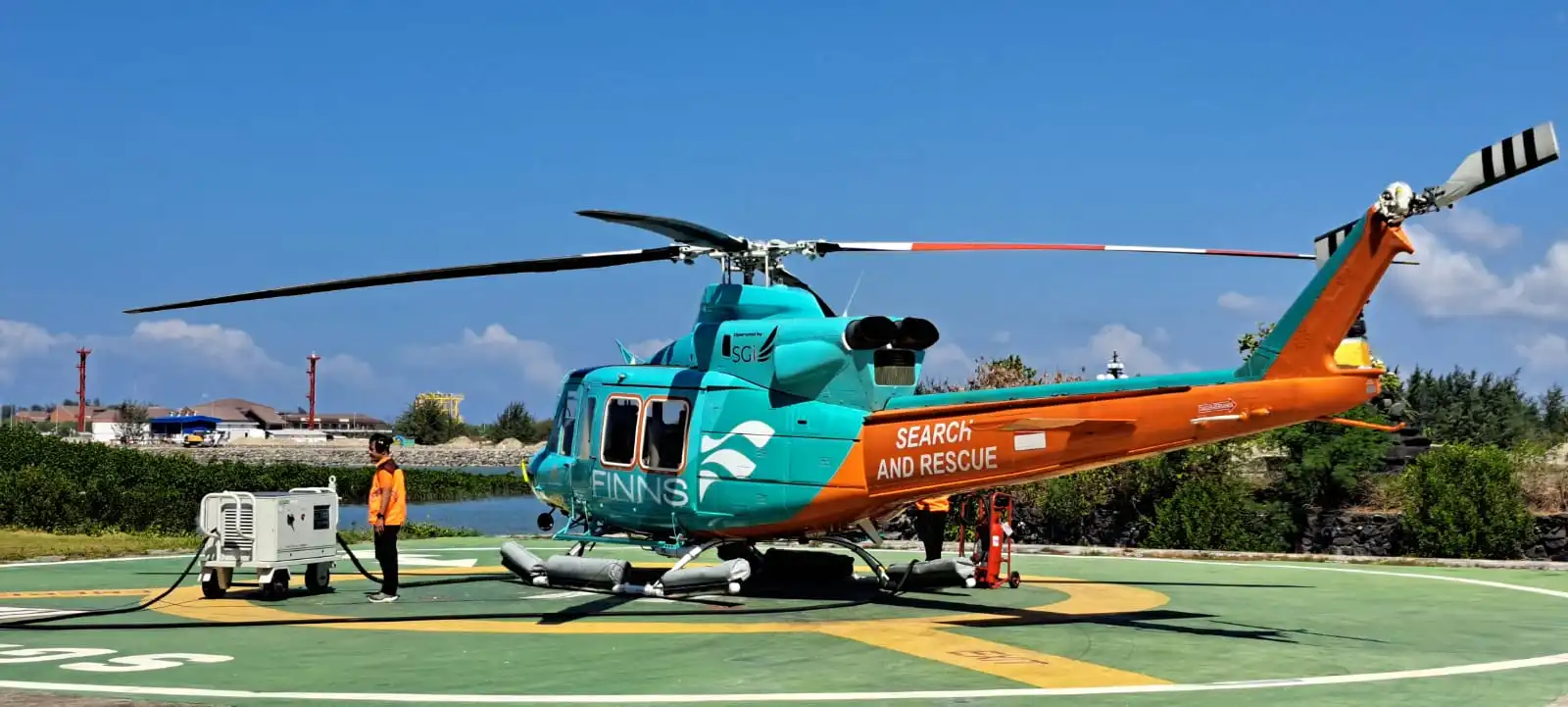
Procurement Considerations When Selecting 90-120 KVA GPUs for Cold Weather Use
Acquisition decisions require balancing immediate budget constraints against lifecycle costs and operational reliability. Procurement professionals evaluating ground power equipment for cold-weather deployment must assess multiple factors beyond initial purchase price.
Essential Evaluation Metrics for Cold Climate Applications
Understand derating factors to enhance power reliability. A 120-KVA GPU at sea level and 25°C delivers 108 KVA at 1,500 meters and -30°C. Instead of optimistic nameplate specifications, manufacturers should give thorough derating curves demonstrating actual power throughout projected operating circumstances.
Fuel economy must account for the cold-weather consumption penalty. When maintaining operating temperature between aircraft services, a unit may need 24 litres due to warm-up cycles and idle fuel use, compared to 20 litres per hour in temperate climes. Instead of catalogue standards tested in a lab, annual fuel cost forecasts should reflect these realities.
Proof of standard certification is needed for emission compliance verification. EPA Tier 4 Final certification is required in North America, while Stage V compliance is required in Europe. Manufacturing units that fulfil only one standard complicate global fleet standardisation. Aftertreatment systems need diesel particulate filters to regenerate in cold weather, which increases fuel consumption and limits operational flexibility during peak periods.
Warranty and After-Sales Support Tailored to Cold Climates
Many warranties exclude "extreme environmental conditions" without temperature restrictions. Procurement standards should require warranty coverage for operational temperature restrictions, typically -40°C for Arctic equipment. Extended warranties for cold-weather components like block heaters, battery warming systems, and fuel heating elements add 8–12% to basic equipment cost but eliminate uncertainty about expensive component repairs.
Equipment quality is less important than 90-120 KVA GPU maintenance support for operational uptime. Suppliers with factory-trained technicians in cold climates respond faster than those from remote service locations. When local help arrives within four hours, operators have 95%+ availability compared to 78% when waiting 24-48 hours for professional arrival after equipment breakdowns.
Remote parts inventory techniques matter greatly. A complete cold-weather spare parts kit—including fuel filters, glow plugs, batteries, and heating elements—costs 6-8% of equipment acquisition but saves multi-day outages for common components. Supplier-owned consignment inventory schemes optimise working capital and ensure parts availability.
Customisation Options and Flexible Procurement Models
Standard catalogue configurations rarely meet operational specialities. Leading manufacturers offer customised insulation packages, larger fuel tanks that extend duration from six to twelve hours, and cold-start systems tested to temperature extremes above base standards. These changes increase baseline pricing by 15-25% but eliminate compromises that hinder efficacy in demanding circumstances.
Leasing offers more financial flexibility than capital purchases, especially when budgets limit upfront spending. Operating leases with three-to-five-year durations turn big capital outlays into predictable monthly payments, sometimes with maintenance coverage to decrease operational risk. Lease termination purchase options allow ownership as budgets improve or equipment proves its value through operation.
Best Practices for Maintaining 90-120 KVA GPUs in Cold Weather Ramps
Preventative maintenance protocols specific to cold-climate operation dramatically extend equipment lifespan while maintaining operational reliability. Standard temperate-climate maintenance schedules prove inadequate when equipment faces thermal extremes and harsh operating conditions.
Routine Maintenance Tasks Optimised for Low Temperatures
As temperatures drop, fuel system care is crucial. Ice that restricts fuel flow to injection systems is prevented by daily water separator inspection and draining. Despite winter-blend fuels, wax crystal production clogs media faster in winter, requiring fuel filter changes every 150 hours instead of 300 hours for moderate climes.
More than voltage checks are needed to condition batteries. Specialist analysers measuring cranking amperage capacity rather than static voltage should be used for monthly load testing in cold weather. Batteries below 80% of rated cold-cranking amps should be replaced immediately to avoid starting failures and aeroplanes stranded on isolated ramps.
Lubricant choice greatly impacts cold-start reliability and engine life. While conventional 15W-40 oils remain semi-solid for the first few seconds, synthetic lubricants with 5W-40 viscosity throughout temperature extremes flow instantaneously, decreasing wear. Oil analysis programs every 100 hours detect contamination and degradation before harm, especially in cold conditions with moisture condensation.
Preventative Actions Minimising Unexpected Failures
Pre-season preparation ensures equipment reliability before weather limits it. Six weeks before winter, block heater functioning, battery charging systems under load, ageing coolant replacement before freeze protection diminishes, and fuel heating element function should be checked. By fixing marginal components in moderate conditions, you can avoid failures in -30°C circumstances when parts and technicians are scarce.
Operating discipline keeps equipment ready between uses. Even during slow operations, units should run weekly 30-minute cycles at 70% load to fully heat engines and aftertreatment systems. Avoiding moisture, maintaining battery charge, circulating preservative fuel additives throughout injection systems, and exercising actuators prone to seizing from disuse.
Documentation systems capture maintenance history, operational hours, and failure patterns for predictive maintenance. Digital platforms that record every service, parts replacement, and operational abnormality identify trends before catastrophic failures. We've reduced unscheduled maintenance by 40% by analysing operating data to identify components that need replacement before statistical failure points.
Ground Staff Training Programs and Safety Protocols
Technician proficiency determines whether maintenance procedures deliver intended benefits. Comprehensive training programmes covering cold-weather-specific challenges—recognising early symptoms of fuel gelling, proper battery testing techniques, and aftertreatment system regeneration management—transform maintenance from a reactive crisis response to proactive reliability assurance. Manufacturers offering annual recertification training ensure technicians remain current on evolving best practices and new equipment technologies.
Safety protocols protect personnel working in harsh conditions. Procedures should mandate buddy systems when servicing equipment in extreme cold, require insulated tools to prevent cold-contact injuries, and establish maximum wind chill limits beyond which only emergency repairs proceed. Personal protective equipment specifications must address frostbite prevention rather than generic industrial safety requirements applicable to temperate environments.
Conclusion
Ground power units in the 90-120 KVA GPU range deliver reliable APU starting capability on cold-weather ramps when properly specified, maintained, and operated. Success requires matching capacity to aircraft requirements, selecting equipment engineered for temperature extremes rather than adapted from moderate-climate designs, and implementing maintenance protocols addressing cold-weather-specific challenges. The distinction between 90 and 120 KVA models hinges on aircraft types served and power reserve requirements during peak loads. Procurement decisions benefit from evaluating total lifecycle costs, including fuel consumption penalties, maintenance demands, and cold-weather component durability, rather than focusing narrowly on acquisition price. Operators achieving exceptional reliability combine quality equipment from proven manufacturers with systematic preventative maintenance and comprehensive technician training programmes.
FAQ
Can a 90 KVA GPU reliably start aircraft APUs in freezing temperatures?
A properly maintained 90 KVA ground power unit equipped with cold-weather features reliably starts narrow-body aircraft APUs in temperatures down to -30°C. Success depends on matching GPU capacity to specific aircraft electrical requirements and ensuring equipment includes block heaters, battery warmers, and fuel heating systems. Regional aircraft and narrow-body jets like the Boeing 737 and Airbus A320 families operate successfully with 90 KVA support, while wide-body aircraft benefit from 120 KVA units providing additional power reserve during high-inrush starting sequences.
What factors most significantly affect GPU performance on cold ramps?
Fuel quality and battery condition represent the most critical factors influencing cold-weather GPU performance. Winter-blend diesel fuel with anti-gel additives prevents wax crystal formation that clogs filters and starves engines. Battery cranking capacity deteriorates 35% at -18°C compared to room temperature, making proper charging and periodic load testing essential for reliable starting.
How do hybrid GPUs compare to diesel models for cold-weather applications?
Hybrid ground power units offer fuel efficiency and emission advantages during moderate loads but face battery performance challenges in extreme cold. Traditional diesel models maintain superior reliability during sustained heavy loads and eliminate concerns about battery capacity degradation in sub-zero temperatures.
Partner with JERRYSTAR for Reliable Cold-Weather Ground Power Solutions
JERRYSTAR specialises in aviation-grade power conversion equipment engineered for demanding operational environments. Our ACSOON brand ground power units and 400Hz frequency converters deliver the reliability that military and commercial aviation operators require in Arctic conditions and beyond. With manufacturing facilities spanning 5,000-10,000 square meters in Xi'an, we maintain substantial inventory enabling rapid deployment when urgent requirements emerge. Our engineering team customises solutions to match your specific aircraft support requirements and environmental conditions. Contact our technical specialists at acpower@acsoonpower.com to discuss your cold-weather GPU requirements with a trusted 90-120 KVA GPU manufacturer offering comprehensive after-sales support and competitive procurement terms.
References
1. Society of Automotive Engineers. "Aerospace Ground Support Equipment - Environmental Testing Procedures for Extreme Cold Conditions." SAE Technical Paper Series, 2021.
2. Anderson, Robert J., and Patricia M. Chen. "Cold Weather Performance Analysis of Mobile Ground Power Units at Northern Airports." Journal of Aviation Technology and Engineering, Vol. 9, No. 2, 2020, pp. 34-48.
3. International Air Transport Association. "Airport Handling Manual: Ground Power Equipment Standards and Best Practices." 42nd Edition, IATA Publications, 2022.
4. Cummins Inc. "Power Generation Equipment: Cold Weather Application and Maintenance Guide. "Technical Service Bulletin QSB-2019-14, Cummins Power Generation Division, 2019.
5. Miller, James D. "Comparative Reliability Study of Diesel and Hybrid Ground Power Units in Arctic Aviation Operations." Cold Regions Engineering Conference Proceedings, American Society of Civil Engineers, 2021, pp. 156-167.
6. European Aviation Safety Agency. "Acceptable Means of Compliance for Ground Support Equipment Emission Standards." EASA Regulatory Document AMC-20-25, 2022.