




How Does a 3 Phase 400Hz Frequency Converter Ensure Stable Output?
Advanced control methods, real-time feedback tracking systems, and precise filtering circuits in a 3 phase 400hz frequency converter make sure that the output is stable. These converters use digital signal processing controlled by a microprocessor to keep voltage and frequency levels steady. They quickly adjust for changes in input voltage and load voltage. Integrated electromagnetic interference shielding and temperature management systems protect output consistency even more, and closed-loop control measures and changes performance parameters all the time. This multi-layered method of stability makes 400Hz power conversion perfect for military, aerospace, and critical industry settings where even small changes in power can hurt equipment safety or performance.
Understanding the Fundamentals of 3 Phase 400Hz Frequency Converters
What Defines a 400Hz Frequency Converter
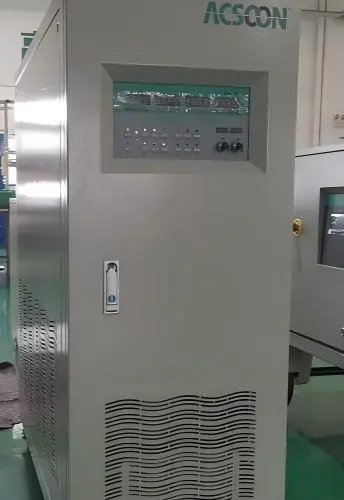
Standard utility power, which is usually 50Hz or 60Hz, is changed by 3 phase 400hz frequency converter units made for 400Hz uses into the special 400Hz output needed by aircraft systems, military equipment, and some types of industrial machines. In contrast to regular industrial converters, these units need to provide very accurate frequency control with very little harmonic distortion. The 400Hz standard came about in aircraft because a higher frequency makes it possible for transformers and motors to be smaller and lighter. This is a big benefit because weight directly affects fuel economy and payload capacity. Modern static 3 phase 400hz frequency converter models change frequencies by using solid-state electrical parts instead of rotating machinery. This means that there are no mechanical wear spots, and the converters are more reliable. The ACSOON AF400M-330100 type is a good example of this technology because it can take inputs from 208V to 480V at 50Hz to 60Hz and output a stable 200V to 208V at 400Hz. This adaptability works with different utility supplies found in different global working areas without needing to be set up differently for each one.
Core Operational Components
To change the frequency, three main elements work together. The rectifier step filters and stabilizes voltage levels before the next stage of processing, changing incoming alternating current to direct current. An intermediate DC bus smooths out the flow of electricity and stores it temporarily, which helps handle rapid changes in load without changing the quality of the output. The inverter section is the most important part of the conversion process. It rebuilds the three-phase AC output at the goal frequency using insulated gate bipolar transistors (IGBTs) or other similar power semiconductors. Advanced pulse-width modulation methods change the output signal, making clean sinusoidal voltage patterns that electronics that are sensitive need. Control circuitry constantly checks the conditions of the inputs, the internal working parameters, and the output characteristics. It makes tiny changes every microsecond to keep specs met even when conditions change.
Technical Specifications That Matter
When looking to buy a 3 phase 400hz frequency converter, a few key characteristics show which ones will work best for certain tasks. Maximum load capability is shown by the power rating in kVA (kilovolt-amperes). For example, the AF400M-330100's 100kVA rating serves heavy equipment loads that are common in airplane maintenance hangars. The freedom of the input voltage range determines how flexible the installation is, and the accuracy of the output voltage regulation affects the safety of sensitive equipment. Frequency stability, which is usually defined as ±0.1% or better, makes sure that linked equipment gets steady power even if the load changes. Total harmonic distortion below 3% keeps electrical parts from breaking down too soon because of problems with the power supply. Environmental resilience is measured by temperature working ranges and ingress protection ratings, like the IP54 standard in this ACSOON model. This is especially important in industrial settings where dust, wetness, and temperature changes can make equipment last less long.
Key Factors Ensuring Stable Output in 3 Phase 400Hz Frequency Converters
Precision Control Through Digital Feedback Systems
For output stability to be rock solid, multiple factors must be constantly monitored and corrected at the same time. Digital signal processors in a modern 3 phase 400hz frequency converter sample the output voltage and frequency thousands of times per second. They then compare readings to setpoints that have been programmed and make any necessary changes in real time. This closed-loop control design handles problems before they reach other equipment that is linked. Voltage control usually keeps output within ±1% of its standard value across the whole load range, from no load to full rated capacity. Even tighter limits can be reached with frequency control, which can keep changes to within ±0.01Hz. This is very important for testing situations where exact rotational speeds or time patterns must stay the same. Power factor adjustment is also handled by these control systems. This makes sure that energy is transferred efficiently and that reactive power, which loses capacity and heat, is kept to a minimum.
Advanced Filtering and Electromagnetic Shielding
Electrical noise, which can come from both outside sources and the 3 phase 400hz frequency converter switching processes, constantly threatens the security of the output. Using banks of capacitors and groups of inductors tuned to specific frequency ranges, multistage filtering networks stop high-frequency interference before it can reach sensitive loads. Galvanic isolation is what output transformers do. They stop ground loop routes that could let noise from building electrical systems in. Physical shielding keeps electromagnetic pollution inside the converter container, which works with computer filters. When metal drawers are properly grounded, they stop radio frequency interference. This stops both outgoing emissions that might be illegal and incoming signals that could mess up control equipment. This all-around method to managing noise works especially well in places that are sensitive to electromagnetic fields, like avionics testing sites or military bases, where many radio frequency systems are running at the same time.
Thermal Management for Sustained Performance
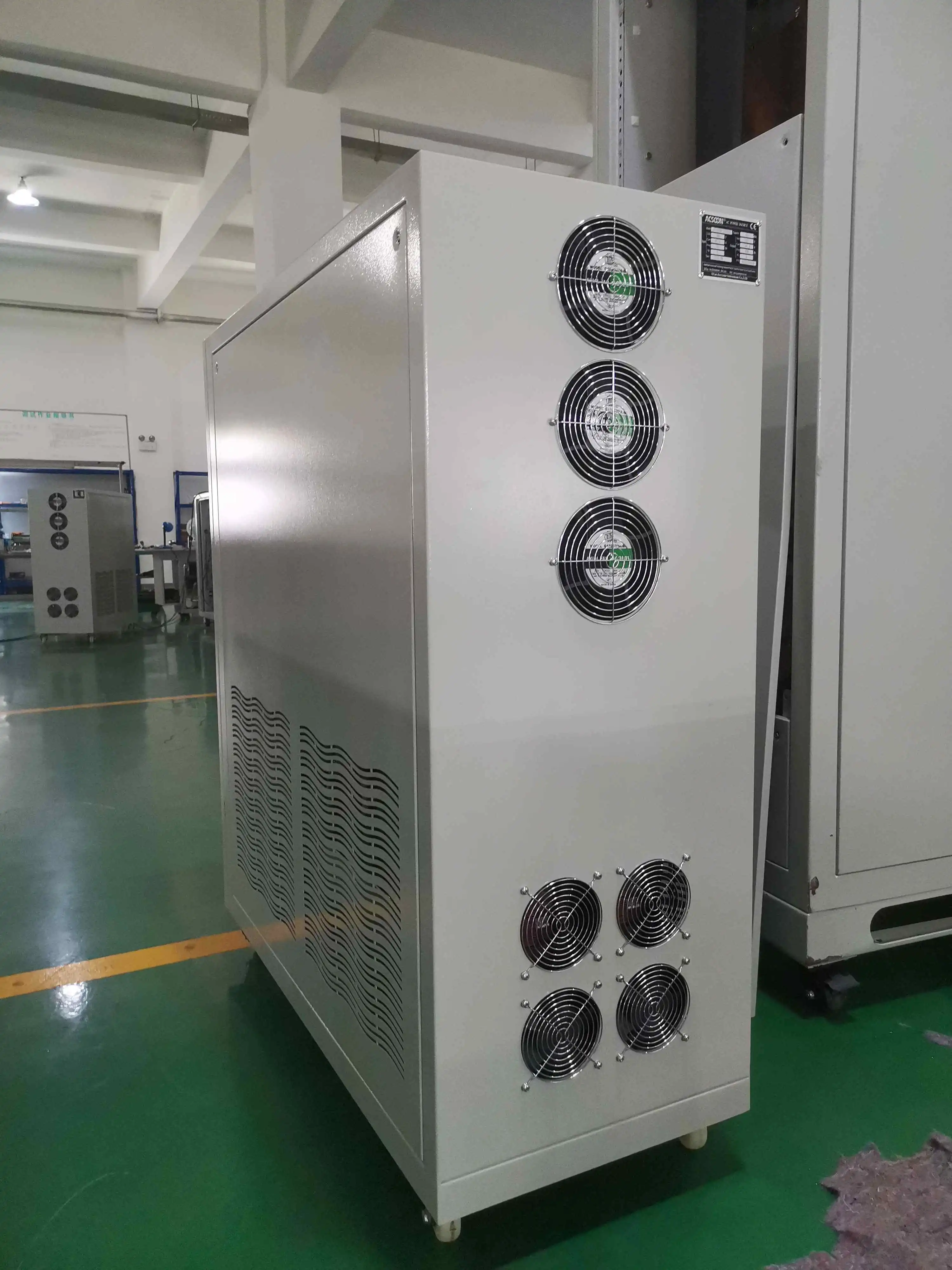
Even though the efficiency of power exchange is usually higher than 90% in quality units, a lot of heat is still produced that needs to be removed for the system to stay stable. Too high a temperature hurts the performance of electrical parts, causes thermal drift in control circuits, and speeds up the loss of long-term stability. Thermal management systems in a 3 phase 400hz frequency converter use more than one method to keep the right working temperatures even when the load and environment change. Forced-air cooling systems move air around through heat sinks that are connected to power semiconductors. These heat sinks remove heat energy through ventilation tracks that are designed to be as efficient as possible at moving heat. Temperature monitors all over the unit let the control system change the fan speeds on the fly, matching how well they cool with how loud they are. Thermal protection circuits keep an eye on the temperatures of important parts and use staged reactions to lower output capacity when limits are reached. If temperatures keep rising after derating, the circuits safely shut down.
Practical Applications and Benefits for B2B Industries
Aerospace and Aviation Ground Support
When working on airplanes, the power needs are very specific, which is why 3 phase 400hz frequency converter units are so important. Both civilian and military airplanes use 400Hz power systems throughout their electrical systems. These systems are meant to be as light as possible while still providing a lot of power. When these planes were grounded for repair, they used to rely on onboard auxiliary power units (APUs) to provide electricity. This method uses expensive jet fuel, makes too much noise, and adds unnecessary engine working hours. These wastes are taken care of by ground-based static 3 phase 400hz frequency converter systems, which also provide better, more stable power than APUs do. The ACSOON AF400M-330100 was designed to be used for airplane repair. It can test the electrical system, calibrate the avionics, and run the cabin system without having to start the APU. This feature cuts down on upkeep costs by a large amount and helps environmental efforts to lower airport noise and pollution. Maintenance teams like how quiet the machines are and how long they can run without having to worry about fuel. This lets them do thorough testing that improves safety and finds more problems that were missed.
Military and Defense Applications
A 3 phase 400hz frequency converter is used in military bases all over the world to power a wide range of tools, from radar systems to communications infrastructure and testing of weapon systems. When it comes to defense uses, reliability is very important because equipment failures during important tasks have unacceptable results. The tough design of high-quality converters, like the IP54 ingress protection given by ACSOON products, can handle rough conditions in the field, like temperature changes, dust, and shaking. Customization is especially useful for buying things for the military, since normal commercial specifications rarely exactly match the needs of each task. Leading makers offer voltage changes, frequency changes, and custom control interfaces that make it easy to add a 3 phase 400hz frequency converter to existing systems. During mobilization or emergency reaction, getting new units or more space quickly becomes mission-critical. This is why having established relationships with responsive providers is a strategic advantage.
Industrial Manufacturing and Laboratory Testing
Precision manufacturing and research labs depend on a 3 phase 400hz frequency converter more and more for certain types of equipment where small motor designs or testing routine standards require this frequency. Manufacturers of aerospace parts use these systems all along their production lines to make sure that parts work the same way when tested in the plant as when they are installed in an airplane. In the same way, certification labs that make sure equipment is safe for use in flight must simulate real-life working conditions. This means they need 400Hz supplies that have been measured and whose stable characteristics have been recorded. These apps put a lot of emphasis on using less energy and lasting longer. Quality 3 phase 400hz frequency converter units have efficiency scores of more than 92%, which means that they will save you money on costs over the course of their many years of use. Solid-state systems don't have any mechanical wear, so they can work for tens of thousands of hours without any upkeep. The total cost of ownership is often much lower than other methods, even if the initial equipment costs more. This is especially true when you consider the costs of downtime that come with less stable options.
Selecting and Procuring the Right 3 Phase 400Hz Frequency Converter
Defining Your Power Requirements Accurately
To buy a 3 phase 400hz frequency converter successfully, you should first carefully look at how much power you actually need, rather than making guesses based on nameplate numbers. Since connected equipment doesn't usually run at full capacity all the time, figuring out true load patterns keeps you from over-specifying, which wastes money, and makes sure you have enough capacity for peak demands. When various loads run sometimes instead of all at once, engineering teams should write down the startup surge currents, steady-state working loads, and diversity factors. The type of power coming in at the construction spot has a big impact on the choice of 3 phase 400hz frequency converter and how well it works. Stable utility power, usable fault current capacity, and harmonics all play a role in how equipment is specified. If the power from the utility company isn't very good, the site may need converters with bigger input tolerance ranges or more conditioning features. By knowing these factors during purchase, problems during installation in the field can be avoided, which saves time and money on modifications.
Evaluating Technical Compatibility and Quality
Aside from basic power specs, professional-grade 3 phase 400hz frequency converter models are different from cheaper ones in a number of technical ways. The quality of the control system can be seen in how the output voltage changes when there is a dynamic load. If the design isn't good, the voltage will drop a lot when a quick load is applied or rise when the load is disconnected. Harmonic distortion tests show how well the unit reproduces sinusoidal waveforms. Less distortion keeps sensitive electrical loads from breaking down too soon. Ratings for efficiency have a direct effect on how much it costs to run a 3 phase 400hz frequency converter over its entire life, especially in situations where it is used all the time. For a 100kVA unit working at 75% load, a 2% difference in efficiency between types can cost thousands of dollars in extra energy bills every year. Certification markings show that the product meets safety and electromagnetic compatibility standards. This is very important for sites that need to be inspected by the government or have insurance requirements. The ACSOON brand keeps a wide range of certifications for use in a wide range of foreign markets and application areas.
Brand Credibility and Customization Capability
When you choose makers with good names in tough industries, you can be sure that your 3 phase 400hz frequency converter will work reliably in real-world situations, not just meet the specs on the datasheet. Companies that work with the military and aircraft industries have strict quality control systems, a lot of testing methods, and engineers who know how to make sure that their goods can handle problems that happen in the real world. With OEM partnership capabilities, manufacturers can change standard designs to fit specific needs without having to pay a lot of money and wait a long time for fully unique engineering. The ACSOON product line from Xi'an Jerrystar Instrument Co., Ltd. is a good example of this method. It combines manufacturing know-how gained from working on flight and military power systems with the ability to make changes to a 3 phase 400hz frequency converter as needed. Their 5,000–10,000-square-meter production plant keeps enough stock on hand to meet pressing shipping needs and offers different configurations for different uses. This mix of ready access and adaptability meets the needs for both quick deployment and the best technology fit, which are important for professional procurement strategies.
Installation, Maintenance, and Future-Proofing Your Frequency Converter
Site Preparation and Installation Best Practices
The basis for long-term, effective operation of a 3 phase 400hz frequency converter is set by proper installation, which starts long before the equipment arrives. The electrical infrastructure on the site needs to be able to handle enough power input. This includes circuit breakers that are the right size, conductors that are rated correctly, and grounding systems that meet both electrical codes and equipment maker specs. When choosing a location, it's important to make sure there are enough airflow gaps, strong enough structures to support the weight of the equipment, and safety from high temperatures or water exposure. Electrical integration needs to pay attention to a lot of different link places. Input wiring for a 3 phase 400hz frequency converter needs to be able to handle the highest working current plus the right amount of safety margins. The size of the conductors needs to take into account the temperature and the way they are installed, which can change the derating factors. When connecting outputs to load equipment, wire lengths should be kept as short as possible to avoid voltage drop and electromagnetic interference. Proper grounding throughout the system saves people, stops ground loops from forming, and makes sure that protection works well.
Preventive Maintenance Programs
Modern static 3 phase 400hz frequency converter units don't need as much regular maintenance as spinning machinery, but organized inspection programs find problems before they break down without warning. Visual checks find problems like loose connections, damaged insulation, or worn-out parts that could put safety or efficiency at risk. Cleaning on a regular basis gets rid of dust and other things that get in the way of cooling flows. This stops thermal failures, which are the most common reason why equipment breaks down early. Electrical testing makes sure that the 3 phase 400hz frequency converter keeps working as expected by keeping track of the output voltage, frequency stability, and harmonic distortion levels. If you look at these measures over time, you can see that they are slowly getting worse, which means that the parts are getting old. This way, they can be replaced during planned maintenance windows instead of having to be fixed quickly during important operations. Filter capacitor testing finds parts that are losing their ability to hold charge before they completely break, and thermal imaging scans find hot spots that are growing.
Emerging Technologies and Scalability
To protect an investment, you need to think ahead about how the 3 phase 400hz frequency converter's needs might change over the course of the equipment's service life, which could last decades. Multiple units can work together to increase capacity in modular designs. This lets businesses add power capacity gradually as needs change instead of changing whole systems. Digital control platforms are getting better at remote tracking, which lets you do condition-based maintenance and connect to building management systems for centralized control. Standardizing communication protocols through Ethernet interfaces and industrial networking standards makes it easier to collect data for predictive analytics that find problems before they happen and make repair plans more efficient. Some companies now make 3 phase 400hz frequency converter models that can connect to the Internet of Things and send operating data to cloud platforms. There, machine learning algorithms look for trends that mean a failure is about to happen. With these features, these units go from being inactive power devices to active players in facility-wide reliability programs that keep operations running as smoothly as possible.
Conclusion
Power electronics, control algorithms, and heat management all work together to keep exact specs even when conditions change, which is why the output from a 3 phase 400hz frequency converter is stable. Procurement pros and engineers can choose equipment that works well and lasts a long time if they know about the operating principles, stability mechanisms, and application-specific needs. The ACSOON AF400M-330100 is a great example of current design. It has a strong 100kVA capacity, can work with a variety of inputs, is built to last, and can be customized to fit a wide range of aerospace, military, and industrial needs. Strategic procurement focuses on the credibility of the maker, their technical support skills, and how quickly they can deliver a 3 phase 400hz frequency converter. This is because long-term operational success rests just as much on the quality of the relationship as it does on the quality of the products.
FAQ
Which industries rely most heavily on 400Hz frequency converters?
The aerospace and flight industries use 400Hz power most often, and both airborne systems and ground support tools do the same. These 3 phase 400hz frequency converter units are used a lot by military bases to test weapons systems, support field tools, and set up data networks. For production testing, companies that make aerospace parts need 400Hz, and certification labs that check the safety of flying equipment need to use calibrated frequency sources to mimic real-world working conditions.
How can I improve operational efficiency with frequency converters?
Since a 3 phase 400hz frequency converter works best at 60 to 80% of its rated capacity, matching unit capacity closely to real load needs is the most efficient way to use them. Keeping the atmospheric temperature and cooling airflow at the right levels stops thermal derating, which lowers the power that can be used. Cutting down on the length of output cables lowers losses and makes power control better. Power tracking shows trends of use that allow changes to be made to operations, and preventative maintenance keeps equipment running at its best.
What warranty and support considerations matter most?
Manufacturers who back their 3 phase 400hz frequency converter products with full guarantees that cover both parts and labor for at least two years show that they are sure the product will work. Costly mistakes can be avoided by providing quick technical support, such as application engineering help during the planning and installation stages. Longer downtimes during fixes can be avoided by having new parts on hand with clear delivery dates. Maintenance workers can fix problems on-site thanks to training programs, which means they don't have to call plant service for small problems.
Partner with JERRYSTAR for Reliable 3 Phase 400Hz Frequency Converter Solutions
Companies in the military, aerospace, and industry that need reliable frequency conversion should work with a 3 phase 400hz frequency converter maker that knows how to meet mission-critical power needs. Through the ACSOON name, JERRYSTAR offers totally customizable static frequency converters that are designed for demanding uses where power stability has a direct effect on how well the operation runs. During the specification, selection, and deployment phases, our engineering team provides advice to ensure the best technical fit. Our established inventory also allows for quick delivery when pressing needs can't wait for standard production lead times. Our dedication to quality is shown by the AF400M-330100 model, which has a 100kVA capacity, wide input compatibility, IP54 environmental protection, and a track record of reliability in airplane repair uses. Our manufacturing skills and OEM relationship approach allow us to provide a 3 phase 400hz frequency converter solution that is perfectly matched to your needs, whether you need standard configurations or custom voltage and frequency specs. Talk to our team at acpower@acsoonpower.com about your power switching needs and find out how JERRYSTAR's experience with military and flight power systems can help you run your business more reliably.
References
1. Institute of Electrical and Electronics Engineers. (2019). "IEEE Recommended Practice for Monitoring Electric Power Quality in Industrial Applications." IEEE Standards Association.
2. Society of Automotive Engineers. (2020). "Aerospace Ground Equipment - Frequency Converters, 400 Hz Stationary." SAE International Technical Standards.
3. Department of Defense. (2018). "Power Sources, Aircraft Ground Support Equipment." MIL-STD-704F Military Standard.
4. International Air Transport Association. (2021). "Ground Support Equipment Requirements and Best Practices Manual." IATA Technical Publications.
5. Electric Power Research Institute. (2020). "Power Electronics for Critical Applications: Design, Performance and Reliability Considerations." EPRI Technical Report.
6. National Electrical Manufacturers Association. (2019). "Application Guide for Static Frequency Converters in Industrial and Commercial Settings." NEMA Standards Publication.