




Best Uses of Single Phase Frequency Converters in Industry
Single phase frequency converters are necessary devices for changing power that change the frequency and voltage of electricity to meet the needs of equipment in a wide range of industry settings. These units make it possible for power sources to work with sensitive machinery. This is especially useful for flight ground support, lab tests, marine systems, and high-precision manufacturing. By giving out stable, clean power with little harmonic distortion, these converters keep important equipment safe from voltage changes and frequency fluctuations that could damage its functionality. Because they are small and have a separate output, they are perfect for uses that need high accuracy and don't affect electromagnetic fields, especially in places where three-phase power infrastructure isn't available or can't be set up easily.
Understanding Single Phase Frequency Converters: Basics and Industrial Relevance
Core Operational Principles
At its core, a single phase frequency converter changes incoming alternating current by changing the intensity and frequency cycles of the voltage. Usually, the process of change includes changing the AC input to direct current and then changing it back to AC at the output parameters that are wanted. Modern static frequency converters use high-tech power electronics, like IGBTs and complex control algorithms, to produce a perfect sine wave output with very little overall harmonic distortion. This technological method gets rid of the mechanical parts that older rotating converters had. This makes them much easier to maintain and more reliable in demanding industrial settings while also using less energy.
Equipment Compatibility Advantages
When manufacturing plants try to use foreign machinery or old machines that were made for different power standards, they often run into compatibility problems. A frequency converter fills in these gaps so that 60Hz equipment can work on 50Hz sources or vice versa without having to make expensive changes to the electrical infrastructure. This versatility is especially useful for flight testing facilities that need to make sure that airplane parts work properly with real 400Hz power, or for marine operations that need to adapt to shore power. Good converters have a separate output that protects sensitive electronics from ground loops and electrical noise that is common in industrial settings. This is called galvanic separation.
Comparative Analysis with Three-Phase Systems
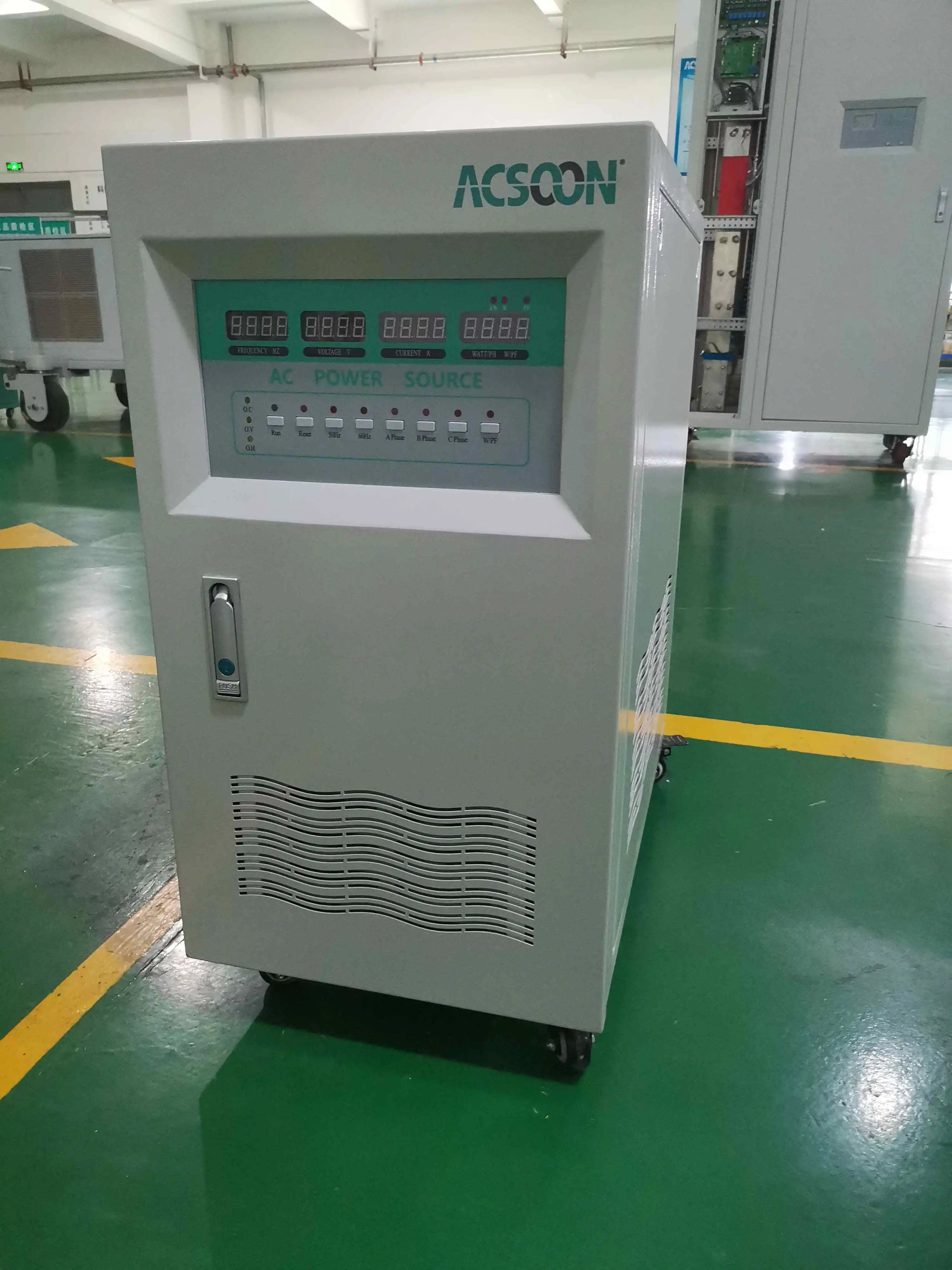
When high power is needed in an industrial setting, three-phase converters are the best choice. However, single-phase types work better when power needs are smaller, equipment is spread out, or installing three-phase infrastructure is too expensive. Single-phase units are usually used for uses that don't need more than 10kVA of power. They are cheaper to buy and easier to install. Because they are portable—for example, standing models with wheels built in—they can be used in a variety of settings, such as labs, repair shops, and temporary test sets. When procurement professionals look at power conversion options, they should think about the characteristics of the load, the infrastructure that is accessible, and the needs for future expansion. This will help them figure out the best converter topology for each operating situation.
Top Industrial Use Cases of Single Phase Frequency Converters
Precision Laboratory Equipment Testing
Single phase frequency converters are used in research and development labs to test how well a product works with different power levels before putting it on the market. Multiple voltage and frequency combos must be checked according to testing standards for consumer gadgets, industrial controls, and aerospace parts. When converters give off a clean sine wave with less than 3% harmonic distortion, they make sure that measurements are accurate by getting rid of power quality factors that could change test results. In order to meet these needs, the ACSOON AF60-110001 type is available with a 1kVA capacity and IP21 security. Its EMC-compatible design and quiet operation keep labs safe for sensitive instruments. With this feature, engineers can simulate real-life power situations without having to build different power systems for each test case.
Aviation Ground Power Applications
For maintenance and pre-flight tasks on airplanes, a 400Hz power source is needed to turn on equipment while the engines are off. Standard building power is changed into frequencies that are compatible with aircraft by portable frequency converters. This lets techs do diagnostics, avionics testing, and system proof without having to use extra power units. Modern converters are easy to place next to planes in hangars or on flight lines because they have small footprints and wheels that make them mobile. Low noise emission is especially important in these settings, where hearing safety and clear speech are still very important. Operators like separate output designs because they stop ground fault currents from spreading between the converter and the aircraft's electrical systems. This makes repair processes safer for everyone.
Marine Equipment Adaptation
When shore-based facilities are changed to meet the electrical standards of a vessel, maritime sites face special problems when converting power. Ships often use different frequencies or voltages than services on land, so testing, repairs, and system commissioning must be done with conversion tools at the dock. Static frequency converters are a reliable way to change without the weight, shaking, and upkeep that come with rotary options. Because they are solid-state, they can survive the harsh conditions of marine habitats that are full of humidity, salt air, and changes in temperature. Procurement managers who work with naval bases and shipyards like converters with wide input voltage ranges, like the AF60-110001's 208V-480V three-phase input, so they can work with different shore power configurations in different international ports without having to keep multiple converters on hand.
Legacy Equipment Integration
Even though power standards are becoming outdated, manufacturing companies often keep specific equipment that costs a lot of money to buy. Facilities use frequency converters to make older assets work with newer electrical infrastructure so they don't have to replace working equipment too soon. This method increases the useful life of equipment while keeping up production and avoiding the expensive process revalidation that needs to be done with new equipment. Because machine downtime directly affects production output, converters that do this job must be very reliable. The isolated output configuration is especially helpful when putting together older equipment that doesn't have modern electromagnetic interference suppression. This is because the converter effectively separates sensitive legacy controls from the electrical noise that is present in modern facility power distribution systems.
Mobile and Remote Operations
Portable power conversion options are very helpful for field operations in remote areas or temporary setups. Even though normal utility services aren't always available, research trips, military missions, and emergencies need reliable electrical infrastructure. Small converters that have movement features built in let them be quickly set up and moved as working needs change. Because they can handle a wide range of input voltages, they can be connected to generators, temporary power sources, or utility services with variable quality that are widespread in areas where infrastructure is still being built. These units are good for field labs, mobile command centers, and tactical communications sites where power quality directly affects mission success and equipment longevity because they are built to last.
Choosing the Best Single Phase Frequency Converter for Your Industrial Needs
Defining Application Requirements
To choose the right single phase frequency converter, you must first give a full description of the load, the surroundings, and the limitations of the task. Engineers have to figure out how much power is needed by looking at both continuous and peak demand patterns. This is because units that are too small will break down early, while models that are too big will cost more to buy and work less efficiently when only partially loaded. The standards for output voltage and frequency must exactly match what is written on the equipment's nameplate. For sensitive instruments, it is important to pay special attention to the margins that are allowed. The general temperature range, altitude, humidity, and exposure to contaminants are some of the environmental factors that affect how homes are designed, how they cool, and how well they protect against intrusion. When sensitive measuring equipment is used, converters with very low output distortion are needed. On the other hand, for portable use, small size and built-in handle features are more important than maximum efficiency optimization.
Critical Performance Parameters
When buying, professionals look at different converter choices; they should pay close attention to several technical details that have a direct effect on how well they work. Total harmonic distortion below 3% makes sure that it works with sensitive electrical loads and precise instruments that don't work right when they're fed waves that are distorted. Output voltage control, usually within ±1%, keeps equipment running at the same level even when the input voltage or load changes. Overload capacity, or the ability to briefly supply currents that are higher than their steady values, is very important for motors and inductive loads that have high inrush currents when they first turn on. Long-term running costs are affected by efficiency ratings, especially in situations where job cycles are long, and conversion losses add up quickly. EMC compatibility confirmed by recognized testing standards keeps equipment from interfering with nearby equipment. This is very important in control rooms and labs with lots of people because electromagnetic noise can damage sensitive instruments.
Manufacturer and Brand Considerations
There are well-known companies in the global frequency converter market whose goods are the result of decades of technical improvement and reliability in the field. Leading names like ABB, Siemens, and Schneider Electric charge higher prices, but this is because they have detailed manuals, large service networks, and long warranty terms that lower the total cost of ownership. Asian companies like Delta and specialized providers like ACSOON provide competitive options that combine strong technical performance with price advantages that appeal to buying programs that are trying to stay within their budgets. In order to meet the unique needs of industries like flight, the military, and laboratories, ACSOON converters are designed with features like low harmonic output, small packaging, and the ability to be customized. People who are buying something shouldn't just look at how much it costs at first. They should also look at how responsive the supplier's technical support is, how many spare parts are available, how long the delivery lead time is, and whether the supplier is willing to make changes to standard products if they don't meet specific operational needs.
Support Services and Long-Term Value
In addition to the basic product specs, the seller's support system has a big impact on how well operations run over the life of the equipment. Quick technical support can answer questions about installation, fix problems with how things work, and improve speed for certain apps. When repair is needed, downtime is kept to a minimum by having new parts readily available and acceptable wait times for consumable parts. Warranty terms that show the maker believes in the product's dependability protect you financially against early failures and show how well the product was built. Documentation that includes thorough wiring diagrams, maintenance methods, and troubleshooting guides makes it possible for building maintenance staff to handle routine problems without outside help. Companies like Xi'an Jerrystar Instrument Co., Ltd. meet these needs by having established inventory systems that allow for fast delivery, customization services that meet specific needs, and direct technical communication channels that make it easy to solve problems for military and aerospace applications that need to be fixed quickly.
Installation, Maintenance, and Troubleshooting for Industrial Use
Installation Best Practices
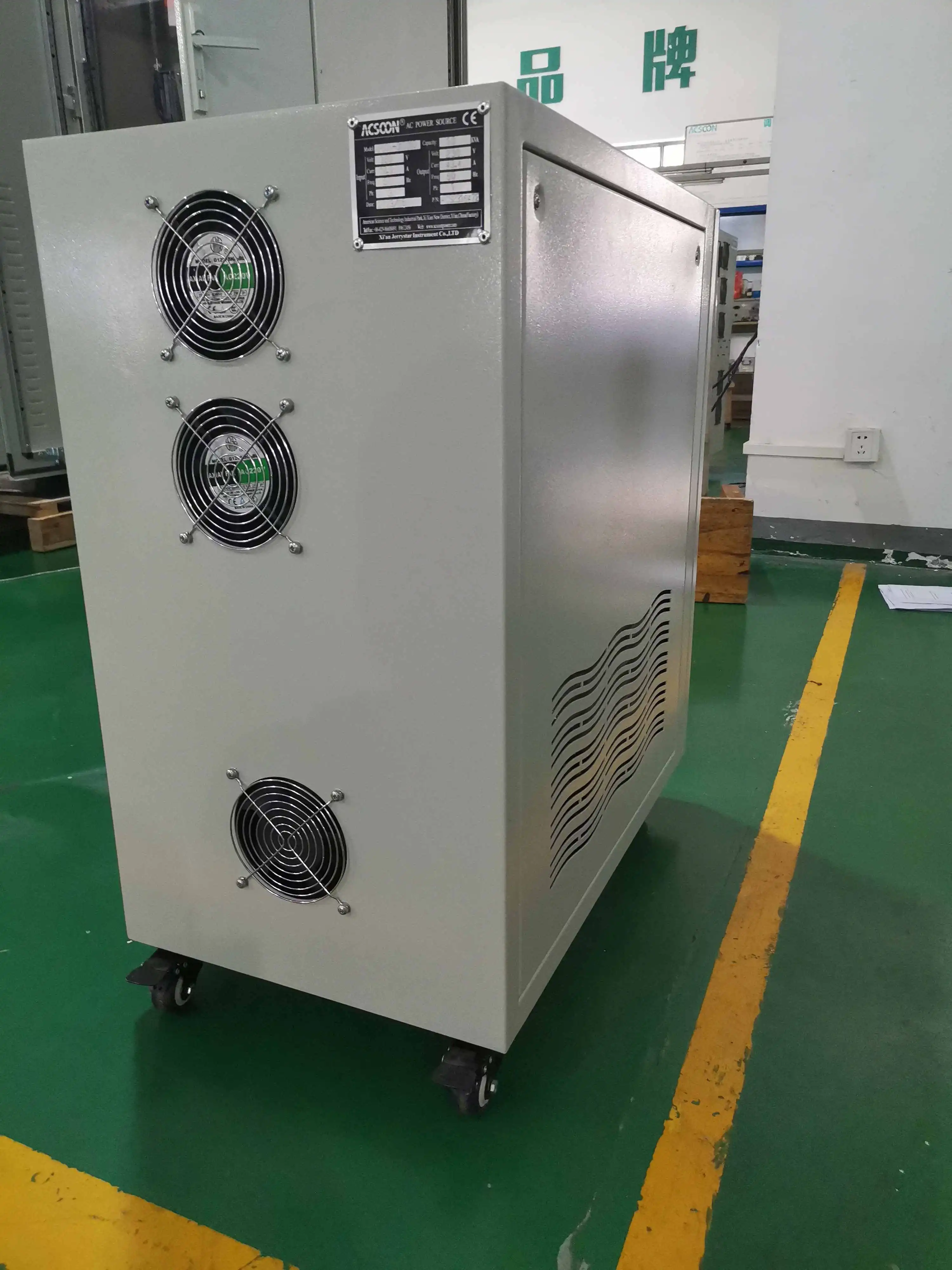
When you install a single phase frequency converter correctly, it sets the stage for long-term reliability and peak efficiency. When preparing the site, make sure there is enough space for airflow. Manufacturers usually list minimum distances from walls and nearby equipment to keep things from getting too hot. Electrical connections must follow the rules, including having the right-sized wires, overcurrent safety, and grounding rules that make sure the system works safely and prevent faults from happening. When possible, input and output circuits need to be routed separately so that electromagnetic interaction doesn't cause noise to reach sensitive loads. Placement choices are affected by things like controlling the temperature, keeping wetness out, and being away from sources of shaking. The AF60-110001's upright design with built-in wheels makes it easier to place correctly during initial setup and allows for repositioning as working needs change, all without the need for lasting infrastructure changes or specialized material handling equipment.
Routine Maintenance Requirements
Preventive maintenance makes converters last longer and cuts down on unplanned breaks that can mess up testing and production plans. Regular checks should be made to make sure the cooling system is working properly by making sure air can flow freely through ventilation holes and looking for dust buildup on heat sinks and other internal parts. Terminal screws can come loose from the heat and vibrations that are typical in industrial settings, so the safety of electrical connections needs to be checked on a regular basis. Aging capacitors are a common way for power electronics to fail, so measuring capacitance and ESR on a regular basis is a good way to keep them in good shape. Filter parts should be replaced on a regular basis, as suggested by the producer, or more often in dirty settings. Recording upkeep tasks, such as measuring parameters and checking the state of parts, creates performance trends that make it possible to spot patterns of wear and tear early, before they lead to equipment failures that affect important operations.
Troubleshooting Common Issues
Systematic troubleshooting processes make it possible to fix problems quickly, which keeps operations running as smoothly as possible. Output voltage changes often mean that there is a problem with the input power, a problem with the control circuit, or a component that is wearing out. To fix this, measurements must be checked at the input ports and compared to specs. Strange noises could mean that a cooling fan is wearing out, that mechanical parts are loose, or that there are electrical problems in the magnetic elements that are causing noticeable frequencies. Overcurrent or overtemperature problems that cause safe shutdowns should be looked into in terms of the load, the environment, and the conditions inside the components, which could mean failure is coming. When harmonic distortion goes beyond what is normally expected, it means that filter parts are breaking down or there are problems with the control system that need to be looked into in more detail with power quality instruments. Manufacturers usually give troubleshooting advice that connects symptoms with likely causes and suggested fixes. However, for more complicated problems, factory technical support or an authorized service provider may be needed to keep the warranty valid and make sure the right repair steps are taken.
Future Trends and Innovations in Single Phase Frequency Converters for Industry
Industry 4.0 Integration Capabilities
New designs for single phase frequency converters include troubleshooting and communication tools that work with larger efforts to digitalize industries. Connecting to networks using protocols like Modbus, Ethernet/IP, and PROFINET lets you keep an eye on working factors from afar, keep track of energy use, and plan maintenance ahead of time by analyzing performance all the time. Integration with building management systems gives operating insight, which helps energy optimization programs and makes it easier to respond quickly to problems before they get worse and cause equipment breakdowns. Connecting to the cloud lets companies keep an eye on their deployed product lines, find common failure modes, and push firmware changes that fix problems found in the field without having to send technicians to visit the sites. These digital features are especially helpful for businesses that have equipment installed in multiple buildings or in remote areas. Centralized tracking lowers the cost of oversight while increasing working efficiency by finding problems early on.
Enhanced Efficiency and Sustainability
Environmental concerns and the cost of energy are what keep converter efficiency and power output getting better. Modern semiconductor technologies, like silicon carbide and gallium nitride switching devices, lower conduction and switching losses. This makes it possible for devices to be more efficient over a wider range of working temperatures while requiring less heat management. Better magnetic materials and better design for parts cut down on core losses and parasitic effects that waste energy as heat. These improvements in efficiency directly lead to lower running costs over the life of the equipment. They also help the company meet its environmental goals by lowering energy use and the carbon emissions that come with it. Lifecycle perspectives are being used more and more by manufacturers to think about more than just operational efficiency. They are thinking about things like material selection, recycling, and how to get rid of products at the end of their useful lives. This is because environmental responsibility is becoming more important to industrial buyers and governments around the world.
Customization and Application-Specific Optimization
Modern production methods and flexible design allow for cost-effective customization to meet specific needs without the high prices that have traditionally been linked with non-standard goods. Different power standards and different pieces of equipment can be used with configurable input and output settings, which don't require custom engineering work. Application-specific optimization, such as better filtering for sensitive instruments, stronger building for harsh environments, or built-in tracking for important operations, sets you apart from competitors in specific market groups. This trend is shown by ACSOON's OEM support features, which let equipment makers and system designers choose converters that are perfect for their needs while also taking advantage of well-known design platforms that lower development costs and speed up time-to-market. This adaptability is especially useful in the aircraft, military, and specialized industrial sectors, where standard catalog goods don't meet specific working needs or certification requirements that require custom solutions.
Conclusion
Single phase frequency converters are very important in many fields, like flight, the military, marine engineering, and precision manufacturing. They make sure that all the equipment works together and keep sensitive systems safe from power quality problems. Because they can change voltage and frequency while keeping the output as a pure sine wave with little distortion, they are essential for testing in the lab, integrating old equipment, and other specific uses that need a 400Hz power source. For execution to go well, the application needs to be clearly defined, suppliers must be carefully chosen by balancing performance and cost, and installation and upkeep must be done correctly. New features, like Industry 4.0 connectivity and higher efficiency, make these devices more in line with current operational goals. Customization choices meet the specific needs of military and aerospace uses. Companies that want reliable power conversion solutions can get a lot out of working with established providers who can offer technical knowledge, quick support, and a history of working with critical applications where equipment failure has big practical effects.
FAQ
How do I determine if a frequency converter suits my equipment?
First, check the nameplate specs to see what single phase frequency converter and frequency your device needs. Make sure that the output properties of the translator exactly meet these needs. Figure out how much power is used overall, taking into account the motors' and inductive loads' starting surge currents. Then, choose a converter that can handle at least 125% of the constant demand. Think about the quality of the output pattern. Sensitive electronics and precise instruments need output that is a clean sine wave with low harmonic distortion, usually less than 5%. Take a look at the working temperature, how easy it is to get to the installation site, and the necessary ingress protection grade for dust and moisture exposure.
What maintenance activities minimize downtime risks?
Do checks every three months to make sure the ventilation system is clean, the electrical connections are tight, and there is no noise or shaking that doesn't seem normal. To set performance baselines, keep logs of input and output voltages, temperatures, and any safety faults that happen. Plan detailed inspections once a year that include checking the capacitors, using thermal imaging to find hot spots that show component stress, and making sure the safety functions work. Replace filters when the maker says to, or sooner if the area is dirty. Take care of small problems right away, before they get worse and cause major failures that require extended downtime. Keeping spares of important parts on hand cuts down on the time it takes to fix things when they break.
What bulk purchasing options include warranty and support?
Suppliers with a good reputation usually have bulk price structures with discounts that go up as the order quantity goes up. In-depth plans should include information about warranty periods that cover both parts and labor, the availability of expert help with promised response times, and the cost of spare parts that will always be available for the life of the equipment. Leading sellers like JERRYSTAR offer factory-direct buying, which cuts out the markups that distributors add on top of the price. They also keep enough product on hand to ensure quick delivery, which meets urgent procurement needs. When you look at the total ownership costs, you should not only look at the unit price, but also the warranty coverage, the speed with which support is provided, and the stability of the provider to make sure that you can get parts and expert support for as long as your equipment is in use.
Partner with JERRYSTAR for Reliable Frequency Conversion Solutions
JERRYSTAR has a lot of experience with uses in flight, the military, the marine industry, and labs that need precise power conversion. Our ACSOON brand single phase frequency converter produces a clean sine wave with harmonic distortion below 3%. This means they can be used with sensitive equipment and important systems. Our dedication to quality is shown by the AF60-110001 model, which has an EMC-compatible design, a small size, and an isolated output that keeps linked equipment safe. We keep a large inventory on hand so that we can serve quickly and meet urgent procurement deadlines. Additionally, our customization options allow us to meet specific needs that standard goods can't. Get in touch with our technical team at acpower@acsoonpower.com to talk about your specific application needs and find out how working with an experienced frequency converter manufacturer can improve operational reliability while lowering your total cost of ownership through competitive pricing and full support services.
References
1. Chapman, S. J. (2018). Electric Machinery Fundamentals, 6th Edition. McGraw-Hill Education, New York.
2. Hart, D. W. (2021). Power Electronics: Principles and Applications. McGraw-Hill Education, New York.
3. Rashid, M. H. (2020). Power Electronics Handbook: Devices, Circuits, and Applications, 4th Edition. Butterworth-Heinemann, Oxford.
4. IEEE Standards Association (2019). IEEE Recommended Practice and Requirements for Harmonic Control in Electric Power Systems. IEEE Std 519-2014. Institute of Electrical and Electronics Engineers, New York.
5. Bose, B. K. (2017). Power Electronics and Motor Drives: Advances and Trends, 2nd Edition. Academic Press, Cambridge.
6. Mohan, N., Undeland, T. M., & Robbins, W. P. (2019). Power Electronics: Converters, Applications, and Design, 4th Edition. John Wiley & Sons, Hoboken.