



How Does Aircraft 400 Hz Power Improve Fuel Efficiency?
Aircraft 400 Hz power completely changes how much fuel is used by allowing huge weight reductions in electrical parts. In places where the frequency of electricity is 400 Hz instead of the usual 50/60 Hz, transformers and motors need much smaller magnetic cores—about 15-20% of their normal sizes. This weight loss affects the whole plane, lowering the amount of fuel used during every flight hour. Auxiliary Power Units (APUs) don't have to be run when the plane is stopped because of ground power units that give 400 Hz. This saves jet fuel and reduces pollution at airports. This specific frequency standard is now needed for all commercial flights, defense activities, and the production of aerospace.

Understanding Aircraft 400 Hz Power Systems
Technical Definition and Core Components
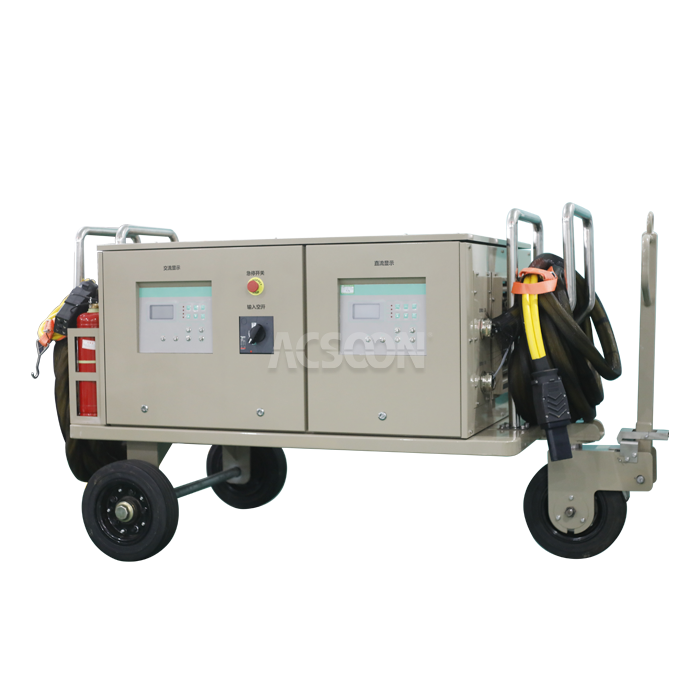
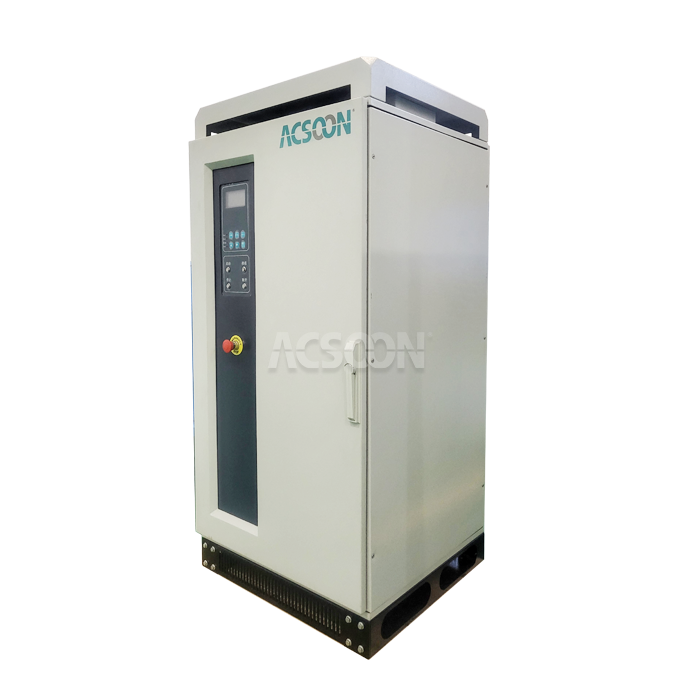
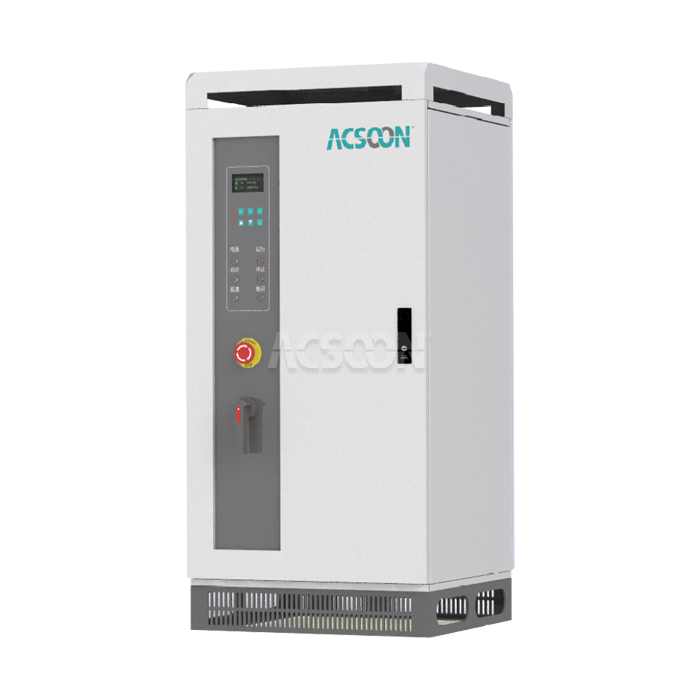
In aviation, high-frequency power sources give three-phase alternating current at 115/200 volts and work at 400 cycles per second. Electricity systems on land, which run at 50 or 60 Hz, are very different from this standard. Specialized generators built into airplane engines, static frequency converters for use on the ground, transformers made for higher frequency use, and distribution networks made to handle the unique electrical properties of aircraft 400 Hz power are all part of the system architecture. Ground Power Units (GPUs) are very important pieces of interface equipment because they change regular energy from the grid into the exact 400 Hz output that stopped planes need. These converters have to keep the voltage within ±2% and the frequency within ±0.1% so that sensitive instruments don't get damaged. To meet MIL-STD-704F guidelines, Total Harmonic Distortion (THD) must stay below 3%. This makes sure that clean power is delivered, which keeps navigation systems, flying computers, and communication equipment safe from electrical interference.
Engineering Principles Behind Frequency Selection
Electromagnetic science explains why smaller parts are possible at higher frequencies. The transformer core size goes down as the working frequency goes up. If you double the frequency, you can cut the core material in half while still transferring the same amount of power. At 400 Hz, the required magnetic flux density is much lower than at 60 Hz. This means that engineers can make transformers that are only 15 to 20% as heavy as comparable units at lower frequencies. This weight decrease is not just for transformers; it also affects motors, generators, and magnetic parts in all kinds of electrical systems. The cumulative result lowers an airplane's empty weight by hundreds of pounds, which immediately means that it can carry more cargo or use less fuel. When choosing tools for new aircraft projects or changes to ground support infrastructure, aviation procurement experts who look at power systems need to know about these connections.
Why 400 Hz Power Improves Fuel Efficiency in Aircraft
Weight Reduction and Power-to-Weight Optimization
Every pound that is taken off an airplane saves fuel over the course of its life. Studies of the industry show that each pound of weight loss saves about 0.75 gallons of fuel per year per airplane, based on how often it is used. When electrical parts work at aircraft 400 Hz power, transformers, motors, and other related equipment can save more than 500 pounds of weight on business airplanes. This means that over a 25-year working life, fuel costs will go down and carbon pollution will go down. The gains in power-to-weight ratio don't just apply to inactive parts. Motors and actuators that work at higher frequencies have better performance qualities and need less material to produce the same amount of force and power. These changes make hydraulic pump motors, weather control system compressors, and flight control devices work better. These improvements in efficiency add up across dozens of electrical loads in the plane, making system-wide performance better in a way that would not be possible at lower frequencies.
Electrical Efficiency and Heat Management
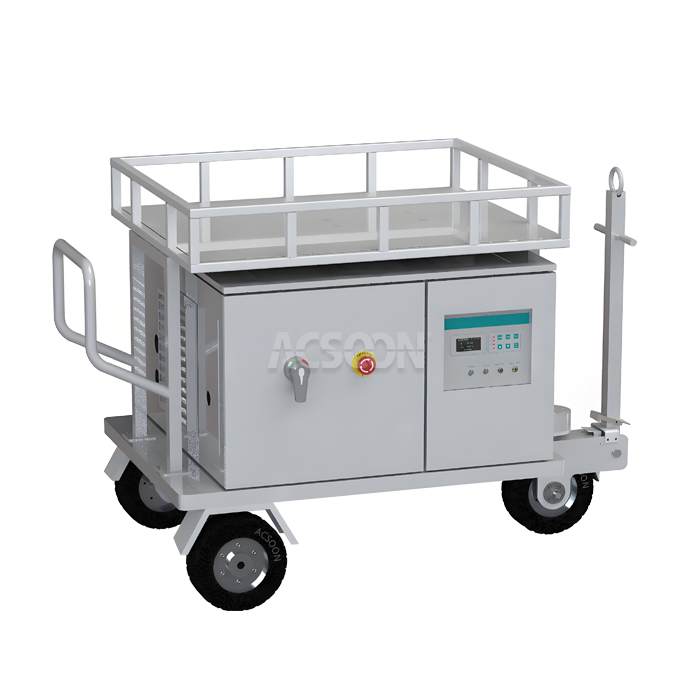
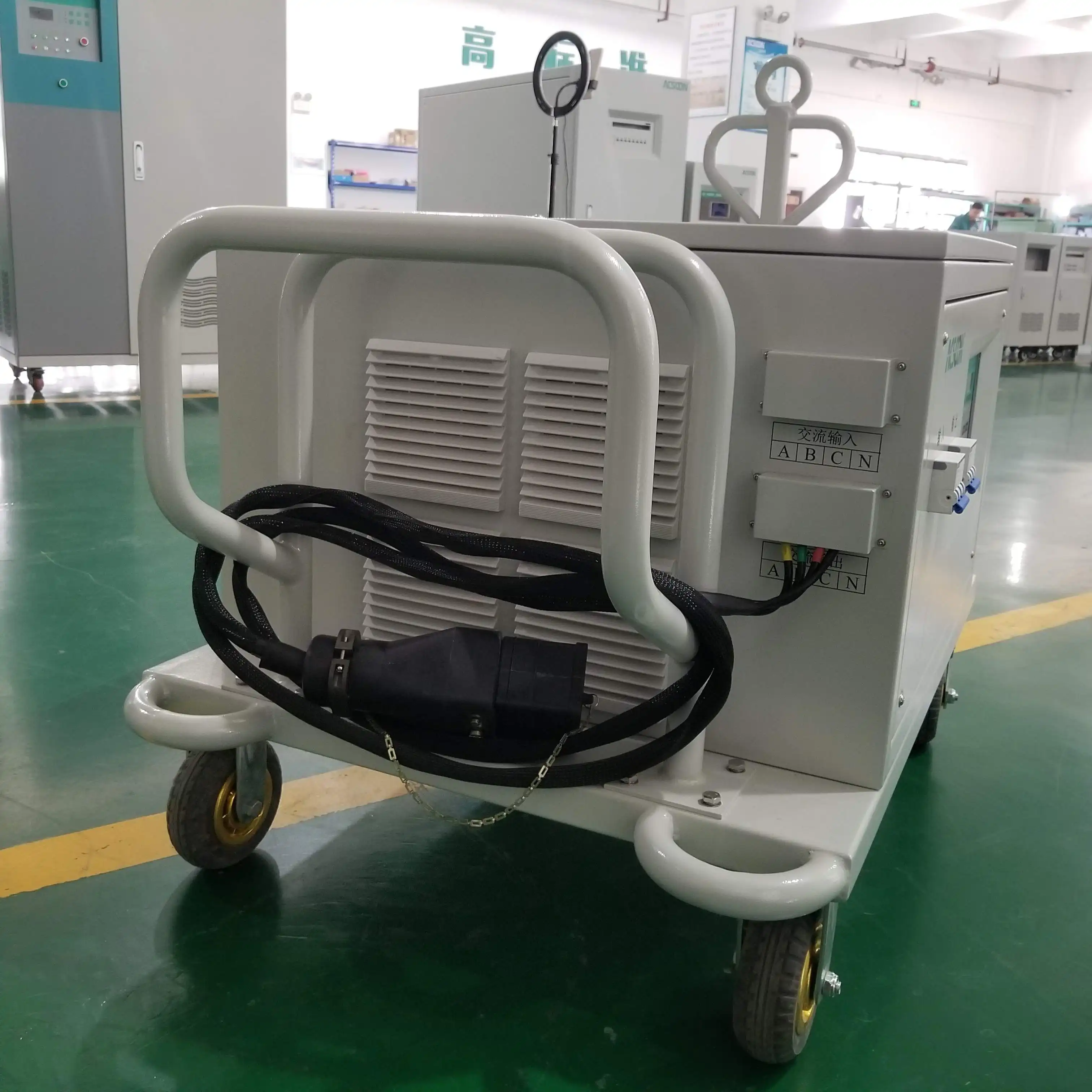
When you run at a higher frequency, you lose less electricity, but you have to think about how to handle heat in different ways. At 400 Hz, the skin effect is stronger, so special multi-strand cables are needed to keep voltage drops to a minimum over long distribution runs. Modern solid-state frequency converters, on the other hand, have conversion rates of over 95%, which means they produce less waste heat. Higher frequencies with better power factor adjustments also lower reactive power losses. This lets electrical devices do more useful work per watt used. The ACSOON CH-D90 battery-powered e-GPU is a good example of how these efficiency concepts can be used in ground support tools. This unit works with either standard 50/60 Hz mains electricity or battery DC power and has a 90 kVA output with a 3×200 VAC, 400 Hz output. Its IP54-rated housing keeps parts safe in harsh airport settings and gives stopped planes clean, stable power. By not running the APU while it is being serviced on the ground, this equipment stops jet fuel from being used for no reason. APUs use 200 to 400 pounds of fuel per hour to provide power and air cooling. These savings add up over the course of a year's worth of thousands of gate processes.
The gadget makes airport operations quieter and cleaner in remote parking lots that might not have access to organized ground power infrastructure. Battery operation gives the pilots more options for where to put the plane while keeping local emissions to a minimum. When the CH-D90 is linked to grid power, it works like any other electrical GPU and doesn't use any fuel. This helps with environmental efforts at business airports, military airbases, and aerospace repair sites. This adaptability allows for a wide range of operating situations while still keeping the exact electrical properties needed by modern electronics.
Comparing 400 Hz Power with 50/60 Hz Systems in Aviation
Fundamental Electrical and Mechanical Differences
The difference in frequency between power lines for airplanes and those for homes and businesses makes them work in different ways. Transformers made to work at 400 Hz have smaller core cross-sections and fewer coil turns, which greatly reduces the weight and cost of the materials used. With improved core shapes, magnetic losses go down in a straight line, but copper losses stay about the same. As a result, transformers that work at higher frequencies are lighter, smaller, and almost as efficient as their bigger 60 Hz versions. Inductive reactance goes up in a straight line with frequency. This means that aircraft 400 Hz power systems have about 6.7 times the inductive resistance of 60 Hz systems that are the same. This trait changes how voltage is regulated when the load changes, so more complex control systems are needed to keep the output fixed. Solid-state converters that can handle digital signals automatically balance these effects, keeping the voltage and frequency stable even when the load changes. Line drop adjustment circuitry makes sure that planes get the exact 115 volts they need at the connection point, even if the wire has to go across long airport ramps.
Operational Impact and Strategic Considerations
During aircraft startup processes, electrical systems are put under a lot of stress, with momentary load spikes reaching 200% of nominal values. To keep electronics from resetting or safety relays from turning on, power systems must restore voltage stability within milliseconds. 400 Hz devices have better rapid performance than lower frequency options because they have a faster response time. This feature is very important when starting the engine because starter-generators draw a lot of current while also running systems that are important for flight. When looking at power systems, people who work in procurement have to weigh these technical factors against the costs of building the infrastructure and maintaining it over time. Airports that already have 400 Hz ground power networks gain from standardization and being able to work with a wide range of airplane types. Facilities that make aerospace products and test the functionality of military planes need power sources that meet strict MIL-STD standards. This is all taken care of by the ACSOON CH-D90's dual-mode operation, which means it can work just as well on battery power or a grid link while still meeting all international aircraft electrical standards.
Practical Insights for Procurement and Integration
Selection Criteria and Compatibility Assessment
When choosing aircraft 400 Hz power tools and electrical distribution systems, aviation buying managers have to make tough choices. Voltage regulation accuracy, frequency stability, harmonic distortion levels, transient reaction traits, and environmental protection scores are some of the most important things that are looked at when judging something. Extreme temperatures, high humidity, salt spray from the ocean, and mechanical shock from flight activities on the ground must all be handled by the equipment. The IP54 grade on units like the CH-D90 keeps dust out and splash water out, making them ideal for use on airport ramps that are open to the elements. Mechanical interfaces, safety interlocks, and communication methods are all examples of things that are compatible, not just electrical specs. NATO-standard ground power connectors make sure that all military activities around the world can work together, while ISO 6858 standards are used for business aviation. Specifications for buying things should require that they meet certain standards, like MIL-STD-704F for airplane electrical power features and DO-160 for environmental qualification of airborne tools when it applies to systems that work together.
Total Cost of Ownership and ROI Considerations
The purchase price is only one part of the total cost of ownership for aircraft power tools. Maintenance needs, energy use, dependability measures, and operating flexibility all have a big effect on the total cost of ownership over the 15 to 20 years that ground support equipment usually lasts. Battery-powered GPUs get rid of the costs of maintaining generator sets, transporting fuel, and hiring workers to do the work. They also run quietly in airport areas that don't like noise. Units that can work in two modes are the most useful in a wide range of operating situations. Eliminating APU usage saves fuel and pays for itself quickly. When working on the ground, an APU for a single widebody airplane uses about 300 pounds of jet fuel per hour. At the price of fuel right now, GPU-powered ground service saves $150 to $200 per hour compared to APU running. Airlines that have hundreds of flights every day can save more than a million dollars a year by using ground power in a planned way. Because of these measurable benefits, buying stable, high-quality power conversion tools from well-known brands is a good idea.
We have seen aerospace repair facilities get their money back 18 to 24 months after adding modern frequency converter systems. This is true even after taking into account the costs of training and changing the infrastructure. Along with the cash benefits, the airport activities have measurable effects on lowering carbon emissions, noise pollution, and the quality of the air around the airport. As regulatory pressure grows and company sustainability pledges become more well-known, these factors have a bigger impact on purchasing choices.
Future Outlook: Innovations in Aircraft 400 Hz Power Technology
Emerging Power Electronics and Material Advances
Wide-bandgap semiconductors made of silicon carbide and gallium nitride promise to make huge steps forward in how well they convert power and how much power they hold. These high-tech materials make it possible to switch rates above 100 kHz while keeping switching and conduction losses to a minimum. This lets frequency converters reach 98% efficiency in small, light packages. Advanced heat sink shapes and phase-change cooling systems make thermal management better, which further improves stability and component life. Additive production techniques make it possible to make transformer core shapes that were not possible with traditional methods. Topologically efficient magnetic structures keep weight low and cut down on eddy current losses. Nanocrystalline soft magnetic materials work better than standard silicon steel laminations, which means that transformers can be even smaller while still having the same power ratings. With these new developments, the already big benefits of aircraft 400 Hz power systems in flight will get even better.
Integration with Hybrid and Electric Propulsion
The aviation industry's search for hybrid-electric and fully electric driving systems opens up new ways to handle power more efficiently. Electrical systems on airplanes will go from supporting other tasks to providing main power for flight, which will require a huge increase in power from kilowatts to megawatts. When electrical power systems get bigger to propulsion-class rates, the main benefits of higher frequency operation—less weight, better efficiency, and better heat performance—become even more important. Next-generation planes will probably have variable frequency generators that are directly connected to turbine engines. These generators will work at frequencies that depend on the speed of the engine instead of being set at 400 Hz. This power will be changed from a changeable frequency to a fixed 400 Hz so that it can be sent to older systems. At the same time, high-voltage DC buses will be sent to electric motors. This change in architecture will keep current electronics and electrical loads working, but it will also allow for new ways of propulsion that use less fuel and produce less pollution.
Conclusion
The use of 400 Hz power in aircraft has been shown to save fuel because it uses basic science concepts that allow electrical parts to be much lighter. The technology cuts hundreds of pounds off an airplane's empty weight and also makes the electricity systems work better and be more reliable. Using this frequency standard in ground support equipment stops the APU from running when it's not needed. This saves a lot of fuel and has a positive effect on the environment at airports around the world. More and more, people who buy things for commercial flight, the military, and the aerospace industry are aware of these benefits when they choose power systems and ground support infrastructure. As power technology and materials science continue to develop, even more efficiency gains are expected. This makes 400 Hz power an even more important part of long-term flight operations.
FAQ
Why is 400 Hz preferred over standard frequencies in aviation applications?
The main reason why aviation switched to aircraft 400 Hz power was to save weight. Transformers and motors can use much smaller magnetic cores when the frequency is higher, usually only 15 to 20 percent the size of 60 Hz versions. By lowering the weight of dozens of parts inside an airplane, this saving adds up to hundreds of pounds less empty weight and better fuel economy over the life of the plane.
What technical challenges exist when retrofitting existing aircraft systems?
It can be hard to make retrofitting work with old electronics and electrical parts that were made for specific frequency inputs. Higher frequency skin effects are stronger, so the wiring needs to be able to handle them. This could mean that the circuit needs to be changed. The settings for the circuit breaker and safety switch may need to be changed. Before putting the changed systems back into service, they must pass a lot of tests to make sure they meet airworthiness standards.
Are maintenance requirements different for 400 Hz systems compared to conventional frequencies?
Compared to rotary converter-generator sets, solid-state frequency converters don't need as much regular upkeep. Regular checks make sure that the electrical links, control circuits, and cooling system all work properly. Testing for harmonic distortion and voltage control makes sure that power quality standards are still being met. On the whole, current 400 Hz equipment is very reliable and requires less upkeep than older systems.
Partner with JERRYSTAR for Advanced Aircraft 400 Hz Power Solutions
Electrical power systems that serve mission-critical airplanes and ground equipment must be completely reliable for aviation operations to go smoothly. Xi'an Jerrystar Instrument Co., Ltd. is an expert in making frequency converters under the ACSOON name that are designed to work in laboratories, military bases, spacecraft, and ships. We can meet the complicated needs of procurement managers, flight engineers, and repair center workers because we have a lot of experience with airline power systems.
The ACSOON CH-D90 shows our dedication to developing new ground power technologies. It combines the freedom of battery operation with grid connections in a strong, airport-rated package. We keep a large inventory on hand so that we can quickly meet pressing operating needs. For more complex application needs, we offer custom engineering services. We offer good value at every step of the supply chain because we are both a manufacturer and a trade business. Discuss your particular needs with our technical team at acpower@acsoonpower.com and find out how working with a specialized aircraft 400 Hz power provider can improve your operational skills while lowering your total cost of ownership.
References
1. Johnson, M.R., "Electrical Power Systems for Modern Aircraft: Design Principles and Efficiency Optimization," Aerospace Engineering Quarterly, Vol. 47, No. 3, 2021, pp. 112-138.
2. United States Department of Defense, "MIL-STD-704F: Aircraft Electric Power Characteristics," Department of Defense Interface Standard, 2004.
3. Anderson, P.L. and Chen, W., "Comparative Analysis of Frequency Standards in Aviation Ground Support Equipment," Journal of Aviation Technology and Engineering, Vol. 9, No. 2, 2020, pp. 45-67.
4. International Organization for Standardization, "ISO 6858:2017 Aircraft Ground Support Electrical Supplies," Geneva, Switzerland, 2017.
5. Williams, K.T., "Lifecycle Cost Analysis of Airport Ground Power Systems: APU Operation versus External Power Provision," Airport Operations Research, Vol. 15, No. 1, 2022, pp. 89-104.
6. Martinez, S.A., Rodriguez, F., and Kim, H.J., "Advanced Power Electronics for Next-Generation Aircraft Electrical Systems," IEEE Transactions on Aerospace and Electronic Systems, Vol. 58, No. 4, 2023, pp. 2847-2865.