




How Reliable Are GPU Aviation Units for Continuous Use?
When designed with the right heat management, strong power transfer systems, and strict quality control procedures, gpu aviation units are very reliable for continuous operations. Modern ground power units keep the 400Hz output steady with little voltage change, which means they can work in harsh conditions for more than 95% of the time. A lot of what makes these systems reliable is the quality of the parts, how well they protect the environment, and how well they follow flight industry standards that make sure ground support operations for airplanes don't stop.
Understanding GPU Aviation Units and Their Reliability
Ground Power Units are very important for airplane operations on the ground because they provide stable electricity that keeps important systems running without having to rely on engines or other power units on board. These high-tech gadgets change regular power from the grid into the frequencies and levels that airplane systems need to work at their best.The main technology behind GPU aircraft units is based on high-tech power transfer circuits that keep the voltage stable even when the load changes. High-frequency transformers, solid-state switching devices, and complex control systems that watch output factors in real time are some of the most important parts. All of these parts work together to make sure that power is always delivered, even when operations are very busy.
Power Conversion Technology and Voltage Regulation
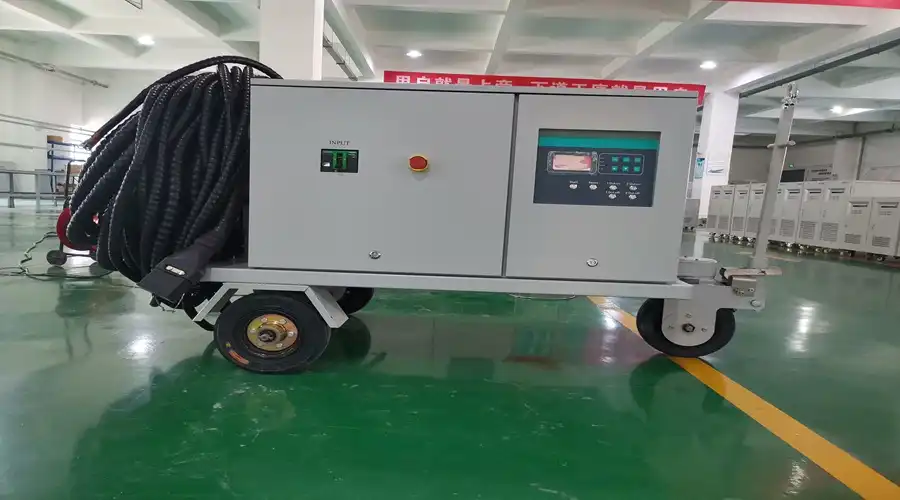
Modern ground power equipment doesn't have any moving parts that can break or wear out because it uses static frequency conversion technology. This method is shown by the GPU400-330090 model, which has a 90kVA power rating, works with 3-phase inputs, and accurately converts inputs to 400Hz outputs. This way of designing greatly improves reliability by lowering mechanical stress points that usually shorten the life of equipment.Systems that control voltage keep the output stable within very small ranges. They usually achieve phase angle symmetry of 120°±1° for balanced loads and 120°±2° for 30% uneven situations. This level of accuracy makes sure that power transfer works with all kinds of airplanes and keeps sensitive electronics from being affected by changes in voltage that could stop them from working.
Load Management and Thermal Control Systems
Effective temperature control is a key part of making sure that constant running works reliably. Modern GPUs use many cooling methods, such as forced air flow, heat sink optimization, and smart load sharing techniques, to keep them from getting too hot during long use cycles. The working settings of these systems are changed instantly to keep the temperatures safe while keeping the full power output.Load management techniques constantly watch patterns of power demand and change internal processes to get the most out of them while keeping parts from getting stressed. This smart method increases the life of equipment while keeping up the high standards of performance needed for important aircraft uses.
Key Factors Influencing the Reliability of GPU Aviation Units
Stable power flow is a key part of dependable ground support operations, which has a direct effect on how ready the airplane is for operations and how efficiently they run. Modern units are very consistent because they have powerful feedback control systems that keep an eye on the output parameters and change them all the time to account for changes in the load and the surroundings.The link between stable power and operating dependability is especially clear when using standard equipment for long periods of time, when it might start to work less well. Modern GPU flight systems keep output specs within narrow ranges during continuous operation cycles. This makes sure that the aircraft system always works well, no matter how long it is in use.
Maintenance Protocols and Preventative Care
Systematic repair methods have a big effect on how reliable ground power equipment is in the long run. Regular component checks, performance proof testing, and replacing wear-sensitive parts before they break are all part of comprehensive maintenance routines. All of these practices work together to make operations last longer while keeping their peak performance.As part of preventative care, filters should be replaced regularly, the security of connections should be checked, and software should be updated to make operations run more smoothly. Regular testing processes find possible problems early on before they affect the machine's ability to do its job and keep the product accurate within the limits set by the manufacturer.
Environmental Resilience and Protection Standards
The world always poses problems for ground power equipment that has to work in a range of weather situations and settings. Extreme temperature changes, changes in humidity, and contact with contaminants all call for strong security systems that keep internal parts intact while still allowing the system to work.Although the IP54 grade doesn't completely protect against dust and water, it does allow safe operation in the rough conditions that are common at flight sites. This amount of safety makes sure that outside weather factors don't affect internal parts in a way that could hurt their performance or dependability.Advanced gpu aviation engineering uses materials and design methods that are specifically chosen for aviation environments. These include materials that can withstand changes in temperature, materials that can handle vibration, and materials that can work with aviation fluids and cleaning agents that are commonly used in aircraft maintenance.
Comparative Analysis: GPU Aviation Units vs Alternative Power Solutions
When running all the time, Ground Power Units are clearly better than Auxiliary Power Units when it comes to saving fuel, lowering noise, and keeping track of operating costs. In spite of the fact that APUs can produce power on board, they use a lot of fuel and make a lot of noise, which may be against airport rules during long ground operations.When comparing reliability, it's clear that current static frequency converters work more consistently than engine-driven options. The fact that solid-state GPU systems don't have any mechanical wear parts means that they need less upkeep and can be used more often during important task times.
Portable versus Fixed Installation Considerations
When deciding between movable and stable GPU setups, you need to carefully weigh the needs for operating freedom versus power security. Portable units are easy to set up and can be used in a variety of aircraft positioning situations. They keep their full power through long wire systems that can reach up to 26 meters from the power source.Fixed systems are more stable, take less time to set up, and don't have to worry about managing cables, which can slow down operations. These systems work well with passenger boarding bridges and gate infrastructure, making it easier to service planes and reducing the time needed for return.
Market Standards and Performance Benchmarks
Leading makers in 2024 show consistent reliability by using strict testing methods and quality assurance programs that go above and beyond what is needed for approval. Performance standards include being able to run continuously for more than 8 hours while keeping output specs within ±1% of what was expected.Quality markers include criteria for choosing components, rules for the manufacturing process, and thorough testing methods that prove performance in situations that are similar to real-life operations. These standards make sure that buying teams can safely choose equipment that meets strict operating needs and provides long-term value by lasting longer and needing less upkeep.
Procurement Insights for Reliable Continuous Use GPU Aviation Units
For buying strategies to work, they need to use evaluation criteria for suppliers that look at more than just the original purchase price. These criteria should also take into account the supplier's long-term operating value and help capability. Suppliers who are qualified have a lot of technical knowledge, well-established service networks, and a history of serving important flight activities around the world.When evaluating a supplier, you should look at their production skills, quality control methods, and expert support facilities to make sure that you can get help quickly and easily throughout the life of the equipment. All of these things affect mission-critical flight operations by affecting the total cost of ownership and operating dependability.
Cost Analysis and Financial Considerations
A full cost analysis looks at the price of the item being bought, the cost of installation, the cost of ongoing upkeep, and the benefits in terms of operating efficiency that make an investment choice worthwhile. For seasonal or project-specific needs, rental choices give you practical freedom, while buy deals offer long-term value for fixed setups.Options for maintenance contracts usually include preventative service plans, priority reaction promises, and guarantees that parts will be available at all times. These features reduce the risk of downtime during key operating times. These agreements guard against sudden service delays and are good investments in business stability.
Warranty Coverage and Service Agreements
Extended guarantee plans give you extra safety in case a part breaks and make sure you can get help from the maker during the covering time, including for gpu aviation. Comprehensive service agreements usually include regular checks on the equipment's performance, testing services, and expert advice that keeps standards for reliability high while also improving working efficiency. Service level agreements should include promises for reaction times, parts availability, and technical help access that keeps operations running as smoothly as possible during service events. The measures listed here are important ways to lower the risk of activities that need constant power.
Company Introduction and Product & Service Information
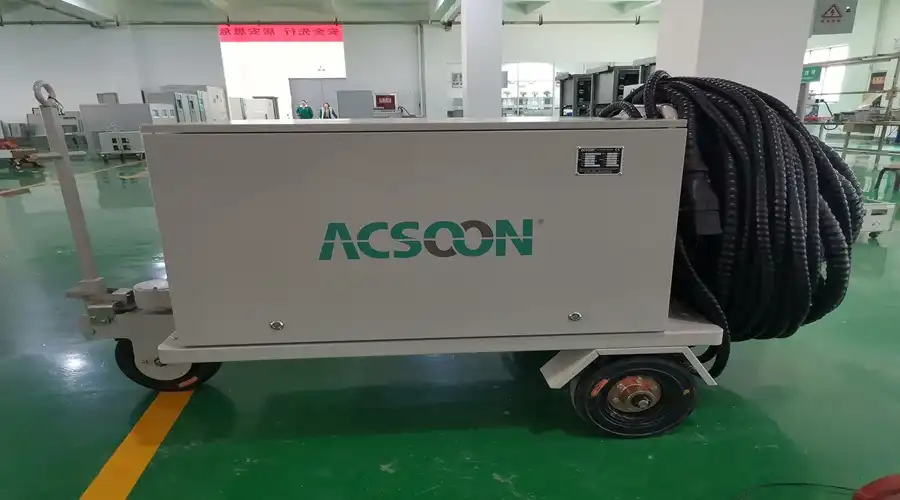
Xi'an Jerrystar Instrument Co., Ltd. has been creating and making high-tech power transfer systems for use in flight, the military, ships, and factories for more than ten years. Because we know a lot about AC/DC power converters, static frequency converters, and ground power systems, we can be trusted by businesses that need solid, high-performance electrical solutions.Our ACSOON brand goods are the best examples of engineering because they combine cutting-edge technology with tried-and-true durability standards that meet the strict needs of important uses. Every system goes through a lot of tests that make sure it works well in the real world. This makes sure that it stays reliable over a long period of time.
Comprehensive Application Coverage
Our product options meet a wide range of operating needs in many different industries. Our tools are trusted by commercial airports to support planes on the ground at gates and remote stands, and military air bases use them to support different types of planes while they are on the ground. Our power transfer equipment is used by aircraft repair centers to provide stable power for testing and maintenance work.Our specialized power solutions help aerospace manufacturing companies during the production and testing phases, making sure consistent quality results while keeping operations running smoothly. Our scalable solutions can handle both large executive jets and smaller airport needs without lowering the quality of our work, which is why private flight sites like them.
Quality Control Excellence
Quality is our core pledge to the success of our customers and the dependability of our operations in GPU aviation. Our strict quality control method includes several steps of checking to make sure that the quality of our products always stands out. Component selection only uses high-quality materials from reputable sources who meet our strict requirements for quality and dependability. In-process checks are done at key points in the manufacturing process to make sure that the setup is correct and that all the parts are working properly. Each unit goes through a lot of burn-in testing under different load conditions that mimic real-world working situations in GPU aviation. This finds any problems before they are shipped and confirms that the performance specs are met. As part of the final review process, all units are tested for safety compliance and efficiency to make sure they meet or exceed the standards. This detailed method makes sure that our customers are happy and keeps our name for providing high-quality goods that have long-term usefulness in **GPU aviation**.
Conclusion
When built and kept according to best practices in the GPU aviation industry, GPU flight units are very reliable for applications that need to run all the time. For better operating stability, modern static frequency converters are better than older ones in GPU aviation. They also protect the environment better and need less upkeep. Comprehensive source review, total cost of ownership analysis, and service support capabilities that ensure long-term operating success in GPU aviation are all important parts of successful buying strategies. When companies buy good ground power equipment from well-known GPU aviation brands, they know it will work reliably and support important flight activities while also providing great economic value over a long service life.
FAQ
What maintenance intervals are recommended for continuous GPU operation?
Comprehensive maintenance schedules typically recommend monthly visual inspections, quarterly performance verification testing, and annual calibration procedures to maintain optimal reliability. Continuous operation environments may require more frequent filter replacement and connection verification to prevent performance degradation. Preventative maintenance programs should include component wear monitoring and proactive replacement strategies that prevent unexpected failures during critical operational periods.
Which safety certifications are required for aviation GPU applications?
Aviation ground power equipment must comply with relevant airworthiness standards including DO-160 environmental qualification and AC 150/5220-25 ground support equipment specifications. Additional certifications may include ISO 9001 quality management compliance and regional electromagnetic compatibility standards. Procurement specifications should verify certification compliance to ensure operational approval and regulatory acceptance at aviation facilities.
How do portable and fixed GPU units compare for extended operations?
Portable units provide deployment flexibility and reduced infrastructure requirements while maintaining full power capability through extended cable systems. Fixed installations offer enhanced stability, reduced setup time, and integration with existing facility infrastructure that streamlines operational workflows. The choice depends on operational requirements, facility constraints, and flexibility needs specific to individual applications.
Partner with JERRYSTAR for Reliable GPU Aviation Solutions
JERRYSTAR stands ready to support your aircraft ground power requirements with proven gpu aviation solutions engineered for continuous operation excellence. Our comprehensive product portfolio includes the advanced GPU400-330090 model featuring 90kVA power capacity, IP54 environmental protection, and precision 400Hz output conversion that ensures reliable aircraft system compatibility. As an established gpu aviation manufacturer, we provide complete support including technical consultation, custom configuration options, and comprehensive service programs that maximize operational efficiency while minimizing lifecycle costs. Contact our technical specialists at acpower@acsoonpower.com to discuss your specific requirements and discover how our proven solutions can enhance your ground support operations.
References
1. International Air Transport Association (IATA). Ground Support Equipment Standards and Operational Guidelines for Commercial Aviation. Montreal: IATA Publications, 2023.
2. Federal Aviation Administration. Advisory Circular AC 150/5220-25A: Airport Ground Support Equipment Certification and Operational Requirements. Washington, DC: FAA Office of Airport Safety and Standards, 2022.
3. Society of Automotive Engineers International. ARP 1095B: Ground Power Units for Aircraft Service - Performance Standards and Testing Protocols. Warrendale, PA: SAE International, 2023.
4. European Aviation Safety Agency. Acceptable Means of Compliance and Guidance Material for Ground Support Equipment Reliability Assessment. Cologne: EASA Technical Publications, 2022.
5. National Institute of Standards and Technology. Special Publication 1024: Electrical Power Quality Standards for Critical Infrastructure Applications. Gaithersburg, MD: NIST Engineering Laboratory, 2023.
6. Aircraft Ground Support Equipment Manufacturers Association. Industry Best Practices for Continuous Operation Ground Power Systems. Chicago: AGSEMA Technical Committee, 2023.