




How to Select the Right Avionics Power Supply for Your Aircraft?
To choose the correct avionics power supply, you need to carefully think about its technical specs, ability to meet legal requirements, and dependability during operations. Electronic systems in airplanes need special power conversion gear that can provide a stable 400Hz output, keep the voltage stable in harsh conditions, and meet flight standards such as DO-160 and MIL-STD certifications. As part of the selection process, power ratings, environmental stability, electromagnetic compatibility, and the ability of the provider to provide customization and fast shipping are all taken into account. If you understand these basics, you can do repairs on your planes without using extra power units and still meet the strict safety and performance standards needed for aviation uses.

Understanding Avionics Power Supplies: Fundamentals and Key Principles
What Makes Aviation Power Systems Different
The conditions in which aircraft power systems work are so harsh that they would damage most business tools. Electronic parts in airplanes have to deal with temperature changes of -55 degrees Celsius to +85 degrees Celsius, constant vibrations during flight operations, and electromagnetic interference from many systems on board. An avionics power supply must keep the voltage stable while also being able to handle these external stresses. These specialized converters are different from consumer-grade equipment because they have shielding against EMI, ruggedized casings with high ingress protection ratings, and cooling systems intended for places where airflow is limited.
Core Operating Principles and Converter Types
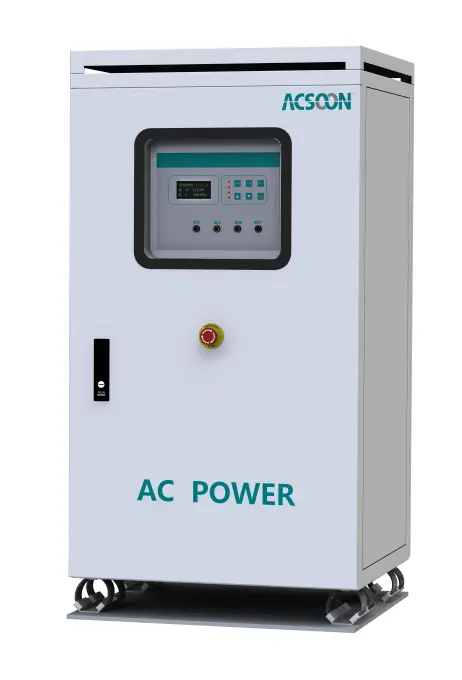
Most aircraft ground power units change regular wall power into the 400Hz frequency that flight gadgets need. Solid-state frequency converters take in three-phase voltages from 208V to 480V at 50-60Hz and turn them into a controlled 200/208V three-phase output at 400Hz. They do this by using semiconductor switching technology. This method of conversion is better than rotating converters in a number of ways, including being lighter, needing less upkeep, and keeping the voltage stable. The ACSOON AF400W-330100 type is a good example of this technology. It can provide 100kVA of power while remaining small (weighing less than 600 kilograms) and quiet (making less than 65 decibels of noise).
Critical Technical Specifications
Stable voltage is probably the most important factor for airplane power tools. Digital electronics in modern aviation systems need clean power with little ripple and harmonic distortion in order to work properly. Good ground power units keep the output voltage within 2% of what it should be, even when the load changes. Power conversion creates a lot of heat that needs to be gotten rid of without affecting efficiency, so thermal control becomes just as important. The IP54 ingress protection grade makes sure that dust and water can't get in. This is important for equipment that is used outside for repair or on military ships.
Aerospace Standards and Compliance Requirements
The standard for aircraft power supply approval is set by DO-160, which describes the environmental conditions and test methods for equipment that will be used in the air. This standard covers performance at low pressure and high altitudes, as well as resistance to temperature changes, shaking, and electromagnetic interference. For military uses, MIL-STD standards add extra checks that need to be done even more carefully. Managers in charge of buying things should make sure that sellers give them all of their certification paperwork, including test records that show they meet these standards. Working with makers who have experience making things for aerospace uses makes sure that the equipment meets both current government rules and new industry standards.
Key Criteria for Selecting the Right Avionics Power Supply
Power Output Capacity and Load Characteristics
Matching the avionics power supply's ability to the aircraft's electrical load needs stops both underperformance and oversizing of equipment that isn't needed. Ground power units for commercial airplanes usually need to be between 60kVA and 180kVA, based on the size of the aircraft and the systems it needs to power. The AF400W-330100 can power 100kVA, which means it can be used for maintenance on mid-size commercial airplanes and defense platforms. Knowing your individual load profile can help you decide whether a fixed-output or variable-frequency feature is best for your business. Variable frequency converters make it possible to test tools and run airplanes with different electrical system requirements.
Environmental Durability and Construction Quality
The way aircraft power equipment is built has a direct effect on how reliable it is over time and how much it costs to own. Power sources made for aerospace use materials that don't rust, mounting structures that are stronger, and electrical links that are sealed so they can work in harsh conditions. For equipment that will be permanently installed at repair facilities, performance can be more important than mobility. However, for mobile ground support equipment, extra shock mounting and weatherproofing are needed. The ruggedized design philosophy continues to the internal parts, with industrial-grade capacitors and oversized heat management systems that keep working at the same level for a longer time.
Electromagnetic Compatibility and Interference Control
There are many communication, guidance, and control systems inside an airplane that work across a wide range of electromagnetic frequencies. When these systems are being maintained or checked out before a flight, ground power tools must not cause interference that could mess them up. Good frequency converters have multiple filter stages, the right way to connect to the ground, and a protected design that lowers both the amount of radiation and the amount of electricity that is carried. Testing according to the standards of MIL-STD-461 for electromagnetic interference gives a number that shows how well EMI works. This is especially important for military uses where secret communication and electronic warfare systems need very clean power with few electromagnetic traces.
Operational Simplicity and Safety Features
Maintenance workers and people who work on the flight line need power tools that work effectively without a lot of electrical training. Modern solid-state ground power units have easy-to-use control panels, clear status lights, and built-in safety systems that keep equipment from getting damaged by overload, short circuit, or strange input conditions. By making the settings easier to use and showing all faults, the AF400W-330100 is designed to be operated by people who aren't electrically trained. Critical parameters like output voltage, frequency, load current, and internal temperature are tracked by built-in tracking systems. These systems give early warnings of possible problems before they affect flight operations.
Comparing Avionics Power Supplies: Making Informed Decisions
Aviation Versus Commercial Power Equipment
There are big differences between aviation and industrial avionics power supply that go beyond just specs. These differences include design principles and quality assurance methods. Commercial power sources work best in safe places with stable input power and managed temperatures to save money and energy. The extra cost and complexity of aviation tools are necessary to make sure it works reliably in bad weather. Most commercial units don't have the EMI filtering, vibration protection, and temperature range features that are needed for airplane use. Trying to use commercial tools for aviation tasks comes with a lot of safety risks and problems with following the rules that are much worse than any initial cost savings.
Brand Comparison and Market Positioning
In the market for flight power supplies, several companies have built strong names for quality. Mean Well has affordable options for less demanding tasks, but it doesn't have the aviation-specific certifications that many military and civilian aircraft projects need. Vicor makes high-density DC-DC converters that are very efficient. Their products are mostly used in embedded systems rather than ground support equipment, though. TDK-Lambda makes solid industrial-grade converters that work well, but they don't have as many aviation-specific products as suppliers who only work with aircraft.
ACSOON focuses on power transfer needs in the defense, aviation, and marine industries. This training gives them a better understanding of the needs of the aircraft industry and makes it easier to make changes quickly. The brand supports OEM agreements that let system designers choose custom setups that work with each platform. When flight repair operations need to buy things quickly, they often need to find a maker with a large enough inventory to deliver quickly.
Efficiency and Performance Metrics
Through the amount of electricity used and the amount of cooling needed, conversion efficiency has a direct effect on running costs. Modern solid-state frequency converters have efficiency rates of 85 to 92 percent across their load range. They usually reach their peak efficiency between 50 and 75 percent of their rated capacity. Higher efficiency cuts down on heat production, which makes parts last longer and work more reliably. Noise-level performance is also important to think about, especially for equipment that is used in repair hangars or on ships. The AF400W-330100 operates at less than 65 decibels, which is quieter than older rotating converter technology, which often goes over 85 decibels when fully loaded.
Total Cost of Ownership Analysis
When making purchases, people shouldn't just look at the original price, but also at how much it will cost over time. Quality flight power equipment requires less upkeep, needs to be serviced less often, and is more reliable, which cuts down on expensive airplane downtime. The solid-state design gets rid of brushes, bearings, and other wear parts that come with spinning machinery. This cuts down on upkeep work and parts costs by a large amount. Long-term owner happiness is greatly affected by how well the maker supports their products, such as by providing technical documentation, making spare parts available, and offering application engineering help. When pressing problems come up, having ties with suppliers who know what aerospace needs and keep their service organizations prompt is very helpful.
How to Procure Avionics Power Supplies: Best Practices for B2B Buyers
Supplier Qualification and Selection
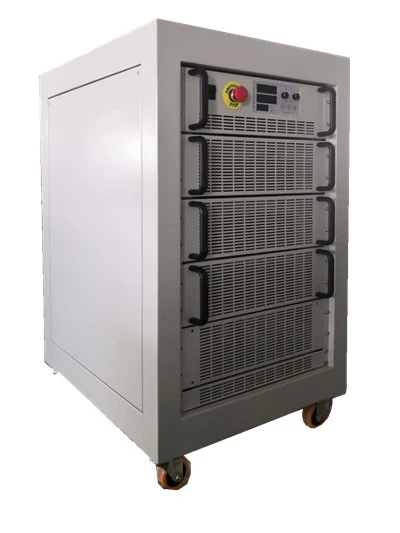
To find suitable suppliers, you have to look at their manufacturing skills, quality processes, and knowledge in the aerospace business. Companies that make things for the flight industry should keep their quality control systems certified to AS9100 or a similar aerospace standard. This license shows that the company is dedicated to quality procedures that are especially made for use in flight. Ask about the facility's manufacturing floor space and production capacity to get an idea of how stable the provider is and how well they can handle large orders. Xi'an Jerrystar Instrument Co., Ltd. has a 5,000 to 10,000 square meter building that only makes ACSOON brand avionics power supply. This shows that they have a lot of production equipment that can be used in labs, military bases, airplanes, and ships.
Customization Capability and Engineering Support
Standard stock items don't usually meet all of the needs of aircraft applications. When a supplier offers OEM customization, they can change voltage ranges, add special tracking features, or change the way the parts are put together to fit the fitting requirements. Before committing to production, the engineering process should include official design reviews, working together to define the objectives, and testing the prototype. Manufacturers who have a lot of experience with military and airline power systems bring useful application knowledge that helps make equipment specs better. This collaborative method keeps redesigns from being too expensive and makes sure that supplied equipment works well with current systems.
Managing Lead Times and Inventory
Maintenance teams that work on airplanes can't afford to have tools down for long periods of time while they wait for new power sources. Building ties with sellers and keeping enough stock on hand makes it possible to quickly fill urgent orders. Some companies offer rental inventory programs or strategic stocking plans that put equipment near important repair facilities. When planning to build a new building or add to your fleet, you should talk to suppliers early on in the process to make sure that shipping dates don't conflict with important construction dates. Project managers can make more realistic procurement schedules when they know that standard production lead times for customized tools are between four and twelve weeks.
Contract Negotiation and Pricing Strategies
Buying in bulk gives you more power to negotiate better prices, especially when making long-term supply deals. Along with unit prices, other things that should be talked about in contract talks are insurance terms, the cost of extra parts, expert support, and performance promises. Multi-year contracts with planned price changes help you plan your budget and make sure that your suppliers will continue to support you. Some makers offer graduated prices based on the number of items a customer buys each year. This encourages repeat business by offering better economics. To avoid confusion during order completion, purchase contracts should clearly spell out payment terms, shipping duties, and acceptance testing standards.
Troubleshooting and Maintenance Tips for Avionics Power Supplies
Common Issues and Diagnostic Approaches
When it comes to airplane ground power equipment, voltage fluctuations are the most common cause for worry. Problems with the input power, internal component wear, or too much load current can cause the output voltage to be outside of the acceptable range. The first step in the diagnostic process is to use standardized test tools to make sure that the input voltage is stable and that the phases are balanced. Modern ground power units have tracking systems that keep track of fault situations and working factors. This information is very helpful for troubleshooting. Problems that come and go are often caused by temperature issues; equipment works fine when it's cool, but stops working when it gets hot enough to operate. Checking the internal temperature while the machine is running helps find problems like poor cooling or broken parts.
Preventive Maintenance Protocols
Setting up regular repair times for equipment increases its useful life and stops it from breaking down during important activities. Inspections should be done every three months to make sure that the cooling system is clean, that electrical connections are tight, and that tracking and safety systems are working properly. Maintenance that is done once a year usually includes more thorough checks of the full working range for load capacity, frequency stability, and output voltage control. Instead of catastrophic failure, thermal imaging scans find hot spots that are growing and show that links aren't working well or parts are under a lot of stress. Keeping detailed records of repairs helps with reliability analysis and keeping track of trends in how well equipment is working.
Design Considerations for Serviceability
Designed equipment that is easy to maintain, cuts down on repair time, and reduces the need for specialized tools. With a modular design, broken parts can be replaced without taking the whole unit apart. Technicians can do regular maintenance more quickly and easily when test points, fuses, and changes are clearly marked. Serviceability is greatly affected by the quality of the documentation, which should include detailed technical guides with troubleshooting flowcharts, electrical diagrams, and parts lists. When complicated problems come up, quick expert support from manufacturers is very helpful. This is especially true for equipment with proprietary control systems or specialized parts.
Health Monitoring and Predictive Maintenance
Monitoring systems built into more advanced avionics power supply keep track of working hours, heat cycles, and faults. This information lets us use forecast maintenance plans that set up service times based on how the equipment is actually working, not on set dates. Trending research shows that performance is slowly getting worse, which means problems are starting to form before the equipment breaks. Remote tracking lets maintenance managers check on the state of equipment from a central location, which makes it easier to assign technicians and keep an eye on extra parts. By linking monitoring systems to building management platforms, all ground support equipment can be seen at once, which helps make choices about repair that are based on data.
Conclusion
To choose the right aviation ground power tools, you have to weigh the technical performance, supplier capabilities, legal compliance, and total ownership costs. Quality avionics power supply provides a steady 400Hz output that meets strict flight requirements and can withstand harsh weather circumstances. Instead of just looking at the original buy price, the procurement process should focus on how qualified the seller is, how well they can customize the product, and how well they can support the product over time. Because they are small, quiet, and can be used by general support staff, solid-state frequency converters like the ACSOON AF400W-330100 have a lot of benefits. Using modern tracking systems and proactive maintenance protocols to make equipment more reliable while reducing working disruptions is the best way to keep things running smoothly. By working with seasoned makers who focus on aerospace uses, you can get the technical know-how and quick service that are needed for mission-critical aviation operations.
FAQ
What voltage ranges should I specify for my aircraft requirements?
The electrical systems in airplanes usually run at 400Hz and 115VAC single-phase, 200/208VAC three-phase, or 28VDC. Most commercial passenger planes have 115/200VAC three-phase systems, which means they need power units on the ground that can supply 200/208V. Depending on the nature of the base, military planes may need 28VDC or different levels of AC voltage. Before you buy ground power tools, check your aircraft's technical manual to find out exactly what the electrical system requirements are.
How do sealed and unsealed power supplies differ in aviation applications?
Sealed power sources are better at keeping out moisture, dust, and corrosive atmospheres, so they are necessary for marine settings or outdoor setups in tough weather. For climate-controlled repair hangars, designs that aren't sealed offer better temperature management through natural convection cooling. The IP54 grade means that the building is safe from dust and water spray from all directions. This is a good compromise for most aviation repair centers.
Why do commercial power supplies fail to meet aviation system demands?
Commercial power equipment doesn't have the environmental standards, EMI control, and governmental approvals that are needed for aircraft use. The DO-160 and MIL-STD standards require a lot more than what is needed for market products in terms of vibration strength, temperature range capability, and electromagnetic compatibility. Using non-certified tools can put people's safety at risk and cause problems with following the rules, which can make airplane repair certifications invalid.
Partner with JERRYSTAR for Aviation Power Solutions
JERRYSTAR is an expert at providing approved ground power tools designed for use in aviation, the military, and spacecraft. As an avionics power supply manufacturer with a lot of experience, we know the technical needs and government rules that guide airplane upkeep. Our ACSOON brand frequency converters use tried-and-true solid-state technology and can be easily customized to meet your unique operational needs. They can support OEM specs. We offer the quick service that aircraft repair operations need by keeping a large inventory on hand for quick delivery and offering full technical support throughout the lifecycle of all equipment. Get in touch with our engineering team at acpower@acsoonpower.com to talk about your special ground power needs and find out how our experience with 400Hz power conversion can help you do better airplane repair.
References
1. Aircraft Electrical Systems Handbook, Federal Aviation Administration Technical Standards, 2019.
2. DO-160G Environmental Conditions and Test Procedures for Airborne Equipment, RTCA Technical Commission, 2010.
3. MIL-STD-461G Requirements for the Control of Electromagnetic Interference Characteristics of Subsystems and Equipment, Department of Defense Interface Standard, 2015.
4. Ground Support Equipment for Commercial Aircraft Maintenance, Society of Automotive Engineers Aerospace Standard AIR1362, 2017.
5. Power Conversion Technologies for Modern Aviation Systems, IEEE Transactions on Aerospace and Electronic Systems, Volume 54, 2018.
6. Electromagnetic Compatibility in Aerospace Power Systems, International Journal of Aviation Technology, Engineering and Management, 2020.