



Power Frequency Converter Buying Guide: What to Consider?
Choosing the right power frequency converter demands careful evaluation of technical specifications, operational requirements, and supplier capabilities. These critical devices transform electrical voltage and frequency to meet specialized demands in aviation, military, marine, industrial manufacturing, and laboratory testing environments. Procurement decisions must address technical reliability for mission-critical applications, customization capacity to match unique system architectures, and fast delivery to minimize operational disruptions. This guide walks you through essential considerations to help you select equipment that delivers measurable performance, longevity, and return on investment.
Understanding Power Frequency Converters and Their Benefits
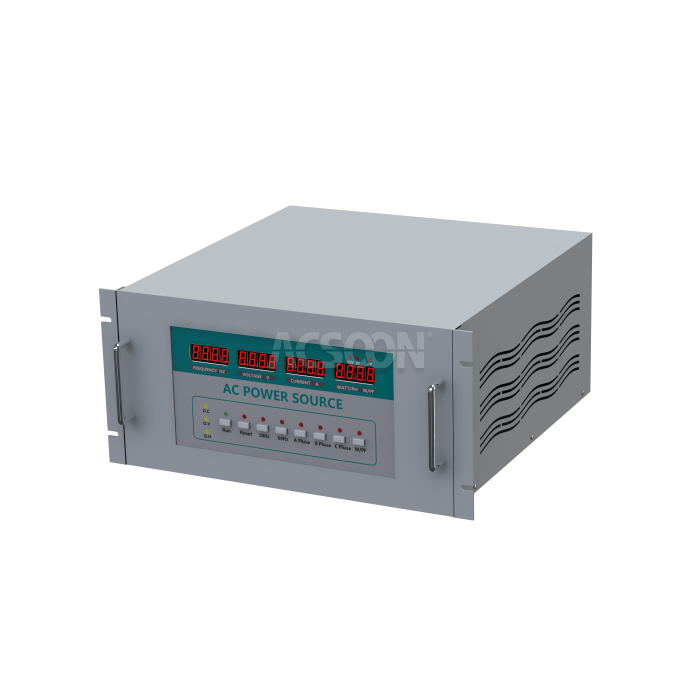
Power frequency converter units are specialized devices that change the power and frequency of electricity to make tools work better in harsh industrial settings. Standard inverters and variable frequency drives (VFDs) only change the speed. These converters, on the other hand, let you control both frequency and voltage, which makes it possible to precisely control motor operations and sensitive electrical equipment.
Core Functionality and Operational Advantages
Incoming power, which is usually a normal 50Hz or 60Hz mains source, is changed by these devices into custom output frequencies that can be anywhere from DC to 499.99Hz or higher. This feature is very important for checking foreign equipment, running military-grade systems that need 400Hz power, or using marine electronics that need stable frequency conversion. The technology makes sure that the motor is easy to control, lowers harmonic distortion, and keeps the voltage stable even when the load changes. When good converters power equipment, it experiences less thermal stress, which directly leads to longer component lifespans and shorter repair times. When older motor control systems were replaced with newer static frequency converters, we saw gains in efficiency of 15 to 30 percent in industrial settings.
Applications Across Critical Industries
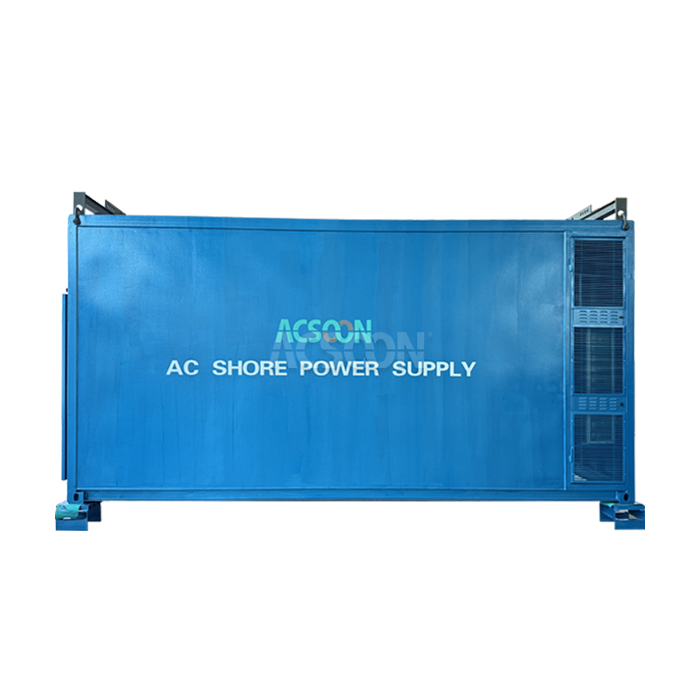
Aviation ground support units use 400Hz converters to power airplane systems while they are being maintained so that they don't have to turn on backup power units. These machines are used by military bases to mimic different electrical conditions so that equipment can be tested and qualified. Frequency conversion is needed on marine boats that have foreign machinery or specialized navigation systems. In laboratories, variable frequency solutions are used to test for electrical safety, make sure products meet certain standards, and run research studies under controlled power conditions. These converters give exact control over motor speed, which is useful in industrial manufacturing, especially for processes that need to work in sync or with gradual acceleration rates.
Critical Factors to Consider When Choosing a Power Frequency Converter
The first step in choosing the right power frequency converter is to carefully think about your unique operational needs and performance goals. Knowing these things will help you narrow down your choices and avoid expensive mistakes where equipment doesn't meet your needs.
Technical Specifications and Load Requirements
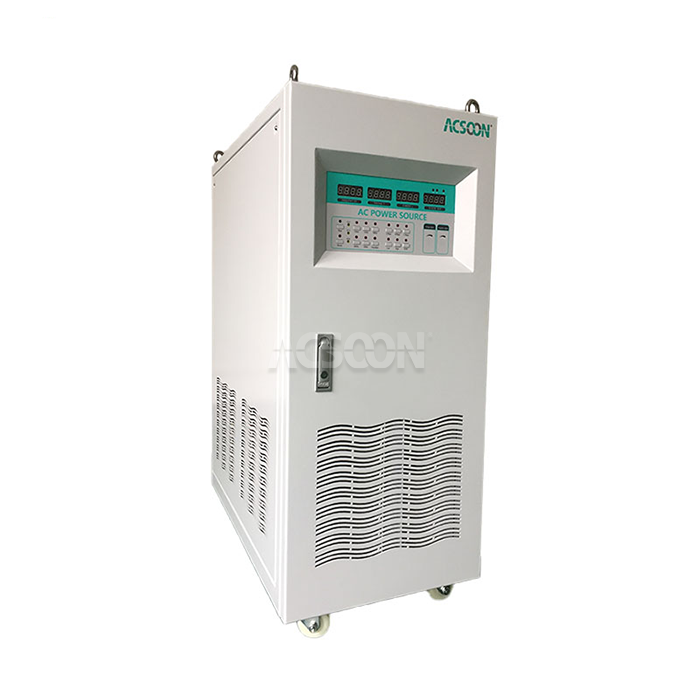
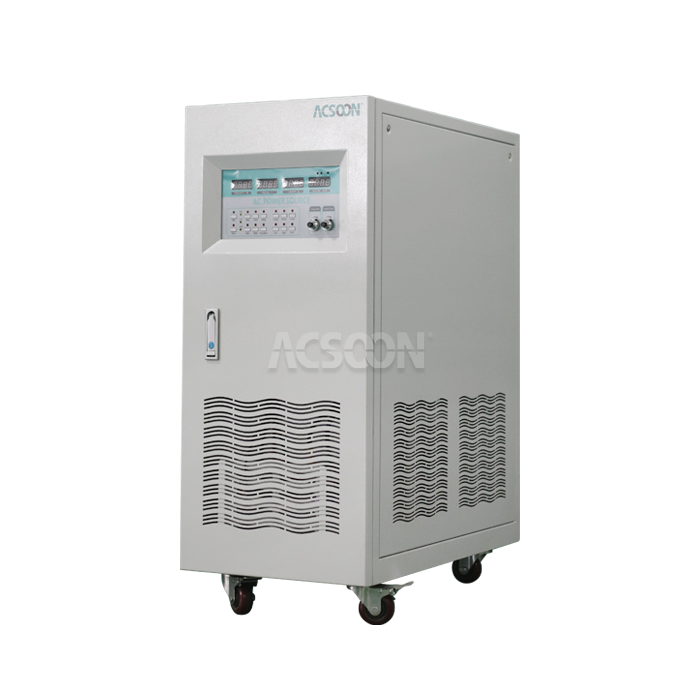
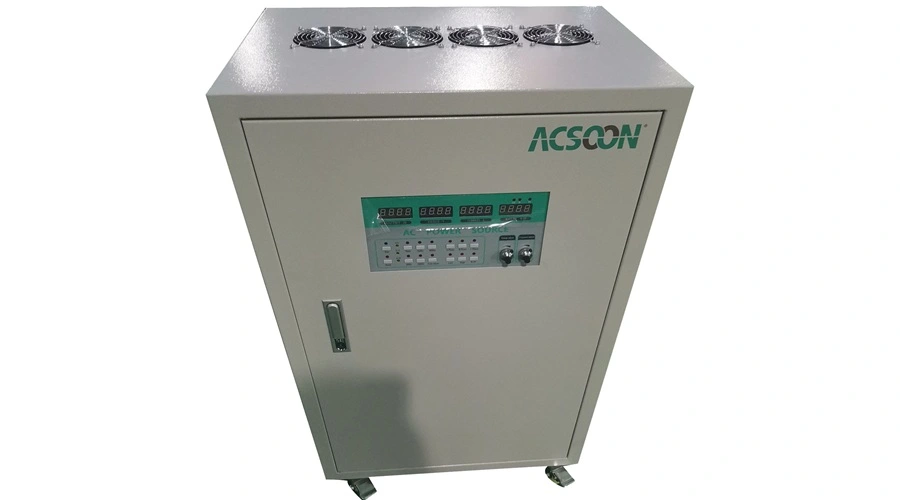
The voltage needs of your product are the starting point for any decision process. The ACSOON AF60W-330050 type can handle three-phase inputs from 208V to 480V at 60Hz and outputs across the same voltage range with a frequency range of 50Hz to 499.99Hz. This adaptability meets a range of equipment needs without the need for multiple converter units. Another important feature is the power rating. A 50kVA capacity can handle large industrial loads while still leaving room for surge currents during motor starting processes. To account for inrush currents and future growth, you should figure out your overall linked load and add 20 to 30 percent more. Expectations about the duty cycle are also very important. Continuous-duty uses need converters with good thermal management. On the other hand, intermittent operations may be able to use smaller designs as long as they have enough time to cool down between rounds.
Converter Types and Technology Distinctions
The AF60W-330050 and other static frequency converters use solid-state electronics instead of spinning parts, which makes them more reliable than rotary options. This design gets rid of brushes, bearings, and other parts that wear out over time and need to be replaced. Digital control systems have many advantages over their analog predecessors, such as accurate frequency regulation, customizable acceleration curves, and full problem diagnostics. It would be helpful to know the difference between frequency converters and VFDs. VFDs change the speed of a motor by changing its frequency. Dedicated frequency converters, on the other hand, always produce a clean, smooth output, no matter what the input conditions are, and they can power multiple loads at the same time. Because of this, they can be used in complicated systems with many parts that need stable, timed power. Soft starts, on the other hand, only lower the inrush current when the motor is first starting up. They don't control the frequency in any way.
Performance Metrics and Quality Indicators
The quality of the output pattern has a direct effect on how well and how long linked equipment works. The ACSOON type produces a pure sine wave with less than 2% total harmonic distortion, which meets the strict needs of sensitive electronics and precise motors. Too much warmth, acoustic noise, control system mistakes, and early component failure are all signs of bad waveform quality. When used for things like aerospace ground support, where frequency errors can damage airplane electronics, accuracy and steadiness are very important. Protection features keep both the converter and the items that are linked safe. Overvoltage, undervoltage, overcurrent, short circuit, overtemperature, and phase loss recognition are some of the most important defenses. Modern converters have a feature that stores problem events. This feature is very helpful for debugging because it lets maintenance teams figure out specific failure modes and times without having to keep an eye on them all the time.
Installation and Physical Considerations
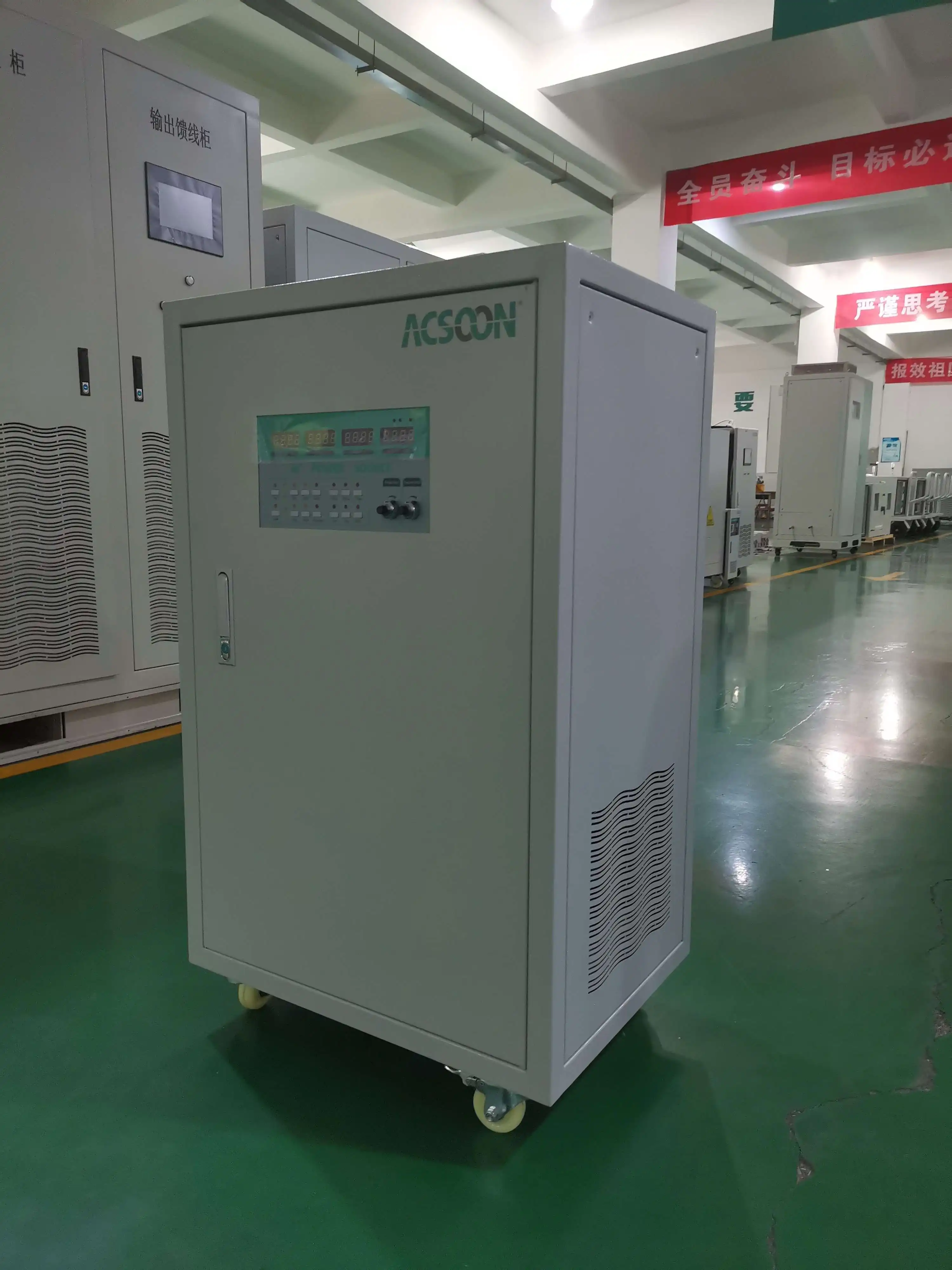
Ratings for equipment's entrance protection (IP) show how well it keeps dust and water out. The AF60W-330050 has an IP21 rating, which means it can handle solid items bigger than 12.5 mm and water drops falling vertically. This makes it perfect for use in industrial settings. For use in harsher environments, better IP grades or extra barriers may be needed. The flexibility and ease of use of a system are affected by its physical structure. The upright design with built-in wheels makes it easier to move around in buildings. This is especially helpful in testing labs or repair shops where equipment serves more than one desk. Placement choices are affected by the need for cooling; enough air stops thermal derating and increases the life of components. We recommend keeping the gaps listed in the manufacturer's instructions and keeping an eye on the room temperature during times of high load.
Evaluating Performance and Troubleshooting Potential Faults
Systematic performance tracking and preventative repair plans are needed to keep equipment reliable. Knowing about typical failure types helps with quick diagnosis and reducing costly downtime for any power frequency converter installation.
Key Performance Indicators to Monitor
Measuring energy efficiency shows if converters work within their design limits. Baseline readings of efficiency taken during installation can be used as a guide to spot a steady loss of efficiency. When the load changes, the output voltage should stay stable within ±1%. If it changes too much, it means there are problems with the control circuit or the power stage components. Accurate frequency is important, especially when processes need to be synchronized or when equipment needs to be tested to meet foreign standards. Under normal circumstances, modern digital processors keep the frequency within ±0.01%. Monitoring temperatures acts as an early warning method for problems that are about to happen. High temperatures often happen before parts break, which lets you fix problems before they get out of hand. We suggest setting baseline temperatures for regular function and looking into any long-term rises above 10-15°C.
Common Fault Patterns and Resolution Strategies
Overvoltage usually happens when a load is disconnected quickly or when there are problems with the power supply. If a converter has enough surge protection, it can handle short-term events. However, if the same thing happens over and over, it's time to look into the source power quality or the load factors. Overheating can happen when there isn't enough airflow, when the temperature outside is too high, or when something is used for too long at its stated capacity. Some solutions are to increase movement, lower the temperature, or replace old equipment with newer, more powerful ones. Communication problems in digitally controlled units are usually caused by interference in the cables, bad termination, or software configurations that don't match up. Most of the time, these problems can be fixed with shielded connections, proper grounding, and firmware changes. The fault event storage feature lets you do a thorough study after an incident by keeping track of specific error codes, the times they happened, and the working conditions at the moment of failure. This diagnostic tool cuts down on fixing time by a large amount compared to equipment that doesn't have it.
Procurement Considerations: Purchasing and Supply Chain Insights
A good buying process finds a balance between technical needs and budgetary limits, while also building trusting relationships with suppliers to ensure the longevity of your power frequency converter assets.
Sourcing Channels and Supplier Selection
Direct connections with manufacturers have many benefits, such as the ability to make configurations that fit your needs, clear warranty terms, and technical help from research teams. Xi'an Jerrystar Instrument Co., Ltd., which does business under the ACSOON name, makes power conversion tools for use in laboratories, military bases, airplanes, and ships. Their factory in Shaanxi Province, China, is between 5,000 and 10,000 square meters and can make both standard products and unique changes. Trading companies and wholesalers add value by keeping goods in stock locally, delivering quickly, and letting you buy a lot of different kinds of tools at once. But the level of professional help may be different from routes that go directly to the manufacturer. When it comes to immediacy, customization needs, and order volume, we use both methods.
Total Cost of Ownership Analysis
The purchase price is only one part of the total costs over the life of the product. Warranty coverage keeps things from breaking down too soon. Full warranties that cover parts and work for 12 to 24 months show that the maker is confident in the quality of the product. Availability of services affects the continuation of operations. Suppliers who keep enough extra parts on hand and offer quick technical support help keep downtime costs as low as possible, which are often lower than the cost of replacing the equipment. The energy economy affects how much it costs to run tools over their lifetime. Older designs that only worked 85-88% efficiently cost more in energy bills than newer ones that work at 92-95% efficiency. Over the course of several years, these savings add up to a lot. Customization lets you meet the specific needs of a program without having to use expensive solutions. Off-the-shelf products can't handle certain power ranges, specialized control interfaces, or changed physical designs. Manufacturers that offer OEM services, like ACSOON, can.
Delivery and Inventory Considerations
Changes in lead times can affect project plans and the readiness of operations. If a manufacturer keeps enough parts in stock, they can fill urgent orders in days instead of weeks. This skill comes in very handy when having to replace broken tools in serious situations or to meet short project deadlines. Bulk order savings are helpful for businesses that have a lot of installations or are trying to make everything the same. When you buy in bulk, you can often save 10–20% on costs and get better service terms. Recently, global problems have made supply chain stability more important. Suppliers that can get their parts from a variety of places and make things in their own countries are more resilient than those that rely on long foreign supply lines.
Decision-Making Framework for Smart Frequency Converter Selection
Systematic review methods help buying teams find the best solutions for a power frequency converter by navigating complicated requirements and rival offers.
Matching Technical Parameters to Application Needs
Start by writing down the exact electrical needs, such as the input voltage and frequency that are available where the work is going to be done, the output voltage and frequency that the linked equipment needs, and the total power demand that includes surge currents. The AF60W-330050 can handle a wide range of voltages (3-phase 208V–480V input and output) and frequencies that can be changed from 50Hz to 499.99Hz, so it can meet a lot of different needs without having to use multiple converter types. The right translator should be chosen based on the features of the load profile. When dealing with resistive loads like heating elements, the requirements are simple. However, when dealing with motor loads, you need to think about starting currents and acceleration rates. For precision electrical equipment to work, the power must be very clean and have very few harmonics. Equipment choices are limited by environmental factors. Extreme temperatures, high or low humidity, corrosive environments, and high or low vibration levels can all shorten the life of converters and may require better security or more tough designs.
Comparative Evaluation Methodology
Structured comparison models make sure that important factors aren't missed during the evaluation process. It is suggested that candidates be graded based on five weighted criteria: technical specs (30%), cost concerns (25%), supplier service skills (20%), customization options (15%), and delivery timeline (10%). Change the weightings based on the goals of your company. When scoring technical specs, you have to look at things like power capacity reserve, frequency range suitability, voltage compatibility, safety features, and waveform quality. Models that meet the basic requirements get a base score, and models that go above and beyond the standards or can be expanded get extra points. A cost analysis looks at more than just the purchase price. It also looks at things like guarantee terms, expected upkeep needs, energy efficiency, and the availability of spare parts. When these things are taken into account, tools with a lower starting cost may end up costing more in the long run.
Implementation and Commissioning Planning
For deployment to go smoothly, professional teams and providers need to work together. Before placement, site studies make sure there is enough room, air flow, and power. Manufacturers' installation instructions stop people from making common mistakes that hurt efficiency or safety. During commissioning, standard performance measures are set, and proper operation across the full load range is checked. We keep track of measures of voltage stability, frequency accuracy, efficiency, and thermal performance during the first run. These baselines are very helpful when fixing or judging success later on. Operator training makes sure that people know how to do things correctly, can spot warning signs, and know what to do when something goes wrong. Well-trained workers make tools last longer and prevent damage from bad use.
Conclusion
When choosing the right power frequency converter tools, you need to think about the total cost of ownership, technical specs, and the supplier's abilities. This article describes a method for evaluating options that helps procurement teams systematically compare options against practical needs and organizational goals. Good converters, like the ACSOON AF60W-330050, give off clean power with less than 2% total harmonic distortion. They also offer full problem diagnosis with event storage and can be set up in a variety of ways to meet different voltage and frequency needs. Successful buying includes more than just meeting specifications. It also includes suppliers who are reliable, can make changes, and can deliver quickly, which is especially important for projects that need to be done quickly. When companies put these factors ahead of technical performance, they set themselves up for long-term business success and equipment life.
FAQ
What distinguishes static frequency converters from rotary models?
Static converters use solid-state electronics and don't have any moving parts, so they don't need the regular upkeep that comes with brushes, bearings, and other spinning parts. Compared to rotary options, they have faster reaction times, quieter operation, and better dependability. Static designs, like the AF60W-330050, also give off smoother waves with total harmonic distortion below 2%, which is exactly what sensitive equipment needs.
How do I calculate the required converter capacity for my application?
Add up all of your related loads' power needs, making sure to include all of the equipment that is running at the same time. Add 20 to 30 percent extra to account for motor starting inrush currents and allow for growth. Make sure the duty cycle fits your needs—continuous operation needs a different size than occasional use, with enough time to cool down for any power frequency converter.
Can frequency converters accommodate custom voltage and frequency specifications?
Reliable makers, such as ACSOON, can make custom designs to meet the needs of each application. Custom choices could include certain voltage ranges, unique control interfaces, changed physical measurements, or better defense against the environment. Talk to makers about your exact needs during the request process to make sure it's possible and find out how long the lead time will be.
Partner with JERRYSTAR for Your Power Frequency Converter Requirements
Through our ACSOON brand product line, Xi'an Jerrystar Instrument Co., Ltd. brings specialized knowledge to power frequency converter uses in flight, the military, ships, and factories. Our 5,000–10,000-square-meter manufacturing plant is both efficient and flexible in terms of engineering. It can make both standard models and OEM configurations that are specifically made for your needs. As a well-known company that makes power frequency converters, we keep enough in stock to meet pressing needs quickly, and we can also make any changes that are needed for specific uses. Working on power systems for airplanes and the military has helped us better understand the strict reliability standards that these dangerous settings need. Get in touch with our expert team at acpower@acsoonpower.com to talk about your exact power, frequency, and voltage needs. We'll work with your engineering and purchasing teams to come up with the best solutions that meet both your current needs and your plans for growth in the future. These solutions will be backed by full expert support and quick service.
References
1. Institute of Electrical and Electronics Engineers (IEEE). "IEEE Standard 519-2014: Recommended Practice and Requirements for Harmonic Control in Electric Power Systems." IEEE Standards Association, 2014.
2. National Electrical Manufacturers Association (NEMA). "Application Guide for AC Adjustable Speed Drive Systems." NEMA Standards Publication ICS 7.1, 2019.
3. International Electrotechnical Commission (IEC). "IEC 61800-3: Adjustable Speed Electrical Power Drive Systems - Part 3: EMC Requirements and Specific Test Methods." IEC Standards, 2017.
4. Society of Automotive Engineers (SAE). "SAE AS25142: Aircraft Ground Support Equipment - 115/200 VAC, 400 Hz, Electrical Power Characteristics and Utilization." SAE International, 2020.
5. Department of Defense. "MIL-STD-704F: Aircraft Electric Power Characteristics." United States Military Standard, 2016.
6. American Society for Testing and Materials (ASTM). "ASTM D6469-19: Standard Guide for Microbial Contamination in Fuels and Fuel Systems." ASTM International, 2019.