



How to Choose the Right Single Phase Frequency Converter?
To pick the right single-phase frequency converter, you need to carefully look at its technical specs, the needs of your application, and how reliable the provider is. These power conversion devices change the incoming electricity to meet the needs of the equipment. This makes sure that the equipment can work in a variety of settings, such as flight ground support, lab instrumentation, marine systems, and industrial tests. If you choose the wrong converter, you could break equipment, cause work delays, or put people in danger. When looking at your choices, make sure that the load capacity matches the way your equipment uses power, that the voltage ranges are compatible, that the frequency conversion is accurate to within ±0.01%, and that the device can handle heat so that it can run continuously. For mission-critical applications that can't afford to be down, the most reliable options come from well-known manufacturers who offer customization services, fast delivery, and full expert support.
Understanding Single-Phase Frequency Converters
Working Principles and Core Components
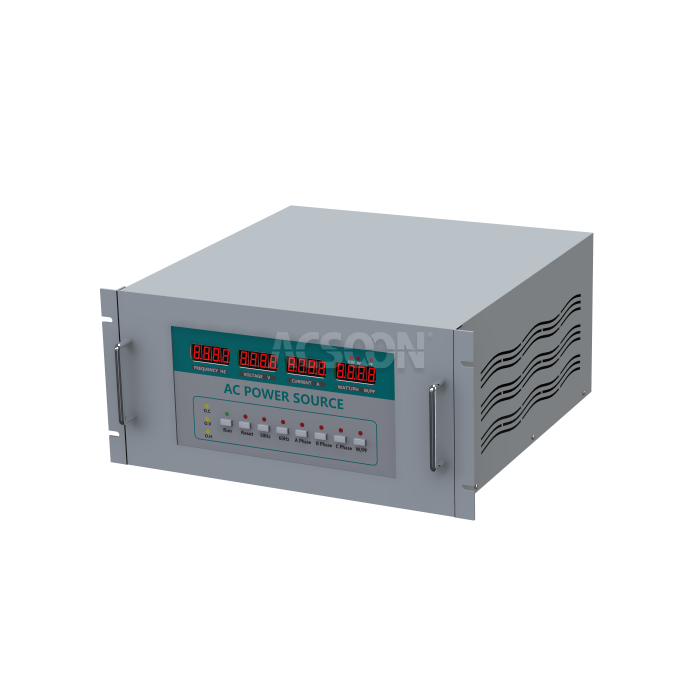
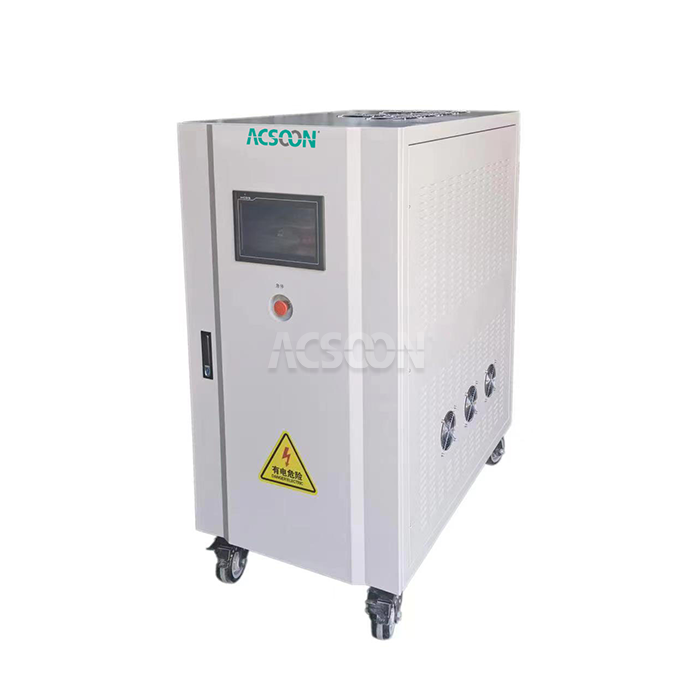
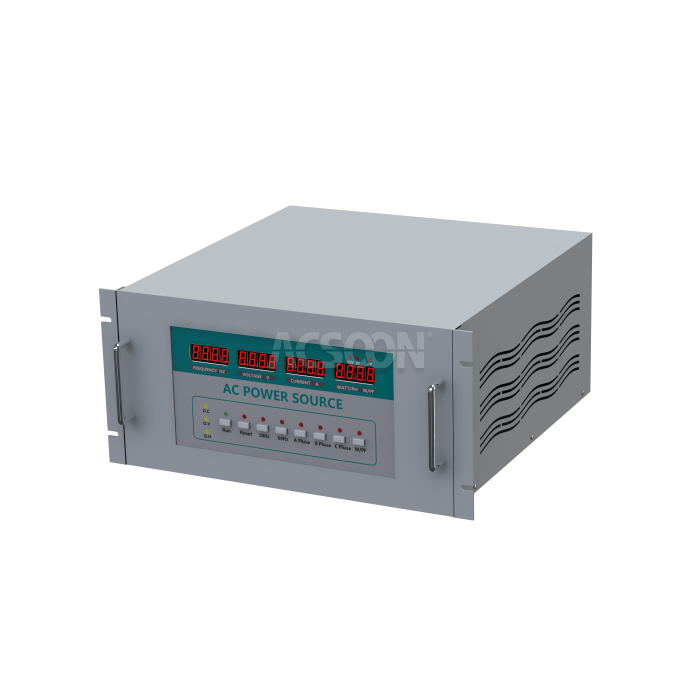
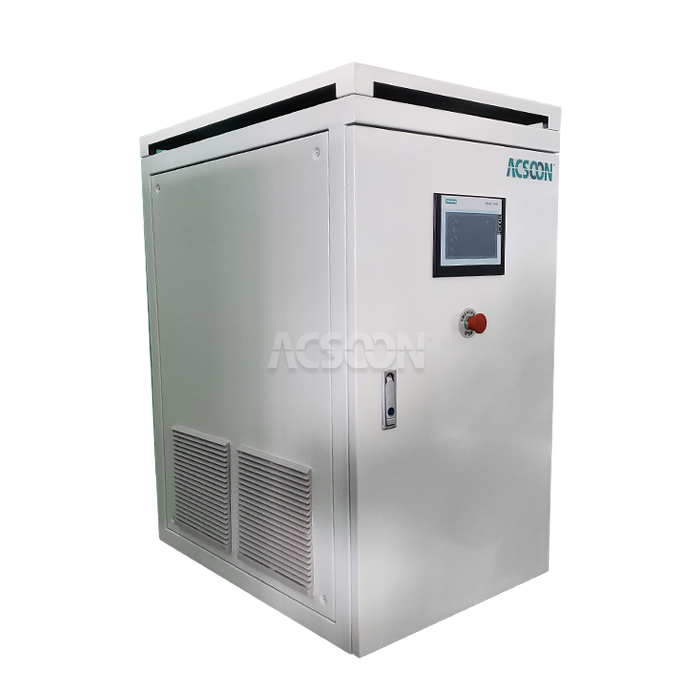
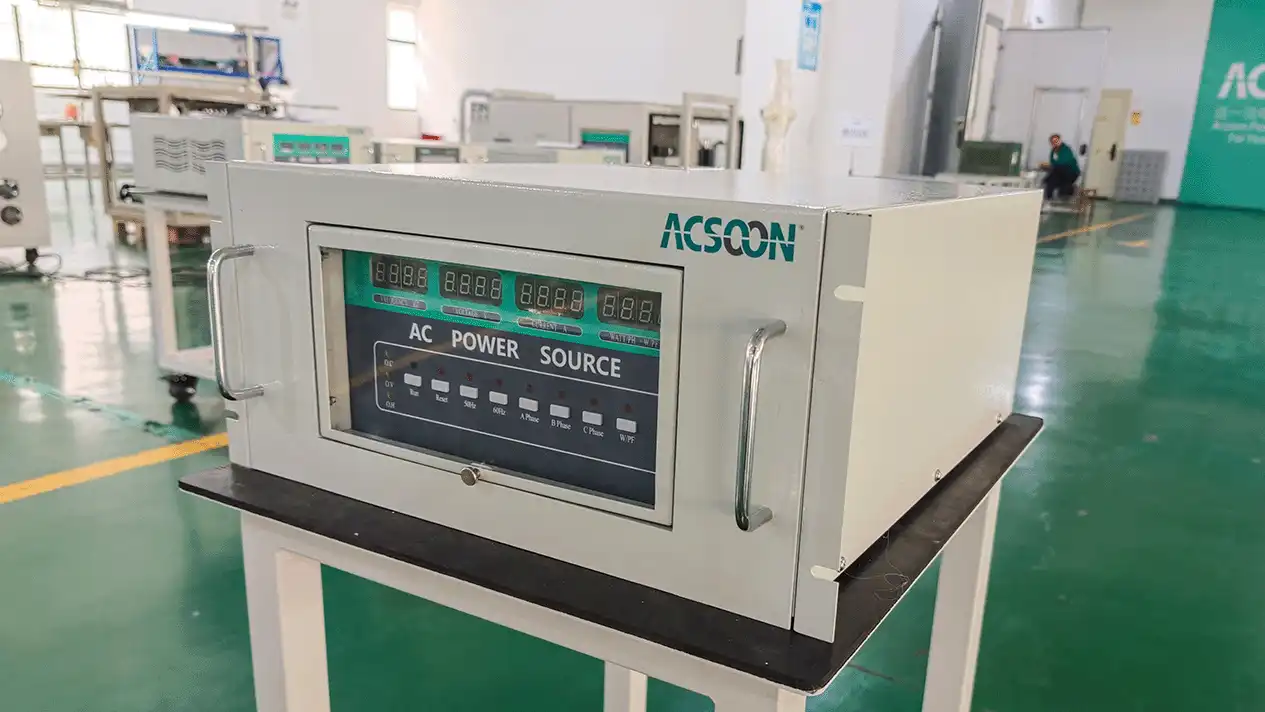
Power frequency converters take in an AC source and change it so that it delivers the exact voltage and frequency that loads attached to it need. Microprocessor routines manage the steps of rectification, DC link filtering, and inversion that make up the conversion process. IGBT transistors are used for switching in modern static converters, which makes them more than 90% efficient at converting while keeping the signal pure. In contrast to rotary designs that use motor-generator sets, solid-state structures don't have any moving parts, which means they require less upkeep and produce less noise. The ACSOON AF60-110001 is a modern example of a static converter. It has an upright mounting design with wheels for easy movement, IP21 protection against the environment, and a separated output structure designed for sensitive measuring equipment.
Converter Categories and Application Contexts
Most industrial applications today use static frequency converters because they are more reliable and take up less space than older rotating systems. Inverter-based designs offer a frequency output that can be changed over a wide range. This makes them useful for testing equipment that needs parametric variation. For airplane ground power and avionics tests, where a common 50/60Hz source needs to be changed to meet aerospace requirements, 400Hz converters are used. Better filtering and regulation circuitry in laboratory-grade models keep overall harmonic distortion to less than 3%, which keeps precise instruments safe from power quality problems. Which one to choose relies on the application and whether it needs a set frequency conversion or the ability to change the output.
Advantages Over Alternative Power Solutions
In some usage situations, single-phase frequency converter technology has a number of practical benefits. When three-phase equipment is not available or is too expensive to set up, installation that is simple is helpful. Access to maintenance is made better by simple fixing steps and new parts that are easy to find. When matched properly to the load factors, energy efficiency is at its best, especially in low to middling power ranges up to 15kVA. Companies that run mobile testing sites or distributed equipment setups, like how portable these systems are, and how little they depend on infrastructure. When properly matched to the needs of the application, single-phase converters provide stable power control at reasonable total ownership costs.
Key Factors to Consider When Choosing a Single-Phase Frequency Converter
Load Assessment and Power Capacity Planning
The right way to choose a converter starts with accurately describing the load. Find the total power of all the connected devices, then add 20 to 30 percent to account for surge currents that happen when the motor starts up or when the capacitors are charged. The 1kVA ACSOON AF60-110001 is good for precision lab equipment where the constant load is less than 800W. This keeps the parts from overheating and shortens their life. Check to see if the loads are resistive, inductive, or capacitive, because changes in power factor affect the size of the converter that needs to be used. To keep the voltage from dropping during transient events, equipment with high crest factors or non-linear current draw may need converters that are too big for the job. To make sure there is enough room for error, the procurement specs should clearly state both the ongoing and peak power needs.
Environmental Considerations and Operational Reliability
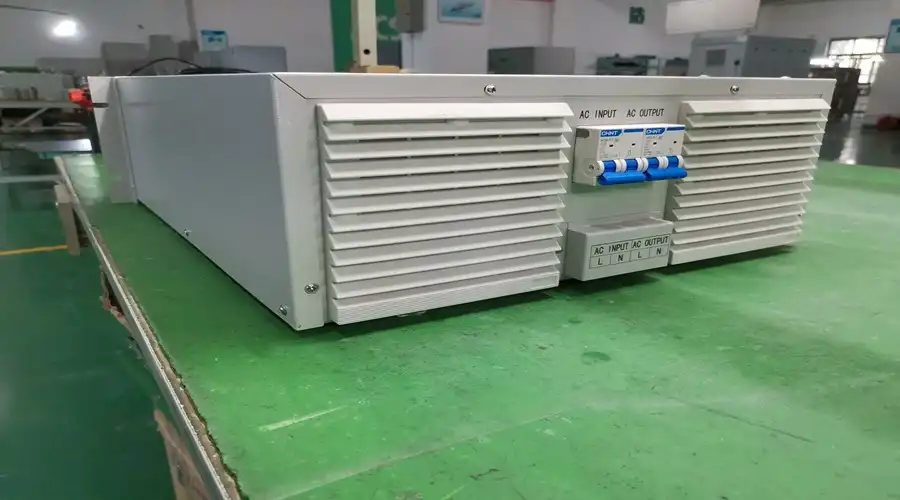
Understanding your working surroundings affects how long your converter lasts and how stable its performance is. Extreme temperatures, humidity levels, altitude, and exposure to vibrations can all affect the stress on a component. Strong construction that meets MIL-STD or naval classification standards is especially important for aviation and marine uses. The AF60-110001's IP21 protection grade protects against solid items bigger than 12 mm and vertical water drops. This makes it good for controlled indoor settings, but it needs extra protection when used outside. For normal models, the ambient temperature range is usually 0°C to 40°C, and when the temperature gets greater, derated factors are used. The position of the installation should allow enough air flow according to the manufacturer's instructions, usually 200 to 300 mm on all sides for convection cooling.
Technical Specifications That Drive Performance
Stable frequency and accurate conversion have a direct effect on how well technology works. To keep measurements accurate, precision lab tools need to keep the output frequency within ±0.01% of the original value. Total harmonic distortion metrics measure how pure a waveform is, and it has an effect on sensitive electronics and motor heating. Premium converters get THD below 3%, which gets rid of the reverberation and efficiency problems that come with waves that aren't straight. The ACSOON AF60-110001's output is a pure sine wave, which means it works with high-tech medical devices, scientific instruments, and military aircraft test equipment that can't handle poor power quality. Specifications for voltage regulation should ensure stability within ±1% across the full load range. This will keep linked equipment from tripping over or under voltage.
Comparing Single-Phase Frequency Converters: What to Look For
Operational Distinctions and Efficiency Considerations
The main difference between single-phase and single-phase frequency converter designs is the range of input power and output capacity. Single-phase models can use the 120V or 240V power outlets that are popular in offices and light industrial buildings. Three-phase models, on the other hand, need 208V, 480V, or higher industrial voltages. Power levels usually go up to 15kVA for single-phase systems before they have to switch to three-phase topologies because of space limitations. The efficiency curve changes depending on the amount of load, and it works best between 50 and 75% of its maximum capacity. The AF60-110001 can accept 3-phase 208V-480V input, even though its name doesn't say so. This shows how flexible current designs are for different supply systems. Total cost of ownership calculations take conversion effectiveness into account because it affects running costs over the life of the equipment.
Supplier Credibility and Customization Services
When you buy something from a global supplier, you should look at their different performance standards and help systems. Established makers keep a lot of certifications, such as CE, UL, and CSA marks, that show they follow the rules. Companies that focus on military and flight power systems have a lot of experience with specific applications and can make changes to meet specific needs. The ACSOON brand, which is backed by Xi'an Jerrystar Instrument Co., Ltd., works on testing in aircraft, marine, industry, and laboratories, all of which need to be very reliable. Manufacturing activities that cover 5,000 to 10,000 square meters allow for good inventory management for quick deployment, meeting the tight deadlines that are common in government and defense buying. OEM customization services can meet special voltage needs, weather-toughening requirements, or interaction needs that standard catalog goods can't.
Procurement Optimization and Supply Chain Logistics
Prices change a lot depending on the details, certifications, and the number of items ordered. Standard stock items are cheaper because of economies of scale, while unique solutions cost more for engineering and tooling. When you make bulk purchases from well-known suppliers, you can get discounts running from 10 to 25 percent, based on how much you promise. When sending goods internationally, you need to carefully plan how to handle customs paperwork, freight forwarding, and arrival dates. Keeping enough stock on hand by manufacturers cuts the time it takes to buy things from months to weeks, which is helpful when project deadlines require quick release. When figuring out a product's total value, you should give the original buy price, payment terms, warranty coverage, and availability of technical help the same amount of weight.
Troubleshooting, Maintenance, and Longevity of Your Converter
Common Operational Issues and Diagnostic Approaches
When a frequency converter fails, it usually shows certain signs that point to component stress or external factors. Unstable output voltage is a sign that the control hardware isn't working right or that the feedback monitor is wearing out. Too much heat above the required temperature rise is a sign of poor airflow, crowding, or a broken cooling fan. Strange sound waves suggest that the transformer core is saturated or that the switching components are under a lot of stress. The first step in the diagnostic process is an eye review to look for discolored parts, electrolyte leaks, or final corrosion. Checking the input and output factors on a multimeter against the specs on the nameplate helps find problems that are specific to a stage. The ACSOON AF60-110001's isolated output design makes debugging easier by getting rid of ground loop interactions that make it harder to find faults in systems that aren't isolated.
Preventive Maintenance Protocols
To make converters last longer, they need regular preventative maintenance that takes into account environmental stresses and wear processes. Every three months, checks should be made to make sure that the cooling movement paths are still clear of any dust or debris that has built up. Every year, thermal imaging studies find hotspots that are growing and showing that parts are breaking down before they fail. Capacitor banks have limited lives and need to be replaced every 5 to 7 years, based on the working temperature and ripple current stress. Connection connections need to have their torque checked on a regular basis because thermal cycling can loosen bolts, which raises contact resistance and causes localized heating. Quality designs, like the AF60-110001, are able to operate quietly. This makes changes in the sound a useful early warning system, since new buzzing or rattling sounds can mean that mechanical problems are starting to appear and need to be looked into.
Condition Monitoring and Performance Tracking
By using condition tracking techniques, you can see how the health of converters is changing over time, which can help you take preventative action. Baseline performance profiles are made by keeping track of input and output voltage, current, and frequency factors during regular checks. Gradual departure from these baselines is a sign of aging parts that need to be fixed before they have an effect on operations. Keeping track of the temperature and humidity in the area helps connect external factors with changes in performance. When equipment is used in harsh conditions, it may need to be inspected more often or have safety changes made to make it more reliable. As production needs change, regular capacity assessments make sure that current converters are still the right size or find ways to improve their efficiency and lower operating risks.
How to Finalize Your Purchase Decision: A Step-by-Step Guide
Aligning Specifications With Industry Requirements
Power transfer equipment has to meet specific needs in each industry. For aviation base support, the single-phase frequency converter must be 400Hz and meet DO-160 environmental conditions and electromagnetic compatibility standards. For marine uses, enclosures that don't rust and shock-mounting features that deal with shaking conditions are needed. In a lab, waveform clarity and electrical separation are given the most importance to protect the accuracy of sensitive measurements. Strong overload capacity and constant duty rates that can handle challenging production cycles are important for factories. Variable frequency capabilities help R&D labs do parametric tests across the full range of machine operations. Specifications for buying things should clearly list the standards that apply, like MIL-STD-810 for military systems or IEC 60945 for maritime tools. This way, sellers will know what is expected of them in terms of compliance.
Evaluating Supplier Capabilities and Support Infrastructure
When choosing a supplier, it's not just about the product specs; it's also about the organization's long-term value. Manufacturing experience in important application areas gives you the real-world knowledge you need to solve execution problems. Companies that work with flight and military power systems know how strict the quality and paperwork standards are in these fields. Customization features let you make solutions that fit your needs when normal goods don't do enough. Maintaining supplies well helps keep shipping times short, which is important for urgent jobs or replacement situations. Capable suppliers are different from simple product distributors because they can clearly explain technical details and have engineering resources available to help with application advice.
Warranty Provisions and Technical Support Frameworks
The terms of the warranty and the availability of expert help have a big effect on the total ownership experience. Full guarantees that last 18 to 24 months protect against early failures and show that the maker trusts the product's trustworthiness. Quick technical help that can be reached by phone, email, or online platforms answers practical questions and cuts down on downtime. Documentation, video lessons, and application notes are all examples of training materials that can help users become more proficient faster and with fewer mistakes during installation. Companies that don't have their own expert staff can use approved installation partners to get turnkey setup options. Together, these support factors lower operating risks and raise the value of equipment over the course of its useful life.
Conclusion
It's important to carefully consider technical specs, application environments, and provider skills when choosing the best single-phase frequency converter. The right choice is based on a correct assessment of the load, the surroundings, and performance factors such as frequency stability, waveform purity, and economy. By comparing practical features, maker reputations, and purchasing terms, you can make sure that the product fits with your company's goals and strikes a good balance between short-term costs and long-term benefits. Systematic troubleshooting and preventative repair practices keep devices working longer and cause fewer problems. Procurement teams get reliable power conversion solutions that meet the tough needs of aviation, marine, industrial, and lab settings by working with specialized manufacturers who keep enough stock on hand and offer customization services and full technical support.
FAQ
Can Single-Phase Frequency Converters Power Three-Phase Equipment?
Single-phase frequency converters can't give three-phase equipment that needs balancing polyphase power directly. It is not possible to make rotating magnetic fields from single-phase sources because three-phase motors and gears rely on phase relationships. For uses that need a three-phase output, converters that are especially made for that layout are needed, even if only a single-phase input is available. Some specialized phase converters use electronic phase generation to make a three-phase output from a single-phase input. However, this method lowers efficiency and could cause balance problems that affect motor performance.
How Do Frequency Converters Differ From Inverters?
Inverters and frequency converters both use power technology in similar ways, but they do different things. Inverters change DC to AC at a set or changeable frequency. They are often used in solar installations or UPS systems. Frequency converters change an AC input at one frequency to an AC output at a different frequency. This makes it possible for power systems and devices made to different standards to work together. Both devices use rectification and inversion steps, but frequency converters have more complex control features that keep the output parameters exact even when the load changes. The use of similar words can be confusing at times, so it's important to know the application context for an accurate definition.
What Maintenance Practices Prevent Converter Failures?
Failure risks are greatly reduced by regular repair that takes into account weather factors and the wear and tear of parts. Airflow problems and heat stress can be avoided by cleaning air filters every three months. Testing capacitors once a year finds a decline before it affects performance. Checking the tightness and inspecting the terminals every six months keeps the connections from coming loose and causing localized heating. Thermal cycling stress can be avoided by keeping room temperatures within certain ranges and making sure there are enough airflow gaps. By keeping track of standard performance parameters, you can use trend analysis to spot slow degradation, which means parts need to be replaced before they break. These organized steps make tools last longer and lower the cost of repairs and unwanted downtime.
Partner With JERRYSTAR for Reliable Power Conversion Solutions
Xi'an Jerrystar Instrument Co., Ltd. specializes in delivering ACSOON-branded power conversion equipment engineered specifically for aviation, military, marine, industrial manufacturing, and laboratory testing applications. Our expertise in high-reliability power systems, combined with adequate inventory for rapid deployment, ensures your critical operations receive dependable solutions precisely when needed. The ACSOON AF60-110001 static frequency converter exemplifies our commitment to quality, featuring low harmonic distortion below 3%, pure sine wave output, EMC compatibility, and an isolated design that keeps sensitive instruments safe. Whether you require standard configurations or customized solutions addressing unique voltage, frequency, or environmental requirements, our engineering team provides comprehensive consultation to optimize specifications for your application. As both manufacturer and trading company, we offer competitive pricing, OEM customization options, and responsive technical support throughout your equipment's operational lifecycle. Connect with our team at acpower@acsoonpower.com to discuss your frequency converter needs and get full specs from a trusted single-phase frequency converter supplier committed to your operational success.
References
1. Rashid, M.H. (2017). Power Electronics Handbook: Devices, Circuits, and Applications, 4th Edition. Butterworth-Heinemann.
2. Mohan, N., Undeland, T.M., and Robbins, W.P. (2020). Power Electronics: Converters, Applications, and Design, 3rd Edition. John Wiley & Sons.
3. Bose, B.K. (2019). Modern Power Electronics and AC Drives. Prentice Hall.
4. IEEE Standard 519-2014. IEEE Recommended Practice and Requirements for Harmonic Control in Electric Power Systems. Institute of Electrical and Electronics Engineers.
5. MIL-STD-810H (2019). Environmental Engineering Considerations and Laboratory Tests. U.S. Department of Defense.
6. Chapman, D. (2018). The Practical Guide to Industrial Power Distribution and Frequency Conversion Systems. Elsevier.