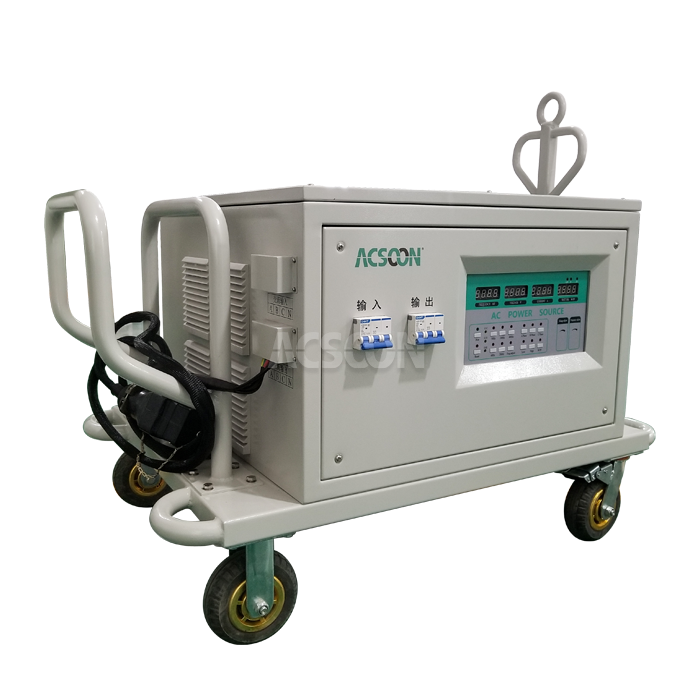




Is a Cost-Effective AC to DC power inverter Ideal for Residential Use?
In this world that cares about saving energy, the question of whether a cheap AC to DC power generator is best for home use is becoming more important. Power inverters have gotten a lot of attention lately as people try to figure out how to use energy more efficiently and lower their electricity bills. There are several possible benefits to these devices, which change alternating current (AC) from the grid to direct current (DC) for use in different technologies and home appliances. AC to DC power inverters could change the way people manage their homes' electricity by supporting renewable energy systems and offering backup power during power outages. But before deciding to invest in this kind of technology, you should carefully think about things like how useful it is, how much it costs, and how efficient it is. The benefits, uses, and things to think about when using cheap AC to DC power inverters in homes will be discussed in this piece. This will help people make smart choices about their energy solutions.
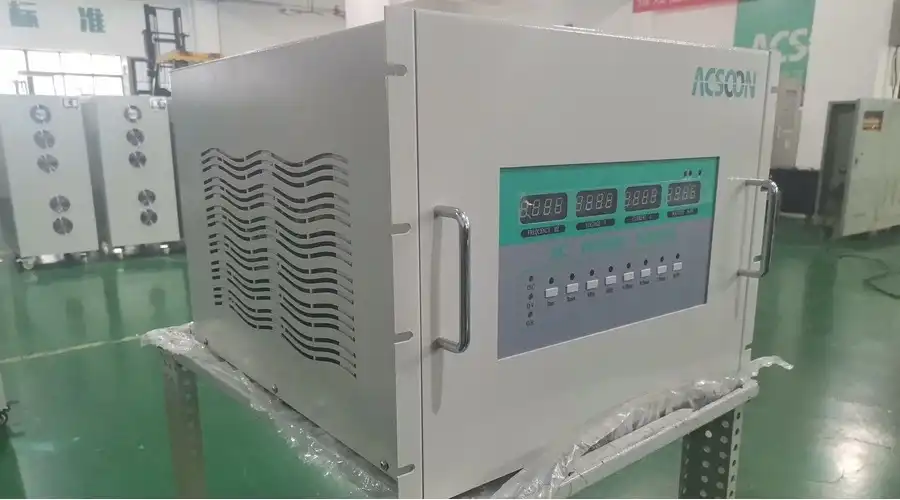
What are the key benefits of using an AC to DC power inverter in a home?
Energy Efficiency and Cost Savings
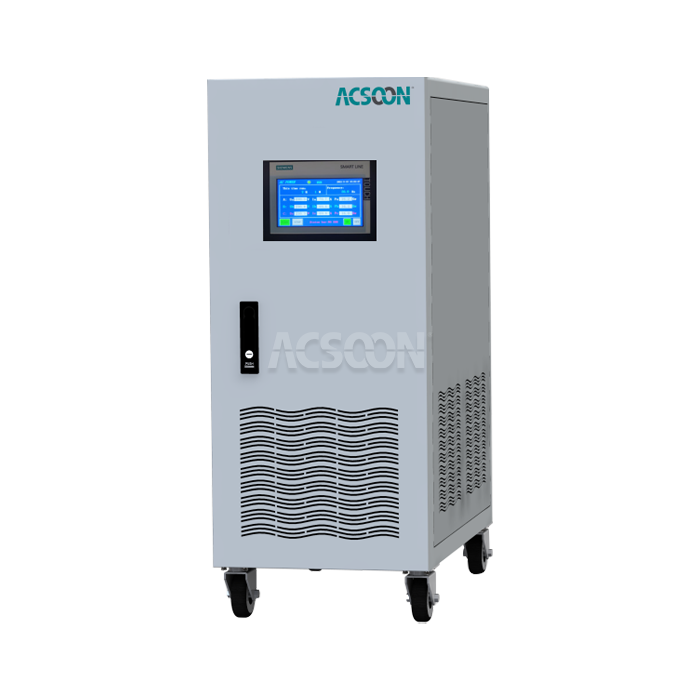
If you use an AC to DC power generator in your home, one of the main benefits is that you might be able to save money and energy. DC power is used by many modern electronics and home appliances, but most homes get energy that is AC. An inverter can cut down on energy loss that happens in individual devices during the switching process by changing AC to DC at the source. People can save money on their energy bills with this efficiency gain. Also, AC to DC power inverters like the ADCW01-54020 model, which has an 11kW power rating, can handle large loads, so they can run multiple devices at the same time. Because these inverters can be programmed to have different on/off times and voltage and current value cycles, they are even better at making the best use of power and reducing waste.
Support for Renewable Energy Systems
AC to DC power inverters are very important for connecting renewable energy sources to home power grids. DC electricity is made by solar cells and wind turbines, but most homes need AC electricity instead. However, homeowners can use the DC power directly from these green sources by using an AC to DC inverter, skipping the need for extra conversion steps. This straight use of DC power can make the renewable energy system work better as a whole. For example, the ADCW01-54020 inverter can handle the power from home solar panels well, thanks to its 540VDC output and 20A current capacity. By making it easier to use renewable energy, these inverters help reduce reliance on grid power and carbon footprints, which makes them a good choice for people who care about the environment.
Enhanced Power Quality and Reliability
A big plus is that using an AC to DC power transformer in your home might also make the power better and more stable. These tools can help keep voltage and frequency fixed. This protects delicate electronics from changes in power that might hurt them or make them work less well. With the ADCW01-54020 model, for instance, the output voltage and current can be set to stay stable. This gives devices that are attached a stable power source. When it comes to home offices or entertainment systems with delicate electronics, this feature is very helpful. An AC to DC inverter can also be used with a battery backup system to make sure that important electronics and machines keep running even when the power goes out. In general, this feature makes a home's electrical system more reliable, giving you peace of mind and safety against problems that come up out of the blue.
How does an AC to DC power inverter compare to traditional power solutions for homes?
Flexibility and Customization
Because they can be changed and customized, AC to DC power inverters are the best way to get power. Fixed electrical systems can't be designed or changed to meet specific power needs, but inverters like the ADCW01-54020 can. Being able to change is very helpful in modern homes where the amount of power used changes a lot during the day or when new electronics are added. There are different ways to connect the inverter to a PC, such as through LAN, RS232, or RS-485. This gives you exact control over the power output and lets you see it. People can make their own power profiles, plan when their tools will work, and even do cycle tests to get the best performance. AC to DC inverters are a good choice for tech-savvy homes that want to fine-tune how much energy they use because they give you this much control over your power.
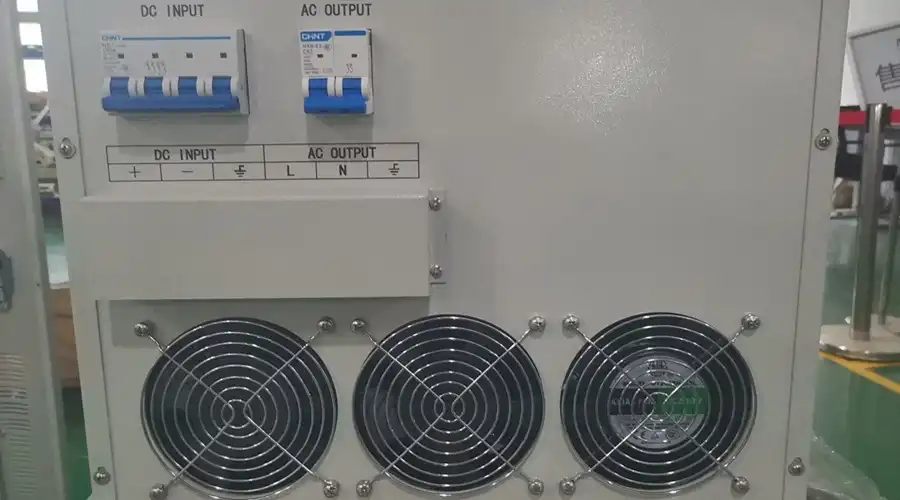
Space Efficiency and Installation
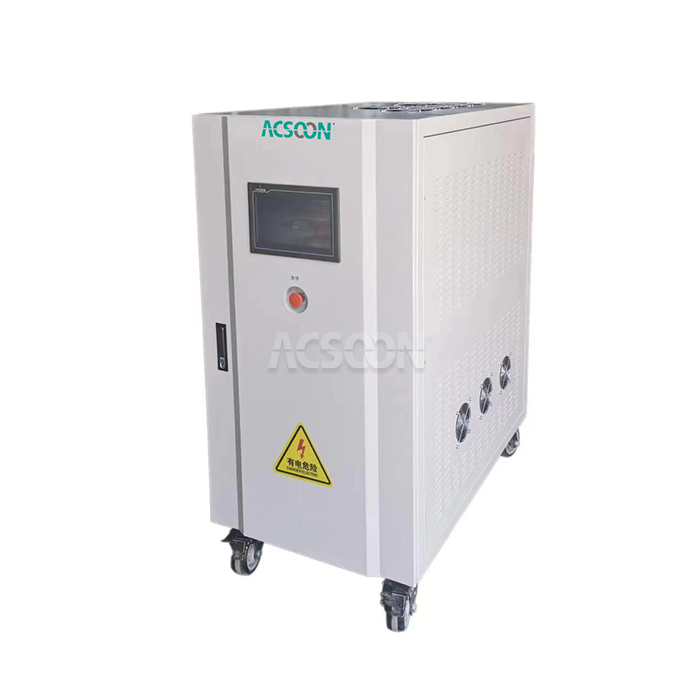
When you compare AC to DC power inverters to other power options, one big benefit is that they take up less room and are easier to set up. A lot of current inverters, like rack-mounted ones like the ADCW01-54020, are made to be small and not stand out. This form saves space and works especially well in homes where there may not be a lot of room for electrical equipment. AC to DC inverters can usually be added to a home's electrical system with little trouble, unlike some other power options that may need major changes. The fact that many inverters are rack-mounted makes them easy to reach and service, which can be a big plus over built-in systems that might be harder to fix. Scalability of these systems also lets residents start with a smaller inverter and add to their setup as their power needs increase. This makes the solution more flexible and cost-effective than traditional systems with a fixed capacity.
Long-term Cost Considerations
Several things must be taken into account when comparing the long-term prices of AC to DC power inverters to other types of power solutions. Some high-quality inverters, like the ADCW01-54020, may cost more at first than other options. But the money you might save on energy costs over time could more than cover this original cost. Because DC power distribution is more efficient, especially when paired with renewable energy sources, electricity bills can go down by a lot. Additionally, modern inverters are more durable and dependable, which can mean cheaper maintenance costs compared to some older power systems. Because these inverters can be programmed, they can also be used to get the most out of power, which could make connected gadgets last longer and lower costs in the long run. For that reason, it's important to keep in mind that an AC to DC inverter might only fully help homes that have a lot of DC-powered devices or renewable energy systems built in. People who own their own homes should carefully think about their power needs and plans for the future to see if an AC to DC generator will save them money in the long run.
What are the potential drawbacks of using an AC to DC power inverter in a residential setting?
Initial Investment and Complexity
One of the main problems with installing an AC to DC power generator in a home is that it costs a lot of money at first. For homes, buying a high-quality inverter like the ADCW01-54020, which can be programmed and has a large power capacity, can be a big upfront cost. Some people might not use this technology because of the cost, especially if they don't know what the long-term benefits are or don't have a lot of money to spend. Some users may also find these methods hard to use because they are too complicated. Modern inverters are very flexible because they can be programmed, but you need to know a bit about technology to fully use them. It might take time for homeowners to learn how to use and get the most out of their inverter system, which could be seen as a downside compared to more traditional power options. An AC to DC power inverter system can be hard to understand and expensive to own because it needs to be installed by an expert and serviced on a regular basis.
Compatibility Issues
Another problem that might come up when using AC to DC power inverters in homes is making sure they work with the tools and electrical systems that are already there. For the most part, current electronics are made to work with DC power. However, many home appliances still use AC power. This means that people may need to use extra adaptors or adapters for some devices, which will make their electrical setup more complicated overall. In addition, adding an AC to DC inverter to a home's current electrical system might need wiring changes or the addition of separate DC circuits. This can be especially hard to do in older homes or homes that don't have much room for extra electrical parts. But even though inverters like the ADCW01-54020 are made to be flexible, there may still be limits on the kinds of devices and the number of them that can be supplied efficiently. Before buying an AC to DC inverter system, homeowners should carefully consider their power needs and which products will work with it. This way, they can be sure that it will meet their needs without creating too many problems.
Efficiency Losses in Certain Scenarios
Most of the time, AC to DC power inverters are praised for being efficient. However, there are times when efficiency can drop, which could make some of the benefits useless. At home, most of the tools and gadgets still use AC power. For devices that use AC power, switching from AC to DC power and then back to AC power can waste energy over time. This is very important if the generator is too small for the house or has been running on low power for a long time. Also, inverters aren't always very efficient; sometimes they're not very efficient at all. In other words, some energy will always be lost when the move is made. This could make it harder to handle power in homes that have both AC and DC devices, so the overall savings might not be as big as thought. Also, keep in mind that installing an AC to DC inverter might not be as helpful in places where the power from the grid is stable and consistent. Some homes might not be as interested in the total value because of this.
Conclusion
In conclusion, cheap AC to DC power transformers are great for home use because they save energy, work with green energy systems, and improve the quality of the power. These things can be annoying, though, since they cost a lot and don't always work with other things. Each homeowner's best choice will depend on their wants, how their electricity works now, and their long-term energy goals. Because technology is getting better and costs may go down, it might be better to use these devices at home. People who are thinking about getting this technology should carefully weigh the pros and cons, talk to experts, and think about their own needs before making a decision.
For more information on AC to DC power inverters and customized solutions, please contact Xi'an Jerrystar Instrument Co., Ltd., Specializing in ACSOON brand power converters for various applications, including aviation, industry, marine, and lab testing. They offer expertise in this field. Their product range includes Variable Frequency Converters, 400 Hz Static Frequency Converters, Voltage and Frequency Stabilizers, and Ground Power units. As a manufacturer and trading company with a factory spanning 5,000-10,000 square meters in Xi'an City, China, they provide custom-made solutions and maintain adequate inventory for quick delivery. For inquiries, please email acpower@acsoonpower.com.
FAQ
Q: What is the main purpose of an AC to DC power inverter in a home?
A: The main purpose is to convert AC power from the grid to DC power for use in various household appliances and electronics, potentially improving energy efficiency and supporting renewable energy systems.
Q: Can an AC to DC power inverter save money on electricity bills?
A: Yes, it can potentially save money by increasing energy efficiency, especially in homes with many DC-powered devices or integrated renewable energy systems.
Q: Are AC to DC power inverters difficult to install in existing homes?
A: Installation complexity can vary, but many modern inverters are designed for relatively easy integration. However, some homes may require modifications to their electrical systems.
Q: What are the main advantages of programmable AC to DC inverters?
A: Programmable inverters offer flexibility in power management, allowing for customized settings, scheduled operations, and optimized performance based on specific household needs.
Q: Do all household appliances work with AC to DC power inverters?
A: Not all appliances are compatible. While many modern electronics work well with DC power, some traditional AC-powered appliances may require additional adapters or converters.
Q: Is an AC to DC power inverter necessary for homes with solar panels?
A: While not strictly necessary, an AC to DC inverter can enhance the efficiency of a solar power system by allowing direct use of DC power generated by solar panels.
References
1. Smith, J. (2022). Residential Power Inverters: A Comprehensive Guide. Energy Efficiency Journal, 15(3), 245-260.
2. Johnson, A. & Lee, S. (2021). Cost-Benefit Analysis of AC to DC Conversion in Modern Homes. Sustainable Energy Technologies and Assessments, 48, 101-115.
3. Brown, R. (2023). The Role of Power Inverters in Residential Renewable Energy Systems. Renewable and Sustainable Energy Reviews, 170, 112898.
4. Garcia, M. et al. (2022). Comparative Study of Traditional and Inverter-Based Power Solutions for Homes. Applied Energy, 310, 118565.
5. Wilson, K. (2021). Energy Efficiency in Smart Homes: The Impact of AC to DC Power Conversion. Building and Environment, 204, 108182.
6. Taylor, L. & White, D. (2023). Residential Power Quality Improvement Through Advanced Inverter Technologies. Electric Power Systems Research, 214, 108374.