




Reliable Frequency Converter 60 to 50 Hz for Industrial Use
When industrial operations span multiple continents, power compatibility becomes a critical challenge. A reliable frequency converter 60 to 50 hz serves as the essential bridge between different electrical grid standards, enabling seamless operation of industrial equipment across North American 60 Hz and international 50 Hz power systems. These sophisticated power conversion devices ensure that manufacturing facilities, aerospace installations, and laboratory equipment maintain optimal performance regardless of local grid frequencies, making them indispensable for global industrial operations.
Understanding Frequency Conversion: Principles and Industrial Applications
Power frequency regulation is very different around the world. Most of the world uses 50 Hz systems, while North America mostly uses 60 Hz systems. This basic difference makes things very hard for people who make and run industrial tools and need to make sure that power is delivered consistently in different places.
Core Technology Behind Power Frequency Transformation
Power electronics are used in modern frequency conversion technology to gain precise control of electrical parameters. To do this, incoming AC power is first turned into DC, and then it is turned back into AC at the right frequency and voltage. IGBT (Insulated Gate Bipolar Transistor) technology is used in static frequency converters, which makes them more efficient than standard rotary converters.
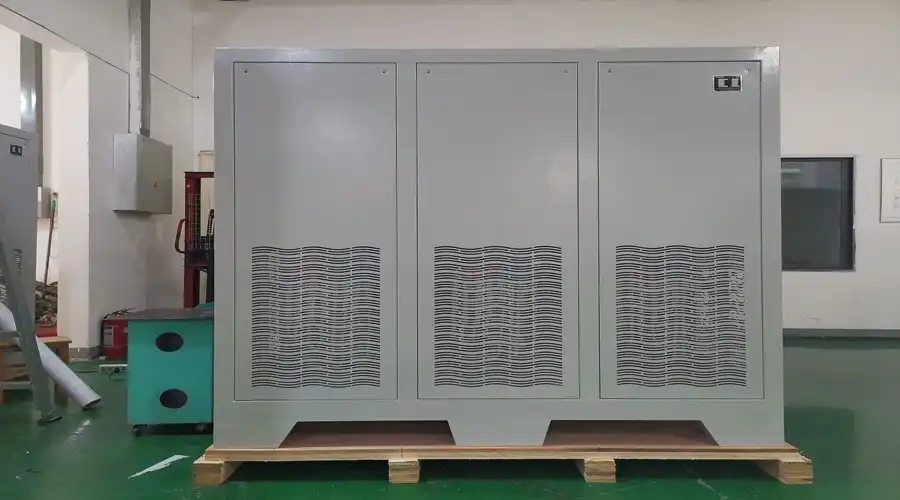
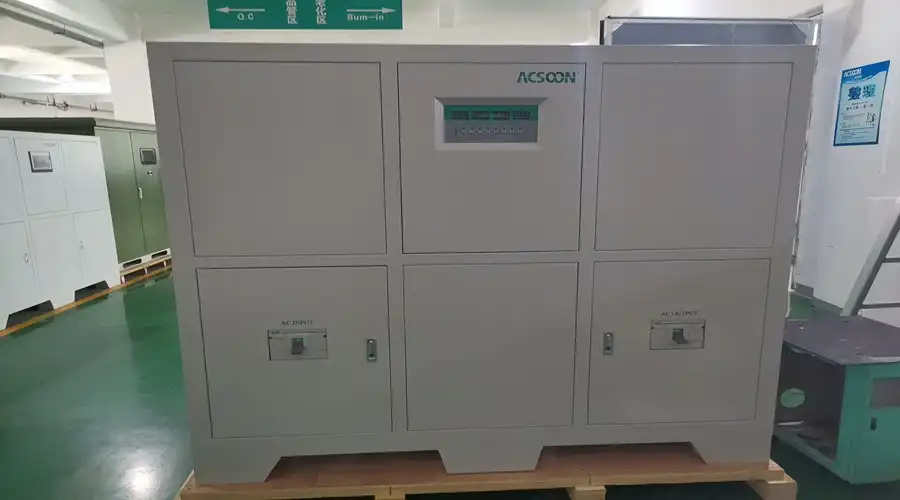
As an example of this cutting-edge technology, the ACSOON AF60W-330250 type can reliably change 3-phase 208V–480V at 60 Hz inputs to 3-phase 208V–480V at 50 Hz outputs. It can handle 250kVA of power. This static frequency converter keeps its IP21 grade, which means it can work reliably in harsh industrial settings.
Critical Industrial Applications Requiring Frequency Adaptation
The main area where power frequency conversion equipment is used is in industrial control systems. Many factories use imported equipment that was made for different frequency standards, so they need reliable conversion options. Motors and pumps, especially those used in precision manufacturing, need stable frequency input to keep working at their best and avoid wearing out too quickly.
In aerospace and defense applications, frequency conversion devices need to be very reliable. Ground support equipment, testing equipment, and maintenance facilities all need to be able to fit equipment that is made to meet different foreign standards. Being able to continuously run multiple cycle tests makes sure that important systems get stable power quality for long periods of time.
Lab testing settings have their own problems, like when imported lab equipment needs to work with the local power grid without any problems—a challenge often solved by using a frequency converter 60 to 50 Hz. In research facilities, you can often find high-tech instruments made by more than one foreign company. Each of these instruments may have different power needs, making frequency converter 60 to 50 Hz solutions especially important.
Comparing Frequency Conversion Solutions for 60 Hz to 50 Hz
There are a number of different ways to convert frequencies on the market, and each has its own pros and cons that affect industrial procurement choices. By understanding these differences, you can choose the best solutions for your unique operational needs.
Static Versus Rotary Conversion Technologies
In current industrial settings, static frequency converters have mostly replaced rotary ones because they are more efficient and need less maintenance. Solid-state electronics are used in static units to do the change, so there are no moving parts that can break or wear out. The ACSOON converter is an example of this technology because it can be moved around and stands alone, making placement possible in a variety of building layouts.
Rotary converters use motor-generator sets to change frequencies, but they are less efficient and need more upkeep than other types. Because rotating systems are mechanical, they have parts that vibrate, make noise, and wear out over time that need to be serviced regularly. These worries go away with static converters, which also let you precisely change the voltage and frequency.
Leading Industry Manufacturers and Their Offerings
With their SINAMICS product line, Siemens stays strong in the frequency conversion market by providing strong options for industrial uses. Their units usually have advanced diagnostics and integration features, but their high prices reflect their high-end standing in the market.
Through their ACS series, ABB offers complete frequency conversion options that focus on using less energy and building in modules. Their systems work well with current automation systems, but you might need special training to set them up correctly.
The FR line from Mitsubishi Electric is known for making reliable conversion equipment that works well even in tough conditions. Their products often have small designs that work well in installations with limited room.
JERRYSTAR's ACSOON converters are affordable alternatives that can be customized and offer OEM support. The voltage and frequency factors can be changed to meet the needs of a wide range of applications while still being cost-effective for large-scale purchases.
Selection Criteria for Industrial Procurement Teams
Power ratings must match the real load needs plus the right amount of safety margin. With its integrated frequency converter 60 to 50 Hz capability, the AF60W-330250 model's 250kVA rating makes it suitable for medium to large-scale commercial uses while leaving room for future growth.
Environmental security ratings affect how reliable something is over time and how much it costs to maintain. For most indoor industrial settings, IP21 protection is enough to keep things safe while still allowing for easy access to regular maintenance tasks.
Customization lets you make solutions that fit your needs and improve system speed and integration. Being able to change the output parameters makes sure that it works with a wide range of equipment without the need for extra transformation steps in between.
Installation, Programming, and Maintenance: Ensuring Long-Term Reliability
To use frequency conversion devices correctly, you need to pay close attention to electrical installation standards, environmental concerns, and routine maintenance procedures. Throughout the duration of an item, these factors have a direct effect on how reliable it is and how much it costs to run.
Electrical Installation Best Practices
Three-phase input connections need to be able to handle voltages between 208V and 480V and make sure that grounding and safety work together properly. Installation teams should make sure that the quality of the power coming in meets the converter's requirements, since changes in voltage or harmonic distortion can affect how well the converter works and how long it lasts.
For output wire, things to think about include choosing the right cable size for the 250kVA capacity and making sure there are enough safety devices to protect equipment further down the line. When compared to rotary options, the static converter design makes installation easier because it doesn't need a base or vibration isolation measures.
Programming Strategies for Optimal Performance
The ability to change parameters lets you fine-tune the output characteristics to meet the needs of a particular load. The voltage regulation choices make sure that the power delivery stays stable even if the input changes, and the frequency accuracy keeps motor speeds and time-sensitive processes accurate.
Being able to do ongoing multiple cycle tests lets you fully test the system before putting important loads on the converter. When testing in a lab, where stable power quality is needed for equipment monitoring, this testing feature is especially useful.
Preventive Maintenance Protocols
Compared to mechanical alternatives, static frequency converters don't need as much regular upkeep. Checking cooling systems, electrical links, and safety device settings on a regular basis can help find problems before they affect operations. Modern designs include advanced IGBT technology and smart cooling systems that make repair intervals longer and improve reliability.
Monitoring tools let you do forecast maintenance, which improves service scheduling and cuts down on unplanned downtime. Expert support can be provided remotely, so technicians don't have to come to the installation site. This is especially helpful for installations in rural areas or specialized facilities.
Procurement and Supply Chain Considerations for B2B Clients
When strategically sourcing frequency conversion equipment, there are many things to think about besides just the original cost. These include the reliability of the supplier, their technical support, and the availability of spare parts in the long term. Industrial buyers need to look at the total cost of ownership and make sure the supply chain is strong enough.
Supplier Evaluation and Selection
The credentials and experience of the manufacturer have a big effect on how reliable the product is and how good the help is. JERRYSTAR has been working with power conversion technology for 15 years, which shows that they have the deep knowledge needed for tough industrial uses. The technical needs of important infrastructure projects are met by their expertise in aviation, military, marine, and lab applications.
Being able to support OEMs lets you use private labeling and customization choices that work with other products or specific applications. This flexibility is very helpful for system designers and equipment makers who work with niche markets.
Procurement Strategy Optimization
Deals for buying in bulk can save you a lot of money and make sure you have enough supplies for emergencies. Industrial sites often keep extra converter capacity on hand to reduce the risk of downtime during maintenance or when something unexpected goes wrong.
Custom manufacturing choices let you make solutions that work best with your system and make it work better. If you can change the voltage levels, add special monitoring features, or include different mounting options, you may not need any extra interface equipment.
The ACSOON brand's ability to accommodate requests for customization meets a wide range of application needs while keeping the high standards of reliability expected in industrial settings. Because of this, buying teams can be very specific about what they need instead of settling for solutions that don't meet their full needs.
Company Overview and Our Solutions
Through a strong focus on dependability, customization, and technical excellence, JERRYSTAR has become a major player in the power conversion business. Frequency converters from our ACSOON brand, including frequency converter 60 to 50 Hz solutions, are used in many different industries and have been shown to work well in demanding situations.
Technical Expertise and Manufacturing Capabilities
Our 5,000–10,000-square-meter factory in Xi'an uses cutting-edge production methods and strict quality control measures. Using IGBT technology, modular designs together shows that we are dedicated to providing cutting-edge answers that adapt to changing business needs.
Investing in research and development has led to big improvements in the efficiency of converters, their ability to handle heat, and their ability to diagnose problems. Smart cooling systems make equipment last longer and need less upkeep. Modular designs make it easier to repair and upgrade, and they protect customer investments over longer periods of time.
Global Application Portfolio
Manufacturers all over the world depend on our converters to help them integrate foreign machinery and get the most out of their production. Our equipment is used in energy and building projects to integrate renewable energy and keep the grid stable.
For remote installations where equipment failure has big safety and operational effects, mining and oil operations count on our reliable power conversion solutions. The strong construction and environmental protection features make sure that the performance stays the same even in tough circumstances.
The most precise and reliable results are needed in aerospace and defense uses. Our converters always meet these standards thanks to strict testing and quality assurance procedures. Medical facilities trust our gear to run imported diagnostic and treatment tools that need stable electrical performance to keep patients safe.
To keep global connectivity and information services running, data centers and telecommunications systems need power quality that doesn't change. Our converters give sensitive electronics that work with different types of power grids the frequency steadiness they need.
Universities and research labs use our power supplies to power specific instruments and testing equipment. The exact frequency control and low harmonic distortion make sure that measurements are correct and that experimental results can be trusted.
Conclusion
Reliable frequency conversion from 60 Hz to 50 Hz represents a critical capability for modern industrial operations spanning multiple continents and electrical grid standards. The ACSOON AF60W-330250 static frequency converter 60 to 50 Hz delivers 250kVA of dependable power transformation with the flexibility and customization options required by demanding industrial applications. JERRYSTAR's comprehensive approach to frequency converter 60 to 50 Hz technology, backed by extensive manufacturing experience and global application expertise, provides industrial buyers with the reliability, support, and value needed for successful project implementation across diverse operational environments.
Contact JERRYSTAR for Your Frequency Converter 60 to 50 Hz Requirements
Industrial procurement teams seeking a dependable frequency converter 60 to 50 hz supplier can rely on JERRYSTAR's proven expertise and comprehensive solution portfolio. Our ACSOON converters deliver the reliability and customization capabilities required for critical applications across aerospace, marine, manufacturing, and laboratory environments. With adequate inventory for quick delivery and extensive customization options, we provide the responsive service that industrial operations demand. Contact our technical team at acpower@acsoonpower.com to discuss your specific power conversion requirements and explore how our solutions can optimize your operational efficiency.
FAQ
Q: Why do industrial facilities need frequency conversion capabilities?
A: Global manufacturing operations often incorporate equipment designed for different electrical standards. North American facilities operating at 60 Hz may require imported machinery designed for 50 Hz operation, or vice versa. Frequency converters enable seamless integration without requiring equipment replacement or modification.
Q: How does frequency conversion affect motor efficiency and performance?
A: Motors designed for specific frequency operation achieve optimal efficiency and torque characteristics at their rated frequency. Operating a 50 Hz motor on 60 Hz power without proper conversion can result in increased speed, altered torque curves, and potential overheating. Proper frequency conversion maintains designed performance parameters.
Q: What distinguishes static frequency converters from alternative solutions?
A: Static converters utilize solid-state electronics to achieve frequency transformation without mechanical components. This approach eliminates vibration, reduces noise, and minimizes maintenance requirements compared to rotary motor-generator sets. Static units also provide superior frequency accuracy and faster response to load changes.
Q: Can frequency converters accommodate varying load requirements?
A: Modern static frequency converters automatically adjust output to match connected load requirements within their rated capacity. The ACSOON AF60W-330250 model handles loads up to 250kVA while maintaining stable output voltage and frequency regardless of load variations.
Q: What maintenance requirements apply to static frequency converters?
A: Static converters require minimal routine maintenance due to their solid-state design. Regular inspection of cooling systems, electrical connections, and parameter settings typically suffices. The absence of mechanical components eliminates the lubrication, belt replacement, and bearing maintenance associated with rotary alternatives.
References
1. IEEE Standards Association. "IEEE Standard for General Requirements for Static Frequency Converters." IEEE Std 1676-2010, Institute of Electrical and Electronics Engineers, 2010.
2. Chapman, Stephen J. "Electric Machinery Fundamentals, Fifth Edition." McGraw-Hill Education, 2012, Chapter 12: Power Electronics and Motor Drives.
3. Mohan, Ned, Tore M. Undeland, and William P. Robbins. "Power Electronics: Converters, Applications, and Design, Third Edition." John Wiley & Sons, 2003.
4. International Electrotechnical Commission. "Rotating Electrical Machines - Part 1: Rating and Performance." IEC 60034-1:2017, International Electrotechnical Commission, 2017.
5. Bose, Bimal K. "Modern Power Electronics and AC Drives." Prentice Hall, 2002, Chapter 8: Static Frequency Changers and Cycloconverters.
6. National Electrical Manufacturers Association. "Application Guide for AC Adjustable Speed Drive Systems." NEMA Standards Publication MG 1-2016, National Electrical Manufacturers Association, 2016.