




Solid State Frequency Converter Solutions for Global Power Standards
In order to work with foreign power systems, you need precise tools that can connect systems with different electrical standards. A solid state frequency converter is the most important piece of technology for changing frequencies and voltages without any problems in activities around the world. These solid-state frequency converter units are much more reliable and efficient than older rotary systems. This makes them essential for aviation ground support, military testing facilities, marine applications, and manufacturing environments where power fluctuations are not an option.
Understanding Solid State Frequency Converters: Technology and Benefits
How Semiconductor Technology Powers Frequency Conversion
A solid state frequency converter changes the AC power that comes in by using modern power electronics, mostly insulated gate bipolar transistors (IGBTs) and silicon-controlled rectifiers (SCRs). The first step is correction, which changes alternating current to direct current. Then, complex control circuits flip this DC back to AC at the output frequency that is needed, like going from 60Hz to 50Hz or making 400Hz power for testing airplanes on the ground. This all-electronic method gets rid of all spinning parts, so it has a small footprint and runs very quietly, which rotary options can't match.
Measurable Advantages Over Traditional Conversion Methods
Modern solid state frequency converter units provide real gains in performance that have a direct effect on operational costs. Ratings for energy efficiency usually go above 92%, which means lower power costs and fewer needs for thermal control. We've seen sites get their money back in less than 24 months by changing old motor-generator sets with new solid state frequency converter systems. The lack of mechanical wear spots increases the mean time between failures (MTBF) to more than 100,000 hours under normal working conditions. This greatly lowers the costs of upkeep labor and spare parts inventory.
Real-World Applications Across Critical Industries
Frequency conversion technology can be used for a wide range of tasks because it is flexible. 400Hz converters are used by aerospace makers for ground power units that mimic the electrical systems of airplanes during repair cycles. Marine craft retrofitters use these devices to change frequencies from shore power to onboard frequencies, so the generator doesn't have to run while the ship is parked. To make sure that products work well in all foreign markets, industrial labs that test equipment qualifications need sources of frequency that can be changed. The solid state frequency converter technology is the only way to safely control the frequency of high-frequency induction heating devices, which are used in metallurgy and semiconductor production.
Comparing Frequency Conversion Technologies: Making the Right Choice
Solid State Versus Rotary Frequency Converters
Choosing between solid state frequency converter and rotating methods depends on what needs to be done first. Rotary converters, which are basically motor-generator sets, have a high overload capacity and easy electronics, but they need to be serviced regularly. Replacement of bearings, checks for alignment, and regular lubrication tasks add up to a lot of work hours each year. On the other hand, solid state frequency converter units don't need any upkeep for years; they only need to have their filters cleaned and their cooling systems inspected every so often. Another thing to think about is noise pollution. While rotary systems make 75–85 dB of noise when they're working, solid state options make less than 60 dB, so they don't need acoustic barriers in places where noise is a problem.
Distinguishing Solid State Converters from Variable Frequency Drives
Even though both solid state frequency converter units and VFDs use semiconductor switching technology, they are used for very different things. Variable frequency drives change the speed of an induction motor by changing the output frequency while keeping the voltage-to-frequency ratios that work best for these motors consistent. Solid state frequency converter systems, on the other hand, give stable voltage and frequency outputs that don't depend on the load. They work as real power sources instead of motor controllers. A dedicated frequency converter is better than a motor drive that has been used for something other than what it was designed for when you need to power whole systems, like aircraft test benches, foreign-made equipment, or whole parts of a building.
Cost-Benefit Analysis for Long-Term Value
Solid state frequency converter systems usually have higher initial costs than similar rotor units, which makes people hesitant to buy them even though they have better technical specs. Total cost of ownership estimates, on the other hand, show a different picture. When you consider that solid state frequency converter units save energy (8–12% more efficiently), don't need as much upkeep (16–24 hours a year compared to 8–12 years for rotary systems), and last longer (15–20 years compared to 8–12 years), they make a profit during the guarantee time. You can get even better returns on your investment by buying in bulk and using the custom engineering services that well-known makers offer. This is especially true for operations that need to be consistent across multiple sites.
How to Select the Best Solid State Frequency Converter for Your Business
Critical Specifications for Power Compatibility
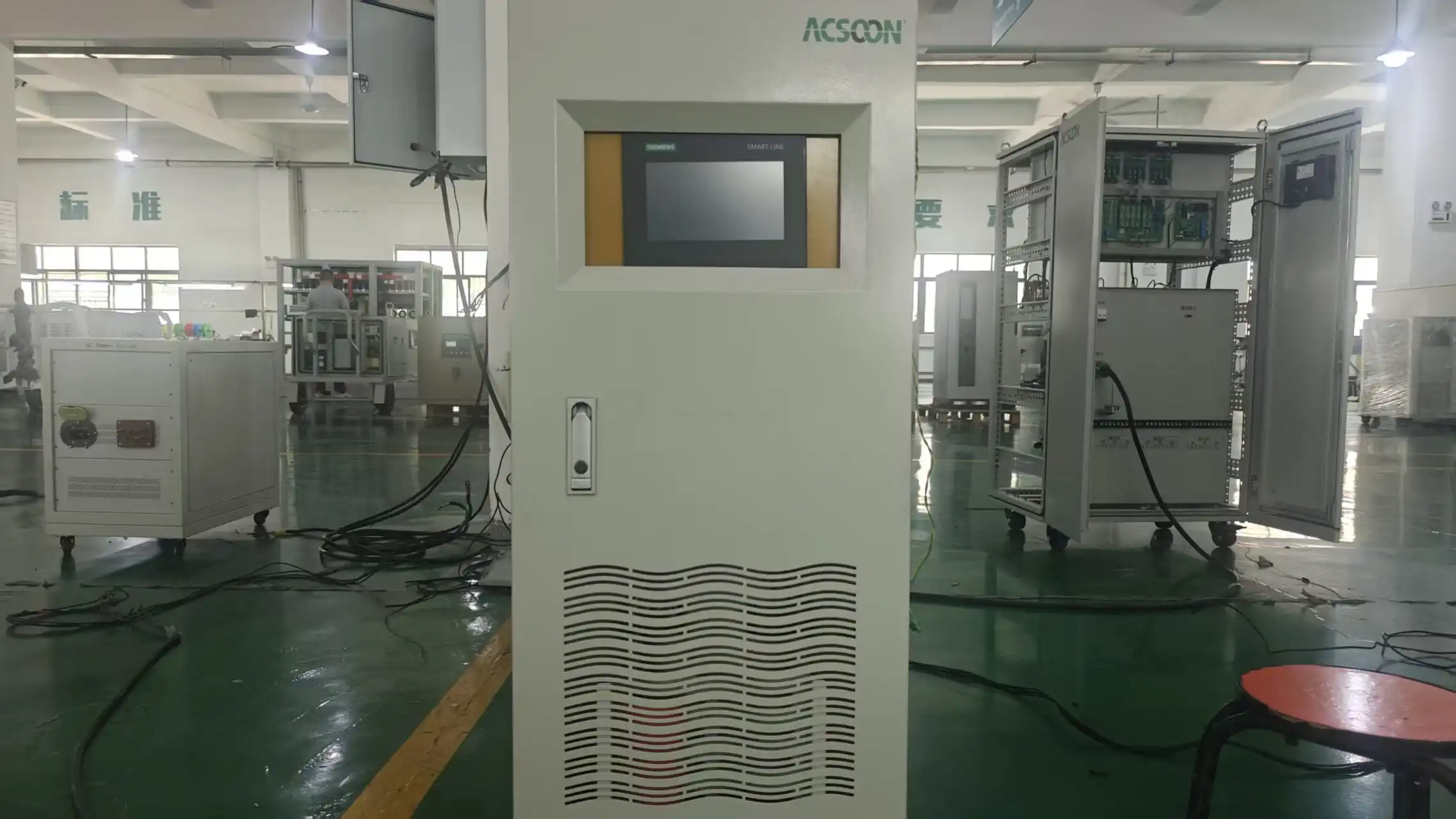
An exact load study is the first step in choosing the right solid state frequency converter. Write down the voltage your equipment needs, along with the allowed range of errors (usually ±5% for heavy machinery and ±1% for precise instruments). Expectations for frequency stability are also different. For example, manufacturing processes can handle changes of up to 0.5Hz, but laboratory measurement needs accuracy of up to 0.01Hz. Find the total linked load, then use the right diversity factors (0.7 to 0.85 for mixed industrial loads), and finally add 20 to 30 percent capacity reserve to account for surge currents and future growth. The ACSOON AF60W-110009 model is a great example of how to match specifications correctly. It has a 9kVA capacity, works with 3-phase 208V–480V input/output, and can convert 60Hz to 50Hz. It was designed for high-frequency induction heating applications where power quality has a direct effect on the results of the process.
Evaluating Converter Types for Specific Applications
In different operating situations, the equipment needs to be set up in a certain way. Units that are standing upright and have wheel assemblies built in make them easy to move around for temporary setups or when resources need to be shared between various production lines. Rack-mounted designs work well for long-term installs in equipment boxes or central utility rooms that need to make the best use of space. IP21-rated enclosures guard against solid objects and vertical water drops. They are good for controlled indoor settings, but IP54-rated enclosures or better are needed for harsh environments. The ability to change frequency and voltage makes equipment useful for more than one location. For example, test laboratories can use the same device to simulate different foreign power standards.
Supplier Verification and Support Infrastructure
Specifications are only one part of the story of buying. Check the manufacturer's qualifications by looking for industry standards like ISO 9001 quality management, MIL-STD compliance, and, if necessary, FAA or EASA approvals. Look at how much you can produce and how much you have in stock. Manufacturers with 5,000 to 10,000 square meter facilities and enough stock can meet immediate shipping needs that smaller trading companies can't meet. Customization is what sets real manufacturers apart from "badge engineers." Look for companies with in-house engineering teams that can change standard products or create solutions that are tailored to specific needs. Warranty terms that cover both parts and work for 12 to 24 months show that the maker is confident in the product's reliability and wants to make sure customers are happy.
Maintaining and Troubleshooting Solid State Frequency Converters Efficiently
Preventive Maintenance Protocols for Extended Service Life
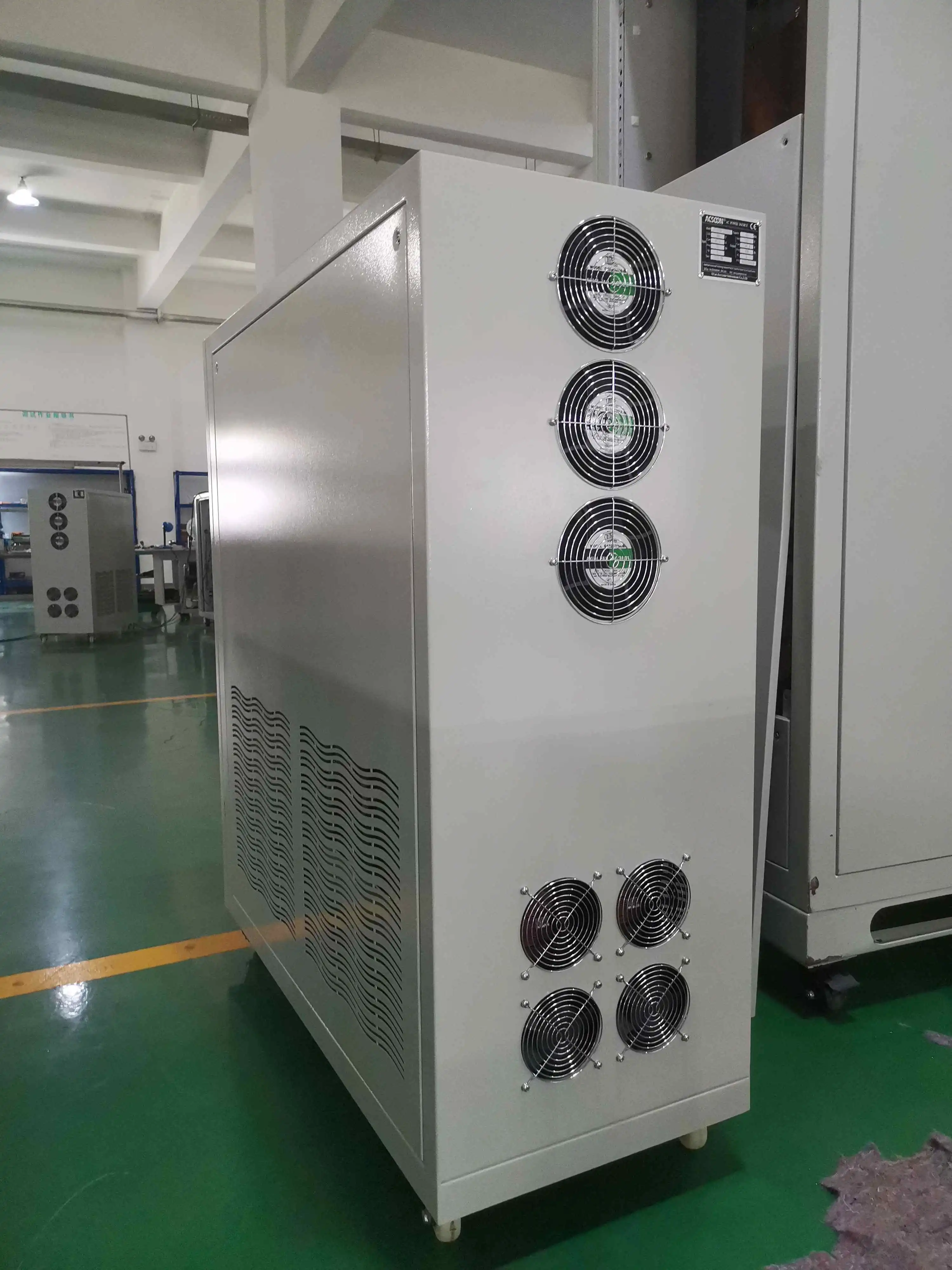
Setting up regular check plans makes solid state frequency converter equipment more available while lowering its lifecycle costs. Visual checks should be done every three months to make sure the cooling fans are working properly, that dust isn't building up on the heat sinks and air screens, and that all the wire connections are tight and not breaking down due to heat. Thermal imaging scans done every six months find problems before they become too big to fix. If there are temperature differences of more than 15°C between two similar parts, they need to be looked into. Electrical testing once a year checks that the output voltage control, frequency stability, and harmonic distortion levels meet the standards set by the maker. Facilities that work in high-particulate settings should have their filters cleaned once a month. Indoor setups that are temperature-controlled may be able to go up to three times a year.
Common Issues and Rapid Resolution Strategies
Through thousands of installs, we've learned that failures tend to happen in expected ways that can be fixed in a planned way. Most of the time, unstable output voltage is caused by a problem with the sensing circuit or a drifting feedback potentiometer. Both of these problems can be fixed by following the recalibration steps outlined in the service instructions. Overcurrent trips during startup are usually caused by input circuit impedance that is too low or an attached load that is too high. Most of the time, checking the nameplate values fixes the problem. When a cooling system fails, the thermal protection turns on, which means that the fan isn't working right and airflow is being blocked. Modern solid-state frequency converter units have diagnostic display systems built in. For example, ACSOON equipment has real-time data tracking that cuts down on fixing time by a huge amount, by finding faults without a lot of test equipment.
Adapting Service Strategies for International Deployments
Global sites add more problems than they solve in local operations. Changes in ambient temperature can affect the durability of parts. Buildings that don't have climate control should choose units that can work in a wider range of temperatures (-10°C to +50°C instead of the usual 0°C to +40°C). Controlling humidity is very important in warm and seaside areas where condensation can damage electrical insulation. To lower these risks, circuit boards should be conformally coated, and sealed connector systems should be used. In growing areas where voltage supplies aren't stable, upstream surge protection and line conditioning are needed to keep converters working for as long as possible. Building relationships with regional service partners guarantees timely support even when production sites are far away. This is especially helpful for military and marine uses that work in remote areas.
Trusted Suppliers and Procurement Channels for Solid State Frequency Converters
Manufacturer Profiles and Performance Verification
There are both large global companies and small, specialized regional companies in the solid state frequency converter market. Each has its own benefits. Companies with decades of experience in both aircraft and military power systems can offer proven dependability and full certification paperwork that is necessary for defense buying. Xi'an Jerrystar Instrument Co., Ltd. is a good example of this type of company. They make ACSOON brand solid state frequency converter units and sell them to the flight, marine, industrial, and lab industries from their 5,000 to 10,000 square meter building in Shaanxi Province. Their dual role as a manufacturer and a selling company gives them the freedom that you can't get from sources that only make things. Independent proof through customer references, especially from government procurement offices and prime contractors, gives information beyond what is advertised about how well the company delivers on time, how quickly they respond to technical support requests, and their ability to do custom engineering.
Authorized Distribution Networks and Bulk Purchasing Advantages
When you work directly with a maker, you can get the best prices and help, especially for large orders. Quantity discounts usually start at sales of five units and go up until savings of fifteen to twenty percent are reached. Frame agreements that set yearly purchase amounts get better prices and allow for flexible buying to fit the timing of projects. Equipment installers can ask for custom labels, modified enclosures, and custom wiring setups through OEM partnerships. This makes the solid-state frequency converter stand out in competitive bidding situations. Distribution networks help manufacturers reach markets that need local support. However, before making big purchases through informal channels, procurement workers should check that the distributors are authorized and have the right technical skills.
Negotiation Strategies for Optimal Contract Terms
In addition to unit price, complex procurement talks cover factors that have a big effect on the overall cost of the project. When suppliers are late, project plans are kept safe by lead time promises with liquidated damages clauses. Warranty terms vary a lot from one company to the next. For large purchases, the normal 12-month coverage should be able to be extended to 18–24 months. Long-term supportability is ensured by promises of spare parts supply. This is especially important for custom setups. Payment terms usually favor sellers (30% fee, 70% before shipment), but they can be negotiated if there are long-term relationships or large orders. Technical support features like help with setup, user training, and the ability to do diagnostics remotely add value above and beyond the cost of the gear and set premium providers apart from commodity vendors.
Conclusion
Selecting the right solid state frequency converter technology is a strategic decision that will affect how well operations run, how reliable the equipment is, and how well long-term costs are managed. There are clear benefits to using solid-state frequency converter systems over older options, such as using less energy, needing less upkeep, and lasting longer. To do a good job of procurement, you need to pay close attention to load specs, the reliability of the provider, and the total cost of ownership, not just the purchase price. Specialized providers have both the technical know-how and the production power to make sure that customers can get both standard goods and solutions that are made to fit their specific needs.
FAQ
What distinguishes solid state frequency converters from traditional power supplies?
These solid state frequency converter units don't just change voltage levels; they also change frequencies completely. For example, they can turn 60Hz into 50Hz or make 400Hz from normal grid power. The semiconductor-based design gets rid of all the moving parts, making it more reliable and efficient than motor-generator options while taking up less room and being quieter.
Can a single converter serve multiple pieces of equipment simultaneously?
Yes, as long as the total load linked stays within the solid state frequency converter capacity and all the equipment works at the same voltage and frequency levels. Figure out how much power is needed overall, use the right variety factors, and pick a unit that has 20 to 30 percent extra capacity to handle surge currents and future growth needs.
How quickly can custom configurations be delivered for urgent projects?
Lead times depend on the maker and the level of customization. Most standard items ship between one and two weeks after they are ordered. Usually, it takes 3–4 weeks for changed enclosures or wiring specs. It takes 6 to 8 weeks for planning, sample testing, and production for completely custom designs. Trading companies that rely on third-party production take longer to deliver than solid-state frequency converter manufacturers who keep a large inventory and in-house tech teams.
Partner with JERRYSTAR for Reliable Solid State Frequency Converter Solutions
When your operations need consistent power quality and quick responses to changing needs, working with a well-known solid-state frequency converter maker gives you real benefits. JERRYSTAR has decades of experience in both military and civilian power systems, and they can also make any unit you need, from a normal stock unit to a design specifically made for your needs. Our ACSOON brand solid-state frequency converter units are used in important applications all over the world, and we keep enough in stock to ensure quick shipping and offer technical support for the lifetime of all of our equipment. Our team at acpower@acsoonpower.com is ready to take your needs and turn them into reliable solutions, whether you need quick stock availability, OEM setup, or expert advice on difficult power problems. Get in touch with us to talk about your needs with experts who know that downtime is not a choice.
References
1. Smith, J.R., and Williams, K.T. (2021). "Advanced Power Electronics for Industrial Frequency Conversion Systems." IEEE Transactions on Industrial Electronics, Vol. 68, No. 4, pp. 3312-3324.
2. Anderson, M.P. (2020). "Comparative Analysis of Rotary and Static Frequency Converters in Military Ground Support Applications." Journal of Defense Technology, Vol. 15, No. 2, pp. 156-167.
3. Zhang, L., and Rodriguez, C.A. (2022). "Lifecycle Cost Assessment of Solid State Power Conversion Equipment in Marine Applications." International Journal of Naval Engineering, Vol. 134, No. 3, pp. 89-103.
4. Thompson, R.E. (2019). "Semiconductor Device Selection for High-Reliability Frequency Converter Design." Power Electronics Technology Handbook, 8th Edition, McGraw-Hill Professional, pp. 445-478.
5. Bennett, S.K., et al. (2023). "Global Power Standards Harmonization and Static Converter Deployment Strategies." Proceedings of the International Power Systems Conference, Berlin, Germany, pp. 712-725.
6. Crawford, D.H. (2020). "Maintenance Best Practices for Industrial Frequency Conversion Equipment." Plant Engineering and Maintenance Journal, Vol. 43, No. 6, pp. 34-41.