



What Are the Differences Between GPU and External Power Unit Aircraft Systems?
Even when an airplane isn't in use, it still needs reliable electricity to run its lights, electronics, air conditioning, and other important systems while it's being checked out for takeoff and for repair. This is exactly what the external power unit aircraft does—it changes a regular electrical source from the ground into the specific voltage and frequency that aircraft systems need. In the aviation business, the terms Ground Power Unit (GPU) and External Power Unit (EPU) are sometimes used interchangeably. However, procurement managers, aerospace engineers, and MRO centers that are making investment choices need to know the subtle differences between them. These differences affect a lot of things, from running costs and environmental compliance to repair schedules and how well your fleet's technology works with the rest of it.
Understanding Aircraft Ground Power Systems: GPU vs External Power Unit
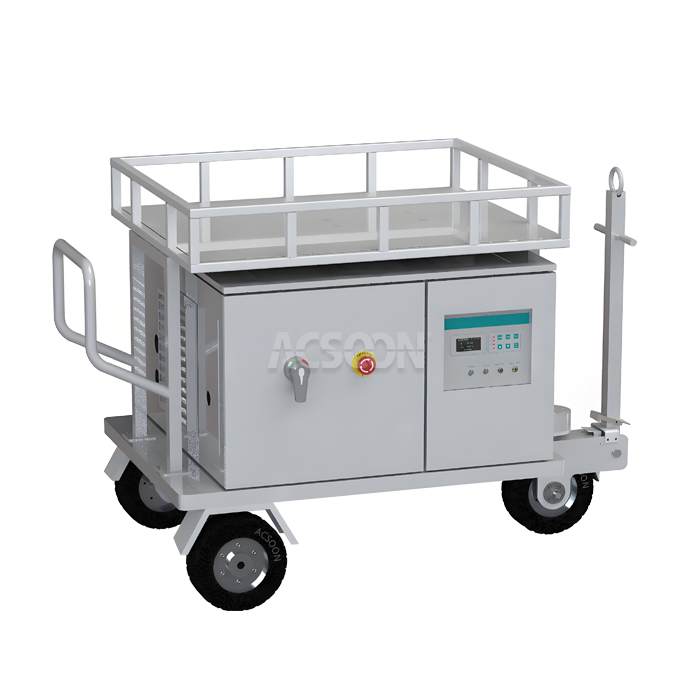
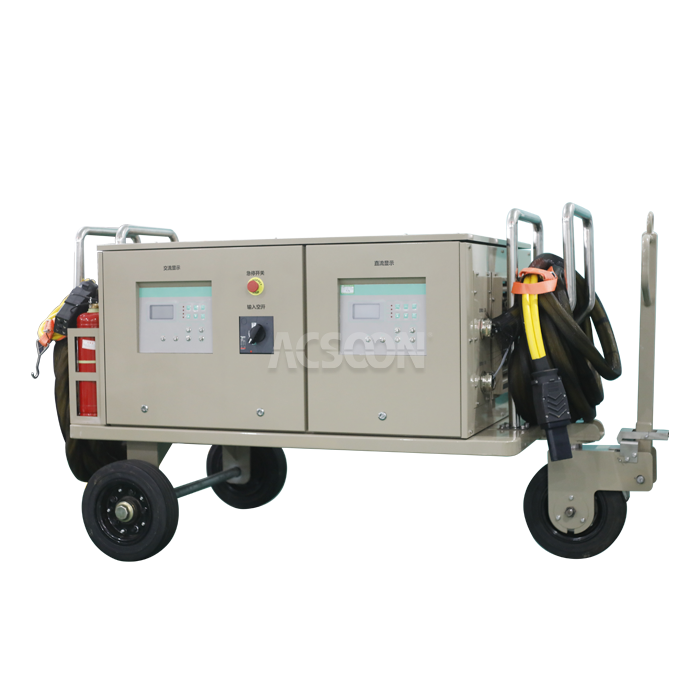
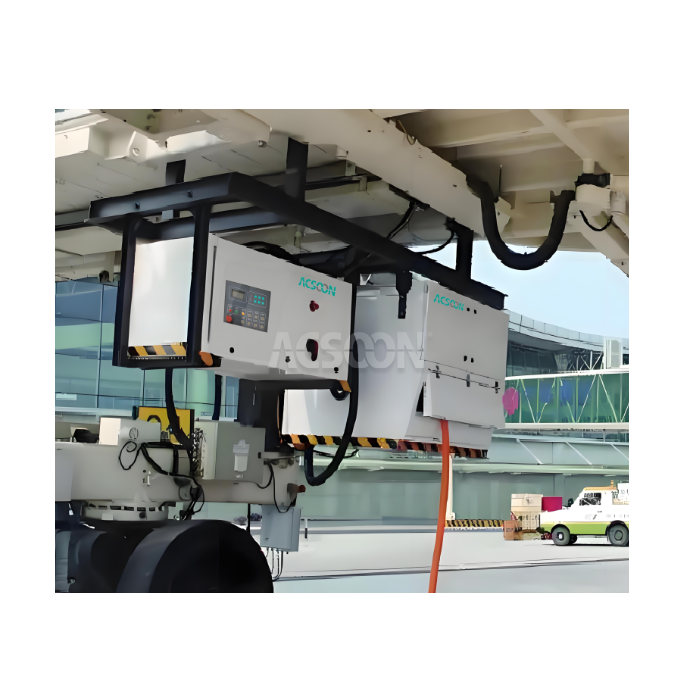
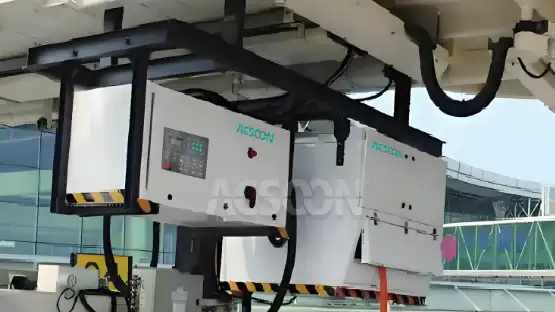
The language used to talk about airplane ground support equipment can be hard to understand, but it's important to be clear when laying out your buying needs. A Ground Power Unit (GPU) is usually a piece of mobile or removable equipment that gives power to stopped planes. These units could be diesel-powered generators on wheeled carts or trucks that are made to be used in a variety of gate places or from afar. An external power unit aircraft, on the other hand, usually refers to a fixed installation, like a solid-state frequency converter that is permanently placed under the passenger boarding bridges or inside the airport infrastructure.
Operational Principles Behind Each System
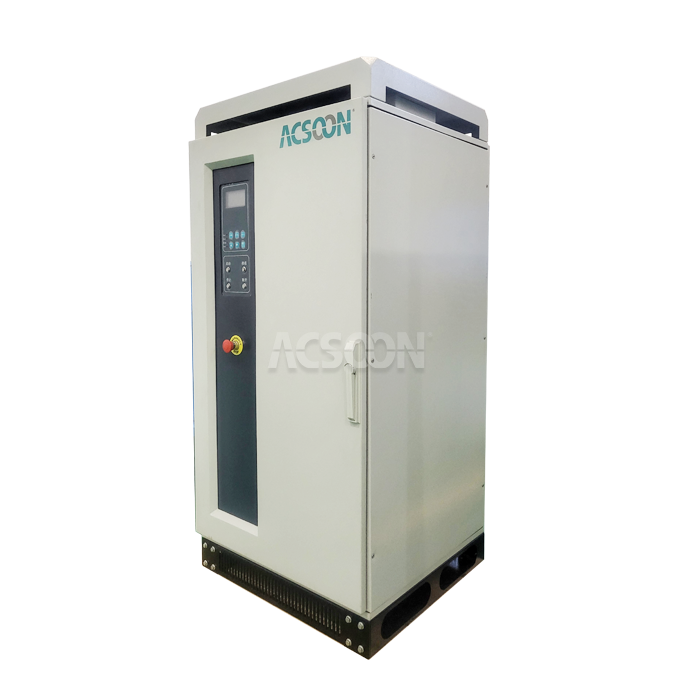
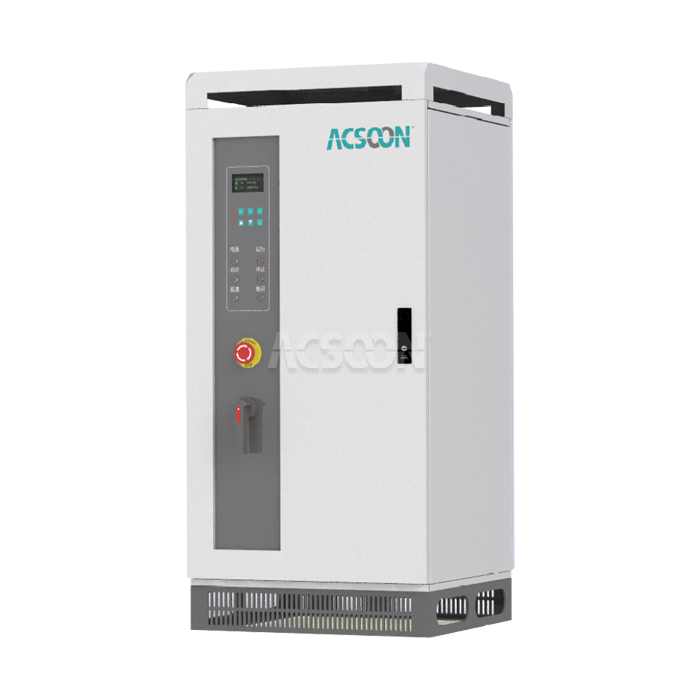
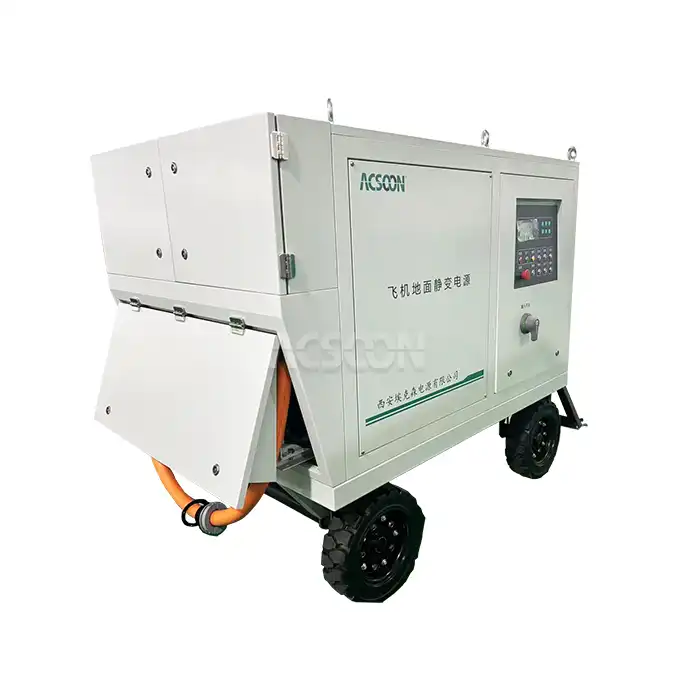
GPUs turn the mechanical energy from diesel engines into electricity. For smaller planes and business jets, they deliver 28V DC, and for commercial planes, they deliver 400Hz AC at 115V/200V. These changes are made by motor-generator sets or more modern solid-state inverters. These units give you freedom because they don't use power from the airport's grid; instead, they make their own. Fixed external power units work in different ways. They connect directly to the airport's three-phase power supply, which is usually 380V or 480V at 50/60Hz. To get the exact 400Hz output that aircraft electrical systems need, they use electronic conversion, which includes rectifying and inverting the voltage. This method is shown by the ACSOON GPU400L-330090, which can take a 3-phase 380V input at a normal 50/60Hz frequency and give off a stable 3×200VAC output at 400Hz with a 90kVA capacity.
Fixed vs Portable Power Configurations
Fixed systems under boarding bridges get rid of the need for ground workers to connect mobile equipment by hand every time the ship turns around. The 26-meter power line built into units like the GPU400L-330090 goes straight to plane connection spots, which speeds up gate operations and relieves congestion on the ramp. The IP54 grade for security means that the device will work reliably even if it is exposed to water and jet wash. Portable GPUs for external power units on aircraft give you options for where to use them. When airlines work from faraway stands without aerobridge infrastructure, military bases with spread-out parking spots, or MRO hangars that service multiple planes at the same time, they can benefit from having tools that they can move around as their working needs change throughout the day.
Core Differences Between External Power Units and GPUs
The differences between these external power unit aircraft systems go beyond how they are mounted and include basic technical features that affect the total cost of ownership, the effect on the environment, and the dependability of their operations.
Power Source Architecture and Efficiency Implications
Mobile GPUs that are driven by diesel can make energy when needed, but they also use fuel constantly while they're running, which causes exhaust emissions that airports are increasingly limiting because of environmental rules. The cost of fuel, along with regular engine upkeep and oil changes, adds up to ongoing operating costs. Diesel engines make a lot of noise (usually 75 to 85 dBA), which can be a problem in customer areas and other noise-sensitive airport areas. External power units that are driven by electricity, like solid-state frequency converters, get their power from the grid and change the electricity source by using electronic parts instead of burning fuel. This method gets rid of direct pollution at the point of use, lowers noise to low levels (usually under 65 dBA), and lowers energy costs because power from the grid costs less per kilowatt-hour than diesel fuel for the same amount of energy output. The trade-off is relying on the power and dependability of the airport's electrical equipment.
Voltage Stability and Power Quality Specifications
Avionics and flight control computers in commercial airplanes need power that is very steady, with very little voltage fluctuation and harmonic distortion. During activities on the ground, bad power quality can mess up software updates, cause false trouble codes, or even damage sensitive electronic parts that are sensitive. Voltage control is very good at solid-state external power units. The GPU400L-330090 keeps phase angle symmetry within 120°±1° when the load is balanced and within 120°±2° when the load is 30% off-balance. These are important specs for keeping motor power from pulsing in flight environmental control systems and making sure that three-phase equipment works evenly. Automatic Line Drop Compensation (ALDC) is built into more advanced units. It checks the voltage at the link point with the aircraft and changes the output to account for cable resistance losses. This makes sure that the aircraft always gets the exact voltage it needs, no matter how long the cable is.
Safety Systems and Aviation Standard Compliance
Both types of systems need to have full safety circuits, but they are implemented in different ways. To keep the aircraft's electrical system from getting damaged, external power units need to be able to identify over-voltage, under-voltage, over-current, phase loss, and ground faults with automatic separation. The GPU400L-330090 has IP54 ingress protection, which keeps dust and water spray from getting in. This is very important for tools that will be used for airplane washing and in bad weather. Mobile GPUs include mechanical safety features like parking brakes, pulling safety interlocks, emergency stop buttons that can be reached from different sides, and exhaust piping that keeps hot gases from getting into aircraft air intakes. As long as GPUs follow the DO-160 environmental testing standards for electromagnetic interference, they won't mess up airplane communications or tracking systems while they're on the ground.
Maintenance Requirements and Troubleshooting Approaches
Regular oil and filter changes, cleaning of the fuel system, battery maintenance, and engine overhauls based on hour meters are all parts of diesel GPU care that are similar to what is done on cars. Solid-state external power units don't need much maintenance. They only need to have their air filters cleaned once a year to keep the cooling system from getting clogged, their connections scanned once a year to find hot spots before they break, and their calibration checked every so often using approved load banks. The difficulty of troubleshooting the external power unit of an aircraft also varies. Diesel engine techs are used to the technical problems that come up with mechanical GPUs. Power electronics understanding is needed to work with electronic units, but newer models have diagnostic displays and connection methods that make it easier to find problems.
Choosing the Right Power Unit for Your Aircraft: Key Considerations
Long-term choices about purchases affect how well operations run, how much money is spent on repairs, and how well the fleet works together. When choosing tools, you should keep a few important things in mind.
Matching Power Capacity to Aircraft Requirements
The amount of electricity an external power unit aircraft needs depends a lot on its size and type. When they are fully serviced on the ground, wide-body jets can use 90 kVA or more for things like cabin cleaning, kitchen power, and climate control. Regional turboprops may only need 30 to 40 kVA. The GPU400L-330090 can handle 90kVA, which is enough for narrow-body planes like the Boeing 737 and Airbus A320 lines, as well as smaller wide-bodies when only part of the system is being used. When you choose equipment that is too small for the job, the power drops when it's loaded, which could cause problems with the aircraft's electrical system. Oversized units lose money on capital investments and don't work well when they're not loaded with much. It is important to make sure that the right capacity is specified by looking at your fleet's ground power usage profiles, which can be found in airplane repair manuals.
Fixed Installation vs Mobile Deployment Scenarios
When running gates at travel stations, fixed external power units work best. By not having to set up and take down mobile carts for every return, ground handling time is cut, labor costs are cut, and ramp equipment congestion is reduced. Fixed systems also get rid of diesel fumes near the gates, which is becoming more and more important as airports try to meet their carbon reduction goals and make the air quality better for ramp workers. There are different needs for MRO hangars. As work progresses, planes that are being maintained move to different spots, and more than one plane may need power at the same time. Portable units let you put power exactly where it's needed without having to run long cables. The same reasoning works for military bases with spread-out protected airplane shelters or airports with far-flung parking lots that don't have the right infrastructure.
Evaluating Manufacturers and Supply Chain Reliability
Dependability of equipment has a direct effect on the supply of airplanes. A broken power unit forces an airplane to stay grounded until backup equipment comes or repairs are finished. These are expensive delays that cause flight plans to be thrown off. So, choosing a supplier requires more than just looking at the initial buy price. Xi'an Jerrystar Instrument Co., Ltd. has been making ACSOON for more than 15 years and is an expert in aviation power systems. They are especially good at 400Hz conversion technology for industrial, military, and naval uses. The company keeps enough goods on hand to deliver quickly, which is very important when replacements need to be made right away or when new planes arrive and need ground support tools right away.
Market Trends and Future Outlook for External Power Units and GPUs
The airline ground support equipment market is always changing because of rules about the climate, new technologies, and the need to be more efficient. Keeping up with these trends helps procurement pros make financial choices that will pay off in the long run.
Energy Efficiency and Environmental Sustainability Initiatives
Around the world, airports using external power unit aircraft are under more and more pressure to cut down on their carbon loads and improve the air quality. The International Civil Aviation Organization's efforts to protect the environment push people to use electric ground support tools instead of diesel-powered ones. Many airports now charge extra for diesel GPUs to operate in certain areas or limit their working hours. At the same time, they offer reward programs to encourage people to switch to electric equipment.
Smart Power Management and Predictive Maintenance Technologies
More and more modern external power units have Internet of Things (IoT) connection, which lets you check on operating parameters, usage habits, and performance trends from afar. These features support predictive maintenance strategies, which find problems before they happen and schedule maintenance for planned breaks instead of waiting for emergencies.
Growth in Regional Aviation and Portable System Demand
While big hubs spend a lot of money on fixed infrastructure, regional airports that are seeing more traffic often don't have the money to put all of the necessary gate equipment. This trend keeps up the need for cheap mobile GPUs that provide enough speed without the need for additional infrastructure.
Practical Procurement Tips and Solutions for Aircraft Ground Power Systems
Finding your way around the market for aircraft ground power tools means balancing technical requirements, budget limits, and operating needs. These useful things to think about help buying managers make smart choices.
Evaluating Total Cost of Ownership Beyond Purchase Price
The cost of buying an external power unit aircraft tools is only a small part of the costs that will come up over its lifetime. A full analysis must take into account the costs of installation (especially for fixed systems that need to connect to the electrical grid and the boarding bridge), the amount of energy used regularly, planned maintenance that includes both parts and labor, and the expected service life before replacement is needed.
For diesel GPUs, figure out how much fuel they will use each year by adding up the expected working hours and the current price of diesel. Fixed exterior power units use energy from the grid, which is usually cheaper per hour of operation and doesn't need much upkeep beyond filter changes and regular calibration. During a normal 15-year service life, these differences in operational costs often add up to more than the differences in the original purchase price.
Purchase vs Lease Decisions and Financial Flexibility
Buying ground support equipment that requires a lot of money puts pressure on budgets, especially for airlines and airport owners whose demand isn't always stable during business cycles. Leasing agreements keep the freedom of capital and turn set capital costs into predictable operating costs.
Short-term rental works well for times of the year when demand goes up, when a port is being built, or when you want to try out different technologies before committing to one. Longer lease-to-own agreements let you manage your cash flow while giving you the chance to eventually own an item. Also, check to see if the company that sells the equipment lets you rent backup units during repair times. This way, you can avoid the cost of buying and keeping extra equipment just in case.
Supply Chain Management and Lead Times for Deliveries
Getting ground power equipment requires a lot of complicated foreign supply lines. Manufacturing wait times (usually 8–16 weeks for standard units, longer for custom setups), foreign shipping times, customs clearance processes, and the time it takes to install or enable fixed systems must all be factored into the procurement timeframe.
These problems are solved by Xi'an Jerrystar Instrument Co., Ltd. by keeping an accurate inventory of ACSOON products, which makes shipping much faster for common configurations. Building ties with suppliers and keeping local or regional stock lowers your exposure to problems in the supply chain and makes it easier to repair broken equipment quickly. Importance of After-Sales Support and Parts Availability.
Conclusion
By knowing the differences between GPUs and external power unit aircraft systems, you can make smart purchasing choices that meet your working needs and your budget. Fixed external power units, such as the ACSOON GPU400L-330090, make terminal gate operations more efficient, better for the environment, and easier to run. Mobile GPUs, on the other hand, give you the freedom to set them up in different ways, which is important for remote stands, MRO facilities, and different operating situations. Costs for protecting and maintaining airplane systems are directly affected by technical factors such as power quality, voltage stability, and phase angle symmetry. In the future, sustainability efforts, smart tracking tools, and changing needs in the flight business will continue to change ground power technology. When choosing tools, it's important to think about how much it will cost to own, how reliable the supply chain is, and how well it can adapt to changes in how the business works in the future.
FAQ
What advantages do external power units offer compared to running aircraft APUs?
External power units bring down running costs by a huge amount because they don't need the expensive jet fuel that APUs do. This can save up to 80% of costs per turning cycle. They also increase the service life of the Auxiliary Power Unit by lowering the number of hours it is used and the wear and tear on its parts, which delays expensive overhauls. Lower carbon dioxide and nitrogen oxide pollution at airports are good for the environment and support green airport efforts. External ground power also provides a cleaner electrical source with better voltage control, which keeps sensitive electronics safe during software updates and system checks.
How should the repair plans for diesel GPUs and solid-state external power units be different?
Diesel-powered mobile GPUs need the same care as commercial vehicles: oil and filter changes every 250 to 500 hours of use, service of the fuel system, battery upkeep, and engine overhauls at intervals set by the maker. Solid-state external power units don't need much maintenance. They only need to have their air filters cleaned once a year to keep the cooling system working well, their internal electrical connections scanned every so often to find hot spots, and their voltage and frequency accuracy checked every 12 to 24 months using certified load banks.
Are portable external power units suitable for wide-body commercial aircraft?
Depending on their power levels, portable units can work on wide-body planes. When they are fully serviced on land, wide-bodies may need 90 to 140 kVA for things like cleaning the cabins, running the kitchen, and controlling the temperature. There are high-capacity movable GPUs that can handle these loads, but they are usually bigger and heavier, so they need strong vehicles to pull them. Many operators use fixed gate installations for normal wide-body maintenance and keep portable units on hand for stand-alone operations or repair hangar flexibility when full system loads aren't needed at the same time.
Partner with JERRYSTAR for Reliable Aircraft Ground Power Solutions
For mission-critical ground support needs, aerospace engineers, military procurement experts, and MRO center managers trust Xi'an Jerrystar Instrument Co., Ltd. as their first choice for external power unit aircraft suppliers. Our ACSOON GPU400L-330090 static frequency converter has a huge 90kVA power output and the best phase angle symmetry specs in the industry, at 120°±1° under balanced loads. This protects sensitive aircraft electrical systems perfectly. We have been specializing in 400Hz conversion technology for over 15 years for use in aviation, the military, ships, and labs. We keep a large collection on hand so that we can deliver quickly when mission deadlines require instant answers. Our factory in Xi'an is between 5,000 and 10,000 square meters and can handle both standard output and custom engineering for unique operating needs. We're happy to work with OEMs and offer full professional help for the entire lifecycle of our equipment. Get in touch with our knowledgeable staff at acpower@acsoonpower.com to talk about your fleet's needs, get detailed technical specifications, and get competitive quotes for both fixed installation and portable ground power systems that improve operational efficiency and meet strict aviation safety standards.
References
1. Smith, J. and Anderson, R. (2022). Aircraft Ground Support Equipment: Design, Operation, and Maintenance Standards. Aviation Technical Publishers.
2. International Air Transport Association (2023). Ground Operations Manual: Chapter 12 - Aircraft Electrical Ground Power Systems. IATA Publications.
3. Federal Aviation Administration (2021). Advisory Circular 150/5210-5D: Aircraft Ground Power Units and Systems. U.S. Department of Transportation.
4. Williams, D. (2023). "Solid-State vs Rotary Ground Power: Efficiency and Reliability Comparison in Commercial Aviation." Journal of Aviation Technology and Engineering, 12(3), 45-62.
5. European Aviation Safety Agency (2022). Certification Specifications for Ground Support Equipment: Electrical Power Supply Systems. EASA Technical Documentation.
6. Henderson, M. and Zhang, L. (2024). "Environmental Impact Assessment of Airport Ground Support Equipment Electrification Initiatives." International Journal of Sustainable Aviation, 9(1), 118-135.