



What Standards Regulate Aircraft 400 Hz Power Systems?
Aircraft 400 Hz power works at a unique frequency of 400 cycles per second, which is very different from the 50 Hz or 60 Hz industrial utility lines that are used all over the world. Aviation, the military, and aerospace all use this one-of-a-kind electrical standard to get 115/200 VAC, three-phase power from special Ground Power Units (GPUs) and frequency converters. The main rules that govern these systems are MIL-STD-704F for military uses, ISO 6858 for ground support electrical supplies, RTCA/DO-160 for environmental testing, and several FAA and EASA airworthiness directives that set strict limits on voltage stability, frequency tolerance, and harmonic distortion to keep sensitive avionics safe from power quality problems.
Overview of Aircraft 400 Hz Power Systems and Their Importance
The 400 Hz power frequency standard has been used for a long time in aviation electrical systems because higher frequencies are better when weight is a key design factor. Because frequency and magnetic core size are related, 400 Hz transformers and motors can be made with parts that weigh about 15 to 20 percent less than 60 Hz equivalents. When an airplane moves thousands of pounds of electrical equipment, this weight loss directly leads to less fuel use and more cargo space.
Why 400 Hz Became the Aviation Standard
The choice to use 400 Hz wasn't made at random. In the middle of the 20th century, aircraft engineers figured out the best mix between making parts smaller and using electricity more efficiently. Transformers don't need as much iron core when the frequency is higher because the magnetic flux density drops as frequency rises. This lets designers make smaller, lighter transformers. But when frequencies are pushed too high, wires lose power because of skin effect, and power circuits lose power because of switching losses. These different reasons led to the 400 Hz sweet spot.
Essential Components in 400 Hz Power Distribution
A lot of different technologies are needed to keep the power going in modern aircraft ground support systems. Solid-state frequency converters take regular utility power and turn it into an exact 400 Hz output. The frequency error is usually only ±0.1%. Total Harmonic Distortion (THD) stays below 3% in these units thanks to advanced inverter technology and complex control algorithms. This keeps sensitive electronics safe during software changes and pre-flight system checks. Line Drop Compensation (LDC) technology makes sure that the airplane connector gets exactly 115V, even if voltage drops occur during long wire runs on airport grounds.
Operational Advantages Beyond Weight Reduction
Auxiliary Power Units (APUs) on board airplanes don't need to be used when the plane is parked, thanks to ground power sources. APUs use a lot of jet fuel, make a lot of noise, and release carbon dioxide into the air. Centralized ground power systems get rid of all of these problems totally. External 400 Hz power keeps the batteries from dying during long diagnostic processes and provides a clean, stable electrical environment for accurately fixing sensitive electronic systems during maintenance tasks.
Key Standards Regulating Aircraft 400 Hz Power Systems
It's not a choice for aviation power systems to follow the rules; it's necessary for operating safety and airworthiness certification. There are many standards from military, international, and civil aircraft authorities that combine and work together to make a complete framework that controls all aspects of aircraft 400 Hz power quality, durability in harsh environments, and electromagnetic compatibility.
MIL-STD-704F: Military Aircraft Electrical Power Characteristics
MIL-STD-704F is the official standard for the electrical systems in military airplanes, and it has a big impact on the standards used in civilian aviation as well. This paper spells out exact voltage limits (115V ±3V steady-state), frequency limits (400 Hz ±0.1% for high-precision equipment), transient reaction standards for sudden changes in load, and what kind of phase imbalance is okay between the three power phases. The standard talks about both normal running situations and unusual ones, like when a military aircraft's generator stops working or gets damaged in battle.
ISO 6858: Ground Support Equipment Requirements
ISO 6858 is especially for ground power units and other tools used to repair airplanes while they are stationary. This international standard sets the requirements for interoperability, which makes sure that tools made by different companies can successfully connect to planes made by different companies. Specifications for connectors, cable ratings, safety interlocks, grounding standards, and operating processes that protect both ground staff and aircraft systems during the connecting and disconnecting steps are all covered.
RTCA/DO-160: Environmental Testing Protocols
The RTCA/DO-160 standard sets the environmental suitability tests for airborne equipment. It also has a big impact on ground support equipment through requirements that build on top of each other. Extreme temperatures (-55°C to +85°C for many uses), high altitude simulations, shaking profiles, humidity exposure, salt fog resistance for military uses, electromagnetic interference susceptibility and emissions, and voltage spike/transient immunity are some of the things that are tested. When equipment passes these strict tests, it shows that it can work in tough settings.
FAA and EASA Certification Requirements
The people in charge of civil flight make sure that all ground power equipment used by business aircraft meets certain safety and performance standards. These requirements include electrical safety standards to keep people from getting shocked, electromagnetic compatibility to keep navigation and communication systems from being harmed, documentation and traceability for maintenance and inspection purposes, and regular recertification to make sure that the equipment stays in compliance for as long as it is used. Managers of procurement must make sure that sellers keep their certifications up to date and provide full paperwork chains.
Comparison of 400 Hz Power Standards with Other Frequency Systems
Knowing the technical differences between regular electrical systems and aircraft 400 Hz power systems helps engineers choose the right tools and avoid mistakes that cost a lot of money because they aren't compatible.
Technical Advantages of 400 Hz Over 50/60 Hz
In addition to having lighter magnetic parts, 400 Hz devices can respond more quickly to changes in load. When big electrical loads like hydraulic pumps or environmental control systems turn on and off, 400 Hz generators and converters can bring the voltage back to a stable level in milliseconds, while lower-frequency systems take longer to respond. This quick reaction stops voltage drops that could restart digital flight instruments or make circuit breakers trip for no reason.
The higher frequency also makes voltage control more sensitive. Modern solid-state converters check the output voltage thousands of times per second and make changes within microseconds. This keeps the power supply very stable even when loads change quickly, which is common for airplane ground operations.
DC Power Systems in Aviation
Some parts of an airplane use high-voltage direct current (DC) power, especially in newer planes that are mostly electric. DC systems don't have to worry about frequency at all, and they have benefits when it comes to integrating batteries and using them in some motor drive applications. DC power transfer, on the other hand, has a bigger voltage drop over distance than AC systems. It also needs more complicated circuit safety and doesn't have easy voltage conversion like AC transformers do. Most planes have hybrid designs that use both AC and DC power lines, which are best for different types of electricity loads.
Alternative Frequency Applications
400 Hz is the most common frequency in flight, but 360 Hz or variable frequency methods are used in some specific situations. Military subs used to use 360 Hz because it was better for their designs, but more and more current ships are switching to 400 Hz so that their systems can work with those of aircraft and surface ships. Some airplane designs got rid of constant-speed drive mechanisms by using variable frequency systems instead, which change the electrical frequency based on the engine speed. This trade frequency stability provides mechanical ease. These days, power devices can take in a variable frequency and output a controlled 400 Hz, so they can combine the benefits of both.
Compliance Challenges and Best Practices
For aircraft, 400 Hz power regulatory compliance must be maintained during the purchase, installation, and operating phases; testing, documentation, and source qualification must be done regularly.
Common Certification Pitfalls
The most common reason for noncompliance is missing or incomplete documentation. The equipment may physically meet all technical requirements, but it may not have the right paperwork to show that it was tested by approved labs in line with regulations. When the military buys things, they need full traceability chains that show they follow the Berry Amendment's rules for domestic material and proper configuration control paperwork.
Another risk is when parts are switched out during production. Suppliers might use what they think of as "equivalent" parts instead of aerospace-certified parts, but they might not know that aerospace certification usually covers specific part numbers and makers. Any change that isn't recorded could make certification useless and require full requalification testing.
Effective Supplier Vetting Strategies
Before a provider is fully evaluated, their ISO 9001 or AS9100 quality management approval must be checked to see if they have set procedures in place to keep products consistent. Instead of just accepting compliance statements, procurement teams should ask for copies of real test results from qualified test labs. Site audits of production sites show if providers keep the right environmental controls, test equipment calibration programs, and change control processes in place.
In fields with a lot of rules, having long-term ties with suppliers can help keep things stable. Established providers know what an organization needs and have historical knowledge about past projects. This lowers the risk of misunderstandings or miscommunications about specifications that could lead to deliveries that don't meet requirements.
Testing and Validation Protocols
Instead of depending only on maker certifications, acceptance testing should check key parameters as soon as the equipment is delivered. With the right test tools, you can check the specs for voltage accuracy, frequency stability, harmonic distortion, and transient response. Testing things on a regular basis while they are in use can help find problems before they break. This is especially useful for finding changes in electromagnetic interference that can happen as parts age or links rust.
Leading Aircraft 400 Hz Power System Suppliers and Industry Solutions
In the flight ground support equipment market, there are both well-known companies with decades of certification experience and new, cutting-edge companies that are bringing new technologies to aircraft 400 Hz power systems for airplanes and industry solutions.
Established Industry Leaders
Since the beginning of the jet age, big aircraft companies like Honeywell, Collins Aircraft, and Eaton have made flight power systems. These companies make a wide range of products with different power ratings. Their products are certified to meet global standards, they have well-established service networks that help with maintenance, and their products have been reliable for millions of hours in a wide range of situations.
Specialized Ground Support Equipment Manufacturers
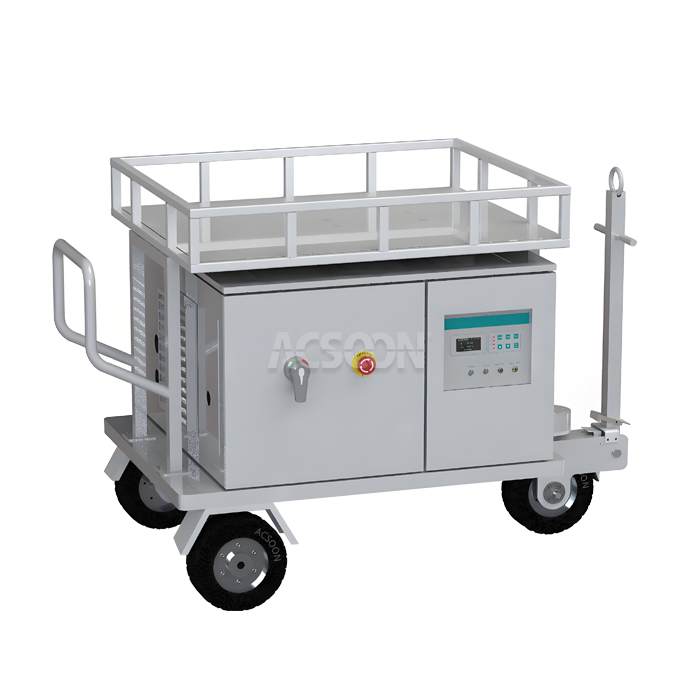
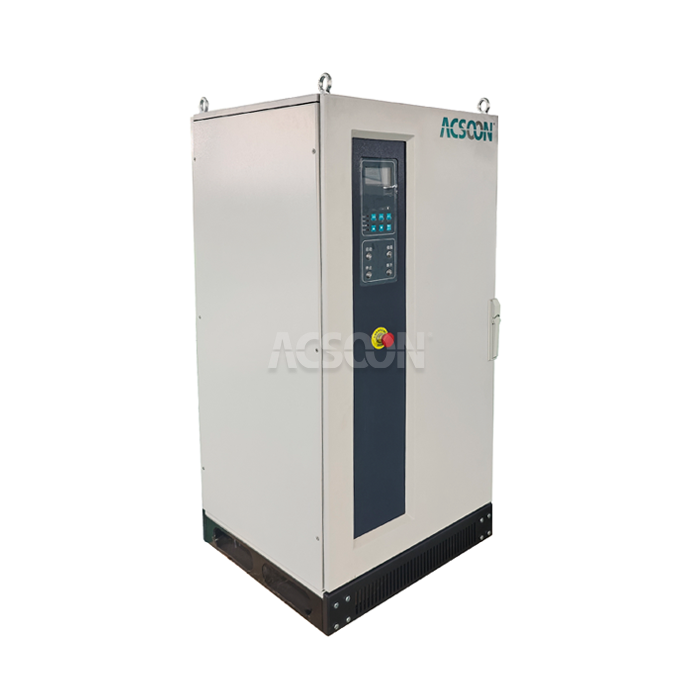
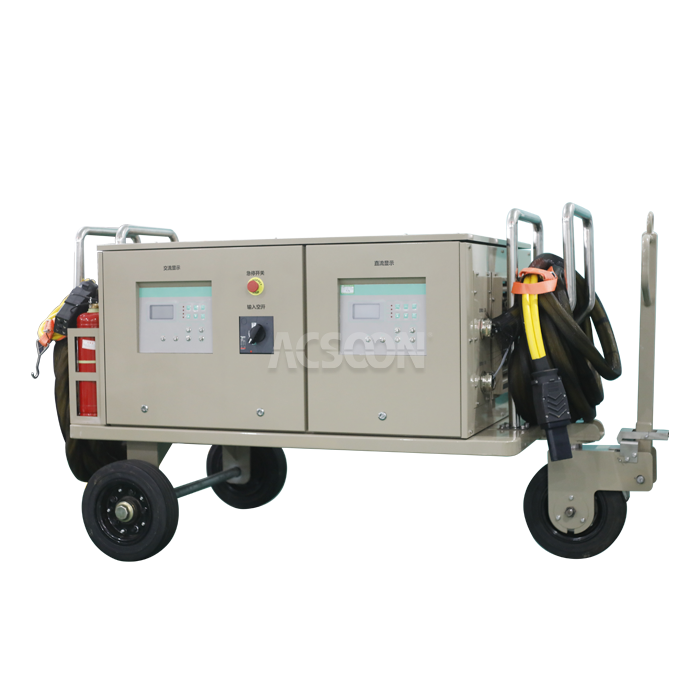
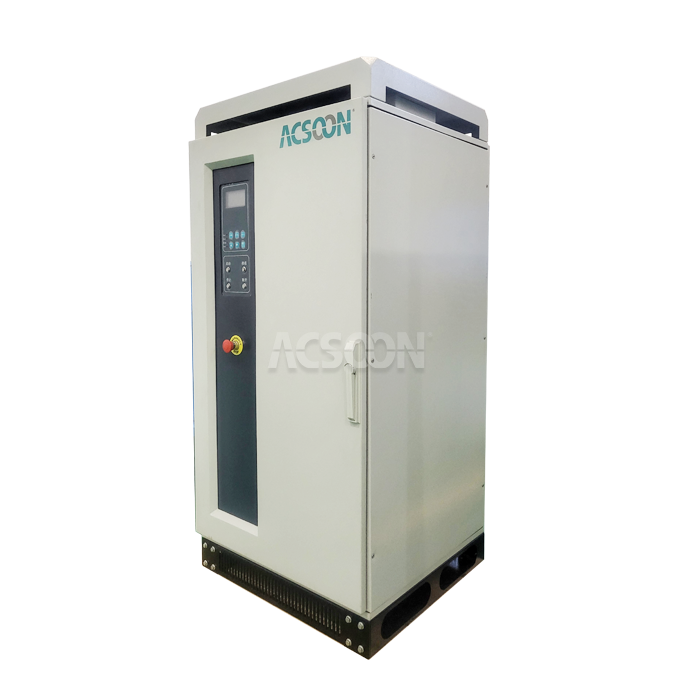
Aside from the big aircraft companies, there are also small companies that only make ground power units and frequency converters. These businesses usually offer more ways to customize, faster responses to specific needs, competitive pricing, and direct technical help from engineering teams that know everything there is to know about the product. Xi'an Jerrystar Instrument Co., Ltd is a good example of this type of company because it makes ACSOON brand power converters for use in flight, industry, the marine industry, and lab testing. These converters can be customized, and the company keeps a collection on hand so they can deliver quickly.
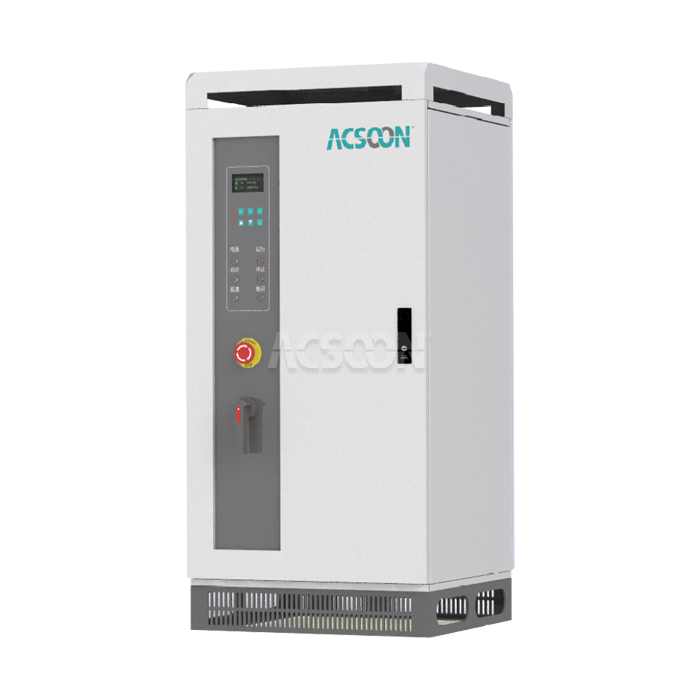
Evaluating Modern Solutions: The ACSOON CH-D90 Battery-Driven e-GPU
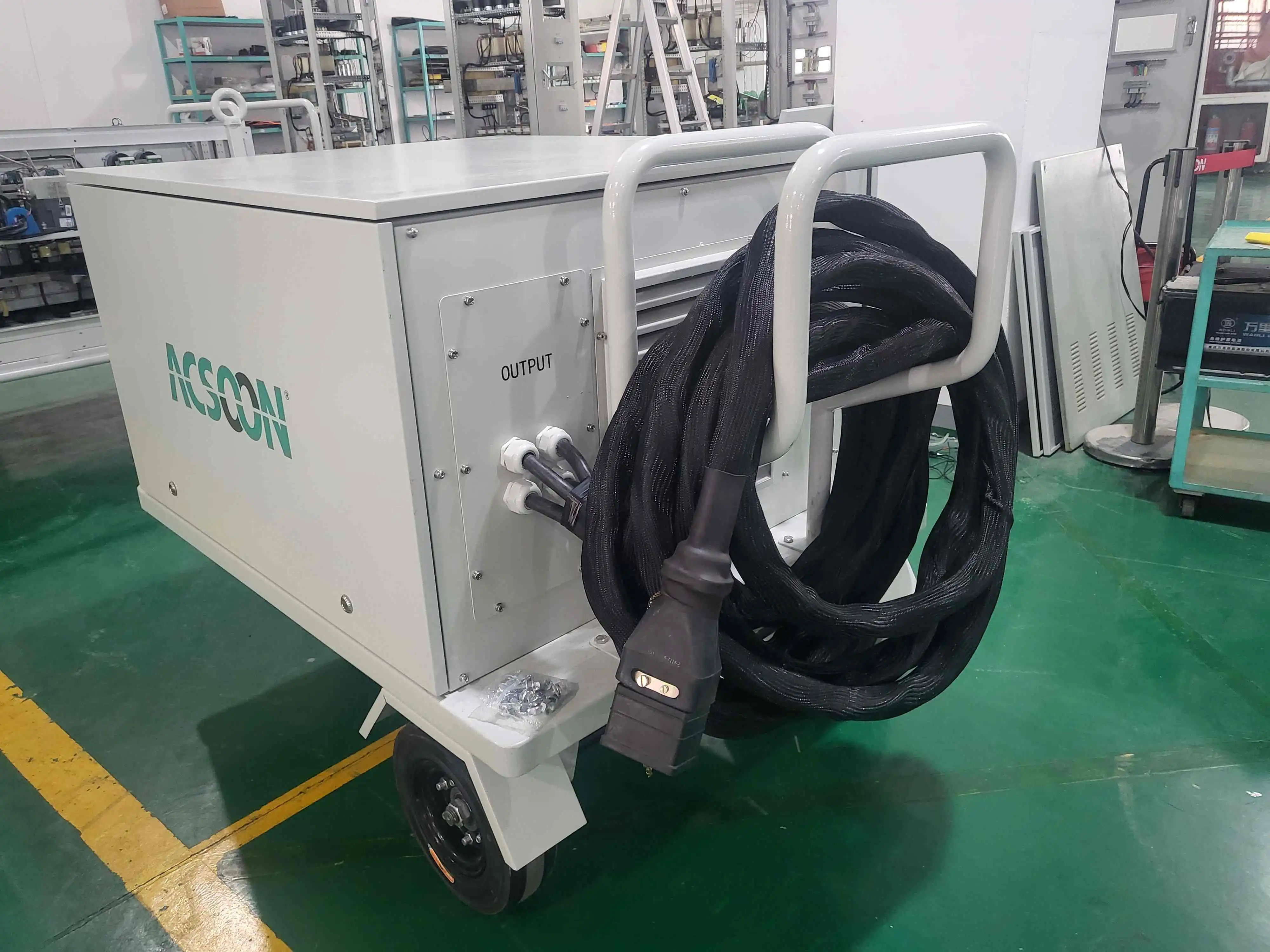
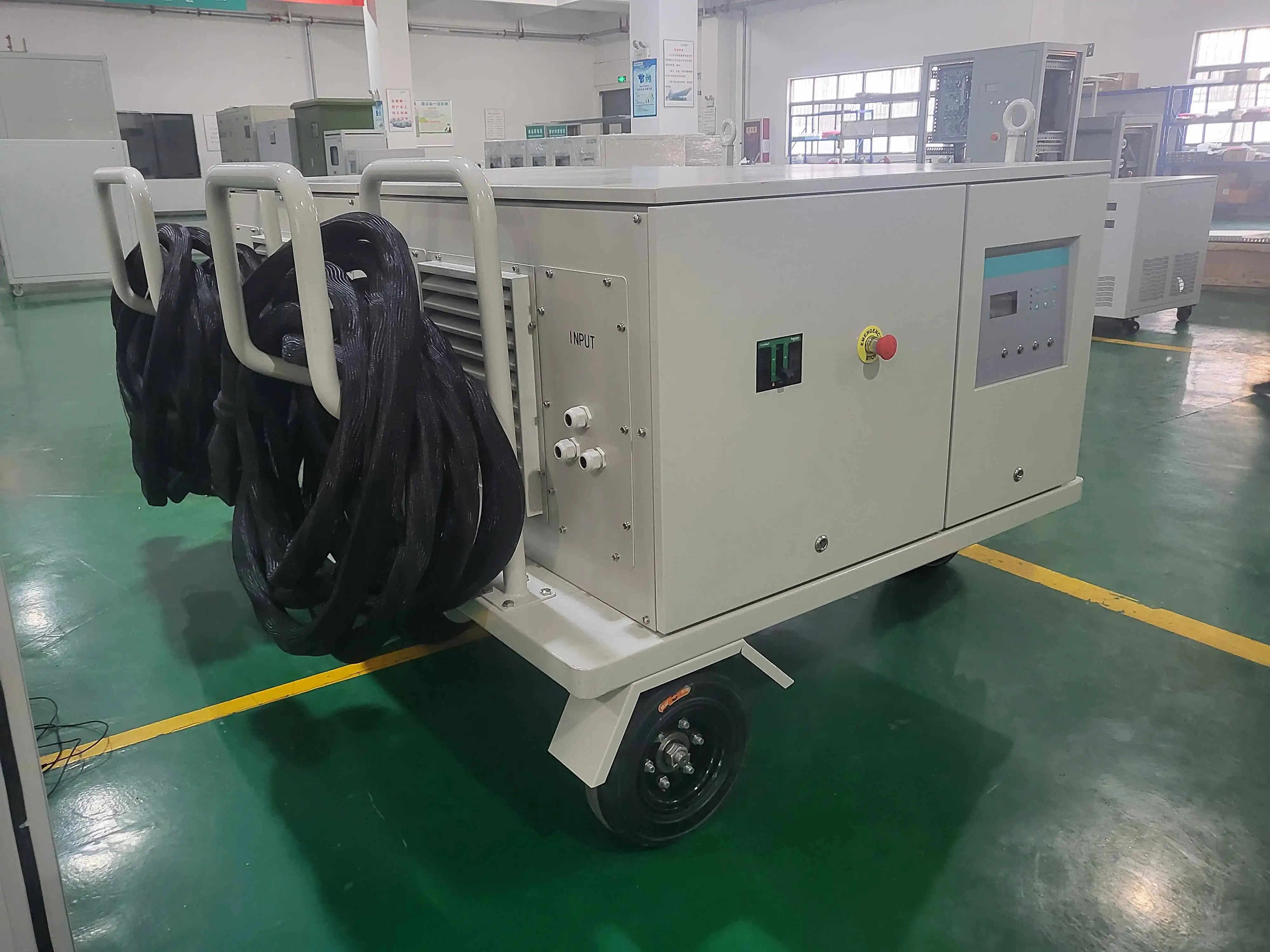
New rules and efforts to be more environmentally friendly are encouraging the use of battery-powered ground support equipment instead of gas engines. The ACSOON CH-D90 is an example of this progress in technology; it produces 90kVA at the normal 3×200VAC, 400 Hz level using battery DC power instead of combustion engines. This method doesn't use any fuel, doesn't produce any working pollution, and makes operations quieter, which is especially helpful when airports are running at night near residential areas.
These are the main benefits of this gadget that solve important operating problems:
- Environmental Compliance: The zero-emission process meets the increasingly strict environmental rules of airports and supports the company's sustainable goals. Electric ground support equipment is now required by many airports in certain places or at certain times.
- Operational Flexibility: The trolley-mounted design with IP54 ingress protection makes it possible to use it in faraway parking spots without set infrastructure. Battery operation means that you don't need to connect to ground-level power outlets. This lets you assign gates in different ways and control parking from afar.
- Dual-Mode Capability: The CH-D90 can work from both batteries and standard 50/60 Hz, 380V–480V, three-phase mains energy. When mains power is available, it acts like a normal electrical GPU. This makes the best use of the tools in a wide range of operating situations.
- Proven Reliability: IP54 environmental protection keeps dust and water spray from getting into internal parts, which is typical in airport runway settings. The solid-state design gets rid of the mechanical wear spots that rotary converters have. This makes them more reliable over time and reduces the amount of upkeep that needs to be done.
Procurement managers at commercial airports, military airbases, aerospace repair facilities, and specialized flight operations deal with operational pain points every day. These benefits directly address those pain points. Getting rid of fuel supplies, lowering noise complaints, and giving units more options for where to be deployed all make operations better in ways that go beyond just following the rules.
Application Across Aviation Sectors
The CH-D90 and other units like it are used in many types of aircraft. They are used by commercial airports to power stopped planes while passengers board, so gates can run without the noise and pollution that come from APUs. Ruggedized equipment is needed at military airbases to support defense planes and ground equipment in harsh environments. For electronics tests, software updates, and system validation during maintenance, aerospace production and MRO centers need power that is stable and clean. Private and specialized aircraft businesses that work with corporate jets, helicopters, and small airfields can benefit from small, portable options that don't need a lot of infrastructure investments. Air ambulances, rescue planes, and flight training centers with simulators are all examples of important services that need reliable power sources that won't slow down task preparation.
Conclusion
A thorough framework for safety, dependability, and international interoperability across military, commercial, and private flight operations is created by regulatory standards governing aircraft 400 Hz power systems. The technical standards, testing procedures, and certification processes that compliant equipment must meet are set out by MIL-STD-704F, ISO 6858, RTCA/DO-160, and rules from the civil aircraft authority. Battery-powered ground support units are an example of a modern answer that shows how innovation can meet both old legal requirements and new environmental requirements. When reviewing sources, choosing equipment, and making sure long-term operating compliance in this highly regulated industry, procurement managers and flight engineers can use their understanding of these regulatory frameworks to their advantage.
FAQ
What makes 400 Hz preferable to standard 50 or 60 Hz power in aviation?
Transformers, motors, and other magnetic parts can be made much smaller and lighter because of the higher frequency—about 80–85% lighter than similar 60 Hz designs. This weight savings supports the non-standard frequency in planes where every pound affects fuel economy and payload capacity. Also, 400 Hz systems respond faster to rapid changes in load, which helps keep the voltage stable, which is important for sensitive sensors.
Which standards most directly affect purchasing decisions for ground power equipment?
MIL-STD-704F describes the features of electrical power for military use and has a big impact on business requirements. ISO 6858 sets standards for ground support equipment that ensure it can work with other systems. Before finishing purchases, procurement teams should make sure that the equipment they want to buy has the right certifications from recognized testing labs that show it meets the standards that apply.
How frequently must aircraft ground power systems undergo compliance inspection?
Different places and types of tools have different rules about what needs to be done. Electrical safety, testing accuracy, and the right way for security devices to work are usually checked once a year at commercial airports. When used for military purposes, things need to be checked more often, especially when they are going to be used in tough settings. The maintenance information from the manufacturer lists the suggested check times that should be followed to keep the certification current and make sure that the equipment continues to work safely for as long as it is designed to.
Partner with JERRYSTAR for Certified Aircraft 400 Hz Power Solutions
For defense and aviation tasks, power sources must be completely reliable. JERRYSTAR focuses on ACSOON brand power converters and supplies equipment that meets strict international standards to the aerospace, military, marine, industry manufacturing, and lab testing sectors. The CH-D90 battery-driven e-GPU provides clean, stable 3×200VAC, 400 Hz power from DC battery sources or regular mains electricity, giving you operating freedom with no pollution. Since we are both a maker and a trader, we keep enough stock on hand to be able to deliver quickly for pressing needs and support custom solutions made to fit specific needs. Our research team has a lot of experience with military and aviation power systems. They make sure that every solution meets MIL-STD-704F, ISO 6858, and any other certification standards that apply. Get in touch with our aircraft 400 Hz power provider team at acpower@acsoonpower.com to talk about your specific needs and find out how JERRYSTAR's experience can help you with your mission-critical power needs with tried-and-true, compliant solutions and quick technical support.
References
1. Department of Defense Interface Standard, "Aircraft Electric Power Characteristics," MIL-STD-704F, 2004.
2. International Organization for Standardization, "Aircraft Ground Support Electrical Supplies — General Requirements," ISO 6858:2017.
3. RTCA, Inc., "Environmental Conditions and Test Procedures for Airborne Equipment," RTCA/DO-160G, 2010.
4. Federal Aviation Administration, "Airworthiness Standards: Transport Category Airplanes," FAR Part 25, 2023 Edition.
5. European Union Aviation Safety Agency, "Certification Specifications and Acceptable Means of Compliance for Large Aeroplanes," CS-25, Amendment 27, 2023.
6. Society of Automotive Engineers, "Aircraft Electrical Power System Quality Requirements," SAE ARP5015, Revision A, 2005.