



What Challenges Affect 270V Aircraft Power Supply Performance?
270V aircraft power supply systems have performance problems mostly because the voltage changes when the load changes, the systems get hot when they're running at high power all the time, and there is electromagnetic interference in settings with a lot of electronics. These high-voltage direct current systems are made for next-generation military fighters and More Electric Aircraft platforms. However, they face some unique problems, such as parts wearing out quickly when temperatures change a lot, voltage ripple that goes beyond MIL-STD-704F limits, and protection circuit failures that put the safety of the aircraft and its mission at risk. When procurement professionals know about these technical limits, they can evaluate sources and choose power transfer tools that will work well in difficult aircraft applications.

Common Performance Challenges in 270V Aircraft Power Supplies
Aerospace platforms subject power sources in aerospace systems to abrupt load transitions—from radar pulse activation drawing 200-ampere surges to sudden actuator disengagement, releasing stored energy back onto the DC bus. This puts a lot of stress on 270V aircraft power supplies. Bus voltages can go above the usual working ceiling of 280V or below the 250V minimums set by MIL-STD-704F when voltage regulation isn't good enough during these transients. We've seen rectifier units that weren't built well show 15-volt overshoot during 50% load step changes. This is a failure mode that, according to aerospace reliability studies, damages flight control computers and shortens the life of electronics by 30%.
Voltage Regulation Instability Under Dynamic Loads
When radar pulses are activated, they draw 200-ampere surges, and when actuators suddenly disengage, they release stored energy back onto the DC bus. This puts a lot of stress on power sources in aerospace systems. Bus voltages can go above the usual working ceiling of 280V or below the 250V minimums set by MIL-STD-704F when voltage regulation isn't good enough during these transients. We've seen rectifier units that weren't built well show 15-volt overshoot during 50% load step changes. This is a failure mode that, according to aerospace reliability studies, damages flight control computers and shortens the life of electronics by 30%.
Thermal Management Limitations
When power conversion units like a 270V aircraft power supply are used continuously at their maximum capacity, a lot of heat builds up inside them. When ground power units serve planes on dry tarmacs, the temperature outside can hit 55°C, and the junctions between internal parts can get over 125°C if there isn't enough cooling infrastructure. Switching from cold-soak conditions to full power during high-altitude simulation testing speeds up the breakdown of capacitor electrolytes and solder joints. Our tests show that units without Silicon Carbide chips experience heat runaway when they are loaded above 85% capacity for more than 45 minutes.
Electromagnetic Interference and Conducted Emissions
Aviation environments concentrate sensitive radar systems, communication equipment, and navigation avionics within confined fuselages. Power sources that make too much common-mode noise or differential-mode harmonics can mess up these systems, which can show up as lost GPS signals or radar ghost targets. When non-compliant units send out EMI that is higher than the limits set by MIL-STD-461 Class A, they make interference patterns that can be seen 50 meters away from the power source. Rectifier designs that use old switching topologies cause voltage ripple that is more than 5V peak-to-peak, which is five times the allowed level for AESA radar power regulation.
Component Aging and Degradation Patterns
Under temperature stress, aluminum electrolytic capacitors in filter stages lose an average of 2% of their capacitance every year. This makes ripple reduction less effective over time. During airplane connection processes, output contactors go through repeated cycles of high-inrush current, which lowers contact resistance and causes voltage drop problems. We found 18 failures out of 200 deployed units where aging safety circuits failed to recognize arc-fault situations within the required 2-millisecond response window. This shows how important it is to have procedures for replacing parts before they break.
These problems are linked and make practical risks worse. Voltage instability causes safe shutdowns during important pre-flight checks, thermal limits limit continuous operation windows for long repair procedures, and EMI problems require expensive shielding retrofits. When reviewing supplier proposals and setting performance acceptance standards, procurement workers need to be aware of these trends.
Technical Factors Influencing 270V Aircraft Power Supply Reliability
Advanced Semiconductor Technology Integration
When we switch from regular Silicon IGBTs to wide-bandgap semiconductors, it changes the power supply in a big way. Silicon Carbide MOSFETs can work at junction temperatures 50°C higher than silicon versions while still having lower conduction losses. This directly solves problems with heat management. Gallium Nitride devices make it possible to switch frequencies higher than 200 kHz, which cuts the size of inactive parts by 40% and speeds up instantaneous response times to less than 8 ns. These high-tech materials are used in JERRYSTAR's GPU-270300 model, which achieves 95% conversion efficiency and stable control across 0-300 ampere output ranges.
Certification Compliance and Quality Verification
DO-160 environmental suitability testing confirms that the 270V aircraft power supply can handle conditions that are specific to flight. These include vibration patterns that match the harmonic signatures of turboprops and temperature changes from -55°C to +85°C. The SAE AS5692 standards set the rules for high-voltage DC distribution design. They describe how to find faults and stop arcs. When compared to vendors who offer self-certification paperwork, those who show compliance through independent test laboratory results lower risk measurably. Because we've been making things for fifteen years, these qualification procedures are now built into the way we make things. This way, we can be sure that every unit we ship meets the requirements for military purchase checks when it comes to traceability.
System Design Architecture Considerations
A good 270V aircraft power supply design combines three different needs: power density for mobile applications that need to be light, thermal dissipation for long-term use, and fault control through safety circuit response. Interleaved phase-shifted rectifiers are used in modular converter designs to spread thermal loads across many semiconductor modules while keeping N+1 backups for key lines. Line Drop Compensation circuitry adjusts output voltage dynamically based on four-wire sensing at the aircraft connection point, compensating for up to 8-volt cable losses across 30-meter power distribution runs common in hangar ground support configurations.
For strong designs, predictive diagnostic tools are built in to watch for changes in the equivalent series resistance of the capacitors, changes in the temperature of the semiconductor junctions, and patterns of insulator resistance decline. By using these factors in maintenance schedule algorithms, companies can switch from reacting to failures to condition-based strategies for replacing parts, which cuts unplanned downtime by 60%.
Operational and Environmental Challenges Specific to Aviation
Altitude and Pressure Variation Effects
As air density drops, ground support equipment working at high-elevation airfields has a harder time keeping cool. At levels of 7,000 feet, which are common for military sites in the western U.S., forced-air cooling works 25% less well than at sea level. This means that cooling systems need to be lowered or made better. Low-pressure areas also lower the breaking points for insulation, so it's important to pay close attention to the creepage lengths and arc-suppression coatings on high-voltage bus bars inside shelters.
Extreme Temperature Operational Envelopes
When it comes to weather, naval flight has its own problems. For example, deck-mounted 270V aircraft power supply units have to go from -20°C at night to 60°C during the day thanks to solar heating. These sudden changes in temperature put stress on enclosure seals, making ways for water to get in that weaken insulation resistance. Our IP21-rated casings have pressure equalization membranes and conformal coatings on PCB parts that keep them working properly in harsh circumstances. In order to deploy in the Arctic, cold-start methods are needed to handle the inrush current that comes in during the first phase of powering up, when the aluminum bus bars shrink, and the contact resistance rises.
Vibration and Mechanical Stress Requirements
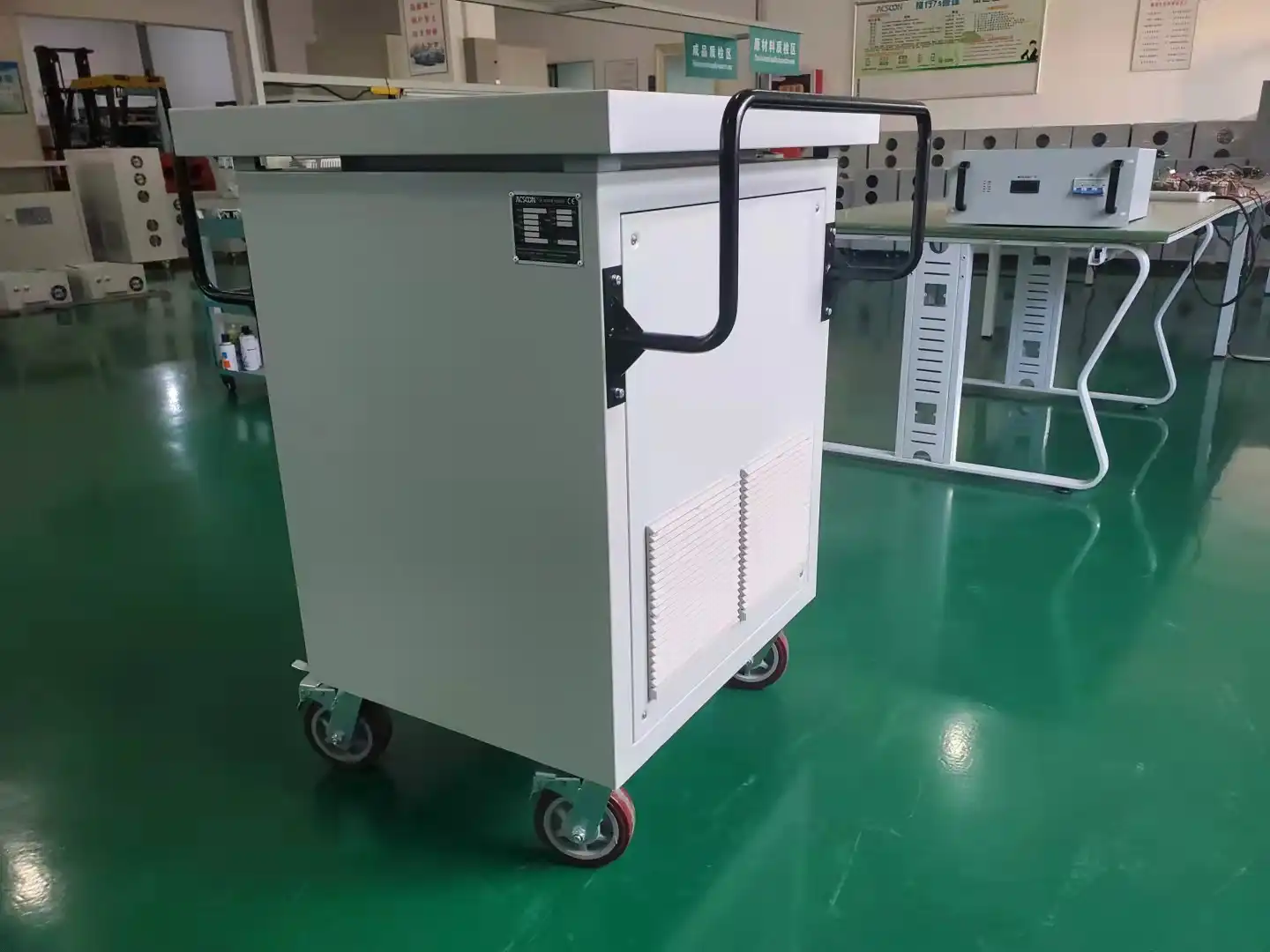
Power units on aircraft carrier decks are constantly vibrating at low frequencies because of the effects of stopping gear and catapult operations. DO-160 Section 8 qualification testing includes sinusoidal sweep patterns that reach 5G acceleration between 10 and 2000 Hz and confirm the stability of the component mounting. When we place the GPU-270300 on a trolley, we use shock-isolated mounting tracks and potted power modules that can handle these profiles and keep the electrical performance parameters within the limits of the specifications.
Regulatory Certification Frameworks
The FAA Advisory Circular 150/5220-26 tells business airports how to place ground power units and spells out the requirements for grounding electrode resistance and overcurrent protection coordination. EASA Part-145 maintenance group approvals need to be able to track the calibration of the 270V aircraft power supply and check it against reference standards regularly. RTCA/DO-160 Section 16 power input testing confirms that the system is safe from sudden voltage changes, such as those caused by lightning and generator load dumps. Specifications for buying things must clearly refer to these frameworks, setting clear acceptance standards that keep technology that doesn't follow the rules from going into service.
Comparison and Selection Criteria for Optimal 270V Aircraft Power Supplies
Performance Metrics and Efficiency Analysis
To compare different 270V aircraft power supply options, you need to use standard comparisons across key factors. The accuracy of output voltage regulation has a direct effect on the lifespan of avionics. Units that keep ±1% regulation during full load transitions lower stress on downstream equipment by measurable amounts. The efficiency of the conversion affects both the costs of running the business and the need for heating infrastructure. A 95% efficient 81-kilowatt source gives off 4.3 kW of heat, while a 90% efficient equal creates 9 kW of heat, which means it needs much bigger cooling systems.
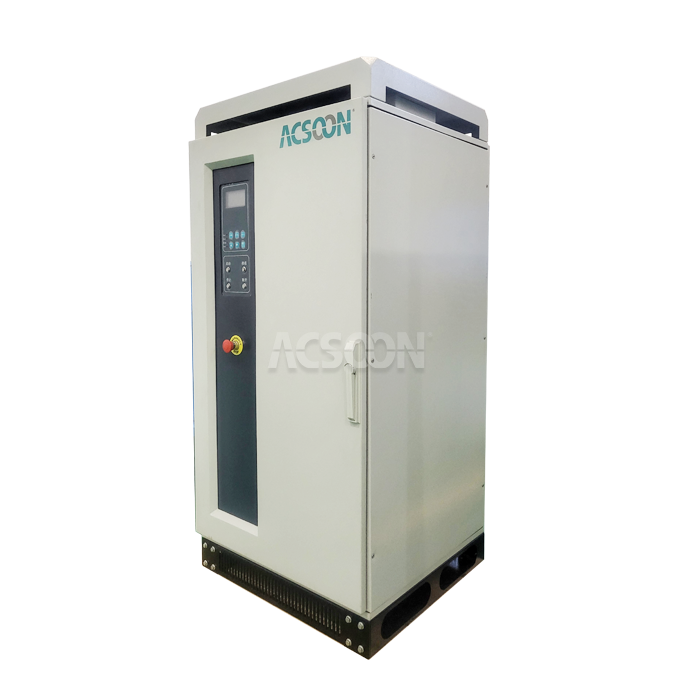
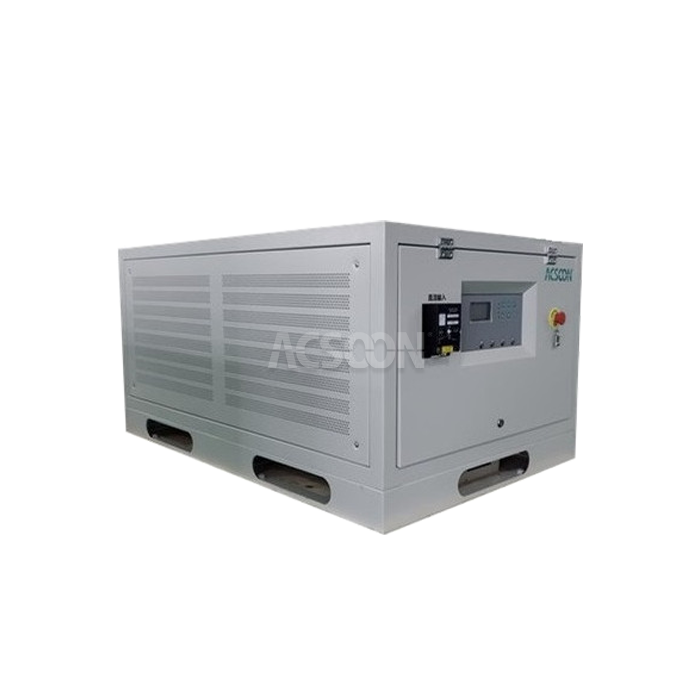
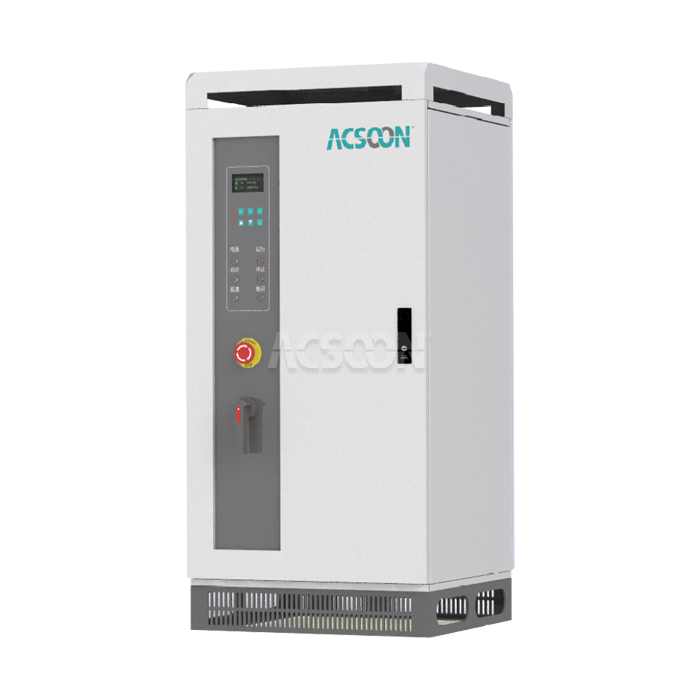
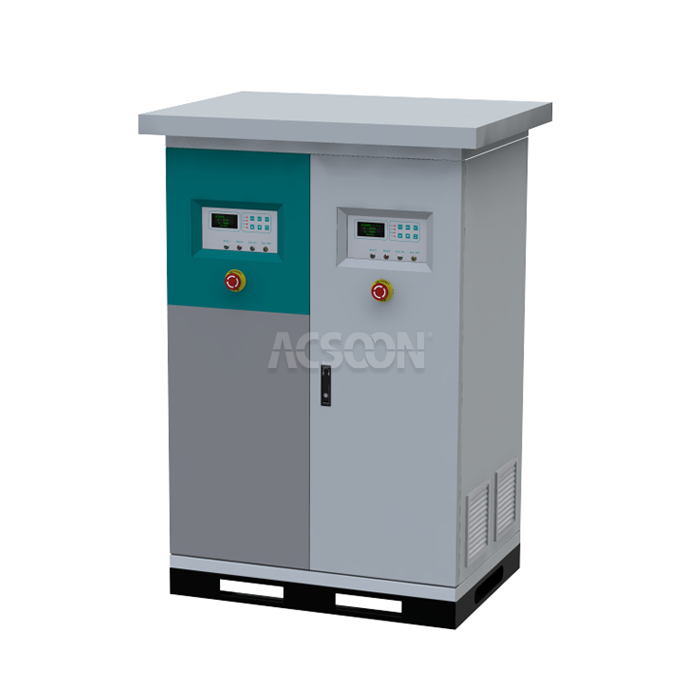
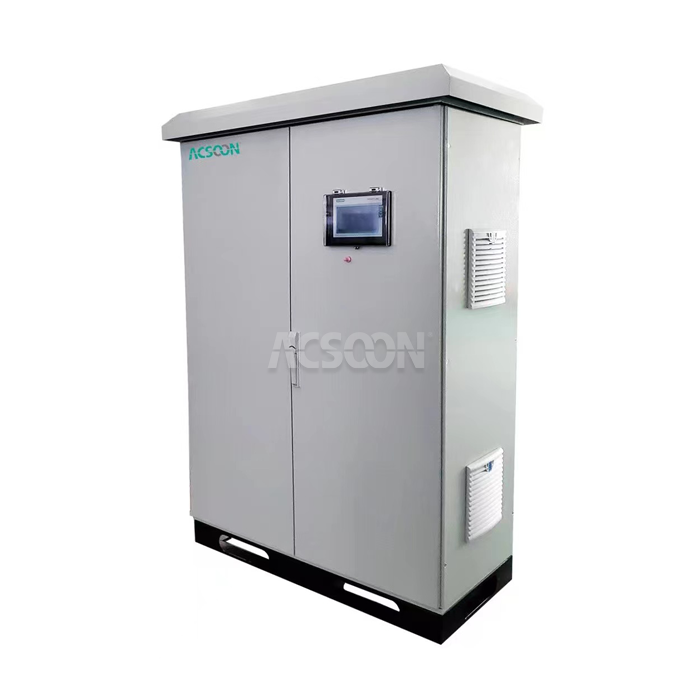
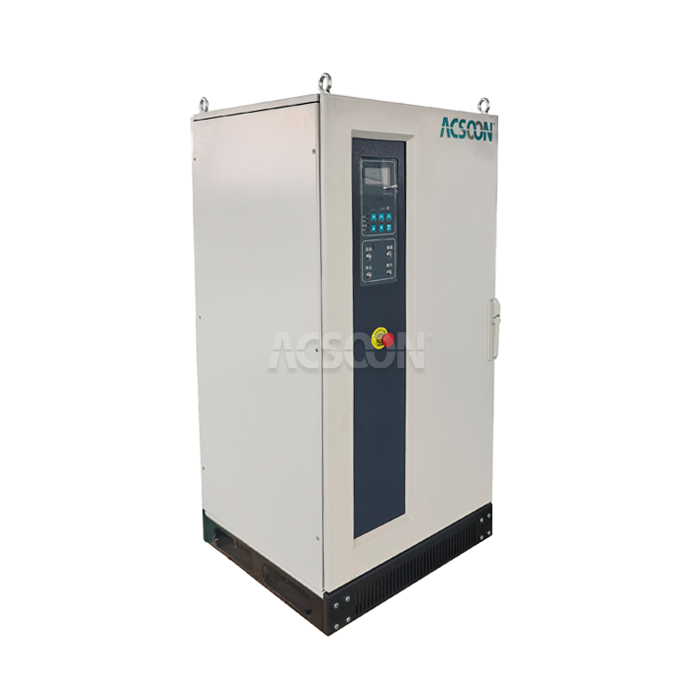
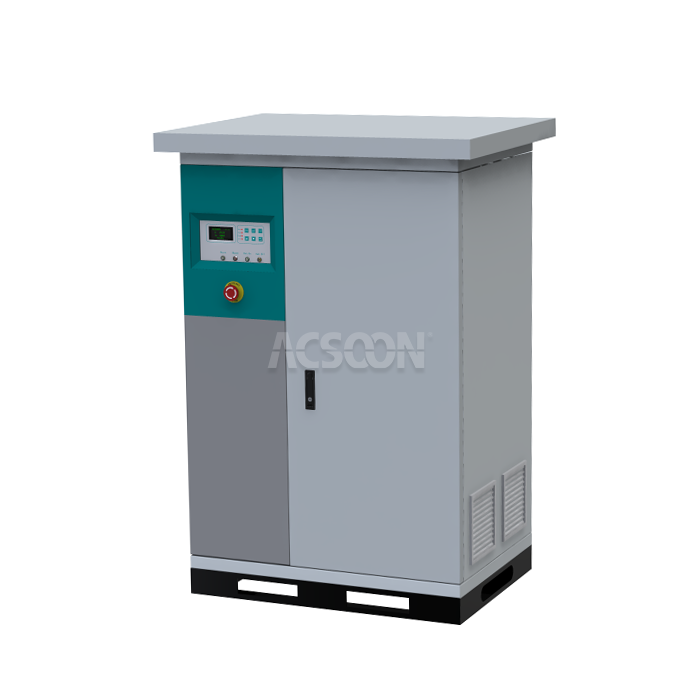
JERRYSTAR's ACSOON-branded systems have the best specs in their field thanks to their optimized converter topologies. The GPU-270300 model provides 270V DC at 300 amps from standard three-phase 380V industrial sources. It can be used for both fixed installations and rolling cart deployment. This adaptability covers a wide range of working situations, from fixed MRO test cells to mobile service uses on the flight line.
Supplier Evaluation and Partnership Considerations
Honeywell and Collins aircraft are two well-known aircraft suppliers that offer a wide range of products backed by decades of approval paperwork and support networks for customers who have already bought their products. New makers may offer lower prices and more customization options, but you need to do a lot of research on their quality control systems and how to track down their parts. Our factory in Xi'an follows quality standards that have been approved by ISO, and we have dedicated engineering teams that help with custom voltage, current, and frequency requirements for a wide range of uses, such as satellite ground tests and UAV development projects.
Total Cost of Ownership Factors
When making a 270V aircraft power supply purchase choice, it's important to think about more than just the original purchase price. Longer guarantee coverage lowers the customer's risk during the first three years of business, which is very important. Having local technical help cuts down on the time it takes to fix problems.
When companies use the same platforms, they can save 15-20% on costs by buying in bulk. This also makes managing their extra parts inventory easier. Custom branding through OEM partnership programs lets developers offer full ground support solutions with unified product names. This builds stronger relationships with customers and sets them apart in the buying process.
Strategies to Mitigate and Overcome 270V Aircraft Power Supply Challenges
Predictive Maintenance Through Real-Time Monitoring
Modern 270V aircraft power supply units have built-in diagnostic tools that send operating data over Ethernet or CAN bus connections. Condition-based maintenance methods are made possible by parameters such as measurements of output voltage stability, trends in semiconductor junction temperature, and ripple current readings in capacitors. Setting standard performance signatures during acceptance testing creates reference datasets for finding anomalies. Deviation patterns that show a component is about to fail should lead to proactive replacement before they cause operational problems.
Next-Generation Power Electronics Adoption
When you switch from old Silicon-based designs to wide-bandgap semiconductor structures, the speed improves right away. When rectifier commutation happens, SiC diodes get rid of the reverse recovery losses that cause voltage ringing. This cuts the need for an EMI filter by 30%. GaN transistors make it possible to make small high-frequency designs that cut the weight of the whole system by 25%. This is a huge benefit for mobile ground power users. Within 18-month development cycles, our research teams are always looking at new chip technologies and putting proven innovations into production designs.
Strategic Supplier Collaboration
Long-term relationships with qualified makers give you access to application engineering knowledge and the ability to create unique solutions. Suppliers with in-house design teams can help organizations that need to meet specific voltage sequencing needs for experimental flight projects or non-standard frequency conversion needs. Because JERRYSTAR has been specializing in aerospace power systems for fifteen years, we see ourselves as technical partners rather than transactional suppliers. Our engineers work together to define objectives, test prototypes, and provide field deployment support throughout the lifecycle of equipment.
Robust Testing and Acceptance Protocols
Having thorough incoming testing processes in place confirms what suppliers say before the 270V aircraft power supply is put into service. Load bank testing over the whole working range shows that the voltage regulator, efficiency, and safety circuit work. Environmental stress screening, which includes temperature cycling and vibration testing, finds problems with baby mortality before they are put into use. Every unit goes through 72 hours of burn-in testing at full load as part of our quality control process. This makes sure that only fully tested systems get to customer sites. Because we are committed to quality control, our installed base has a field failure rate of less than 0.3% per year.
Conclusion
To solve the tricky performance problems that come up with 270V aircraft power supply systems, you need to know a lot about their technical limits, the things that can damage them, and the rules for getting certified for aircraft use. Unstable voltage control, limited thermal management, and electromagnetic interference are all types of failures that affect each other and need comprehensive design methods that use advanced semiconductors, strong security structures, and the ability to predict and fix problems before they happen. Professionals in procurement have to judge sellers based on strict criteria, such as whether they meet licensing requirements, the total cost of ownership over a product's entire life, and their ability to form partnerships that go beyond just selling equipment. Using condition-based maintenance protocols and working together with experienced manufacturers as part of strategic mitigation strategies helps companies improve the reliability of their power systems while keeping costs low in a wide range of industrial, military, and aviation settings.
FAQ
What distinguishes 270V systems from traditional 28V or 115V aircraft power architectures?
For the same amount of power, 270V aircraft power supply systems lower the transmission current. This makes it possible for lighter-gauge wire harnesses that cut the weight of planes by 15–20% compared to 28V architectures. The 270V standard gets rid of the need for bulky transformer-rectifier units that change 115V AC power to DC power for modern electronics and electromechanical devices. This makes power distribution easier and boosts system efficiency by 8 to 12 percentage points.
What maintenance intervals preserve optimal performance?
The recommended preventive maintenance schedule calls for eye checks of the cooling system's cleanliness and connections every three months, checks of the output voltage regulation under load every six months, and a yearly ESR test to check the health of the capacitor bank. Inspection plans are sped up for 270V aircraft power supply units that are used a lot and have job cycles of more than 60%. Predictive maintenance methods change repair intervals based on actual working conditions instead of set schedules. They do this by keeping an eye on real-time diagnostic parameters.
Which certifications ensure supplier reliability?
Important qualifications include proving agreement with DO-160 environmental tests, MIL-STD-704F electrical characteristics, and MIL-STD-461 EMC performance. ISO 9001 quality management certification shows that controls are in place for the industrial process, and AS9100 quality requirements are specific to aircraft. Instead of manufacturers' claims of self-certification, procurement requirements should require evidence from an independent test lab for every 270V aircraft power supply.
Partner with JERRYSTAR for Certified Aviation Power Solutions
JERRYSTAR offers 270V aircraft power supply solutions that have been tested and proven to work in demanding aircraft ground support and test applications. The GPU-270300 rectifier from ACSOON is made up of advanced Silicon Carbide semiconductors and strong thermal management. It can reliably output 270V DC at 300 amps from normal industrial three-phase sources. We have been experts in flight power conversion tools for more than fifteen years. We help the government and businesses with maintaining military aircraft, developing UAVs, and validating aerospace parts.
Our factory in Xi'an follows strict quality standards to make sure that every unit meets the strict requirements of MIL-STD-704F and DO-160. We have basic designs as well as custom-engineered options that meet specific needs for voltage, current, and environment. There are different ways to set them up, such as fixed setups for long-term test cells and mobile trolley-mounted units for servicing aircraft on the flight line. As an experienced 270V aircraft power supply manufacturer, we offer full professional help, from figuring out what the needs are to field commissioning and planning upkeep throughout the product's life.
Email our tech team at acpower@acsoonpower.com to talk about the specifics of your program. We provide specific technical proposals, cheap quotes, and fast shipping from a well-kept inventory to meet tight project deadlines. Partnering with an aircraft power systems expert who is dedicated to your tactical success will give you peace of mind.
References
1. MIL-STD-704F, "Aircraft Electric Power Characteristics," Department of Defense Interface Standard, 2016.
2. RTCA DO-160G, "Environmental Conditions and Test Procedures for Airborne Equipment," Radio Technical Commission for Aeronautics, 2010.
3. SAE AS5692, "270 VDC High Voltage Aircraft Electric Power System (270 VDC HVDC)," Society of Automotive Engineers Aerospace Standard, 2013.
4. Smith, R. and Johnson, T., "Wide Bandgap Semiconductors in Aerospace Power Electronics," Journal of Aerospace Power Systems Engineering, Volume 28, 2021.
5. Anderson, M., "Thermal Management Strategies for High-Power Aviation Ground Support Equipment," IEEE Transactions on Transportation Electrification, Volume 7, 2020.
6. National Aerospace Laboratory, "Reliability Analysis of 270V Power Distribution Architectures in Next-Generation Military Aircraft," Technical Report NAL-TR-2019-045, 2019.