What Equipment Is Needed for Shore to Ship Power Supply?
Shore to ship power supply, also known as alternative maritime power (AMP), is a crucial technology in the maritime industry that allows ships to connect to shoreside electricity while docked, reducing emissions and noise pollution in port areas. The shore to ship power supply equipment typically includes high-voltage shore connection systems, frequency converters, transformers, switchgear, and cable management systems. These components work together to convert and deliver electrical power from the shore to the ship, matching the vessel's onboard power requirements. Understanding the necessary equipment for shore to ship power supply is essential for port authorities, ship operators, and maritime stakeholders looking to implement this environmentally friendly solution and comply with increasingly stringent emissions regulations in ports worldwide.

What are the Key Components of a Shore to Ship Power System?
High-Voltage Shore Connection Systems
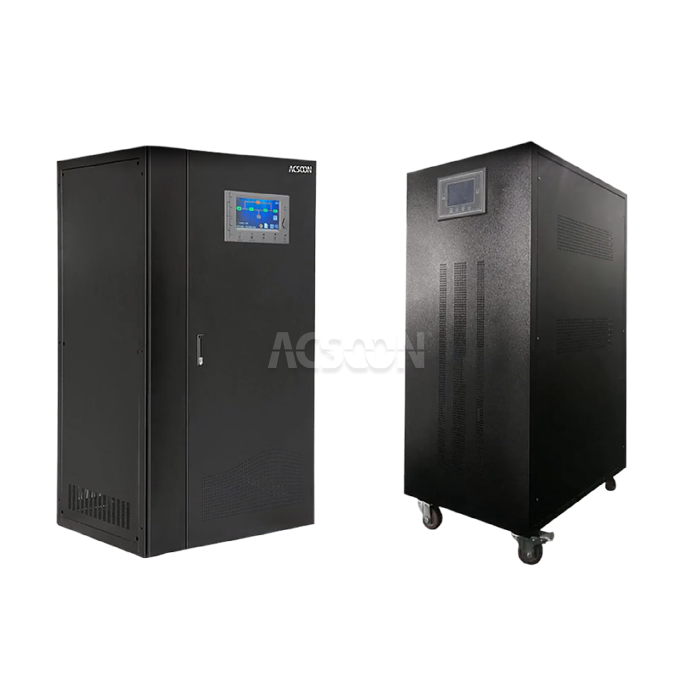
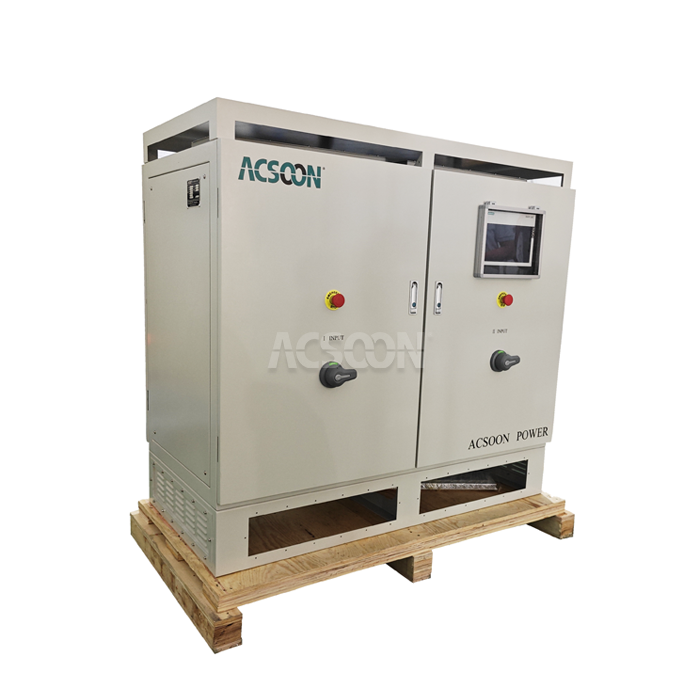
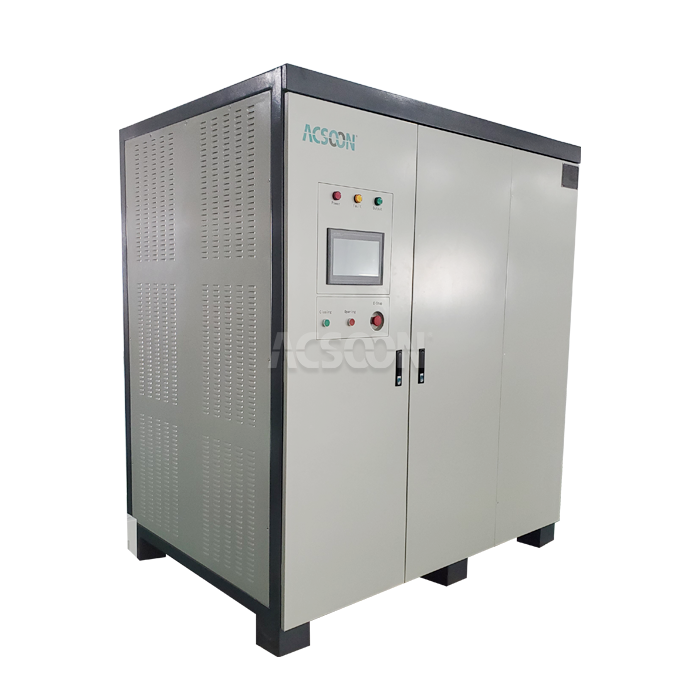
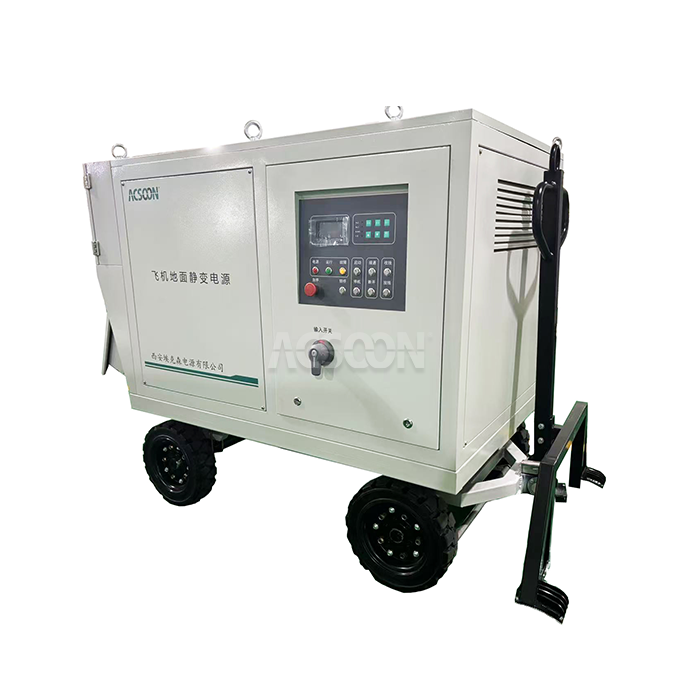
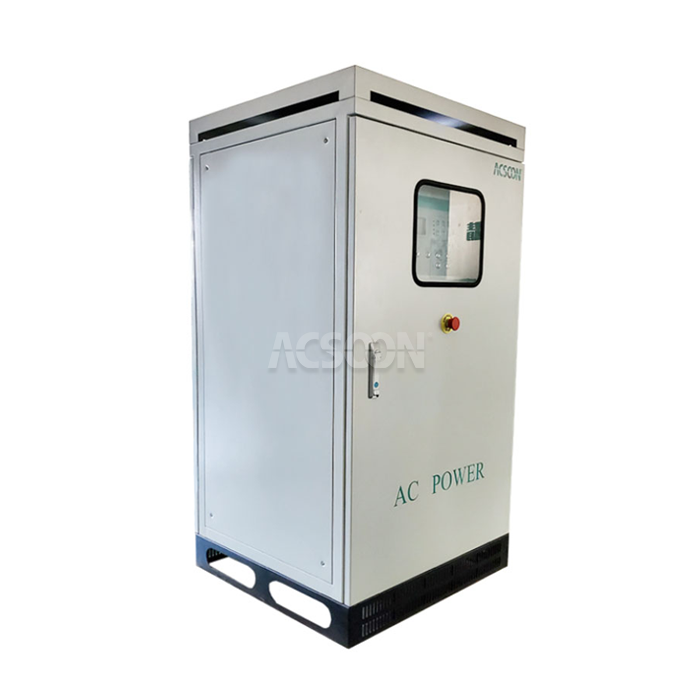
High-voltage shore connection systems are essential components of shore to ship power supply installations. These systems typically include shore-side substations, power distribution units, and connection points that allow ships to plug into the land-based power grid. The shore connection system must be capable of handling high voltages, often ranging from 6.6 kV to 11 kV, to meet the power demands of large vessels. ACSOON brand power converters, with their customizable rated power of up to 2000kVA, are well-suited for integration into these high-voltage shore connection systems. These systems also incorporate safety features such as interlocks, grounding mechanisms, and emergency shutdown capabilities to ensure the protection of both the shore-side infrastructure and the vessel during power transfer operations.
Frequency Converters
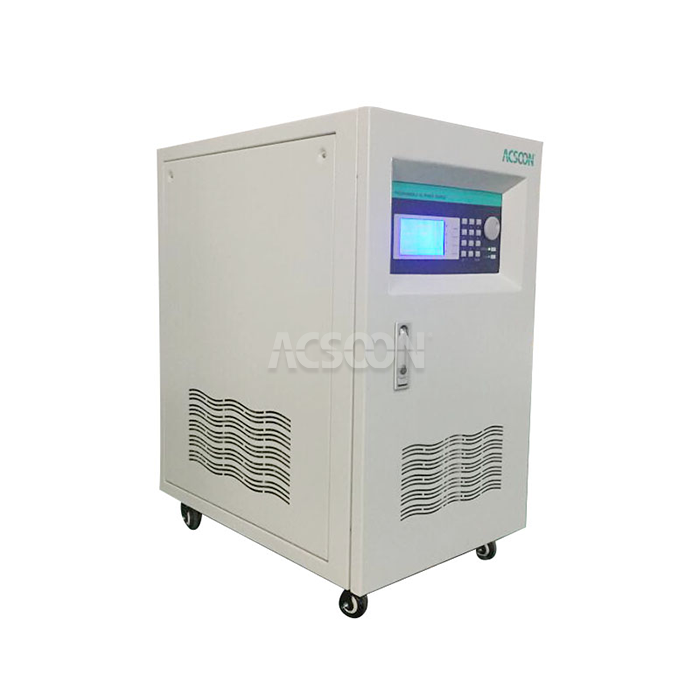
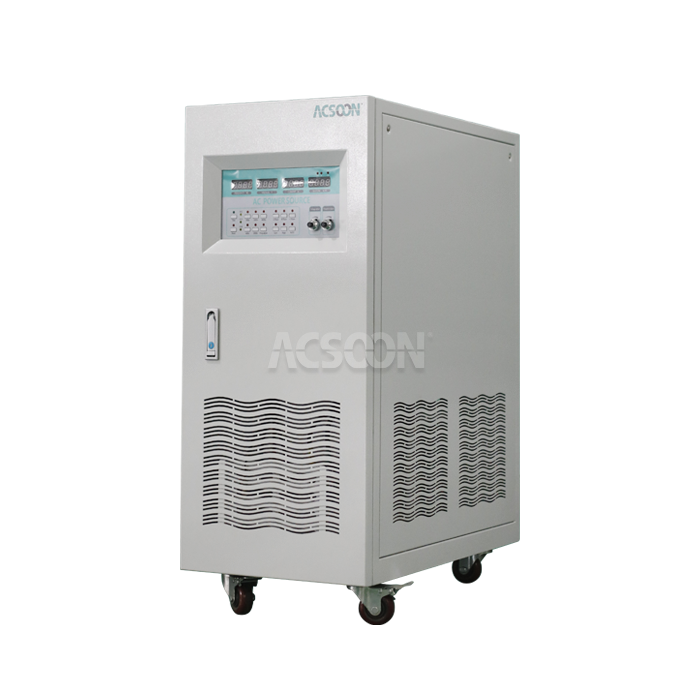
Frequency converters play a crucial role in shore to ship power supply systems, as they adapt the shoreside power frequency to match the ship's onboard electrical system requirements. Many ships operate on a 60 Hz power system, while shore power in many countries is provided at 50 Hz. ACSOON's frequency converters, featuring 6-pulse (or optional 12-pulse) rectifying circuits, can efficiently convert the input frequency to the required output frequency. These converters ensure a stable and regulated power supply, with precise output voltage and frequency control. The ability to connect to any worldwide dockside power system makes ACSOON's frequency converters versatile and suitable for various marine offshore and shipyard applications.
Cable Management Systems
Cable management systems are vital for the safe and efficient transfer of power from shore to ship. These systems include cable reels, handling equipment, and connection points that facilitate the proper storage, deployment, and connection of power cables between the shore and the vessel. Cable management systems must be designed to withstand harsh marine environments and accommodate different ship sizes and berthing configurations.
How Does Shore to Ship Power Supply Benefit the Environment?
Reduction of Greenhouse Gas Emissions
Shore to ship power supply systems significantly contribute to the reduction of greenhouse gas emissions in port areas. By allowing ships to shut down their auxiliary engines and connect to cleaner shoreside electricity, these systems eliminate the need for vessels to burn fuel while docked. This results in a substantial decrease in carbon dioxide, sulfur oxides, and nitrogen oxides emissions. ACSOON's shore to ship power supply equipment, with its high efficiency and precise output control, ensures that the power transfer process is optimized for maximum environmental benefit. The reduction in greenhouse gas emissions not only improves local air quality but also helps ports and shipping companies meet increasingly stringent environmental regulations and sustainability goals.
Noise Pollution Mitigation
Another significant environmental benefit of shore to ship power supply systems is the mitigation of noise pollution in port areas. Traditional auxiliary engines on ships generate considerable noise while in port, affecting both the local community and marine life. By enabling ships to connect to shoreside power, these systems eliminate the need for running onboard generators, resulting in a much quieter port environment. ACSOON's shore to ship power supply equipment, designed with advanced noise reduction features, further contributes to creating a more peaceful port atmosphere. This reduction in noise pollution improves the quality of life for nearby residents and helps maintain a healthier ecosystem for marine organisms sensitive to underwater noise.
Improved Energy Efficiency
Shore to ship power supply systems offer improved energy efficiency compared to traditional onboard power generation methods. Large-scale shoreside power plants typically operate at higher efficiencies than smaller shipboard generators, resulting in lower overall energy consumption and reduced fuel costs. ACSOON's shore to ship power supply equipment, with its customizable power capacity and precise output control, ensures that energy is delivered efficiently and tailored to each vessel's specific requirements. This improved energy efficiency not only reduces the environmental impact of port operations but also provides economic benefits to shipping companies through reduced fuel consumption and maintenance costs associated with auxiliary engine operation.
What are the Future Trends in Shore to Ship Power Technology?
Integration of Renewable Energy Sources
One of the emerging trends in shore to ship power supply technology is the integration of renewable energy sources. As ports and cities increasingly adopt sustainable energy practices, there is a growing interest in powering shore-to-ship systems with clean energy sources such as solar, wind, or tidal power. This integration can further reduce the carbon footprint of port operations and align with global sustainability goals. ACSOON's shore to ship power supply equipment, with its ability to handle various input voltages and frequencies, is well-positioned to adapt to these renewable energy integrations. The flexibility of ACSOON's systems allows for seamless incorporation of green energy sources, ensuring that ships can be powered by clean electricity even when connected to shore power.
Standardization and Interoperability
Standardization and interoperability of shore to ship power supply systems are becoming increasingly important as the technology gains wider adoption. Efforts are underway to develop universal standards for shore power connections, voltage levels, and communication protocols. This standardization will facilitate easier implementation of shore power systems across different ports and ensure compatibility with a wide range of vessels. ACSOON's shore to ship power supply equipment, designed to connect to any worldwide dockside power system, already aligns with this trend towards standardization. As the industry moves towards more unified standards, ACSOON's flexible and adaptable systems will continue to meet the evolving requirements of ports and shipping companies worldwide.
Conclusion
Shore to ship power supply systems represent a significant advancement in maritime technology, offering numerous environmental and operational benefits. The equipment required for these systems, including high-voltage shore connection systems, frequency converters, and cable management systems, plays a crucial role in ensuring efficient and safe power transfer from shore to ship. As the maritime industry continues to prioritize sustainability and emission reduction, the importance of shore power technology is expected to grow.
For more information on shore to ship power supply equipment and solutions, contact Xi'an Jerrystar Instrument Co., Ltd. As a specialized manufacturer of ACSOON brand power converters, they offer expertise in various application areas, including marine and offshore power systems. Their product range includes variable frequency converters, 400 Hz static frequency converters, voltage and frequency stabilizers, and ground power units. With a factory size of 5,000-10,000 square meters located at 1688 Chama Avenue, Jinghe New Town, Xixian New District, Xi'an City, Shaanxi Province, China, Xi'an Jerrystar Instrument Co., Ltd has the capabilities to meet diverse power supply needs. For inquiries and custom solutions, please email acpower@acsoonpower.com.
References
1. International Maritime Organization. (2019). "Guidelines for the Reduction of Greenhouse Gas Emissions from Ships."
2. Rowe, J., & Rowe, M. (2020). "Shore Power Technology Assessment at U.S. Ports." Journal of Marine Engineering & Technology, 19(3), 139-150.
3. European Sea Ports Organisation. (2021). "ESPO Environmental Report 2021: Towards a Green Deal for European Ports."
4. Ballini, F., & Bozzo, R. (2018). "Air pollution from ships in ports: The socio-economic benefit of cold-ironing technology." Research in Transportation Business & Management, 26, 61-69.
5. Wang, H., et al. (2022). "Techno-economic analysis of shore-to-ship power supply system with renewable energy integration." Energy, 238, 121735.
6. International Electrotechnical Commission. (2019). "IEC/IEEE 80005-1:2019 - Utility connections in port - Part 1: High voltage shore connection (HVSC) systems - General requirements."