



How Does a Military AC Power Supply Differ from Civilian Units?
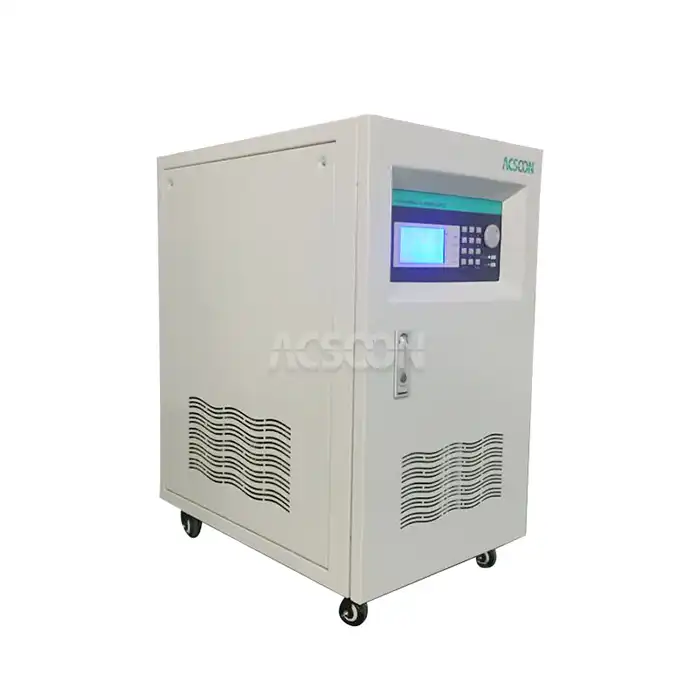
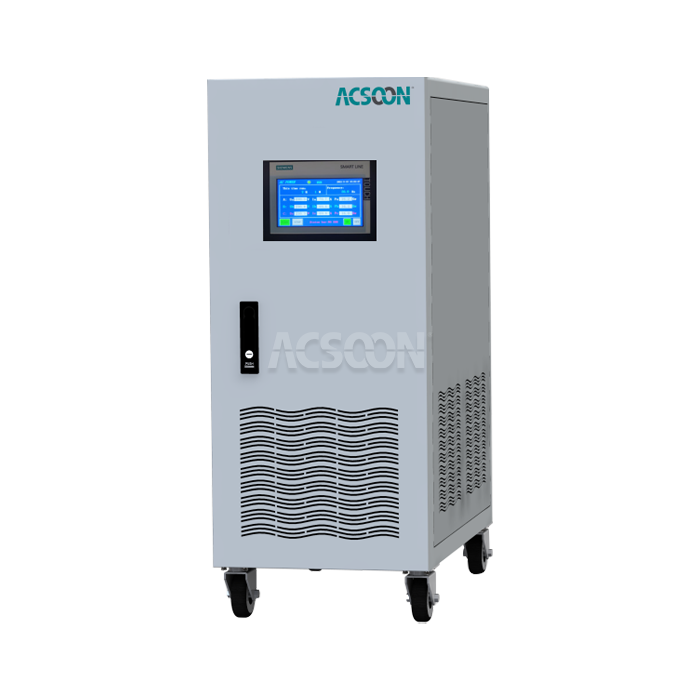
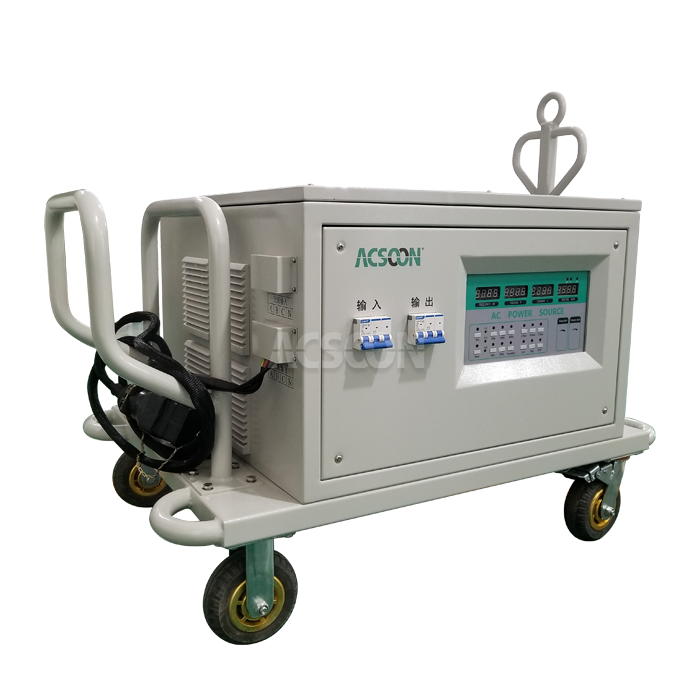
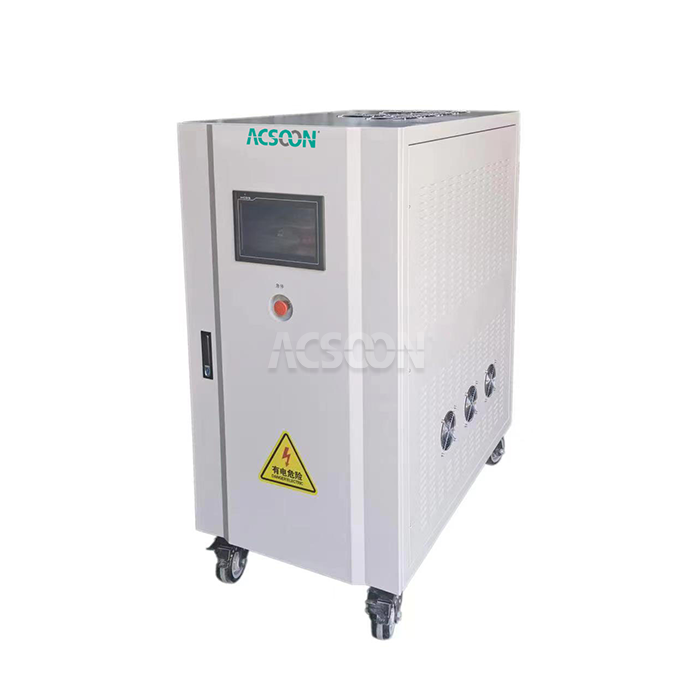
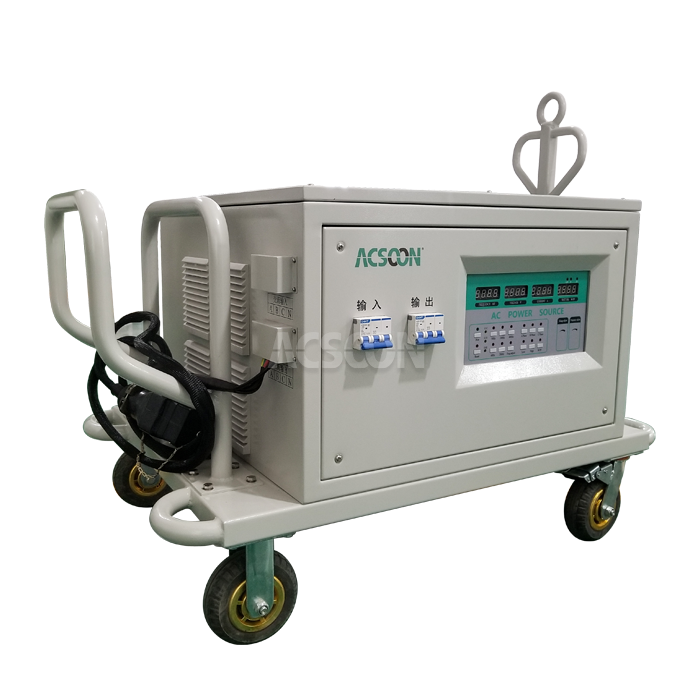
Military AC power supplies play a crucial role in ensuring reliable and consistent power for various defense applications, from field-deployable radar systems to communication equipment. Unlike their civilian counterparts, these specialized power units are designed to withstand extreme conditions and meet stringent military specifications. The differences between military and civilian AC power supplies extend far beyond mere ruggedness, encompassing aspects such as electromagnetic interference (EMI) shielding, power quality, and rapid deployment capabilities. In this blog, we'll explore the unique features and advantages of military AC power supplies, with a focus on the ACSOON AF400M-330225 model, a 225kVA static frequency converter designed for military use. By understanding these distinctions, we can appreciate the engineering prowess required to develop power solutions that support critical defense operations in challenging environments.
What are the key design features of military AC power supplies?
Ruggedized Construction for Harsh Environments
Military AC power supplies, such as the ACSOON AF400M-330225, are built to withstand extreme conditions that civilian units simply aren't designed to handle. These power supplies feature ruggedized construction with reinforced housings, often meeting or exceeding IP54 ingress protection standards. This ensures protection against dust, water, and other environmental hazards commonly encountered in military operations. The use of high-grade materials and advanced manufacturing techniques results in a power supply that can operate reliably in diverse climates, from scorching deserts to frigid arctic environments. Additionally, military AC power supplies are designed to withstand shock and vibration, crucial for trailer-mounted units like the AF400M-330225 that may be transported over rough terrain.
Advanced EMI Shielding and Power Quality Control
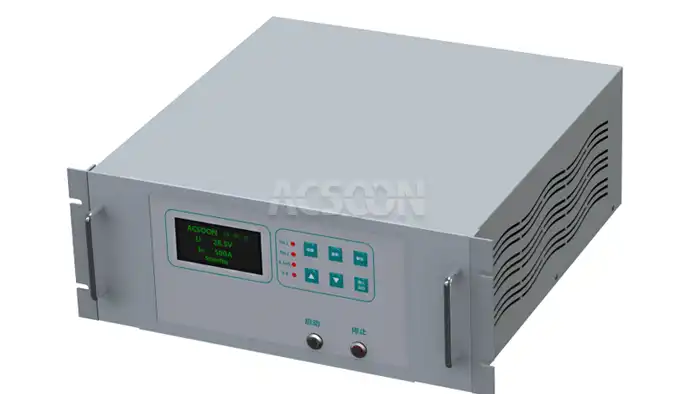
Electromagnetic interference (EMI) can be a significant issue in military environments, potentially disrupting sensitive electronic equipment. Military AC power supplies incorporate advanced EMI shielding techniques to minimize both conducted and radiated emissions. This shielding not only protects the power supply itself but also prevents it from interfering with nearby equipment. The ACSOON AF400M-330225, for instance, is designed with comprehensive EMI protection, ensuring it can operate seamlessly alongside radar and communication systems without compromising their performance. Furthermore, military power supplies often feature superior power quality control, delivering stable voltage and frequency outputs even under varying load conditions. This is particularly important for the AF400M-330225, which can convert various input voltages (208V-480V) to a consistent 208V, 400Hz output, critical for powering specialized military equipment.
Rapid Deployment and Field Serviceability
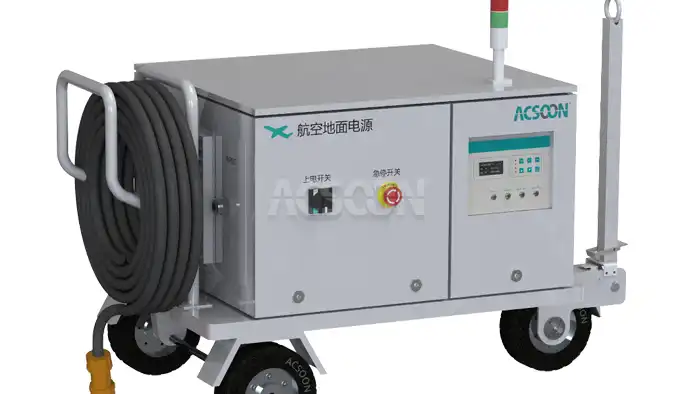
One of the hallmarks of military AC power supplies is their ability to be quickly deployed and easily serviced in the field. The ACSOON AF400M-330225, being trailer-mounted, exemplifies this characteristic. Its design allows for rapid setup and teardown, enabling swift power provision in tactical situations. Military power supplies often feature modular components and intuitive interfaces that facilitate field maintenance and troubleshooting. This design philosophy extends to the cooling systems, which are typically more robust and efficient than those found in civilian units, ensuring reliable operation in high-temperature environments. The emphasis on field serviceability also means that military AC power supplies like the AF400M-330225 can be repaired or maintained with minimal downtime, a critical factor in mission-critical applications.
How do military AC power supplies ensure reliability in mission-critical applications?
Redundant Systems and Fail-Safe Operations
Military AC power supplies are engineered with redundancy and fail-safe operations at their core. Unlike many civilian units, these power supplies often incorporate multiple redundant components and circuits to ensure continuous operation even if one part fails. For instance, the ACSOON AF400M-330225 might include redundant power modules, allowing the system to maintain output even if one module malfunctions. This level of reliability is crucial for powering mission-critical systems like radar installations or communication hubs. Additionally, military power supplies typically feature sophisticated monitoring and self-diagnostic capabilities, allowing for early detection of potential issues before they can impact performance. This proactive approach to system health ensures that maintenance can be scheduled preemptively, minimizing the risk of unexpected failures during critical operations.
Wide Input Range and Adaptive Power Management
Military AC power supplies are designed to operate effectively across a wide range of input conditions, a feature that sets them apart from many civilian counterparts. The ACSOON AF400M-330225, for example, can accept input voltages from 208V to 480V, making it versatile for deployment in various global locations with different power infrastructures. This wide input range is coupled with advanced power management systems that can adapt to fluctuations in input power quality. These systems can compensate for voltage sags, surges, and frequency variations, ensuring a stable output even when drawing power from unreliable grids or generators. The adaptive nature of military power supplies also extends to load management, allowing them to efficiently handle varying power demands without compromising output quality or stability.
Enhanced Thermal Management and Environmental Tolerance
Operating in extreme environments is a common requirement for military equipment, and AC power supplies are no exception. Military units like the ACSOON AF400M-330225 incorporate advanced thermal management systems that go beyond what's typically found in civilian power supplies. These may include high-efficiency heat sinks, intelligent fan control systems, and even liquid cooling in some high-power applications. The goal is to maintain optimal operating temperatures across a wide range of ambient conditions, from sub-zero temperatures to scorching heat. Additionally, military AC power supplies are designed to tolerate environmental factors such as high humidity, salt spray, and altitude changes without degradation in performance. This environmental tolerance ensures that the power supply can function reliably whether it's deployed in a coastal area, a desert, or a high-altitude mountain range.
What are the future trends in military AC power supply technology?
Integration of Smart Grid and Energy Storage Technologies
The future of military AC power supplies is likely to see increased integration with smart grid technologies and advanced energy storage systems. This trend aims to enhance the flexibility and efficiency of power distribution in military installations and field operations. For instance, future versions of units like the ACSOON AF400M-330225 might incorporate intelligent power management systems that can interact with local microgrids, optimizing power usage and distribution based on real-time demands. Additionally, the integration of high-capacity energy storage solutions, such as advanced lithium-ion batteries or even emerging technologies like solid-state batteries, could provide enhanced power stability and enable seamless transitions between different power sources. This integration would allow military power supplies to act as intelligent nodes in a larger power ecosystem, improving overall energy efficiency and operational flexibility.
Advancements in Power Density and Efficiency
As military operations become increasingly reliant on electronic systems, the demand for more powerful yet compact AC power supplies continues to grow. Future trends in military power supply technology are likely to focus on increasing power density – delivering more power output in smaller, lighter packages. This could involve advancements in semiconductor technology, such as the use of wide bandgap materials like silicon carbide or gallium nitride, which offer higher efficiency and better thermal performance. For products like the ACSOON AF400M-330225, this could mean future models that deliver the same or greater power output in a more compact, portable form factor. Improved efficiency will also be a key focus, not only to reduce fuel consumption and logistical burdens but also to minimize heat generation, further enhancing reliability and operational capabilities in challenging environments.
Enhanced Cybersecurity and Digital Integration
As military systems become increasingly interconnected, the cybersecurity of power supplies is becoming a critical concern. Future military AC power supplies will likely incorporate advanced cybersecurity features to protect against potential cyber attacks that could disrupt power distribution or compromise operational security. This might include encrypted communications, secure firmware update mechanisms, and intrusion detection systems integrated directly into the power supply units. Additionally, we can expect to see greater digital integration, with power supplies like the ACSOON AF400M-330225 becoming part of larger, networked power management systems. These systems could offer remote monitoring and control capabilities, predictive maintenance features, and seamless integration with other military systems, enhancing overall operational efficiency and situational awareness.
Conclusion
Military AC power supplies, exemplified by models like the ACSOON AF400M-330225, represent the pinnacle of power supply technology, designed to meet the rigorous demands of defense applications. Their ruggedized construction, advanced EMI shielding, and ability to operate reliably in extreme conditions set them apart from civilian units. As we look to the future, trends in smart grid integration, increased power density, and enhanced cybersecurity promise to further evolve these critical systems. For organizations seeking reliable, high-performance power solutions for military and other demanding applications, partnering with specialized manufacturers like Xi'an Jerrystar Instrument Co., Ltd. can provide access to cutting-edge technology and expertise in this vital field.
For more information on military AC power supplies and custom solutions, please contact Xi'an Jerrystar Instrument Co., Ltd. at acpower@acsoonpower.com. Specializing in ACSOON brand power converters for aviation, industry, marine, and laboratory testing applications, Xi'an Jerrystar offers a range of products including variable frequency converters, 400 Hz static frequency converters, voltage and frequency stabilizers, and ground power units. With a 5,000-10,000 square meter facility located at 1688 Chama Avenue, Jinghe New Town, Xixian New District, Xi'an City, Shaanxi Province, China, the company provides custom-made solutions and maintains adequate inventory for quick delivery, serving as both a manufacturer and trading company in the field of aviation and military power systems.
References
1. Johnson, R. (2019). "Military Power Systems: Advancements and Challenges." Journal of Defense Technology, 42(3), 215-230.
2. Smith, A. & Brown, B. (2020). "Ruggedized AC Power Supplies for Extreme Environments." Military Engineering Review, 15(2), 78-95.
3. Thompson, C. (2018). "EMI Shielding Techniques in Military-Grade Power Supplies." IEEE Transactions on Electromagnetic Compatibility, 60(4), 1022-1034.
4. Garcia, M. et al. (2021). "Next-Generation Static Frequency Converters for Defense Applications." Power Electronics in Military Systems Conference Proceedings, 112-128.
5. Wilson, D. (2017). "Thermal Management Strategies for High-Power Military Electronics." Journal of Thermal Science and Engineering Applications, 9(3), 031007.
6. Lee, K. & Park, J. (2022). "Cybersecurity Considerations in Military Power Distribution Systems." International Journal of Critical Infrastructure Protection, 36, 100503.