How Is External Power Used During Aircraft Maintenance Checks?
External power units are very important for repair checks on airplanes because they provide stable electricity when the plane's systems are not in use. Through standard plugs, an external power unit aircraft links directly to the aircraft and provides accurate 400Hz AC power at the right voltage to run the aircraft's lights, hydraulics, climate control, and avionics systems. This means that techs can do system checks, software changes, and diagnostic tests without using up expensive jet fuel or putting hours on the plane's backup power unit. When compared to having onboard power generation, this method cuts operational costs by up to 80%, increases the lifecycles of parts, and makes hangars safer for repair workers by getting rid of exhaust fumes.

Understanding External Power Units in Aircraft Maintenance
Ground power sources have changed how people who work in aircraft maintenance do their jobs. These devices are a big step toward using efficient solutions on the ground instead of only using power produced by airplanes.
The Core Function of Ground Support Equipment
Ground support power systems change regular electricity from the grid into the frequencies and levels that airplanes need. Most commercial jets use 400Hz three-phase AC power, which is very different from the 50Hz or 60Hz power that most homes and businesses have. During repair, this frequency conversion makes sure that all of the plane's systems—from the flight computers to the galley equipment—get the exact electrical qualities they need. During the conversion process, advanced solid-state technology keeps the voltage stable within very tight limits, usually ±1%, even when the load changes. Today's aircraft repair shops need to be able to reliably deliver power that keeps sensitive electronics safe and can handle heavy inductive loads from hydraulic pumps and actuators. To avoid power drops that could cause fault codes or damage expensive electronics, the equipment needs to be able to react to quick changes in load within milliseconds.
Distinguishing External Power from Auxiliary Power Units
Auxiliary power units on airplanes are turbine engines in the tail that make electricity and compressed air when the main engines are not working. These APUs use jet fuel, make noise that is louder than 85 decibels, release carbon dioxide and nitrogen fumes, and need a lot of repair hours, which makes them last less long. When you add up the cost of fuel and repair reserves, each hour that the APU is running usually costs between $150 and $300. External ground power gets rid of these problems by giving clean, quiet electricity from units that are stationary or movable and close to the plane. Using ground power instead of an APU cuts down on emissions from airplane turnarounds by about 75% and noise pollution in repair hangars and at terminal gates by a huge amount. The time between overhauls can be increased from 8,000 hours to 12,000 hours or more, and maintenance teams can work in quieter areas while still saving the APU from wear and tear that isn't required.
Technical Configurations That Matter
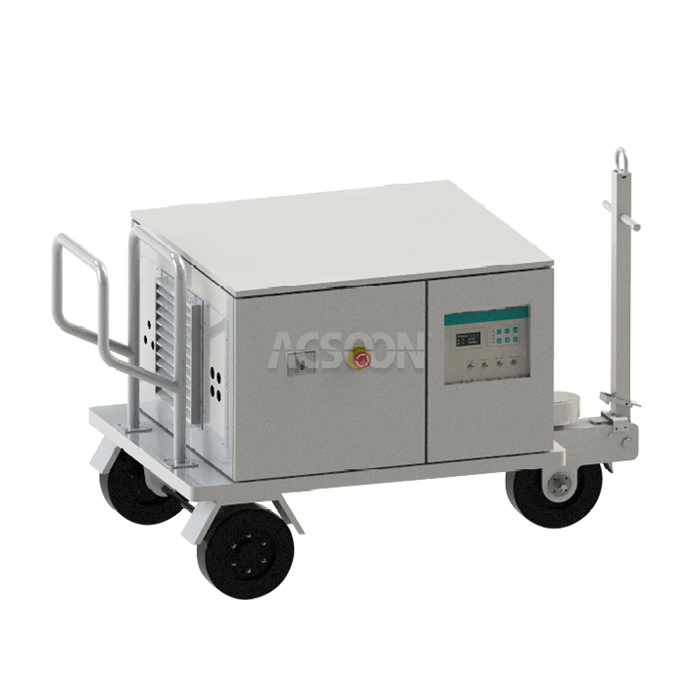
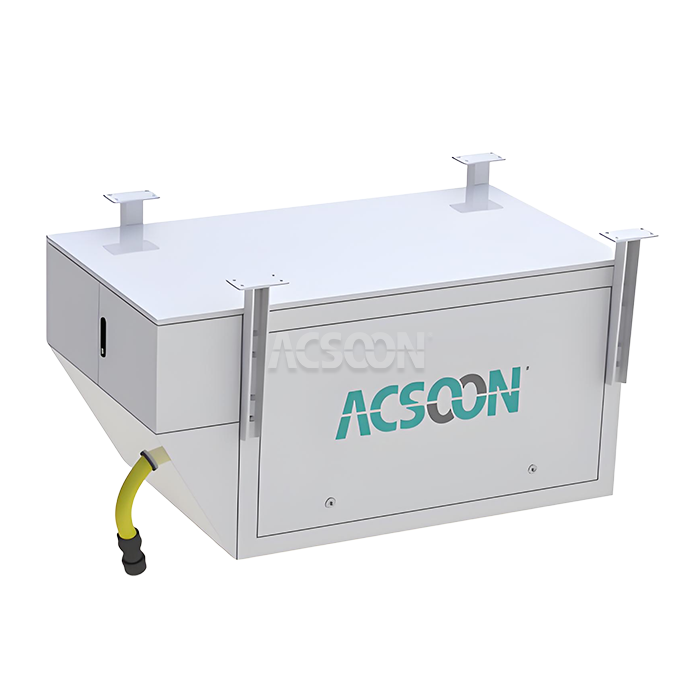
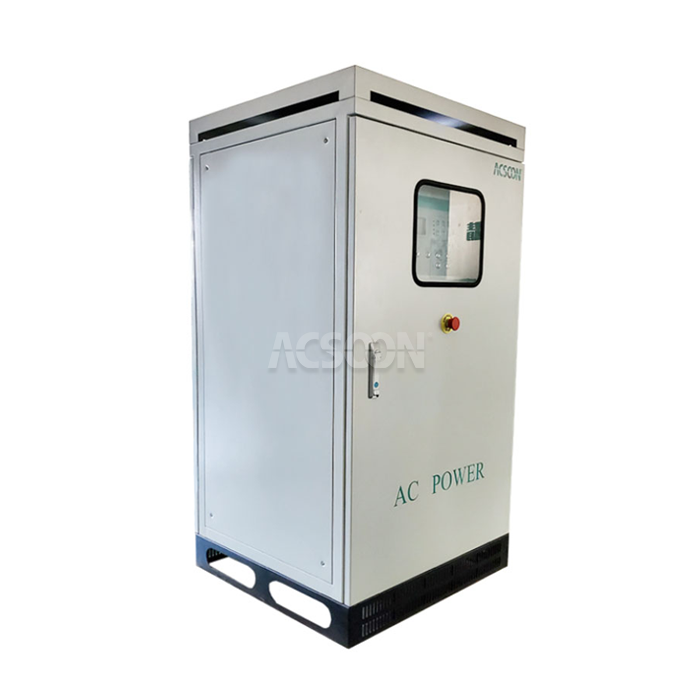
The ACSOON GPU400L-330090 is an example of the high level of technical skill needed for skilled repair work. This 90kVA solid-state frequency converter takes in three-phase 380V at 50/60Hz and sends out exactly controlled three-phase 200VAC at 400Hz. The unit has a 26-meter power wire coil that lets it be placed in a variety of places, such as under passenger boarding bridges or next to planes in repair hangars. Phase angle symmetry in external power unit aircraft stays within 120°±1° when loads are balanced and within 120°±2° when loads are 30% off-balance. This keeps airplane motors running smoothly and stops cooling fans from experiencing torque pulses. The IP54 grade for entry protection keeps dust and water spray from getting into internal parts, which is very important for equipment that works on an open ramp. This level of accuracy keeps airplane systems from being stressed by electricity while still meeting strict standards for power quality in flight.
Practical Usage of External Power During Maintenance Checks
Maintenance tasks need to be done in a methodical way that puts safety first and maximizes speed. To add external ground power, you need trained workers who know how electrical systems work and how to follow operating rules.
Connection Procedures and Safety Standards
Before connecting ground power, make sure that all of the aircraft's electrical systems are set up correctly. Technicians put the ground power unit where the cables can reach it, which is usually under the front of the fuselage, near the nose gear, where standard power outlets are installed by the aircraft maker. Before connecting, workers make sure that all circuit breakers are set correctly and that the airplane battery switch is off. The multi-pin plug needs to be inserted into the airplane receptacle, and the locking collar needs to be tightened. Then, workers on the ground turn on the external power unit and give it 30 seconds to settle before turning on the aircraft bus. Voltage and frequency meters on both the ground unit and the flying deck of the plane make sure that the electrical parameters are correct before repair starts. This orderly approach stops voltage spikes that could hurt solid-state electronics or make circuit breakers trip for no reason, which wastes technicians' time.
Operational Advantages During Maintenance
Using power from outside sources has more benefits than just lowering costs. When electronics get stable, clean power without the voltage changes that often happen with APU-generated electricity, maintenance accuracy goes up a lot. Software updates and diagnostic processes can be run on flight control computers, guidance systems, and entertainment networks without stopping. This cuts down on troubleshooting time by 20–30% on average compared to situations where the systems are powered by batteries or an APU. Getting rid of noise makes the workplace more effective. External solid-state translators work at sound levels below 65 decibels, which is safe for the workplace and lets repair teams talk clearly without having to yell or put on hearing protection. This small benefit means better safety and fewer misunderstandings during complicated repair jobs that need to be coordinated by several technicians.
Regulatory Compliance and Maintenance Best Practices
External power systems need to be maintained on a regular basis to make sure they work well. Solid-state units like the ACSOON GPU400L-330090 need to have their air intake screens checked once a year to keep them from overheating because airflow is being slowed down. By taking pictures of the temperature of the links inside the busbars, hot spots can be found before they break. Every year, verified load banks are used for calibration to make sure that the voltage control and frequency stability stay within the acceptable range for all load levels, from no-load to full rated capacity. Maintenance companies have to keep records of the performance of the ground power unit, such as voltage and frequency logs, during the airplane link. These records show that the repair instructions were followed correctly and can be tracked down if electrical problems happen during tests of the aircraft system. Organizations with Part 145 service station certificates have to keep careful records about their ground support equipment maintenance programs because they are subject to audits.
Comparing External Power Units and Auxiliary Power Units
To support capital investments in ground power infrastructure, people who work in procurement need to be able to make quantitative comparisons. When deciding whether to use airplane APUs or external units, it is necessary to look at a number of performance factors.
Performance Metrics and Efficiency Analysis
When you compare the energy economy of external power unit aircraft, you can see big changes. About 15-20% of the energy in jet fuel is turned into power by aircraft APUs. This means that 80–85% of the fuel's energy is wasted as heat. When external units are powered by grid electricity, they gain from the higher efficiency of central power production, which is usually between 35 and 50 percent at the power plant, with only a small amount of extra loss in solid-state conversion. By a factor of two or more, the total energy chain efficiency is in favor of ground power.
Real-World Case Studies
A big MRO company in North America wrote down how they switched from servicing that relied on APUs to centralized ground power in 2021. They put in twelve fixed-frequency converter systems in hangars, and each one can handle widebody airplanes during long maintenance checks. The center said it saved $1.2 million a year by not having to pay for jet fuel and lowering the amount of money set aside for APU upkeep. Unexpected benefits included 18% shorter troubleshooting times because the electricity was more stable and a measured drop in the number of times that electrical problems caused maintenance tasks to be done over and over again. Maintaining military aircraft has its own set of rules. The U.S. Air Force looked at mobile ground power carts for maintaining fighter planes at forward operating bases. With battery-powered mobile units, diesel generators were no longer needed. This cut down on shipping costs and increased operations security by getting rid of generator noise profiles. The units gave clean power for avionics tests in harsh conditions, showing that solid-state technology works consistently at temperatures ranging from -40°C to +50°C.
Selection Guidelines for Procurement Professionals
To choose between ground power choices, you have to match technical specs to operating needs. Voltage and frequency needs depend on the type of aircraft. For example, commercial planes need 400Hz three-phase AC, business jets may need 28V DC, and some military aircraft have their own unique power needs. When buying something, the specs should make sure that the phase angle symmetry meets flight standards, which are usually within ±1 degree when the loads are matched. The length of the cable affects the power drop and the ways it can be used. A 26-meter cord lets you put ground power units at safe distances while keeping the voltage stable at the connection point on the plane. High-quality units have automatic line drop adjustment circuitry that checks the voltage at the output plug and raises the internal voltage to account for cable resistance. This makes sure that the plane gets exactly 115V or 200V, no matter how long the cable is or how much current is flowing through it.

Procurement Insights for External Power Units
When making strategic choices about buying, costs should be balanced against value over time. To get the most out of their ground power spending, aviation maintenance organizations need to look at various acquisition methods and their ties with suppliers.
Pricing Models and Financial Considerations
Depending on the power level, technology type, and number of features, the price of a ground power unit can be different. Entry-level 28V DC units for light planes cost between $8,000 and $12,000. Industrial-grade 90kVA 400Hz converters, such as the ACSOON GPU400L-330090, cost between $35,000 and $55,000, based on their features and how they need to be customized. More modern models with features like remote tracking, automatic cable reels, and a tough build for military use can cost more than $100,000. The terms of the warranty have a big effect on the total cost of ownership. Standard guarantees last between 12 and 24 months, but some makers are so sure that their products will last that they offer warranties that last up to five years. It should be clear from the warranty that it covers both parts and labor, that service calls will be answered quickly, and that it states whether fixes will be done on-site or at a center. Companies that work in rural areas should give preference to companies that offer full warranty support that covers the costs of sending technicians to the site.
Supplier Evaluation and OEM Partnerships
The ACSOON brand of power conversion equipment is made by Xi'an Jerrystar Instrument Co., Ltd., which has been specializing in these areas for over 15 years. The company's main markets are flight, the military, sea, and industry. The company has a production plant that is between 5,000 and 10,000 square meters in Shaanxi Province, China. It combines the freedom of a trading company with the ability to make custom solutions. This two-in-one feature lets you respond quickly to pressing needs while keeping an adequate inventory for regular setups. When evaluating a supplier's dependability, you should look at their ability to make things, their quality control systems, and their technical support infrastructure. Suppliers with a good reputation keep their ISO 9001 quality certifications up to date, and AS9100 aircraft quality management certifications are even better. They give you specific technical information like electrical schematics, maintenance instructions, and lists of spare parts that you can use to fix things yourself and save money on long-term support costs.
Customization Capabilities and Delivery Speed
Power options for external power unit aircraft that are made to fit the layout of a building or the configuration of an aircraft are often needed for aviation activities. Customization could mean different wire lengths, special connectors for military planes, connection with building control systems, or changing the enclosures to work in harsh conditions. Manufacturers like Jerrystar that work with OEM agreements can change standard designs to fit customer needs, but customization usually costs 15 to 30 percent more and takes 4 to 8 weeks longer to deliver. The supply of inventory has a huge impact on project timelines. Suppliers who keep enough in stock can ship regular setups within days, which is very important for businesses that need to repair parts right away or increase their maintenance capacity to meet tight deadlines. Lead times for made-to-order units vary from 8 to 16 weeks, based on how much customization is needed and how quickly the parts can be sourced.
Future Trends and Innovations in External Power Units for Aircraft Maintenance
As technology changes, ground power possibilities are also changing. New technologies that will shape the next ten years of aircraft repair must be taken into account in procurement plans.
Advanced Technologies and Environmental Drivers
The cutting edge right now is digital tracking and predictive repair. Next-generation ground power units have monitors that record internal temperatures, voltage harmonics, component vibration, and power quality factors all the time. This information flows to cloud-based analytics systems that find patterns of wear and tear before they happen. This makes condition-based maintenance possible, which cuts unplanned downtime by 40–60% compared to standard time-based maintenance plans. Maintenance managers can keep an eye on ground power fleets at various sites from a single control center thanks to remote tracking. Real-time alerts let managers know when units aren't working as expected, when they need preventative maintenance, or when usage trends point to a less-than-ideal deployment. These systems work with platforms for site management to make the best use of ground power based on when planes are due to arrive and who is assigned to which repair bays.
Battery-Electric and Hybrid Solutions
Mobile ground power units that are driven by batteries get rid of both diesel pollution and the need to connect to the grid. New developments in lithium-ion battery technology have made it possible for small units to give 60–90kVA for 4–8 hours without being charged, which is long enough for most maintenance shifts. These units provide clean, quiet power for ramp operations or repair areas that are far away and don't have access to electricity. The technology is especially useful for military operations, where acoustic and logistical signals have a direct effect on task success. Combining battery storage with diesel engines or grid links makes systems more flexible and efficient. During normal loads, the system runs on battery power. The backup power source is only used during peak demand or long processes. Compared to pure diesel units, this method cuts fuel use by 60–80% while keeping the units operating for longer maintenance checks.
Strategic Technology Adoption
When buying ground power tools, businesses should think about how they can update. Modular units let you update parts of the system without having to throw away the whole thing. For example, you can replace control modules to add digital tracking. This ability to be upgraded saves financial investments and lets people use new technologies as they become more useful and their costs go down. Interoperability guidelines make sure that teams will still work together as they change. ISO 6858 (aircraft ground electrical supplies) and SAE AS907 (requirements for ground support equipment) standards say that equipment must be able to connect consistently with both present and future aircraft designs. To keep things from becoming obsolete as companies introduce new types of planes, procurement specs should make it clear that these standards must be met.
Conclusion
External ground power is an important part of the equipment needed to maintain airplanes efficiently. Compared to using airplane auxiliary power units, this technology offers clear benefits in terms of cost savings, environmental friendliness, accurate upkeep, and safety at work. To choose solutions that meet practical needs, strategic procurement needs a thorough look at technical specs, supplier skills, and lifecycle costs. When companies work with seasoned makers, they get access to dependable tools, full support, and the ability to customize them in ways that improve upkeep processes and protect long-term investments as technology changes.
FAQ
Can external power fully replace APUs during maintenance?
External ground power can be used instead of APUs for all repair tasks except for checking the APU's functionality. The units provide stable, nonstop power for long periods of time, which makes them useful for everything from regular checks to heavy maintenance checks that last a month. Planes only need the APU to work when they are testing APU-specific systems or getting ready to leave, which means that the ground power has to be disconnected before the engine starts.
How do ground power units comply with aviation safety regulations?
For good ground power equipment, it must meet the FAA AC 150/5220-22 standards for ground support equipment and the EASA CS-APU approval standards for power quality. Units must show that they can control voltage to within ±2%, keep frequency stable to within ±0.5Hz, and have safety circuits that keep airplane systems from getting damaged. The ACSOON GPU400L-330090 gets phase angle symmetry of 120°±1°, which is higher than the norm for the business, and makes sure that all international flight regulations are met.
What maintenance do these units require?
Maintenance for solid-state ground power units is very important, but not necessary. Cleaning the air intake filters once a year, using thermal imaging of electrical connections to find hot spots, and checking the load bank to make sure the voltage stays stable across the whole power range are all things that need to be done every year. Usually, these operations take between 4 and 6 hours per unit per year. Diesel-powered mobile units need more engine upkeep at intervals set by the maker, which are usually every 500 to 1,000 hours of use.
Partner with JERRYSTAR for Reliable Aircraft Ground Power Solutions
For aviation repair, you need ground support equipment that works reliably even in tough situations. Xi'an Jerrystar Instrument Co., Ltd. has been making ACSOON brand power conversion systems for more than 15 years and is trusted by airplanes, the military, and MRO centers all over the world. Our GPU400L-330090 90kVA frequency converter has the precise engineering and strong construction that repair professionals need. It delivers power perfectly, protects against the elements with IP54, and has a 26-meter cable reach for maximum working freedom.
Whether you're adding new features to an existing maintenance infrastructure or improving an existing one, our team can help you with everything, from writing the specifications to installing the system and providing ongoing technical support. We keep a lot of common configurations in stock so that we can send them quickly, and we can also make changes to meet specific needs. We understand the operating pressures you face and provide solutions that maximize downtime while reducing total ownership costs as an external power unit aircraft maker serving the aviation, military, marine, and industrial sectors. Contact our technical experts at acpower@acsoonpower.com to talk about your needs and find out how JERRYSTAR power transfer technology can help your repair work.
References
1. Federal Aviation Administration (2018). "Advisory Circular 150/5220-22: Ground Support Equipment Operations and Safety Procedures." U.S. Department of Transportation, Washington, D.C.
2. International Air Transport Association (2020). "Aircraft Ground Handling and Servicing: Best Practices for Power Supply Management." IATA Safety Report, Geneva, Switzerland.
3. European Aviation Safety Agency (2019). "Certification Specifications for Auxiliary Power Units (CS-APU): Electrical Power Quality Requirements." EASA Technical Standards, Cologne, Germany.
4. Society of Automotive Engineers (2021). "SAE AS907D: Requirements for Aircraft Ground Support Equipment—Electrical Power Supply Units." SAE International, Warrendale, Pennsylvania.
5. Mitchell, Robert, and Thompson, Patricia (2022). "Life Cycle Cost Analysis of Ground Power versus APU Operation in Commercial Aviation Maintenance." Journal of Aviation Maintenance Technology, Vol. 28, No. 3, pp. 145-167.
6. Zhang, Wei and Anderson, John (2023). "Solid-State Frequency Conversion Technology for Aircraft Ground Support: Performance Analysis and Reliability Assessment." International Journal of Aerospace Engineering, Vol. 41, No. 2, pp. 89-112.