




Is a Three Phase Frequency Converter Energy Efficient?
When buying power exchange tools for important tasks, energy efficiency is the most important thing to think about. Especially when compared to older fixed-speed systems and mechanical options, a three phase frequency converter uses a lot less energy. These devices use modern IGBT and PWM technologies to provide accurate frequency and voltage control with low losses. In industrial settings, they usually get scores of 92% to 96% efficiency. Their ability to exactly match output power to load needs, along with their power factor correction capabilities, directly leads to lower operational costs and less electricity use in aerospace, military, marine, and industrial manufacturing settings
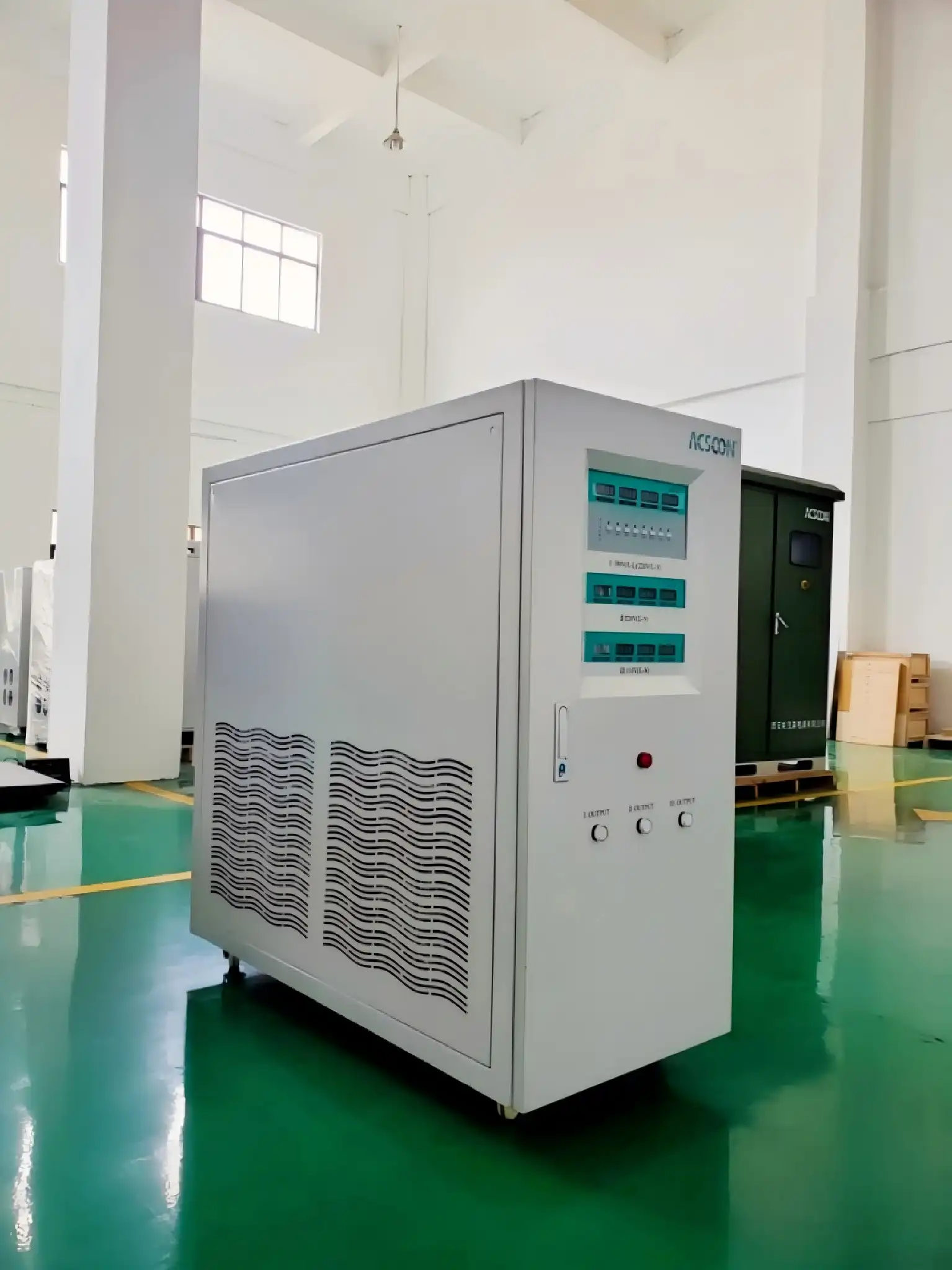
Understanding the Energy Efficiency of Three Phase Frequency Converters
Learn how to figure out how energy-efficient three phase frequency converters are.
Operational Principles Driving Efficiency
In the last twenty years, power transfer technology has changed a lot. Modern frequency converters use Insulated Gate Bipolar Transistors and complex Pulse Width Modulation methods to very precisely change fixed-frequency AC power into adjustable-frequency output. Older motor-generator sets had mechanical losses and needed a fixed amount of energy input, no matter what the load needs. Static converters, on the other hand, change the power supply on the fly. This basic difference saves a lot of energy, especially in situations where the load changes often, which happens a lot in industrial sites.
Key Factors Influencing Energy Performance
Several technical factors affect how well a translator works in real life. With precise frequency control, motors run at the best speeds, so they don't waste energy by going too fast or stopping mechanically. Load matching lets the converter give out just the right amount of power at any given time, so there is no waste from having too much on hand. Power factor adjustment technology lowers the amount of reactive power used, which would otherwise make energy bills go up for no reason. All of these traits work together to deal with the main sources of electricity waste in industrial power systems.
Thermal and Electrical Loss Considerations
There is always some energy loss in systems that change power. Electrical losses happen during power factor adjustment and filtering steps, while thermal losses mostly happen when semiconductors switch on and off. High-quality converters keep these losses to a minimum by using advanced cooling systems, switching speeds that work best, and high-quality parts. When buying, teams know that even a 95% efficient converter still turns 5% of the power it receives into heat, so they can figure out the right size cooling systems and the total cost of ownership. The benefit is clear when you compare it to mechanical converters, which often work at less than 85% performance.
Benefits Beyond Immediate Energy Savings
Adopting three phase frequency converter power transfer technology that uses less energy has benefits beyond lowering your electricity bills. Lower operating temperatures make devices last longer and require less upkeep. Less heat production in electrical rooms lowers the need for HVAC. Less harmonic distortion saves all of the building's vulnerable equipment. As energy use goes down, carbon loads get smaller, which has a positive effect on the environment. When systems work within their ideal limits instead of constantly being stressed by poor power delivery, equipment reliability goes up.
Technical Insights into Energy Savings with Three Phase Frequency Converters
Variable Frequency Technology and Waste Minimization
In centrifugal uses, there is a cubic rule that shows how motor speed affects power use. By 20%, you can cut the motor's speed and save almost 50% of its power. Utilizing this idea, variable frequency technology lets motors run at just the right speed for the current process needs, instead of always being at full speed with mechanical dampers or reducing valves limiting output. This one feature changes the costs of energy use in situations involving pumps, fans, compressors, and other common industrial equipment.
Efficiency Benchmarking Against Alternative Technologies
When you compare converter systems, you can see that they work very differently. Standard inverters that are mostly used to control motor speed may lower the quality of the pulse to save money, which can cause harmonics that waste energy and damage equipment. True frequency converters that create a pure sine wave with a total harmonic distortion (THD) of less than 2% give motors cleaner power that they can use more effectively. Even though motor-generator sets are very good at isolating noise, they lose a lot of energy through mechanical friction and need constant input power, even if the load changes. When you combine modern semiconductor technology with isolation transformers, you get static frequency converters that are more efficient while still providing the isolation benefits needed in sensitive applications.
Maintenance Practices Preserving Peak Performance
If you don't do regular upkeep, the energy economy goes down over time. When dust builds up on cooling fins, it makes it harder for heat to escape, which makes semiconductors work at higher temperatures, where switching losses are higher. When electrical connections aren't tight, resistance is created, which turns useful energy into waste heat. Power factor adjustment circuits lose their usefulness as capacitors age, causing reactive power use to rise. Setting up regular inspection plans that include thermal imaging, checking the connection torque, and testing the capacitors protects the efficiency benefits that made the original investment worth it.
Troubleshooting Common Efficiency Degradation Issues
Several signs point to decreasing performance that needs to be addressed. More internal losses or problems with the cooling system are two signs that working temperatures are going up. Utility bills that keep going up even though production stays the same could mean that power factor adjustment isn't working as well or that harmonic losses are going up. Motor burning means that the quality of the pattern is getting worse. When an annoying circuit breaker trips, it could mean that the input filtering is failing, causing more inrush currents. Finding these problems and fixing them right away keeps small problems from getting worse and leading to big losses in efficiency or broken equipment.
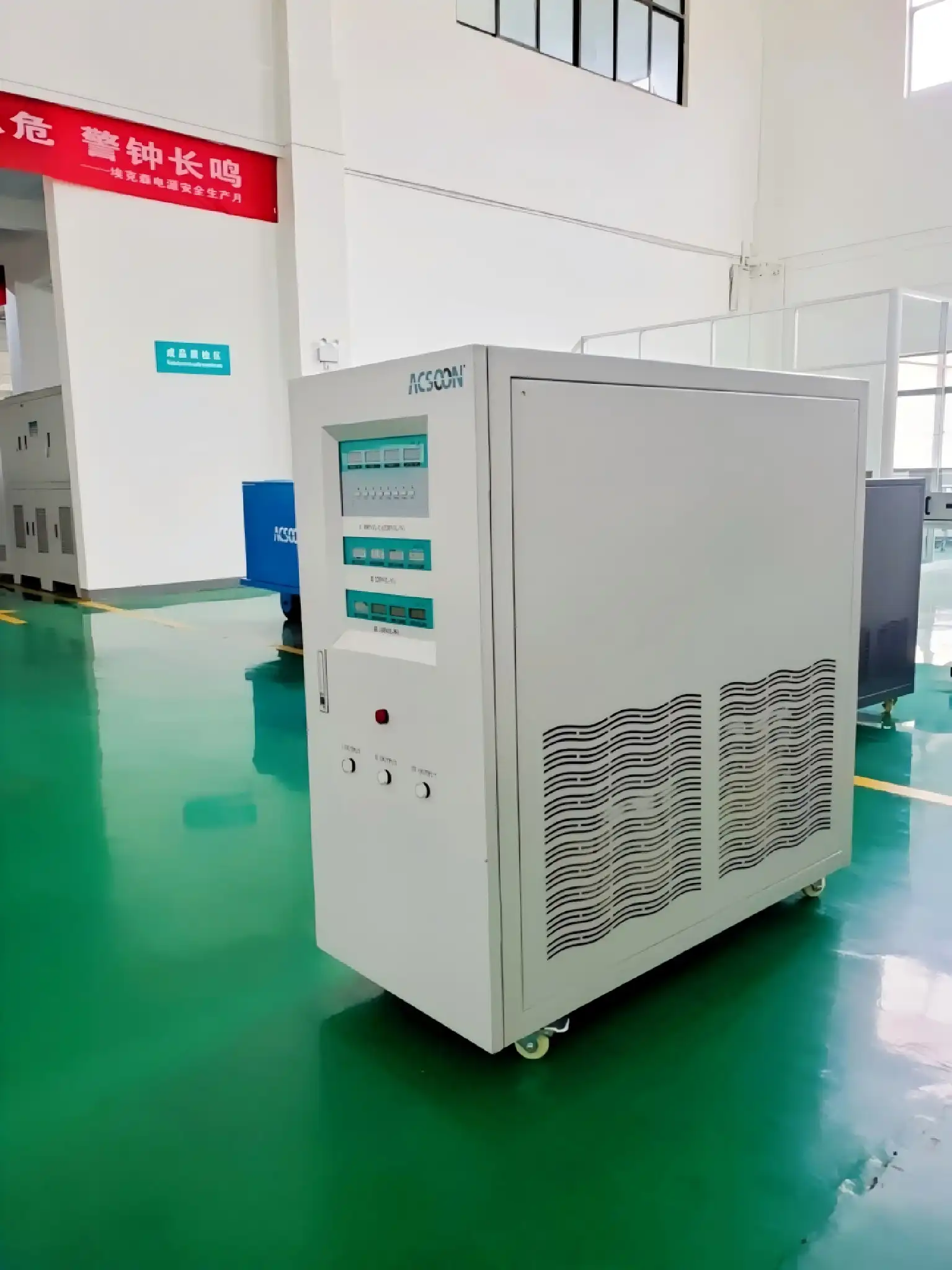
Industrial Applications Highlighting Energy Efficiency Gains
Manufacturing Sector Implementation
After using frequency converter technology, factories that use a lot of motors for things like conveyors, mixers, and processing equipment have been able to cut their energy use by 30% to 50%. In a normal situation, the speeds of the moving belts on a packaging line must be changed often to fit different types of products. Traditional systems with set speeds lost a lot of energy trying to keep the top speed, no matter how much throughput was needed. By adding frequency converters, the speed could be matched to the needs of production, which cuts down on energy use and wear on the conveyor's parts.
HVAC System Optimization
Large buildings' climate control systems use a lot of energy because fans and pumps are always running during business hours. By using variable frequency control on these systems, the flow of air and water can change based on the real temperature loads, not the planned maximums. Building management systems get data from temperature monitors and change the output frequencies of converters on the fly. In recorded installations, this method has saved more than 40% of energy while also making people more comfortable by allowing for more accurate control of the surroundings.
ROI Analysis and Payback Periods
Improving the energy efficiency of a three phase frequency converter has a direct effect on how well a business does financially. Find the yearly energy savings by comparing the initial energy use with measures taken after installation, assuming the same level of operation. To find out how much you'll save each year, multiply the number of kilowatt-hours saved by the area energy rate. To find the payback period, divide the total project costs (including tools, installation, and completion) by the amount of money that will be saved each year. Most commercial systems pay for themselves in 18 to 36 months, and they keep making money for many years after the converter stops working, which is usually more than 15 years.
Integration with Modern Power Infrastructure
Smart tracking systems that keep track of energy use at very specific levels are being added to more and more modern factories. Communication-enabled frequency converters work smoothly with these systems and give real-time information on operational parameters, power use, and efficiency measures. This level of awareness makes it possible to keep improving things and quickly spot problems. The converters work best when they are smartly connected to larger energy management plans, rather than being separate parts. This makes them more useful for reaching the overall economic goals of the building.
How to Choose an Energy-Efficient Three Phase Frequency Converter
Critical Selection Parameters
To choose the best tools, you have to compare a lot of technical specs to the needs of the application. The power level needs to be able to handle the highest load demands without being too big, which would lower the efficiency at low loads. Electrical changes that are too expensive to make are avoided when the input voltage is compatible with the current equipment. The output frequency range needs to be able to meet all operational needs, such as regular 50/60Hz conversion or the more specific 400Hz needs that are popular in aerospace uses. The overload capacity tells you if the converter can handle currents that start motors and short-term demand spikes without failing or degrading.
Efficiency Certifications and Standards Compliance
Reputable makers give you performance data that has been checked by a third party and follows standard testing procedures. Check to see if the converter meets the IEC 61800-9-2 guidelines that set the categories for how efficient they are. The CE mark means that the product meets European safety and electromagnetic compatibility standards. UL listing shows that the product meets North American safety standards. IP protection numbers tell you how resistant an area is to dust and water getting in. These certifications provide independent confirmation of what the maker says and make sure that the equipment is suitable for the settings in which it will be used.
Comparing Leading Manufacturers
ABB makes converters that are known for being built to last and working well in tough industrial settings. Their efficiency scores are always at the top of the range for their industry. Siemens focuses on its ability to work with robotic systems and gives customers a lot of ways to make their products fit specific needs. Mitsubishi focuses on small designs that do a great job of managing heat, which is useful in setups with limited room. Schneider Electric has strong technical support networks and prices that are reasonable, which makes it appealing to buying teams that want to save money. Knowing these differences helps match the strengths of the maker with the needs of the project.
Supplier Evaluation Beyond Equipment Specifications
The efficiency of the equipment is only one part of the value equation. Long-term happiness is greatly affected by how well a supplier is known for honoring warranties and providing quick technical help. When project deadlines drive purchase plans, delivery reliability is very important. Customization options decide whether standard goods can meet the needs of a specific application or if expensive changes need to be made. When remedial help is needed, the reaction time is affected by the presence of local service. When these factors are looked at along with technical requirements, the buying process goes more smoothly.
Future Trends and Innovations Enhancing Energy Efficiency
Digital Control and Artificial Intelligence Integration
New designs for three phase frequency converter converters use machine learning techniques to look at how they're used and automatically adjust the control settings to get the best performance in a variety of situations. These smart systems can pick up on small changes in the way a load works and make real-time changes to switching frequencies, modulation methods, and power factor adjustment. Early versions have shown that they are 2-4% more efficient than static code. These gains will continue to grow over time.
IoT Connectivity and Predictive Maintenance
Internet of Things technology lets converters send practical data to analytics tools in the cloud. These systems find problems as they start to form before they become major problems or lessen the system's efficiency. Vibration research can find worn bearings. Thermal data shows that the cooling system is breaking down. Motor problems can be found with current signature research. This proactive method stops unexpected downtime and keeps equipment running at its best for as long as possible.
Regulatory Developments Driving Adoption
More and more, governments around the world are requiring industrial tools to meet energy efficiency guidelines. The Ecodesign Directive of the European Union sets minimum energy standards for equipment that converts electricity. Similar rules in Asia and North America make people follow the rules, which encourages the use of new technologies. Many places also offer financial rewards, like tax breaks, faster depreciation, and utility refunds, for making certain energy-saving changes. Knowing about these programs helps make spending more reasonable and speeds up the approval process.
Sustainability and Competitive Positioning
Environmental factors are becoming more and more important in buying choices, going beyond just following the rules. Companies that want to be carbon neutral carefully watch how much energy they use in all of their activities. Partners in the supply chain are under a lot of pressure to show that they care about the earth. Power systems that use less energy help reach environmental goals and lower running costs at the same time. Because of these two benefits, making things more efficient is seen as an investment rather than an extra cost.
Conclusion
Power conversion technology has come a long way in terms of energy economy. This means that modern frequency converters are important parts of cost-effective industrial processes. There is a lot of proof that shows that choosing the right tools and keeping them in good shape can save a lot of energy and make them last longer. When comparing beginning costs to long-term practical savings, purchasing choices always lean toward high-efficiency converters, especially in situations with changing loads or continuous operation. Industrial buyers can make choices that improve both short-term performance and long-term value by learning about technical factors, judging the skills of suppliers, and keeping up with new technologies.
FAQ
Can frequency converters significantly reduce energy costs in existing facilities?
Case studies in manufacturing, HVAC, and processing applications show that energy cost reductions ranging from 25% to 50%, depending on application characteristics and previous system efficiency. Greatest savings occur in variable-load applications previously operating at fixed speeds with mechanical flow control.
What maintenance practices maximize converter efficiency over time?
Thermal imaging to find hot spots, connection torque verification to stop resistive losses, cooling system cleaning to maintain heat dissipation, and capacitor testing to ensure power factor correction effectiveness should all be part of regular inspection schedules. In most industrial environments, quarterly inspections typically suffice for most industrial environments, with monthly checks recommended in harsh conditions.
How can facilities verify actual energy savings after installation?
Set up meters to measure how much power is being used before installing the converter to get accurate standard data. Keep watching after installation under similar conditions of use. Find the savings by comparing how much was used during similar output times. A lot of new converters have built-in meters that give you information about how efficient they are in real time and over time.
Partner with JERRYSTAR for Energy-Efficient Power Solutions
Xi'an Jerrystar Instrument Co., Ltd. is an expert in manufacturing ACSOON brand power converters that are designed to work in harsh environments like laboratories, military bases, airplanes, and ships. Our factory, which is between 5,000 and 10,000 square meters, makes high-performance variable frequency converters, 400Hz static frequency converters, and specialized ground power equipment. We have a lot of experience as a three phase frequency converter manufacturer, so we can quickly meet pressing needs and give full customization for special needs. Our professional team has a lot of experience with power systems in the military and in airplanes, so we can make sure that the options we offer are the best ones for important uses. Contact our experts at acpower@acsoonpower.com to talk about your specific power conversion needs and find out how energy-efficient JERRYSTAR converters can save you money and keep your business running smoothly.
References
1. IEEE Power Electronics Society, "Efficiency Standards and Testing Protocols for Industrial Frequency Converters," IEEE Transactions on Industrial Electronics, 2021.
2. International Electrotechnical Commission, "IEC 61800-9-2: Adjustable Speed Electrical Power Drive Systems - Part 9-2: Ecodesign for Power Drive Systems, Motor Starters, Power Electronics and Their Driven Applications," 2017.
3. U. S. Department of Energy, Industrial Technologies Program, "Variable Frequency Drive Systems: Energy Savings Potential and Best Practices," 2019.
4. European Copper Institute, "Motor Systems Energy Efficiency: Comparing Technologies and Applications," Brussels, 2020.
5. Bose, Bimal K., "Power Electronics and Variable Frequency Drives: Technology and Applications," IEEE Press, Third Edition, 2018.
6. Motor and Drive Systems Assessment Tool (MotorMaster+), "Life Cycle Cost Analysis of Variable Speed Drive Applications," U.S. Department of Energy, 2022.