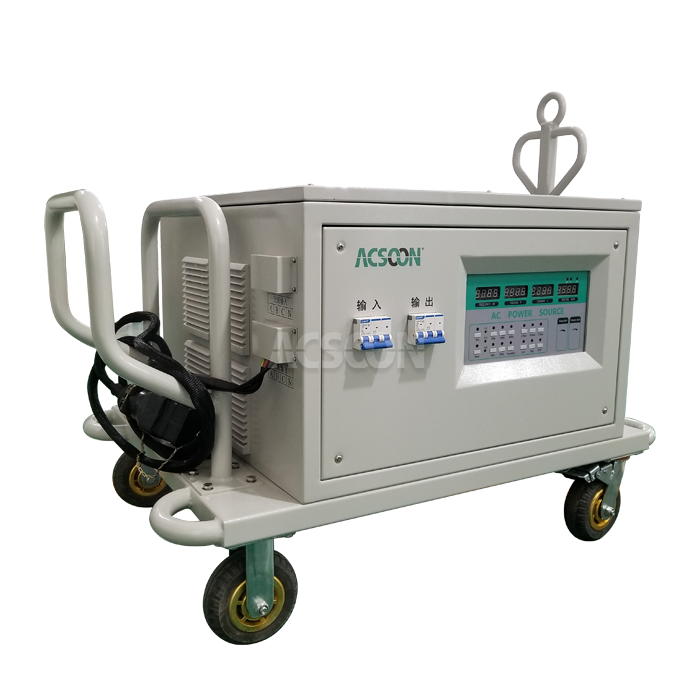
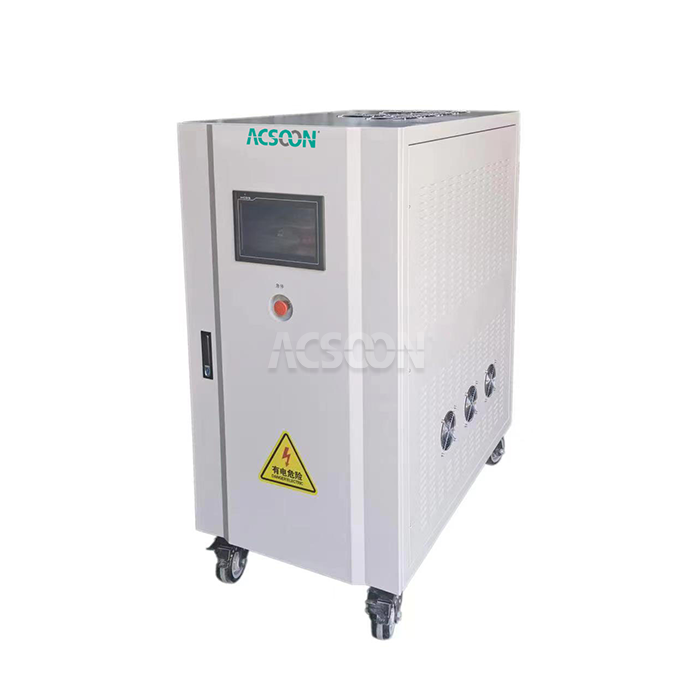
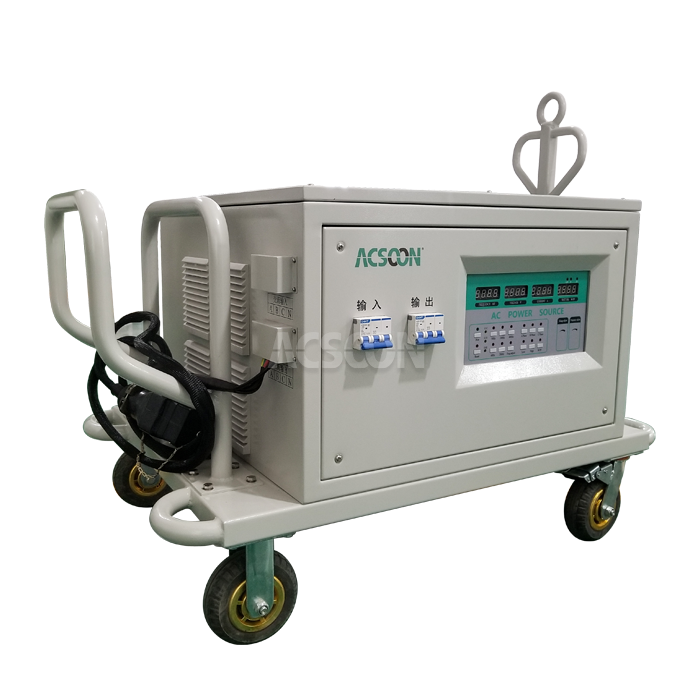
What Industries Use 50 Hertz to 60 Hertz Converters Most?
50 hertz to 60 hertz converter technology is used a lot in fields from green energy to flight to meet the needs of different countries' power standards. The areas that count on 50 hertz to 60 hertz converter devices the most are maritime operations, industrial manufacturing, lab testing facilities, military sites, and telecommunications data centers. When equipment made for one frequency standard meets a power grid that doesn't work with it, it can cause problems for these industries. To keep working, protect important assets, and make sure that regulations are followed across borders, they need strong 50 hertz to 60 hertz converter solutions.
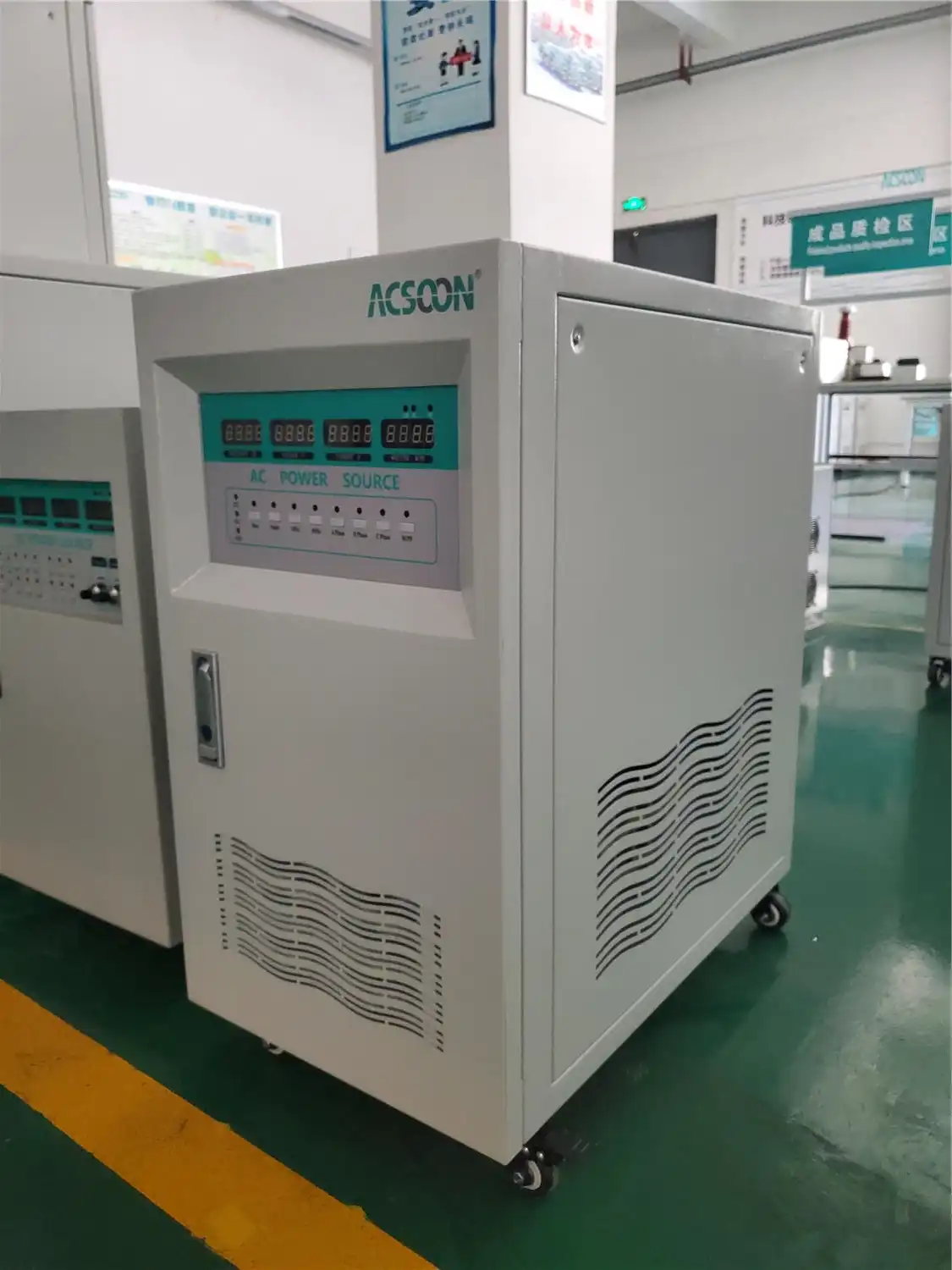
Understanding 50Hz to 60Hz Frequency Converters
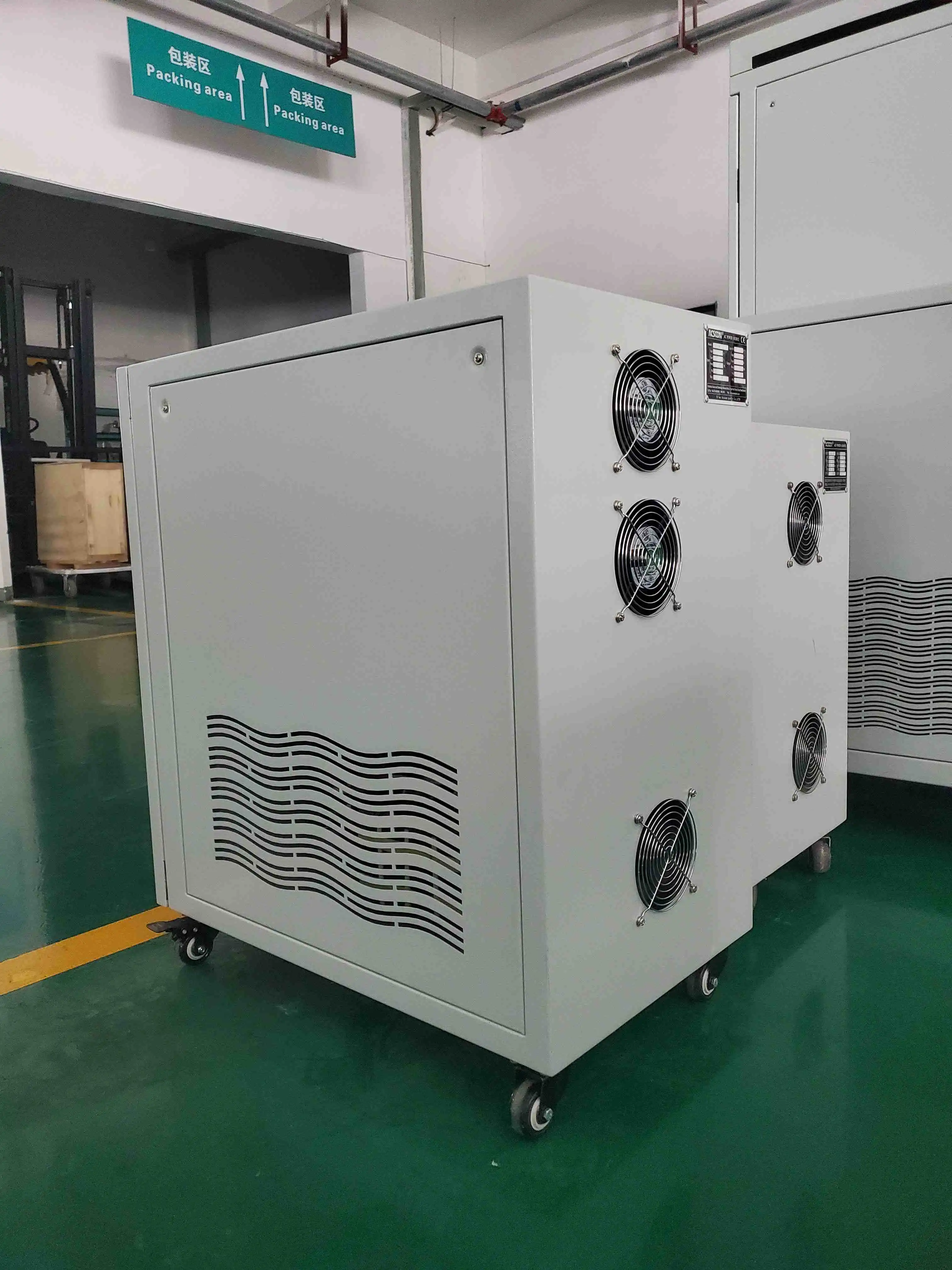
With the help of complex power electronics, a 50-hertz to 60-hertz converter changes electricity from one frequency standard to another. 50 hertz to 60 hertz converters fully rebuild the power waveform, while voltage changers only change the electrical potential. The device uses a double-conversion architecture: first, incoming 50 hertz alternating current is rectified into direct current; then, it is inverted back into clean 60 hertz alternating current using IGBT technology for Pulse Width Modulation control.
This process of change fixes important equipment flaws. If you run a 50-hertz induction motor on 60-hertz power without the right change, the speed of spinning goes up by about 20%. This causes too much centrifugal stress, cooling systems to get too hot, and mechanical failure to happen faster. On the other hand, using 60 hertz equipment with 50 hertz power lowers its output and can lead to time problems in devices that depend on line frequency for internal synchronization.
50 hertz to 60 hertz converters made for professionals have Total Harmonic Distortion levels below 3%, frequency stability within ±0.01 hertz, and voltage control accuracy within ±1%. These requirements keep sensitive devices safe while keeping operations precise. The galvanic isolation that comes with converting AC to DC to AC gets rid of ground loop interference and gives you clean power that isn't affected by changes in the electric grid. A 95% energy efficiency level lowers running costs, and an overload capacity of 150% load for 60 seconds handles motor inrush currents during starting. Devices that have been certified by CE, UL 1741, and IEEE 519 show that they meet international standards for safety and harmonic control.
Key Industries That Rely on 50Hz to 60Hz Converters
A 50 hertz to 60 hertz converter technology is needed by many industries to keep working across foreign borders. Knowing about these businesses helps buying teams find uses for 50-hertz to 60-hertz converters that give them a clear return on their investment.
Aviation and Aerospace Operations
Ground support equipment for aircraft often works at specific frequencies. Maintenance shops that work on planes for foreign fleets come across tools made for different power standards. Ground power units that provide electricity to planes while they are being serviced must exactly match the needs of the systems on board. To mimic flight conditions, testing labs that are making sure that avionics parts work need steady, controllable frequency sources. With 50 hertz to 60 hertz converters, these facilities can work with a wide range of airplanes without having to keep different power systems for each frequency standard. The flight industry needs 50 hertz to 60 hertz converters to be very reliable, so quality and approval are very important.
Military and Defense Applications
Military bases use equipment that comes from all over the world, which means that frequencies don't always work with each other. Defense companies that test parts for partners around the world need power systems that can be adjusted easily. Military groups that are sent to different countries need portable 50 hertz to 60 hertz converters to power communications and surveillance gear that is sensitive to power, no matter what the local grid standards are. Power systems on military ships often don't work the same way as power systems in foreign cities. Mission-critical systems stay ready to go by using 50 hertz to 60 hertz converters that meet MIL-STD standards for dependability. When it comes to defense, tough building, quick deployment, and customization choices that meet specific operating needs are all very important.
Marine and Maritime Industry
50 hertz to 60 hertz converter problems are hard to solve when sending goods across international borders. Ships that were built to work at 50 hertz must still be able to do everything they need to do when they dock at 60 hertz North American ports. 50 hertz to 60 hertz converters used in shore-to-ship power systems let ships turn off their backup engines when they are docked, which cuts down on fuel use, pollution, and noise. Stable frequency-matched power is needed for the ship's HVAC systems, galley equipment, tracking technology, and machinery that moves goods. Cruise ships that go on international lines have 50 hertz to 60 hertz converters on board to make sure that the comfort systems for passengers work properly, no matter where the port is. Maritime 50 hertz to 60 hertz converters have casings that don't rust and are rated IP54 or higher, so they can work in tough saltwater settings.
Industrial Manufacturing and Production
Frequency mismatches happen all the time in global manufacturing operations that move machines between sites. Accurate motor speeds are needed for CNC machines, cloth equipment, and automatic production lines to produce good work. When North American companies buy equipment made in Europe, they need to convert the frequencies to keep the original torque-speed curves and production accuracy. Motor-driven pumps, conveyors, and rollers work outside of their designed limits if they are not properly converted. This lowers the quality of the product and speeds up the wear on the parts. Manufacturers like flexible scaling in 50 hertz to 60 hertz converters because it lets them add more power as production needs rise without having to replace whole systems.
Laboratory Testing and Research Facilities
Research and development labs that test goods for sale in other countries need frequent sources that they can manage. Before sending electronics to other countries, companies that make them test them by simulating the power grid conditions there to make sure they work properly. Accurate frequency control is needed in university research sites that study how power systems work. A high-quality 50 hertz to 60 hertz converter is needed for environmental testing rooms that put equipment through extreme temperature changes while keeping the electrical factors stable. For pharmaceutical labs that use analytical tools from other countries, 50 hertz to 60 hertz converters are needed to keep the sensitive measurement equipment safe. To keep measurement accuracy, the lab needs very low electromagnetic interference, very little harmonic distortion, and very stable frequency.
Telecommunications and Data Centers
More and more, telecommunications equipment crosses countries, which makes frequency compatibility difficult. UPS systems that protect important data center equipment may come from places with different power standards. Frequency matching is needed to keep backup generators in sync with power lines and avoid synchronization problems during transfer. When cell tower equipment is used in other countries, it needs to be powered in a way that meets local standards. 50 hertz to 60 hertz converters make sure that telecoms networks can keep the integrity of their signals even if the power grid changes. When choosing 50 hertz to 60 hertz converter tools, data center managers look for things like speed, redundancy, and the ability to watch from afar.
How to Select the Right 50Hz to 60Hz Frequency Converter for Your Industry
To choose the right 50 hertz to 60 hertz converter tools, you need to carefully look at the technical needs, practical limitations, and quality standards. In the decision-making process, short-term needs are weighed against long-term business costs and standards of dependability.
Assessing Equipment Requirements
First, write down how sensitive each piece of equipment is to frequency. Find out if the loads are made up of resistive heating elements, magnetic motors, or sensitive electronic circuits, because each reacts to changes in frequency in a different way. Figure out how much power is needed overall, taking into account starting surge currents that could be 300% or more of the steady-state load. Find out the voltage requirements and make sure that the output of the 50 hertz to 60 hertz converter fits the equipment's nameplate values. Look at the temperature range, humidity levels, dust exposure, and vibrations in the surroundings that can change the choice of a 50 hertz to 60 hertz converter and the grade of the enclosure.
Static Versus Rotary Conversion Technology
In addition to being small and quiet, static 50 hertz to 60 hertz converters that use solid-state electronics don't need much upkeep. They give precise frequency control and respond quickly to changes in load, which makes them perfect for sensitive electronics and uses that need precise frequency stability. Moreover, rotary 50 hertz to 60 hertz converters that use motor-generator sets can handle higher overloads and some motor loads better, but they need more room and need to be serviced more often. Modern systems mostly use static technology because it is more efficient, takes up less space, and has advanced digital control features that let you watch and diagnose problems from afar.
Technical Specifications and Compliance
Check the power levels to make sure there is enough capacity and 20 to 30 percent extra space above the highest expected load. Check to see how the economy scores affect how much it costs to run the 50 hertz to 60 hertz converter over its lifetime. Make sure that the specs for harmonic distortion meet IEEE 519 standards so that they don't interfere with sensitive equipment. Make sure that the frequency stability tolerances are right for the purpose. For example, laboratory use needs stricter tolerances than general business use. Check the safety approvals, such as the CE mark for use in Europe, the UL mark for use in North America, and any military standards that apply for use in defense situations. Check the design of the cooling system. For most uses, forced-air cooling is enough, but liquid cooling is needed in harsh areas or for high-power setups.
Supplier Evaluation and Support Services
Work with companies that have a track record of being good at 50 hertz to 60 hertz converter technology. This dedication is shown by Xi'an Jerrystar Instrument Co., Ltd., which focuses on making ACSOON brand power transfer tools for use in laboratories, military bases, airplanes, and ships. Make sure that sellers keep enough stock on hand so that they can quickly meet urgent operating needs. Check to see if the editing options allow for changes to the specifications that meet the needs of each application. Review the terms of the guarantee, the availability of expert help, and the ease of access to spare parts to make sure that operations will continue for a long time. Application engineering help from suppliers helps choose the best 50 hertz to 60 hertz converters and integrate them better.
Procurement Guide: Sourcing 50Hz to 60Hz Frequency Converters
Strategic buying is more than just finding the lowest price to buy something. Total cost of ownership, source dependability, and logistical issues that affect business readiness are all things that good sourcing strategies take into account.
Buying straight from producers is often more cost-effective than buying through distributors. Direct connections let you talk about technical issues with programming teams that know how to use specific features. Xi'an Jerrystar Instrument Co., Ltd. is one example of a manufacturer that does business from a 5,000 to 10,000 square meter plant in Shaanxi Province, China. They offer both standard goods and custom-engineered solutions. Their work on military and aviation power systems shows that they have a lot of scientific knowledge that can be used in a wide range of challenging industries.
Check the supplier's qualifications by calling past customers and looking at their business registrations and quality certifications. Ask for precise information like full specs, test results, and certificates of compliance. Before you decide to buy a lot of units, test some sample units under real load situations. Find out the total cost of ownership, which includes the price you paid for the item, the cost of installation, how much you think it will cost to run on energy based on its rating, and how much upkeep you think it will need over its predicted lifetime.
Real-World Case Studies: Industries Benefiting from 50Hz to 60Hz Conversion
50 hertz to 60 hertz converter technology answers real operational problems in a wide range of businesses, as shown by real-life cases. These case studies show how proper 50 hertz to 60 hertz converter execution can lead to measurable results.
A company that makes parts for cars moved precise cutting equipment from Germany to a plant in Tennessee. The machines were made to work at 50 hertz, but at first, they had problems with speed fluctuations that hurt the quality of the surface finish. Putting in static 50 hertz to 60 hertz converters recovered the performance of the original equipment, got rid of the need for rejected parts, and increased production output by 18%. Within seven months, the investment was paid for by less trash and more capability.
A green energy company tried to add European wind turbine controllers to a wind farm in Texas, but ran into problems with keeping the grid in sync. The turbine 50 hertz to 60 hertz converters were set up for a 50 hertz grid frequency, but they had a hard time staying in phase with the 60 hertz power source. Using industrial-grade 50 hertz to 60 hertz converters as separation walls made the integration go smoothly. This increased power transfer efficiency by 12% and lowered controller failure rates by 65% during the first year of operation, which was the most important.
Conclusion
50 hertz to 60 hertz converter technology makes international trade possible by getting rid of power standard hurdles that would make it harder to use tools and work together across borders. A 50 hertz to 60 hertz converter is very important for industries like aviation, defense, marine, industrial, labs, and telecommunications to keep working well across countries. To choose the right 50 hertz to 60 hertz converter tools, you need to know the technical specs, check out the seller's skills of the seller, and figure out the total ownership costs that go beyond the initial purchase price. Working with specialized makers that offer customization, enough inventory, and quick technical support is the best way to make sure that the implementation goes smoothly and that operations stay uninterrupted for a long time. 50 hertz to 60 hertz converters are more useful than just making sure that two pieces of equipment can work together. They also make equipment more reliable, give you more operating freedom, and help you follow the rules. This makes the investment worth it because the assets last longer and are less likely to break down.
FAQ
Can 50Hz equipment operate safely on 60Hz power without conversion?
Using equipment at the wrong frequencies changes its performance right away and speeds up long-term breakdown. When power is 60 hertz instead of 50 hertz, motors run 20% faster, which increases mechanical stress, heat production, and noise levels. Devices that depend on timing have problems working. Some resistive loads can handle changes in frequency, but motor-driven equipment and sensitive electronics need to be properly matched to frequency to keep them working as expected and avoid premature failure.
What distinguishes frequency converters from voltage transformers?
Through electromagnetic induction, transformers can change the voltage, but they can't change the frequency. Electrical power is fully rebuilt by 50 hertz to 60 hertz converters, which change input power to DC and then regenerate output at the desired frequency and voltage. Transformers are used for different things and can't be used instead of a 50 hertz to 60 hertz converter when equipment needs to work at a certain frequency.
How do I determine appropriate converter power ratings?
Find the total linked load, which includes all the equipment that is running at the same time. Include an extra 20 to 30 percent of capacity to account for motor starting currents and future growth. Check to see if the 50 hertz to 60 hertz converter can handle the surges of power that happen when equipment starts up. If the temperature outside is higher than the normal ratings or the placement is higher than sea level, check the manufacturer's instructions for de-rating factors.
Partner with JERRYSTAR for Reliable 50 Hertz to 60 Hertz Converter Solutions
Xi'an Jerrystar Instrument Co., Ltd. is ready to help you with your 50-hertz to 60 hertz converter needs. They have a lot of experience working with aircraft, military, marine, and industrial uses. Our ACSOON brand 50 hertz to 60 hertz converters give demanding operations the technical dependability, customization options, and quick rollout they need. As a business that both makes and sells things, we keep things in stock so that we can serve quickly and offer custom engineering for specific needs.
Our expert team can help you choose the right equipment for your needs, whether you need ground power equipment, changeable 50 hertz to 60 hertz converters, or specialized 400Hz systems. Our 5,000–10,000-square-meter factory in Jinghe New Town makes 50 hertz to 60 hertz converters that meet foreign certification standards. At the same time, our sales operations find equipment that works with our 50 hertz to 60 hertz converters to make full power solutions. Purchasing managers looking for a reliable 50 hertz to 60 hertz converter source will find that our technical depth, manufacturing skills, and quick response time meet both short-term and long-term business goals.
Email our team at acpower@acsoonpower.com to talk about your particular needs. During the purchase, installation, and operational phases, we offer thorough technical advice, customized quotes, and full support. Let JERRYSTAR become your reliable partner for 50 hertz to 60 hertz converter solutions that make tools work better with each other and improve operating efficiency around the world.
References
1. International Electrotechnical Commission (IEC). "IEC 60038: Standard Voltages and Frequencies for Electrical Supply Systems." Geneva: IEC Publications, 2021.
2. Mohan, Ned, Tore M. Undeland, and William P. Robbins. "Power Electronics: Converters, Applications, and Design, Fourth Edition." Hoboken: John Wiley & Sons, 2018.
3. Bose, Bimal K. "Power Electronics and Motor Drives: Advances and Trends, Second Edition." Cambridge: Academic Press, 2020.
4. Institute of Electrical and Electronics Engineers. "IEEE Standard 519: Harmonic Control in Electric Power Systems." New York: IEEE Standards Association, 2014.
5. Society of Automotive Engineers. "ARP1676: Guide to the Application of Military Standard MIL-STD-704 to Civil Aircraft." Warrendale: SAE International, 2019.
6. Marine Technology Society. "Shore-to-Ship Power Systems: Technical Requirements and Implementation Guidelines for Ports." Washington: MTS Publications, 2022.