




What Applications Use Solid State Ground Power Units Today?
Solid state ground power units have become essential across critical industries requiring dependable, clean electrical power. These advanced systems serve aviation operations at commercial airports and military airbases, support sensitive equipment in industrial manufacturing facilities, power marine vessels during dock procedures, and enable precise laboratory testing environments. Unlike diesel-powered alternatives, solid-state technology delivers consistent 400Hz power without emissions or mechanical wear, making these units indispensable for aircraft maintenance, military deployments, and mission-critical applications where power quality directly impacts safety and operational success.
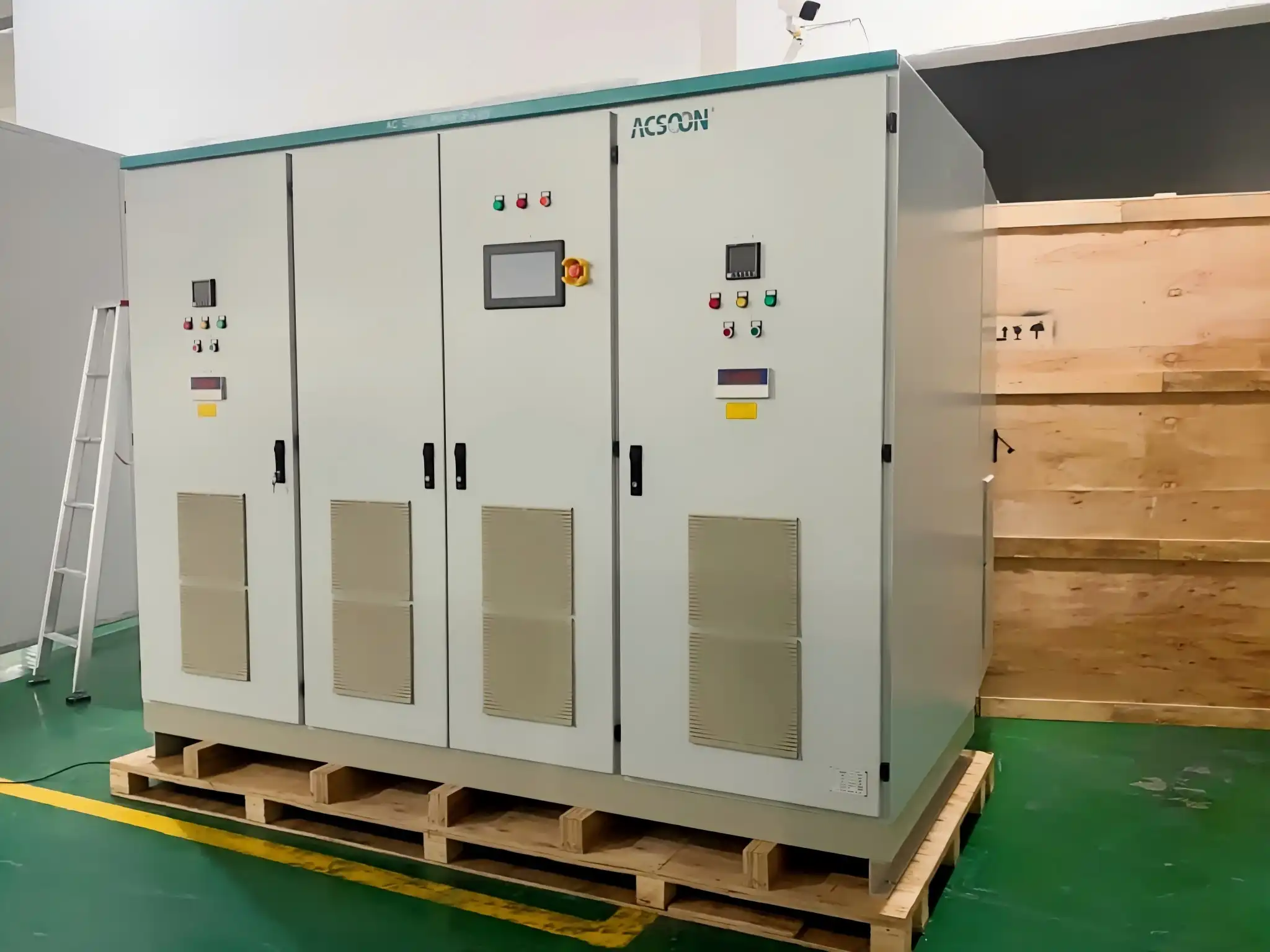

Understanding Solid State Ground Power Units and Their Core Features
The Technology Behind Solid State Power Conversion
Solid state ground power units use Insulated Gate Bipolar Transistor (IGBT) technology along with Pulse Width Modulation (PWM) control to change regular electricity from the power grid into specific voltages and frequencies. In contrast to mechanical systems that use spinning engines, this semiconductor-based method doesn't use any moving parts at all. When 50Hz or 60Hz AC power comes in, it is rectified to DC power. Then, it is inverted through carefully managed switching to make 400Hz AC at 115V/200V three-phase output.
Superior Efficiency and Environmental Performance
The efficiency benefit is clear right away in practical statistics. Modern solid-state ground power units have a conversion rate of more than 93%, while rotor converters only get 75–80%, and diesel engines only get 60–65%. This means that the amount of energy used per hour of operation is lower. Zero-emissions operation also helps green airport efforts and gets rid of the need for Scope 1 carbon reporting, which is important because environmental laws are getting stricter and affecting procurement choices.
Enhanced Reliability Through Simplified Architecture
With solid-state ground power units, we've seen upkeep costs drop by a huge amount. Since there aren't any motors, alternators, fuel systems, or lubrication needs, routine upkeep is limited to cleaning the filter and checking the electrical connections. Mean time between failures (MTBF) for units working in harsh settings like desert airbases and coastal docks is more than 50,000 hours, while diesel versions only last 8,000 to 12,000 hours. This difference in dependability has a direct effect on how much it costs to own something.
Primary Applications of Solid State Ground Power Units Today
Aviation Ground Operations and MRO Facilities
Solid state ground power units are put at passenger boarding bridges at commercial airports so that planes can be powered during turning operations without having to run their backup power units (APUs). This app lowers ramp noise to less than 65 decibels, makes the air quality better for ground workers, and lowers the amount of fuel used by airplanes. The ACSOON GPU-33050 model, which has a 50kVA output and a 3-phase 115V/200V output at 400Hz, is an example of a solution that was specifically designed for flight repair areas where an APU can't be used.
For avionics tests and system monitoring, maintenance, repair, and overhaul hangars need longer power supplies. The very low Total Harmonic Distortion (THD) of less than 2% at constant load keeps "dirty power" from hurting expensive glass cockpit screens and flight control computers. Line drop compensation changes the voltage output automatically to account for the length of the cable. This makes sure that power is exactly controlled and gets to aircraft plugs, no matter how far away they are.
Military and Tactical Deployments
For military use, ruggedized equipment that can be quickly deployed in harsh settings is needed. On forward operation bases, fighter jets and transport planes need quiet power, which doesn't give off any emissions and won't mess up critical communications gear. Military planes need solid-state ground power units that meet MIL-STD-704F standards for electromagnetic compatibility (EMC), and units with IP54 or better ingress protection can handle the sand, dust, and humidity that come with expeditionary operations. The 300–400% sudden overload capacity is very important for starting engines because it allows surge currents to flow without voltage dropping. We've written down deployment situations where portability and instant access determined mission readiness—factors where the need for diesel generators to warm up and be maintained caused operational weaknesses.
Marine and Shipyard Applications
Ships that are in dry dock or near a pier for repair need shore power connections that work with the electrical equipment on board. These solid-state ground power units can provide both 400Hz flight power for carrier-based planes and 60Hz power for ship systems because they can change frequencies. This means that less equipment needs to be kept on hand. Output transformers protect against ground fault dangers with galvanic separation. This is especially important in marine settings.
Industrial Manufacturing and Testing Laboratories
These power sources are used in precision manufacturing for equipment that needs a stable frequency and voltage. Testing aerospace parts in real-world situations is possible with variable frequency converters that can create 400Hz. For repeatable tests and to protect sensitive equipment, research and development labs ask for solid-state ground power units with very good voltage control (usually within ±1%).
Modern solid-state ground power units can be changed to fit a wide range of business needs because they are flexible. The voltage and frequency choices on the ACSOON brand can be changed to fit a wide range of needs, from making semiconductors to curing composite materials. This is because power quality directly impacts the specs of the finished product.
Comparing Solid State Ground Power Units with Traditional Alternatives
Operational Cost Analysis
Lifecycle cost studies show that solid state ground power units have big benefits. Initial capital costs may look about the same for Tier 4 gasoline units, but ongoing costs are very different. Diesel engines use about 3 to 5 gallons of fuel per hour when they are working at full capacity. For units that run for 2,000 hours a year, this means that the annual fuel costs are more than $15,000. Maintenance like changing the oil, filters, and injectors costs an extra $8,000 to $12,000 a year. Fuel costs are completely eliminated by solid-state ground power units, and upkeep costs are cut by 70–90%. Over the course of 15 to 20 years, the total cost of ownership differences is more than $200,000 per unit, which changes how buying returns on investment are calculated. These savings directly help government procurement offices and business companies that are having trouble with their budgets.
Environmental and Regulatory Compliance
Emission-free running has benefits that go beyond caring for the earth. Local noise laws and air quality guidelines are getting stricter for airport managers. Nitrogen oxides, particulate matter, and carbon monoxide are all made by diesel engines and add to violations in non-attainment areas. Solid-state ground power units don't make noise and don't release any pollution, so they don't pose these compliance risks. They also help companies keep their environmental promises, which are being more closely watched by stakeholders.
Performance Under Variable Conditions
The ability to control temperature is another clear benefit. Diesel engines lose performance when the temperature and altitude are high. Power output drops by 3% for every 1,000 feet above sea level and by 1% for every 10°F above normal. Solid-state ground power units keep their rated power even when the temperature is as low as -40°C or as high as +55°C. This means they work the same way in Arctic airbases and sites in the desert.
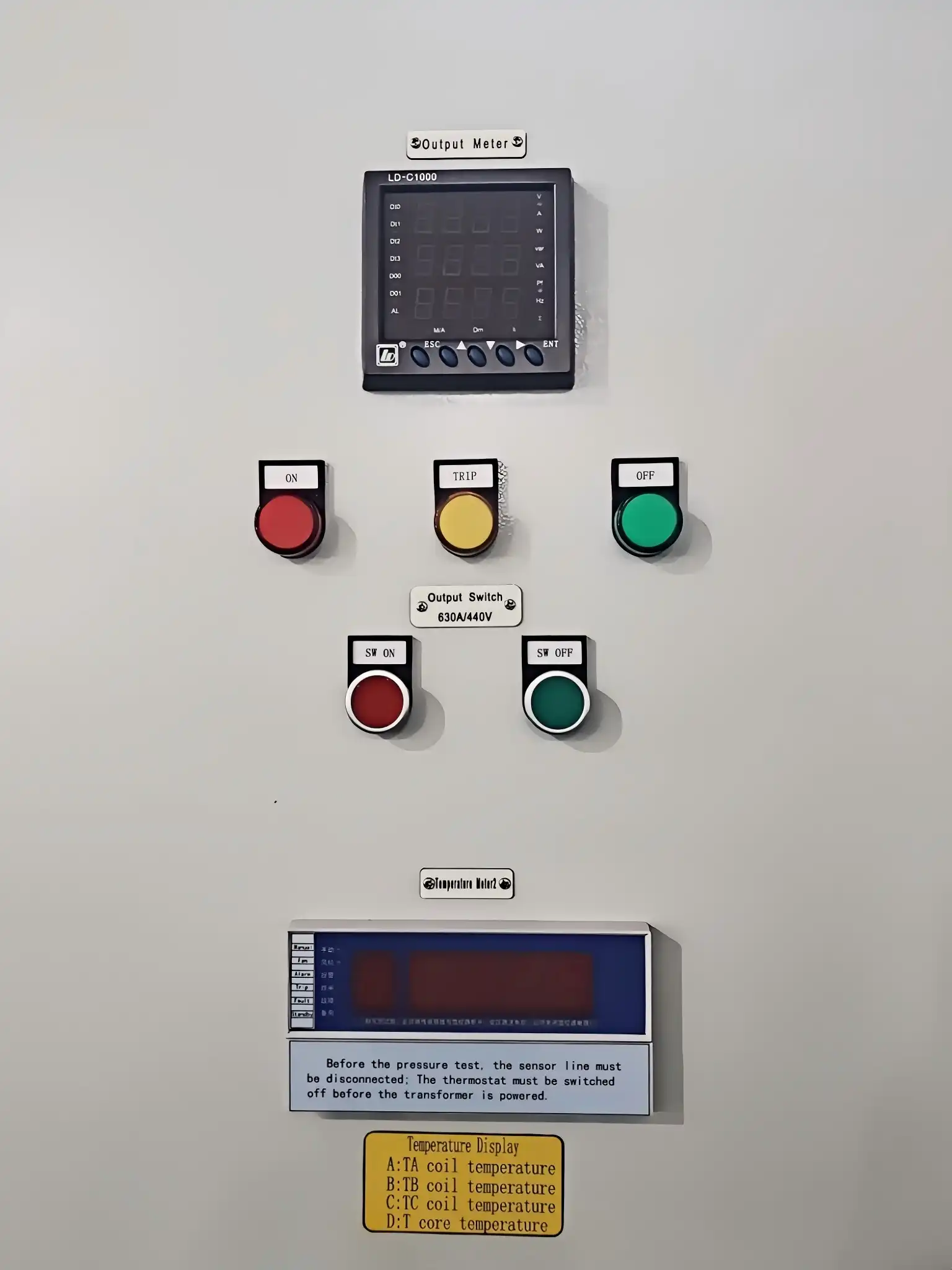
How to Select and Procure the Right Solid State Ground Power Unit for Your Business
Assessing Technical Requirements
Load estimates are the first step in making choices about which solid state ground power unit to buy. The aircraft specs list the necessary kVA capacity, voltage type (115V or 200V), and phase requirements. Most narrow-body commercial and military combat planes can use the GPU-33050's 50kVA rating. Wide-body jets, on the other hand, may need 90kVA or 120kVA units. Knowing the high surge needs during engine start keeps you from undersizing, which hurts durability. The specs of tools are affected by the environment. For locations near the coast, marine-grade shelters and conformal coatings on printed circuit boards are needed to protect them from corrosion. For mobile use, designs need to be tough, with shock mounts and transport cases; for stable systems, cable management and building integration are more important.
Evaluating Supplier Qualifications
Managers in charge of buying things should check that the company's certifications show that it meets the standards that apply, such as ISO 6858 for tools used on the ground to support aircraft, EN 62040-1 for safety, and appropriate military specs for defense uses. We suggest that you ask for written proof of the testing procedures for your solid-state ground power unit, which should include the full-load burn-in time, harmonic distortion measures, and transient reaction characteristics. Comprehensive quality assurance is shown by Xi'an Jerrystar Instrument Co., Ltd., which does full-load performance testing, outdoor stress screening, EMC proof, and thermal imaging analysis. This multi-stage proof makes sure that the equipment works well in real-world situations, which lowers the risk of buying it.
Support Infrastructure and Training
Long-term business success depends on how well the maker can help. Check to see if the warranty for the solid-state ground power unit covers both parts and work, how long it usually takes to get expert help, and if replacement parts are available. Making sure that repair workers understand diagnostic methods and safety rules through training programs increases the uptime of equipment and the safety of operators. The ability to customize configurations meets specific needs that normal catalog goods can't meet. Because ACSOON supports OEM relationships and lets frequency and voltage settings be totally customized, procurement teams can get exactly what they need without having to make the trade-offs that come with off-the-shelf options.
Future Trends and Innovations in Solid State Ground Power Units
Smart Grid Integration and Remote Monitoring
New designs for solid state ground power units include connections to the Internet of Things (IoT), which lets SCADA systems do centralized tracking. Tracking power use, working temperatures, and fault conditions through real-time data helps with predictive repair plans that avoid unplanned downtime. Connecting to energy management systems at an airport or building makes it easier to spread out the work and give the right amount of money to each plane or production line.
Modular Architecture and Scalability
Different load needs can be met by modular designs that let multiple solid-state ground power units work together in parallel. These designs also provide resilience. This design can increase capacity from 30kVA to 150kVA+ by using standard modules. This cuts down on the need for extra parts and makes training for maintenance easier. Hot-swappable parts cut down on fix downtime, which is important for businesses that don't have backup equipment.
Advanced Power Electronics and Efficiency Gains
Silicon carbide (SiC) semiconductor technology offers conversion efficiencies of up to 96% for the next-generation solid-state ground power unit, smaller areas, and less need for cooling. These gains in efficiency lower running costs directly and make it possible to design things that use more power. We expect the next version of units to have 50% more output while still fitting into the same-sized enclosures. This will help with room issues in crowded ramp areas and on ships.
Sustainability and Circular Economy Initiatives
Manufacturers are putting more and more emphasis on recycling and reusing parts. Because modular designs allow for selected repair instead of replacing whole solid-state ground power units, they can last longer than 25 years and still be cost-effective. Peak shaving and renewable energy integration are made possible by battery energy storage integration. This makes ground power systems active players in building microgrids instead of simple loads.
Conclusion
Solid state ground power units offer clear practical benefits that meet the most important needs for technical dependability, customization, and quick support in industry, military, maritime, and aviation settings. Eliminating mechanical parts, providing better power quality, and protecting the environment all lead to significant lifetime cost savings while meeting stricter regulatory standards. Strategic buying choices based on in-depth technical analysis, seller qualification assessment, and alignment with practical needs allow companies to take advantage of tried-and-true technology that improves task capability while lowering the total cost of ownership.
FAQ
What maintenance schedule should we follow for solid state ground power units?
Diesel generators need to be inspected every week and have their fluids changed every month. Solid state ground power units, on the other hand, only need to have their electrical connections visually checked every three months and their filters cleaned once a year for air-cooled models. Every year, check the capacitor banks, and every 12 to 18 months, make sure the voltage and frequency control is still calibrated. Compared to regular equipment, this simplified repair plan cuts the amount of work that needs to be done by about 80%.
How do solid state units handle high inrush currents during aircraft engine starting?
Professional-grade solid-state ground power units have a soft-start feature and are designed to handle overloads of 125% for 600 seconds and 300–400% for short periods of time. The IGBT-based inverter design reacts to changes in load within milliseconds and keeps voltage control within ISO 6858 standards during the starting process. This performance keeps voltage changes from hurting both the ground power unit and the aircraft's electrical systems.
Does equipment require special electrical infrastructure for installation?
Three-phase industrial power at 380V, 50Hz (or the right voltage for your area) is a good supply. Solid-state ground power units have built-in correction and conversion, so they only need circuit safety that is the right size. Dedicated lines are good for fixed setups, while standard industrial power distribution is used for mobile uses. Talk to the manufacturer about how to match the input needs to the power that is available at the site.
Partner with JERRYSTAR for Reliable Solid State Ground Power Solutions
ACSOON brand power converters are made by Xi'an Jerrystar Instrument Co., Ltd. and are designed to work in tough flight, military, marine, and industrial settings. Our GPU-33050 solid state ground power unit provides 50kVA of power and lets you fully customize the frequency and voltage. It has also been through a lot of tests, such as component-level checks, full-load performance validation, EMC verification, and heat analysis. As a business that both makes things and sells them, we keep production sites that are 5,000 to 10,000 square meters and enough stock to make sure that we can meet urgent needs quickly.
Email our tech team at acpower@acsoonpower.com to talk about making custom setups that meet all of your needs. We help OEMs form relationships and offer technical advice on how to meet complicated power needs. Come see us at MRO Americas, Dubai Airshow, Inter Airport Europe Munich, and the Singapore Airshow to learn more about our solid-state ground power unit options. Work with a solid-state ground power unit maker you can trust and that cares about the success of your business.
References
1. International Organization for Standardization (2017). ISO 6858: Aircraft Ground Equipment - Electrical Ground Power Units.
2. Department of Defense (2004). MIL-STD-704F: Aircraft Electric Power Characteristics.
3. Anderson, M. & Richardson, K. (2019). Comparative Analysis of Ground Power Technologies in Commercial Aviation Operations. Journal of Aviation Technology and Engineering, 8(2), 45-62.
4. European Committee for Electrotechnical Standardization (2011). EN 62040-1: Uninterruptible Power Systems - General and Safety Requirements.
5. Thompson, R. (2021). Lifecycle Cost Assessment of Airport Ground Support Equipment: Diesel Versus Solid State Power Systems. International Journal of Sustainable Transportation, 15(4), 289-304.
6. Naval Air Systems Command (2018). Technical Manual for Solid State Aircraft Ground Power Equipment: Maintenance and Operational Procedures.