




What Are the Key Features of a Military Ground Power Unit?
A military ground power unit provides controlled outside electricity to planes, helicopters, unmanned aerial vehicles (UAVs), and air defense systems while they are on the ground and their engines or other power sources are not working. These tough systems can output precise AC voltages (usually 115V/200V at 400Hz) or DC voltages ranging from 28V to 270V. They also meet strict defense standards such as MIL-STD-810 for weather resilience and MIL-STD-461 for electromagnetic compatibility. By giving stable, clean power to sensitive electronics and electronic warfare suites, these units get rid of voltage spikes that could damage important flight control systems. They also use a lot less fuel and produce a lot less heat than idling airplane engines.
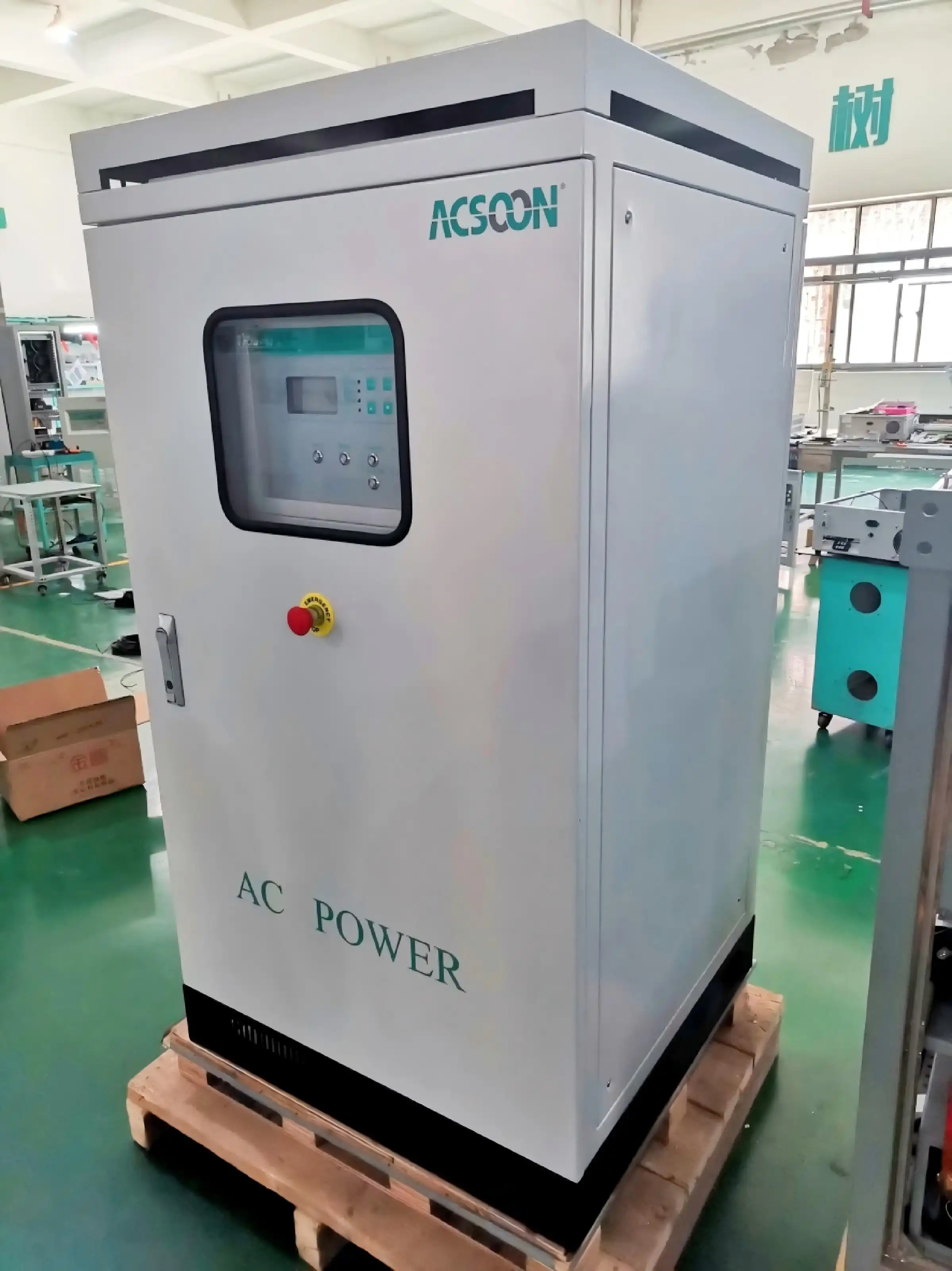
Understanding Military Ground Power Units: Definition and Core Functions
military ground power units made for the military are mission-critical assets that turn diesel fuel or energy from the grid into stable power sources that meet defense standards. Unlike market versions, these systems work reliably in a wide range of temperatures, from -40°C in the cold to over 55°C in the desert.
How Military GPUs Differ from Civilian Models
The difference is in how they were built and how well they meet safety standards. military ground power units are put through strict tests according to MIL-STD-810G, which makes sure they can handle pressure, shock, dust, and water. These units keep frequency stability within a range of 0.1% and overall harmonic distortion below 3%. This keeps sensitive flight computers safe from power quality problems that regular home appliances can't handle.
Primary Operational Applications
These power devices allow for pre-flight checks, repair tasks, and emergency starting without using up the batteries on board. Ground teams depend on them when integrating weapon systems, calibrating radar, or fixing for long periods of time, when running the main engines would be impractical or cost too much.
Key Technical Features and Specifications of Military Ground Power Units
When procurement teams understand the technical design, they can better match the skills of the tools with the needs of operations. The specs show why these tools are so expensive and need to be bought from specific places.
Power Output Standards and Voltage Compatibility
Military ground power units use 400Hz AC frequency instead of 60Hz, which is what most business uses need. Because of this higher frequency, airplane builders can use smaller, lighter motors and transformers, which makes the whole plane lighter. DC types can handle up to 2,500 amps of peak starting power, which is necessary for cold weather when battery performance drops. The output voltage regulation keeps it stable within ±2% even when the load changes. This keeps the system from browning out during important startup steps.
Diesel Engine Configuration Versus Solid-State Conversion
The market is mostly split between two building styles. Diesel-powered units have compression-ignition engines that can use military fuels JP-5, JP-8, and F-34. This gets rid of the need for different fuel logistics chains in forward operating bases. These mobile systems can be put on trailers made for C-130 and C-17 cargo planes that can be transported by air. These trailers have NATO slave ports and quick-disconnect connections. Through advanced inverter technology, solid-state frequency changers change 50Hz or 60Hz grid power. They are perfect for permanent installations at main working bases where noise and emission rules apply.
Ruggedness and Environmental Protection
Enclosures with an IP rating of 54 or higher protect the inside parts from dust and water spray. Corrosion-resistant coatings keep salt fog out in marine settings, and the chassis is strengthened to handle vibrations during transport and handling in the field. The modular line replaceable unit design lets you swap out parts without any special tools in just 15 minutes. This means that your business can keep running even if the main systems fail.
Electromagnetic Interference Shielding
As long as these units follow MIL-STD-461, they won't mess up radar systems, transmission gear, or electronic defenses. Galvanic isolation keeps airplane electrical systems safe from ground faults, which can happen when stray currents go through airframe structures in ways that aren't expected.
Comparing Military Ground Power Units: Making Informed Procurement Decisions
When choosing power tools, procurement workers have to do a lot of complicated calculations. The decision framework weighs the current technical needs against the costs over the whole lifetime and the dependability of the provider.
Military GPU Versus Aircraft-Specific Power Units
Aircraft power units are usually secondary power systems that are on board, while military ground power units are outside and can be moved around. During specification creation, the difference in terms is important. With external ground power, you don't have to run expensive aircraft fuel-hungry backup power units that leave behind audible trails that enemies can pick up during combat operations.
Performance Benchmarks and Reliability Metrics
When put through military job cycles, the average time between breakdowns of leading systems is more than 2,000 hours. When a lot of loads turn on at the same time, transient reaction times of less than 50 milliseconds keep the voltage from dropping. Temperature adjustment circuits keep the output stable across the whole operating range, so the user doesn't have to do anything. Units that meet ISO 6858 standards for aircraft ground support power sources have been shown to work with fifth-generation fighters and rotary-wing platforms.
Fuel Efficiency and Operational Cost Analysis
Depending on their power, diesel types use between 1.5 and 3 gallons of gas per hour at 50% load. Fuel costs make up 60–70% of all ownership costs over a normal 10-year working life. When linked to base power grids, solid-state converters cut running costs by 40% per hour, but they make it harder to move around and change strategies. Diesel versions need to be serviced every 500 to 1,000 hours, and military supply lines make it easy to get replacement parts like filters and oils.
Choosing Between Lightweight and Heavy-Duty Models
Lightweight units with a rating of less than 30kVA are good for supporting chopper activities and unmanned aerial vehicles. They should weigh less than 500 kilograms so they can be moved by hand. Heavy-duty systems with 90kVA or more can join more than one plane at the same time on the flight line, but they need to be towed by a vehicle. Because of weight limits, strategic airlift ability is directly affected, making the choice very important for planning military forces.
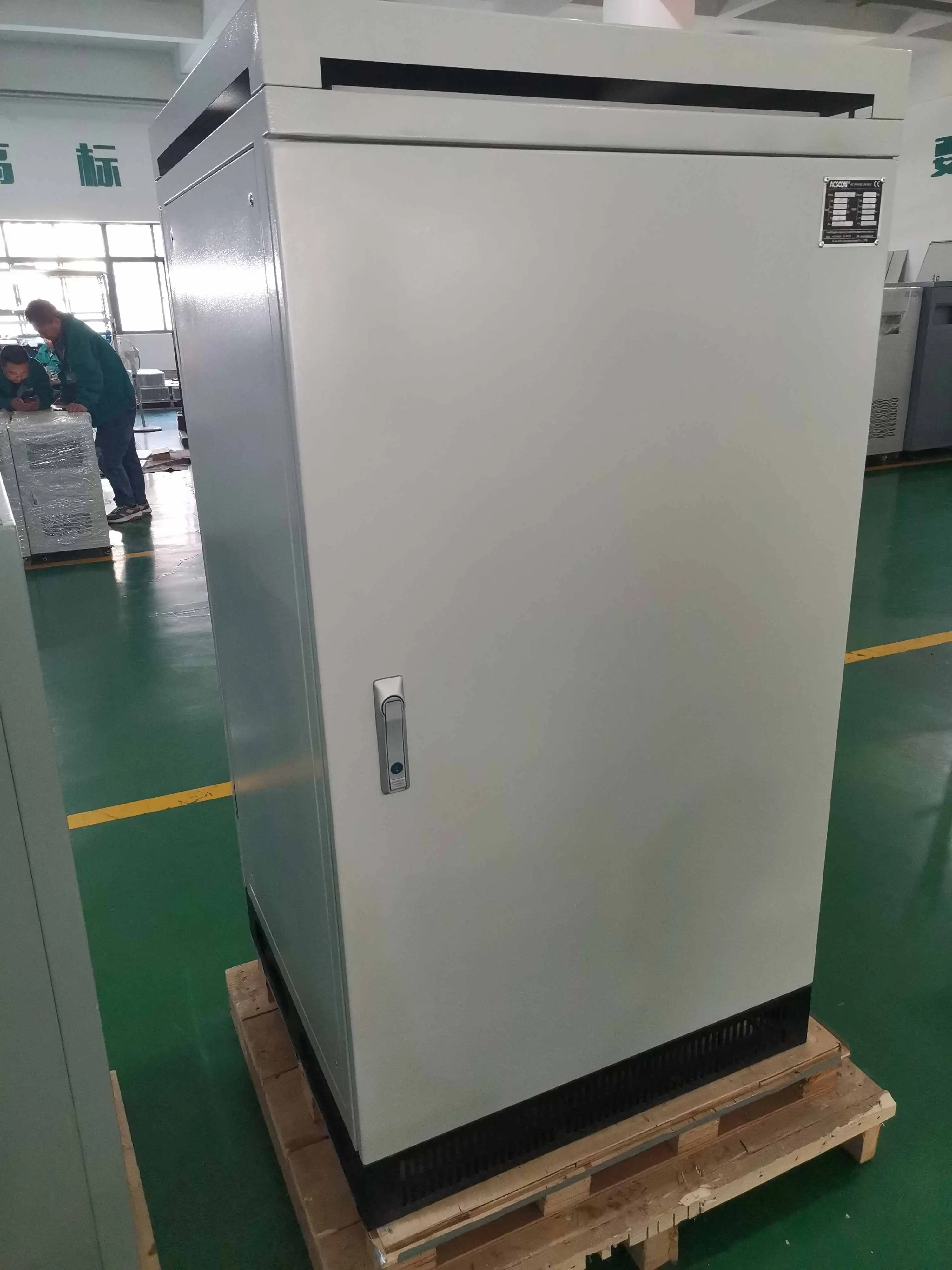
Practical Considerations for Military GPU Procurement and Usage
In addition to technical specs, a good acquisition needs to look at the supplier's background and support system. These things affect whether or not the equipment stays usable during long travels.
Supplier Credibility and Certification Requirements
Suppliers that have been checked out have current MIL-SPEC approvals and ISO 9001 quality management certifications. Being an authorized original equipment maker (OEM) or authorized distributor gives you access to authentic items and warranties backed by the producer. Test reports that show compliance with MIL-STD-704F standards for airplane electric power features and SAE AS7974 standards for ground support equipment should be included in documentation packages.
Procurement Flexibility and After-Sales Support
Manufacturers with a good reputation, like JERRYSTAR, offer open payment plans that can work with government buying cycles and emergency needs. Three to five years of full insurance coverage protects against manufacturing flaws, and dedicated technical support teams fix problems in the field through remote testing or on-site service. Maintenance workers learn how to fix problems with each model through training programs, which cuts down on downtime when problems happen.
Logistics Planning and Bulk Purchase Advantages
Standard setups have delivery times of 8 to 12 weeks on average, while custom builds need 16 to 20 weeks for engineering approval. When buyers negotiate multi-unit contracts, they get a better price and first choice for production times. Strategically placing goods at regional depots allows for quick deployment during emergency operations, avoiding the delays that come with shipping from overseas companies.
Customization Capabilities and Spare Parts Availability
Some mission-specific changes are arctic winterization kits, fuel tanks with longer ranges, and special connectors that match the interfaces of older airplanes. When manufacturers keep large stockpiles of spare parts, operators can stock up on important parts before launches, which keeps missions from failing because parts aren't available. Modules that can be switched between product groups cut down on the number of unique parts that need to be kept in stock.
Maintenance Best Practices and Safety Protocols for Military Ground Power Units
Proper maintenance extends the life of tools and prevents accidents from happening in tough working conditions. It is more cost-effective to stick to upkeep plans than to fix things after they break.
Scheduled Inspection and Preventive Maintenance
Before starting work on a military ground power unit, operators should make sure that the fluid amounts, connections, and emergency stop functions are all working properly. Every 100 hours of use, the oil and filter need to be changed, the cooling system needs to be checked, and the force on the electrical connections needs to be confirmed. A full checkup once a year includes testing the output quality in a load bank to make sure it works well in real-life situations and checking the calibration of the protection circuits.
Safety Features and Operator Training Requirements
The overload safety circuitry cuts off the output automatically when the current goes over the maximum capacity. This keeps the transformer from breaking. Ground fault detection systems let workers know about wire problems that could be dangerous before they hurt someone. Emergency stop keys that are placed in a visible place on control screens let the system shut down right away if something goes wrong. Accidents and damage to equipment from wrong use are less likely to happen when operators are fully trained in startup routines, troubleshooting procedures, and emergency methods.
Common Pitfalls in Handling and Storage
Corrosion and insulation break down faster when they are exposed to moisture for a long time without coverings. Keeping units with leftover fuel in their tanks for long periods of time causes oil to build up in the fuel system, which clogs the injectors. If you don't use the equipment every three months, the oil will wear out, and the moving parts will rust. Not properly wiring equipment while it's in use creates shock risks and makes it more likely that lightning will damage it during storms.
Conclusion
To choose the right ground power tools, you have to weigh the technical specs against the operational needs and the prices over their entire life. military ground power units that are built to defense standards provide the dependability, toughness, and power quality needed for mission-critical tasks in all tactical settings. Knowing about frequency needs, weather toughness, electromagnetic compatibility, and fuel operations helps people make smart decisions about what to buy. Working with reliable sources who offer full support, the ability to make changes, and easily accessible extra parts will keep your operations running smoothly for longer. Following repair procedures and safety rules makes equipment last longer and protects people and valuable airplane assets.
FAQ
What Makes Military Ground Power Units Different from Commercial Models?
military ground power units meet strict standards, such as MIL-STD-810 for resistance to environmental damage and MIL-STD-461 for electromagnetic compatibility. This makes sure that they work reliably in difficult circumstances and at very high temperatures. They keep frequency tolerance (±0.1%) and harmonic distortion (<3%) lower than market units, which keeps sensitive electronics safe from power quality problems.
Can Electric Models Replace Diesel Military Ground Power Units?
Solid-state converters get rid of pollution and noise, but they need grid infrastructure that isn't available in places where they are used. Diesel units give military equipment effective movement and the ability to use the same fuel as other military equipment. Diesel engines are better for expeditionary work, while electric models are better for fixed sites where noise and environmental rules are more important.
How Do I Verify Compliance with Military Standards?
Ask for proof that the electrical power qualities meet MIL-STD-704F standards for airplanes and ISO 6858 standards for ground support electrical supplies. Performance claims are backed up by certified test records from accredited labs. Make sure the provider has the right approvals for working with defense contractors and that their quality control systems are up to ISO 9001 standards.
Partner with JERRYSTAR for Reliable Military Ground Power Solutions
We know how important it is for your power source needs in defense, aerospace, and aviation uses. Xi'an Jerrystar Instrument Co., Ltd. is an expert in manufacturing ACSOON brand power converters that are designed to meet strict defense standards. They provide 400Hz static frequency converters, variable frequency solutions, and ruggedized ground power systems that are made to do their job well.
Our 5,000–10,000-square-meter manufacturing plant makes military ground power units that are configured exactly how you want them. We also keep enough in stock so that we can deliver quickly when pressing operating needs arise. No matter if you need MIL-SPEC compliant systems for aircraft repair, portable units for expeditionary deployment, or bulk purchases with volume savings, our expert team can help you find the right tools for your needs. Email our military ground power unit supply team at acpower@acsoonpower.com to talk about your project needs, get technical specs, or set up a time to see how our approved defense power solutions work.
References
1. Department of Defense Interface Standard, MIL-STD-704F: Aircraft Electric Power Characteristics, U.S. Department of Defense, 2016.
2. Society of Automotive Engineers, SAE Aerospace Standard AS7974: Ground Support Equipment - Military Aircraft, SAE International, 2018.
3. International Organization for Standardization, ISO 6858: Aircraft - Ground Support Electrical Supplies, Geneva, Switzerland, 2017.
4. U. S. Department of Defense, MIL-STD-810G: Environmental Engineering Considerations and Laboratory Tests, U.S. Department of Defense Test Method Standard, 2014.
5. U. S. Department of Defense, MIL-STD-461G: Requirements for the Control of Electromagnetic Interference Characteristics of Subsystems and Equipment, U.S. Department of Defense Interface Standard, 2015.
6. Aviation Ground Equipment Handbook: Technical Reference for Military Support Systems, Air Force Logistics Command, Wright-Patterson Air Force Base, Ohio, 2020.