




Why Do You Need to Convert 60Hz to 50Hz in Equipment Use?
Electrical compatibility becomes a mission-critical issue when industrial equipment travels across foreign lines. Because power lines around the world use different standard frequencies, there is a basic need to convert 60Hz to 50Hz. Europe, Asia, and most of the developing world use 50Hz systems, while North America mostly uses 60Hz. This difference of 10Hz, which may not seem like much, has a huge effect on how well equipment works, how fast motors run, and how safe operations are. Without proper frequency conversion, machinery could fail catastrophically, wear out faster, and lose its warranty. In today's interconnected supply lines, no procurement professional can afford to ignore these effects.
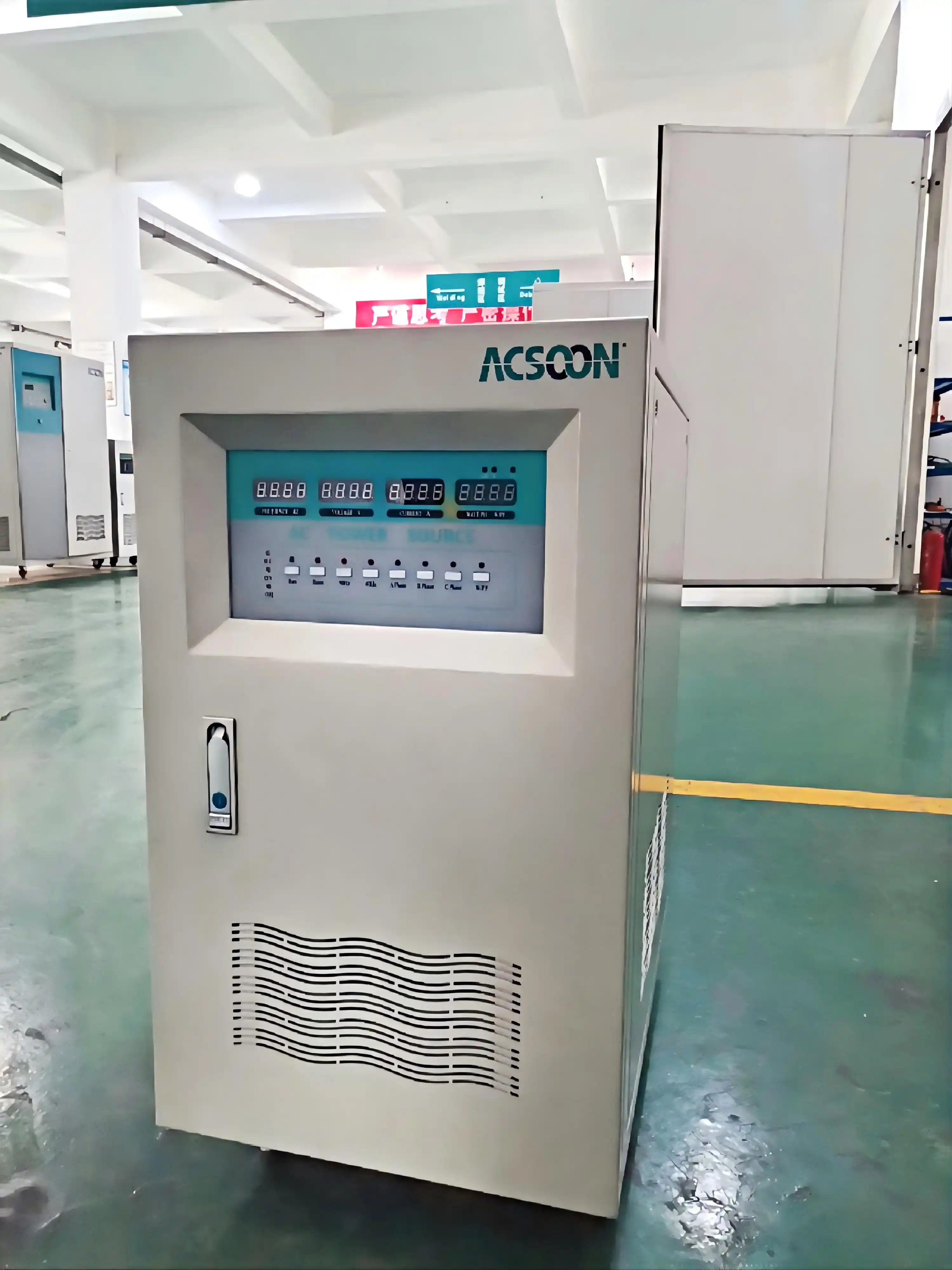
Understanding the Necessity of Converting 60Hz to 50Hz
Regional Electrical Standards and Their Impact on Equipment Performance
Along frequency lines, the world's electricity grid is very different. 60Hz grids are used in the US, Canada, parts of South America, and a number of Caribbean countries. 50Hz grids are used in the EU, China, Australia, and most African countries. This disagreement comes from choices made in the early 1900s about putting electricity in homes that are now forever part of the country's infrastructure. When aerospace companies send testing equipment from California to Hamburg or when navy ships built to European standards arrive at American ports, the difference in frequencies causes immediate operating problems that need professional conversion from 60Hz to 50Hz solutions.
Why Frequency Compatibility Matters for Device Longevity
How alternating current moves through wires and electromagnetic parts is directly controlled by the frequency of the electricity. When linked to 60Hz sources, induction motors that were made to work at 50Hz will spin about 20% faster, which can damage the bearings, change the vibration patterns in dangerous ways, and make mechanical parts move beyond their design limits. On the other hand, 60Hz-rated transformers that are connected to 50Hz networks have different core saturation properties, which could cause the insulation to break down too soon. When lab testing equipment that is set up for one frequency is driven by another, it gives wrong results, which is bad for study integrity in R&D settings where accuracy is key to project success.
Practical Consequences of Frequency Mismatch
Companies moving production lines from Shanghai to Texas have to make a tough decision: they can either spend hundreds of thousands of dollars replacing every motor, drive, and control system, or they can build a whole network of frequency conversion equipment. Maritime activities are another strong example. To follow environmental rules and cut down on pollution, modern cargo ships built to international 50Hz standards need to be plugged into shore power when they stay in port for long periods of time. When these ships are stopped in Los Angeles or Houston, they can't just plug into the 60Hz grid because it could damage their engines, HVAC systems, and navigational electronics. When testing aircraft systems that need to work effectively in a variety of global electrical settings, the aviation industry faces similar problems. This means that frequency adaptation is not only useful, but also necessary for operations.
How to Convert 60Hz to 50Hz: Methods and Technologies Explained
Solid-State Frequency Converters: The Modern Solution
Modern convert 60Hz to 50Hz technology is mostly based on solid-state technology that uses high-tech power circuits. These systems use a three-step process: rectification changes incoming AC power to DC, a middle filtering stage keeps the voltage stable, and advanced inverter circuits create clean, smooth AC output at the target frequency. Unlike mechanical converters, solid-state converters don't make noise, don't take up much space, and can switch between 90 and 95% of the time. Their computer control systems allow exact regulation of both frequency and voltage at the same time. This is very important for equipment that needs to output at 50Hz and change voltage from 480V to 400V to meet European standards.
Rotary Converters: Legacy Technology for Specific Applications
In rotary frequency converters, an input motor that is in sync with the available frequency moves an alternator, which makes the desired output frequency that is wanted. Even though they are less efficient (about 80–85% of the time) and need to be maintained more often, rotor systems work great in situations where they need to handle high surge currents or work in electromagnetically difficult conditions where sensitive electronics could fail. Rotary converters are sometimes preferred by military bases and remote sea sites because they are reliable and don't get damaged by electromagnetic pulses.
Installation Best Practices and Common Myths
A correct load estimate is the first step in a proper installation. To handle startup inrush currents, inductive loads like motors and pumps need converters that are three to five times their maximum power. A lot of procurement workers think that normal step-down transformers can change frequency, but they can't. Transformers only change the voltage values and keep the frequency of the input constant. Another dangerous myth is that variable frequency drives, which are meant to run motors, can also be used as power sources for other things. Standard VFDs make pulse-width modulated waveforms that aren't good for sensitive electronics. These waveforms can damage equipment right away through voltage spikes and harmonic distortion.
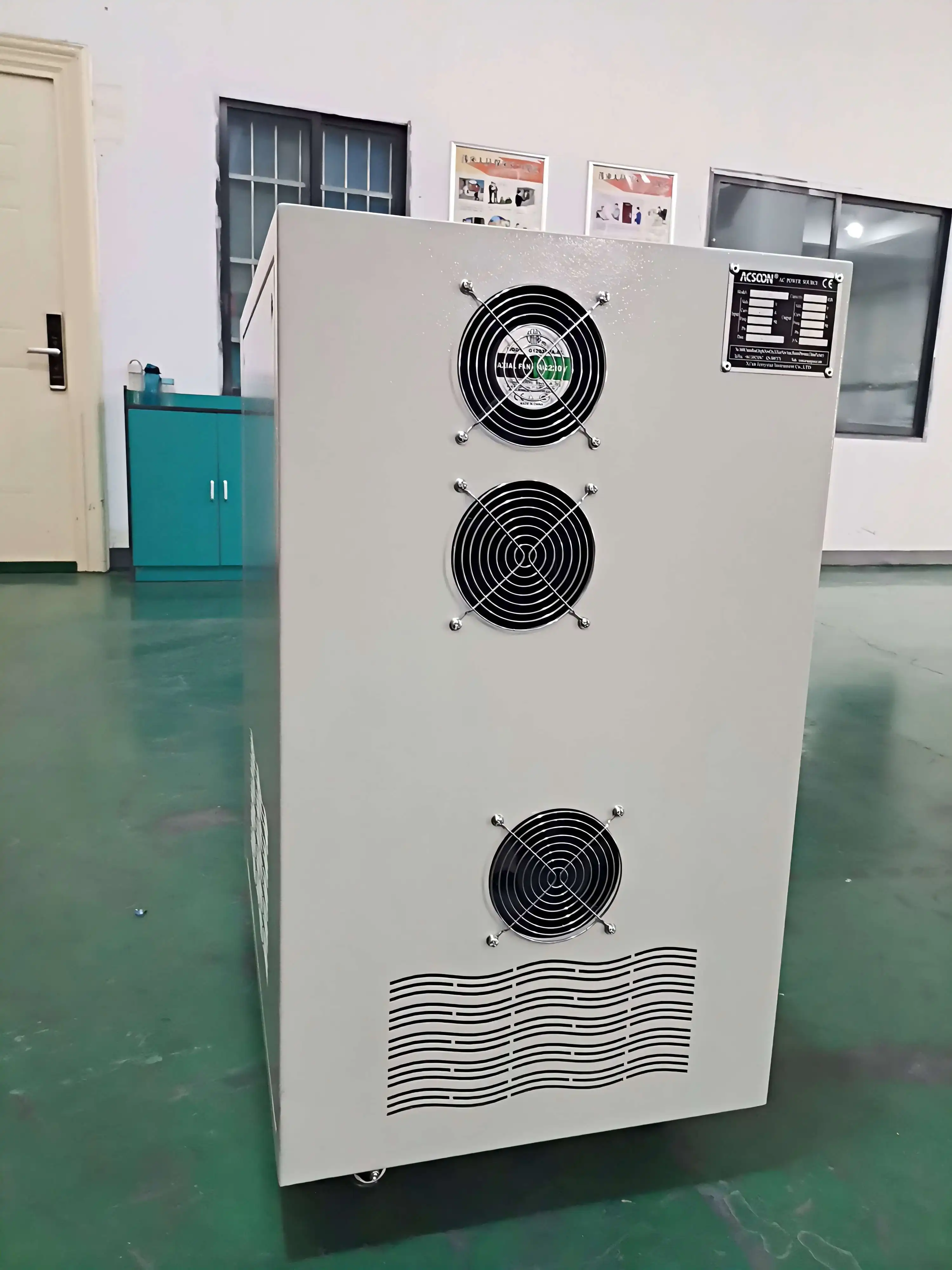
Choosing the Right 60Hz to 50Hz Frequency Converter for Your Business Needs
Critical Selection Criteria for B2B Procurement
A lot of technical and business factors need to be carefully considered when choosing the right 60Hz to 50Hz converter tools. The power rating has to be able to handle both ongoing use and high demand when the equipment is first turned on. Industrial certifications like UL, CE, and military specifications (MIL-STD) make sure that safety standards and electromagnetic compatibility requirements are met. These are very important for defense and flight uses. Total cost of ownership is directly affected by reliability measures such as mean time between failures (MTBF) and the length of the guarantee coverage. When it comes to compatibility, it's not just about electrical factors. For example, marine settings need conformal coating and corrosion-resistant enclosures, and lab setups may need ultra-low harmonic distortion to keep sensitive instruments from being harmed.
When you evaluate a provider, you have to look at their manufacturing skills, quality control methods, and framework for providing help after the sale. When it comes to custom needs, companies that own their own production sites usually have more choices and can respond faster. When equipment breakdowns threaten production plans or mission-critical activities, having access to technical help across time zones is very important.
Frequency Converters Versus Transformers: Understanding the Distinction
This comparison needs to be emphasized because buying talks are still confusing. Transformers are passive electromagnetic devices that only change voltage by changing the turning ratios. For example, a 480V input always results in a 240V output, and a 60Hz input always results in a 60Hz output. Frequency converters actively create new patterns, which let you change both voltage and frequency at the same time. A frequency converter is the only way to power equipment that needs 400V/50Hz power from a 480V/60Hz source. By understanding this basic difference, you can avoid making expensive design mistakes that cause projects to be delayed and budgets to go over.
Benefits and Risks: Why Converting 60Hz to 50Hz Makes Business Sense
Tangible Business Advantages
Putting in place convert 60hz to 50Hz equipment has real benefits for operations. Equipment compatibility grows a lot, which lets businesses buy machines from around the world based on performance and price instead of electrical specs. It becomes easier for factories to move or grow their operations to other countries without having to replace whole production lines. Maintenance costs go down because equipment works within its design limits, which increases its useful life and lowers the number of unplanned downtimes. When maritime companies use shore power instead of running extra diesel engines while they're in port, they save a lot of fuel and cut down on pollution.
When you compare the cost of the adapter to the cost of replacing the equipment, the return on investment becomes clear. A frequency converter that costs $15,000 can save special equipment that costs $200,000, which is a figure that procurement offices like. Laboratory settings gain from being able to test for compliance with a number of foreign standards without having to keep extra tools on hand for each market.
Risk Mitigation Through Professional Implementation
Most of the risks that could happen come from bad fitting or size, not from the conversion technology itself. When underrated converters are used beyond their capacity, they experience heat stress, which speeds up the aging of their parts and eventually leads to failure. Systems can be damaged by rapid voltage events if they don't have enough grounding and surge protection. If you follow professional building standards and maker instructions, these risks go away. Long-term dependability is ensured by regular care, mainly checking, cleaning, and evaluating the capacitors. Modern converters have many safety features, such as overload stop, thermal tracking, and problem diagnostics, that keep other devices from getting damaged.
Procurement Guide: Where and How to Buy 60Hz to 50Hz Frequency Converters
Market Landscape and Vendor Evaluation
There are a lot of different sellers in the convert 60Hz to 50Hz market, from large global companies to small, specialized shops. Global names like Schneider Electric and Siemens have a lot of products and service networks all over the world, which makes them good choices for standard needs. Specialized makers often offer better value for special uses that need specific details or fast delivery times. Chinese makers have become competitive suppliers because they can combine strong technical skills with low costs, especially for military-grade tools and high-power industrial uses.
When you're looking at possible providers, you should look at their manufacturing qualifications, quality certifications, and customer references from companies in the same field as you. Lead times are based on production capacity and store depth, which are important factors when project plans need quick release. Warranty terms that range from normal one-year coverage to longer five-year plans show that the maker is confident in the product and protects you financially against failures that happen too soon.
Inquiry Process and Custom Solutions
For effective buying to start, there must be clear technical specs on the output power, input voltage, and frequency, desired output parameters, environmental conditions, and any special certifications that are needed. Reliable sellers reply with detailed plans that include technical datasheets, efficiency curves, dimensional models, and estimates of how much the product will cost over its entire life. Custom solutions are made to meet specific needs, such as marine-grade building, aviation-certified parts, or built-in voltage stability. OEM partnerships are available for businesses that need to do private marking or co-development of setups that are specific to their needs. Building ties with capable providers gives you a competitive edge by giving you priority scheduling for production and specialized technical support.
Conclusion
Converting 60Hz to 50Hz is more than just a technical workaround; it makes global trade possible, saves large investments, and makes sure that systems work reliably in a wide range of electrical settings. The problem of changing from 60Hz to 50Hz affects flight ground support, maritime shore power, projects to move factories, and tests for international compliance. Modern solid-state conversion technology offers effective and dependable solutions when it is properly chosen and set up by a professional. When making strategic purchases, you have to weigh the short-term costs against the long-term benefits of operating freedom, equipment safety, and lower upkeep costs. Companies that use complete frequency conversion strategies will be in a better position to do well in global markets that are becoming more linked and where electricity compatibility no longer limits what can be done.
FAQ
Can standard transformers perform frequency conversion?
Transformers only change voltage through electromagnetic induction; they don't change the frequency of the input. To change the frequency, solid-state inverters or motor-generator devices that make new waves at the desired frequencies are needed.
What happens to the speed of the motor when the frequency is changed?
When converters work properly, they keep motors running at their brand specs. If you give a 50Hz motor that is rated at 1,450 RPM 50Hz power, it will always run at that speed, even if the main grid is at 60Hz or a different frequency.
Do frequency changers need to be maintained in a certain way?
Modern solid-state units don't need much upkeep. A visual check, cleaning of the cooling fan, and testing of the capacitors every 12 to 24 months are enough for most installs. Regular mechanical care, like lubricating the bearings and checking the brushes at set times based on the working hours, is needed for rotary converters.
How does the speed of change affect the cost of doing business?
High-efficiency converters (90–95% range) only heat 5–10% of the power they take in. A 10kW load that is powered by a 92% efficient converter uses about 10.87kW from the grid. This is about 870W more energy than a straight link, which is usually not a big deal when you consider how much it protects the equipment.
Partner with JERRYSTAR for Reliable Frequency Conversion Solutions
The ACSOON name is owned by Xi'an Jerrystar Instrument Co., Ltd., and it specializes in precise convert 60hz to 50Hz technology for the flight, military, marine, and industrial testing sectors in North America and around the world. Our 400Hz static frequency converter systems and variable frequency converters give important applications the dependability they need when an operating failure would have unacceptable results. In Shaanxi Province, factories that cover 5,000 to 10,000 square meters can do both standard production and custom building for unique needs.
We keep a large inventory that lets us quickly deploy when pressing needs appear. This gives us a competitive edge that government procurement offices and aerospace engineers working on tight deadlines value. Our expert team can help your company find a frequency converter provider for marine shore power installations, lab testing infrastructure, or moving production lines. They can do this by consulting with you on the specifics of your operation.
Email us at acpower@acsoonpower.com to talk about your frequency conversion needs, get full specs, or set up demonstration units to see how well they work before you commit. Through proven engineering and responsive partnership, JERRYSTAR turns problems with electrical compatibility into operating benefits.
References
1. IEEE Standard 1159-2019, "IEEE Recommended Practice for Monitoring Electric Power Quality," Institute of Electrical and Electronics Engineers, New York.
2. International Electrotechnical Commission, "IEC 60038: IEC Standard Voltages," Bureau Central de la Commission Électrotechnique Internationale, Geneva, Switzerland.
3. National Electrical Manufacturers Association, "NEMA MG 1-2016: Motors and Generators," Rosslyn, Virginia.
4. U.S. Department of Defense, "MIL-STD-1399: Interface Standard for Shipboard Systems," Washington, D.C.
5. European Committee for Electrotechnical Standardization, "EN 50160: Voltage Characteristics of Electricity Supplied by Public Distribution Networks," Brussels, Belgium.
6. Society of Automotive Engineers, "AE7270: Aircraft Ground Power Supply Systems—400 Hz," SAE International, Warrendale, Pennsylvania.