



How to Maintain a 400Hz Static Frequency Converter Properly?
To keep a 400Hz static frequency converter working in serious situations, it needs to be inspected regularly, its surroundings watched, and its parts cared for before they break. These solid-state power converters are different from rotor systems because they use electrical parts like inverter modules, control circuits, and transformers that need different ways to be maintained. Regular maintenance on temperature management, electrical links, and calibration keeps performance high and extends service life. This is especially important in tough aircraft, military, and industrial settings where dependability can't be compromised.
Understanding the Operating Principles and Common Issues of 400Hz Static Frequency Converters
Core Technology Behind Static Frequency Conversion
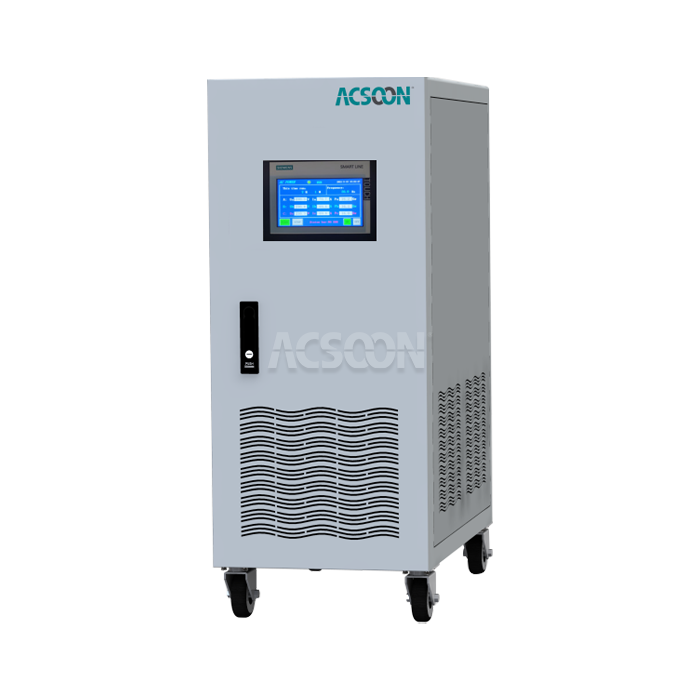
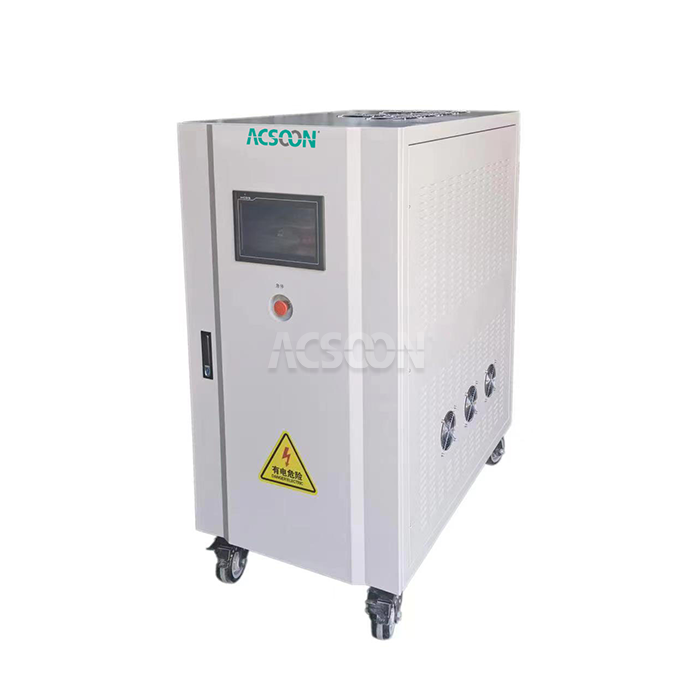
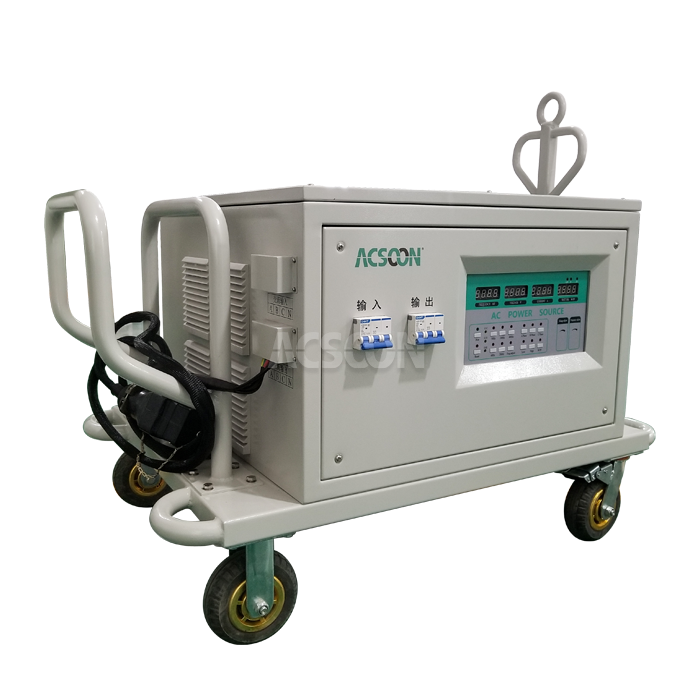
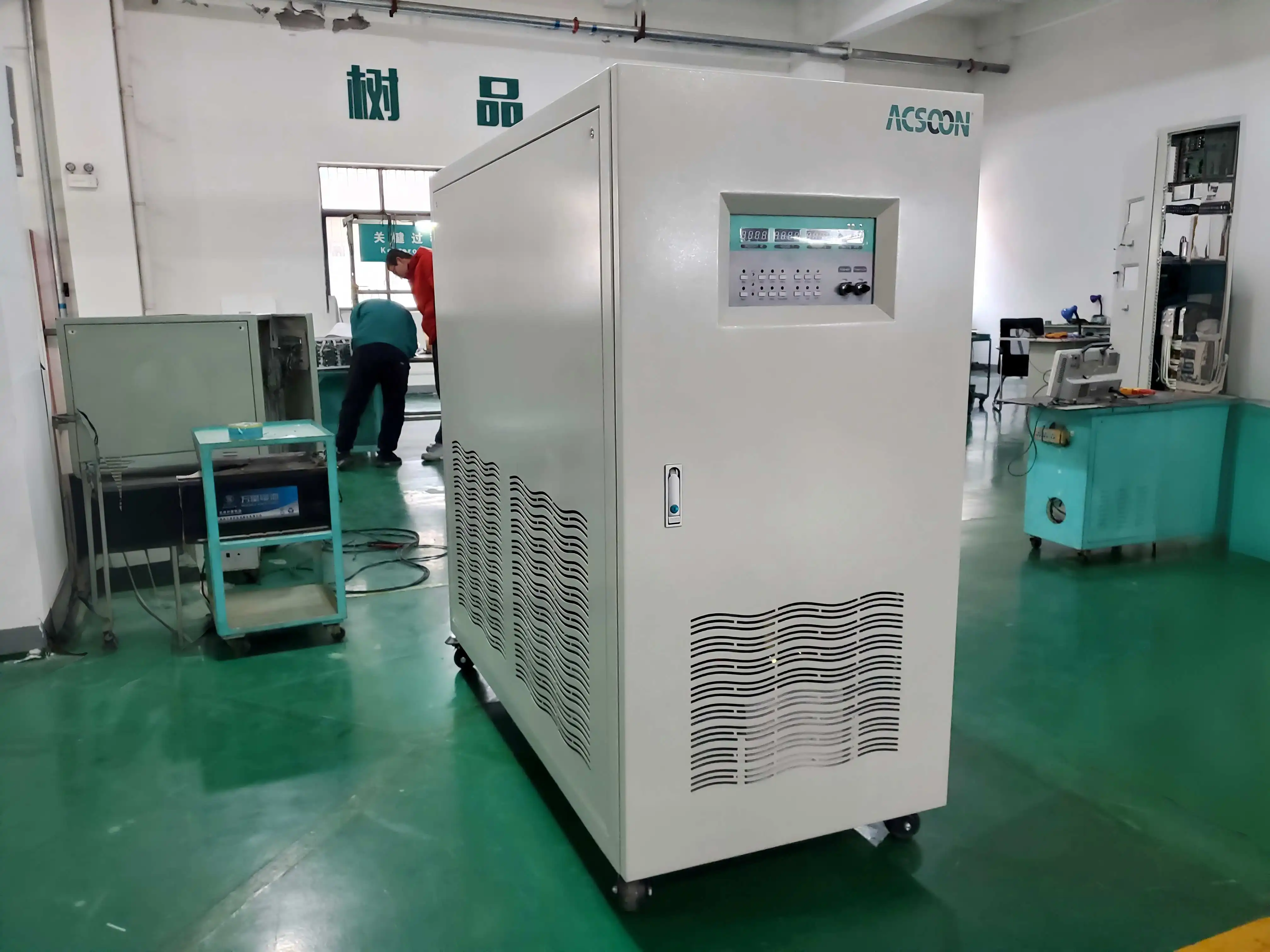
Standard 50Hz or 60Hz input power is changed to a precise 400Hz output by 400Hz static frequency converters, which use electrical switching instead of mechanical spinning. During the conversion process, incoming AC power is first rectified to DC, and then inverted back to AC at the necessary 400Hz frequency. With this all-electronic system, there are no spinning parts, so there is less mechanical stress and shaking than with traditional rotary systems. This technology is shown by the ACSOON AF400M-330090 model, which can take three-phase input from 208V to 480V at normal business frequencies and send a stable 400Hz output at the same voltage range. With a power level of 90kVA and an IP54 rating for protection, this fixed-mounted unit shows how current static converters can be used for radar systems and training with airplanes without having to start the APU engine.
Key Components and Their Functions
To change the frequency, three main elements work together. Using semiconductor devices, the rectifier step changes the entering AC to DC, making a safe middle voltage bus. This DC voltage is smoothed out by filter capacitors, and the conversion process is watched and controlled by control circuits. Using insulated gate bipolar transistors or other similar power semiconductors, the inverter stage changes this DC back to AC at 400Hz. Then, output transformers match the voltage levels to the load's needs while keeping the electricity separate. Control circuits are what make these systems smart. They keep an eye on the output voltage, frequency, and current to make sure they stay within the specs, even if the input or load changes. These microprocessor-based controls change the switching patterns in real time to smooth out fluctuations and provide clean, stable power that is needed for sensitive military and flight equipment.
Common Operational Challenges
One of the most common problems with static frequency changers is thermal stress. Power processors make a lot of heat when they switch functions, and if they don't get enough cooling, parts break down or the whole thing fails. The efficiency of thermal movement is decreased when dust builds up on heat sinks, and these problems are made worse when outdoor temperatures are higher than what was intended. Monitoring the environment is very important in places where converters work in small areas or rough circumstances. Electrical problems usually show up as changes in voltage or frequency, or a total loss of output. When links aren't tight, resistance builds up, which causes heat and power drops. As capacitors age, they lose capacitance, which makes filtering less effective and raises the noise on the DC bus. These bad conditions put stress on other parts, which could lead to safe shutdowns during important activities. Installation mistakes, like not properly wiring or not having good enough input power quality, can also cause operating problems that need to be fixed by maintenance processes.
Step-by-Step Maintenance Procedures for 400Hz Static Frequency Converters
Routine Visual and Electrical Inspections
Comprehensive checks are the basis of maintenance plans that work. Visual checks should be done once a month, with a focus on looking for physical signs of possible problems. We look for discoloration on the circuit boards that could mean they are too hot, dust buildup on the cooling fins and air holes, and cracks or melting in the wire insulation. Pay close attention to the connections because rust or looseness there can lead to resistance and, eventually, failure. Electrical testing measures real performance factors and goes along with visible checks. Technicians use accurate multimeters and oscilloscopes to check that the output voltage stays within the required range for all stages, that the frequency accuracy stays within the tolerance bands, and to measure the levels of harmonic distortion. Insulation resistance testing finds cables with weak insulation before they short out. Load testing in real-world working conditions shows performance drops that might not show up in checks where the system is not busy. This systematic approach ensures the 400Hz static frequency converter remains reliable.
Cleaning Practices and Environmental Control
Keeping parts from getting contaminated greatly increases their life. Cleaning every three months with filtered compressed air or vacuum tools made just for electrical systems gets rid of the dust that has built up. We don't use cleaning methods that create moisture near wires that are already live. For units like the AF400M-330090 that have IP54 protection, cleaning the outside keeps the seal in good shape, and cleaning the inside during planned shutdowns stops dust from getting in through air paths. The environment has a direct effect on how reliable something is and how long it lasts. Keeping the temperature around 0°C to 40°C keeps semiconductors working at their best and stops them from breaking down too quickly. Controlling humidity stops condensation, which leads to rust and electrical tracking on circuit board surfaces. Dehumidifiers or climate-controlled containers keep converters safe from damage caused by moisture in marine and industrial settings. Enough air flow around the converter lets the heat escape, and makers' limits must be strictly followed during installation and kept up for the entire service life.
Component Testing and Calibration
Systematic component review finds problems as they start to form before they become major problems. When capacitors are tested with special meters, they show lower capacitance or higher equivalent series resistance, which means they are about to fail. Testing semiconductor junctions finds power devices that aren't strong enough and could break under load. Checking the working of the cooling fan is important because a broken fan quickly causes forced-air cooled systems to get too hot. Calibration keeps the output accurate, which is important for loads that are sensitive. References in control circuits move over time, so they need to be adjusted on a regular basis to keep voltage and frequency accurate. Test protective switches to make sure they trip at the right levels, which protects equipment without shutting it down for no reason. Recording calibration data creates performance trends that allow predictive maintenance to plan the replacement of parts before they break down and stop activities. This proactive method helps apps that support radar systems and train pilots for airplanes the most, since downtime has a big effect on operations.
Troubleshooting and Problem-Solving Techniques
Diagnostic Approaches for Common Issues
Voltage changes need to be looked into in a planned way, starting with a quality review of the power coming in. We use power analyzers to check the steadiness of the receiving voltage, the amount of harmonics, and the phase balance. If there are problems with the input, the facility's electrical systems need to be coordinated instead of the converter being fixed. Once the input power is good enough, the focus moves to the internal parts. When you check the DC bus voltage, you can find problems with the rectifier or filter capacitor. When you measure the output voltage, you can find problems with the inverter or transformer. Frequency shift is usually caused by problems in the control system. Crystal oscillators that set time references can break down or move away from what was planned. Control board capacitors that affect timing circuits break down over time, which changes how frequency is generated. A temperature-induced shift means that thermal control isn't good enough, so the cooling system needs to be improved. Extreme temperatures and humidity can still affect the performance of modern 400Hz static frequency converters like those in the ACSOON line. These converters use digital frequency control to make the frequency more stable.
Repair Versus Replacement Choices
When deciding whether to fix broken parts or replace whole systems, economic analysis helps. Replacing broken fuses, fixing connections, or switching cooling fans are all easy fixes that don't cost much and get things working again quickly. To do complex fixes that involve replacing circuit board parts, you need special tools and skills. If boards are too expensive or not available, it's usually better to just replace them. These choices are affected by things like age and technology. When a converter's useful life is almost up, it's better to replace it than to pay a lot of money to fix it, especially when newer technology is more efficient, reliable, or has more features. However, repairs are necessary to keep working-ready for important spare converters used in military or space tasks. Manufacturer support affects viability; well-known names offer parts and help for the whole lifecycle of equipment. JERRYSTAR keeps enough parts and units in stock so that replacements can be quickly accessed. This cuts down on downtime for upkeep or unexpected problems.
Comparing Maintenance Practices: Static Frequency Converters vs Rotary Frequency Converters
Advantages of Static Converter Maintenance
When compared to rotor frequency converters, 400Hz static frequency converters are much easier to maintain. Bearing replacement, alignment checks, and vibration studies are not needed for rotary machines because there is no spinning machinery. If there is no lubrication system, there is no need to change the oil, repair the seals, or worry about contamination. With static converters, maintenance plans are three to four times a year instead of once every few weeks or months for spinning systems. This cuts down on labor costs and downtime. Accessibility of parts in static designs makes repair processes easier. Because the system is built in sections, broken generator modules or control boards can be replaced without taking the whole thing apart. Electronic controls have built-in diagnostic tools that find problems quickly, unlike mechanical repair, which needs specialized tools and knowledge. These traits are especially helpful for operations that need to be available all the time, since it can be hard to plan long repair windows.
Rotary Converter Maintenance Challenges
Rotary frequency converters need to be mechanically cared for all the time. Motor and generator bearings need to be oiled regularly and replaced every so often, depending on how many hours they've been used. To stop shaking and early bearing failure, the shaft must be kept in the right place. Brush-type designs need to have their brushes inspected and replaced, as well as their commutators serviced. Maintaining a cooling system means cleaning the heat exchangers and checking the water levels in designs that use fluids. Balancing is another condition that is unique to spinning machines. Over time, mechanical wear leads to a mismatch that causes vibrations. These vibrations speed up bearing wear and could lead to a catastrophic failure. Regular checks and adjustments for balancing keep things running smoothly. Noise and vibration from rotating tools also require upkeep on the mounting isolation, which makes sure that the vibration dampeners keep working for as long as they are used.
Best Practices for Procurement and Integration Impacting Maintenance
Selecting Reliable Equipment and Suppliers
Long-term maintenance needs and prices are greatly affected by choices about purchases for a 400Hz static frequency converter. Equipment from well-known makers is more likely to be reliable, which lowers the frequency and severity of upkeep. Power conversion experts like ABB, Siemens, Eaton, Emerson, and GE have been in the business for decades. However, smaller companies like ACSOON offer solutions that are more tailored to specific needs, like radar systems and flight ground support. Long-term partnerships that work well are built on evaluating a supplier's skills beyond the product specs. We look at their technical support infrastructure, which includes application engineering help during system creation and quick service while the system is running. Warranty coverage shows that the maker trusts you and protects your initial investment. Whether fixes go quickly or take a long time and cost a lot of money depends on how readily available the parts are. When it comes to flight, industrial, marine, and lab testing, JERRYSTAR specializes in ACSOON brand power converters. They keep an inventory of these converters to meet the fast shipping needs of the military and aerospace industries.
Installation Best Practices: Facilitating Maintenance
When something is installed correctly, it sets the stage for reliable function and easy upkeep. System sizing needs to take into account the real load needs with a safety cushion, since constant overloading speeds up component wear even when there are safety features in place. The 90kVA number of units like the AF400M-330090 meets certain power needs, but a proper load assessment keeps you from undersizing, which can lead to early failure, or oversizing, which loses money. Choices about how to put things physically affect how easy it is to do upkeep. Enough room around the equipment lets air move and gives service workers a place to work. Connection failures can be avoided by routing cables in a way that avoids sharp turns and provides pressure relief. Grounding systems that are built according to the manufacturer's instructions and electrical rules stop dangerous potentials and keep electrical noise from affecting sensitive loads to a minimum. Environmental security that matches the IP54 grade of the installed equipment keeps dust and water out, which speeds up the breakdown process.
Conclusion
To keep a 400Hz static frequency converter in good shape, you need to know how it works electronically, set up regular cleaning and checking plans, and use a methodical approach to fixing problems when they happen. By getting rid of mechanical wear spots and extending service times, static converters are much easier to maintain than rotary designs. Strategic procurement, which means buying quality equipment from well-known companies like ACSOON and making sure it is installed correctly and kept in a controlled environment, reduces the need for upkeep while increasing efficiency. The ACSOON AF400M-330090 is a current example of a static converter. It provides 90kVA of power and is protected by IP54 for tough industrial and aircraft uses. Preventive maintenance that keeps these features working makes sure that they can keep supporting important tasks where power reliability directly affects military success.
FAQ
How often should maintenance occur on static frequency converters?
Standard maintenance plans say to look over the machine once a month to see if there are any clear problems, such as overheating signs, broken connections, or contamination buildup. Cleaning every three months gets rid of the dust that builds up and slows down cooling. Electrical testing every six months makes sure that the output parameters stay within the acceptable range. Full inspections once a year include checking the settings and testing all the parts. However, the harshness of the working environment may mean that the 400Hz static frequency converter needs to be checked on more often. For example, in tough conditions, electrical checks should be done once a month and cleaning should be done more thoroughly.
What differences exist between maintaining static and rotary converters?
Electrical and thermal upkeep is mostly needed for static converters, with a focus on computer parts, connections, and cooling systems. Mechanical upkeep for rotary converters includes cleaning, bearing replacement, alignment checks, and keeping an eye on vibrations. When it comes to upkeep, static units have longer intervals and easier steps that don't require technical knowledge. In some situations, rotary systems may be able to handle tougher conditions better, but they need to be checked on more often. Overall lifespan costs tend to be lower for static converters because they require less upkeep work and last longer.
Does regular maintenance truly extend equipment life?
Maintenance has a huge effect on how long something lasts and how reliable it is. Preventive care that finds and fixes small problems before they get worse stops major failures that need expensive repairs or replacement. Cleaning and controlling the surroundings can help keep electrical parts from breaking down too quickly by managing their temperature. By keeping performance standards stable, calibration keeps linked equipment from being overloaded. Studies show that frequency converters have service lives of 15-20 years if they are properly kept, compared to 8–12 years for units that aren't. This saves a lot of money and keeps operations running smoothly.
Partner with JERRYSTAR for Reliable 400Hz Static Frequency Converter Solutions
When dependability is important, JERRYSTAR specializes in making high-performance 400Hz static frequency converter systems for use in aircraft, the military, ships, and factories. As a dedicated maker and selling business based in Xi'an, we offer full ACSOON brand solutions, such as the AF400M-330090 model, as well as a wide range of customization options to meet specific working needs. Our 5,000–10,000-square-meter facility keeps enough goods on hand to support quick deployment for pressing needs, and our technical team offers personalized maintenance talks to make sure that your power system works at its best for as long as it lasts. We are your strategic partner for making sure that your vital equipment keeps running. We have a lot of experience with aviation and military power systems, strong after-sales support, and a variety of OEM choices. Get in touch with our team at acpower@acsoonpower.com to talk about your unique needs and find out how our solutions and supplier skills can give your operations the technical stability, customization, and quick delivery they need.
References
1. IEEE Standards Association. "IEEE Recommended Practice for Electric Power Distribution for Industrial Plants." IEEE Standard 141-1993, Institute of Electrical and Electronics Engineers, New York, 1993.
2. Bollen, Math H.J., and Irene Y.H. Gu. "Signal Processing of Power Quality Disturbances." IEEE Press Series on Power Engineering, Wiley-IEEE Press, Hoboken, New Jersey, 2006.
3. Mohan, Ned, Tore M. Undeland, and William P. Robbins. "Power Electronics: Converters, Applications, and Design." Third Edition, John Wiley & Sons, New York, 2003.
4. U.S. Department of Defense. "Requirements for the Control of Electromagnetic Interference Characteristics of Subsystems and Equipment." MIL-STD-461G, Department of Defense Interface Standard, 2015.
5. Rashid, Muhammad H. "Power Electronics Handbook: Devices, Circuits, and Applications." Third Edition, Butterworth-Heinemann, Oxford, United Kingdom, 2011.
6. Aircraft Ground Support Equipment Standardization Council. "Specification for Aircraft Ground Power Units." SAE ARP6298, Society of Automotive Engineers International, Warrendale, Pennsylvania, 2019.