




How to Select the Right Ground Aircraft Power Supplier?
Technical expertise, certification compliance, and manufacturing excellence are needed to choose a ground aircraft power source. Chinese manufacturers are leading ground aircraft power solution providers with powerful GPU units with 400Hz frequency conversion, configurable designs, and low pricing. Checking ISO certificates, production capacity, and aviation norms is crucial to success. China has become a global industrial powerhouse, especially in aviation ground support systems. The country's advanced industrial infrastructure and decades of power conversion technologies make it a good source for ground aviation power solutions. Chinese manufacturers supply portable GPU units and power distribution systems integrated with passenger boarding bridges to major airports and military facilities globally. China's aviation ground support equipment market has grown rapidly due to airport infrastructure expansion and demand for reliable electrical power supply systems. Chinese factories produce power converters, voltage regulation systems, and emergency power solutions that fulfill strict international aviation regulations using cutting-edge technology.
Understanding China's Manufacturing Excellence in Ground Power Equipment
Advanced Production Capabilities
Automatic production lines and precision manufacturing equipment are heavily invested in by Chinese enterprises. These facilities make complex power management systems like 400Hz static frequency converters and variable frequency power supplies. Smart manufacturing methods offer constant quality and competitive cost throughout production runs. Xi'an, Shenzhen, and Beijing have aviation electronics and power system manufacturing hubs. Many research institutions, competent engineers, and crucial component supply chains are near these hubs. The focus of expertise allows rapid fabrication and customisation of ground support equipment for individual operations.
Technical Innovation and Research Investment
Power conversion research and development labs are run by top Chinese manufacturers. These facilities create next-generation aircraft battery charging, start-up power, and auxiliary power unit options. R&D improves efficiency, dependability, and aircraft system interoperability. Manufacturers create energy-efficient power converters to cut costs and satisfy sustainability goals. Real-time diagnostics and predictive maintenance improve operational reliability with advanced power monitoring systems.
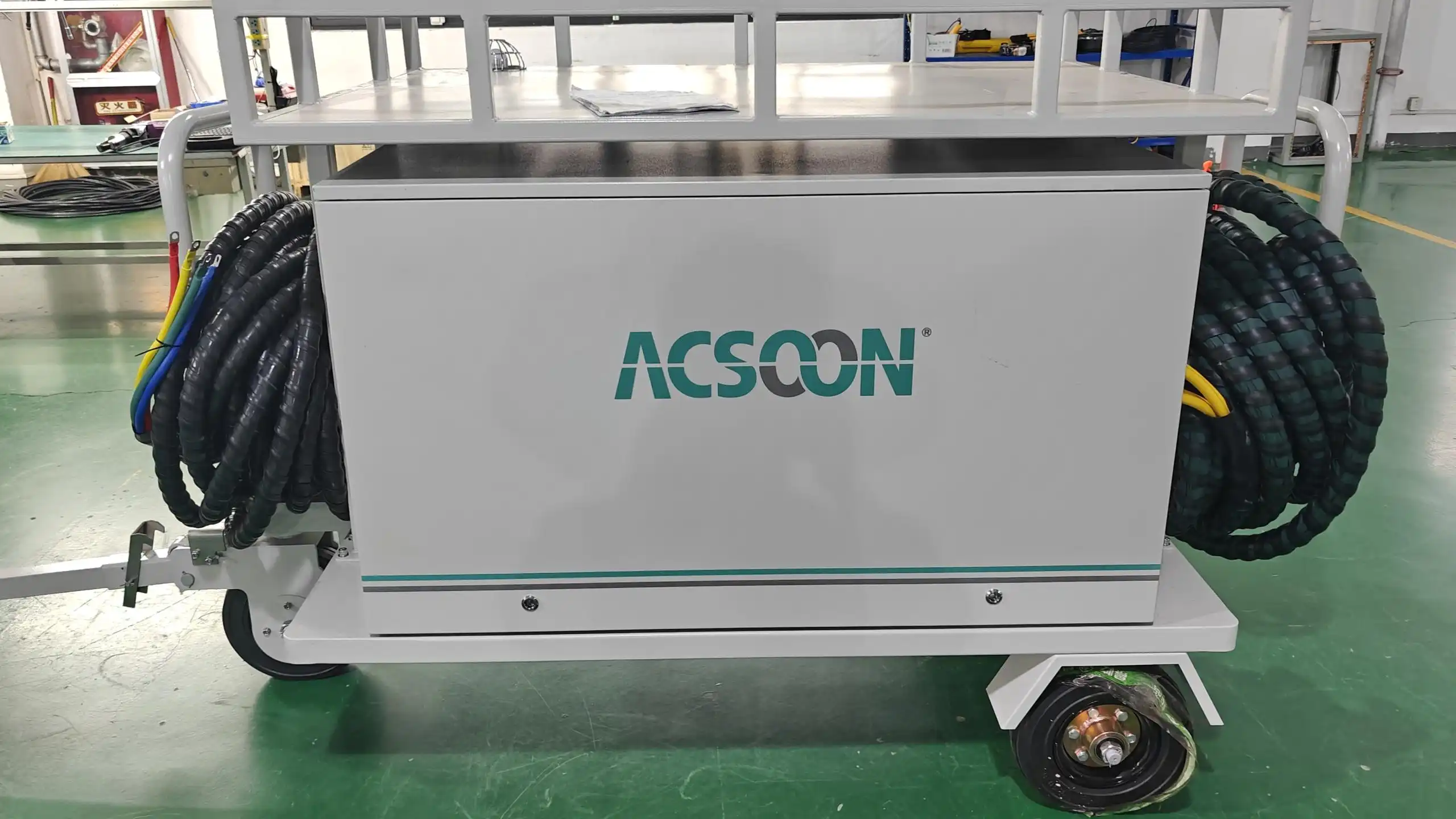

Essential Criteria for Evaluating Reliable Manufacturers
Production Scale and Infrastructure Assessment
Considering a manufacturer's production capacity helps determine their ability to fulfill large orders and satisfy delivery deadlines. Facilities between 5,000 and 10,000 square meters usually have good inventory management. This scale lets producers stock crucial components and quickly customize orders. Modern production facilities should have clean manufacturing environments, coordinated workflows, and quality check stations throughout production. The inclusion of automated power distribution validation and electrical load verification technology shows product reliability.
Engineering Expertise and Customization Capabilities
Engineering-strong manufacturers can customize ground aircraft power for operational needs. Modifications for adverse weather, airport infrastructure integration, and aircraft compatibility are included. Custom power cable lengths, power interfaces, and voltage regulation parameters show technical flexibility. Military and commercial aviation experience suggests operational complexity. Manufacturers in both industries have greater quality standards and a better awareness of crucial application reliability.
Supply Chain Management and Component Sourcing
Reliable manufacturers have strategic partnerships with component suppliers to ensure high-quality parts. Precision transformers, control electronics, and heavy-duty power cables are examples. Good supply chain management allows competitive pricing and high component quality. Diverse supplier networks help manufacturers weather supply disruptions. Using numerous vendors to acquire components with consistent quality suggests mature procurement processes and good vendor relationships.
Quality Assurance Systems and Testing Protocols
Overall quality control includes incoming material inspection, in-process monitoring, and final product testing. Manufacturers should document non-conformance handling and continuous improvement strategies. Electrical safety, environmental stress, and operational reliability testing should be done. Dedicated power converter performance and voltage regulation testing equipment shows product quality.
Customer Service and Technical Support Infrastructure
Technical assistance during product selection, installation, and maintenance are responsive customer service capability. With local service networks, manufacturers can help foreign clients with technical issues or replacement parts faster. Multilingual technical documentation and customer care workers ease procurement and implementation communication. This is crucial for complex installations or unique configurations needing technical collaboration.
Critical Certification Standards and Compliance Requirements
International Aviation Standards Compliance
Ground aircraft power equipment must meet strict RTCA electromagnetic compatibility and DO-160 environmental testing standards. Manufacturers should offer compliance paperwork and accredited lab test results. The equipment must meet power quality standards, such as ±5% tolerance for voltage regulation and frequency stability at 400Hz output. Harmonic distortion must be controlled to avoid interfering with sensitive airplane equipment.
ISO Quality Management Certifications
ISO 9001 certifies comprehensive quality management systems for design, production, and customer service. Regular audits and continual improvement ensure excellent standards with this certification. Additional certifications like ISO 14001 for environmental management show business accountability and sustainable manufacturing. These certifications become increasingly significant for government and military procurement.
Regional Safety and Performance Certifications
CE certification for European markets verifies safety, health, and environmental compliance. Ground support equipment electromagnetic compatibility and electrical safety standards are covered by this certification. Electrical safety and performance are further validated by UL certification for North America. A variety of regional certifications show the manufacturer's dedication to worldwide market access and regulatory compliance.
Military and Government Certification Requirements
MIL-STD environmental and electromagnetic compatibility certifications are commonly needed for military applications. In high temperatures, humidity, and electromagnetic interference settings, these standards enable reliable performance. Government procurement may demand vendor certification or security clearances. Manufacturers with government customers usually keep the appropriate documentation and security protocols.
Strategic Sourcing Channels and Platform Selection
B2B Platform Evaluation and Vendor Discovery
Professional B2B platforms offer verified manufacturers with company profiles, product specs, and customer feedback. International sourcing risks are reduced by these platforms' supplier verification and transaction protection features. Trade platforms for industrial equipment attract established manufacturers rather than trading companies, increasing the chance of direct manufacturer interactions. Technical conversations and modification are easier with direct engineering team communication.
Industry Exhibition and Trade Show Participation
Aviation trade events and industrial exhibits provide producer engagement and product presentation. Events provide hands-on equipment quality review, technical talks with engineering teams, and connection building with important decision-makers. A major event like the China International Aviation & Aerospace event displays ground support equipment innovations. Manufacturers invest in client relationships and global marketplaces by attending international trade exhibitions.
Professional Network Referrals and Industry Connections
Trade associations and professional networks recommend credible producers with track histories. In vendor selection, aircraft maintenance specialists, airport operators, and industry advisors are influential. Distributors and local agents can help manufacturers evaluate and manage relationships. While providing local support, these collaborations allow direct access to manufacturer engineering and technical expertise.
Direct Manufacturer Contact and Relationship Development
Direct manufacturer ties improve communication, price, and immediate support. Direct interaction reveals firm culture, technical capability, and long-term stability. Communicating with manufacturer reps keeps you informed of new products, technology, and market trends. These partnerships benefit future procurement and technical support.
Optimizing OEM and ODM Partnership Success
Technical Specification Development and Documentation
Successful OEM collaborations start with detailed technical specifications encompassing performance, ambient conditions, and interface standards. Clear documentation avoids misunderstandings and assures operational product compliance. Specifications should cover power output, environmental operating conditions, safety, and infrastructure integration. Product validation after delivery is objective using acceptance testing criteria.
Intellectual Property Protection and Legal Frameworks
OEM agreements should preserve exclusive designs, technical standards, and branding. Clear legal frameworks protect both parties and facilitate custom product development collaboration. Sharing sensitive technological requirements or operational procedures requires confidentiality agreements. These protections promote free communication while protecting sensitive information throughout development.
Production Timeline Management and Milestone Tracking
Successful project management requires clear targets, delivery schedules, and quality inspections throughout manufacturing. Regular progress assessments keep projects on track and of high quality. Planning for delays and technical issues helps keep projects on track. This includes alternative component sourcing and faster testing when schedule compression is needed.
Quality Control Integration and Inspection Protocols
OEMs should involve customers in quality control, including incoming inspection and final acceptance testing. Together, we ensure products fulfill specifications and build manufacturing quality. Quality metrics and reporting show production quality trends. Regular quality reviews enable proactive problem-solving and continual improvement.
Strategic MOQ Management and Pricing Optimization
Volume-Based Pricing Structure Analysis
Understanding the manufacturer's price improves negotiation and procurement. Cost optimization requires strategic ordering amounts because volume discounts occur at certain quantity thresholds. Long-term contracts with committed quantities sometimes offer price advantages and priority production capacity. These arrangements promote planning, predictability, and business partnerships for both sides.
Payment Terms Negotiation and Risk Management
Payment flexibility can greatly affect project cash flow and procurement prices. Deposits are usually required, and the balance is due upon delivery or acceptance testing. International letters of credit protect both parties. These financial tools guarantee payment obligations and delivery commitments, especially for big or unique transactions.
Total Cost of Ownership Considerations
Transportation, installation, training, and maintenance should be considered when pricing. Lower initial purchase prices may not be the best long-term value for operational costs. Service support and warranty terms greatly affect total ownership expenses. Full warranty coverage and service support decrease operating risks and unexpected maintenance costs.
Market Timing and Strategic Purchasing
Timing is crucial in procurement strategy since market conditions affect pricing and delivery. Peak demand can delay delivery, although off-peak pricing may be better. Currency exchange rates, raw material costs, and transportation costs affect pricing. Understanding these elements helps time large purchase initiatives strategically.
Comprehensive Factory Assessment and Quality Validation
Production Facility Evaluation Criteria
Physical factory inspections reveal production capability, quality, and operations. Modern facilities should have organized processes, well-maintained equipment, and professional settings. Quality check stations throughout production reflect quality commitment. Actual manufacturing operations show adherence to documented procedures and attention to detail.
Supply Chain Transparency and Vendor Relationships
Knowing manufacturing supply chains helps analyze quality and risk. Established ties with respected component suppliers show mature procurement and quality-focused vendor selection. Supplier audits and vendor qualification show systematic supply chain management. These techniques maintain component quality and reduce supply interruption concerns.
Quality Management System Implementation
ISO-certified manufacturers should implement quality management systems beyond certification. Continuous improvement, corrective action, and consumer feedback integration are examples. Quality metrics tracking and trend analysis suggest data-driven quality management. Regular management evaluations and improvement planning show quality improvement commitment.
Technical Capability Assessment
Building group capabilities and involvement levels give understanding into specialized problem-solving capabilities and item advancement potential. Progressed specialized capabilities empower way better customization bolster and inventive arrangement development. Test hardware calibration and support strategies guarantee exact quality confirmation all through generation. Comprehensive testing capabilities counting natural stretch testing, illustrate a commitment to item unwavering quality approval.
Leading Industry Suppliers: 2026 Market Landscape
Technology Innovation and Product Development
Showcase pioneers contribute essentially in inquire about and development, resulting in progressed highlights like intelligent control observing, predictive support capabilities, and improved energy efficiency. These advancements give operational preferences while diminishing long-term operational costs. Integration with airplane terminal administration frameworks empowers automated control administration and real-time status monitoring. Progressed communication interfaces encourage further observing and symptomatic capabilities, making strides in operational effectiveness and support planning.
Global Market Reach and Customer Support
Built up providers keep up universal benefit systems giving nearby bolster for worldwide clients. This foundation guarantees responsive specialized support, parts accessibility, and upkeep services in any case of installation. Multilingual client bolster capabilities and comprehensive specialized documentation encourage smooth usage and progressing operations. These bolster frameworks are especially important for complex establishments or mission-critical applications.
Financial Stability and Business Continuity
Market-leading providers illustrate solid budgetary execution and trade soundness, guaranteeing long-term support accessibility for their products. This steadiness becomes pivotal for applications requiring multi-decade operational life and continuous specialized support. Diversified client bases over commercial flying, military applications, and mechanical markets give commerce stability and decreased reliance on single advertising sectors. This enhancement bolsters proceeded venture in item advancement and customer service capabilities.
Industry Partnership and Collaboration
Driving providers keep up vital associations with air ship producers, airport administrators, and infrastructure integrity. These connections give advanced knowledge and impact item advancement headings to meet advancing industry needs. Participation in industry measures improvement illustrates thought administration and commitment to progressing ground support gear innovation. These commitments offer assistance shape future benchmarks while guaranteeing item compatibility with rising necessities.
Conclusion
Technical capabilities, quality standards, and business procedures must be assessed to find the proper Chinese ground aircraft power producer. Success requires knowing manufacturer strengths, checking certificates, and having clear communication routes for collaboration. Chinese manufacturers have sophisticated production, competitive pricing, and are developing aviation ground support equipment. Technical evaluation, quality management system evaluation, and customer service evaluation are essential for supplier selection. Comprehensive supplier evaluation improves product quality, delivery reliability, and long-term operational success through solid partnerships.
FAQ
What certifications should I look for when selecting a ground aircraft power manufacturer?
Essential certifications include ISO 9001 for quality management, CE marking for European compliance, and aviation-specific standards like DO-160 for environmental testing. Military applications may require additional MIL-STD certifications. Verify that certificates come from accredited testing laboratories and remain current.
How can I verify a Chinese manufacturer's production capacity and reliability?
Request facility tours, production capacity documentation, and customer references from similar applications. Evaluate their quality management systems, supply chain relationships, and financial stability. Look for manufacturers with dedicated aviation experience and established international customer bases.
What are typical lead times for custom ground aircraft power solutions?
Standard products typically require 4-8 weeks for production and delivery. Custom solutions may need 12-16 weeks, depending on complexity and testing requirements. Factors affecting the timeline include certification requirements, custom engineering work, and current production schedules.
How do I ensure quality control when working with overseas manufacturers?
Implement comprehensive quality agreements, including inspection protocols, testing requirements, and acceptance criteria. Consider third-party inspection services and require detailed quality documentation. Establish clear communication channels with engineering teams and maintain regular progress reviews throughout production.
What should I consider when negotiating pricing and payment terms?
Evaluate the total cost of ownership, including shipping, installation, and ongoing support costs. Consider volume discounts, long-term agreements, and payment term flexibility. Use secure payment methods like letters of credit for international transactions and clearly define warranty terms and service support.
How do I protect intellectual property when developing custom solutions?
Establish comprehensive confidentiality agreements before sharing technical specifications. Include intellectual property protection clauses in manufacturing agreements and consider registering critical designs in relevant jurisdictions. Work with legal counsel familiar with international manufacturing agreements and IP protection.
Partner with JERRYSTAR for Reliable Ground Aircraft Power Solutions
JERRYSTAR stands ready to support your ground aircraft power requirements with proven ACSOON brand equipment and comprehensive customization capabilities. Our Xi'an facility combines advanced manufacturing technology with experienced engineering teams to deliver reliable power conversion solutions for aviation, military, and industrial applications. Contact our technical specialists at acpower@acsoonpower.com to discuss your specific requirements and discover how our ground aircraft power manufacturer expertise can enhance your operational capabilities while meeting demanding delivery schedules.
References
1. International Civil Aviation Organization. "Aerodrome Design Manual: Visual Aids." Fourth Edition, 2020.
2. Society of Automotive Engineers. "Guidelines for Ground Support Equipment Design and Testing in Aviation Applications." SAE International Standards, 2023.
3. Federal Aviation Administration. "Advisory Circular: Airport Ground Support Equipment Safety Requirements." AC 150/5210-5D, 2021.
4. European Aviation Safety Agency. "Certification Standards for Ground Power Equipment in Commercial Aviation." EASA Technical Manual, 2022.
5. Radio Technical Commission for Aeronautics. "Environmental Conditions and Test Procedures for Airborne Equipment." RTCA/DO-160G, 2020.
6. International Organization for Standardization. "Quality Management Systems in Aerospace Manufacturing." ISO 9001:2015 Aviation Supplement, 2023.