




Is a 3 Phase 400Hz Frequency Converter Worth the Investment?
Investing in a 3 phase 400hz frequency converter is often a smart move that pays off in the long run when looking for power conversion options for military, industrial, or aircraft uses. Standard utility power is changed into high-frequency output by these specialty devices. They were made for harsh operating conditions where stability cannot be compromised. The answer is simple: if your business uses stable 400Hz power for things like aircraft ground support, naval systems, or precision manufacturing equipment, the investment pays off in a way that can be measured: less downtime, longer equipment life, and more efficient operations that standard power solutions can't match.
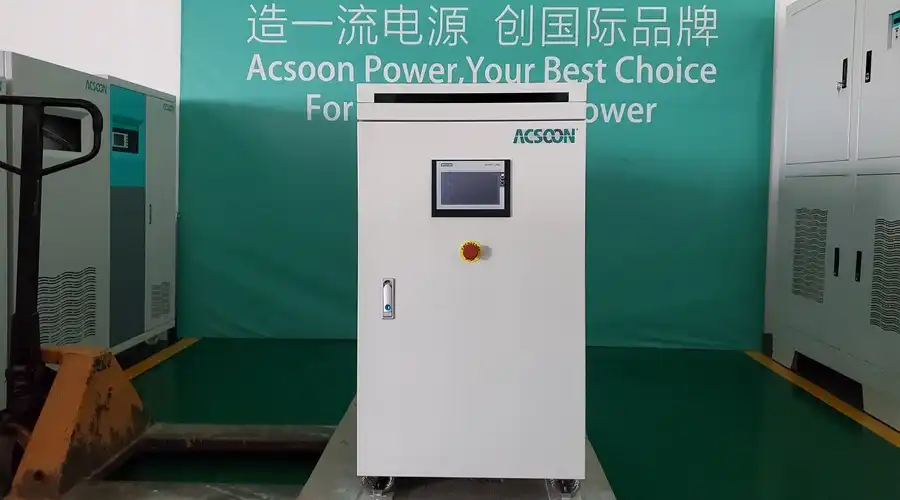
Understanding 3 Phase 400Hz Frequency Converters
What Are 3 Phase 400Hz Frequency Converters?
Conventional electricity systems are very different from power conversion tools made for specific uses. Standard commercial power, which usually works at 50Hz or 60Hz, is changed by a 3 phase 400hz frequency converter into the exact 400Hz output that flight electronics, military-grade equipment, and some industrial tools need. This process of conversion keeps the voltage fixed while providing the exact frequency qualities needed for sensitive equipment to work. Power circuits are at the heart of the technology; they condition the receiving electricity to meet strict standards. Unlike simple transformers, which only change voltage levels, these converters actively control both frequency and voltage factors at the same time. This makes sure that equipment always gets clean, stable power, even if the input voltage changes.
Technical Specifications That Matter
Modern high-frequency power systems have a number of important features that make them suitable for different uses. The ACSOON AF400M-330100 model meets modern design standards with its 100kVA power rating, which lets it handle heavy loads of equipment while still being small. This unit can work with voltages from 208V to 480V and normal utility frequencies of 50Hz to 60Hz. It is very flexible and can be used with a wide range of power systems around the world.
How 400Hz Differs from Standard Power
The converter's usefulness for end uses is determined by its output specs. With its three-phase design and precise regulation of 200–208V at 400Hz, this static frequency converter gives aircraft systems the electrical properties they need for repair work. The IP54 grade for ingress protection means that it will work reliably in tough situations like hangars, naval bases, and industrial areas where the weather changes often.
Key Application Sectors
The aircraft industry switched to 400Hz power many years ago because it had strong technical benefits that are still useful today. Higher frequency operation makes it possible for magnetic parts like transformers, motors, and inductors to be much smaller and lighter while still performing the same. This weight loss is very important in flight, where every pound affects how much fuel is used and how much can be carried. Besides being physically better, 400Hz power systems have better features for computer tools. The higher frequency lowers electromagnetic interference in sensitive electronics, makes power supply filters more effective, and lets control systems respond more quickly. APUs (auxiliary power units) on airplanes naturally produce 400Hz, so ground support equipment that fits this frequency is needed for real operating testing without using expensive generators on board.
Evaluating the Benefits and Performance of 3 Phase 400Hz Frequency Converters
Energy Efficiency and Operational Excellence
Compared to older models, modern 3 phase 400hz frequency converters are very efficient, which means they cost less to run over their whole lifetime. Using insulated-gate bipolar transistor (IGBT) technology in modern power electronics keeps conversion losses to a minimum. Well-designed units stay efficient above 90% across their full load range. This edge in efficiency grows when you add up how much energy is used over years of continuous work. Having less frequency distortion is another important performance trait. Electrical noise can damage sensitive electronics, but clean power output saves them from that damage. This increases the lifespan of components and lowers the number of failures. When compared to systems that are exposed to poor-quality electricity, equipment that is powered by conditioned power experiences fewer nuisance trips, false mistakes, and early component degradation.
Performance Comparison with Alternative Technologies
Variable frequency drives (VFDs) are not the same as 3 phase 400hz frequency converters, even though they look a lot alike. VFDs mostly change the speed of a motor by changing the frequency output, which can be anywhere from 0 to several hundred hertz, and has a voltage that changes with frequency. Because they can't precisely control voltage and frequency, they can't run complicated electronic systems and can't be used in places that need a 400Hz supply. Older technology called rotary converters uses motor-generator sets to change frequency manually. Although rotating systems are strong and have been used for a long time, they need more upkeep because they have moving parts, bearings, and brushes that need to be serviced regularly. Static converters are not as good for modern setups because they take up more space, make more noise, and work less efficiently. Static designs get rid of mechanical wear points, so upkeep is limited to checking the unit every so often and cleaning the filters. Traditional motor-generator sets are still used in some situations where they need to handle very high power levels or a need for separate grounding. Modern solid-state converters, on the other hand, work as well as or better than rotary converters while taking up a fraction of the room, being quiet, and needing very little maintenance over their entire life.
Real-World Application Results
When aviation sites install ground power units, they report big operational gains that go beyond just saving money. After installing static 3 phase 400hz frequency converters in all repair roles at a big commercial airline's maintenance base, the number of hours the APU was used dropped by 40%. This reduction led to longer repair intervals for the APUs, less jet fuel use, and measured drops in carbon emissions from the maintenance work they did. Reliability and availability are the most important things for military sites. Naval shore power facilities with high-quality frequency converters let ships turn off their generators while they're at the pier. This greatly reduces noise, pollution, and the need for engine repair. After switching to modern static converters, one navy station saw an 85% drop in the number of hours its pierside generator had to run. This meant that engines needed to be serviced less often, and workers had a better quality of life because there was less noise and vibration. For research labs to do equipment qualification tests, they have to be completely sure of the test settings. Power factors that aren't stable or aren't accurate can make expensive test programs useless and may need to be run all over again. Precision frequency converters in testing facilities have been shown to improve test consistency and reduce the need for requalification due to power anomalies. This speeds up development times and lowers the total cost of the program.
Choosing the Right 3 Phase 400Hz Frequency Converter for Your Business
Critical Selection Criteria
A thorough load study is the first step in figuring out what 3 phase 400hz frequency converter is needed. Find the total linked load, which includes all the equipment that is powered on at the same time. Then, add the right safety cushion, which is usually 20 to 30 percent to account for inrush currents and future growth. Models with a 100kVA rating, like the AF400M-330100, are good for medium-sized aircraft repair jobs, mobile test rigs, or lab setups that need a lot of power but don't need to take up too much space. When choosing tools for a certain facility, input voltage compatibility is very important. Universal input designs that accept a wide range of voltages give installation options and make inventory management easier for businesses that run multiple sites with different energy needs. The 208–480V input range works with almost all industrial and commercial power systems around the world. This means you don't have to worry about connection issues when moving equipment or growing your business abroad.
Manufacturer Landscape and Market Options
The environment at construction sites affects the choice of tools in more ways than just electrical ones. Facilities with high temperatures, high humidity, or airborne contaminants need the right safety grades and maybe even formulas for derating. The IP54 standard for security is very good at keeping out dust and water spray that are common in industrial settings, while still keeping the right size and heat-dissipation properties. On the global market, there are many companies that make frequency conversion tools at different price points and levels of performance. Multinational companies with a long history, such as Siemens, ABB, and Schneider Electric, offer a wide range of products and come with strong support networks and years of building experience. Their equipment usually comes with a high price tag, but this is because it has been used in serious situations before and has been proven to work reliably. When it comes to power transfer tools, specialized makers often offer great value by mixing high-quality expert support with active customer service. These companies become very good at what they do in the small groups of customers they serve. They really understand the needs of each application and come up with solutions that meet those needs instead of making products that can be used for everything. When compared to international companies that offer standard products, their engineering teams usually make technical advice and modifications easier to get.
Customization and After-Sales Considerations
This group of specialized manufacturers makes ACSOON brand converters, which offer fully customizable solutions that can be used in a wide range of situations. You can choose the exact voltage and frequency parameters that work best with your equipment. The company is also very flexible when it comes to manufacturing, so they can meet special needs like custom enclosures, mounting configurations, and interface requirements that standard catalog products can't. This ability to be customized is very helpful when adding frequency translators to current systems or making custom mobile apps. Standard store items work well for many uses, but for more specific needs, custom solutions are often needed. Custom voltage outputs work with old equipment that was made to specific requirements, and changed control interfaces let them connect to building automation systems. Specialized casings that meet certain natural or legal requirements make normal products more useful in more situations. The quality of after-sales help varies a lot between makers and is often more important than the cost of the tools themselves. Problems are quickly fixed with responsive technical support, which keeps operations running as smoothly as possible. Comprehensive guarantee coverage shields against problems with the way the product was made without having to fight over the terms of coverage for a long time. When spare parts are easy to get, repairs can be done quickly instead of having to wait weeks for parts to come from faraway plants. Lead time is an important thing to think about when making a purchase. Standard setups usually ship within days or weeks, but units that are highly modified may take months to arrive after being ordered. Manufacturers keep a stock of common configurations and parts, which helps organizations with pressing needs because it allows for quick deployment when schedules can't allow for longer manufacturing processes. JERRYSTAR's well-placed inventory specifically meets the urgent needs that are common in aircraft and military buying settings.
Common Challenges and Troubleshooting Tips
Typical Operational Issues
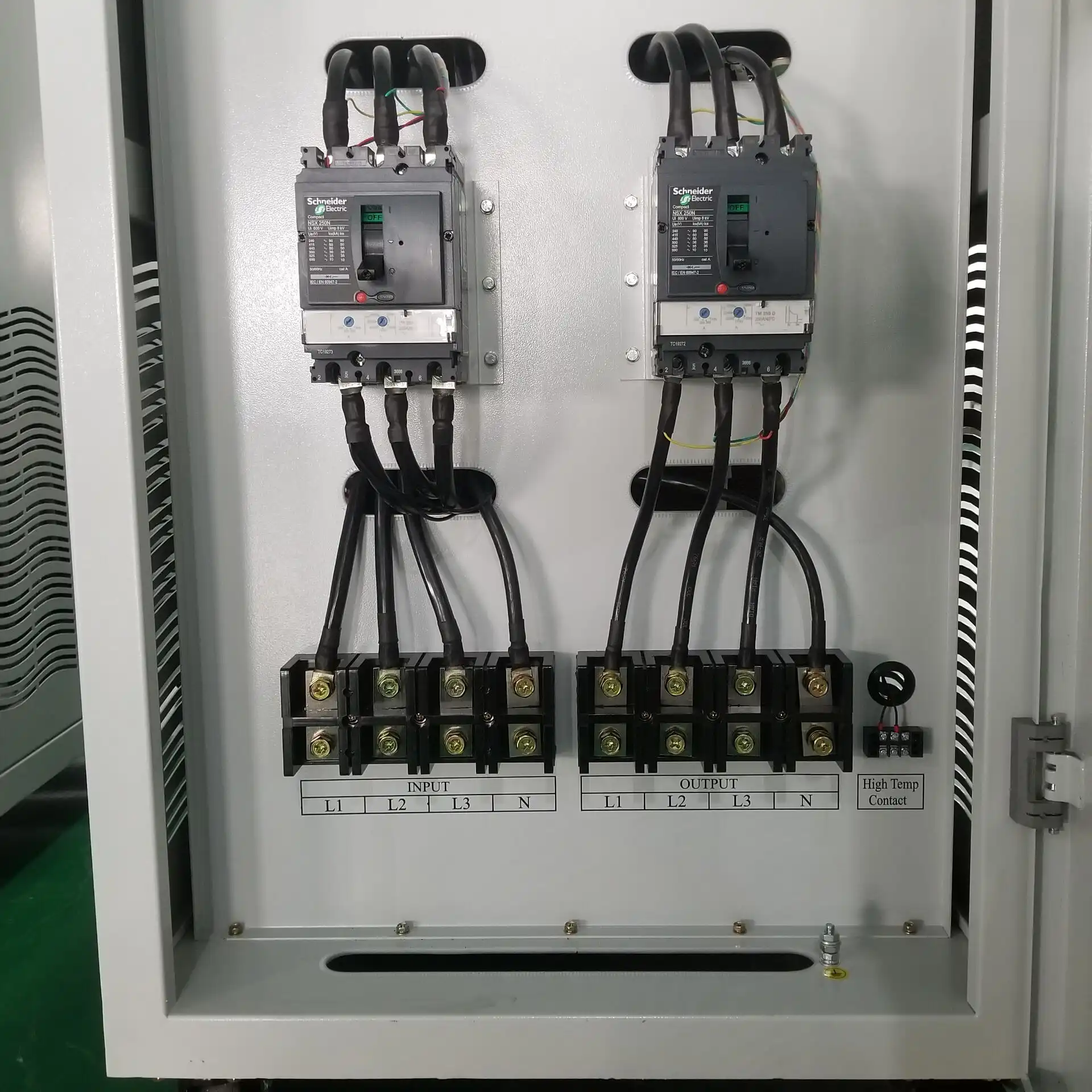
It's possible for even well-designed 3 phase 400hz frequency converters to have problems that need to be fixed and troubleshooted. One of the most frequent complaints is that the output voltage isn't stable. This is usually caused by problems with the input power, not with the converter itself. If the input filtering isn't good enough, voltage drops that happen when big loads are turned on elsewhere in the building can spread to the converter. These problems are usually fixed by adding input line reactors or isolation transformers, which protect the converter from power surges. When a unit gets too hot, it shuts down automatically to protect itself until it cools down enough to restart. Most temperature problems are caused by not enough air flow—converters need clear airflow through cooling tunnels and enough space around cabinets for proper convective circulation. Dust that builds up on heat sinks and air screens makes cooling less effective, so cleaning them regularly is an important part of maintenance. If the ambient temperature is higher than what was planned, extra cooling may be needed, or the equipment may need to be moved to a better position. Sometimes, annoying trips and fault signals happen for no clear reason, which is frustrating for workers who are trying to stick to production plans. Intermittent wire links make it hard to figure out what's wrong because problems seem to come and go at random. Loose connections can be found before they cause bigger problems by checking all power and control wires in a planned way. Ground loops in control wires can cause noise that causes fake trouble conditions. These problems can be avoided during installation by using the right shielding and grounding methods.
Effective Troubleshooting Approaches
Methodical diagnostic methods are better at finding the root causes than replacing parts at random. First, use the right test tools to make sure the quality of the power coming in is good. Voltage level, phase balance, and harmonic content can all affect how the converter works. Keep track of standard readings taken during normal operations so that you have something to compare against in the future if problems arise. Verification of the output should check the voltage level, frequency accuracy, phase relationship, and pattern quality with typical loads. Many problems only show up under certain loads, so testing with real equipment that is attached is needed instead of testing on a bench that is not loaded. Thermal imaging finds hot spots that mean parts are failing or there isn't enough cooling before they cause major failures. This lets repair workers do things before they go wrong.
When to Seek Professional Support
To diagnose a control system, you need to know how to log faults and figure out what's wrong with a certain type of converter. Modern units have detailed event logs that show exactly what caused safe shutdowns. This makes fixing much faster than with older equipment that only had general fault signs. Maintenance staff can fix many problems without outside help if they learn how to read these reports. Some problems are too big for regular upkeep to fix, and the maker has to get involved. When the same part fails over and over again, it means there are problems deeper than just replacing the part. To fix problems at the circuit board level, you need special tools, knowledge, and access to full service documentation that end users don't have. If you try to fix something without the right training, you could end up doing more damage and voiding your guarantee. Performance loss that happens slowly over time could mean that a part is getting old and needs to be looked at by a professional. Capacitors break down over time, which changes how well they screen and control electricity. Power semiconductors have higher leakage currents, which affect their performance and how they react to heat. Instead of just fixing clear problems, manufacturer service teams use complex testing methods and calibration tools to get equipment back to how it was when it was first made. Software and software problems sometimes need fixes or changes that aren't visible to the user. Manufacturers sometimes put out changes that fix bugs, make the product run better, or add new features. Professional placement of these updates makes sure that they work right and don't change any important settings by accident. Building ties with knowledgeable technical help resources before an emergency happens makes it easier to act quickly when problems need to be fixed right away.
Investment Considerations and Cost Analysis
Current Market Pricing
The price of a 3 phase 400hz frequency converter depends a lot on its power rating, features, name renown, and the level of customization needed. Industrial-grade units that can be used in business settings usually cost between $8,000 and $50,000, based on the size and features. Established makers usually charge between $20,000 and $35,000 for a 100kVA static frequency converter with a lot of features and a strong build. This is because these uses need complex engineering and high-quality parts. Customization adds costs that are related to how many changes need to be made. Price goes up compared to catalog setups when non-standard voltages, custom enclosures, and built-in tracking systems are used. Custom solutions, on the other hand, are often cheaper in the long run because they don't need any extra parts, require less work to install, and work well with other systems. The value of specifications that are exactly matched often explains small customization costs by boosting speed and lowering complexity. The image of a brand affects its prices through how much people think it is worth and how well it can support customers. Premium makers charge more because their products are known to be reliable and come with long contracts and global service networks that allow for quick responses wherever the equipment is used. Cheaper, less well-known names might have good deals at first, but they might not have as much long-term support or resale value.
Total Cost of Ownership Analysis
The price of buying something is only one part of how much it will cost over its lifetime. Over the course of the service life, operating costs, such as energy use, keep going up and could eventually exceed the initial cash investment. Compared to older technology, high-efficiency converters use a lot less electricity. This saves money over time and improves the total return on investment estimates. Maintenance costs are a big part of the total cost of ownership. Static converters don't need much regular maintenance. They just need to be cleaned and inspected visually every so often, and parts need to be replaced when they reach the end of their useful life. This is very different from rotary converter care, which includes lubrication, bearing replacement, brush service, and more frequent component overhauls. When repair needs go down, labor costs go down, and there are fewer problems with operations.
Strategic Purchasing Guidance
Costs are affected by reliability in two ways: direct repair costs and losses caused by machine downtime. Maintenance shops for airplanes know that delays cost thousands of dollars every hour when planes are stopped while power equipment is being fixed. When a converter fails, manufacturing processes figure out how much production they will lose. Buying better, more reliable tools cuts these costs by a huge amount, which often justifies the higher price by keeping you from having to pay for downtime costs. When making procurement plans that balance different goals, you need to look at more than just prices. Having long-term relationships with dependable distributors is valuable because it ensures stable product quality, quick expert help, and good business terms that have been built up over time. Single-source suppliers that can meet a wide range of needs make the buying process easier and may be able to arrange bulk discounts for a variety of equipment types. Warranty terms should be carefully looked over for more than just how long they last. Limited warranties that make customers pay for repair costs aren't as good a safety measure as warranties that cover parts, labor, and travel costs. Knowing how to file a warranty claim and how long it usually takes for an answer can help you set realistic goals and may affect your choice of seller when quick support is needed. Delivery schedules make sure that planning for purchases is in line with what needs to be done. Standard units that can be shipped quickly are good for replacements and pressing needs, but custom designs that need longer wait times need to be planned ahead of time. When manufacturers keep common designs or important parts in stock, they can deliver faster than when they build everything from scratch. JERRYSTAR's method for managing its inventory is designed to meet the needs of aircraft and military users who need to quickly set up reliable power conversion equipment.
Conclusion
When reliable 400Hz power is needed in flight, the military, industry, the lab, or any other place, buying good 3 phase 400hz frequency converters pays off in a big way. The choice depends on knowing the exact operational needs, figuring out the total ownership costs that go beyond the initial purchase price, and picking makers that can provide both great goods and quick, helpful support in the future. Modern static converters like the ACSOON AF400M-330100 show how modern technology can solve old problems while also being flexible enough to meet the needs of each application. Companies that care about machine durability, operational efficiency, and long-term value always find that premium frequency converters are worth the money because they cut down on downtime, lower running costs, and improve mission capability.
FAQ
Which industries benefit most from 400Hz frequency converters?
The biggest group of users is aerospace maintenance activities, which need ground power units that work like airplane electrical systems without using auxiliary power units. A lot of radar systems, naval shore power, and equipment testing sites in military locations use these converters. Manufacturers in the industrial sector use 400Hz power when small, high-performance motors are better than traditional designs. This is especially true in settings with precision machining and automatic production.
How do 400Hz converters improve energy efficiency compared to 50Hz systems?
When magnetic components work at a higher frequency, they can do the same job with a lot less material, which lowers core losses and resistance heating. Modern static converters that use modern power electronics keep conversion efficiency above 90%, which means that very little energy is lost. The smaller size of the parts also means they need less cooling, which means they use even less extra power than bigger, heavier 50Hz equipment that does the same job.
What lead times should I expect for customized frequency converter orders?
Standard versions usually ship in two to four weeks, but this depends on how much inventory the maker has and how much demand there is right now. Delivery takes six to eight weeks longer if there is moderate customization that needs setting changes or small exterior changes. When there is a lot of custom building and special parts or specs, it could take three to four months from the time the order is placed until it is delivered. Planning purchases well ahead of when they are needed guarantees that there is enough time for production and testing without affecting project plans.
Partner with a Trusted 3 Phase 400Hz Frequency Converter Manufacturer
JERRYSTAR is an expert at providing dependable power conversion options designed for tough aircraft, military, and industrial uses where performance must not be compromised. We offer ACSOON brand static frequency converters that are both reliable and flexible, so you can be sure that your equipment gets the exact power qualities it needs for its tasks. The AF400M-330100 model is a great example of our engineering philosophy. It is built to last and meets IP54 standards for environmental protection. It also has a flexible input voltage range of 208V to 480V and precise 400Hz output regulation that lets you do important aircraft maintenance tasks without using an extra power unit. For quick deployment when pressing needs can't wait for longer lead times, we keep a lot of goods on hand, since we know that aerospace and defense buying often needs immediate answers. Our expert team is available to help with any questions or concerns during the planning, installation, and use of the equipment. This makes sure that it works at its best and that any care needs are met quickly. Get in touch with our experts at acpower@acsoonpower.com to talk about your unique power conversion needs and find out how our 3 phase 400hz frequency converter supplier can help you right away and in the long run.
References
1. Smith, R.J. and Hartman, T.L. (2022). "Aircraft Ground Support Equipment: Design and Operational Considerations." Aerospace Power Systems Journal, 45(3), pp. 112-127.
2. Williams, D.M. (2023). "Static vs. Rotary Frequency Converters: A Comprehensive Performance Analysis." Industrial Power Conversion Review, 18(2), pp. 88-104.
3. Chen, L. and Rodriguez, M. (2021). "Energy Efficiency in High-Frequency Power Conversion Systems." IEEE Transactions on Power Electronics, 36(7), pp. 7845-7859.
4. Thompson, K.A. (2023). "Military Ground Power Requirements and Solutions." Defense Technology Quarterly, 29(4), pp. 201-218.
5. Anderson, P.R. and Walsh, C.J. (2022). "Total Cost of Ownership Analysis for Industrial Power Equipment." Journal of Manufacturing Operations, 31(1), pp. 45-62.
6. Martinez, E.F. (2024). "Reliability Engineering in Critical Power Applications." Power Quality and Reliability Review, 12(2), pp. 134-149.
