




Is a 60 Hertz to 50 Hertz Converter Necessary for Imports?
When bringing industrial equipment across foreign lines, one important question that often comes up is whether or not you need a frequency converter for your business. "Yes," a 60 hertz to 50 hertz converter is necessary when equipment made for North America's 60Hz standard needs to work in places with 50Hz power lines, like Asia, Africa, or Europe. Without the right frequency change, machines can break down, wear out faster, and pose safety risks that slow down production and raise costs.
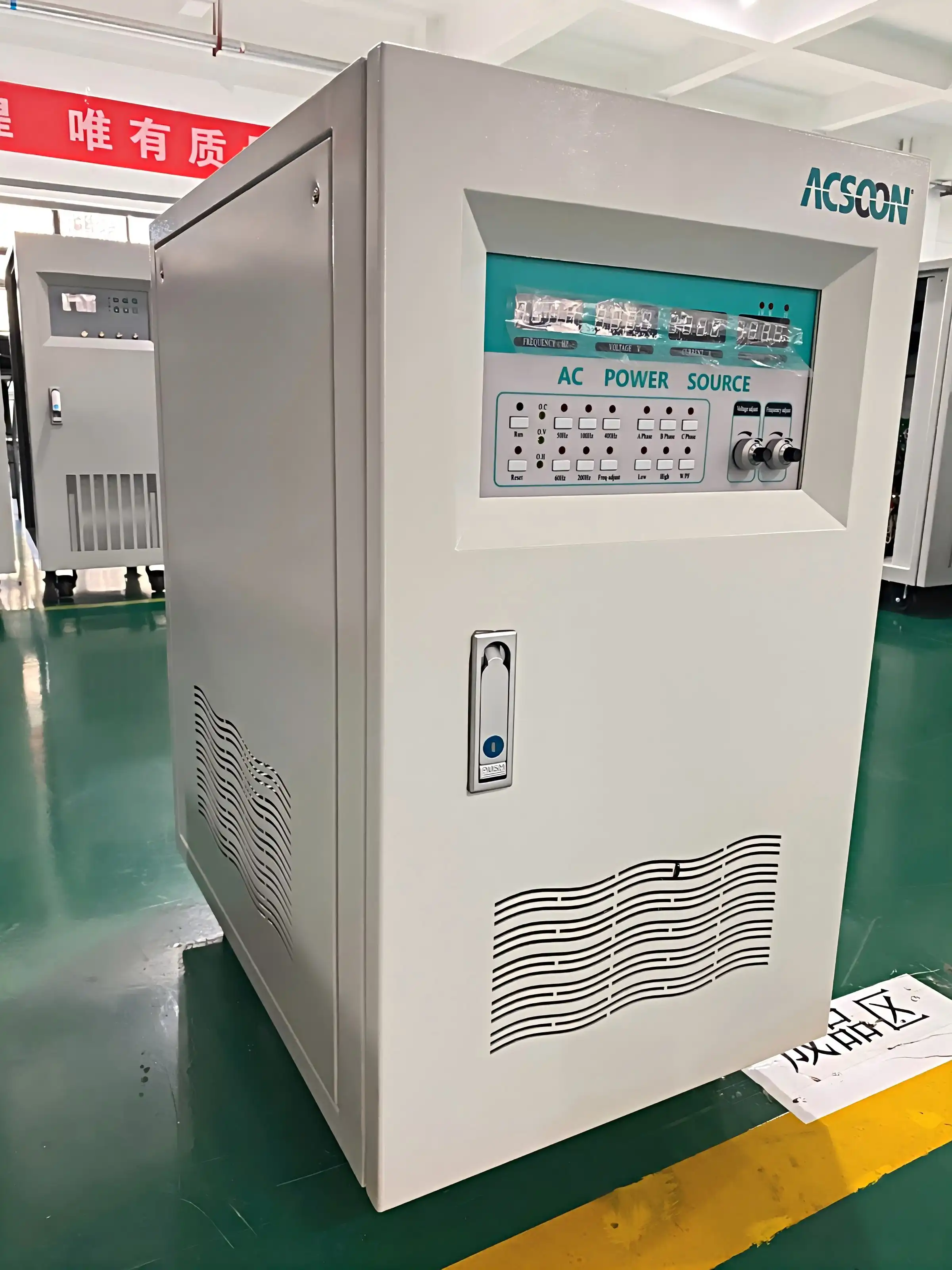

Understanding the Frequency Difference: 60Hz vs 50Hz Power Supply
Why Different Standards Exist
The difference between 60Hz and 50Hz came about because of the choices engineers made in the early 1900s. North American utilities switched to 60Hz in part because it worked a little better with incandescent lights. In Europe, on the other hand, systems are settled around 50Hz to make long-distance power transfer more efficient. These old ideals are still deeply ingrained in the national system.
Performance Impact on Equipment
Frequency difference leads to measured loss of function. When a 60Hz motor is powered by 50Hz power without adjusting the voltage, it runs about 17% slower and makes too much heat because the voltage-to-frequency ratio is off. This temperature stress speeds up the wear and tear on bearings and insulators. In contrast, 50Hz equipment that is connected to a 60Hz supply spins faster than it was meant to, which increases mechanical stress and shaking that can damage precision parts. Transformers have to deal with different problems. Since magnetic flux density is directly related to voltage split by frequency, using the wrong frequency leads to core saturation or under-utilization, which lowers efficiency and could lead to catastrophic burning. When the line frequency changes from what was planned, it affects the accuracy of equipment with timing circuits, like test instruments, older process controllers, and synchronous clocks.
Real-World Consequences
A European aircraft testing lab that brought in 60Hz power sources from the US had to shut down equipment within weeks because overheating safety circuits kept going off. Analysis showed that the internal cooling fans, which were made to work at 60Hz, ran too slowly on the 50Hz grid without frequency conversion, not moving enough air. Adding a 60 hertz to 50 hertz converter fixed the problem right away and returned the system to full operating ability.
When Is a 60Hz to 50Hz Converter Necessary?
Critical Application Scenarios
There are three main situations where frequency change is a must. The most difficult situations are marine and port power uses. All military and business ships built in the US use 60Hz electricity systems. When these ships dock at foreign ports with 50Hz shore power, they need high-capacity frequency converters to keep their navigation systems, communication gear, and life-support systems up and running without having to run diesel engines.
When factories move production lines from one area with different power standards to another, industrial moving projects need frequency conversion. Motors in CNC machines, robotic assembly systems, and precise grinding tools are set up to work at a certain frequency. Moving a 60Hz production line from North America to a 50Hz plant in Asia without converting it first leads to poor quality, lower output, and equipment breaking down before it should.
To correctly mimic the conditions of the international grid, compliance testing and research and development labs need frequency converters. For a product to be certified for world markets, it needs to be tested under both 60Hz and 50Hz conditions. Manufacturers who want to sell their goods abroad use variable frequency power sources to make sure that the equipment works as expected in all of their target markets before sending it out.
Equipment Categories Requiring Conversion
Some types of tools need frequent changes, no matter what they are used for. Induction motors that don't have variable frequency drives can't adjust to changes in frequency without losing a lot of power. When the frequency changes, synchronous motors can't control their speed at all. Frequency-dependent time circuits in medical equipment, especially image systems and life-support devices, don't work right when the power isn't right.
Narrow frequency tolerances are needed for lab tools like mass spectrometers, electron microscopes, and environmental rooms so that they can accurately measure and control the temperature inside. When using standard utility power, aviation ground support equipment that was made for 400Hz airplane power systems needs to be converted to work with a different frequency.
Risks of Operating Without Conversion
If you skip the frequency change that is needed, the manufacturer's warranty is voided, and you become liable. Failures of equipment caused by using the wrong frequency are not covered by normal guarantee terms. If authorities find that a bad power source played a part in the failure, insurance claims for lost production or safety incidents may be turned down.
Another secret cost is that the equipment lasts less long. When motors and inverters are used outside of their original frequency, they break down faster, which could cut their service life in half. As parts wear out faster, maintenance times get shorter, which leads to higher costs and unplanned downtime.
How Does a 60Hz to 50Hz Converter Work?
Technical Architecture and Conversion Process
Modern 60 hertz to 50 hertz converter static frequency converters use advanced technology to change between AC and DC and AC. A converter stage changes alternating current to direct current when power comes in at the source frequency. This DC intermediate stage breaks the straight electrical link between the input and output by galvanic separation. An inverter section using IGBT (Insulated Gate Bipolar Transistor) technology is then fed DC power. This section is managed by powerful PWM (Pulse Width Modulation) algorithms.
With precise voltage control, the inverter rebuilds clean AC power at the output frequency that is chosen. When linear loads are applied, high-quality units keep Total Harmonic Distortion below 3%. This produces a pure sine wave output that keeps delicate electronics safe. In addition to changing frequencies, this double conversion design keeps voltage stable against changes in the grid, filters out electrical noise, and protects linked equipment from problems with the power quality upstream.
Why Transformers Cannot Solve Frequency Problems
Electromagnetic induction lets regular transformers change voltage levels, but it can't change frequency. When linked between 50Hz and 60Hz systems, a transformer only changes the voltage by the number of turns it has. It does not change the frequency. Equipment that needs a certain frequency will still get the wrong power, which will cause the same operating issues.
Some engineers think wrongly that changing the voltage can fix differences in frequency. Keeping the voltage-to-frequency ratio steady is good for motor performance, but it doesn't help with timing circuits, synchronous motor speed control, or the basic mechanical difference between the frequency that was designed and the frequency that was used.
Converter Technology Variations
Digital frequency converters that are controlled by microprocessors work better than older traditional systems. Digital units can respond more quickly to changes in the load, regulate voltage more precisely, and let you set the output parameters. They have many safety features that can detect overcurrent, overvoltage, overtemperature, and short circuits.
Portable frequency converters can be used for short-term installs, testing tools, and on the go. Most of the time, these units can handle between 1kVA and 30kVA. Fixed industrial converters can handle higher power needs, ranging from 50kVA to several megawatts, and can power whole factories or big ships. Their strong design means they can handle tough industrial settings with high and low temperatures, vibration, and dust.
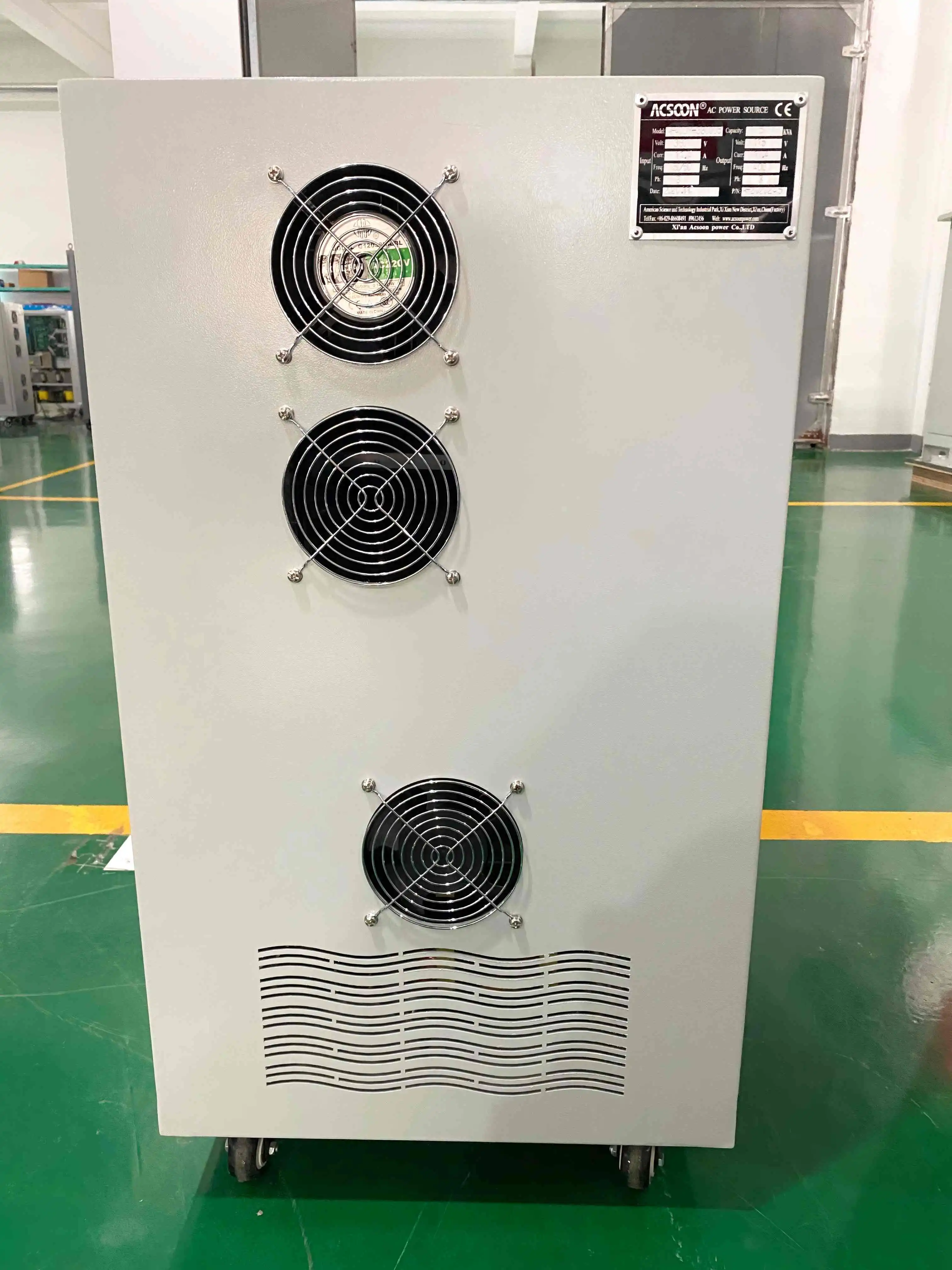
Choosing the Right 60Hz to 50Hz Converter for Your Import Needs
Critical Selection Criteria
When you evaluate frequency converters, you need to look at a number of scientific and practical factors. The most important specification is power capacity—converters must be able to handle peak load with enough room to spare, usually 20–30% more than constant running demand. Ratings for efficiency have a direct effect on running costs; high-end units are more than 90% efficient at full load, which means they waste less energy and produce less heat.
How well the converter handles changes in the grid is based on the input voltage range. Industrial-grade units can handle changes in input energy of up to 15% without lowering their output power. Response time is important for loads that change power quickly. Good converters adjust the output voltage within 2 milliseconds of changes in the load, which stops voltage drops that damage sensitive equipment.
These are the main benefits of choosing the right frequency conversion gear:
- Reliability and uptime protection: Industrial-grade static frequency converters have multiple control systems and heat management that keep them from shutting down without warning. In military and aerospace uses, the average time between failures must be more than 50,000 hours of constant use.
- Clean power delivery: advanced PWM control creates a pure sine wave output with harmonic distortion below 3%. This keeps microprocessor-based equipment safe from electrical noise that messes up data and damages parts.
- Comprehensive protection features: Many safety features keep the converter and the equipment it's attached to safe from electrical problems and cascade failures. These include overcurrent protection, short circuit shutdown, overheat tracking, and input/output separation.
- Operational flexibility: Because the output settings can be programmed, a single converter can be used for multiple tasks by changing the voltage and frequency to meet the needs of different pieces of equipment without having to change the hardware.
These benefits directly help groups that are in charge of integrating tools from different countries. Reliability keeps production from stopping, which costs thousands of dollars an hour in missed output. Poor power quality can cause strange machine problems that can be fixed with clean power. Protection features lower the chances of major failures that destroy expensive equipment and put people's safety at risk.
Vendor Evaluation Considerations
In addition to technical requirements, choices about buying must also take into account what the vendor can do. For uses that need non-standard frequencies, voltage levels, or control interfaces that off-the-shelf goods can't meet, customization support is very important. When manufacturers offer technical advice during the creation of specifications, it helps keep costs low when converter skills don't match up with application needs. For jobs that need to be finished quickly, delivery dates are very important. Vendors with a lot of stock can fill pressing requests within days, but it could take months for build-to-order units. Knowing the lead times keeps projects from being held up. The total cost of ownership is based on the warranty terms and the availability of technical support. Full coverage and quick service help keep downtime to a minimum when problems happen.
Procurement and Installation Guidance for 60Hz to 50Hz Converters
Sourcing Strategies for Industrial Buyers
It's often better to deal directly with specialized makers of 60 hertz to 50 hertz converters than to buy from general industrial wholesalers. Manufacturers give professional support during the creation of specifications, allow customization to meet specific needs, and help with installation issues. They keep a bigger stock of spare parts and know the limits of the products they sell, which generic sellers might miss. Buying things from other countries makes arrangements more complicated. When shipping expensive power gadgets, they need to be carefully packed to keep out moisture and shaking. Different countries have different rules about how to classify goods and how much duty to charge on imports. Frequency converters usually fall under HS code 8504.40, but the exact rates depend on their capacity and features. Working with freight forwarders who know about industrial tech cuts down on processing delays.
Installation Best Practices
When installed correctly, converters work better and last longer. When thinking about the environment, it's important to make sure there is enough air flow because converters produce heat that is related to the amount of power they handle. Manufacturers set boundaries on the ambient temperature that must be followed. Most units work effectively between 0°C and 40°C, but their performance drops outside of these temperatures. Care must be taken when making electrical links. Electrical codes say that the input and exit conductors need to be the right size for the amount of power they can handle. Grounding is important for safety and can change how well electrical noise works. By following the manufacturer's force recommendations for terminal connections, you can avoid hot spots that cause the connection to fail early.
Optimized performance is guaranteed by load matching. When loaded between 50% and 90% of their maximum capacity, converters work at their best. Underloading that lasts too long loses money and floor space, while overloading that lasts too long causes safety shutdowns and shortens the service life. These problems can be avoided by doing an accurate load assessment during design.
Partnering with Specialized Manufacturers
Companies that need to change frequencies for use in flight, the military, ships, or factories should work with makers who are experts in those fields. Xi'an Jerrystar Instrument Co., Ltd. is an expert in ACSOON brand power converters that are designed to work in tough conditions. Our engineering team knows how to deal with the unique problems that come up with 400Hz airplane power systems, variable frequency industry needs, and the strict reliability standards that govern military requirements. We have production sites that are between 5,000 and 10,000 square meters and a lot of experience with aviation and military power systems. We keep stock on hand for quick deployment and can make any changes that are needed. As both a producer and a trading business, we give our customers the freedom to get complementary power tools from a single, reliable source.
Conclusion
You have to convert the frequency when bringing tools from one area with different power standards to another. A properly specified 60 hertz to 50 hertz converter keeps expensive equipment from breaking down too soon, keeps the warranty valid, and makes sure that the operating performance fits the design specs. Quality frequency conversion is an investment that pays off because it extends the life of equipment, lowers upkeep costs, and stops production problems before they happen. There are more technical issues to think about than just changing the frequency. Modern static converters improve the general stability of a system by conditioning power, regulating voltage, and isolating electrical signals. When making a procurement choice, weighing the original cost against the long-term operational value leads to better results than choosing the cheapest option.
Organizations that are in charge of integrating foreign technology should work with specialized makers to make sure that the frequency converters they choose exactly meet the needs of the application.
FAQ
Can all imported equipment operate on different frequencies without damage?
The frequency sensitivity of different pieces of equipment changes a lot. Simple resistive loads, like heaters, can handle changes in frequency without any problems. But when run at the wrong frequencies, induction motors, transformers, and electronics with timing circuits lose performance or even break down completely. Before trying cross-frequency operation, you should always check the equipment's nameplates and technical documents to make sure it meets the frequency standards.
Are transformers adequate for frequency conversion?
While transformers can change power, they can't change frequency. A static frequency converter is needed for equipment that needs to work at a certain frequency. This type of converter changes AC power to DC power and back to AC power, and it does this by producing power at the right frequency, no matter what the input frequency is. If power needs to be changed, transformers may be needed along with frequency converters, but they can't do the job of frequency converters.
How can I verify if my devices need frequency converters?
For frequency rates, look at the equipment's nameplates and technical specs. When used outside their original range, devices marked "50Hz" or "60Hz" usually need to be frequency-converted. Equipment marked "50/60Hz" has built-in adaptation and can work with both frequencies, but performance should be checked first. If the paperwork isn't clear, talk to the maker first.
Partner with JERRYSTAR for Reliable Frequency Conversion Solutions
When integrating foreign equipment, procurement managers and tech teams have to make tough choices about frequency compatibility. JERRYSTAR makes 60 hertz to 50 hertz converters that are industrial-grade and designed for testing in labs, military aircraft, ships, and other places where stability is important. Our 400Hz static frequency converters and variable frequency converters under the ACSOON name meet strict technical standards and can be customized to meet specific power needs.
JERRYSTAR mixes manufacturing experience with quick customer service, so you can get what you need right away for urgent deployments or custom-engineered solutions for unique uses. To talk about your frequency switching needs, email our expert team at acpower@acsoonpower.com. We are a well-known company that makes 60 hertz to 50 hertz converters. We offer full technical advice, cheap quotes, and fast delivery to keep your projects on schedule.
References
1. Institute of Electrical and Electronics Engineers (IEEE). "IEEE Standard 519: Recommended Practice and Requirements for Harmonic Control in Electric Power Systems." IEEE Standards Association, 2014.
2. National Electrical Manufacturers Association (NEMA). "NEMA Standards Publication MG 1: Motors and Generators." Rosslyn, Virginia: NEMA, 2016.
3. International Electrotechnical Commission (IEC). "IEC 61000-3-2: Electromagnetic Compatibility - Limits for Harmonic Current Emissions." Geneva: IEC, 2018.
4. United States Naval Sea Systems Command. "Military Specification MIL-STD-1399: Interface Standard for Shipboard Systems." Washington, DC: Department of Defense, 2013.
5. Society of Automotive Engineers (SAE). "SAE AS50881: Wiring, Aerospace Vehicle." Warrendale, Pennsylvania: SAE International, 2019.
6. Underwriters Laboratories (UL). "UL 1012: Standard for Power Units Other Than Class 2." Northbrook, Illinois: UL LLC, 2017.