



Single Phase Frequency Converter: Key Benefits Explained
A single-phase frequency converter is an important tool for industries like flight, military, marine, and industrial manufacturing that need to give precise power for important tasks. These specialized devices change the frequency of electricity to match the needs of the equipment, ensuring peak performance in tough settings. Frequency conversion technology gives modern operations the stability and flexibility they need, whether they're running sensitive lab equipment or high-precision military uses. Figuring out how these converters work and picking the right model can have a big effect on how well they do their job, how long they last, and how well the task goes overall.
| Request for Quotation |
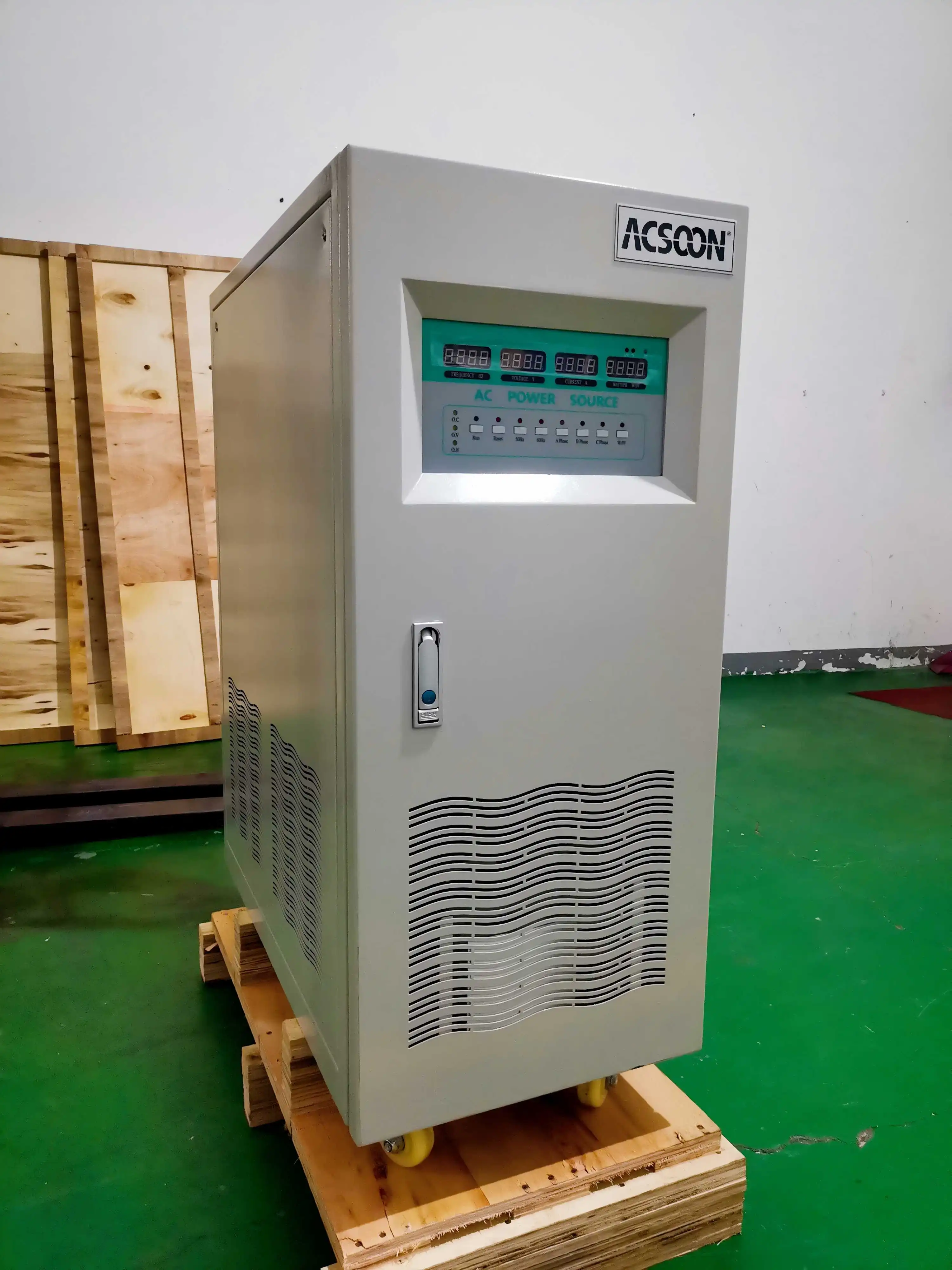

Understanding Single-Phase Frequency Converters
How Frequency Conversion Technology Works
Frequency converters use a complicated method to change the incoming electricity to meet the needs of particular equipment. The gadget takes power at a certain frequency, changes it inside through internal circuits, and then sends power out at the frequency that was asked for. In this process, AC power is rectified, or changed into DC power, and then inverted back to AC at the goal frequency. The result of a pure sine wave is necessary for sensitive uses because the quality of this change has a direct effect on how well the equipment works. Today's static frequency converters use cutting-edge semiconductor technology to give you exact control over the output properties. Older rotating designs had moving parts, but static converters don't. This makes them more reliable and quiet. With the help of complex switching formulas, the inverter part makes clean power and is the heart of the system. Control units constantly check the conditions at the inputs and change the output settings to keep things stable, even if the source voltage or load needs change.
Applications Across Industries
A standard frequency for checking and maintaining aircraft systems, 400Hz, is used a lot in aviation ground support tools. When business airlines repair modern planes, they need stable 400Hz power to keep the avionics and diagnostic equipment running without having to start up extra power units. Specialized bands are needed for radar systems, communication infrastructure, and weapons testing sites, among other military uses. When docking at foreign ports or putting together tools made for different electrical standards, marine boats often have trouble with power compatibility. When precision testing is being done in a lab, harmonic distortion or power changes that affect the accuracy of measurements are not acceptable. Research centers that test airplane parts, drug companies that check production equipment, and calibration labs all need a power supply that is very clean, which can only be provided by good single-phase frequency converters.
Comparison with Traditional Power Solutions
For decades, traditional motor-generator sets were the only way to convert frequencies, but they have a lot of problems. Rotary converters make noise, need regular upkeep on their bearings, and react more slowly to changes in load. Most of the time, they are most efficient between 70 and 80%, which means they waste a lot of energy as heat. Static converters have efficiency rates of more than 90%, which lowers running costs and gets rid of the need for regular upkeep that comes with mechanical parts. When equipment frequency needs are different from the power supply, it is still not possible to connect directly to the grid without converting. Some businesses have tried using uncontrolled transformers, but these can't change the frequency and can't protect against harmonics or transients. Modern frequency conversion is very flexible, so it's easy to connect equipment from different countries, keep sensitive loads safe, and fine-tune how motors start so they don't put stress on the parts.
Key Benefits and Advantages of Single-Phase Frequency Converters
Enhanced Energy Efficiency and Cost Savings
Energy use has a direct effect on business budgets, especially in places where power-hungry equipment is used all the time. Good single-phase frequency converters use less power because they handle loads smartly and have a conversion scheme that works well. Industrial energy experts have found that switching from rotary to static frequency converters can cut the cost of electricity by 15 to 25 percent a year in most factory settings. This saves a lot of money over the life of the tools, and the initial investment is usually recouped in two to three years. Another big benefit is that no-load losses are no longer a problem. While static converters only draw a small amount of current when they're not in use, traditional systems use a lot of power even when they're not sending power to loads. Less heat production makes parts last longer and lowers the need for cooling in machine rooms. HVAC costs go down measurable amounts in buildings that use multiple converters. This is especially true in warm areas where problems with heat dissipation lower total system performance.
Improved Motor Performance and Longevity
With soft-start, motors are protected from the mechanical stress that comes with starting across the line. Inrush current can reach six to eight times normal working levels when standard starters turn motors on instantly. This causes heat and mechanical shock. Frequency converters slowly raise the voltage and frequency, which makes motors speed up easily over time periods that can be changed. This slow speeding up cuts down on bearing wear, increases the life of wound insulation, and gets rid of the rough mechanical effects that cause couplings to fail early. With variable speed control, the output of the motor can be perfectly matched to the needs of the process. Manufacturing processes don't usually need a steady top speed, but motors with set speeds waste energy by keeping up with working points that aren't needed. Changing the motor speed to match the real load needs lowers energy use by the same amount. This has other benefits as well, like less noise, less vibration, and less stress on the equipment being driven. Variable frequency operation is especially good for pumps, fans, and compressors because it makes them work as efficiently as possible during different demand cycles.
Versatility Across Multiple Applications
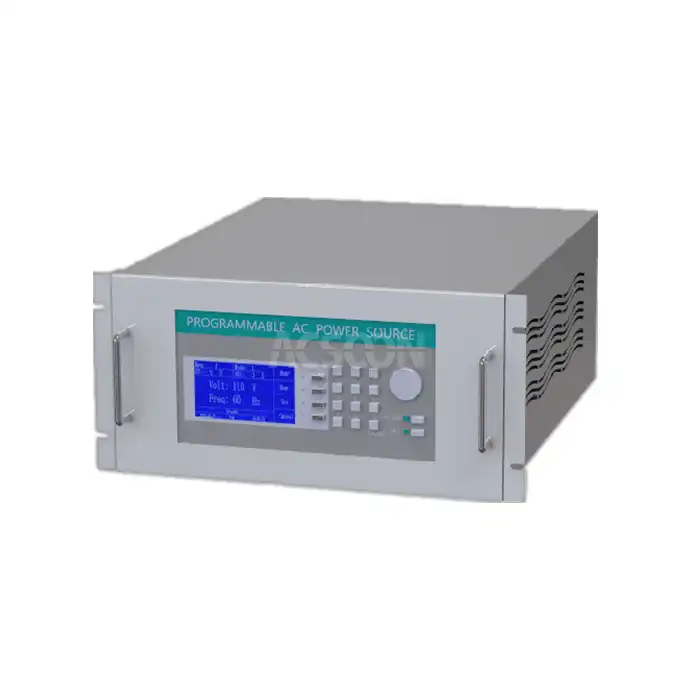
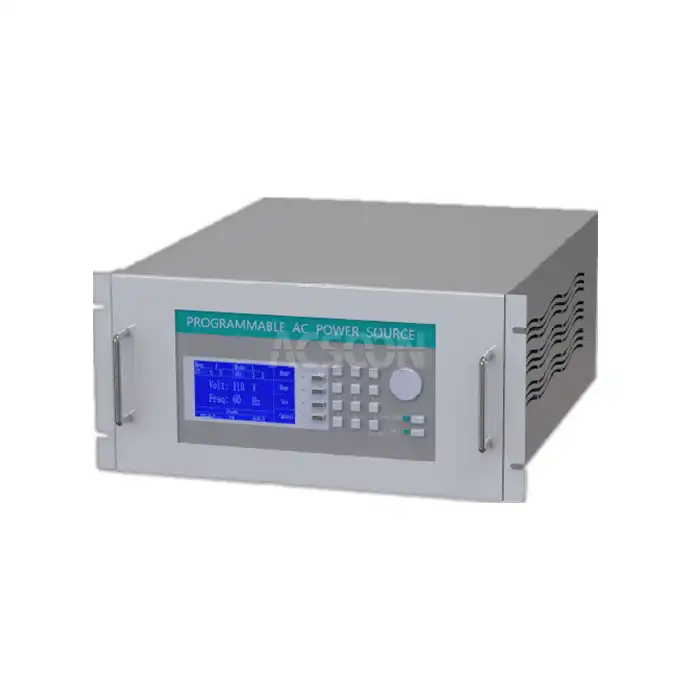
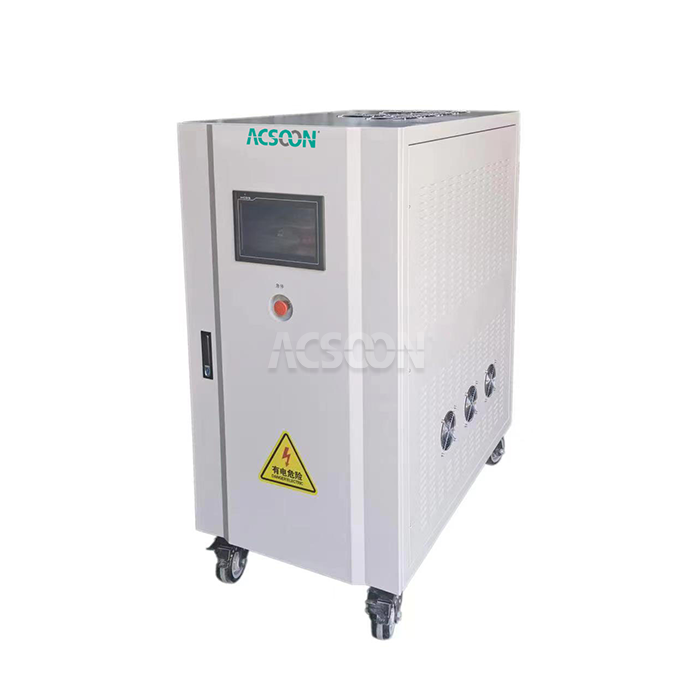
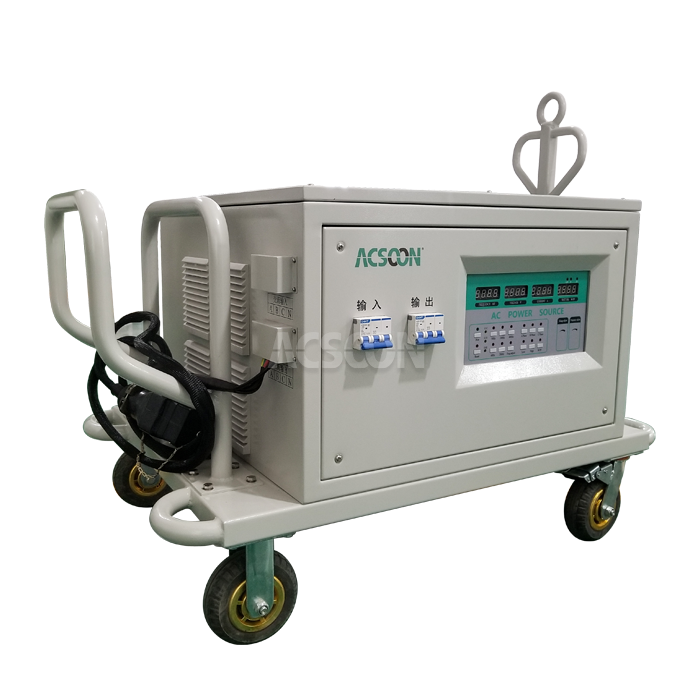
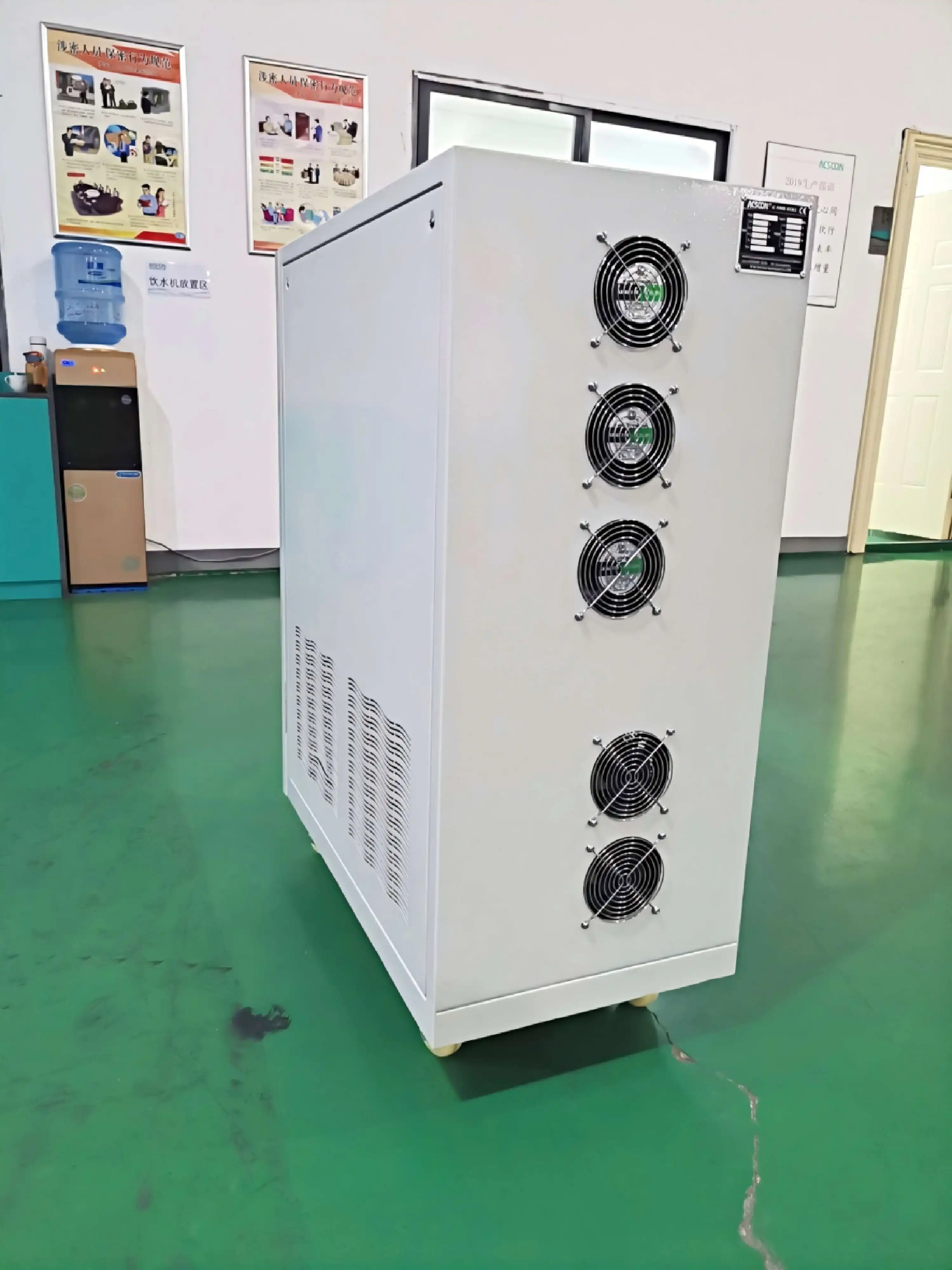
One of the biggest areas where frequency conversion technology is used is in HVAC systems. Controlling the temperature and number of people in a building lets computer systems change the fan speeds to keep everyone comfortable while using as little energy as possible. Precise speed control is used in process automation settings to keep conveyor systems in sync, keep tension in web-handling applications, and control flow rates in fluid processing. Being able to fine-tune working factors helps with quality control and cuts down on waste. For testing centers to make sure that equipment is ready for foreign markets or military requirements, they need to use certain frequencies. The ACSOON AF60-110001 type works great in these situations because it sends out a pure sine wave with less than 3% harmonic distortion. The small size and wheels make it easy to move, and techs can put the unit exactly where they need to. When checking communications or precision instruments, it is very important to keep sensitive electronics safe from ground loop interference. The isolated output design does just that.
Technical Comparison: Single Phase vs. Three Phase Systems
Procurement teams can make better decisions when they know which structure is best for each application. Because they can easily handle loads up to about 10kVA, single-phase frequency converters are perfect for lab tools, small machinery, and portable uses. The AF60-110001's 1kVA rating is for precise tools that need very clean power but don't need the complexity of bigger three-phase systems. Its IP21 protection level is good for indoor uses where dust and moisture levels are kept under control. Three-phase converters are used when more power is needed. They usually start at about 5kVA and can go up to several megawatts for commercial uses. They spread power out more widely, which reduces the size of the conductors and makes them more efficient at higher rates. Facilities that mostly use three-phase loads gain from matching conversion systems. On the other hand, businesses that mix single-phase and three-phase equipment usually keep both types of converters. By weighing the original investment against practical needs and the possibility of future growth, load analysis finds the best choice.
How to Choose the Right Single-Phase Frequency Converter
Evaluating Load Requirements and Operating Environment
| Talk to Engineer |
The main thing that determines converter specs is the type of load. Heating parts and other resistive loads draw steady power, which makes it the easiest to convert. Motors, transformers, and other inductive loads need higher starting currents and have power factor issues that affect the size of the converter. Leading power factors can be caused by capacitive loads, which can make some converter designs difficult to use. A correct load estimate takes into account high power needs, duty cycles, and the number of devices that need to be able to run at the same time when sharing a single-phase frequency converter. The environment affects how reliable something is and how often it needs to be maintained. The ambient temperature changes how well a system cools and how stressed its parts are. If you don't take the right precautions, humidity can cause rust and insulation to wear down faster. The safety grades that are needed are set by airborne toxins like metal dust, chemical vapors, and salt spray. The AF60-110001 has an IP21 rating, which means it can handle solid items bigger than 12 mm and water drops falling vertically. This means it can be used in clean indoor spaces, but it needs extra protection for harsher circumstances.
Leading Manufacturers and Technology Differentiators
Manufacturers of electronic components (OEMs) who are looking for space-saving solutions will like Delta Electronics' small designs with advanced digital control interfaces. Siemens has a lot of experience with industrial automation, so their processors work well with other computer systems. Schneider Electric works on using less energy and being environmentally friendly. They have built monitoring features that help with building management projects. ABB's marine-grade products are made for use in harsh environments and have better protection against rust and shock.ACSOON stands out because it specializes in areas where performance can't be compromised, such as those in flight, the military, and the lab. System integrators can offer unique solutions under their own brand names because the brand supports OEM partnerships. When harmonic distortion is less than 3%, it keeps interference from damaging sensitive electronics and making measurements less accurate or causing parts to fail before they should. EMC compatibility makes sure that the equipment can work with communications equipment without creating radiofrequency radiation that breaks the rules or affects important systems.
Balancing Cost, Warranty, and Delivery Logistics
The initial buying price is only one part of the total cost of owning. The length and scope of a warranty affect the amount of risk that is involved, especially for important uses where downtime has a big effect on operations. Longer guarantees might cost more up front, but they help you plan your budget and hold suppliers accountable. The best security comes from guarantees that cover parts, labor, and damage that happens as a result. However, few providers go beyond replacing parts. When meeting pressing operational needs or project goals, delivery times become very important. JERRYSTAR keeps a good supply of popular types in stock, which lets them quickly meet standard requirements. When you order a custom configuration, planning, production, and testing take longer. Rush orders may cost more, but they can keep projects from being delayed, which costs a lot of money. When sending goods internationally, you have to think about things like clearing customs, the paperwork you need to bring, and possible duty responsibilities. These things can change the total cost of delivery and the dependability of the schedule.
Maintenance and Troubleshooting Tips for Optimal Operation
Essential Preventive Maintenance Routines
Regular inspections find problems as they start to appear before they become major problems. A visual inspection should check to see if the cooling fan is working, see if any connections are loose, and look for signs of burning, like parts that are turning different colors or insulation that is getting damaged. Cleaning methods get rid of dust that builds up in air holes and heat sinks, which keeps thermal management working well. Thermal cycling can loosen leads and raise contact resistance, so electrical connections need to be tightened from time to time. Firmware changes from makers usually fix problems that have been found, make the device run better, or add new features. Keeping up with software updates increases its stability and ensures it works with new standards. Reviewing the documentation helps operators understand what normal working settings are, which makes it easier to spot when something isn't right. Keeping service records helps with troubleshooting and gives useful information for making repair plans better based on real-world experience rather than general suggestions.
Common Issues and Practical Solutions
Output frequency change usually means that there are problems with the control system or that parts are getting old. By checking the quality of the supplied power, supply problems are ruled out as possible causes. When drift stays within acceptable limits, service guides that describe how to recalibrate can bring back precision. When calibration fails to meet specifications, a component must be replaced. This can only be done by trained techs with the right test tools. Many frequency stability problems can be stopped before they happen by protecting single-phase frequency converters with input line filters and surge suppressors. Overheating safety trips mean that there isn't enough cooling or that there is too much load. Environmental reasons can be ruled out by making sure the temperature stays within the ranges given. Thermal management problems can be fixed by cleaning heat sinks and making sure fans work. Load measurement checks to see if equipment is drawing too much power, which could be from more devices being joined or worsening load conditions. Real overloads can be fixed by upgrading to models with more capacity, while connection problems can be fixed by fixing wiring problems or getting rid of too many loads.
Recognizing When Professional Help Is Needed
For complex electrical failures, you need diagnostic tools and troubleshooting skills at the component level that go beyond what most building maintenance workers can do. When internal parts fail, the control board doesn't work right, or software gets messed up, only factory-trained techs with access to secret paperwork and replacement parts can fix the problem. If you try to fix something without knowing how to do it right, you could cause more damage, endanger yourself, or breach your guarantee. By building ties with qualified service providers ahead of time, you can be sure that you will get help quickly when important equipment breaks down. When performance drops even after regular maintenance, it means there are deeper problems that need to be analyzed by a professional. Strange noises, sudden temperature changes, or safety trips that you can't explain should be looked at by an expert. Specialized service companies offer regular preventive maintenance contracts that find problems early on and often stop them from becoming catastrophic breakdowns. Usually, professional maintenance services are cheaper than emergency fixes and give you more uptime by preventing problems before they happen.
Procurement Guidance for B2B Clients
Evaluating Supplier Credibility and Certifications
Beyond basic product specs, the choice of supplier has a big effect on the success of the buying process. Established makers with a history of quality show their dedication to quality by staying in the market and keeping customers happy. Industry standards like ISO 9001 for quality management, ISO 14001 for environmental compliance, and safety approvals for particular products show that the production process and technical skills are valid. For military and aerospace uses, you may need extra licenses like AS9100 or certain skills to work as a government contractor. Product approvals make sure that safety standards and efficiency requirements are met. Professional tools must meet basic standards like UL rating, CE marking, and RoHS compliance. For some uses, you might need proof of MIL-STD testing, approval from a marine classification society, or clearance from an aircraft authority. By asking for test results and certification paperwork during the evaluation process, buyers can be sure that sellers have up-to-date approvals and aren't using old or invalid credentials.
Optimizing Ordering Strategies and Supply Chain Management
When you buy in bulk, you save money because you get volume rates, and the cost of sending each lot is less. Putting together needs from several sites or projects increases purchasing power. A framework sets prices and terms for purchases that will be made again and again. This makes the buying process easier and more predictable. Strategies for managing inventory weigh the costs of keeping items in stock against the risk of running out, making sure that essential spares are always on hand, even if it costs money to buy them. To handle lead times, you need to know about production cycles, the supply of parts, and shipping times. Standard items that are in stock at the maker can be shipped within days, but items that are made to order may take weeks or months. Planning when to buy things around the plans of projects keeps costs from going up due to extra fees, overtime work, or penalties for being late. Clear contact with suppliers about shipping needs lets you handle possible delays before they happen.
Building Strategic Supplier Partnerships
Transactional buying only cares about completing individual orders and misses chances to work together more closely. Strategic relationships form when both parties talk to each other often, understand each other's needs, and celebrate their shared successes. When you have a connection with a preferred seller, you can often get priority treatment during allocation shortages, access to technical resources, and the freedom to meet urgent needs. Long-term agreements allow suppliers to make investments in learning about the needs of each application and keeping the right supplies on hand. Technical help is what sets partners who care about the success of their customers apart from sellers who just fill orders. Pre-sales engineering helps choose the right equipment, avoiding expensive mismatches between what the customer needs and what the equipment can do. Customization that is based on the application solves problems that regular goods can't. After the sale, support such as installation instructions, start-up help, and troubleshooting tools make sure that the equipment works as it should for as long as it is used.
Conclusion
When choosing the right frequency conversion tools, you have to weigh the technical specs against business needs, budget limits, and the seller's strategy skills of the seller. Single-phase frequency converters are a specific type of power converter that is used in difficult situations where dependability is essential. Understanding the basic ideas, weighing the main benefits, and following the right care methods will help you get the best return on your investment and make sure that the system always works well. The ACSOON AF60-110001 is a great example of a precision-built product because it combines high-tech features with useful operating traits. To make smart purchasing choices, you need to carefully consider your wants, carefully consider the suppliers you are considering, and know that the original cost is only one part of the total ownership value.
FAQ
Which industries benefit most from single-phase frequency converters?
The main markets are for aviation ground support, military testing centers, marine uses, industry manufacturing, and research labs. For mission-critical operations, these areas need specific frequencies, a power flow that is very clean, and high dependability. Low harmonic distortion and isolated output designs that keep sensitive instruments safe from electrical interference are especially important in precision testing settings.
How do I choose between single-phase and three-phase frequency converters?
The main thing that decides the right choice is the load ability. Single-phase frequency converters can handle loads of up to 10kVA very well, which makes them perfect for small pieces of equipment, portable uses, and lab setups. When you need more than 5kVA of power, a three-phase system can handle it by spreading it across multiple lines for better performance. Performance and cost-effectiveness are best when converter design is matched to the features of the load.
What signs indicate my frequency converter needs maintenance or replacement?
Getting worse product quality, frequent protection trips, strange working temperatures, or strange noise are all signs of problems that need to be fixed. If performance factors move outside of the specified range, it means that the system needs to be calibrated or that the parts are getting old. If the equipment won't start at all, has blown fuses, or has obvious damage, it needs to be looked at right away by a professional to see whether it's cheaper to fix it or replace it.
Partner with JERRYSTAR for Reliable Frequency Conversion Solutions
JERRYSTAR specializes in providing industrial-grade power conversion gear that is specifically designed for use in testing conditions in flight, the military, the sea, and laboratories. Our ACSOON brand converters have the technical reliability that mission-critical apps need. They also come with full expert support and quick customer service. We keep enough inventory on hand to be able to launch quickly, and we also offer custom solutions when standard ones can't meet special needs. Our factory in Xi'an is more than 5,000 square meters and can make both large quantities of products and custom shapes. If a purchasing manager is looking for a reliable single-phase frequency converter manufacturer, they can email our technical team at acpower@acsoonpower.com to get full specs, competitive quotes, and application advice that will help them choose the best equipment.
References
1. Chapman, S.J. (2012). Electric Machinery Fundamentals (5th ed.). McGraw-Hill Higher Education.
2. IEEE Standards Association. (2014). IEEE Recommended Practice for Monitoring Electric Power Quality (IEEE Std 1159-2009).
3. Mohan, N., Undeland, T.M., & Robbins, W.P. (2003). Power Electronics: Converters, Applications, and Design (3rd ed.). John Wiley & Sons.
4. Rashid, M.H. (2017). Power Electronics Handbook: Devices, Circuits, and Applications (4th ed.). Butterworth-Heinemann.
5. United States Department of Defense. (2008). Test Method Standard for Environmental Engineering Considerations and Laboratory Tests (MIL-STD-810G).
6. Wu, B. (2006). High-Power Converters and AC Drives. Wiley-IEEE Press.