




Power Frequency Converter for Export Equipment: Why Important?
When you move industrial equipment across borders, you quickly learn that different countries don't all use the same power standards. This important problem can be solved by a power frequency converter, which changes the frequency and strength of electricity to meet local standards. If you don't do the right frequency conversion, your shipped machines could stop working, wear out too quickly, or need expensive breaks. These adapters make sure that your technology works properly, no matter if it's in a 50Hz environment in Europe, a 60Hz environment in North America, or a 400Hz environment for specialized tasks like aircraft ground support. It's important to protect your investment, make sure the guarantee is followed, and make sure operations don't stop when you cross countries.
Understanding Power Frequency Converters: Principles and Applications
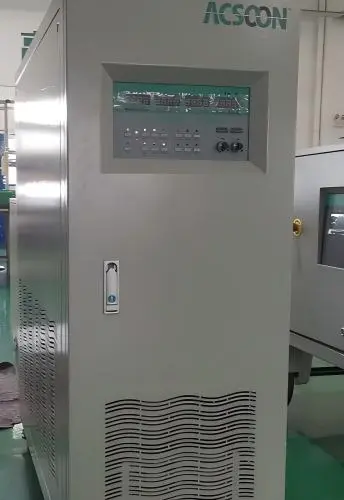
Power frequency converters are smart devices that connect your equipment to power sources that aren't compatible with it. When these devices get AC power, they take in a certain frequency and voltage and then electronically rebuild the pattern to give you an output that fits the needs of your equipment.
How Frequency Conversion Works
There are three main steps in the change process. The input stage changes the AC power that comes in to DC. Next, a middle circuit uses advanced filtering and control to make this DC power stable. The output stage then changes the DC back to AC at the power and frequency you set. These changes are made by modern static converters that don't have any moving parts. Instead, they use semiconductor switching technology that works thousands of times per second to make clean, stable power.
Critical Applications Across Industries
One of the most difficult uses is for aviation ground support tools. Power for aircraft equipment is 400Hz, so ground power units with fine frequency control are needed. When factories send production lines to different parts of the world, they need switches to change machines that work on 60Hz to work on 50Hz, or the other way around. Marine apps often need the ability to change the frequency because ships go to different foreign places with different power standards. Power frequency converters are used in labs to model different power situations and make sure that equipment works well before it is put into use.
Operational Benefits That Matter
A better energy economy comes from delivering power in a way that cuts down on harmonic distortion and lost heat. Frequency mismatch speeds up the wear and tear on motors and transformers, but when they get power at their original frequency, their usefulness is greatly extended. Voltage control and frequency accuracy get rid of fluctuations that mess up sensitive electronics, which makes operations more stable. Because of these benefits, maintenance plans are shortened, emergency repairs happen less often, and operating costs are known ahead of time. These are all very important factors for procurement managers who are in charge of foreign deployments.
Types of Frequency Converters and Their Relevance to Export Equipment
Figuring out the types of converters helps match technology to the needs of an application. There are several different types of landscapes, and each one has its own benefits for export situations.
Static vs. Rotary Frequency Converters
The ACSOON AF60W-330050 and other static power frequency converters work by using solid-state electronics instead of moving parts to change frequencies. The output of these units is a clean sine wave with less than 2% total harmonic distortion. This makes them perfect for sensitive electronics and high-precision equipment. Because they are small and can be moved around (some types have wheels for this), they are good for temporary setups and field deployment. In rotary converters, frequency is changed by motor-generator sets that turn mechanically. Even though they are strong and easy to use, they need more maintenance and take up more room, which makes them less useful for current export equipment situations.
Digital Control Advantages
Digital power frequency converters have microprocessors that run them and let you set the output characteristics. The AF60W-330050 is a good example of this because its output can be changed from 50Hz to 499.99Hz over a power range of 208V to 480V three-phase. This adaptability lets different types of tools work in a single unit. Digital systems can also be used for diagnostics. They store fault events with timestamps and specific information that makes fixing go more quickly. Analog translators, on the other hand, use ongoing signal processing, which makes it harder to make precise adjustments and find problems.
Comparison with Related Technologies
Variable frequency drives (VFDs) change the frequency output to control the speed of a motor. They usually start with a set input frequency. Inverters change DC to AC, but they don't change the voltage of AC from one standard to another by default. Soft starts lower the inrush current when the motor speeds up, but they don't change the input frequency. A real power frequency converter can do all of these things: it can take in different frequencies, control voltage, and give off precisely controlled output that can be used for whole equipment systems instead of just individual motors.With a 50kVA power, the ACSOON AF60W-330050 model can handle whole equipment sets, showing these differences. It can take normal industrial power from all over the world (208V–480V), and its output frequency range covers both standard conversions (60Hz–50Hz) and specialized needs (400Hz for flight tests). The IP21 protection level is good for industrial settings inside because it balances security against solid items with access for air flow.
How to Choose the Best Frequency Converter for Your Export Equipment
To choose the right power frequency converter, you need to carefully look at both the technical needs and the vendor's skills. This is what buying teams should put first.
Defining Your Operational Requirements
The features of the load determine which processor to use. Figure out the total linked load in kVA, taking into account that motor starting currents can be 6 to 8 times the running current. The AF60W-330050's 50kVA rating makes it good for mid-sized equipment packages or a group of smaller devices. The weather, humidity, and pressure of the environment all have a big impact on converter derating. The IP21 standard gives basic security that works for controlled settings, but for harsh circumstances, the enclosure may need to be upgraded. When trying to save energy, people should think about the losses that converters have, which are usually between 5 and 8 percent for good static units, and whether regenerative braking or other energy-saving features are worth the extra money.
Evaluating Quality Indicators
A pure sine wave output with a THD of less than 3% makes sure that sensitive electronics can work with it. The AF60W-330050 has a THD of less than 2%, which is better than most equipment accuracy standards. Fault event storage shows advanced tools that cut down on downtime while problems are being fixed. Most warranties cover you for 12 to 24 months, but you can get longer coverage if you want it. For foreign deployments, after-sales support is very important. Make sure the provider can offer online debugging, spare parts logistics, and field service if needed.
Brand Considerations and Market Options
Well-known brands like Siemens, ABB, and Schneider Electric charge more because they are reliable and have help networks around the world. Specialized companies like ACSOON focus on frequency conversion technology and offer competitive performance at prices that most people can afford. ACSOON units can be branded by the original equipment manufacturer (OEM), which lets you add your company's name to the equipment sets. It is important to keep this in mind when you are shipping whole systems that include power infrastructure. Price standards are very different depending on the features and size. Depending on the specs, industrial-grade 50kVA static converters cost between $8,000 and $25,000. Teams in charge of buying things should get thorough quotes that compare the original cost, ratings for efficiency, warranty terms, and service availability. When you need specifics or a lot of items, dealing directly with the maker is often more cost-effective than going through a line of distributors.
Installation, Maintenance, and Troubleshooting of Frequency Converters in Export Equipment
Whether your power frequency converter gives its full value or becomes a maintenance load depends on how well it is set up.
Installation Best Practices
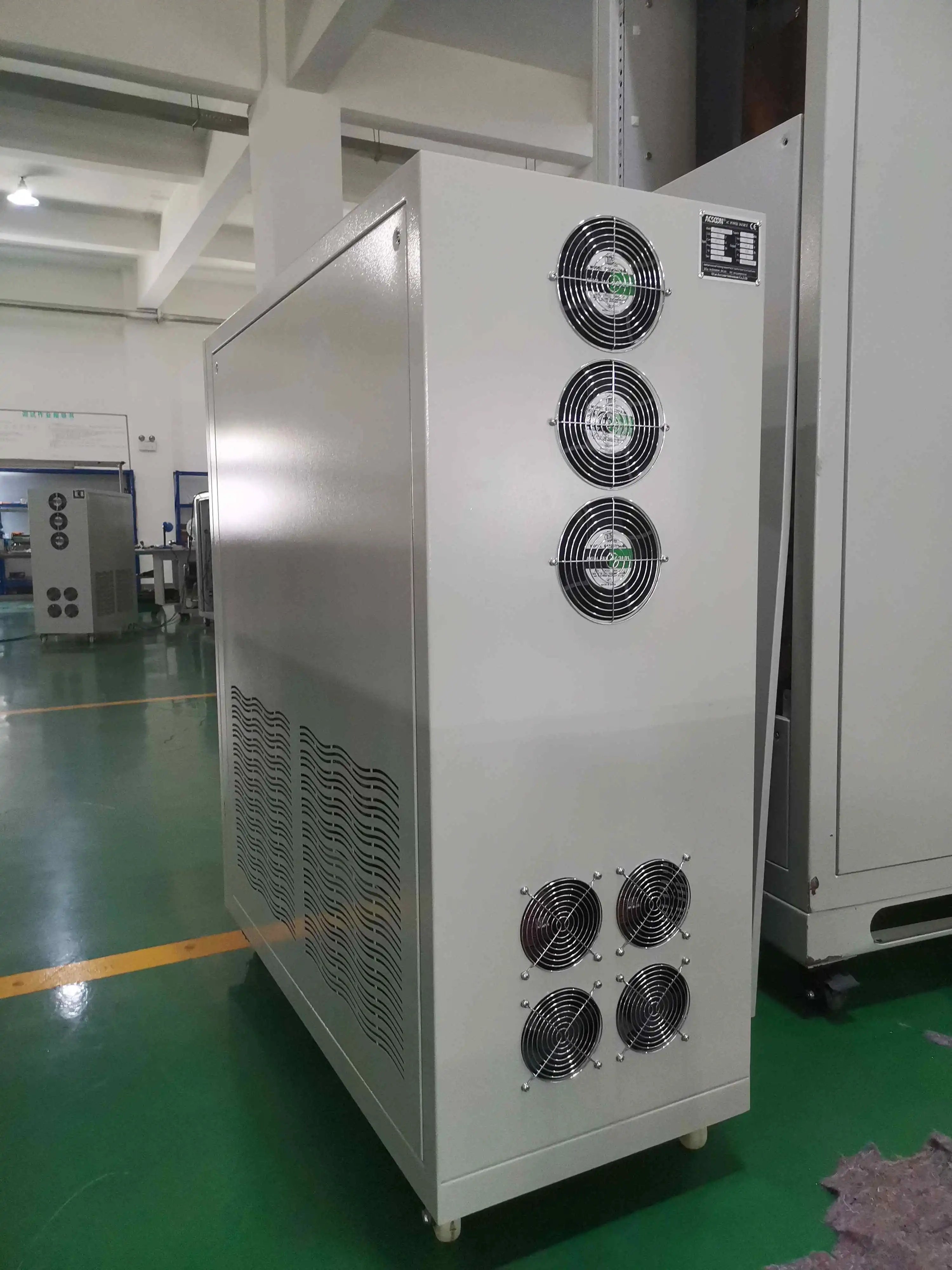
Professional installation by licensed electricians guarantees safety and the best performance. Placing the power frequency converter in the right place requires enough air flow, since static units produce heat that needs to be properly removed. The upright-mounted design with wheels on types like the AF60W-330050 makes it easier to place for airflow while still being easy to reach. With the right size conductors and safety features, input wiring must be able to handle the maximum power. The length of the output wire to the linked equipment should be kept as short as possible to avoid voltage drop and interference. Grounding is also very important—proper earth links stop electrical noise and keep you safe from problem conditions. For simple tasks, installation costs usually add 10 to 15 percent to the price of the tools. This number goes up for more complicated systems that need custom enclosures, remote tracking interfaces, or extra environmental protection. Set a realistic budget when planning the job.
Preventive Maintenance Strategies
Every three months, there should be routine reviews that check the screens for error messages, the cooling systems for dust buildup, and the connections to make sure they are tight. The AF60W-330050 stores fault events so that maintenance can be done before they go wrong. Looking over saved faults shows intermittent problems before they become breakdowns. Thermal imaging finds hot spots that mean links aren't working right or parts are under a lot of stress. Capacitor banks in the DC link circuit have limited lives and need to be replaced every 5 to 7 years, but this depends on the temperature and number of load cycles. Cleaning the cooling paths keeps them working well—dust builds up and makes parts work hotter, which speeds up the aging process. Firmware changes from makers can sometimes make things work better or fix problems that have been found. Keeping records of all upkeep tasks, parameter settings, and changes makes troubleshooting easier and keeps setup knowledge safe.
Common Issues and Solutions
Most of the time, changes in the input power or wrong parameter choices cause the output voltage to vary. See if the quality of the power coming in meets the requirements, and look over the settings for voltage control. Overheating prompts generally mean that there isn't enough air flow, the temperature is too high, or there are overload conditions. Check the load estimates and make changes to the flows as needed. Resonance with linked equipment can cause harmonic distortion that goes beyond what is allowed. This can be fixed by adding line reactors or filters. Often, nuisance trips are caused by security settings that are too sensitive and need to be changed based on how the load is actually acting. Modern converters can do diagnostics, which speeds up resolution. Time-stamped fault codes help techs find the real problems instead of just the signs. Expert support teams can figure out what's wrong with systems without having to go to the site. This cuts down on downtime, which is especially important for foreign deployments where on-site knowledge may be limited.
Future Trends and Innovations in Frequency Converters for Export Equipment
The powers of power frequency converters and how businesses use them wisely are always changing as technology advances.
Digital Integration and Smart Technologies
An IoT connection turns converters from stand-alone items into assets that are connected to a network. Real-time tracking through cloud systems lets predictive maintenance algorithms look at how things work to guess when parts will break. Integration with facility control tools makes the best use of power across the whole business. Smart converters change the output features automatically based on the needs of the connected load. This makes them more efficient without the user having to do anything.
Sustainability and Efficiency Improvements
Compared to traditional silicon devices, silicon carbide (SiC) and gallium nitride (GaN) semiconductor systems have a lot less switching loss. These new materials make it possible for designs to be smaller while still having a higher power density and better economy. Regenerative features take the energy that motors use when they stop and send it back to the source. This lowers total consumption in situations where the motors start and stop a lot. Manufacturers are putting more emphasis on making products that can be recycled and getting rid of dangerous materials, which is in line with environmental laws and business sustainability goals.
Market Evolution and Strategic Preparation
More and more, export markets require guidelines for power quality and economy. Buyers should make sure that converters meet the approval needs of target areas in terms of IEC, IEEE, and regional standards. As needs change, modular designs that can be upgraded with new features make the service last longer. When equipment needs specialized power solutions, having partnerships with makers that offer technical support and customization can give you a competitive edge. Companies that want to be ready for these trends should look at current product specs along with provider roadmaps and innovation capabilities. The power frequency converter you choose today should take into account how connected, efficient, and legal things will be tomorrow.
Conclusion
Power frequency converters are an important part of the infrastructure needed to ship tools successfully. These devices connect power standards that aren't compatible with each other. They protect investments in equipment and make it possible for safe operation in a wide range of foreign markets. The strategic selection process weighs technical requirements against practical factors like the availability of assistance, the ability to customize, and the costs over the product's lifespan. Modern static converters, like the ACSOON AF60W-330050, offer advanced features at reasonable prices. They provide pure sine wave output, allow for wide frequency change, and have monitoring features. Choosing manufacturers that are dedicated to innovation will make sure that your power infrastructure supports long-term operating success instead of limiting it as technology improves to make things more connected and efficient.
FAQ
How do I know if my export equipment needs a frequency converter?
Compare the specs on the equipment's tag to the power standards at your location. If your equipment is set to work at 60Hz and you're sending to a 50Hz area (or the other way around), you need to convert the signals. Without proper frequency matching, sensitive electronics and motor-driven tools lose their performance and break down early. A lot of the time, lab testing equipment needs to be able to change frequencies, which can only be done by power frequency converters.
What distinguishes frequency converters from inverters?
Inverters change DC power to AC power, but they don't change between AC frequency standards by default. Power frequency converters take in AC at a certain frequency and send it out at a different frequency. Both inverters and power frequency converters use inversion technology, but power frequency converters have extra steps of rectification and control that let them change frequency instead of just making AC from DC sources like solar cells or batteries.
Which brands work best for critical applications?
Critical applications need help that covers everything and has been proven to work. Siemens, ABB, and Schneider Electric are well-known names with long histories. Manufacturers that specialize in frequency transfer, like ACSOON, offer reasonable prices and help with customization. Name recognition alone shouldn't be used to choose a brand; application criticality, price limits, and support needs should be used instead.
Partner with JERRYSTAR for Your Power Conversion Needs
Xi'an Jerrystar Instrument Co., Ltd. is an expert in making ACSOON brand power frequency converters that are perfect for testing in labs, military aircraft, ships, and other places where dependability is important. Our engineering team has a lot of experience with power systems in the military and in airplanes, so they know how precise and long-lasting your important equipment needs to be. We keep enough stock on hand to deliver quickly when operations that need to happen right away can't wait for longer lead times. We offer custom solutions that are made to fit your exact needs because we are both a manufacturer and a trade business. The AF60W-330050 is a good example of what we can do because it outputs 50kVA of pure sine waves at frequencies that can be changed from 50Hz to 499.99Hz. With our OEM support, you can make your own labels that fit right in with your equipment packages. Our 5,000–10,000 square meter plant in Xi'an has the technical tools and production ability to meet your needs, whether you need a power frequency converter supplier for regular purchases or a manufacturer partner for custom development. Our expert team can be reached at acpower@acsoonpower.com for full product catalogs, help with application building, and custom quotes. We offer a full warranty and skilled installation advice to make sure that your frequency conversion equipment works reliably for as long as it's in use. Let's talk about how our power frequency converter options can help you get rid of compatibility problems and keep your export equipment purchases safe.
References
1. Chapman, S. (2022). Electric Machinery Fundamentals (6th ed.). McGraw-Hill Education.
2. Institute of Electrical and Electronics Engineers. (2021). IEEE Standard 519-2014: IEEE Recommended Practice and Requirements for Harmonic Control in Electric Power Systems.
3. Mohan, N., & Undeland, T. (2023). Power Electronics: Converters, Applications, and Design (4th ed.). John Wiley & Sons.
4. International Electrotechnical Commission. (2020). IEC 61000-3-2:2018 Electromagnetic Compatibility - Limits for Harmonic Current Emissions.
5. Rashid, M. H. (2021). Power Electronics: Devices, Circuits, and Applications (5th ed.). Pearson Education.
6. Society of Automotive Engineers International. (2019). ARP1839: Military Aircraft Electrical Power Characteristics (400 Hz). SAE Aerospace Standard.