




What Are the Benefits of a 270V Aircraft Power Supply System?
The advantages of a 270V aircraft power supply system are huge for current flight operations. This high-voltage direct current (HVDC) technology makes wiring connections much smaller, which cuts down on weight. It also makes power use more efficient by lowering current needs, and it works better with next-generation electromechanical systems. The 270V aircraft power supply architecture, in contrast to older 28V DC or 115V AC configurations, solves important engineering problems in More Electric Aircraft (MEA) platforms and offers dependable performance for military fighters, UAVs, ground support equipment, and aerospace testing environments.
Understanding the 270V Aircraft Power Supply System
What Defines a 270V Power Supply
An HVDC conversion system called a 270V aircraft power supply was designed for aerospace uses that need high power density and low heat loss. The normal working voltage is 270V DC, and the MIL-STD-704F standards say that steady-state control should be kept between 250V and 280V. Three-phase AC input, usually 380V at 50/60Hz, is changed into a carefully controlled DC output that can be used for aircraft buses and ground power units by these systems. The technology gets rid of the need for multiple transformer-rectifier units that are spread out across different airframes. Instead, power conversion is done on a few central, thermally optimized platforms.
Technical Specifications and Operational Principles
Modern 270V aircraft power supply systems use wide-bandgap semiconductors like Silicon Carbide (SiC) to get conversion rates of over 95% while reducing electromagnetic interference to a minimum. When there is a dynamic load, the voltage control is accurate to within ±1%, and ripple reduction keeps the output noise below 3V peak-to-peak. These units can handle high-capacitive pulse loads from radar systems and electro-hydrostatic motors with a quick transient response time of less than 10 milliseconds. Overload capacity lets the device keep running at 150% of its normal current for short periods of time, which lets the engine start sequences, and actuator moves happen without the voltage dropping.
Comparative Advantages Over Traditional Systems
Compared to standard 28V DC architectures, the higher voltage cuts current flow by almost 90% for the same amount of power transfer. This directly leads to smaller conductor cross-sections and big weight savings. DC distribution makes it easier to add loads and doesn't have to worry about transformer mass fees like 115V AC systems do. The main benefit can be seen in the power equation P=VI: providing the same kilowatt loads at a higher voltage needs proportionally less current. This lowers the pressure of resistive losses and thermal control on electrical distribution networks.
Technical and Operational Benefits of the 270V Aircraft Power Supply
Increased Power Efficiency and Fuel Economy
There are several ways that 270V aircraft power supply devices can be more efficient than show up in their operational costs. I²R losses in distribution lines go down when the current is lower. This means that less electrical energy is wasted as heat. Thermal management systems need less cooling power, which lowers the need for extra power and helps save fuel during flight operations. Advanced units from companies like JERRYSTAR have conversion rates above 95%, which means that very little energy is lost during the AC-to-DC conversion process. These improvements in efficiency add up to noticeable drops in running costs for long-term missions and business operations with a lot of users.
Advanced Safety Features and Standards Compliance
The arc-flash risks that come with HVDC distribution are taken into account in safety planning for 270V aircraft power supply systems. DC systems need active protection methods to keep arcs from starting, while AC systems naturally have zero-crossing places that stop them. High-quality units have automatic discharge systems that drain energy from capacitor banks within milliseconds of a shutdown happening, as well as circuit breakers that act quickly and circuits that look for arc faults. Mechanical interlocks in connector designs stop hot-plugging, and insulation systems go beyond the voltage breakdown ranges set by DO-160 outdoor testing standards. Following MIL-STD-704F makes sure that voltage changes stay within safe limits even when things go wrong or an emergency happens.
Maintenance and Troubleshooting Advantages
Diagnostic simplicity is a big gain across the whole lifespan. For multi-phase AC distribution, phase-balance tracking and harmonic distortion analysis are needed. DC systems don't need these. Line drop adjustment is a feature of high-quality ground power units that changes the output voltage automatically based on feedback from remote sensors. This keeps the voltage precise at the aircraft connection places, no matter how long the cable is or how much resistance it has. This function is very useful in repair settings where the distance between the GPU and the aircraft can change. Modern designs use modular construction to make it easy to change parts quickly, which cuts down on the time an airplane has to be on the ground for MRO activities. Instead of complicated frequency domain analysis, testing methods focus on a simple load bank proof.
Comparing 270V Aircraft Power Supply Systems with Alternatives
Voltage Capacity and Efficiency Analysis
Compared to 115V AC systems commonly used in commercial flight, the 270V aircraft power supply architecture has higher power density (measured in kilowatts per kilogram) because the conversion steps are simpler and the transformers are lighter. Traditional 28V DC systems are fine for older planes, but they can't handle the megawatt needs of directed energy weapons, active electronically scanned array radars, or high-power electromechanical devices without making the conductor size too big. In order to fill this gap, the 270V aircraft power supply standard was created. It provides enough power for modern loads while staying below the 400V mark, which sets off stricter safety and protection rules.
Onboard Systems Versus Ground Power Units
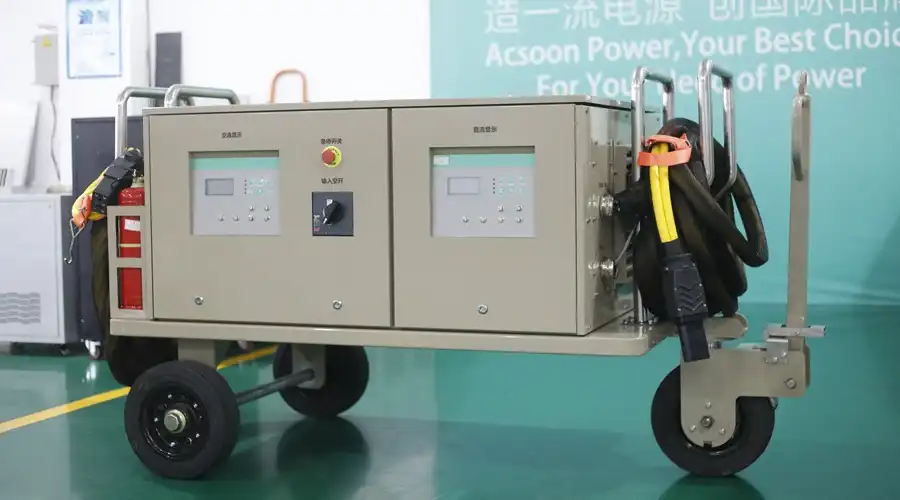
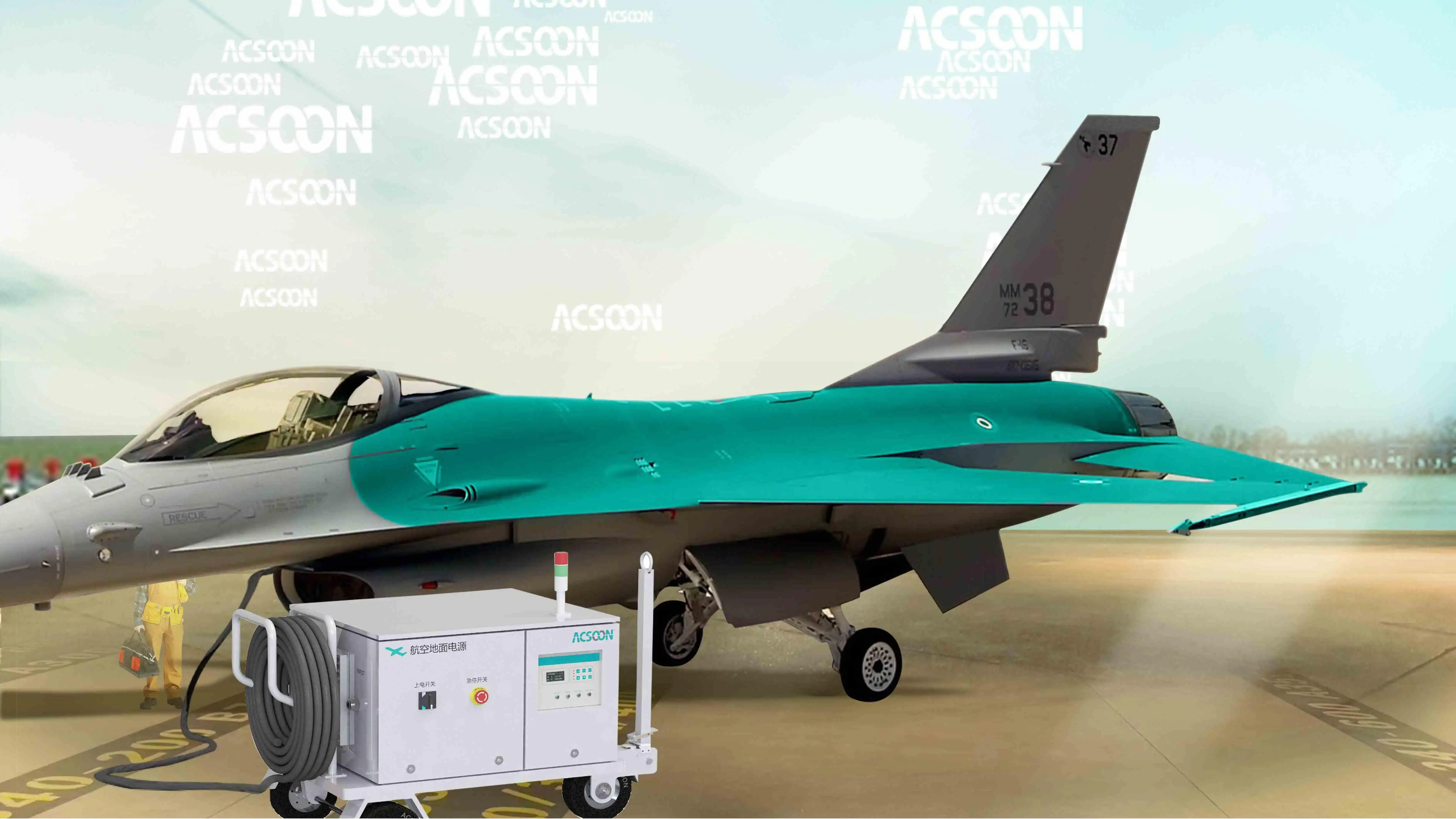
Knowing the difference between 270V aircraft power supply generation systems in the air and power units on the ground makes buying decisions easier. During flying, generators on board turn mechanical energy from the engines into electricity, which is then used by the plane's electrical control systems. Ground power units, such as the GPU-270300 from ACSOON, let you do repair tasks, electronics updates, and pre-flight checks without having to run the engines. These GPUs can take standard three-phase industrial input and provide controlled 270V DC output at high current levels (the GPU-270300 can handle 300A continuously) through fixed installations or mobile trolley setups. The IP21 level of ingress protection makes sure that the system works reliably in normal hangar conditions while keeping operators safe.
OEM and Aftermarket Product Considerations
When procurement teams look at providers, they need to look at a number of important factors. OEM equipment usually costs more than aftermarket equipment but ensures compatibility and speeds up the approval process. Aftermarket companies like JERRYSTAR offer good options that have been tested thoroughly to meet military standards. The ACSOON brand works with original equipment manufacturers (OEMs) to create unique solutions that work well with current systems. Some things that should be looked at when judging something are how well it controls voltage, how it responds to changes in voltage, proof of external qualification testing, and the history of the maker. Units that can work with a range of aircraft, from F-35 fighters to business UAVs, help standardize the fleet and make it easier to keep track of extra parts.
Procurement Considerations for 270V Aircraft Power Supply Systems
System Compatibility and Regulatory Certifications
When choosing the right tools, you need to pay close attention to the interface specs. Types of connections must match airplane plugs. Standard circular connectors rated for high-current DC use are included in MIL-DTL-38999. It's also important that the input power works with the system. The GPU-270300's three-phase 380V input works with electrical systems in foreign facilities, but differences in voltage and frequency need to be checked. Documents needed to meet regulatory requirements should include DO-160 environmental approval, MIL-STD-704F voltage characteristic proof, and MIL-STD-461 electromagnetic compatibility tests, if needed. These certifications show that the equipment works well in the high and low temperatures, vibrations, and altitudes that are common in aircraft activities.
Tailored Advice for Different Buyer Categories
Standardization across mixed groups and established contractor relationships with security clearances for secret applications are top priorities for government and military procurement officers. When aerospace companies add power systems to new platforms, they need to be able to customize them a lot and have engineering help throughout the development process. MRO centers need units that can be used with a variety of aircraft types and are built to last in tough hangar settings and a lot of connection cycles. For accurate sensor validation and aircraft testing, R&D labs need precise control and low-noise output. Because JERRYSTAR has been serving these different types of customers for 15 years, they can make solutions that fit the needs of each business.
Pricing Trends and Total Cost of Ownership
Costs of purchase are one part of procurement choices. Lifecycle economics, on the other hand, includes things like energy use, upkeep needs, and uptime based on dependability. Quality 270V aircraft power supply systems cost more because they have better mean time between failures and shorter service gaps. This is because they use only the best components and go through a lot of quality testing. A warranty that lasts for more than one year shows that the maker is confident in the product and keeps parts from breaking down too quickly. Technical support, spare parts availability, and quick response service agreements are all examples of after-sales support that can turn possible downtime into maintained working readiness. Supply chain delays that affect important mission timelines can be avoided by building relationships with makers that offer customization and enough inventory to meet urgent needs.
Future Trends and Innovations in 270V Aircraft Power Supply Technology
IoT Integration and Digital Control Systems
New smart power management tools include networked tracking and maintenance that can be planned ahead of time. Embedded sensors send information to centralized building management systems about internal temperatures, output characteristics, and health signs for parts. Digital control loops let multiple mirrored units share the load in real time and let setup changes be made remotely without having to physically access the equipment. These features work with Industry 4.0 projects that are changing the way aerospace ground support operations are done. These projects aim to lower the cost of labor while increasing reliability through condition-based repair strategies that predict breakdowns before they happen.
Material Science Advancements and Weight Reduction
More energy gains and better thermal performance are expected from the ongoing study into high-temperature semiconductor materials. Gallium Nitride (GaN) transistors can switch at higher rates than standard SiC devices. This means they can have fewer passive parts and more power. New magnetic materials make transformer cores smaller and less likely to lose power. These new ideas directly lead to higher payload capacities and longer ranges for flying uses. Ground equipment is more portable and takes up less space when it is installed in repair facilities that are limited on space.
Alignment with Environmental Regulations
The impact of aviation on the environment is being studied more closely, which is leading to the use of more energy-efficient power systems. The 270V aircraft power supply architecture lets tasks that were previously powered by engine bleed air or hydraulics be driven by electricity. This cuts down on fuel use and pollution. New rules around the world are making it easier to use clean technologies by offering easier ways to get certified and money back for using them. When owners use these higher-efficiency systems in their procurement strategies, they are better prepared for changing environmental rules and can save money right away on running costs by using less energy.
Conclusion
The 270V aircraft power supply system has measured benefits that include better safety, faster operations, and lower lifecycle costs. Technical benefits like lighter materials because they don't need as many conductors, better power conversion efficiency that makes thermal management easier, and easier repair processes directly meet the needs of the aircraft industry. Regulatory compliance documents, manufacturer experience with important applications, and the total cost of ownership, which includes warranty and support provisions, should all be taken into account when making a procurement choice. The JERRYSTAR GPU-270300 is a current example of how things should be done. It has a strong 300A output capacity, works with a wide range of aircraft platforms, and can be installed in a variety of ways to support both fixed and mobile deployment scenarios.
FAQ
Can existing aircraft be retrofitted with 270V systems?
Retrofitting relies on the electrical design of the airframe and the grounds for certification. Planes made with 28V or 115V power systems need a lot of changes, like new wiring harnesses, updated load equipment, and extra type certificate approval. Ground support equipment changes work better because they let facilities serve newer planes without changing the power systems of older planes.
What operational cost savings can be quantified?
Facilities that use a lot of ground power equipment can save money by making their equipment more efficient. Less current flow means less connection loss, and a more efficient transfer means less power is needed at the input. Facilities that switch from older rectifier technology to newer 270V aircraft power supply units report 15-20% lower energy costs, lower loads on the cooling system, and longer periods of time between equipment service.
How do safety features differ from lower voltage systems?
Because the voltage is higher, there needs to be better arc-fault safety and fast discharge circuits, which are not needed in 28V systems. High-quality units have special plugs that can handle DC arc interruption and interlock devices that stop charged disconnections. Training for employees stresses the dangers of HVDC, and upkeep processes require checking the voltage before starting any service work.
Partner with JERRYSTAR for Reliable 270V Aircraft Power Supply Solutions
For the military, aerospace, and industrial testing industries around the world, JERRYSTAR is a reputable 270V aircraft power supply provider. Our GPU-270300 has a 300A output capacity and can be set up in a number of different ways, including stationary installs or mobile trolley configurations, to meet a wide range of operating needs. We've been focusing on flight power systems for more than 15 years, so we can customize our products to fit the needs of each platform while also keeping enough in stock to meet urgent needs quickly. Our ACSOON brand supports OEM relationships, which makes sure that it works well with the ecosystems of current equipment. Email our engineering team at acpower@acsoonpower.com to talk about your specific power conversion needs and find out how our approved, flight-proven systems can help your aerospace applications be more ready for operation.
References
1. Society of Automotive Engineers. "ARP 1676: Requirements for 270 VDC Electrical Power Systems for Military Aircraft." SAE International Aerospace Standards, 2019.
2. Department of Defense. "MIL-STD-704F: Aircraft Electric Power Characteristics." Defense Standardization Program Office, 2016.
3. Roboam, Xavier, et al. "More Electricity in the Air: Toward Optimized Electrical Networks Embedded in More-Electrical Aircraft." IEEE Industrial Electronics Magazine, Vol. 6, No. 4, 2012.
4. Buticchi, Giampaolo, et al. "The More-Electric Aircraft and Beyond." Proceedings of the IEEE, Vol. 111, No. 4, 2023.
5. Jones, Robert I. "The More Electric Aircraft: The Past and the Future?" IET Conference on Electrical Systems for Aircraft, Railway and Ship Propulsion, 2015.
6. Sarlioglu, Bulent, and Morris, Charles T. "More Electric Aircraft: Review, Challenges, and Opportunities for Commercial Transport Aircraft." IEEE Transactions on Transportation Electrification, Vol. 1, No. 1, 2015.