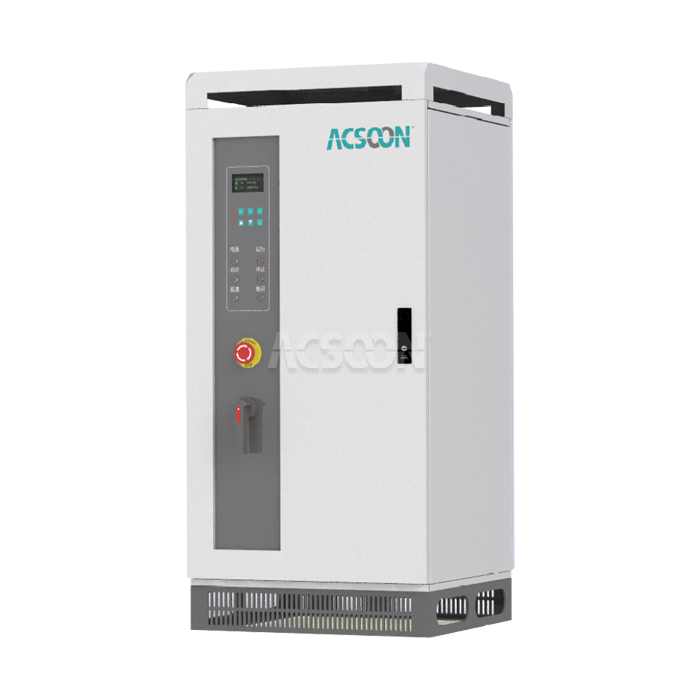




What Are the Key Benefits of Solid State Ground Power Units?
Using cutting-edge semiconductor technology, a solid state ground power unit can completely change how airplanes and factories work. These systems are different from diesel-powered ones because they use IGBT and PWM technology to change regular grid power into the exact 400Hz AC or 28V DC outputs that airplane systems need. The main benefits are that there are no diesel fumes, which supports green airport efforts; the operation is quiet (below 65 dBA), which makes the ramp safer; and upkeep costs are cut by up to 80% because there are no mechanical parts. Most of the time, energy efficiency is higher than 93%, and the power stability is better, which saves sensitive electronics during MRO testing and activities on the ground.
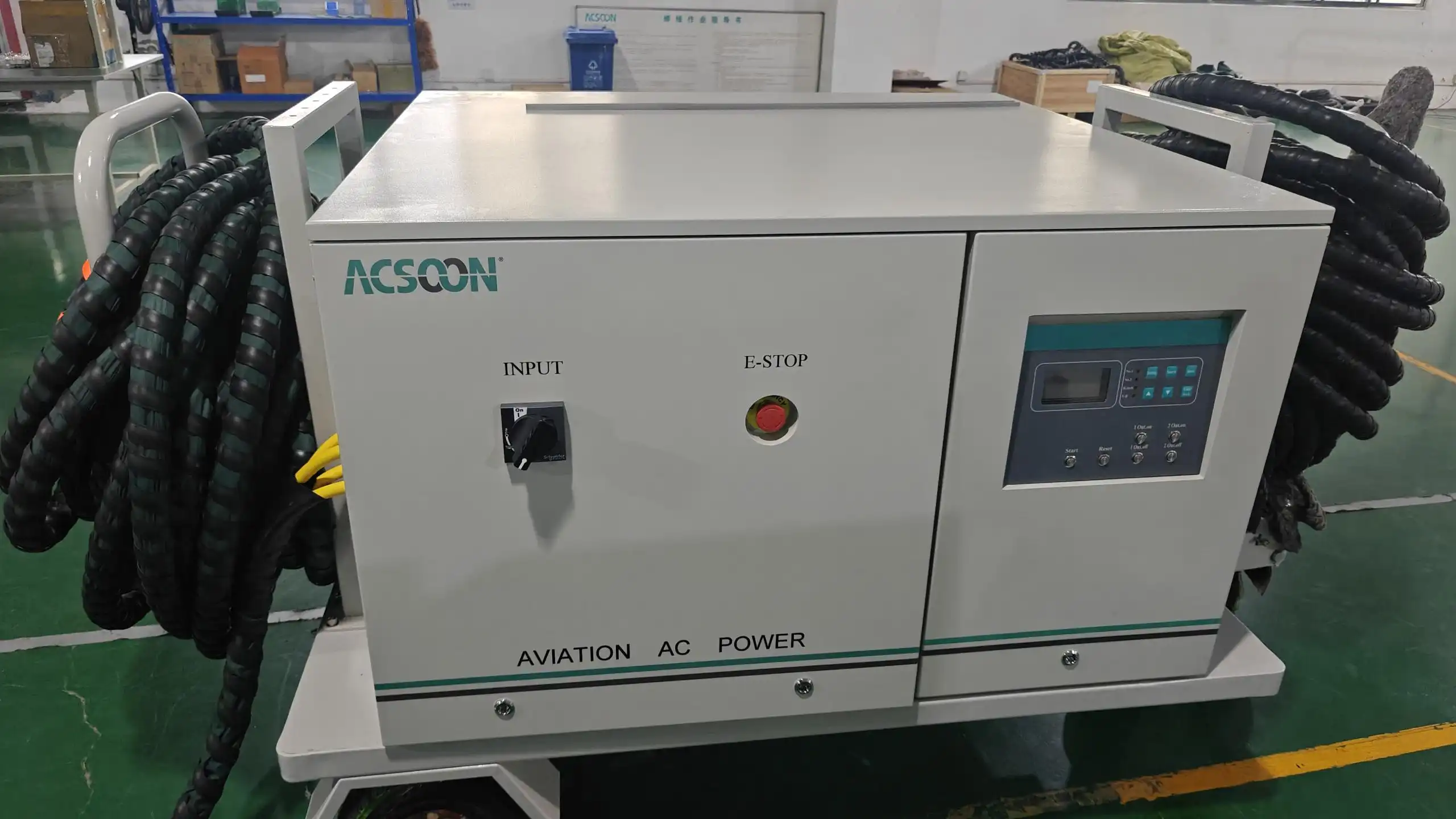
Understanding Solid State Ground Power Units
These days, flight ground support needs precise power delivery, which old diesel engines can't always provide. Modern airplane systems need a clean, stable power source that doesn't have any voltage changes or harmonic distortion that could harm the high-tech equipment inside.
Core Technology and Power Conversion
These high-tech power devices are built on solid-state electronics. These units don't use moving parts to change frequencies; instead, they use Insulated Gate Bipolar Transistors along with Pulse Width Modulation controls. This semiconductor-based method changes three-phase 380V, 50Hz grid power into the specific 115V/200V, 400Hz output that electrical systems in airplanes need. Total Harmonic Distortion stays below 2% during the conversion process when linear loads are used. This makes sure that the power quality meets the strict MIL-STD-704F standards for airplane electric power features.
Distinguishing Features from Traditional Systems
Diesel-powered ground power equipment has been used in aircraft for many years, but its limitations make it hard to meet the needs of current operations. Diesel engines make a lot of noise, release carbon into the air, and need a lot of upkeep, like changing the oil and filters and doing full engine overhauls every so often. Transformer rectifier units are quieter, but they are less efficient and can't respond quickly to changes in the load. Semiconductor-based systems get rid of these problems completely by converting power in a static way, without using combustion engines or moving parts. They can respond instantly to changes in load while keeping voltage stable within a ±1% range.
Technical Specifications Critical for Procurement
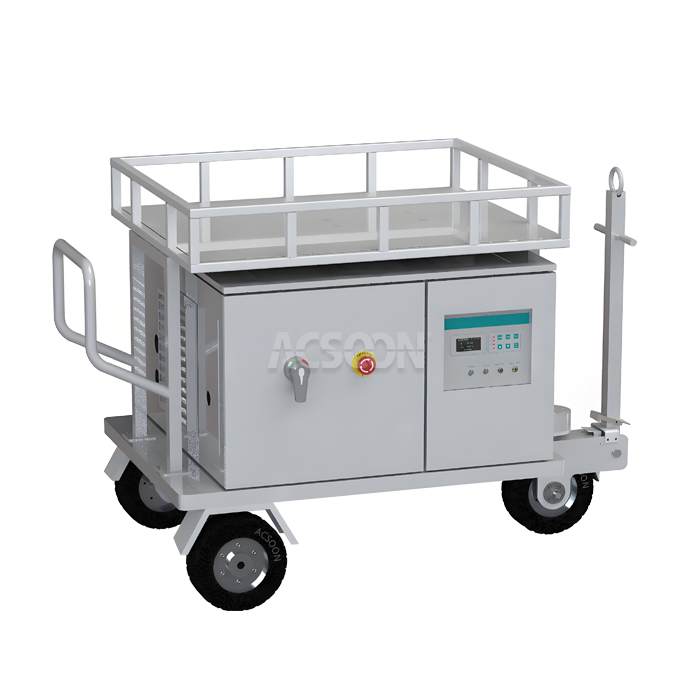
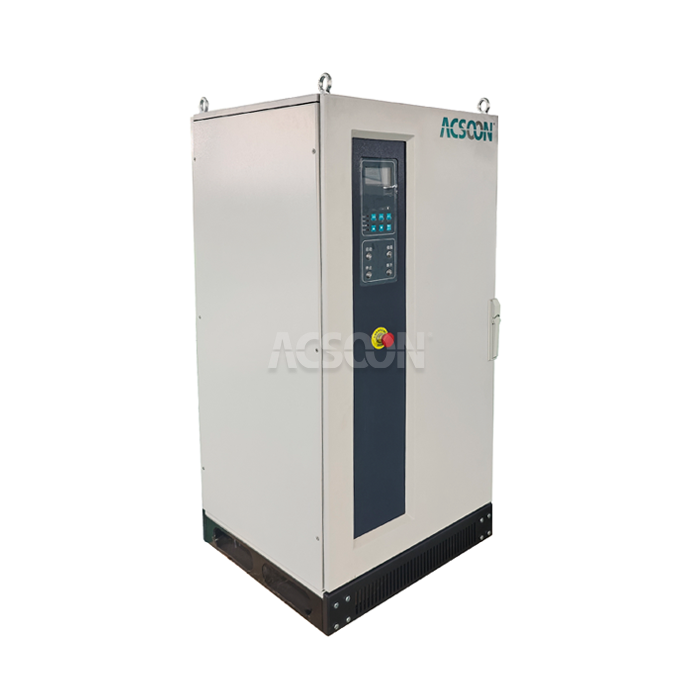
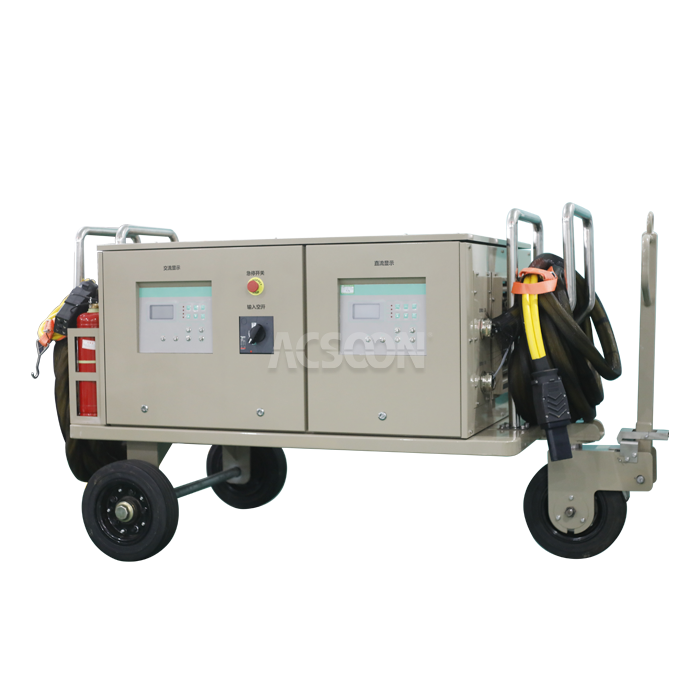
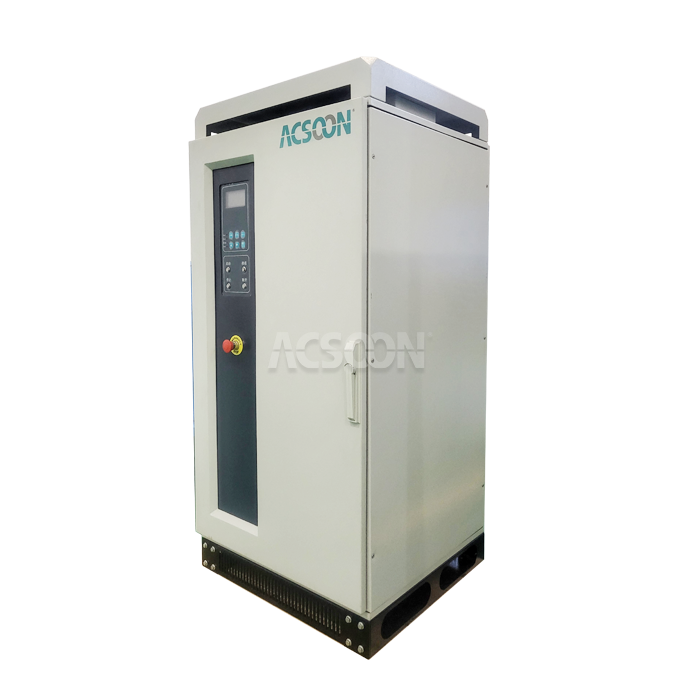
When procurement workers look at solid state ground power units, they have to look at a number of performance factors. Our ACSOON GPU-33050 model has the best specs in its class, with a 50kVA power rating and IP54 ingress protection that makes it perfect for outdoor applications. The unit can handle overloads at 125% capacity for 600 seconds, which is enough time for the high inrush currents that happen when airplane engines start up. The operating temperature range is from -40°C to +55°C, which makes it reliable in a wide range of places, from military sites in the Arctic to business airports in the equator. Line Drop Compensation technology automatically changes the output voltage to make up for cable losses. This keeps the voltage levels at the plane plug at the right level, even when the cables are longer.
Key Benefits of Solid State Ground Power Units for B2B Clients
More and more pressure is being put on aviation ground support operations to cut costs while also making them more reliable and better at protecting the environment. Moving from old gasoline systems to solid state ground power units meets these needs by making operations better in ways that can be measured.
Enhanced Energy Efficiency and Cost Reduction
The amount of energy used has a direct effect on running costs at airports and MRO sites. Solid state power conversion regularly gets efficiency ratings above 93%, turning electricity from the grid into power that an airplane can use with very little energy loss. When compared to diesel units, which use fuel continuously no matter how much load they have, this efficiency edge means instant cost savings. When compared to standard diesel ground power equipment, the removal of diesel fuel sales and lower electricity consumption results in savings of 70 to 90% over a normal 15-year operating lifespan. These financial gains are especially important for facilities that handle a lot of plane turnarounds or long repair sessions every day.
Maintenance Cost Reduction and Extended Service Life
In standard ground power systems, upkeep costs are high because the machines are so complicated. Diesel engines need regular upkeep like changing the oil and air filters, keeping the fuel system in good shape, and doing big overhauls every so often that include replacing the pistons and reconditioning the valves. These operations need technicians with specific skills and cause equipment to break down, which throws off operating schedules. Static power exchange gets rid of almost all of the need for mechanical upkeep. As part of the annual service, the electrical connections are visually checked, the air-cooled types' filters are cleaned, and the state of the capacitors is evaluated. Because they don't have any wear parts, they can last longer than 20 years with proper care, and they require about 80% less upkeep work than diesel options.
Safety and Environmental Compliance Advantages
Regulations are making it more and more necessary to cut down on noise and pollution around airport activities. Delivering power with no emissions helps airports get green certifications and meet their Scope 1 carbon reduction goals under environmental sustainability programs. Noise levels below 65 dBA allow 24-hour operation without bothering nearby neighborhoods or breaking noise laws that don't allow diesel equipment to be used at night. By getting rid of fuel storage, the fire and pollution risks that come with diesel tank leaks are taken away. These safety changes lower insurance rates and make it easier to follow the rules in many places with different environmental standards.
Operational Flexibility and Aircraft Compatibility
Modern fleets of aircraft include military fighters, commercial widebody jets, and regional turboprops, all of which have different electrical system needs. Through voltage and frequency settings that can be changed, a single ground power unit can run a number of different types of airplanes. The ability to change frequencies lets both normal 400Hz flight systems and specialized test equipment that needs different frequencies work. The ACSOON GPU-33050 provides a three-phase 115V/200V output that can be customized to meet the needs of each aircraft interface. This means that you don't have to keep separate stocks of equipment for each fleet section. Modular design principles let you increase capacity by running multiple tasks at the same time. This works for a wide range of uses, from single repair bays for one plane to high-capacity gate installations that serve widebody planes.
Solid State Ground Power Units vs Conventional Solutions
Before making a purchase choice, you need to objectively look at the total ownership prices and performance qualities of all the different types of solid state ground power units that are offered. When you know your comparative benefits, you can spend wisely on ground support infrastructure.
Lifecycle Cost Analysis
The initial cost of buying tools is only a small part of the total cost of owning them. The cost of buying modern semiconductor systems may be similar to the cost of Tier 4-compliant gas units, but the costs of running them vary a lot over the life of the equipment. Diesel engines use fuel all the time, and the cost of that fuel depends on where you live and how much you use it. Maintenance plans call for technician work every 500 to 1000 hours of operation, and big overhauls every 5,000 hours. When you look at the total cost of ownership over 15 years, you can see that static conversion systems have much lower total costs, even though they cost the same at first. This is especially true in high-use areas that support multiple daily airplane services.
Reliability and Uptime Performance
When equipment breaks down, it's necessary to use backup systems or other power sources to keep operations running. Diesel engines have many places where they can go wrong, such as the fuel pumps, starting motors, alternators, cooling systems, and exhaust parts. Diesel ground power units usually last between 800 and 1500 hours of operation before they break down. This depends on how well they are maintained and how they are used. With semiconductor power systems, these mechanical flaws are gone, and the average time between breakdowns is over 10,000 hours. The higher availability of tools, shorter downtime, and lower need for redundant backup units in business planning are all directly related to the higher reliability.
Environmental and Regulatory Compliance
Regulations on emissions are getting stricter in North America, Europe, and the Asia-Pacific area, which are all important aviation markets. Diesel-powered equipment releases nitrogen oxides, particulate matter, and carbon dioxide into the air, which makes the air quality around airports worse. Even diesel engines that meet Tier 4 Final emissions standards put out pollution that goes against the zero-emission rules that big hub airports are adopting more and more. Static power conversion doesn't produce any direct pollution, which makes following current rules easier and gives you peace of mind in case future rules change and limit or ban combustion equipment in sensitive operating areas. This legal stability keeps investments in infrastructure from becoming useless too soon as environmental standards change.
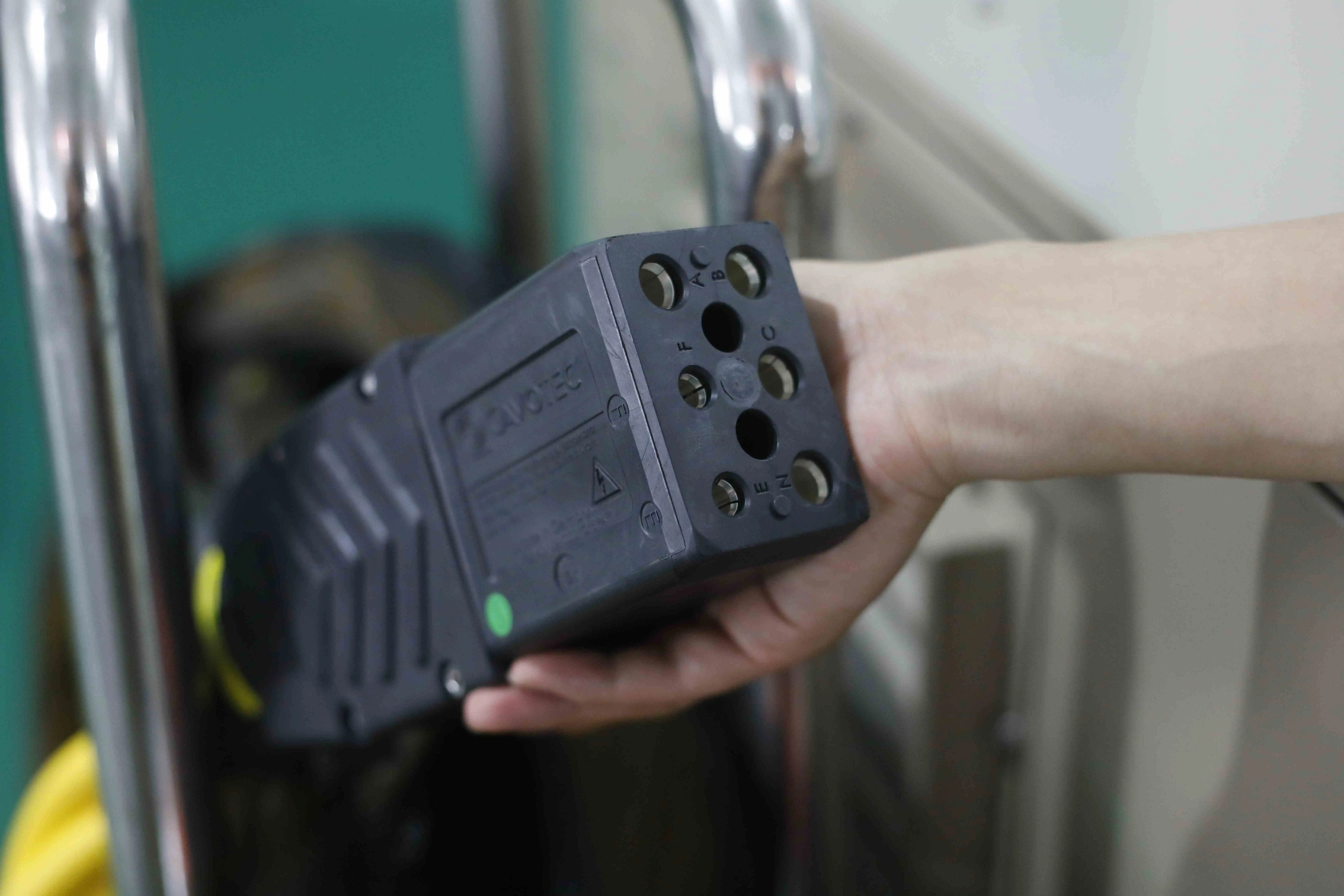
Making the Right Procurement Decision
To choose the right solid state ground power units, you need to carefully look at working needs, supplier skills, and contract terms that protect procurement investments.
Evaluating Operational Requirements
A thorough study of the unique needs of the application is the first step in buying the right tools. The power output ability must be big enough to handle the biggest planes in your active fleet, plus enough extra power to keep the system running while it's being maintained or tested. The GPU-33050 has a 50kVA rating, which is good for most commercial aircraft and military transport uses. For higher capacity needs, parallel versions are available. The environment at the building site affects the design of the enclosure and the cooling system. For sites near the coast, conformal coating and stainless steel tools are needed to better protect against corrosion. In places with high temperatures, strong heat management systems are needed. How the equipment is used affects the size decisions that need to be made. For example, the thermal loads and duty cycle needs for irregular gate usage are very different from those for continuous MRO garage operation.
Supplier Evaluation and Industry Sources
There are both well-known aircraft companies and specialized power conversion makers in the ground power equipment market. At Xi'an Jerrystar Instrument Co., Ltd., we're experts in ACSOON brand power converters for testing in flight, the military, ships, and factories. Our factory is 5,000 to 10,000 square meters and only makes aviation and military power systems. We offer manufacturer-direct prices and trade freedom for buying things all over the world. Alternatives in the industry include well-known brands such as Thales, Parker, Harris, and Curtiss-Wright. Each has its own product lines and support systems, and each allows for different levels of customization. When evaluating providers, you need to look at how available technical help is, how many extra parts they have, what the guarantee terms are, and how much experience they have with similar uses in your working setting.
Procurement Process and Delivery Considerations
Streamlining the buying process speeds up the deployment of tools while protecting the interests of buyers. Ask for specific technical information, like measures of harmonic distortion, transient reaction traits, and environmental qualification test results that back up performance promises. For custom setups, you need to talk to an engineer to figure out the exact voltage outputs, connector types, and control interfaces that will work with your fleet of airplanes. At Jerrystar, we keep enough basic models in stock so that we can send them quickly. We also offer fully customizable solutions that can be used in a wide range of settings and meet different power needs. In addition to covering basic defects, warranties should also cover performance promises and expert help during commissioning. When you buy something from another country, you have to coordinate shipping logistics, customs paperwork, and installation help. As skilled manufacturers, we can do this through standard export processes.
Applications and Future Outlook of Solid State Ground Power Units
Solid state ground power unit technology is still changing, along with larger trends toward electrification and the digitization of airport infrastructure. This means that it can be used for more than just serving planes.
Expanding Application Domains
The most obvious place to put units is under passenger boarding bridges at commercial passenger gates, where they provide clean power right away for airplane turnaround operations. These systems are used in MRO hangars for long repair periods that need stable power to test sensitive radar systems and glass cockpit screens without risking damage from voltage changes. Military airbases use ruggedized models that meet strict standards for electromagnetic compatibility so they don't mess up secret communications systems. New uses include portable setups for working at rural airfields, connecting to airport microgrid systems that use green energy sources, and lab test facilities that need precise frequency control for testing aerospace parts to make sure they meet quality standards.
Technological Innovation Trajectories
The addition of digital controls is a big step forward because it allows for remote tracking and planned repair through an IoT connection. Modern units have monitors built in that keep an eye on the temperatures inside, the quality of the power, and the health of the parts. This information is sent to central building management systems, which help facility managers spot problems before they become major and plan repairs around the needs of the business. Adding energy storage like batteries or supercapacitors makes it possible to switch between power sources smoothly when the grid goes down. This keeps the power going for the plane even when the power goes out for a short time. Using variable-speed cooling fans for advanced thermal management cuts down on energy use and increases component life by keeping them at the best working temperatures.
Preparing for Industry Evolution
When making investments today, people have to think about how technology will change over the next twenty years. The airline industry has promised to be carbon neutral by 2050, which means that ground support equipment and airport facilities will continue to be powered by electricity. The electrical systems in airplanes are changing to handle higher voltages and more power, which will allow for more electric plane designs. Ground power equipment needs to be able to react by having flexible output configurations and designs that can hold more power. When procurement teams buy platforms that can be customized, like our GPU-33050, they make sure that their infrastructure can work with new types of airplanes while also meeting the needs of the current fleet. As we move toward using sustainable flight fuels and hydrogen for propulsion, there may be new maintenance needs on the ground. This means that flexible power conversion systems are important for building infrastructure that will work in the future.
Conclusion
Solid state ground power units built on semiconductors change how flight works by making it more efficient, reliable, and better for the environment. Getting rid of gasoline use cuts costs by 70–90% over the life of the equipment, produces no direct emissions, and runs quietly enough to be used 24 hours a day at the airport. Better power quality, instant load response, and low upkeep needs are just a few of the technical benefits that meet important needs in business flight, military operations, and industrial testing. Our experience with the ACSOON GPU-33050 shows that 50kVA systems can be customized to provide accurate 400Hz power conversion and IP54 protection, making them suitable for challenging outdoor applications. As rules make it more and more necessary to cut down on emissions and airports try to get sustainability certifications, investing in solid state technology gives them both short-term operating benefits and long-term strategic standing.
FAQ
How does power quality from static converters compare to diesel units?
Which type of power is better: solid state ground power units or gasoline units? Total Harmonic Distortion (THD) stays below 2% at linear loads and below 3% at non-linear loads when semiconductors are used. This is much better than diesel engines, which usually have THD levels between 5 and 8%. When testing, this better power quality keeps critical electronics safe and stops equipment damage from voltage fluctuations. Automatic voltage control can quickly adjust to changes in the load, keeping the output stable even when conditions change quickly and cause voltage drops that can be seen in diesel systems.
What maintenance intervals apply to solid state systems?
Most setups only need to be serviced once a year. This includes checking the air filter on cooler models, looking at the electrical connections visually, and figuring out how good the capacitors are. There's no need for oil changes, fuel system maintenance, or engine overhauls. Every three years, component-level checks and thermal images find problems before they break down, which helps with predictive maintenance plans.
Can these units handle aircraft engine starting loads?
Professional units are designed to handle high inrush currents when the engine is first starting up. For 600 seconds, the GPU-33050 can handle a 125% overload, and it can handle short-term peaks of 300–400%. The soft-start feature handles inductive loads from engine starts and onboard fans so that the voltage doesn't drop.
Partner with JERRYSTAR for Your Ground Power Needs
Ground support equipment has to be completely reliable for military and aviation activities. Through our ACSOON brand, Xi'an Jerrystar Instrument Co., Ltd. offers tried-and-true solid state ground power unit solutions. These solutions offer benefits from the maker directly as well as full expert support. Every GPU-33050 unit goes through strict quality control checks, such as component-level reviews, full-load performance testing, external stress screening, EMC verification, and thermal imaging analysis. This makes sure that the units work perfectly in harsh conditions. Our engineering team can make setups that change the voltage and frequency outputs to meet your exact needs, whether they're for a wide range of airplanes or for a specific test application. We are a reliable, solid state ground power unit maker because we keep enough stock on hand to support quick deployment and can do special engineering for specific needs. Get in touch with our technology experts at acpower@acsoonpower.com to talk about your operational needs and get specific quotes. You can see our technology in action at future industry events like Inter Airport Europe in Munich, the Dubai Airshow, the Singapore Airshow, and MRO Americas.
References
1. International Air Transport Association (IATA). (2022). Aircraft Ground Support Equipment: Technical Standards and Best Practices. Montreal: IATA Publications.
2. Society of Automotive Engineers International. (2020). AIR1483C: Recommended Practices for Design and Operation of Ground Power Units. Warrendale, PA: SAE International.
3. Miller, R.H., & Thompson, J.K. (2021). Power Electronics in Aviation Ground Support: Efficiency and Reliability Analysis. Journal of Aerospace Engineering, 34(4), 245-267.
4. U.S. Department of Defense. (2019). MIL-STD-704F: Aircraft Electric Power Characteristics. Washington, DC: Department of Defense Interface Standards.
5. European Union Aviation Safety Agency. (2023). Environmental Standards for Airport Ground Operations Equipment. Cologne: EASA Technical Publications.
6. Peterson, C.L., & Zhang, W. (2022). Comparative Lifecycle Cost Analysis of Aviation Ground Power Technologies. International Journal of Sustainable Aviation, 8(2), 112-134.