What Safety Standards Apply to External Power Unit Aircraft Systems?
External power unit aircraft systems must follow strict safety rules set by the FAA, EASA, and ICAO. These rules are backed up by SAE aerospace standards such as AS1055 and RTCA DO-160 weather testing protocols. These detailed rules cover electrical risks, mechanical integrity, and environmental resistance to make sure that ground support equipment gives stopped planes stable, reliable power without putting operational safety or electronics integrity at risk.
Understanding External Power Unit Aircraft Systems and Their Safety Challenges
Defining the Role of Ground Power Systems
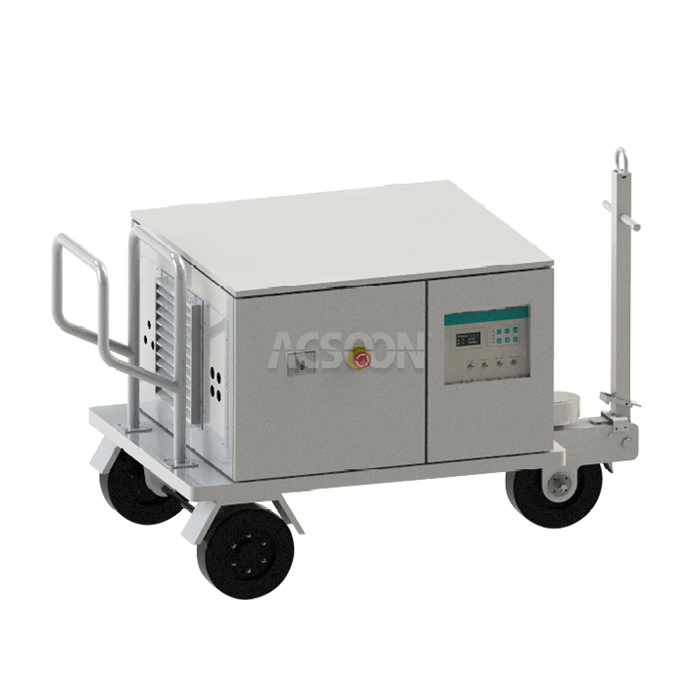
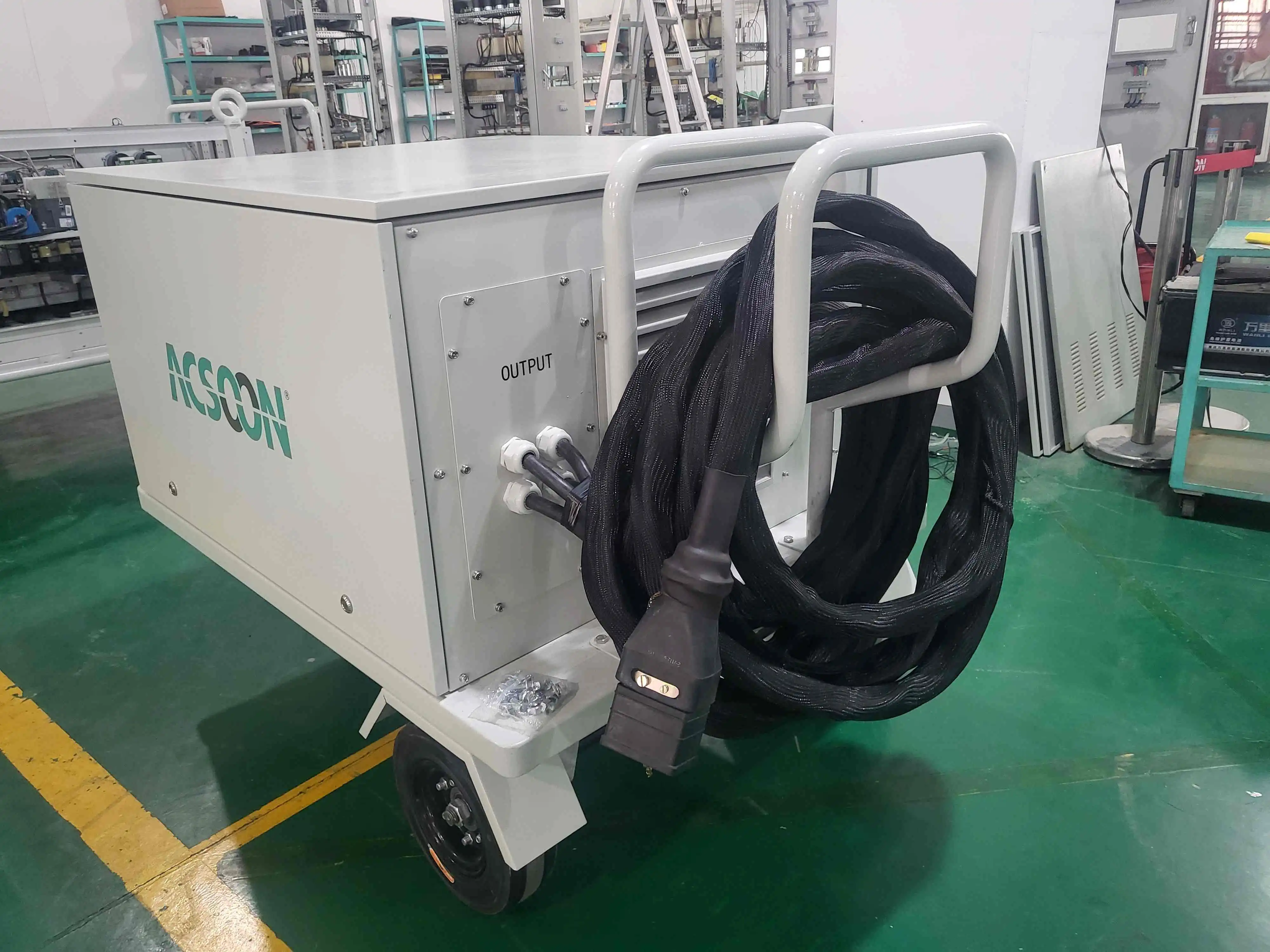
An external power unit aircraft system is a special piece of ground support equipment that changes regular energy into the exact 400Hz AC or 28V DC that aircraft need when they are working on the ground. Instead of using jet fuel and building up maintenance hours, these ground-based systems provide clean, controlled power for things like lighting in the cabin, diagnosing electronics, and controlling the environment while planes are at gates or in maintenance hangars. Working with flight clients for 15 years, we've seen how these external power unit aircraft get rid of the costs of running APUs on the ground. Airlines can cut their return energy costs by up to 80% and increase the life of turbine parts by reducing the number of times they wear out. The technology is also in line with ICAO's green airport efforts because it cuts carbon pollution at terminal gates by a huge amount.
Critical Safety Risks in EPU Operations
Concerns about electricity are the most obvious danger in external power unit aircraft activities. Damaged wire insulation can cause short circuits that can lead to arc flashes that can hurt people and damage sensitive airplane systems. If voltage transients go over the acceptable limits for airplanes, even for a short time, they could damage flight computer software or power distribution units worth hundreds of thousands of dollars. Mechanical problems make things even more vulnerable. Electrical contact integrity is lost when connectors are damaged by bad insertion methods or corrosion buildup. This causes power to be delivered intermittently, which puts stress on flight systems. These problems are made worse by environmental factors like high or low temperatures affecting the insulation, water getting into the system, breaking down parts inside, and vibrations from mobile units eventually loosening electrical connections.
Why Safety Standards Matter for Procurement Teams
When procurement managers buy equipment that doesn't meet standards, they take on more and more responsibility. The rules say that everything in the supply chain has to be able to be tracked and linked to data from licensing tests and quality control records. Companies that don't have the right paperwork for their equipment could face fines from the government, denied insurance claims, and even have their airplane fleets grounded during safety checks. Failures of technology that cause operations to stop can cost a lot of money. During busy times, a single power failure at a gate can cause hundreds of people to be late for their flights, which can lead to compensation claims and hurt the carrier's image. When hangar power systems go out in the middle of a diagnostic process, technicians have to start over with complicated testing routines, which causes similar problems in maintenance facilities.
Key Safety Standards and Regulations Governing External Power Unit Aircraft Systems
International Aviation Authority Requirements
Advisory Circulars and Technical Standard Orders are ways that the Federal Aviation Administration sets minimum safety standards for external power unit aircraft systems. Electrical safety features required by FAA rules include ground fault protection, overcurrent shutdown methods, and voltage regulation within ±5% of the stated output. These rules apply to all equipment used to service U.S.-registered airplanes, no matter where it was made. The European Aviation Safety Agency's rules are similar to the FAA's, but they include extra rules for equipment that works at European airports. The EASA certification method checks for electromagnetic compatibility, which ensures that external power units don't mess up airport navigational aids or communication systems on board airplanes. The International Civil Aviation Organization helps regional governments work together, which makes it easier for tools to be used around the world.
Industry-Specific Technical Standards
The aerospace specs made by SAE International set thorough performance standards that go above and beyond what is required by law. Standard AS1055 describes the electrical properties of 400Hz external power unit aircraft, such as the quality of the voltage pattern, the need for frequency stability within ±0.5Hz, and the need for phase angle symmetry. Our ACSOON GPU400L-330090 model keeps phase angle symmetry at 120°±1° when loads are balanced, which is better than what the market usually requires. Standard AS50881 talks about the needs for wires and connectors. It says that the materials used must be able to withstand hydraulic fluid, jet fuel, and deicing chemicals that are common on ramps. Cable setups need to be able to handle 26-meter lengths without losing too much power. Our systems meet this requirement with carefully chosen line sizes and low-resistance ends.
In RTCA DO-160 environmental testing methods, equipment is put through a range of conditions, including temperature changes from -40°C to +85°C, changes in humidity, vibration patterns that mimic transport conditions, and exposure to electromagnetic interference. To prove compliance, tests must be done in a recognized lab, and the results must be written down. We do this for every production run before sending it to a customer.
Certification Protocols and Documentation
To get type certification, you have to show proof of your quality management system, test records, and design paperwork to the people in charge of regulations. The process makes sure that the controls for making keep approved test units and production tools consistent. Functional safety testing looks at how protective features work when there is a fault. For example, purposeful short circuits check how quickly overcurrent protection works, artificial ground faults make sure that stop mechanisms work correctly, and overvoltage situations test failsafe modes in regulation circuits. Traceability paperwork connects unique serial numbers to specific lots of materials, calibration certificates for test tools used for quality control, and technician qualifications for people who put things together. During probes into incidents, warranty claims, or governmental audits, this line of evidence is very important.
Best Practices and Safety Guidelines for Operating External Power Units on Aircraft
Pre-Operation Safety Checks and Installation Protocols
Before every connection loop, there must be thorough eye checks. Technicians look at wire jackets for chemical damage, cuts, or scrapes that could weaken the insulation. Special care is taken with connector pins because bent contacts or rust buildup can stop them from joining properly and create resistance hot spots that can ignite materials nearby. Verification of power ratings saves both equipment and airplanes. Ground workers make sure that the unit's output capacity is higher than the plane's highest load by a sufficient margin, usually 20 to 30 percent, to account for motor starting transients. When ratings don't match, voltage drops during high-demand operations. This can set off airplane trouble codes and stop repair processes hours from their finish. Installation guidelines stress the importance of proper grounding. The aircraft's ground port needs to establish continuity before turning on the power pins. This order is required by the mechanical design of the connection, but it can be skipped due to damage or wear. Independent ground proof using calibrated test equipment adds another layer of safety, especially for older airplanes or equipment pairs that haven't been used before.
Operational Procedures and Emergency Response
A safe power transfer starts with making sure that the ground team and the flight deck or repair staff can talk to each other. The handoff procedure follows strict rules: the ground crew signals that the connection is ready, people on board the aircraft make sure that the electrical systems are set up to accept power from outside, the ground crew turns on the unit while keeping an eye on the voltage and current indicators, and people on board the aircraft confirm that the transfer went smoothly by looking at the system displays. For emergency stop methods to work, fault conditions must be identified right away. If you hear strange sounds like arcing, mechanical grinding, or cooling fan irregularities, you need to unplug right away. Visual cues like smoke, sparks at the ports, or circuit breakers that trip set off emergency procedures. The GPU400L-330090 we offer has IP54 entry protection, which keeps water and dust from getting into the internal parts and causing faults.
Personnel Training and Maintenance Impact
Effective training programs for external power unit aircraft teach more than just basic operating processes. They also help students really understand electrical principles and recognize failure modes. Employees learn how to read voltage and frequency displays, tell the difference between standard and abnormal current draw patterns, and know how the surroundings affect the performance of equipment. With this understanding, operators go from being button-pushers to safety guards who can stop problems before they get worse. An external power unit, an aircraft ground power unit, is more reliable. Once a month, checks find problems like cables losing their flexibility, connection contacts becoming less resistant, or cooling system debris building up before they become practical fails. Every year, verified load banks are used for calibration to check the accuracy of voltage control and transient reaction characteristics. This makes sure that the equipment keeps meeting the original specs even as parts naturally wear out. Our work with military aircraft, commercial planes, and MRO sites shows that disciplined repair methods cut down on emergency service calls by 60–70% compared to reactive-only methods. When you compare the costs of planned component replacement to emergency gate failures, which include higher wages, faster shipping of parts, and lost work time, preventative programs usually pay for themselves in the first year.
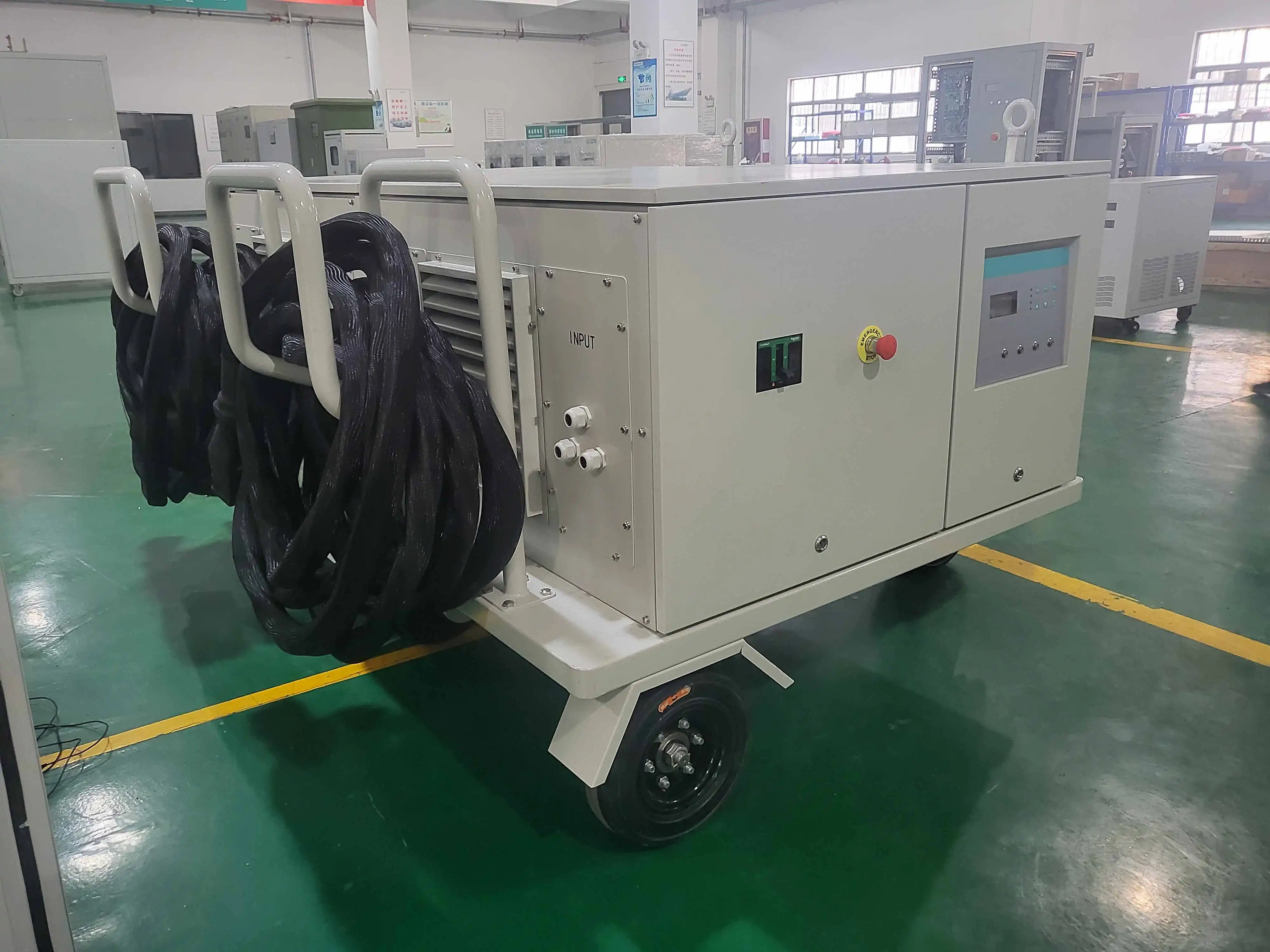
Comparison of External Power Unit Types with Respect to Safety Compliance
Portable Versus Stationary System Advantages
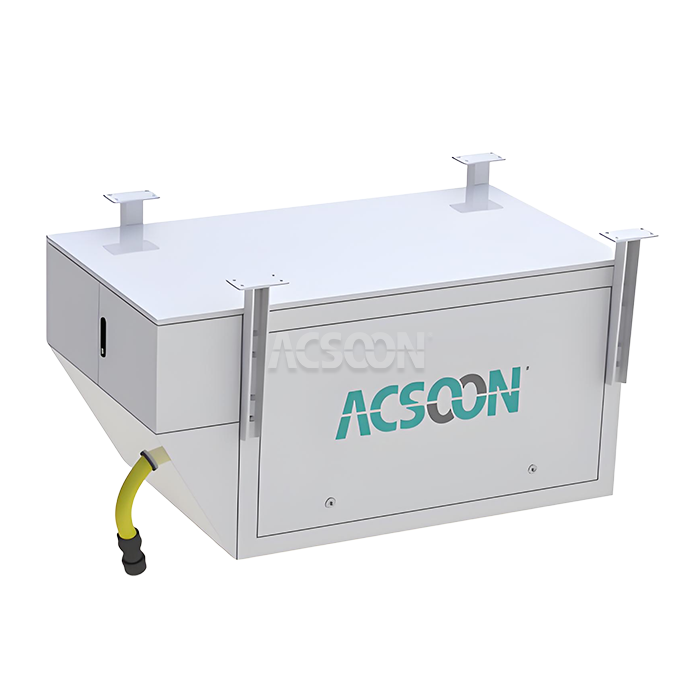
Portable external power units for aircraft are useful for military forward operating sites, remote stands, and airports that don't have stable infrastructure because they can be set up in a variety of ways. These systems have ruggedized chassis that can handle vibrations from the road and shocks from shipping while keeping the accuracy of the measurements. Battery-powered versions get rid of the problem of diesel fumes in small areas, but they can only run continuously for a limited time due to battery capacity limits. Installing fixed electrical lines under passenger boarding bridges makes them safer because they don't have to be moved around as often, which speeds up insulation wear. Fixed systems connect to building control platforms, which lets one place keep an eye on voltage quality, load patterns, and problem conditions across many gates at the same time. The ACSOON GPU400L-330090 is an example of this type. It was made to be installed on a boarding bridge and has a 26-meter wire reach that is long enough to accommodate different aircraft stopping positions.
Power Rating Considerations and Environmental Compliance
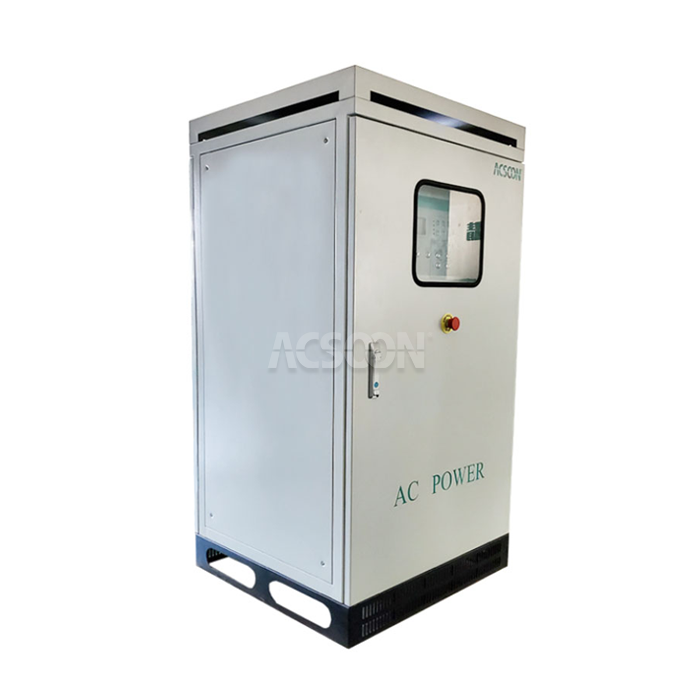
90kVA systems, like our GPU400L-330090, are used for wide-body airplanes and long periods of time on the ground where multiple high-draw systems need to work at the same time. Lower rates are fine for regional jets and quick turnarounds, but they don't have enough overflow space for sudden demand jumps. Undersized equipment constantly works at high output percentages, which speeds up heat aging and shortens its useful life. Noise pollution affects both following the rules and keeping everyone safe at work. Compared to rotary motor-generator sets, solid-state frequency converters make much less noise, usually less than 65dBA at user places. This trait is especially useful at airports in cities where noise limits are in place and in repair hangars where techs work long shifts close to machines that are running.
Market-Leading Safety Implementations
Manufacturers who have been around for a while add extra safety features on top of what the law requires. Honeywell uses predictive diagnostics to let workers know about faults that are starting to form before they happen. Parker stresses modular building, which lets parts be swapped out quickly without special tools, cutting down on the average time it takes to fix something. TLD works on making operator tools that are easy to use so that less training is needed while still following safety rules. Through careful engineering and strict quality control, JERRYSTAR's ACSOON name builds on these best practices in the business. Every GPU400L-330090 goes through a 100% load bank test at full rated capacity plus 125% overload verification for 60 seconds. This makes sure that the temperature stays stable under stress. When loads quickly engage or drop, we check the transient response (voltage recovery speed) and make sure it stays below 10 milliseconds. This keeps airplane systems from having to be reset during regular operating changes.
How to Ensure Safe Procurement and Integration of External Power Units
Selecting Equipment Based on Verified Certifications
Instead of just taking seller statements, procurement specifications should clearly call for documentary proof that regulations are being followed. Ask for copies of real test records from approved labs that show the results of the DO-160 environmental qualification test, the EMC testing data, and the electrical safety proof. Carefully look over the certification scope. Some providers approve base models, but then send variants that have been changed in ways that make the original approvals useless. Warranty coverage shows that the company that made the product trusts it to work well. Comprehensive guarantees that last 24 to 36 months and have few exceptions show that the quality control system is strong and that the parts chosen are lasting. Carefully read the warranty terms that cover reaction times, guarantees for parts availability, and field service capabilities. This is especially important for businesses that are far from external power unit aircraft provider sites.
Integration Service Provider Qualifications
Certified installation teams know a lot about the electrical infrastructure at airports, the specs for airplane connectors, and how to follow safety rules. Site studies are done by qualified professionals who check the electrical service capacity, the coordination of ground fault protection, and natural factors that affect where equipment is placed. Because they have done this before, they don't make costly mistakes like putting cables in the wrong places, where they could cause people to trip or leave them open to being hit by a ground vehicle. Integration includes more than just installing things; it also includes making sure they work. For proper commissioning, tests must be done with real aircraft or load banks that model different flight deck layouts. This test makes sure that the power regulation works, the safety devices work together, and the operator interface works in real-life situations before the system goes into service for real money.
Risk Mitigation Through Supplier Partnerships
Supplier audits let you see firsthand how well the manufacturing, quality control, and expert support processes work. By walking around the production floors, you can tell if suppliers keep their test tools in good shape, follow written processes, and use traceability systems that connect parts to certification data. Meeting with tech teams lets you see how knowledgeable they are and how well they can support special requests or fix problems in the field that are very complicated. Ongoing expert help is what sets real partners apart from commodity providers. If you have access to application workers who know your specific business context—gate setups, fleet mix, and turnaround time pressures—you can quickly fix problems when they come up. Instead of generic training, training programs that are tailored to your methods and tools help your staff learn faster and make fewer mistakes.
We've built our business by providing reliable external power unit aircraft equipment that can be customized and delivered quickly to government acquisition teams, flight engineers, and industrial equipment makers. Our 5,000–10,000-square-meter factory in Shaanxi Province keeps enough stock on hand to meet pressing needs and also supports OEM configurations that are made to fit special operating needs.
Conclusion
Safety rules for external power unit aircraft systems make sure that planes can be serviced reliably without putting expensive electronics or people's safety at risk. Following the rules set by FAA, EASA, SAE, and RTCA keeps buying organizations from being sued and gives them practical benefits like less downtime and longer equipment life. To be successful, you need to buy certified tools from reputable sources, set up thorough training programs, and stick to strict schedules for preventative maintenance. These investments keep paying off through better safety records, more trust in following the rules, and better use of assets in commercial, military, and repair aviation operations.
FAQ
What distinguishes solid-state from rotary external power systems?
Solid-state external power units for aircraft use rectifiers and inverters to change the power electrically. They don't have any moving parts that need to be maintained, and they work more quietly and with better transient reaction. Motor-generator sets are used in rotary systems. These offer a strong overload capacity, but they make more noise and need regular mechanical upkeep, such as bearing cleaning and brush replacement.
How do I verify equipment meets applicable safety standards?
Ask for full sets of paperwork that include applications for quality management systems, test results from approved labs, and letters of certification from recognized authorities. Instead of taking a general certification that covers product families, make sure that you can trace your unit's serial number to the results of its batch testing. Verification by an independent third party adds to the confidence in important buying choices.
What maintenance schedules ensure continued compliance?
Visual checks done once a month find problems as they start to form, before they become major problems. Electrical testing is done every three months to check the working of safety devices, ground continuity, and insulation resistance. Voltage control accuracy and transient reaction characteristics are checked once a year using approved load banks. Replacement of parts is based on what the maker says should be done, based on the number of hours the part has been used, and on how harsh the area is.
Partner with a Trusted External Power Unit Aircraft Manufacturer
JERRYSTAR is an expert at providing approved external power unit aircraft options for testing in the military, on ships, in factories, and in aviation. Our ACSOON GPU400L-330090 has a 90kVA capacity, a precise 400Hz output, IP54 security, and phase angle symmetry within ±1° for balanced loads. These are all features that go above and beyond what is normally required in the business. We have been making things for more than 15 years and know a lot about flight power systems. We can support custom setups and keep parts in stock for quick deployment. To talk about your unique needs and find out why procurement professionals choose JERRYSTAR as their external power unit aircraft provider, please email our technical team at acpower@acsoonpower.com.
References
1. Society of Automotive Engineers International. "AS1055: Requirements for 400 Hertz Electrical Power Systems for Aircraft." Aerospace Standard, 2019.
2. Federal Aviation Administration. "Advisory Circular 150/5220-23: Aircraft Ground Support Equipment." U.S. Department of Transportation, 2021.
3. RTCA, Inc. "DO-160G: Environmental Conditions and Test Procedures for Airborne Equipment." Radio Technical Commission for Aeronautics, 2022.
4. European Aviation Safety Agency. "Certification Specifications for Ground Support Equipment." EASA Type Certification Requirements, 2020.
5. International Civil Aviation Organization. "Annex 14: Aerodromes - Volume I: Aerodrome Design and Operations." ICAO Standards and Recommended Practices, 2018.
6. SAE International. "AS50881: Wiring and Cable, Electric, for Aircraft Ground Support Equipment." Aerospace Standard, 2017.