



What Standards Govern 270V Aircraft Power Supply Design?
A lot of military and aerospace standards affect how a 270V aircraft power supply is made. The most important ones are MIL-STD-704F, which describes the electrical power requirements for aircraft systems, RTCA DO-160 for testing in harsh environments, and MIL-STD-461 for making sure the supply doesn't interfere with electromagnetic fields. These rules make sure that high-voltage direct current systems work safely within narrow voltage ranges, usually 250V to 280V, while keeping low ripple, fast transient response, and strong protection mechanisms important for modern aircraft and advanced military platforms.
Regulatory and Voltage Standards Governing 270V Aircraft Power Supplies
International and military standards are very strict in the aerospace business. These standards cover every part of how well the electrical power system works. These rules are in place to keep people and mission-critical equipment safe from electricity problems that could be very dangerous at high altitudes or during battle.
MIL-STD-704F: The Foundation of Aircraft Power Requirements
MIL-STD-704F is the most important standard for how airplane electric power works. This military standard sets clear limits on voltage, how power should behave during transients, and the quality of power that DC systems running at a 270V baseline must meet. The standard sets out three types of operation: Normal Operation (250V to 280V steady-state), Abnormal Operation (allowing for short departures), and Emergency Operation (survival mode settings). During certification testing, it is required that you follow the Figure 16 transient curves in MIL-STD-704F. Load-switching events, actuator activation, and radar pulse demands all cause voltage changes that need to stay within certain limits to keep electronics from breaking down or damaging parts.
RTCA DO-160 Environmental Testing Requirements
The RTCA DO-160 sets the environmental test conditions that ground power units and aerial 270V aircraft power supplies need to be able to handle. Section 8 talks about tests for vibrations, Section 4 talks about performance at different temperatures and heights, and Section 16 talks about power input features. Units that will be used as ground support tools must be able to work in temperatures ranging from -40°C to +55°C. Systems that will be used in the air have to handle even more difficult thermal cycles. The newest versions of the standard (DO-160G) include updated testing methods for electromagnetic interference that work with current digital avionics designs. This makes sure that the frequencies don't interact with each other as they get more crowded.
SAE and ARINC Interface Specifications
The Society of Automotive Engineers (SAE) puts out guidelines for aircraft that control the reliability of power systems and the protocols used for communication. SAE AS50881 talks about wiring rules, and SAE ARP5015 talks about standards for electromagnetic compatibility in airplane electrical systems. ARINC guidelines set standard interfaces for avionics gear, which makes sure that 270V power distribution designs stay compatible across a number of aircraft models and subsystem makers. It is very important for maintenance, repair, and overhaul facilities to be able to use test tools that can communicate with different kinds of aircraft. These interface standards help with that a lot. To get through this governmental mess for a 270V aircraft power supply, you need to have specific knowledge. OEMs and sellers must keep their licenses up to date by testing and documenting all the time. Third-party verification by recognized labs gives procurement teams independent proof they can rely on when they check the skills of vendors in global aircraft supply chains.
Technical Design Principles and Safety Guidelines for 270V Aircraft Power Supplies
To make high-voltage DC power systems that are legal, you have to follow basic engineering rules that put safety, dependability, and performance under difficult conditions first.
Voltage Stability and Regulation Architecture
Thanks to new feedback control schemes, modern 270V aircraft power supplies can regulate with more accuracy than ±1%. Digital signal processors constantly check the output voltage at sensing points and change the pulse-width modulation to account for changes in the line and sudden changes in the load. This tight control is very important for sensitive electronics that don't have their own voltage conditioning. Power supply makers use several feedback loops with different time constants. The slower outer loops keep the DC bias correct over time and temperature changes, while the faster inner loops respond to switching noise within microseconds. Line Drop Compensation is an important function for ground power users because the length of the cable between the GPU-270300 unit and the airplane connection places can cause big resistance losses. By running sense wires along with the power lines, the supply can measure the real voltage at the aircraft plug and increase the output automatically to keep it at 270V at the application point.
Electromagnetic Compatibility and Design of Filters
Electromagnetic interference is made by high-voltage DC systems and can mess up critical tracking and communication gear. Power sources must not go over the limits set by MIL-STD-461 for both direct and radiated emissions. The requirements for output ripple usually say that the peak-to-peak content added to the DC output must be less than 3V. To do this, you need complex filter networks with magnetic and sensitive parts set up in a way that reduces switching harmonics over a wide range of frequencies. Common-mode and differential-mode filtering steps are used in modern systems to make the best use of different types of noise. Wide-bandgap semiconductors, such as Silicon Carbide, allow for higher switching frequencies. This makes filtering easier by moving noise energy into frequency bands where smaller passive components can more easily block it.
Protection Systems and Fail-Safe Mechanisms
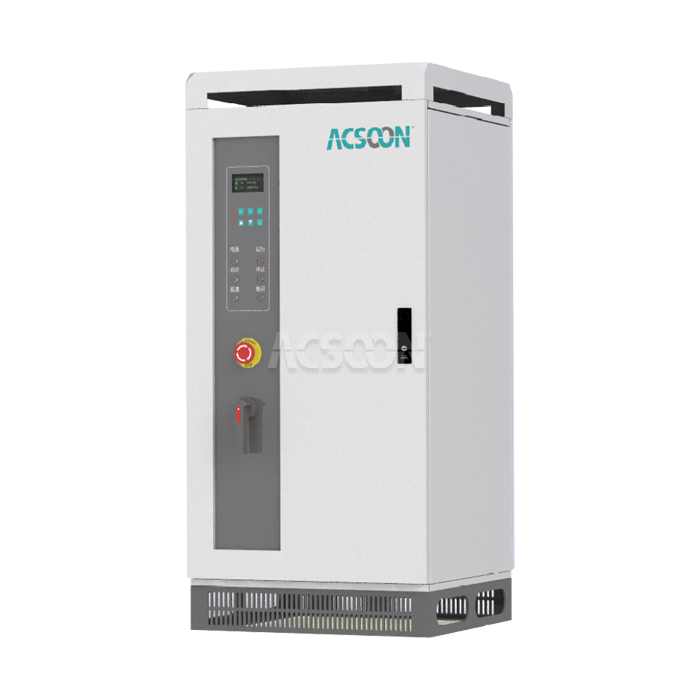
Unlike alternating current, which naturally passes zero voltage, 270V DC has a constant arc risk. This means that quick active safety circuits are needed. Over-voltage safety circuits must be able to tell when voltage levels rise above safe levels and cut off power delivery within milliseconds to keep insulation from breaking down and parts from being damaged. When voltage and current levels are high, short-circuit protection is harder to do. To protect both the supply and linked loads, current-limiting designs are needed. The ACSOON GPU-270300 has multiple layers of safety. Current sensing circuits shut down the device right away if it senses too much current, thermal monitoring stops overload situations from lasting too long, and active discharge circuits quickly drain the energy stored in output capacitors when the power is turned off. This last feature protects workers by turning off dangerous volts within seconds of the link being cut off. Mechanical interlocks built into connector designs stop them from joining or demating while they're under load. This lowers the risk of arc flashes that could hurt repair workers.
Comparing 270V Aircraft Power Supply Standards with Other Voltage Systems
Figuring out how 270V standards are different from other aerospace power designs helps with buying decisions and planning how to integrate systems.
28V DC Legacy Systems versus Modern 270V Architecture
Since World War II, traditional aircraft have used 28V DC power distribution. This voltage choice was made because early electrical systems were limited, and safety was a concern when aircraft electrical loads were low. Avionics, flight control devices, and environmental systems all needed more power, so 28V systems had to use heavier cables to carry higher currents without too much voltage drop. The benefit is clear from simple physics: to give 10 kW at 28V, you need about 357 amps, but to do the same thing at 270V, you only need 37 amps, which is almost ten times less. Because of this huge drop in current, airframe designers can use thinner wire gauges, which can cut the weight of big platforms by hundreds of tons. Because of the lighter weight, the range is longer, the carrying capacity goes up, or fuel use goes down. But 28V systems are still commonly used in some situations where the safety benefits of low voltage outweigh the concerns about 270V aircraft power supply efficiency.
115V AC 400Hz Systems and Hybrid Architectures
115V AC at 400Hz frequency is used as the main power source for many civilian and military airplanes. Because the frequency is higher than 50/60Hz, the generators and motors can be smaller and lighter. However, transformer-rectifier units are needed all over the plane to provide DC power for solid-state electronics and digital systems that use AC systems. Each step of the change process adds weight, complexity, and waste. The 270V DC design gets rid of these spread-out TRUs by getting DC straight from sources in the center. New jets like the F-35 and F-22 use hybrid systems that combine 270V DC main distribution with regional change to 28V DC and 115V AC for older systems. This method improves the general efficiency of the system while still working with current component suppliers.
Energy Efficiency and Thermal Management Implications
Because there are fewer resistance losses in distribution lines, systems with higher voltage use less energy. No matter what the voltage is, the cable's resistance stays the same. However, I²R losses grow as the square of the current. Because 270V systems have ten times less current than 28V systems, wire losses are about one hundred times lower. These improvements in efficiency make batteries last longer for emergency power systems and lower the temperature that power gadgets need to stay cool. Silicon Carbide semiconductors, which have lower conduction losses and faster switching properties than standard silicon devices, allow advanced ground power units like the GPU-270300 to achieve conversion efficiencies of over 95%. Less heat production means thermal control systems that are smaller and lighter, and better dependability because parts work at lower temperatures.

Procurement Considerations: Ensuring Compliance When Selecting 270V Aircraft Power Supplies
When looking for high-voltage aircraft power tools, procurement workers have to make hard choices. Checking for compliance, vetting suppliers, and thinking about lifecycle support all affect the result of a buy.
Certification Documentation and Third-Party Verification
Manufacturers who are qualified give full test reports that show they meet all military standards. For units like the GPU-270300, load bank test results should show how well voltage control works across the whole 0-300A output range. It is necessary to show that the voltage stays within the limits set by MIL-STD-704F during step changes in the load. EMC test results from approved labs show that the conducted and radiated emissions meet the standards of MIL-STD-461. Check the quality control systems of your suppliers as well as the compliance documents. ISO 9001 approval gives you basic peace of mind, while AS9100 aerospace-specific quality standards show that you know more about the business. Xi'an Jerrystar Instrument Co., Ltd. uses strict quality control methods that have been fine-tuned over 15 years of making 270V aircraft power supplies. Our testing methods include environmental stress screening, such as HALT processes that put units through vibration and temperature cycles that are higher than what is normally recommended. This is done to find possible failure modes before they are sent out.
Supplier Capabilities and Customization Options
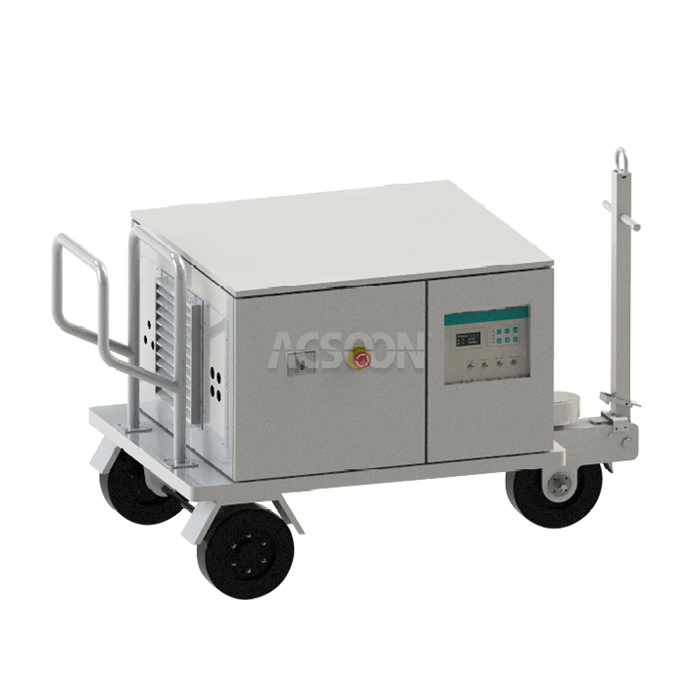
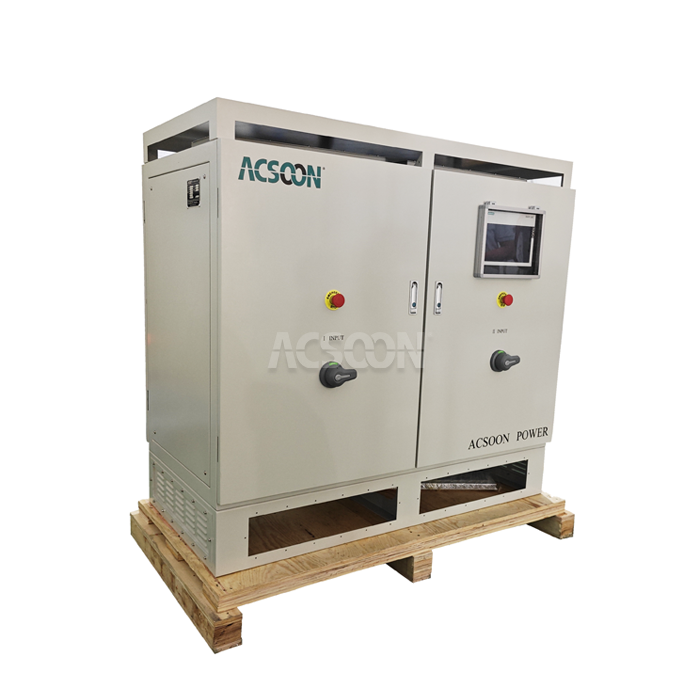
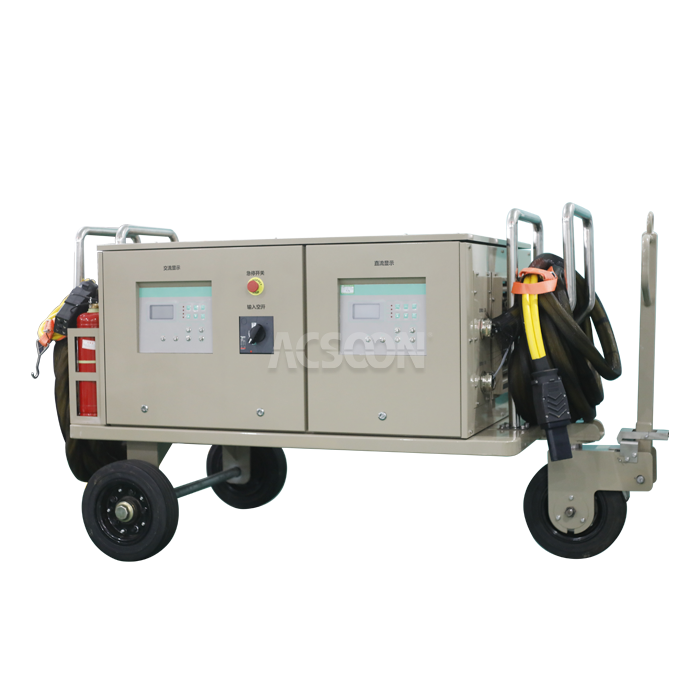
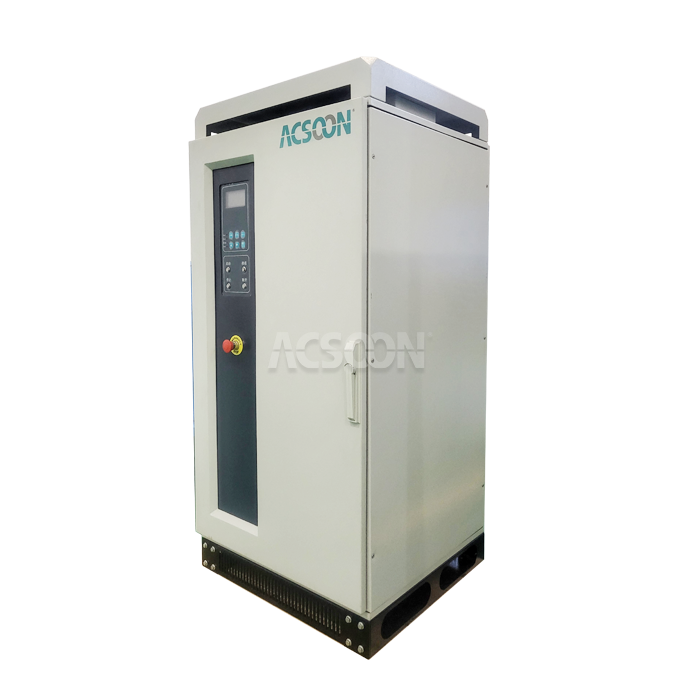
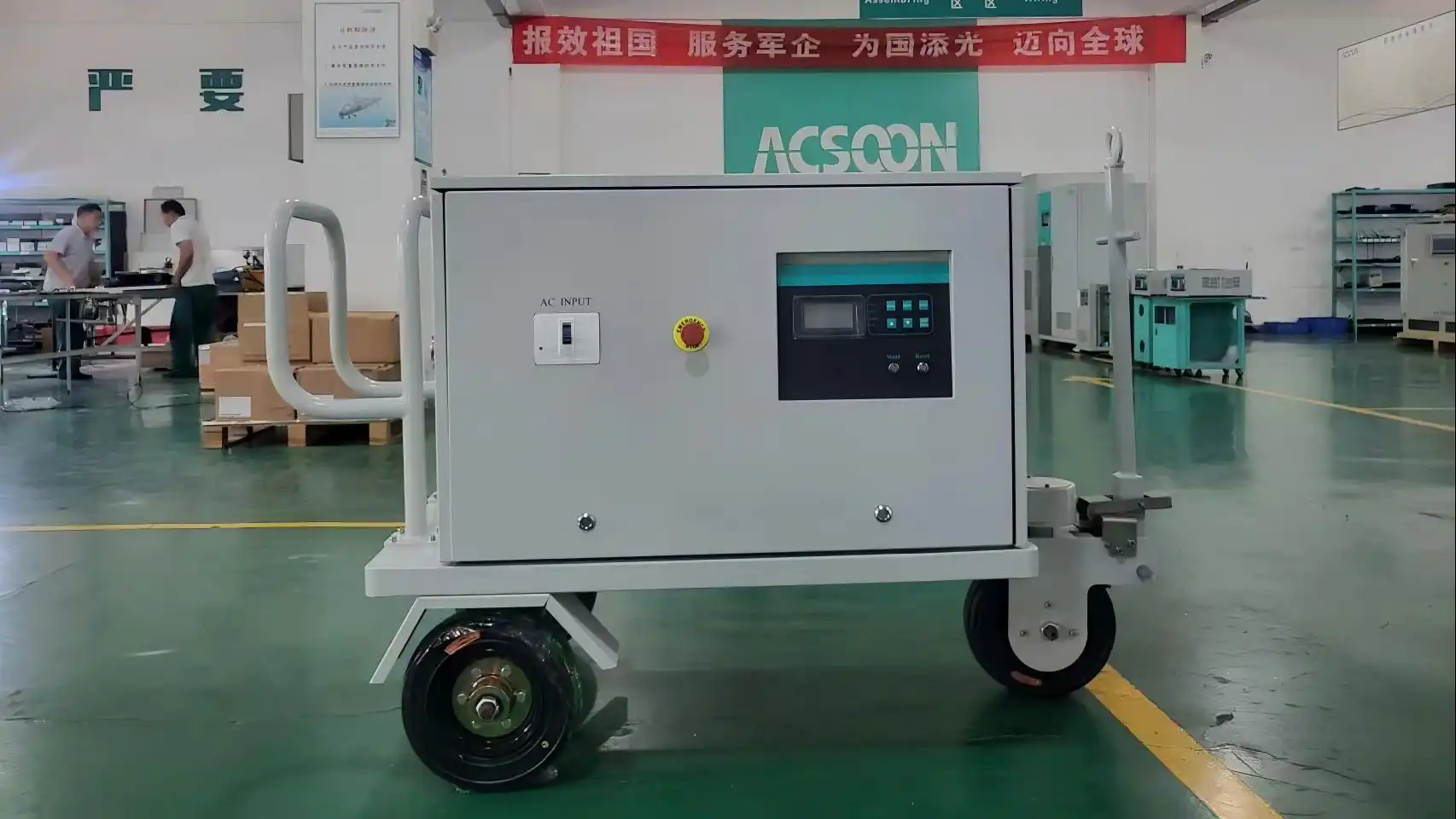
Standard stock items can be used for many things, but aircraft projects often need answers that are made just for them. Check to see if the technical skills of possible providers can change voltage ranges, add special interface connectors, or combine tracking systems. The ACSOON brand allows OEM setups, which means that integration partners can choose their own front panels, communication methods, and mechanical packaging. GPU-270300 models that are placed on trolleys can be moved around for operations on the flight line, while stationary installations work well for stable test facilities in hangars. IP21 ingress protection is enough for indoor settings, but talk about better sealing choices for outdoor setups that will be open to weather or for shipboard uses where salt-fog corrosion is a worry. When the amount of goods bought goes up, manufacturing ability matters. Check with the supplier to see how many key parts they have in stock and how long the usual wait time is for both normal operations and supply chain disruptions.
After-Sales Support and Lifecycle Management
The ability to provide technical help has a big effect on the total cost of ownership. Documentation that includes thorough blueprints, maintenance methods, and troubleshooting guides makes it possible to fix things in-house, which cuts down on downtime. Carefully look over the warranty terms: the length of time, the spread of coverage, and the service reaction times can all affect how ready the system is to go. Suppliers with established support networks can fix things faster than those who need to send equipment back to plants far away. For defense projects that will last a long time, having spare parts on hand becomes very important. Make sure that the sellers will handle the obsolescence of their parts and make sure that future upgrades will work with older versions. Jerrystar's position in Xi'an, China, gives them strategic benefits for customers in Asia and the Pacific, and they keep up global logistics ties for markets in Europe and North America.
Future Trends and Innovations Impacting 270V Aircraft Power Supply Standards
The world of aircraft power systems is always changing because of new technologies and changing platform needs.
Standards Updates Reflecting New Technologies
Every so often, MIL-STD-704 for 270V aircraft power supply is updated to include new tools and lessons learned from the past. As regenerative loads become more widespread, future changes will probably include standards for power flow to go both ways. During reverse, electrohydrostatic devices send power back onto the DC bus. This causes voltage fluctuations that need to be dealt with by standards. Adding energy storage, like improved batteries or ultracapacitors, changes the way things work, so testing methods need to be updated. International attempts to harmonize try to match military standards with requirements set by groups like EUROCAE and RTCA for commercial aircraft. This makes it easier for tools to be used on both military and civilian platforms.
Wide-Bandgap Semiconductors and Power Density Advances
Semiconductors made of silicon carbide and gallium nitride make huge changes to how well 270V aircraft power supplies work. These materials can handle higher voltages, temperatures, and switching rates than silicon. This means that they don't need to be cooled as much, and passive components can be much smaller. The next wave of 270V sources will be able to deliver more power in smaller, lighter packages than were ever possible before. Higher switching rates make control loops more sensitive, allowing for better transient reaction and tighter voltage regulation. Procurement teams should keep an eye on these changes in technology to make sure that requirements include new features without throwing out tried-and-true designs too soon.
Sustainable Aviation and Electrification Pressures
Beyond standard operational efficiency concerns, environmental concerns are driving the aircraft industry to become more electric. Major airframe makers are working on hybrid-electric propulsion ideas that will need power production and transfer capacities that have never been seen before. All-electric taxis use less fuel and put out less pollution, but they need strong infrastructure to support their power needs on the ground. These trends show that high-voltage DC power designs will continue to grow, and the need for 270V ground support equipment that meets safety standards will also grow. As fleet upgrading speeds up, companies that are on the cutting edge of this technology will gain market share. Jerrystar's investments in advanced production and engineering skills have set up our ACSOON product line to meet changing customer needs as aircraft power systems move toward futures with more electric components.
Conclusion
Learning the rules for designing 270V aircraft power supplies helps procurement professionals, engineers, and program managers make smart choices that support mission success. The standards MIL-STD-704F, RTCA DO-160, and others like them lay the groundwork for safe, dependable high-voltage DC power systems that support current More Electric Aircraft designs. Regulatory standards are turned into strong hardware implementations by using technical design principles that stress voltage regulation, electromagnetic compatibility, and full safety mechanisms. Learning how 270V systems are different from older voltage designs helps to explain the benefits that are pushing the industry to accept them and brings up important integration issues. Tough buying procedures that check suppliers' compliance, ability to customize, and lifetime support keep program plans and operational readiness safe. As new technologies and changing standards change the aerospace power landscape, companies that keep their skills up to date stay successful in global supply lines.
FAQ
What primary standards govern high-voltage DC aircraft power systems?
For 270V airplane systems, MIL-STD-704F sets the voltage characteristics, transient limits, and power quality standards. RTCA DO-160 spells out outdoor testing conditions, such as temperature, vibration, and function at high altitudes. MIL-STD-461 lists the standards for electromagnetic compatibility for both radiated and conducted emissions.
How does 270V architecture improve aircraft electrical efficiency?
Resistance losses in wire harnesses are kept to a minimum by distributing voltage more evenly. This means that less current is needed to supply the same amount of power. This lets wire gauges be thinner, lowers the need for thermal management, and raises the total efficiency of the system by cutting down on the number of conversion steps needed compared to AC-based designs.
What safety features are essential in 270V ground power units?
Rapid over-voltage protection, short-circuit current limiting, active discharge circuits to get rid of stored energy after shutdown, and mechanical interlocks that stop hot-plugging are some of the most important safety systems. Arc-fault monitoring can deal with the unique risks of high-voltage DC systems that don't have the zero-crossing that happens naturally in AC systems.
How can buyers verify supplier compliance with aerospace standards?
Ask for detailed test reports from recognized labs that show they meet the necessary military standards. Check for quality control certifications like AS9100, talk to past customers of well-known aerospace projects, and do supplier checks to make sure they can test and record properly for a 270V aircraft power supply.
Partner with a Trusted 270V Aircraft Power Supply Manufacturer
Every project that Xi'an Jerrystar Instrument Co., Ltd. works on is backed by its more than 15 years of experience in aircraft power conversion systems. Our ACSOON GPU-270300 provides a dependable 270V DC output at 300A. It has been through strict testing procedures to make sure it meets MIL-STD-704F and other relevant aircraft standards. This DC rectifier can handle three-phase 380V input across world frequency standards. It has IP21 water protection, which means it can be used in hangars and labs. The GPU-270300 can be used for a wide range of ground support and test equipment tasks on military aircraft, unmanned aerial vehicles (UAVs), satellite systems, and facilities that validate aerospace components. It can be set up either standing or on a truck. We are very good at making custom solutions that fit each customer's specific technical needs while keeping a large enough collection to meet urgent needs quickly. Our engineering team offers full technical help from creating the initial specifications to putting the 270V aircraft power supply into action. This makes sure that your investment meets both short-term needs and long-term program goals. Get in touch with our experts at acpower@acsoonpower.com to talk about your specific needs and find out how our tried-and-true solutions can improve your aerospace operations through high reliability, compliance assurance, and quick customer service that keeps important programs moving forward.
References
1. Department of Defense Interface Standard, "MIL-STD-704F: Aircraft Electric Power Characteristics," U.S. Department of Defense, 2004.
2. RTCA Special Committee 135, "DO-160G: Environmental Conditions and Test Procedures for Airborne Equipment," Radio Technical Commission for Aeronautics, 2010.
3. Department of Defense Interface Standard, "MIL-STD-461G: Requirements for the Control of Electromagnetic Interference Characteristics of Subsystems and Equipment," U.S. Department of Defense, 2015.
4. Society of Automotive Engineers, "ARP5015: Electromagnetic Compatibility Requirements for Aircraft Electrical/Electronic Systems," SAE International Aerospace Standards, 2018.
5. Buticchi, G., Costa, L., and Liserre, M., "Improving System Efficiency for the More Electric Aircraft: A Look at DC/DC Converters for the Avionic Onboard DC Microgrid," IEEE Industrial Electronics Magazine, Vol. 11, No. 3, 2017, pp. 26-36.
6. Roboam, X., Sareni, B., and Andrade, A. D., "More Electricity in the Air: Toward Optimized Electrical Networks Embedded in More-Electrical Aircraft," IEEE Industrial Electronics Magazine, Vol. 6, No. 4, 2012, pp. 6-17.