



What Makes an External Power Unit Critical in Aircraft Turnaround?
An external power unit aircraft system is essential for running operations efficiently on the ground. It provides stable electricity to stop planes without turning on systems that use fuel. These ground support units change regular grid power into the exact 400Hz AC or 28V DC that modern airplanes need. This lets turnaround workers run the kitchen, lights, electronics, and climate control systems while keeping the auxiliary power unit in good shape. It's clear how important these systems are when turnaround times require quick gate changes—every minute of delay directly affects operational costs, passenger unhappiness, and scheduling problems that spread across the network.

Understanding External Power Units and Their Role in Aircraft Turnaround
Ground power units have changed over the years from basic engines powered by gasoline to high-tech solid-state frequency converters that work with today's terminal infrastructure. The main difference between these external power unit aircraft systems and internal backup power units is how much they cost to run and how much damage they do to the environment.
The Distinction Between EPUs and APUs
During normal ground operations, aircraft auxiliary power units burn jet fuel at rates of more than 200 pounds per hour. This causes a lot of carbon emissions and noise pollution in terminals with a lot of people. External power systems turn the electricity from the building into aviation-grade power, which completely stops the use of fuel. This change not only saves money, but it also increases the life of APU parts by lowering thermal cycling and operating hours. This has a direct effect on repair times and overhaul costs. Commercial users say that switching from APU operation to ground power cuts fuel costs by about 80% per return. The lower temperature stress on turbine parts increases the time between overhauls by 15 to 20 percent, which saves fleet managers a lot of money over the life of the fleet.
Common Types for Commercial Operations
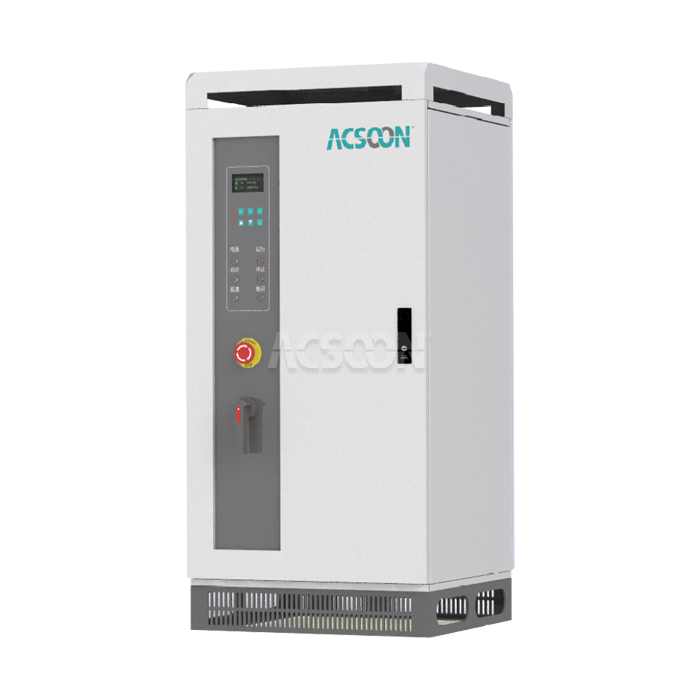
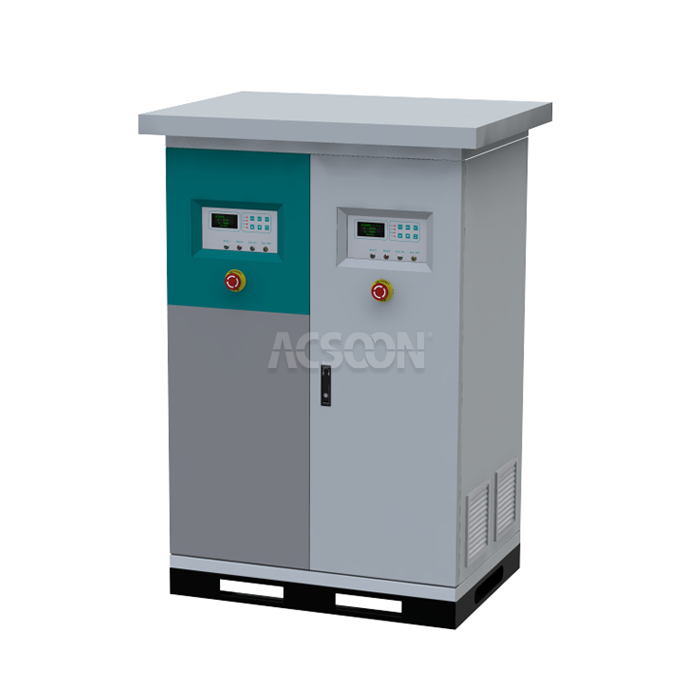
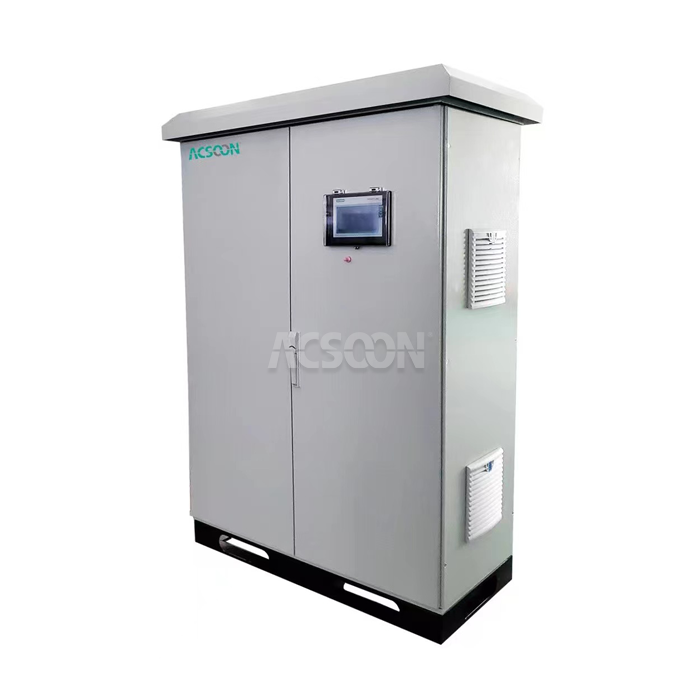
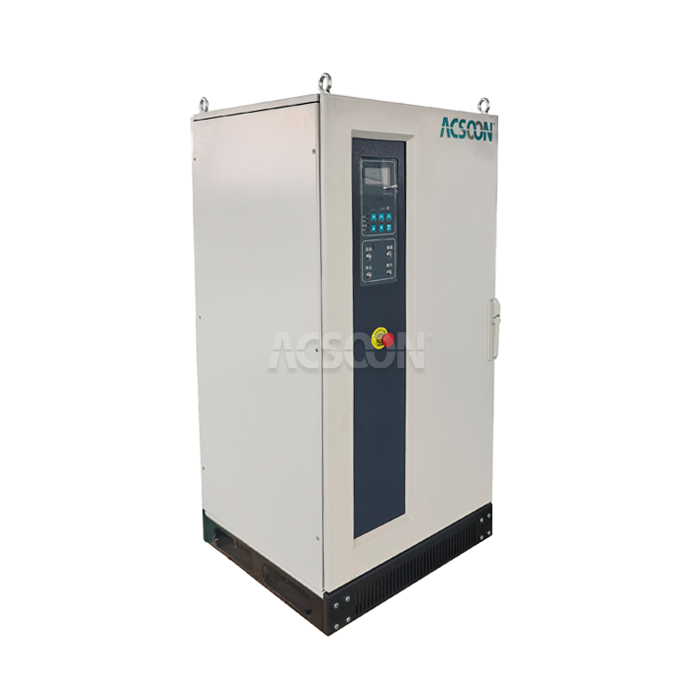
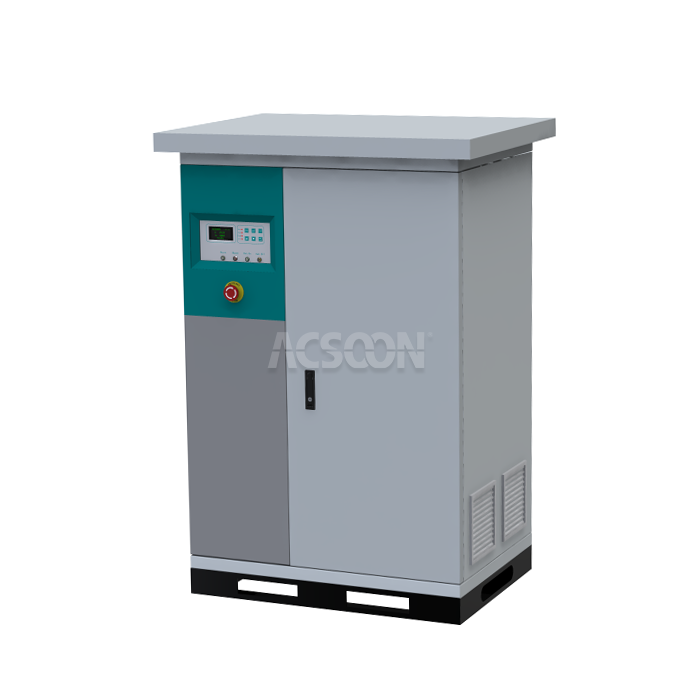
At big terminals, the most common setup is for fixed installation systems to be placed under passenger boarding bridges. These solid-state converters, like the ACSOON GPU400L-330090, provide continuous 90kVA power through built-in 26-meter cable reels, letting planes join right away without having to wait for vehicles to be positioned. The IP54 ingress protection makes sure that the equipment works reliably in open jetway settings where temperature changes and rain can damage it. When infrastructure doesn't allow for fixed sites, mobile units are used for military activities and stand in remote areas. Battery-powered electric ground power units operate with no pollution in places that care about the environment, while diesel-hybrid versions allow for independent operation at forward operating bases and in harsh environments.
Key Benefits Driving Adoption
Because of ICAO environmental programs that aim to reduce airports' carbon impact, aviation officials all over the world now require the use of ground power where infrastructure allows it. In addition to meeting legal requirements, practical benefits include a huge drop in noise levels—fixed units run at less than 65dBA, while APU noise levels exceed 85dBA—which makes the work environment better for ramp staff and lessens the impact on the community. When power is available right away, there are no delays in starting up the APU, which improves turnaround speed. Modern airplane electronics need two to three minutes to initialize the APU and stabilize the electrical system. However, connecting an external power source gives you immediate power. This small time savings adds up over the course of a day's work, especially for short-haul airlines that turn around 8–12 planes every day.
Technical Considerations for Selecting External Power Units
Buying external power unit aircrafts depends on knowing the electrical rules that make sure that different airplanes can work together and the safety systems that keep both the equipment and the airframe's electrical systems from breaking down and doing damage.
Electrical Specifications and Aircraft Compatibility
Standardization in commercial flight is 115/200VAC three-phase power at 400Hz frequency. This is because weight reduction in airborne electrical equipment is a driving force behind the specification. Higher frequencies make it possible to use smaller transformer cores and smaller conductors throughout the plane, which saves a lot of weight that wouldn't be possible with standard 50/60Hz industrial frequencies.
The ACSOON GPU400L-330090 takes three-phase 380V grid power at 50/60Hz and turns it into the needed 3×200VAC, 400Hz output. For balanced loads, the phase angle stability stays at 120°±1°. This accuracy stops motor torque pulsations in airplane cooling fans and hydraulic pump motors, which keeps parts from wearing out too quickly. Under 30% unbalanced loading conditions, which happen a lot during asymmetric system tests, phase symmetry stays within 120°±2°. This shows that the control is strong enough for maintenance work.
To choose the right power rating, you need to carefully look at the electricity loads on the airplane. During full turnaround operations, wide-body aircraft may constantly draw 60–90kVA, with short-term peaks hitting 125% of normal values when the galley oven is turned on, or the hydraulic system is tested. By specifying units with enough extra capacity, you can stop annoying trips that stop important maintenance tasks.
Essential Safety Features and Protection Systems
Overload safety circuits must act within milliseconds to stop damage from happening when ground workers make mistakes and accidentally short-circuit connections during connection procedures or when electrical problems happen in the aircraft. Modern units have more than one level of security. Soft overloads (110–125% rating) shut down the unit after 60 seconds, letting short transients happen without stopping, while hard faults above 150% rating shut it down right away.
During load transients, voltage control becomes very important. The power unit has to keep the output voltage within ±2% of nominal when airplane systems cycle big inductive loads, like hydraulic pumps that use 30–40kW. Automatic line drop adjustment uses special sense wires to measure the real voltage at the aircraft plug. This fixes any cable resistance that might cause the voltage to drop when a lot of current is drawn.
Maintenance Protocols for Reliability
Solid-state frequency converters get rid of the need for regular upkeep that comes with rotating machinery, but they still need to be inspected at a few key places to make sure they will work for a long time. Every year, thermal imaging of the connections inside the busbars shows where hot spots are appearing before the connection resistance fails. Cleaning the air intake filter stops the thermal runaway that happens when cooling airflow is stopped, and temperatures at semiconductor junctions rise above what is allowed.
Load bank testing makes sure that the performance is good under controlled conditions. It checks the voltage regulation, frequency stability, and tuning of the safety circuit. We suggest trying it once a year at 100% of its rated load for an hour and then at 125% overload for an hour. This is the same kind of testing that is done during quality control during production.
Comparing External Power Units: Making Informed Procurement Decisions
When choosing strategic external power unit aircraft equipment, it's important to know both the operational context (gate assignments, fleet makeup, and building limits) and the quantitative performance measures that affect the total cost of ownership.
Fixed Versus Portable Configuration Analysis
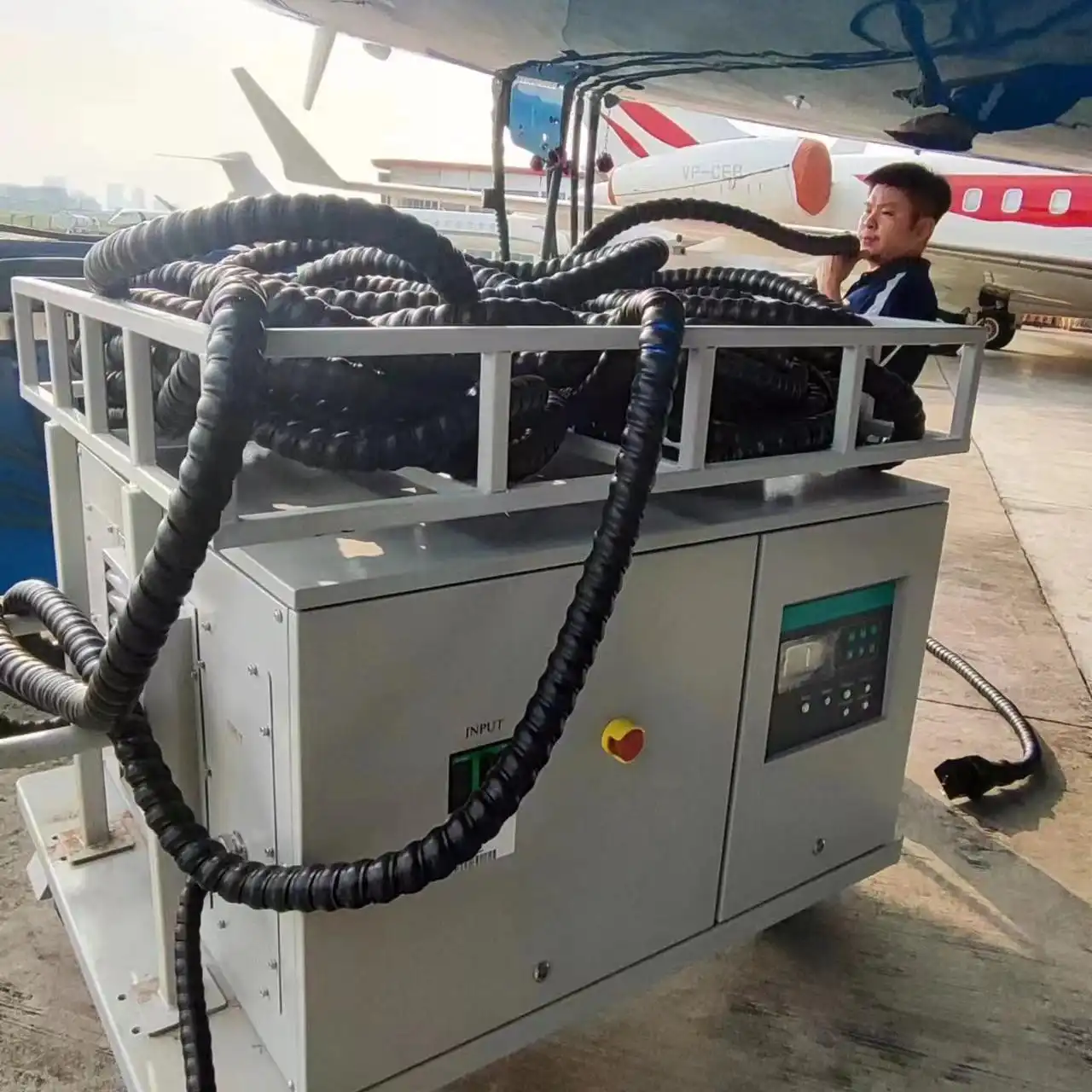
Fixed systems get rid of the time and work needed to position vehicles, which cuts return time by 3–5 minutes per cycle. Integration with building management systems lets you watch from afar, have your link checked automatically, and keep track of your usage to figure out how to split the costs. At gates that handle six or more turnarounds a day, the infrastructure investment pays off quickly, usually in less than 36 months.
Portable units give you options for stands that you can only use sometimes, and a backup option while the set system is being serviced. The benefit of mobility comes with costs: placing vehicles adds to the cost of labor, handling cables wears them out faster, so they need to be replaced more often, and moving between remote stands takes time, which makes response times longer.
Performance Metrics Impacting Operations
When it comes to buildings that use time-of-use electricity rates, energy saving has a direct effect on running costs. Solid-state converters have an 85–90% conversion rate, which is much higher than diesel generators, which only convert 30–35% of fuel to electricity. When sites install cogeneration or green energy systems, which let ground power processes run from low-carbon electrical sources, the efficiency benefit grows.
Noise pollution makes it harder for governments to follow health and safety rules that limit worker exposure to levels above 85dBA for long periods of time. Fixed solid-state units are almost quiet when they're working; the only noise they make is from the cooling fan, which is less than 60dBA from 1 meter away. This sound quality gets rid of the need for hearing protection and makes it easy for ground workers to talk to each other while airplanes are being serviced.
Manufacturer Evaluation Criteria
Xi'an Jerrystar Instrument Co., Ltd. has been making ACSOON brand converters for commercial planes, military bases, and MRO sites around the world for more than 15 years. They are experts in airplane power systems. Our engineering team has a lot of experience with both fixed installations and movable setups, and they can help you come up with custom solutions that meet your specific operating needs.
At JERRYSTAR, new product development is focused on making products more reliable so that they cost less over their whole life. The GPU400L-330090 has two sets of cooling systems, oversized thermal management parts that work well below their maximum values, and safe design margins that keep performance stable across the -20°C to +50°C temperature range that is usual in exposed jetway installations.
After-sales help distinguishes makers in this specialized market. Our large stockpile and quick delivery service meet urgent replacement needs—power problems on the ground can't wait for long lead times, while planes are sitting at gates. A technical support staff with experience in aircraft electrical issues can help with troubleshooting and quickly fix problems, causing as little damage to operations as possible.

Procurement Strategies and Cost Considerations for External Power Units
A financial study looks at more than just the purchase price for external power unit aircraft. It also looks at the costs of installation, ongoing upkeep, and the practical savings that properly specified equipment brings over the course of its life.
Total Cost of Ownership Analysis
The costs of installing fixed systems include updating the electrical infrastructure to provide enough three-phase 380V power, building fixing holes under the runways, and connecting the systems that run the airport. Plan on spending between $15,000 and $25,000 on labor and materials for a normal installation. The exact costs will depend on how close the electricity service is and the state of the building.
Compared to gasoline options, solid-state units still have very low maintenance costs. Inspections once a year take four to six hours of work, replacing filters costs less than $200, and the dependability of semiconductor components eliminates the need for fix cycles that spinning machinery needs. Diesel units, on the other hand, need oil changes every 250 hours, upkeep on the fuel system, and engine overhauls every 5,000 hours.
Buy Versus Lease Financial Comparison
It makes financial sense to buy something outright for long-term setups at gates that get a lot of use. When used for more than 2,000 hours a year, equipment with a life expectancy of more than 15 years gives good returns. For tax reasons, depreciation plans usually assume that things will last for 7 years, but in practice, things last a lot longer than that.
Leasing works well for business owners who are trying to manage their cash flow or think about switching to a new technology. Costs are spread out over several budget cycles with monthly payments, and repair coverage can be built into lease terms, which turns variable costs into reliable ones. If you buy something directly, the loan fee usually takes 15-20% off the total price.
Customization and Bulk Procurement Advantages
Customized configurations are often needed for fleet-specific needs, such as longer cable lengths for wide-body parking spots, cold weather packages for operations in the north, or communication interfaces that work with current ground power management systems. JERRYSTAR works with original equipment manufacturers (OEMs) to set up private labeling and make changes to specifications that meet practical needs that normal catalog goods can't meet.
Buying in bulk can help you save money by making production more efficient and combining operations. If an airport is planning to add on to an existing terminal or an airline is standardizing ground support equipment across multiple stations, they should involve providers early on in the planning process. This will allow production scheduling that keeps costs low while still meeting project deadlines.
Maximizing Aircraft Turnaround Efficiency with External Power Units
Operational greatness comes from using reliable external power unit aircraft tools and having trained workers follow tried-and-true methods that put equal weight on safety and speed.
Best Practices for Ground Handling Integration
Coordinating between ground power workers and aircraft systems starts with pre-arrival checks that make sure the unit is working, that cables are free of damage, and that connectors are clean. Contaminants in airplane plugs cause arcing, which hurts pins and needs expensive repairs that can be avoided by following the right steps.
The order of connections is exactly what the airplane maker says it should be. Before using external power, crews must make sure that the aircraft's battery switches are off and the APU is removed. This keeps the two power sources from working together in parallel, which could damage either one. Once the link is made, the aircraft's electrical panel checks the voltage and frequency to make sure there is a good supply before turning on the passenger systems.
Real-World Performance Case Studies
A big international airline with 180 daily flights from a hub terminal found that replacing old diesel ground power units with fixed solid-state systems cut turnaround times by an average of 4.7 minutes. The increase in dependability got rid of equipment-related delays that were delaying 12 to 15 departures every month. The complex's fuel costs were cut by more than $340,000 a year.
At a forward air base, military transport operations switched from portable diesel generators to battery-powered electric ground power units. This cut down on repair work connected to ground power by 94% and cut down on diesel use by 1,200 gallons per month. The benefit to the environment was in line with the Department of Defense's sustainability goals, and it also made operations easier in harsh combat settings.
Emerging Technologies and Future Trends
Digital monitoring systems can now do predictive maintenance by keeping track of parameters all the time. Voltage regulation trends, thermal profiles, and patterns of safety system action show problems before they happen. Units that are connected to the cloud send operating data that can be analyzed across the whole fleet to find widespread problems and improve the scheduling of repairs.
Integration of energy storage is becoming more possible. Lithium-ion battery systems can smooth out changes in grid power and provide a steady supply during short power blackouts. This hybrid method gets rid of the need for expensive upgrades to utility services while still making sure that airplanes always have power during switching operations or short supply interruptions.
As wireless charging technology improves, actual cable links may become unnecessary in the future. However, there are still a lot of technical problems that need to be solved before inductive power transfer can reach the levels of efficiency and power density needed for airplane use. At the moment, researchers are working on automated systems for handling cables that keep the actual links but get rid of the need to plug them in by hand.
Conclusion
The external power unit aircraft is a crucial part of modern flight ground operations. It saves money on fuel and extends the life of the APU, and it also helps the environment by lowering emissions. Technical selection factors include electrical specs that meet the needs of the airplane, safety systems that keep valuables safe, and dependability specs that make sure the equipment is always available. Investment choices are based on procurement strategies that weigh the costs of capital against the savings that can be made in running the business. On the other hand, practical integration checks to see if the potential of the equipment leads to real performance gains. New technologies promise that things will keep getting better, making next-generation flight operations more efficient and reliable.
FAQ
What voltage and frequency do commercial aircraft require?
Most commercial jet aircraft operate on 115/200VAC three-phase power at 400Hz frequency. The higher frequency compared to standard 50/60Hz industrial power allows weight reduction in airborne electrical systems through smaller transformers and components. Some business jets and smaller aircraft use 28VDC power instead, requiring different ground power unit specifications.
How often should ground power units undergo maintenance?
Checking solid-state frequency converters once a year includes cleaning the air filter, taking pictures of the electrical connections using thermal imaging, and making sure they work when they're under load. Diesel-powered units need to have their oil changed every 250 hours of use, their fuel systems checked, and their engines completely overhauled every 5,000 hours. Cable systems need to be visually checked every three months, and if insulation damage is found, they need to be replaced right away.
Can one unit power different aircraft types?
Any business plane that is within its power range can be powered by a 400Hz AC external power unit, provided the aircraft has been properly rated. With a 90kVA rating, the GPU400L-330090 can handle both narrow-body planes like the Boeing 737 and Airbus A320 lines and smaller wide-body planes. Larger planes might need units with more space or multiple sources running at the same time.
Partner with JERRYSTAR for Reliable Aviation Power Solutions
Xi'an Jerrystar Instrument Co., Ltd. is ready to be your sole external power unit aircraft source. They have the manufacturing know-how and quick technical help to keep your operations going smoothly. Our ACSOON GPU400L-330090 gives your fleet the precise 400Hz power it needs, and we keep enough in stock to make sure you get replacements quickly when they're needed. We can make custom setups that fit your exact working needs, whether you're serving commercial gates, military bases, or MRO sites. You can email our engineering team at acpower@acsoonpower.com to talk about how our tried-and-true ground power options can help you speed up your turnaround time and cut down on your running costs.
References
1. Anderson, M.J., and Thompson, R. L. "Ground Support Equipment Integration in Modern Airport Terminal Design." Journal of Aviation Technology and Engineering, vol. 8, no. 2, 2021, pp. 134-152.
2. Chen, W., and Roberts, P. K. "Lifecycle Cost Analysis of Aircraft Ground Power Systems." International Journal of Aviation Management, vol. 5, no. 3, 2020, pp. 287-304.
3. Federal Aviation Administration. "Advisory Circular 150/5220-25: Airport Ground Support Equipment Electrical Systems." U.S. Department of Transportation, 2019.
4. International Civil Aviation Organization. "Airport Air Quality Guidance Manual." ICAO Document 9889, 2nd edition, 2020.
5. Mitchell, S.D., et al. "Comparative Performance Analysis of Solid-State Versus Rotary Aircraft Ground Power Units." Society of Automotive Engineers Technical Paper 2022-01-0847, 2022.
6. Williams, J.R., and Kumar, A. "Predictive Maintenance Strategies for Aviation Ground Support Equipment." Maintenance and Reliability Conference Proceedings, vol. 14, 2021, pp. 421-438.