




How Reliable Is a Solid State Ground Power Unit in Aviation Use?
When it comes to flight ground support, the solid state ground power unit has become a reliable option that always works better than older equipment. Based on operating statistics from business airports and military bases around the world, these units have a mean time between failures (MTBF) of more than 50,000 hours, which is a lot longer than diesel or rotary alternatives. Their natural dependability comes from their semiconductor-based design, which gets rid of mechanical wear points and provides stable 400Hz power that is important for sensitive aircraft electronics. In harsh environments ranging from -40°C to +55°C, units that were properly made keep the voltage stable within ±1%. This makes sure that the cockpit systems, cabin lights, and engine diagnostics work without stopping.
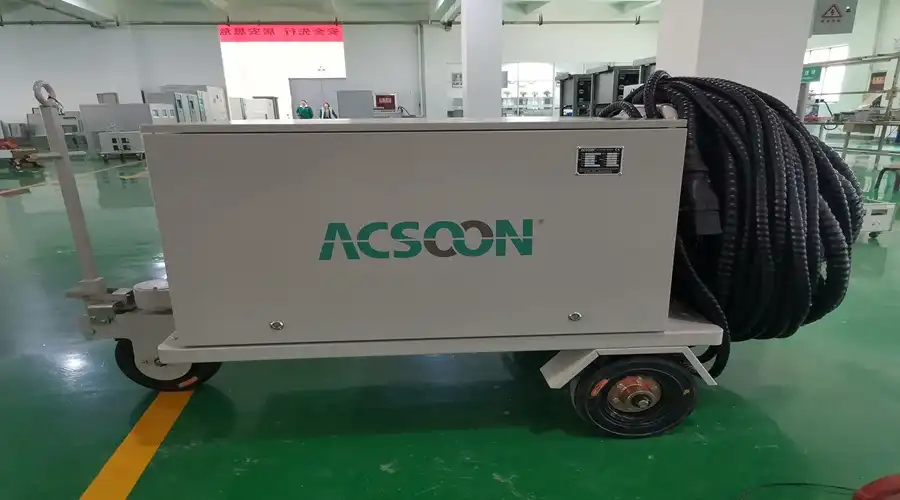
Understanding Solid State Ground Power Units in Aviation
Precision is needed in aviation operations, and the technology behind current ground support equipment represents that need. Instead of using moving parts or combustion engines, these advanced power units use Insulated Gate Bipolar Transistors (IGBT) and Pulse Width Modulation (PWM) to change regular grid power into electricity that is specifically made for airplanes.
The Technology Behind the Equipment
When planes are parked at gates or getting repaired at business airports and MRO facilities, they need 115V/200V at 400Hz or 28V DC. Traditional motor-generator sets do this by rotating mechanically, which adds noise, shaking, and parts that need a lot of upkeep. Electronically, solid state technology does the same change. It processes input power through semiconductor switches that work thousands of times per second to make clean output waves. This change happens quietly inside IP54-rated cases that keep sensitive electronics safe from moisture, dust, and the wide range of temperatures that are common on airport ramps.
Operational Advantages in Real Environments
The move toward power supply based on semiconductors solves several practical problems at the same time. These units run at less than 65 decibels, which is quiet enough for workers to talk to each other on busy ramps, and they don't use diesel fumes, which adds to airport carbon footprints. Most of the time, energy efficiency is higher than 93%, which means that power costs go down during long repair periods. Routine upkeep costs are about 80% lower with electric engines because they don't need oil changes, filter replacements, or engine overhauls. This lets technical staff focus on airplanes instead of support equipment.
Reliability Factors of Solid State Ground Power Units
When it comes to aviation ground help, technical dependability can't be ignored. Every time the power goes out or the voltage changes, planes could be delayed, plans could get thrown off, and expensive electronics worth millions of dollars could be damaged. Knowing what makes these units reliable helps buying teams make smart choices about where to invest their money.
Manufacturing Standards and Component Quality
Professional-grade units go through strict quality control that goes beyond just making sure they work. Every device at places like XI'AN JERRYSTAR goes through component-level checks, where each IGBT, capacitor, and circuit board is checked before it is put together. Full-load performance tests mimic what a real airplane would have to do, keeping the output at 100% for long periods of time to find problems with thermal management. Environmental stress screening puts units through changes in temperature and humidity, which ensures they can work reliably in all kinds of places around the world, from airports in the equator to military sites in the cold.
Certification and Compliance Requirements
A lot of different worldwide standards must be met at the same time by aviation tools. ISO 6858 sets the rules for ground support electrical sources, including how voltage tolerances and transient reaction traits should be used. According to MIL-STD-704F, military airplanes must meet certain power quality standards. These standards include total harmonic distortion limits being below 3%, even when non-linear loads are present. These standards are met by the ACSOON GPU-33050, which has a 50kVA rating and a 3-phase 115V/200V output at 400Hz. It also has voltage and frequency settings that can be changed to fit different types of airplanes and operational needs.
Real-World Performance Metrics
Field data from busy foreign airports shows service numbers for Solid state ground power unit that are very good. Units that are placed at passenger gates and help with multiple daily turnarounds regularly get 99.7% availability scores. Diesel equipment doesn't need fuel, oil, or filters, so it doesn't have to depend on other parts of the supply chain. When problems happen, current processors have built-in diagnostic tools that quickly find the failure modes, cutting down on the average time it takes to fix them. Line drop compensation technology changes the output voltage automatically to account for cable resistance over distances of up to 100 meters. This makes sure that the power supply is stable, no matter where the plane is parked.
Solid State Ground Power Unit vs Traditional and Diesel GPUs: A Reliability Comparison
When picking ground support tools, you have to think about more than just failure rates when it comes to trustworthiness. Long-term value calculations take into account the total cost of ownership, the effect on the environment, and the operating flexibility.
Failure Rates and Uptime Analysis
Diesel-powered units have a lot of moving parts, like pistons, crankshafts, alternators, and cooling fans. Each of these parts could break at any time. According to studies of the industry, diesel GPUs need between 8 and 12 service visits a year, and major overhauls every 3,000 to 5,000 working hours. Motor-generator sets used in rotary converters make the mechanical parts simpler, but they still need to have their bearings replaced and their balance checked regularly. Alternatives based on semiconductors get rid of these problems completely. Cooling fans and contactors are the main parts that wear out, but they don't need much upkeep and usually only need to be checked once a year.
Environmental Compliance and Noise Considerations
More and more, regulations push for clean, quiet land activities. European airports have strict rules about how to reduce noise, especially at night when the rumble of diesel engines can be heard in nearby neighborhoods. Solid state equipment can be used 24 hours a day without any noise problems because it runs quietly. ICAO's environmental framework requires companies to record carbon emissions. Diesel GPUs are listed as liabilities on corporate sustainability reports. Grid-powered alternatives, on the other hand, add zero direct emissions at the point of use, which helps green airport certifications.
Financial Analysis for Procurement Teams
The price to buy a good semiconductor unit is about the same as a Tier 4 diesel engine, between $35,000 and $65,000, based on the features and power output. The cash benefit shows up during the working lifecycle. Diesel units use about 8 to 12 liters of fuel an hour, which adds up to $15 to $25k in fuel costs per unit per year at commercial service rates. Diesel system maintenance plans usually cost between $8,000 and $12,000. Over the course of 15 years, semiconductor options save between $200,000 and $350,000 per unit because they don't need to buy as much fuel, require less upkeep, and have higher uptime, which keeps flights from being delayed, which costs a lot of money.
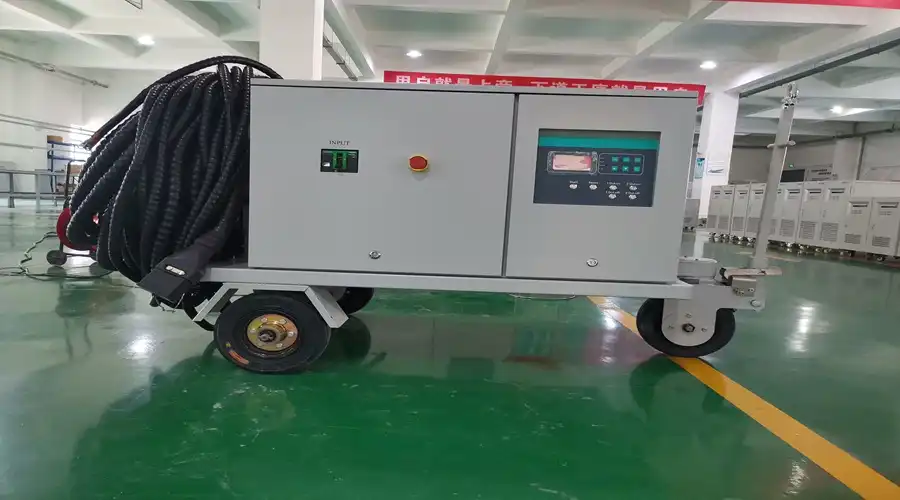
Procurement Considerations for Reliable Solid State Ground Power Units
To choose the right ground power tools, you have to match technical specs with real-world operations. Generic standards don't always take into account the small details that affect long-term happiness and dependability.
Power Capacity and Load Characteristics
The amount of electricity a solid state ground power unit needs depends a lot on its type and its operating phase. During normal maintenance, narrow-body commercial jets only need 30–40kVA. However, 60–90kVA may be needed for wide-body aircraft or simultaneous engine starting processes, and transient peaks can reach 300% of the rated capacity. The GPU-33050 can continuously output 50kVA and can handle 125% overload for 600 seconds, which is enough for most single-aisle planes and regional jets. Facilities that serve a variety of fleets can change the output settings so that the voltage and frequency are adjusted to meet the needs of each type of aircraft. For example, older military carriers need 28V DC power, while newer composite aircraft need ultra-clean 400Hz three-phase power.
Environmental Adaptability and Protection
Rain, snow, de-icing chemicals, jet fuel vapors, and weather changes can damage tools used on ramps. For closed gate posts, IP54 ratings are enough to keep out unwanted visitors, but parking lots that are open to the elements may need IP55 or higher ratings. In seaside airports, where salt air speeds up metal breakdown, corrosion-resistant powder paint and conformal circuit board treatments make things last longer. A better filter keeps fine dust from getting into cooling systems in units that are used in hot areas.
Supplier Qualification and Support Infrastructure
Technical stability depends a lot on how knowledgeable the maker is and how well they can help customers after the sale. Instead of relying only on marketing claims, procurement teams should check that relevant flight standards are being met by looking at the paperwork. Companies that focus on flight power systems know a lot about the subject that general industrial equipment sellers don't. Xi'an Jerrystar Instrument Co., Ltd. only sells ACSOON brand power converters for use in laboratories, the military, airplanes, and ships. They offer expert advice to help customers match the equipment's skills to their needs. Enough supplies mean that replacements can be sent quickly when needed, and the ability to customize means that installation problems or non-standard airplane types can be solved.
Future Outlook and Reliability Enhancements in SSGPU Technology
As time goes on, aviation ground support keeps getting better and more integrated, which makes operations more efficient and lowers the total cost of ownership.
Digital Diagnostics and Predictive Maintenance
Next-generation Solid state ground power units have built-in tracking that keeps an eye on the health of each component in real time. IGBT modules have temperature monitors that find heat stress before it causes the module to fail. Voltage tracking in capacitor banks shows decline trends months before they show up in performance. Connectivity between IoT devices sends diagnostic data to central maintenance management systems. This allows condition-based service, which changes parts based on how worn they are instead of just when they need to be replaced. With these features, already amazing uptime numbers will get even better, and support workers will be better distributed.
Sustainability and Making Sure Rules Are Followed
More and more people are putting pressure on airport owners to show they care about the environment when using Solid state ground power unit. Through its Environmental Assessment program, the International Air Transport Association (IATA) encourages environmentally friendly ground activities. For example, getting rid of diesel equipment leads to measured drops in emissions. Semiconductor-based power units help with these efforts and get facilities ready for future carbon tax plans that will probably make using fossil fuels more expensive. This technology is good for changing regulatory settings because it doesn't produce any direct emissions, uses less energy because it is more efficient, and doesn't need to be thrown away with toxic trash like used oil or filters.
Integration with Smart Airport Systems
Modern tools for managing airport operations use centralized scheduling systems to give gates, fuel trucks, baggage workers, and repair teams. Standard communication methods make it easy for advanced ground power units to work together. They report information about their availability, current load conditions, and energy use. With this level of insight, airport managers can make the best use of their resources, keep track of energy costs by airline or flight, and find assets that aren't being used to their full potential. As airports become smarter, these connected units will be used as data sources to help with tactical information instead of just being passive equipment.
Conclusion
Solid state ground power technology is being used more and more in the aviation business because it is more reliable. This is supported by operational proof and financial research. Semiconductor design gets rid of mechanical weak spots and provides better power quality that is needed for current aircraft systems. Units like the ACSOON GPU-33050 show how good engineering can meet a wide range of practical needs, from business gate service to military repair. They do this by combining 50kVA capacity, IP54 environmental protection, and output factors that can be changed. When purchasing ground support investments, procurement professionals should look at technical specifications along with manufacturer knowledge, certification compliance, and post-sale support infrastructure to make sure the investment will be reliable and valuable in the long run.
FAQ
How long do these units typically last in continuous service?
Professional-grade semiconductor units usually last between 15 and 20 years if they are properly kept. This is a lot longer than diesel options, which usually need major repairs or replacement after 8 to 12 years. Since there are no mechanical wear parts, degradation happens slowly over time due to battery aging and fan bearing wear, which can be planned for and controlled by keeping an eye on the state. Cleaning the filters regularly and checking the electrical connections once a year keeps them working at their best for longer.
Can these systems handle the power surge during aircraft engine starting?
Quality units are designed to have a high extra capacity that meets the needs of engine starting. The GPU-33050 can work at 125% of its rated capacity for 600 seconds, and it can temporarily hit 300–400% capacity. This performance handles the large amount of inrush current that happens when starting the main engines or auxiliary power units. It protects both the ground equipment and the aircraft's electrical systems with a controlled power supply and built-in safety circuits.
What maintenance requirements should facilities plan for?
Compared to gasoline options, they still need very little maintenance. Visual inspections every three months make sure the cooling fan is working and look for dust buildup. Cleaning or replacing the air filter once a year, checking the pressure on the electrical connections, and measuring the voltage in the capacitor banks are all routine tasks. There are no oil changes, gear replacements, or maintenance checks on the combustion system. Facilities usually set aside 4 to 6 hours a year for each unit, while diesel equipment needs 40 to 60 hours.
Partner with JERRYSTAR for Dependable Aviation Power Solutions
Xi'an Jerrystar Instrument Co., Ltd. makes solid state ground power units for the military, the marine industry, the flight industry, and other industries around the world. Before they are sent out, all of our ACSOON brand converters are thoroughly checked for quality. This includes component-level inspections, full-load performance testing, electromagnetic compatibility checks, and thermal imaging analysis. The GPU-33050 model shows how committed we are to providing options that can be changed to fit different working conditions and power needs. Our 5,000–10,000-square-meter building in Shaanxi Province is where we do business. We keep enough inventory on hand to meet pressing needs for purchases and support OEM partnerships for unique uses. Get in touch with our expert team at acpower@acsoonpower.com to talk about your unique ground power needs. You can see our tools in person at future industry events like Inter Airport Europe in Munich, the Dubai Airshow, the Singapore Airshow, and MRO Americas.
References
1. Society of Automotive Engineers. "Aerospace Ground Support Equipment - Power Requirements and Performance Testing Standards." SAE International Standard AS6858, 2019.
2. Department of Defense. "Aircraft Electric Power Characteristics: MIL-STD-704F Requirements and Compliance Verification." United States Military Standard, 2016.
3. International Air Transport Association. "Airport Handling Manual: Ground Support Equipment Reliability and Best Practices." IATA Publication AHM 910, 38th Edition, 2021.
4. European Aviation Safety Agency. "Certification Specifications for Ground Support Equipment in Commercial Aviation Operations." EASA Regulatory Framework CS-GSE, 2020.
5. Zhang, W., & Petersen, K. "Reliability Analysis of Solid State Power Conversion Systems in Critical Infrastructure Applications." IEEE Transactions on Industrial Electronics, Vol. 68, No. 4, 2021, pp. 3347-3356.
6. Aviation Ground Support Equipment Manufacturers Association. "Comparative Lifecycle Cost Analysis: Solid State vs. Diesel Ground Power Units in Airport Operations." AGSEMA Industry Report, 2022.