



What Voltage Options Exist in Solid State Frequency Converters?
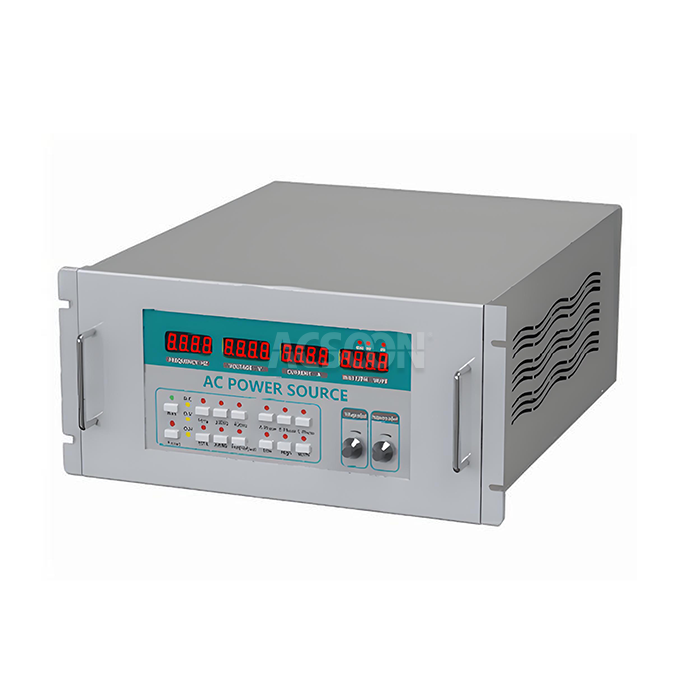
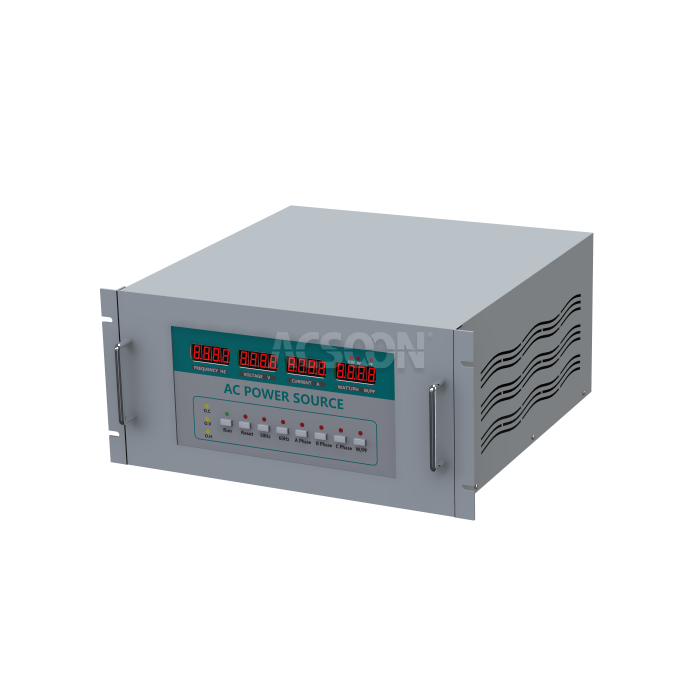
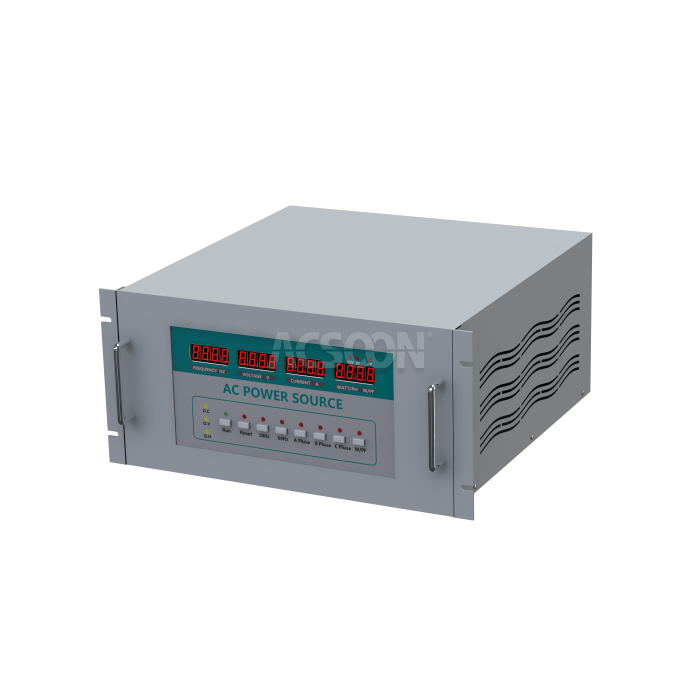
Solid state frequency converters accommodate diverse voltage configurations to match industrial power grids worldwide. Standard input voltage options include three-phase configurations ranging from 208V to 600V, with 208V, 380V, 480V, and 600V being the most prevalent choices. Output voltage parameters can mirror input voltages or be customized according to load requirements, enabling equipment compatibility across aviation ground support, marine systems, and specialized industrial applications requiring precise frequency and voltage regulation.
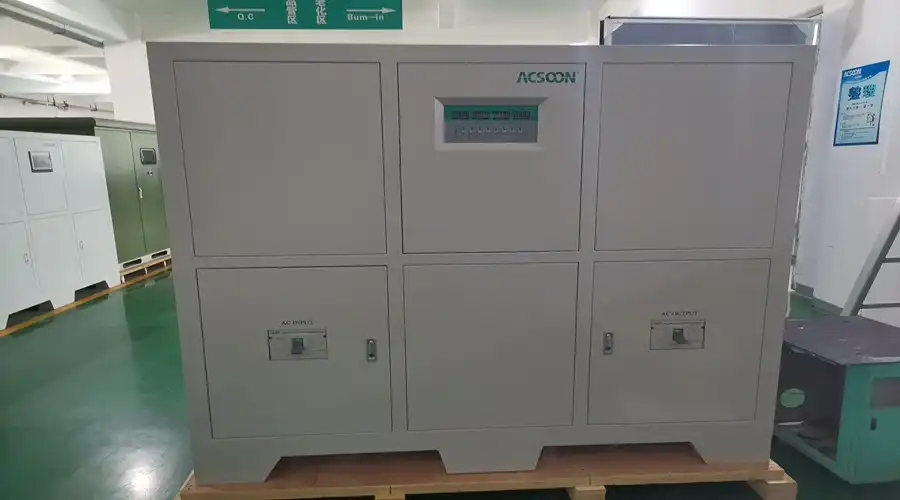
Understanding Solid State Frequency Converter Voltage Options
How Solid State Technology Handles Voltage Conversion
Solid state frequency converters change the frequency of electricity without using any moving parts. They do this by using advanced semiconductor parts like insulated gate bipolar transistors (IGBTs) and silicon-controlled rectifiers (SCRs). Rectification is the first step in the conversion process. This is where received AC energy is changed to DC by a controlled rectifier stage. This DC voltage is then sent to an inverter section, which quickly switches semiconductors to make AC power at the required output frequency and voltage. The lack of moving parts prevents mechanical wear and allows exact voltage control within tight tolerances, usually ±1% or better based on load conditions and changes in ambient temperature.
Standard Input Voltage Configurations
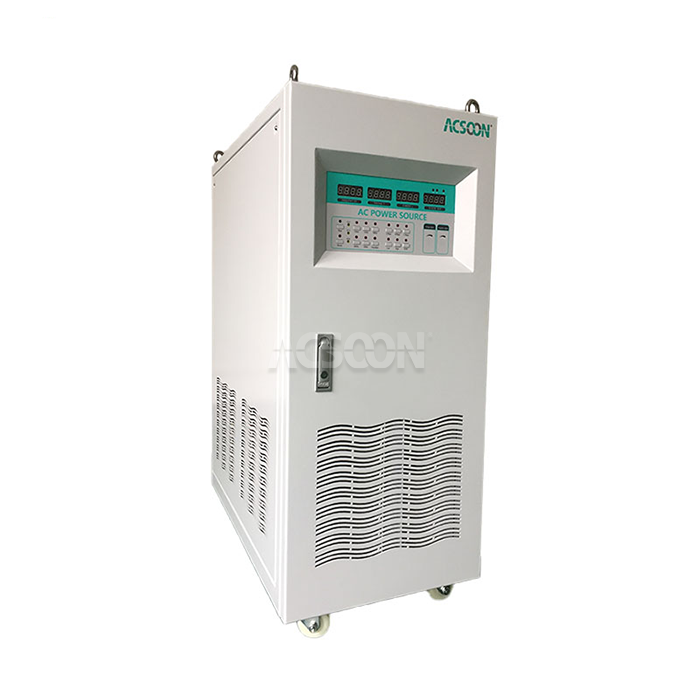
Industrial power conversion equipment has to be able to work with different types of electricity systems in different areas. Most facilities in North America use 480V three-phase systems, while most facilities in Europe prefer 380V or 400V systems. This is shown by the ACSOON AF60W-110009 model, which can accept input voltages from 208V to 480V at 60Hz. This means that the same unit can work in a variety of installation places without having to make expensive changes to the electrical infrastructure. This ability to work with a wide range of voltages makes inventory management easier for international companies and for procurement teams that are in charge of sites in different parts of the world. Units made for specific uses might have wider input voltage acceptance ranges to deal with uncertain grid conditions or situations where a generator powers the unit, which is common at rural industrial sites. Higher voltage ratings, like 600V three-phase configurations, are used in heavy industrial manufacturing where large motor loads justify the benefits of higher voltage levels in electrical distribution. These benefits include smaller conductor sizes and less transmission loss over long cable runs.
Output Voltage Flexibility and Customization
The requirements for the linked load are directly related to the output voltage standards. Motor-driven equipment must work within tight voltage ranges to avoid overheating and breaking down too soon, so the output voltages must be perfectly matched. Standard setups match common motor brand ratings: 208V, 220V, 380V, 400V, 440V, and 480V are the most common output voltages used in industry settings. Being able to choose the output voltage without taking into account the input parameters gives system builders a lot of freedom when adding power conversion to current electrical systems. Custom voltage setups meet the unique testing needs of places like military certification laboratories and aircraft research labs. In some test situations, non-standard voltages may be needed to model certain electrical systems in aircraft or check how well equipment works in the worst possible electrical circumstances. makers that work with original equipment makers (OEMs) and research institutions often have engineering departments that can make custom voltage specifications. However, these changes usually take longer to make and cost more per unit than normal catalog setups. The AF60W-110009's variable voltage feature lets you change the output voltage across its 208V–480V range. This gives you more options for how to run your business without having to buy multiple separate units.
Key Dimensions of Voltage Selection in Solid State Frequency Converters
Matching Input Voltage to Regional Power Standards
Voltage selection decisions are based on regional electrical rules and the way the utility source works. 480V three-phase systems come from 277/480V wye-connected transformers and are mostly used in industrial facilities in the United States. 208V three-phase systems come from 120/208V systems that are common in business buildings. In Europe, sites use 400V three-phase networks (230V phase-to-neutral), and in Asia, 380V, 400V, and 415V systems are used, based on the country's standards. To avoid costly transformer installs or changes to the electrical infrastructure, equipment specs must match the voltage that is available at the location. When deciding to buy something, the voltage acceptance range is very important. Equipment that can handle a wide range of input voltages makes foreign adoption easier and cuts down on the number of types that inventory systems need to keep track of. A converter that accepts input voltages from 208V to 480V works well in most industrial setups around the world without any changes. This makes it easier for international companies to manage their standard equipment portfolios in different parts of the world.
Output Voltage Impact on System Performance
When selecting output voltage, motor compatibility is the most important thing to think about. Three-phase induction motors are the workhorses of industrial systems, and their performance changes depending on the voltage. Running motors below their maximum voltage lowers the available power and can cause them to overheat when they're under load. On the other hand, running them at too high a voltage increases core losses and creates harmonic content that speeds up the breakdown of insulation. Manufacturers of electrical equipment list voltage tolerance ranges, usually ±10% of the nameplate rating, that motors can safely work within. For best efficiency and life, the motors should be used close to the stated voltage center point. The electrical distribution design that connects the converter output to load equipment is also part of the system's dependability. It's not just the voltage ratings of individual parts. By calculating the voltage drop across wire runs, you can tell if the output voltage you specify is enough to power the load connections. For setups with long cable runs or high power needs, the converter output voltage sets may need to be higher to make up for resistive losses. This is to make sure that motors and other equipment receive voltage within acceptable working bands, even if the distribution system has a lot of impedance.
Single-Phase Versus Three-Phase Voltage Architectures
Three-phase power systems are most common in industrial settings because they are more efficient and send power more smoothly. Three-phase setups offer constant, instantaneous power transfer, which gets rid of the pulsing force that comes with single-phase motors and lowers the vibration of mechanical systems. Three-phase designs are good for increasing power output; a three-phase 480V system gives off a lot more power than a single-phase system with the same size conductors. The AF60W-110009 has a three-phase input and output design, which matches its 9kVA power level and its intended use in high-frequency induction heating equipment that needs stable power delivery. Single-phase voltage setups are used in lower power uses (usually less than 3kVA) where portability of equipment is important or where three-phase electrical service is not available. Single-phase versions can be used for lab testing equipment, portable ground power units, and specialty instruments to give users the most deployment options. The rules for choosing the voltage are the same for all phase setups. However, single-phase units need higher current ratings to give the same amount of power as three-phase units. This changes the size of the input circuit breaker and the requirements for the conductor.
Comparing Voltage Options: Solid State Frequency Converter vs Traditional Alternatives
Advantages Over Rotary Frequency Converters
In rotary converters, frequency and voltage are changed by motor-generator sets, which use electrical energy conversion. These systems need exact voltage matching between the input motor and the grid supply. This makes them less flexible when the features of the electrical service change or when equipment moves to places with different voltage standards. Through constant electrical feedback control, solid state frequency converter technology keeps the output voltage stable. This control usually stays within ±1% no matter how much the load changes from zero to full rated capacity. This accuracy is very important in situations like aircraft ground power, where electrical factors must be tightly controlled for avionics equipment, or in industrial testing, where electrical conditions must be the same across multiple test runs. Maintenance needs are greatly reduced when there is no moving machinery. For example, rotary converters need to have their bearings oiled regularly, their brushes replaced in wound-rotor designs, and their mechanical alignment checked regularly, but solid-state units don't need any of those things. Accuracy in voltage control is another important factor that sets different performers apart. Voltage changes in rotary converters are linked to changes in the mechanical load and the time it takes for the generator field to excite.
Contrast with Variable Frequency Drives
Variable frequency drives (VFDs) let you change the frequency and voltage of a motor to change its speed. They are completely different from special frequency converters in how they are designed and what they can do. VFDs make output voltage that is related to output frequency, following a volts-per-hertz relationship. This keeps the motor flux constant, which improves performance across the speed range. Because of this voltage-frequency connection, VFDs can't be used in situations where the frequency needs to change, but the voltage stays the same, or when the frequency and voltage need to be changed separately. Frequency converters separate these factors so that the voltage output stays the same, no matter what the frequency setting is. This is very important when using a single power source to power multiple loads with different voltage needs. These technologies are also different because they can work with a wider range of voltages. VFDs usually only work within a small range of output voltages that are set by the input voltage and the internal DC bus features. This means that they can't be used when the load equipment needs voltages that are very different from the supply voltage. Dedicated converters, such as the AF60W-110009 type, let you set the voltage independently across the whole 208V–480V range. This means that you don't need any extra transformers or voltage adjustment tools for a wide range of equipment. By cutting down on the number of parts in the power delivery chain, this feature makes the system simpler and more reliable overall.
Cost and Lifecycle Considerations Across Voltage Ranges
Because of how the parts are made and safety rules, the price of equipment is related to its voltage grade and power ability. For designs with higher voltages, you need better insulation, longer creepage lengths on the circuit boards, and stronger semiconductors that can stop high voltages during switching changes. Because it has to meet these engineering standards, a 600V-rated converter usually costs more than a 480V comparable unit with the same power capacity. When procurement teams look at lifetime costs, they have to weigh the original purchase price against the cost of operations and upkeep over the expected service life. Warranty coverage and expert help are not the same from one company to the next, and they often change based on how complicated the voltage configuration is. Standard voltage models have been used in a lot of situations, which makes them more reliable and makes troubleshooting easier. Custom voltage standards, on the other hand, may have trouble finding help resources and having to wait longer to get extra parts. When selecting non-standard voltage setups, it's important to look at the technical skills and after-sales support infrastructure of the provider. This is especially important for critical applications where extended downtime can have big effects on operations.
How to Choose the Right Voltage Option for Your Solid State Frequency Converter
Assessing Existing Electrical Infrastructure
Before choosing a voltage, a full electrical study of the building is needed to record the available supply voltages, the capacity of the distribution panels, and the values of any existing circuit breakers. This test checks to see if three-phase power gets to where it's supposed to go and makes sure that the voltage levels match the specs for the converter input without changing the distribution system. Buildings that only have 208V systems need to make sure their equipment can work with lower voltages. Buildings that have 480V three-phase service can directly power adapters that are designed for this input voltage. Knowing the secondary voltage of a transformer, which may be a little different from the nominal number, ensures that the stated equipment works within the acceptable input voltage ranges when it is used at the real spot. Load analysis is a part of evaluating electrical infrastructure that describes the voltage needs and power consumption patterns of linked equipment. When charging multiple devices that all need the same voltage, it's easier to choose a converter. But when the loads are mixed voltage, you may need more than one converter or tools that can change the output voltage. Required converter capacity rates are based on the total amount of power needed, taking into account motor starting inrush currents and situations where multiple operations are happening at the same time. This analysis stops undersizing, which leads to overload protection trips during regular operation, and expensive oversizing, which raises the cost of equipment and the room needed for installations that are limited.
Evaluating Performance Metrics Critical to Operations
Voltage stability specs tell you how well converters keep the output voltage stable when the load changes. For equipment that is sensitive to changes in voltage, like precision test equipment or aircraft ground support, converters with regulation standards of ±1% or tighter are needed to keep measurement mistakes and equipment failures from happening. For industrial motors, bigger voltage bands are acceptable. This could mean that cheaper units with ±2% to ±3% control can be used if the needs of the application allow it. Knowing how sensitive the load voltage is ensures that the performance characteristics of a converter meet working needs without spending too much on precision for uses that aren't as important. Surge protection and transient immunity keep the voltage spikes that come from the power grid or nearby equipment from hurting the converter or the loads that are attached to it. Voltage transients are caused by things like lightning strikes, utility switches, and inductive load interruptions. These can damage sensitive electronics or mess up systems that are managed by microprocessors. When compared to basic designs, converters with strong input filtering, transient voltage surge suppressors, and output isolation offer better safety. This makes the system more reliable in electrically harsh settings like those found in factories. The AF60W-110009 has an IP21 grade, which means it can handle solid items bigger than 12 mm and water drops falling vertically. This makes it suitable for most industrial settings inside, but it needs to be checked out for use outside or in wash-down situations.
Selecting Certified Suppliers with Comprehensive Support
Verification of regulatory compliance and supplier approval avoids pricey project delays and makes sure that equipment meets safety standards in the installation area. In North America, sites need equipment that has been approved by nationally recognized testing labs (NRTLs) like UL or ETL. This shows that the equipment meets safety standards. European sites need to have a CE mark that shows they follow the relevant EU rules. For flight and military uses, there are extra qualification standards that must be met, such as MIL-STD standards for environmental stability, electromagnetic compatibility, and quality control systems. Xi'an Jerrystar Instrument Co., Ltd. specializes in flight and military power systems, so they know how to meet these strict certification standards. Long-term operational success after the initial equipment buy depends on how well technical help is provided and how easy it is to get replacement parts. When manufacturers keep enough supplies on hand, new parts can be sent out quickly when they break, which cuts down on production downtime. Engineering support helps with application-specific setup questions, troubleshooting, and putting everything together during the startup process. Custom manufacturing by JERRYSTAR can meet specific voltage needs that normal catalog goods can't, providing detailed quotes on standard or custom solid state frequency converter configurations. The company's work on military and flight power systems shows that it is technically skilled in difficult situations where electrical performance has a direct effect on mission success and operating safety.
Maintenance and Troubleshooting Tips for Different Voltage Options in SSFCs
Voltage-Specific Inspection Protocols
Voltage verification methods using standardized test tools should be part of regular maintenance plans to make sure that output accuracy stays within the limits set by the manufacturer. Every year, calibration checks compare the output voltage of the converter to precise reference standards. Any deviation from the normal setpoints is recorded, which could mean that a component is getting old or that the calibration needs to be adjusted. For 480V or higher setups, extra care needs to be taken with the insulation. Thermal imaging scans find hotspots forming at terminal connections, where rust or not enough torque causes resistance that leads to heat and eventually failure. Preventive maintenance that takes care of these problems before they cause problems with operations increases the life of equipment and maintains the electrical stability that is important for related processes. Maintenance of the cooling system is especially important for higher voltage units, where the temperatures at the semiconductor junctions have a direct effect on how reliable the unit is. Checking the air filters once a month and changing them when readings of pressure drop show that they are limiting airflow makes sure that enough cool air gets to the internal parts. The AF60W-110009 model's upright form and wheels make it easy to move it around so that the unit can be cleaned underneath, where dust can build up and block air holes. Maintenance times depend on the environment. Installations in places with a lot of dust or flying pollutants need filter service more often than installations in climate-controlled electrical rooms that keep things clean. Modern converters have real-time data screens that let you keep an eye on the temperatures inside, so repair staff can see if there are any cooling problems before they damage any parts.
Common Voltage-Related Issues and Solutions
When the input voltage changes more than what is allowed for the converter's input range, safety circuits stop the output, which shows up as short shutdowns during operation. Monitoring utility voltage over the course of 24 hours shows if the building supply voltage changes too much during high loading times, when utility voltage regulation breaks down. If the utility voltage regularly goes below acceptable levels, you can choose converters with wider input voltage acceptance ranges, install upstream voltage regulators to keep the supply voltage stable, or improve the electrical service to the building. Keeping track of voltage discharge trends helps utility companies find problems in the distribution system that need to be fixed. Differences in output voltage between what was measured and what was shown on the screen could mean that the calibration is off or that the sensing circuit is broken and needs to be fixed by a technician. By comparing voltage readings from the internal tracking system to voltage readings at the converter's output connections, you can tell if the converter actually makes the wrong voltage or just reports wrong measurements. Control circuit failures that cause the voltage to be incorrect usually need to be fixed by trained techs at the factory, while display errors may allow the machine to keep running with external voltage monitoring until it can be fixed properly during planned maintenance windows. Keeping movable test tools calibrated lets you check the performance of a solid-state frequency converter in the field without using the built-in instruments.
Case Study: Voltage Management Improving Industrial Uptime
A military depot repair center that used high-frequency induction heating equipment had converter failures that stopped the reconditioning of parts. An investigation showed that the source voltage often went above 490V during off-peak hours, when the facility's electricity load dropped. This put too much stress on 480V-rated equipment, which is not what it was designed to handle. Upgrading to converters with an input range of 208V to 480V gave enough voltage slack, which stopped breakdowns caused by stress. The ability to change frequency and voltage made process improvement possible that wasn't possible with fixed-output equipment before. By precisely matching power delivery, heating cycle times were cut by 15%. This installation showed that using the right voltage not only keeps equipment from breaking, but it also makes it possible to make operational changes that directly boost output and lower the cost of processing each unit in high-volume production settings.
Conclusion
Choosing the right voltage for solid state frequency converters involves a lot of technical and operational factors that have a direct effect on how well the system works in the long run and how well the purchase goes. Knowing the different voltage options, the electrical standards in your area, and the load compatibility needs helps you make smart design choices that make it easier for equipment to work together and keep project costs low. Solid state technology has big advantages over older ways of converting electricity because it can handle more voltage types and regulate them more accurately. This is especially true in situations where precise electrical characteristics are needed or when operations span multiple regions with different power standards. Careful consideration of infrastructure limitations, performance needs, and supplier abilities ensures that the chosen equipment provides reliable service throughout its operating lifetime, supporting the essential processes that depend on stable, correctly regulated electrical power.
FAQ
Can solid state frequency converters operate with input voltages different from my local standard?
A lot of current solid state frequency converters have wide input voltage ranges that let them work with different voltage standards without any changes. The ACSOON AF60W-110009 can handle voltages from 208V to 480V, which includes 208V and 480V systems in North America as well as 380V and 400V systems in Europe. This adaptability makes foreign deployment easier and makes product management easier for businesses that span multiple countries.
What lead times should I expect when ordering custom voltage configurations?
Standard voltage types usually ship within one to two weeks from well-known makers who keep stock. Custom voltage requirements need technical review and the purchase of specialized parts, which can add 4 to 8 weeks to the delivery time based on how complicated the order is. JERRYSTAR keeps enough stock on hand to provide fast shipping on common configurations, and its manufacturing skills allow it to support custom solutions as well.
Do higher voltage ratings significantly increase equipment costs?
Higher voltage levels usually make tools cost 10–20% more because they need better protection and have stronger semiconductor parts. The price difference is usually worth it because smaller conductors are used in building wiring, and high-power uses work more efficiently because running at a higher voltage lowers the flow of current and the resistive losses that come with it.
Partner with JERRYSTAR for Your Power Conversion Requirements
In industries like flight, military, sea, and industry, where electrical reliability is key to success, Xi'an Jerrystar Instrument Co., Ltd. offers power conversion options that are second to none. Our ACSOON brand solid state frequency converter product line comes in a wide range of voltage configurations, from normal three-phase 208V to 600V systems. For special applications, we can also make voltage choices just the way you need them. The AF60W-110009 model shows how committed we are to providing flexible power solutions. It has a 9kVA capacity and voltage and frequency settings that can be changed to meet the needs of difficult uses like high-frequency induction heating equipment. As a business that both makes and sells things, we keep production facilities spanning 5,000 to 10,000 square meters in Xi'an, China. This lets us offer quick customization and keep enough stock on hand to meet urgent shipping needs that are important for military and aviation procurement plans. Our engineering team works directly with end users and OEM partners to create custom solutions that meet exact voltage standards, certification needs, and weather conditions. Get in touch with our technical experts at acpower@acsoonpower.com to talk about your voltage needs and get detailed quotes on standard or custom configurations. Our equipment comes with a full warranty and technical support for as long as it works.
References
1. Institute of Electrical and Electronics Engineers (IEEE). "IEEE Std 1159-2019: IEEE Recommended Practice for Monitoring Electric Power Quality." IEEE Standards Association, 2019.
2. National Electrical Manufacturers Association (NEMA). "NEMA Standards Publication ICS 2-2000: Industrial Control and Systems Controllers, Contactors, and Overload Relays Rated 600 Volts." National Electrical Manufacturers Association, 2000.
3. Rodriguez, Jose, and Bin Wu. "High-Power Converters and AC Drives: Voltage Source Inverters and Active Rectifiers." IEEE Press Series on Power Engineering, Wiley-IEEE Press, 2017.
4. U.S. Department of Defense. "MIL-STD-704F: Aircraft Electric Power Characteristics." Department of Defense Interface Standard, 2016.
5. Rashid, Muhammad H. "Power Electronics: Circuits, Devices, and Applications." 4th Edition, Pearson Education, 2014.
6. International Electrotechnical Commission (IEC). "IEC 61800-4:2017 Adjustable Speed Electrical Power Drive Systems - Part 4: General Requirements - Rating Specifications for AC Power Drive Systems Above 1000 V AC and Not Exceeding 35 kV." IEC Standards, 2017.