




Can a Converter 50 Hertz to 60 Hertz Protect Equipment Safely?
By avoiding frequency-related problems, a converter 50 hertz to 60 hertz can keep devices safe. Modern solid-state frequency converters use AC-DC-AC conversion with Pulse Width Modulation (PWM) control to change entering 50 Hz power into a stable 60 Hz output. This gets rid of the problems that come with frequency mismatches, like motor overheating, timing mistakes, and mechanical stress. These devices have safety features like harmonic filters, voltage stabilization, and thermal management systems that make sure they can be used safely in industrial, naval, and aircraft settings where frequency compatibility is very important.
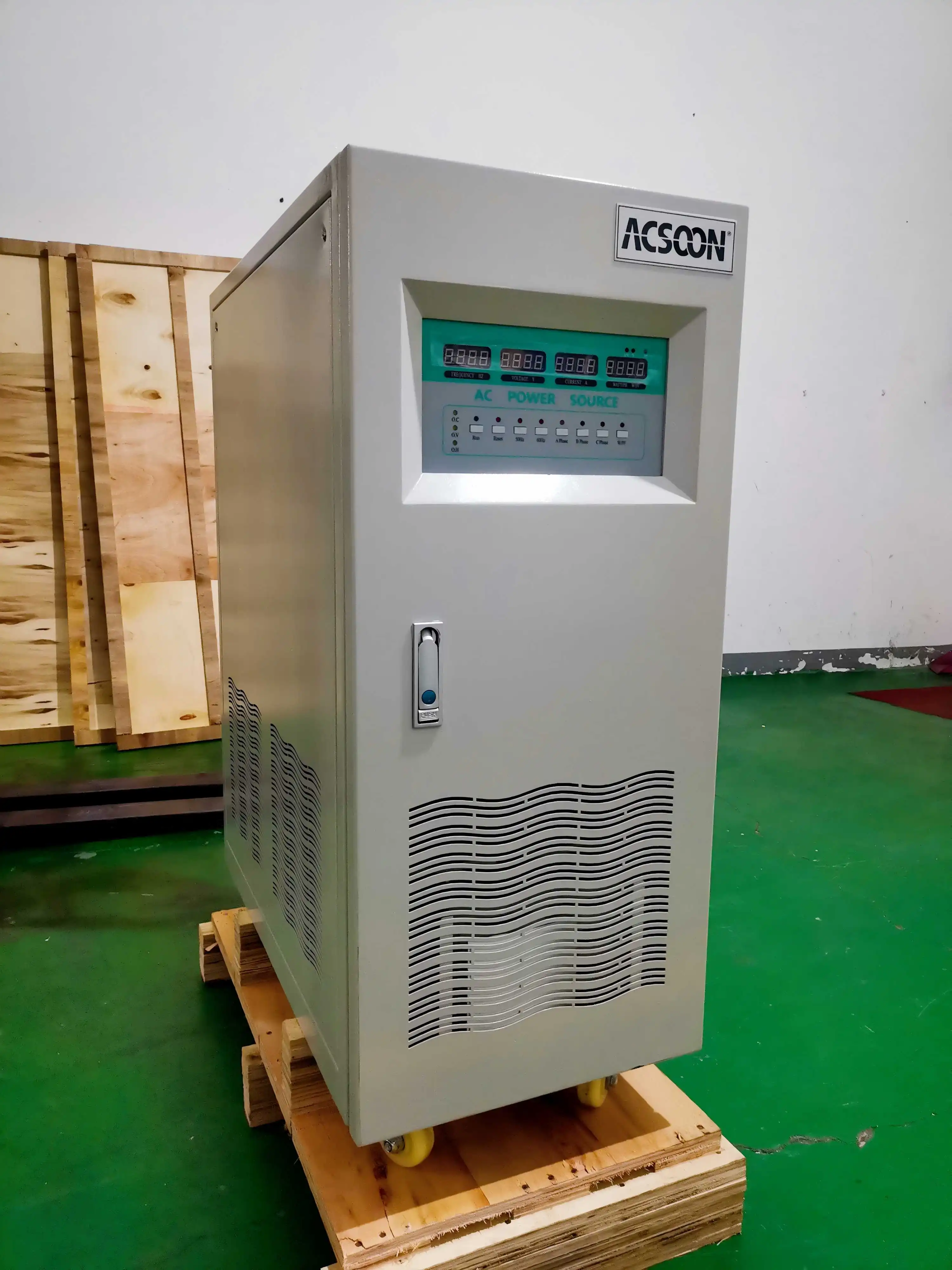
Understanding the Difference Between 50 Hz and 60 Hz Frequency
In Europe, Asia, Africa, and Australia, power systems use 50 Hz frequency standards. In North America and parts of South America, they use 60 Hz frequency standards. This divide comes from the growth of industry in the early 1900s, when different companies and local governments set different norms. These differences in frequency make it hard to send tools around the world today.
Why Frequency Compatibility Matters in Industrial Operations
When equipment made for 60 Hz is connected to a 50 Hz source without being converted, induction motors run about 17% slower because they can't calculate the same consistent speed (3,600 RPM at 60 Hz drops to 3,000 RPM at 50 Hz for two-pole motors). This slowing down hurts the effectiveness of the cooling fan, which causes heat to build up and causes the bearings to fail early. Changes in the magnetic flux density can lead to core saturation and higher no-load losses in transformers. Older industrial controllers and lab tools that use timing circuits that depend on line frequency for synchronization have cumulative mistakes that make it hard to control processes accurately.
Equipment Categories Most Affected by Frequency Mismatches
Frequency mismatch is worst for manufacturing equipment with three-phase induction motors. Spindle speed accuracy goes down in CNC machine centers, and output goes down in conveyor systems. When driven by 50 Hz shore links, marine HVAC systems that were made for 60 Hz compressors have problems with the flow of coolant. Centrifuges, thermal chambers, and other lab test tools need precise frequency control to keep their performance factors fixed. To mimic the electrical environments of airplanes during maintenance processes, aerospace ground support equipment needs to match frequencies very precisely.
Can a 50 Hz to 60 Hz Converter Safely Protect Equipment?
In the last twenty years, the technology for converting 50 hertz to 60 hertz has changed a lot. It used to be circular mechanical converters, but now there are advanced static solid-state systems that are safer and more reliable. To understand how these devices protect important corporate assets, you need to look at both how they work and the safety features they come with.
Technical Principles Behind Modern Frequency Conversion
In a static converter, 50 hertz to 60 hertz, 50 Hz AC power is converted into direct current through controlled semiconductor bridges. This is called a double-conversion scheme. This middle DC stage keeps the electricity from being affected by changes in the feed grid. Inverters with advanced Insulated Gate Bipolar Transistor (IGBT) then rebuild a clean 60 Hz AC output using high-frequency PWM switching patterns that create pure sine waves with less than 3% total harmonic distortion, which is in line with IEEE 519 standards. This process separates the output frequency from changes in the input frequency. This keeps the equipment running smoothly even when the grid fluctuates.
Safety Features That Protect Critical Equipment
Modern converter 50 hertz to 60 hertz frequency converters have many layers of safety that deal with common failure modes. Thermal management systems use forced air cooling and temperature monitors to turn off or lower the temperature before damage to components happens. Output voltage control keeps V/f ratios constant, which is important for motor protection—for example, a 60 Hz motor that is fed 380V needs equivalent voltage changes when the frequency changes. Short-circuit protection can react in microseconds to fault conditions, and soft-start features get rid of the surge currents that put stress on transformer windings. Harmonic filters stop pollution in the source grid and interference in the downstream equipment.
We recently worked with a company that makes marine equipment to move test stands made in Europe to a plant in North America. To make sure the pressure release valves were calibrated correctly, their 50 Hz hydraulic pump test benches needed precise speed control. By installing static frequency converters, it was not necessary to update all of the equipment. This kept the specialized German-made parts and made sure that the test accuracy was within ±0.5%. The galvanic isolation of the converters stopped ground loop interference, which happens a lot on industrial campuses with many buildings. This fixed the measurement mistakes that sometimes happened during their first attempts to connect directly.
Regulatory Compliance and Industry Certifications
Manufacturers of trustworthy frequency converters get approvals that show they meet international safety and electromagnetic compatibility standards. In North America, UL 508A covers industrial control panels. In Europe, CE marking means that the product meets the Low Voltage and EMC Directives. For electromagnetic interference limits, military and aircraft uses need MIL-STD-461 approval. According to these licenses, converters won't make electrical noise that will mess up sensitive instruments or break safety rules set by OSHA and other similar regulatory bodies.
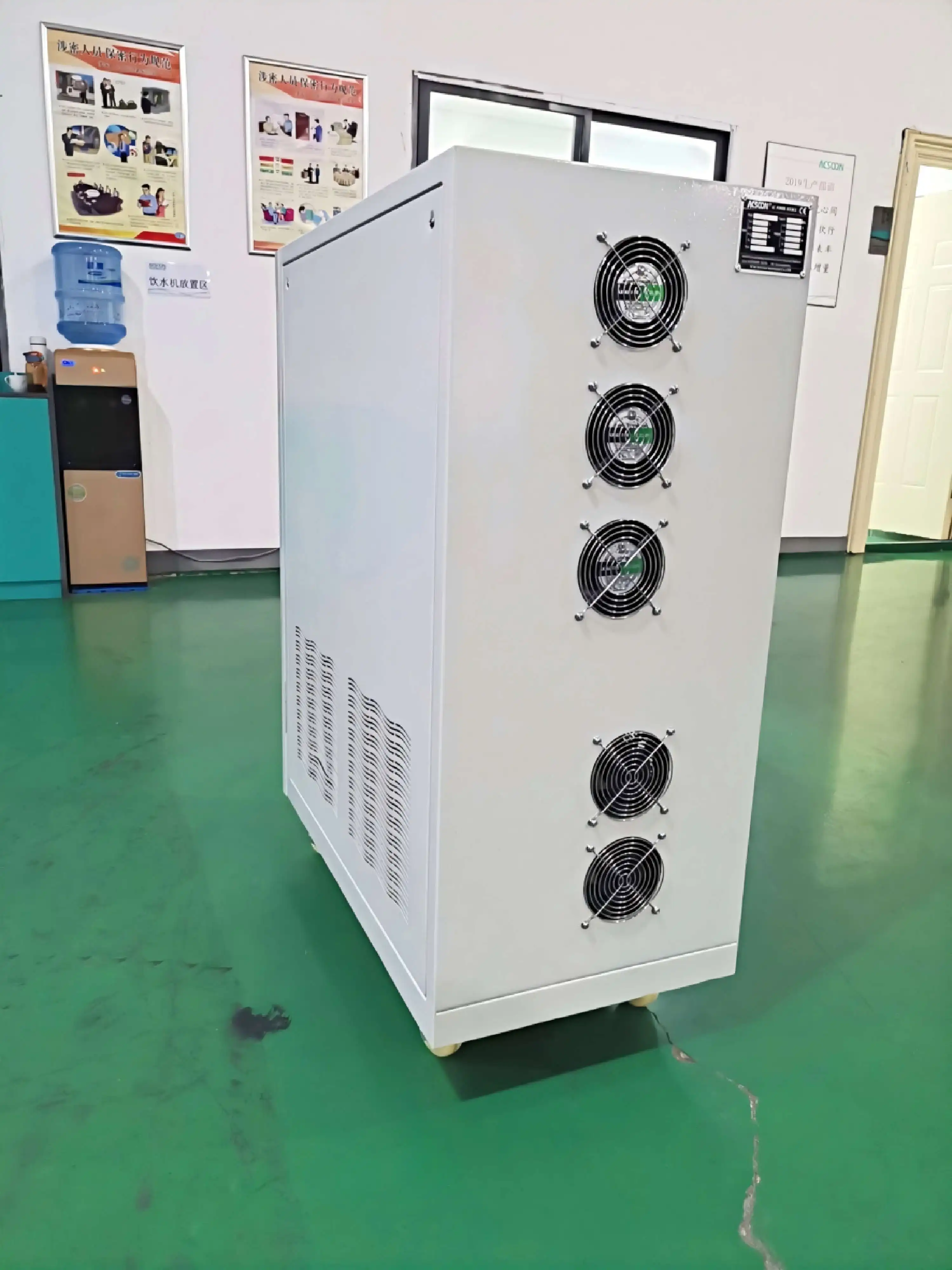
Evaluating the Performance and Benefits of Frequency Converters
The choice to use frequency conversion equipment is a strategic one that involves weighing the technical performance against operational needs and cost concerns. Knowing the pros and cons of a buying option helps organizations make decisions that are in line with their goals.
Operational Advantages in Global Manufacturing Environments
When you don't need to buy expensive specialized equipment right away, frequency changers save you money. When paired with the right frequency conversion, a single high-precision CNC mill that costs $500,000 can work smoothly across foreign facilities, so there's no need to buy extra equipment. Export-focused companies can do full-power factory acceptance tests on equipment that will be used in countries with different power grid standards. For example, a European company sending automated assembly lines to Mexico does full commissioning cycles under simulated 60 Hz conditions to find integration problems before sending the equipment overseas. This checking feature cuts down on field service costs and speeds up the time it takes for customers to accept the product.
Here are some of the most important practical benefits that frequency changers bring to businesses:
- Equipment Protection and Longevity: Correct frequency conversion keeps the original working parameters, which stops the faster wear patterns that happen with off-frequency operation. When shaft speeds are exactly what the design calls for, and transformer core losses stay within acceptable limits, motor bearings reach their stated L10 service life.
- Supply Chain Flexibility: Companies keep the same bases for their tools no matter where they are deployed. The collection of spare parts is centralized around a single piece of equipment instead of having duplicates for different frequency variations. This cuts down on storage costs and makes maintenance training easier.
- Rapid Deployment Capability: Cross-frequency installs are common in markets for used equipment and situations where you need to change something quickly. Frequency converters let you start up equipment right away, without having to wait for custom-frequency options. This cuts down on production downtime during serious situations.
These practical benefits directly lead to lower total costs of ownership and more flexible manufacturing, especially for companies that run production networks across multiple countries or serve a wide range of foreign markets.
Limitations and Performance Considerations
Even though converter 50 hertz to 60 hertz frequency changers have benefits, they also bring up issues that need to be carefully thought through. Most of the time, conversion efficiency is between 92% and 96%, which means that 4-8% of the power that goes into the system is lost as heat and needs to be cooled. This energy penalty adds up over time, which has an effect on running costs. Converters add more places where an electrical system could fail. Newer models have MTBFs of more than 50,000 hours, but they still need regular upkeep like replacing capacitors and cleaning the cooling system. The type of load is very important. Loads that are very magnetic or that change power quickly can slow down converter reaction times and cause output voltage sags that can damage sensitive electronics.
Comparing Alternatives: Conversion Versus Native-Frequency Equipment
When making a purchase choice, frequency conversion should be weighed against buying equipment that is designed for the target frequency. Native-frequency equipment gets rid of conversion losses and makes electricity infrastructure easier to use, but it takes longer to get and may limit the suppliers you can choose from. When equipment is standardized across global sites, conversion methods are more likely to work, but native-frequency standards may be better for permanent installations at a single spot. Practical choices are often limited by budget and the need to produce quickly. For example, a government contract that needs operational capability within 60 days calls for conversion solutions when native options need 16 weeks to manufacture.
How to Choose and Implement a Reliable 50 Hz to 60 Hz Frequency Converter
To buy a frequency converter successfully, you need to carefully look at the technical specs, the supplier's skills, and the needs of the application. During the selection process, it is checked to see if the converter guards tools well enough and works reliably over time.
Critical Technical Specifications for Procurement Evaluation
Power capacity grade is the basis for choosing a converter. There needs to be a 20–30% margin above the associated load to account for motor starting currents and future growth. Specifications for output voltage management should ensure steadiness within ±2% during full load transients. This will protect control electronics that are sensitive to voltage. Harmonic distortion limits below 5% total harmonic distortion (THD) stop motors from getting too hot and stop electrical interference. Grid compatibility is based on the input voltage tolerance. Converters that can handle a ±15% change in input voltage will still work reliably even when the power supply changes, which is typical in industrial parks. Ambient temperature ratings must fit the installation setting. For example, marine uses need to be able to operate at 55°C with high humidity, while aerospace hangars need to be able to start up cold below -10°C.
Supplier Evaluation and Quality Assurance Criteria
Having technical assistance from a vendor for converting 50 hertz to 60 hertz is very important during the planning, installation, and use stages. Companies that offer application engineering help make sure that the right size and type of converters are used for each load. The terms of the warranty show how confident the maker is in the product; for example, three years of full coverage with fast repair options show a commitment to quality. Long periods of downtime during maintenance events can be avoided with an after-sales support infrastructure that includes having extra parts on hand and quick field service responses. When buying more than one unit or deploying them in stages that need to be coordinated, the supplier's production ability is important.
Installation Best Practices and Commissioning Procedures
Installing something correctly starts with making sure there is enough airflow. For example, converters that put out 3 to 5 kW of heat per 100 kVA of power need forced air flow or air-conditioned containers to keep them from shutting down because of heat. Isolating the input and output circuits with circuit breakers and contactors of the right rating makes servicing safe. Following the rules in NEC Article 250 for grounding techniques stops ground fault risks and lowers electromagnetic interference. As part of the commissioning process, certified frequency meters are used to check the accuracy of the output frequency. Three-phase output voltage balance is checked to within a 2% error, and controlled fault simulation is used to make sure the protective function works. Load testing in real-world working settings finds problems with interactions before they are put into production.
Setting up preventive repair schedules that cover key wear items is helpful for companies that use frequency converters. Depending on the temperature at which they are used, capacitor banks in DC link circuits usually need to be replaced every 5 to 7 years. Cooling fan bearings should be inspected once a year and replaced every 30,000 hours. Checks for connection tightness stop high-resistance joints from heating up one area. Keeping service records shows trends of dependability that help with making decisions about lifetime planning.
Conclusion
Frequency converters are tried-and-true pieces of technology that let tools work safely and reliably across foreign frequency standards. Modern solid-state designs keep valuable industrial assets safe with precise frequency control, voltage regulation, and a wide range of safety features that meet strict government standards. Frequency conversion can be inefficient and make systems more complicated, but the operating freedom and lower capital costs often make it worth it, especially in manufacturing for export, naval shore power, and aircraft testing. For implementation to go well, the requirements must be carefully thought out, the supplier must be chosen with expert help in mind, and best practices for installation must be followed. When companies are looking at frequency conversion options, they should carefully study their load, think about how much it will cost them in the long run, and only work with sellers whose application knowledge matches their industry's needs.
FAQ
Can 50 Hz equipment operate on a 60 Hz supply without converters?
Some resistive loads, like heaters, can work on either frequency. But on 60 Hz, induction motors run 20% faster, which puts stress on the motor and could damage the equipment it drives if it goes too fast. At 60 Hz, transformers that were made for 50 Hz have less flux density, which means they lose performance. Frequency differences cause timing-dependent tools to stop working. Frequency converters get rid of these problems with compatibility, making sure that equipment works within its design limits, no matter what the power frequency is.
How does frequency conversion affect energy efficiency?
These days, static frequency converters are 92 to 96% efficient, which means they turn 4 to 8 percent of the energy they use into heat. The effect on the annual running cost varies depending on the duty cycle and the price of power. Using a 94%-efficient converter to run a 100 kW load continuously costs about $5,200 a year in extra energy at $0.12/kWh. When compared to the cost of replacing specialized machinery that costs over $100,000, this efficiency loss is often a good deal.
What is the typical service life of industrial frequency converters?
Quality industrial frequency converters have a mean time between breakdowns of more than 50,000 hours, which is about 5.7 years of nonstop use. Different parts have different lifecycles. IGBT power units last between 15 and 20 years, electrolytic capacitors need to be replaced every 5 to 7 years, and cooling fans need to be serviced every 3 to 5 years. System life is greatly increased by regular upkeep and keeping working temperatures within acceptable ranges. Well-maintained units can provide reliable service for 15 to 20 years.
Partner with JERRYSTAR for Reliable Frequency Conversion Solutions
Working under the ACSOON name, JERRYSTAR makes high-performance static frequency converters that are designed for tough uses in aircraft, marine, industry, and laboratories. Our converter 50 hertz to 60 hertz solutions use advanced PWM control technology and have less than 2% total harmonic distortion, which makes sure that important military and aircraft projects can safely use their equipment. We have over 5,000 square meters of dedicated production space in Xi'an, China. We keep a large inventory, which lets us deliver standard configurations quickly (7–10 days), and our engineering team can make changes to meet specific voltage, frequency, and environmental requirements.
Our frequency converters have helped government agencies, aerospace makers, and industry sites that need cross-frequency compatibility protect equipment worth millions of dollars. When you buy from us, you can be sure that every converter 50 hertz to 60 hertz comes with full technical support, a three-year warranty, and helpful customer service after the sale. You can email our applications engineering team at acpower@acsoonpower.com to talk about your specific power conversion needs, get full technical specs, or set up trial units for testing in person. Our experts will help you choose the best configurations to protect your machine investments while still meeting your budget and business deadlines.
References
1. Institute of Electrical and Electronics Engineers. (2014). IEEE Recommended Practice and Requirements for Harmonic Control in Electric Power Systems (IEEE Standard 519-2014). IEEE Standards Association.
2. National Electrical Manufacturers Association. (2021). Industrial Control Panels (UL Standard 508A). Underwriters Laboratories.
3. International Electrotechnical Commission. (2018). Rotating Electrical Machines - Part 1: Rating and Performance (IEC 60034-1:2017). IEC Publications.
4. U.S. Department of Defense. (2015). Requirements for the Control of Electromagnetic Interference Characteristics of Subsystems and Equipment (MIL-STD-461G). Defense Technical Information Center.
5. American Society of Heating, Refrigerating and Air-Conditioning Engineers. (2019). HVAC Systems and Equipment Handbook. ASHRAE Publications.
6. National Fire Protection Association. (2020). National Electrical Code (NFPA 70-2020). NFPA Standards Council.