




Why Is a 28V DC Power Supply for Aircraft So Important?
A 28V DC power supply for aircraft represents far more than a simple voltage source—it functions as the electrical backbone of modern aviation systems. This specialized power conversion equipment delivers stable, regulated direct current that powers everything from critical avionics to communication systems, ensuring operational safety across narrow-body aircraft, helicopters, military platforms, and unmanned aerial vehicles. In demanding aviation environments where voltage fluctuations, electromagnetic interference, and extreme temperature cycles are constant challenges, reliable electrical power becomes non-negotiable for mission success and passenger safety.
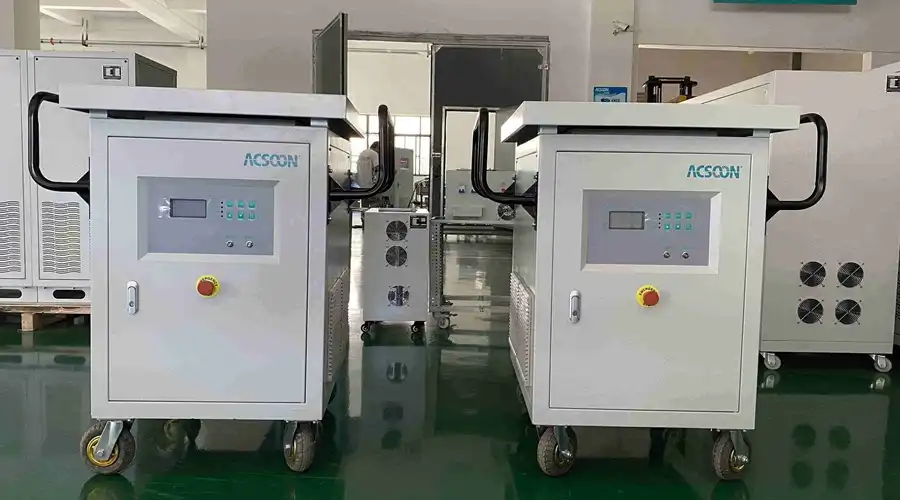
Understanding the Role of 28V DC Power Supply in Aircraft Systems
A lot of the basic structure of an airplane's electrical equipment depends on controlled DC power distribution. When looking at aviation power management, seeing how these sources fit into the bigger picture of an airplane's system shows how important a 28V DC power supply for aircraft is.
Core Functionality in Aviation Electrical Architecture
Most aircraft electrical systems get their main power from generators that are powered by the engines. The power can be 115V/400Hz AC or 230V AC. This alternating current is changed into the normal 28V DC bus voltage by Transformer Rectifier Units and complex switching regulators. This process of conversion meets several technical needs at the same time: it separates power sources electrically, regulates voltage well even when loads change, and makes the stable DC environment that solid-state systems need. The nominal 28V guideline actually covers a range of 22V in case of an emergency and 29V during normal flight operations. This is to account for voltage drops across distribution lines while keeping all the equipment working together.
Integration Across Critical Subsystems
Displays for the Electronic Flight Instrument System, autopilot controls, and tracking transponders all get their power from the 28V DC bus. This voltage standard is also used by communication devices, aircraft lights, cabin pressurization controls, and fuel management systems. Many devices use 28V DC, which has built-in safety features. For example, multiple power sources can work together in parallel, and battery backup systems work with ease because plane batteries naturally produce voltages that are compatible with this standard. This electrical similarity makes servicing easier, makes it easier to keep track of extra parts, and speeds up troubleshooting while the plane is in flight.
Power Conversion in Ground Support Applications
In addition to flying, Ground Power Units supply 28V DC to airplanes while they are being maintained and getting ready for takeoff. With these specialized external power sources, Auxiliary Power Units don't have to be run while they're stopped, which saves money on fuel and lowers noise pollution on airport ramps. Good ground power equipment keeps batteries from dying during long repair periods and shields sensitive electronics from voltage drops that can happen when moving power sources. When working on software changes or diagnostics on glass cockpit systems worth hundreds of thousands of dollars, it's important to be able to provide clean, stable power with ripple voltage below 200mV peak-to-peak.
Key Specifications and Safety Features of 28V DC Aircraft Power Supplies
If a 28V DC power supply for aircraft meets the strict needs of aviation uses, it is judged by its technical performance factors and safety features. When making choices about what to buy, features that have a direct effect on reliability and following the rules must be taken into account.
Electrical Performance Parameters
One of the most important specs is output voltage regulation. Good aircraft power sources keep the voltage stable within ±1% even when the input voltage and load change. Depending on the application, the current capacity needs can be very different. For example, aviation electronics may need 50–100A of current all the time, while starting an engine may need surge currents of over 1,500A for a few seconds. Power efficiency above 90% lowers the amount of heat produced and the need for a cooling system, which is especially important in aircraft installations with limited room. MIL-STD-461 controls electromagnetic interference to make sure that the power supply doesn't become a source of radio frequency noise that could mess up communication or guidance systems.
Compliance with Aerospace Standards
The MIL-STD-704F standard says what kinds of voltage changes, frequency changes, and harmonic content are allowed in the electrical systems of military airplanes. RTCA DO-160G sets outdoor qualification standards, such as performance at high altitudes up to 70,000 feet, tolerance to vibrations in various directions, and compatibility with electromagnetic fields. The AS9100 quality management certification shows that a company can regularly make aerospace-grade goods with the right level of traceability and configuration control. These certifications aren't just necessary for paperwork's sake; they're proof that the tools will work reliably in life-critical situations where failure isn't a choice.
Built-in Protection Mechanisms
Over-voltage safety circuits turn off loads or stop voltage spikes before they can hurt sensitive electronics. This is especially important when big electrical loads suddenly stop working. Under-voltage shutdown stops equipment from working when the input power drops below certain levels. This keeps the equipment from acting in ways that aren't expected when the voltage is too low. Passive heat sinking and active cooling are both parts of thermal management systems. Automatic thermal stop keeps parts from breaking down when the system isn't working normally. As a way to keep conductors from getting damaged and fires from starting, short-circuit prevention reduces fault currents. Soft-start circuitry slowly raises the output voltage and current. This lowers the mechanical stress on equipment further down the line and lowers the amount of inrush current that airplane engines have to handle.
Maintenance Considerations for Operational Longevity
At regular times, inspections should include looking for rust visually, making sure connectors are solid, and making sure cooling airflow isn't blocked. Electrolytic capacitors are the parts of power sources that have the shortest life span. Depending on the working temperature, they usually need to be replaced every 10 to 15 years. Keeping detailed repair logs meets the needs of flight authorities and allows for predictive failure analysis. Checking the calibration at set times makes sure that the voltage control stays within the parameters. This stops slow degradation that might not cause problems right away, but could affect the system's safety margins when things go wrong.
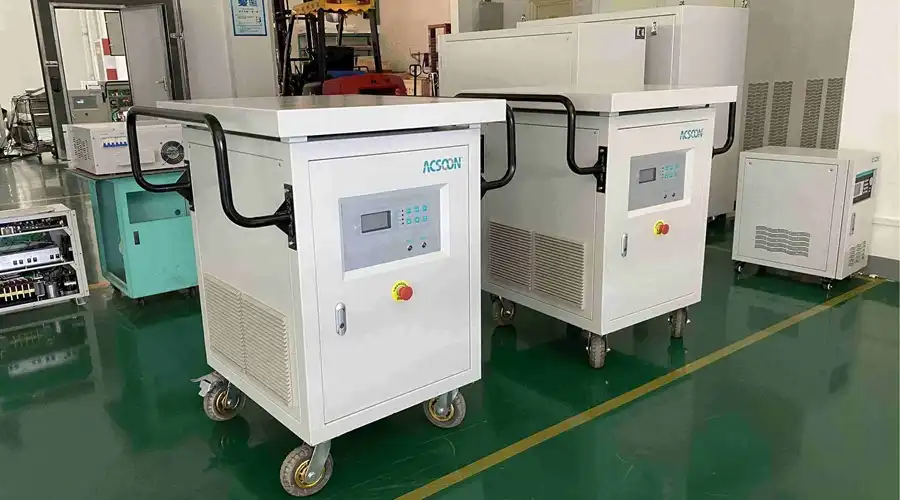
Comparing 28V DC Power Supplies with Other Aircraft Power Solutions
Procurement professionals can make smart choices about buying new planes, upgrading existing fleets, and investing in ground support equipment when they know how a 28V DC power supply for aircraft compares to other power designs.
Voltage Standard Differences
The difference between 28V and 24V systems makes it hard for mixed-fleet operations to work together. While 24V was most common in cars and some boats, 28V became the standard in aviation. This is because lead-acid and nickel-cadmium batteries typically make between 26V and 28V when fully charged. When 28V is used as the standard bus voltage, the batteries can power the device directly, without having to change the voltage first. If you run equipment that was made to work with 24V at 28V, it might wear out faster, and 28V equipment usually won't get enough power from 24V sources. Because of this voltage incompatibility, it is important to be very careful when buying equipment to make sure it works with the electrical design of older airplanes.
Topology Considerations
Linear power sources control the output voltage by giving off extra energy as heat. This makes the units bigger, heavier, and less efficient, usually by 50 to 60%. Switching power sources use high-frequency transistors to get efficiencies of more than 90% while cutting their size and weight by a huge amount. A 1,000W switching supply might be 5 to 8 pounds, but a 1,000W linear supply might be more than 25 pounds. However, switching supplies produce electromagnetic noise that needs to be carefully filtered, and their complicated control circuits may not work as well in harsh settings if they weren't built correctly. When weight isn't an issue but maximum electromagnetic quiet and EMP protection are, the military sometimes chooses linear supplies for equipment.
Lifecycle Cost Analysis
When efficiency goes up, cooling needs go down, and temperature stress on parts goes down, too. This means that the system lasts longer. A good aircraft power source might have a Mean Time Between Failures of more than 50,000 hours, while bad designs break down after 10,000 to 15,000 hours. To find the total cost of ownership, you have to add up the initial purchase price, the cost of installation, the amount of energy used over the service life, the cost of upkeep, and how often the item needs to be replaced. When lifetime costs are properly analyzed, a high-end power source that costs twice as much as a cheap one is often more cost-effective. This is especially true in situations where equipment failure causes expensive aircraft downtime.
How to Choose the Best 28V DC Power Supply for Your Aircraft
When choosing the right 28V DC power supply for aircraft tools, you need to carefully think about your technical needs, the supplier's abilities, and how they will help you in the long run. To improve fleet operations, procurement workers have to balance a lot of different objectives.
Technical Selection Criteria
To get the right size, you need to do a load study and figure out how much power you will need continuously, leaving enough room for error, usually 20 to 30 percent more than the maximum predicted draw. Peak current capacity needs to be able to handle short-term needs, like when a motor starts up or when there is a lot of inrush current. The environmental qualification should meet or go beyond the real working conditions in terms of temperature range, vibration levels, and exposure to high altitudes. Form factor restrictions may force certain mechanical designs, especially for systems that are added to existing airplanes. The energy input must be compatible with the power source on the plane, whether it's 115V/400Hz, 230V/400Hz, or a changeable frequency source.
Evaluating Manufacturer Credentials
Aerospace providers that have been around for a while can show that they have a good track record by showing licenses, shipping history, and an installed base. Curtiss-Wright has a long history of making military electronics power systems that are built to last in harsh settings. Eaton has a lot of experience managing power on both civilian and military aircraft. Honeywell's integrated method blends an understanding of all aircraft systems with power sources. When reviewing providers, it's important to look into more than just the marketing materials they send you. Ask for customer references, qualification test records, and register databases to make sure the certifications are real.
Customization and Lead Time Management
Standard catalog items have faster wait times and lower prices, but they might not meet all of your needs exactly. Custom designs take into account specific issues, such as odd mounting arrangements, unique weather conditions, or the need to work with unique airplane systems. When making the customization choice, there are trade-offs between optimizing and risking the plan. For pressing needs, good inventory management is essential—suppliers who keep popular configurations in stock allow for quick deployment, but build-to-order models may take 12 to 16 weeks from the time of the purchase order to the time of delivery. Setting up framework deals and blanket purchase orders with key suppliers can cut down on the time it takes to buy things that are needed over and over again.
Troubleshooting and Maintaining 28V DC Power Supplies in Aircraft
The difference between academic understanding and operating success is practical maintenance knowledge for any 28V DC power supply for aircraft. Structured ways of diagnosing, fixing, and managing the lifecycle of an asset help engineering and support teams.
Systematic Diagnostic Approaches
Voltage instability shows up as changing output and is usually caused by capacitors that are failing, control circuits that are breaking down, or not enough cooling. By measuring with standardized equipment, you can find out if the output stays within the range of specifications when the load changes. Overheating usually happens when airflow is blocked, cooling fans stop working, or parts wear out, which increases interior losses. Thermal imaging cameras can quickly find hot spots that mean something is wrong with the process. When problems happen every once in a while, it's hard to figure out what's wrong. Instruments that can record short-lived events are very helpful, as are detailed operational logs that link failures to specific flight phases or working conditions.
Preventive Maintenance Protocols
Scheduled checkups should happen at regular times that match the repair cycles of the airplane. For example, visual checks should happen every 500 flight hours, full examinations should happen once a year, and component-level evaluations should happen every 5 years. Checking the torque, looking at the contact area for fretting rust, and dielectric tests of the wire insulation are all parts of inspecting a connector. Replacing the filter at times recommended by the maker keeps the cooling from getting worse. Making sure that test tools used for proof can be traced back to their calibration ensures that measurements are accurate. Documentation methods must meet the needs of the aviation authority and provide an account of repair that can be used for reliability engineering analysis.
Repair Versus Replacement Economics
When problems involve easily accessible parts like capacitors or cooling fans, component-level repair becomes a good value for expensive units. It's cheaper to replace everything when there is a lot of damage, when designs are out of date, and parts aren't available, or when the cost of work to troubleshoot and fix something is higher than the cost of new equipment. When used in aviation, there are some extra things to think about. For example, repaired equipment might need to be re-certified, and the time it takes to fix something might be longer than the operational window that is open during planned maintenance. Building ties with qualified service stations that can keep their aerospace certifications up to date gives you a lot of options for dealing with failures that weren't expected.
Conclusion
In aviation, 28V DC power supplies for aircraft are important for more than just changing the voltage. These systems make it possible for modern airplanes to be used safely and efficiently in military, business, and industrial settings. When procurement workers and engineering teams know about the technical requirements, legal needs, and operational issues, they can help their companies do well in tough aerospace settings. Choosing good tools from respected makers, following the right maintenance procedures, and keeping good relationships with suppliers have a direct effect on task readiness, operations costs, and safety outcomes. The money spent on high-quality power solutions pays off by making the aircraft more reliable, lowering the amount of repair that needs to be done, and extending its service life over its entire operating life.
FAQ
Why did aviation standardize on 28V DC rather than other voltages?
The 28V standard came about because of how batteries work and how things have changed over time. When fully charged, lead-acid and nickel-cadmium batteries used in airplanes naturally make about 26 to 28V. By basing the electrical system on a standard voltage of 28V, batteries can directly power loads without having to go through any conversions. This simplifies the design and makes it more reliable. The voltage is also a good mix between being low enough to avoid serious arc flash hazards during upkeep and being high enough to keep the weight of the conductors as low as possible for the power levels that are used.
What certifications should procurement managers verify when purchasing aviation power supplies?
Compliance with MIL-STD-704F ensures that the electrical output meets the needs of military flight. The RTCA DO-160G approval shows that the product has been tested for temperature, pressure, altitude, and electromagnetic compatibility. If a company has an AS9100 certification, it means they have quality control methods that are suitable for aerospace use. Instead of taking compliance claims at face value, verification should include looking at the actual test results and using registrar databases to make sure the accuracy of the certification.
Can 28V DC power supplies designed for aircraft be used in marine or ground vehicle applications?
Even though both are theoretically possible, efficiency is very different. Aircraft materials try to be as light as possible and work at very high and very low temperatures. Marine equipment focuses on being resistant to rust and keeping water out. Aviation electromagnetic compatibility standards may not be taken into account in the design of ground vehicles. Using aviation-qualified equipment for less difficult tasks usually works, but it costs a lot more than it needs to. On the other hand, using non-aviation equipment in airplanes is against the rules and unsafe.
Partner with JERRYSTAR for Reliable 28V DC Aircraft Power Solutions
When aviation pros join with Xi'an Jerrystar Instrument Co., Ltd., they get a reliable 28V DC power supply for an aircraft solution. Our ACSOON brand power converters have been used successfully in testing uses around the world in flight, the military, ships, and factories. We are a well-known company that has the ability to produce on 5,000 to 10,000 square meters. We have a lot of experience with both military and civilian power systems and provide excellent customer service.
JERRYSTAR stands out because it can be customized. Our engineering team makes solutions that fit your exact needs instead of causing you to settle for off-the-shelf goods. Keeping enough inventory on hand lets you get what you need quickly, which is helpful because aircraft repair plans don't always match up with regular manufacturing wait times. Because we are both a producer and a selling business, we can give you more options when you're buying, whether you need original equipment or approved alternatives.
Ready to discuss your 28V DC airplane power needs? You can email our technical sales team at acpower@acsoonpower.com for more information, rates for large orders, or help with application building. As a trusted 28V DC power supply for aircraft manufacturers, we deliver the reliability your operations demand with the responsiveness your schedule requires.
References
1. Eismin, T. and Johnson, R. (2018). Electrical Power Systems for Aircraft. McGraw-Hill Education, 3rd Edition.
2. Moir, I. and Seabridge, A. (2020). Aircraft Systems: Mechanical, Electrical, and Avionics Subsystems Integration. Wiley Aerospace Series, 4th Edition.
3. United States Department of Defense (2016). MIL-STD-704F: Aircraft Electric Power Characteristics. Defense Standardization Program Office.
4. Radio Technical Commission for Aeronautics (2010). RTCA DO-160G: Environmental Conditions and Test Procedures for Airborne Equipment. Washington, DC.
5. Naayagi, R.T. (2019). "A Review of More Electric Aircraft Technology," International Conference on Energy, Power and Environment, IEEE Xplore Digital Library, pp. 387-392.
6. Sarlioglu, B. and Morris, C.T. (2015). "More Electric Aircraft: Review, Challenges, and Opportunities for Commercial Transport Aircraft," IEEE Transactions on Transportation Electrification, Vol. 1, No. 1, pp. 54-64.