




What Applications Use Convert 50 Hertz to 60 Hertz Most Often?
Changing electricity from convert 50 hertz to 60 hertz is a very important task for businesses that do business across foreign borders, where electrical standards are different. Frequency conversion is most often needed in aircraft ground support systems, marine shore power installations, factory export testing facilities, military equipment calibration, and labs where products are being tested and proven. Static frequency converters that give precise 60 Hz power from normal 50 Hz utility lines are very important for these industries. The process makes sure that operations are honest, that rules are followed, and that equipment lasts a long time. This is especially important in mission-critical settings where power quality has a direct effect on safety and performance.
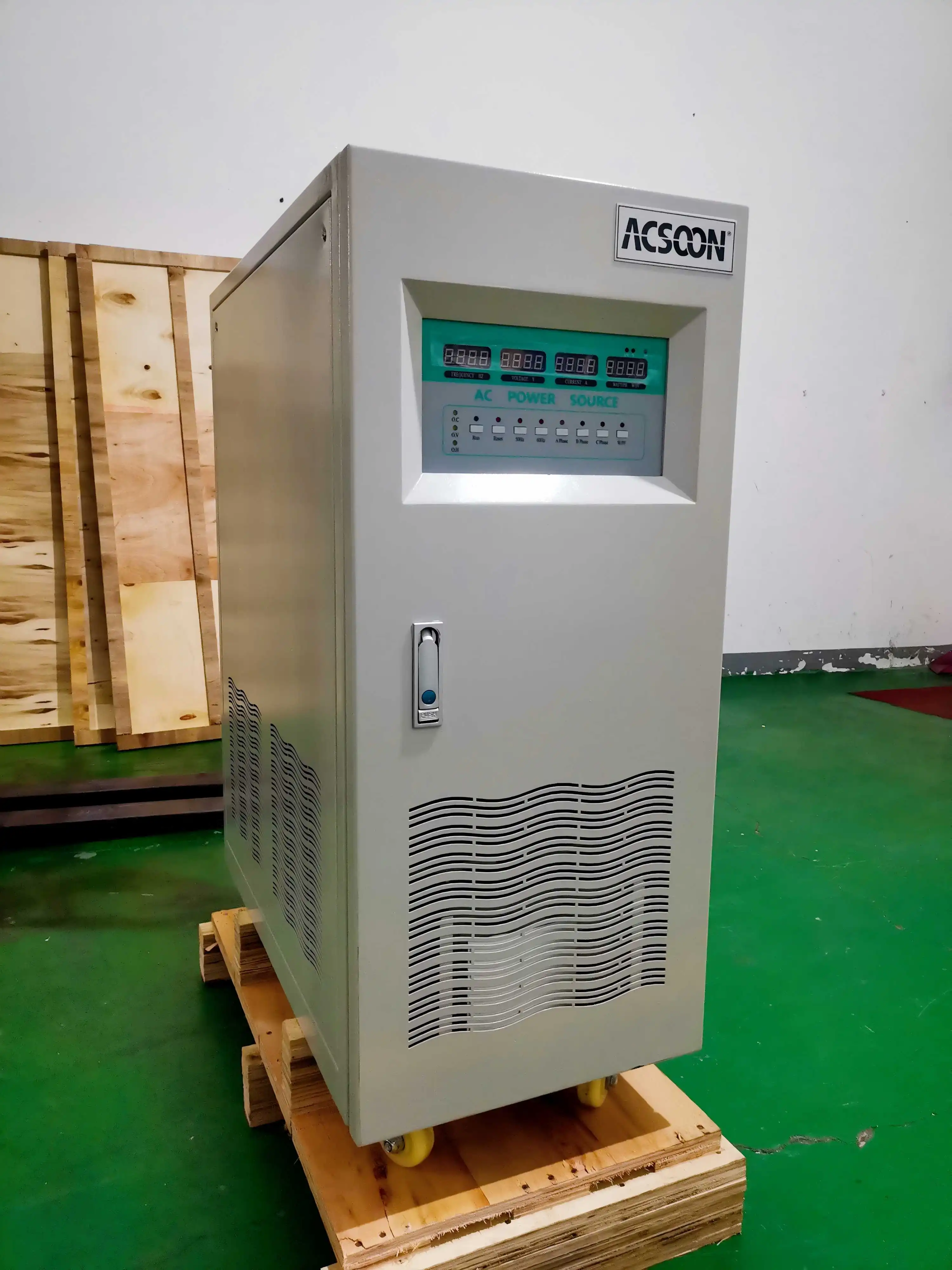
Understanding Frequency Conversion: Why and When Is It Needed?
There are two main frequency standards that the world's electricity grid uses. Europe, Asia, Africa, and some parts of Oceania use 50 Hz power systems most of the time. North America, some parts of South America, and some Asian countries use 60 Hz systems. This basic difference changes how electricity equipment works in different countries.
Impact of Frequency Mismatch on Equipment Performance
Bad things happen when equipment made for one frequency is used on a different frequency without being properly converted. Induction motors that are designed for 60 Hz power run about 17% slower on 50 Hz power, which means that cooling fans don't work as well, and the motors could get damaged by heat. Magnetic saturation problems happen in transformers, and timing circuits and synchronous motors stop working correctly. When frequency mismatch situations last for a long time, the equipment's lifespan decreases greatly. This can cause problems with warranties and unexpected replacement costs.
Global Distribution and Business Implications
When planning foreign activities, it's important to know the area frequency standards. Frequency compatibility problems happen when manufacturers move production lines between countries, when defense companies test equipment that will be sent to allies, and when marine operators dock at foreign ports. Without the right framework for switching, businesses risk having to make expensive changes to their equipment, experiencing delays in operations, and possibly breaking safety rules. Strict frequency limits are often required by the technical specs of sensitive devices. This means that conversion equipment is required and cannot be skipped.
Industries Requiring Frequency Adaptation
A lot of different industries need to be able to convert frequencies. Power conversion must be reliable in places like aviation repair shops that test aircraft systems, pharmaceutical labs that make sure production equipment works, and semiconductor makers that make sure fabrication tools work. Manufacturers who want to export must make sure their products will work in the conditions of the target market before sending them out. Military bases that support actions involving multiple countries need power systems that can be adjusted to fit a wide range of tools. Precision, dependability, and meeting strict quality standards are things that all of these uses need.
Key Applications That Most Often Require 50 Hz to 60 Hz Conversion
In certain high-stakes businesses where task success, product quality, or operational safety depend on equipment compatibility, there is a greater demand to convert 50 hertz to 60 hertz.
Aerospace and Defense Testing Environments
Equipment used to help with airplanes on the ground has its own timing problems. Modern commercial and military airplanes have 400 Hz power systems built in, but repair centers sometimes have to get this special frequency from regular utility power. When aerospace companies in Europe test parts that will be used on American planes, they need accurate frequency adjustment to make the testing conditions as real as possible. Defense contracts for buying things often say that the equipment has to be tested under exact power and frequency conditions that match where it will be used. Static frequency converters that provide clean, stable 60 Hz power from 50 Hz equipment are essential for making sure that strict military standards are met. The converters have to keep the output stable even when the load changes, and they also have to be able to handle the harsh conditions that are common in hangars.
Marine Shore Power Applications
At port sites, international shipping activities continue to have problems with frequency. When ships are built to American or Japanese standards, they have 60 Hz electrical systems that power navigational tools, HVAC systems, freezer units, and crew quarters. Frequency conversion equipment gets rid of the need to run extra diesel engines when these ships dock at places in Europe or Asia that have 50 Hz shore power. As a result, port emissions go down, fuel costs go down, and noise pollution in harbor areas goes down. Modern shore-to-ship power systems have high-capacity frequency converters that can handle loads of several megawatts while keeping the power quality good enough for sensitive naval electronics. Port officials are calling for steps to cut down on emissions more and more, which means that frequency conversion infrastructure is no longer just a nice-to-have item.
Export Manufacturing and Quality Assurance
When making items for foreign markets, companies must test how well their products work in the electrical conditions at the location. For final tests and quality checks, a European plant that makes CNC machines for customers in North America needs power that is reliable at 60 Hz. Using 50 Hz power on a 60 Hz machine during tests would make the performance data useless and could even void guarantees. Research and development labs that make consumer goods, industrial controls, or medical devices need electrical settings that are controlled and meet several global standards. Frequency conversion equipment is used by quality assurance teams to model how customers will use the product. This helps find problems before the product goes on sale in other countries. This way of testing cuts down on mistakes in the field, warranty claims, and damage to the company's image that comes from not having good validation processes.
Industrial Relocation and Equipment Redeployment
Companies that move their factories from one area to another have a hard time getting their old machines to work in new electricity settings. Instead of changing working equipment just because it doesn't work with the new frequency, businesses invest in infrastructure that can convert frequencies. If a pharmaceutical company moves its packaging lines from Asia to North America, it can keep the equipment it already has by adding the right static frequency converters. This method keeps using tried-and-true production methods while cutting down on capital costs by a huge amount compared to replacing all the equipment. The converters let you update equipment gradually in line with depreciation plans instead of having to replace all working assets at the same time.
Laboratory and Research Facilities
In scientific study settings, precise control over electrical factors is often needed. Material testing labs that check how long a product will last under certain electrical conditions need to be able to accurately control the frequency. For trial sets, universities that study power systems need flexible frequency sources. To keep measurement standards, calibration labs must get rid of frequency difference as a variable in their processes. When used in these situations, frequency converters need to be very stable, usually keeping frequency accuracy within ±0.01% and harmonic distortion below 3% THD.
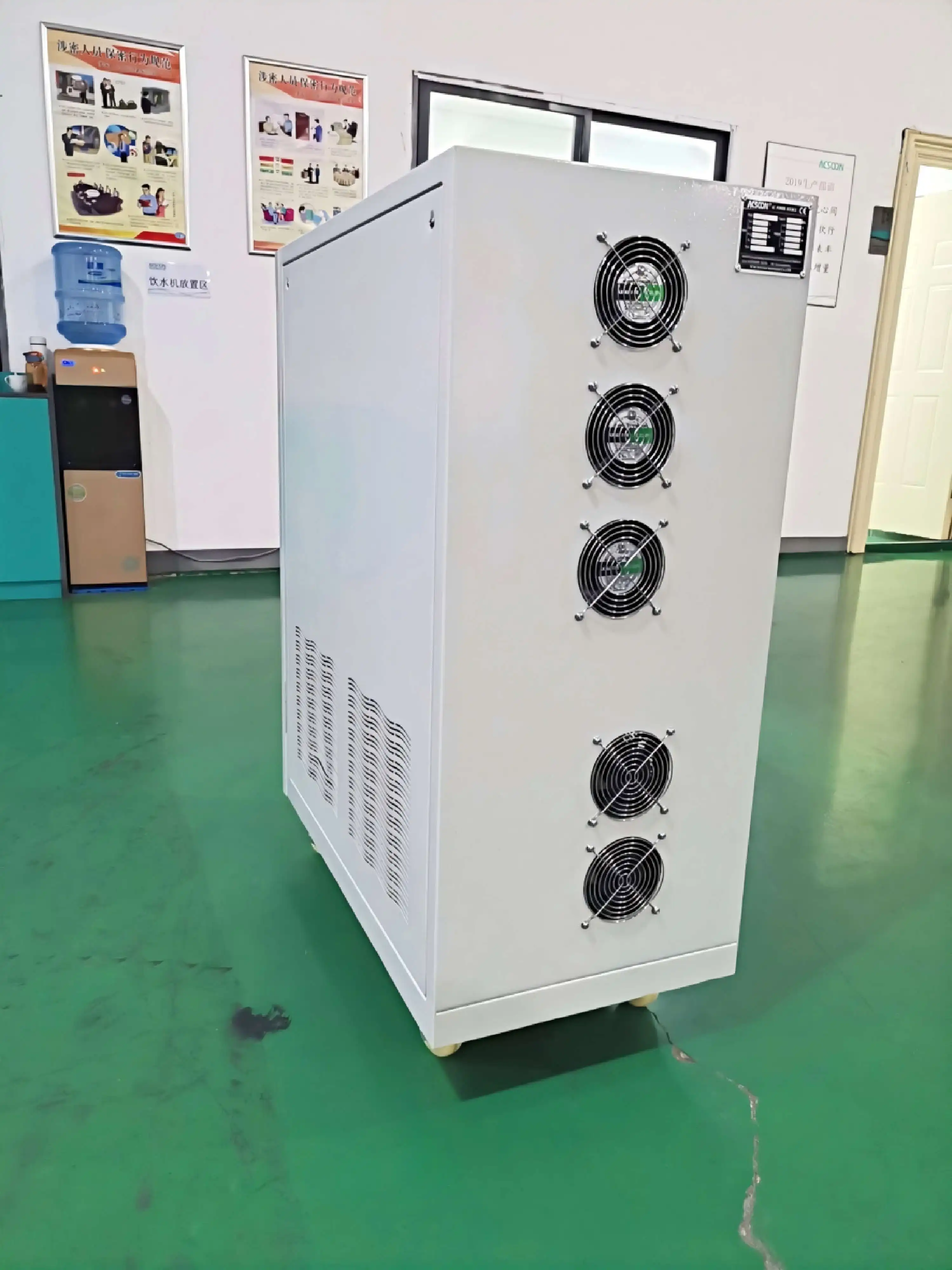
How Frequency Conversion Works – Solutions and Technologies
Frequency translation technology has come a long way, and now there are many different ways to do it that can be used in different situations.
Static Frequency Converters
Solid-state power devices are used in modern static frequency changers to change frequencies. There are three separate steps in the process. No matter what frequency the input is, the input stage changes the AC power that comes in to DC. Through capacitor banks, a middle DC link filters signals and stores energy. To make clean AC power at the right output frequency, the output stage uses IGBT switching technology that is managed by pulse width modulation. This AC-DC-AC design completely separates the input and output electrically, keeping sensitive loads safe from interference on the utility side and providing a pure sine wave output that can be used with precision equipment.
Technical Advantages of IGBT Technology
IGBT-based converters are more efficient than earlier thyristor types; they can usually reach 90–95% efficiency across all load ranges. The fast switching speeds make it possible to precisely control the output pattern, which reduces harmonic distortion and electromagnetic interference. These converters convert 50 hertz to 60 hertz and keep the output voltage and frequency fixed even if the input changes. This gives sensitive instruments the stable power quality they need. Modern control programs check the output parameters thousands of times every second and make fixes right away to keep specifications met when the load changes.
Rotary Frequency Converters
Motor-generator sets are another option. In these, an electric motor that runs on the available source frequency powers a generator that makes the required output frequency. Rotary converters are less common in current installations because they are less efficient and need more upkeep. However, they are useful in places with very high power needs or where electromagnetic pulse resistance is needed. Some military bases keep rotating conversion equipment in order to protect themselves from electromagnetic risks.
Variable Frequency Drives Versus Dedicated Converters
Static frequency converters and variable frequency drives are both made of the same kind of technology, but they are used for different things. VFDs change the output frequency to control motor speed, while dedicated frequency converters keep the output frequency set to meet the goal requirements. When people try to use VFDs as frequency converters, they often fail because the output waveform quality is poor, the voltage can't be controlled properly, and the control features are designed for motor loads rather than different types of equipment.
Choosing the Right Frequency Converter for Your Application
When choosing the right frequency conversion tools, you need to carefully think about your technical needs, working limitations, and long-term support needs.
Power Capacity and Load Characteristics
The correct converter size starts with a correct load estimate. Figure out the total linked load, taking into account situations where the load is used at the same time and starting surge currents. When starting up, induction motors may need 5 to 7 times their rated power. This means that converters need to be able to handle overloads. The impedance of resistive heating loads stays the same, but the current draw patterns of electrical equipment may not be straight. A thorough load analysis keeps you from undersizing, which can lead to trips, or oversizing, which wastes money.
Output Quality Requirements
Power quality variation can be tolerated to a range of levels by different uses. Instruments used in laboratories and high-precision factories usually need THD levels below 3% and voltage control within ±1%. Applications that don't care as much about THD may be able to handle up to 5% with ±3% voltage control. Knowing the sensitivity specs of equipment keeps you from over-specificating, which raises costs needlessly, or under-specificating, which puts the equipment at risk of damage. Galvanic separation between the input and output gives sensitive loads extra safety, especially in places where the power is unstable or there is a lot of electromagnetic interference.
Environmental and Operational Conditions
The efficiency of a converter changes depending on the weather, humidity, altitude, and amount of contamination it is exposed to. In marine settings, electronics need to be protected from salt spray damage with a conformal coating. Installations at high elevations need to be derated because they cool less efficiently. In industrial settings, airborne particles may be present, so protected containers with the right ingress protection levels are needed. With enough room for error, converter standards should match or go beyond what is found in the real-world working environment.
Compliance and Certification Requirements
Following the rules is an important thing that needs to be done in many situations. When the military buys things, they usually have to follow MIL-STD-461 for electromagnetic compatibility, MIL-STD-810 for weather durability, and other standards that are specific to their service. In industrial settings, things might need to be marked with CE for sales in Europe, UL for North America, or IEC for activities in other countries. Classification society approvals from groups like ABS, DNV, or Lloyd's Register are needed for marine uses. Making sure that the license meets the needs of the application avoids delays that cost a lot of money and could lead to legal problems.
Procurement Guidance: Where and How to Buy 50 Hz to 60 Hz Frequency Converters
Strategic methods for buying things make sure that people can get effective tools and the right structures to support them.
Direct Manufacturer Relationships
Building ties with expert manufacturers has a lot of benefits. Direct contact lets you have in-depth technical conversations that make sure the specs of the tools exactly match the needs of the application. Customization choices help with installation problems or speed issues that are unique to the situation. Manufacturers usually back up their performance claims with detailed technical paperwork, application engineering support, and data from factory tests to convert 50 hertz to 60 hertz. Getting to know makers who have experience in your industry will help you make sure they understand the challenges you face and the rules that apply to your business.
Evaluating Supplier Capabilities
In addition to product standards, suppliers should also be judged on their production quality systems, the stability of their supply chains, and their after-sales support infrastructure. Manufacturers who keep their ISO 9001 license show that they handle quality in an organized way. People who work in the aerospace or defense industries often have AS9100 or similar specialty licenses that show they are more serious about quality. Having enough material on hand lets us deliver quickly on important projects, and our custom manufacturing skills let us meet unique needs. Companies that give both standard goods and custom designs are able to meet the needs of a wide range of projects.
Technical Support and Service Infrastructure
Long-term operational success depends a lot on how much technical help is provided. Manufacturers that offer full testing help make sure that the installation and setup are done correctly. Ongoing expert advice helps improve system speed and fix problems with how it works. When maintenance or fixes need to be done, responsive service organizations keep downtime to a minimum. When a component breaks, having extra parts on hand ensures that service can be restored quickly. Maintenance workers can do regular service tasks on their own thanks to training programs. This lowers running costs over the life of the equipment.
Total Cost of Ownership Considerations
The initial buying price is only one part of the total cost of owning. Energy efficiency has a direct effect on running costs over the life of a converter, so even though they cost more at first, units with better energy efficiency are cheaper in the long run. Both direct service prices and operating availability are affected by the need for maintenance. Reliable tools with a history of working well cut down on the costs and downtime that come with sudden failures. Warranty terms protect against early failures, and full coverage shows that the maker is sure the product will last.
Conclusion
Changing frequencies from 50 Hz to 60 Hz is an important task in many fields, including study, industry, aerospace, and marine. Knowing when and why frequency conversion is needed helps you make smart purchasing choices that protect your equipment investments, keep you in line with regulations, and keep your operations running smoothly. Modern static frequency converters that use IGBT technology provide excellent power quality that can handle the toughest tasks. Choosing the right tools means carefully looking at the features of the load, the conditions of the surroundings, and the rules that need to be followed. Working with skilled manufacturers who offer full technical support and a history of success guarantees a smooth implementation and long-term operating happiness.
FAQ
Can I operate 60 Hz equipment directly on 50 Hz power without conversion?
Using 60 Hz technology on 50 Hz power without converting it first causes a lot of trouble. Motors run about 17% slower, which makes cooling less effective and could lead to burning. Core overload may happen to transformers. Accuracy goes down in timing circuits. Some resistive loads can handle changes in frequency, but motors, transformers, and electrical equipment usually don't work as well or break down too soon. These risks are taken away by frequency conversion equipment by making sure the electrical conditions are right and fit the design specs of the equipment.
What distinguishes frequency converters from voltage transformers?
Transformers change the amount of voltage while keeping the frequency of the input the same. Voltage and frequency can be changed separately by frequency changers. To change from 50 Hz to 60 Hz, a transformer can only change the amount of energy. Power circuits are used by frequency converters to rebuild the whole AC signal at the desired frequency and voltage. Some uses need both functions, which can be met by frequency converters that let you change both voltage and frequency at the same time in a single device.
How can I verify my facility's electrical supply frequency?
Digital multimeters that can measure frequency can give you accurate readings of the source frequency. Power quality monitors look at a lot of things, like voltage, frequency, harmonics, and transient events. Cost-effective options include simple frequency meters that were made just for this reason. Most current test equipment uses frequency as a normal way to measure things. Supply frequency mismatches that aren't noticed can damage equipment, so it's important to measure frequencies correctly.
Partner With JERRYSTAR for Reliable Frequency Conversion Solutions
Through our ACSOON brand, Xi'an Jerrystar Instrument Co., Ltd. specializes in providing precision-engineered frequency conversion tools to the marine, aircraft, military, and industrial testing sectors. Our static frequency converters use cutting-edge IGBT technology to keep the output frequency stable within ±0.01% and the total harmonic distortion (THD) below 3%. This makes sure that they can work with even the most sensitive instruments. Since we make things and sell them, we can combine design freedom with efficient production. We offer both standard goods that can be sent right away and special solutions that are made to fit specific application needs. Our 5,000–10,000-square-meter manufacturing plant keeps a lot of stock on hand so that we can quickly meet immediate purchasing needs. Our solutions meet the high standards of dependability needed for mission-critical uses thanks to the technical knowledge we've gained from working with flight and military power systems for a long time. We offer full application support from the initial design through commissioning and ongoing service for frequency converters. Whether you need a supplier for ongoing projects or specialized tools to convert 50 hertz to 60 hertz for specific testing requirements, our engineering team can help. Get in touch with our technical experts at acpower@acsoonpower.com to talk about your frequency switching needs and get a full quote that fits your business.
References
1. IEEE Standards Association. "IEEE Std 1159-2019 - IEEE Recommended Practice for Monitoring Electric Power Quality." Institute of Electrical and Electronics Engineers, 2019.
2. International Electrotechnical Commission. "IEC 61000-6-2:2016 Electromagnetic Compatibility - Part 6-2: Generic Standards - Immunity Standard for Industrial Environments." IEC Publications, 2016.
3. U.S. Department of Defense. "MIL-STD-461G: Requirements for the Control of Electromagnetic Interference Characteristics of Subsystems and Equipment." Department of Defense Interface Standard, 2015.
4. Rodriguez, Jose, and Bin Wu. "Multilevel Voltage-Source-Converter Topologies for Industrial Medium-Voltage Drives." IEEE Transactions on Industrial Electronics, Volume 54, Issue 6, 2007.
5. Mohan, Ned, Tore M. Undeland, and William P. Robbins. "Power Electronics: Converters, Applications, and Design, Third Edition." John Wiley & Sons, 2003.
6. American Bureau of Shipping. "Guide for Electrical Power Conversion Equipment." ABS Rules and Guides, Marine and Offshore Division, 2021.