




Containerized Static Frequency Converter: Technology, Applications and Supplier Selection Guide
When procurement workers are looking for power conversion options that are perfect for mission-critical applications, it's very important to understand how prices work. A containerised static frequency converter is a complex piece of power electronics that changes the frequency of an AC input (usually 50 Hz or 60 Hz) into stable, accurate output frequencies that sensitive equipment needs in places like aviation ground support, naval shore power systems, and industrial testing environments. These modular units use solid-state IGBT technology inside tough, portable cases. They offer dependability and deployment flexibility that are hard to find in other converter designs. , based on the amount of power, technical specs, and customization. To get the best performance and value for your money, you need to make well-informed buying choices.The price of a containerized static frequency converter varies significantly depending on power rating, voltage configuration, environmental protection level, and customization requirements.
Understanding Containerized Static Frequency Converters
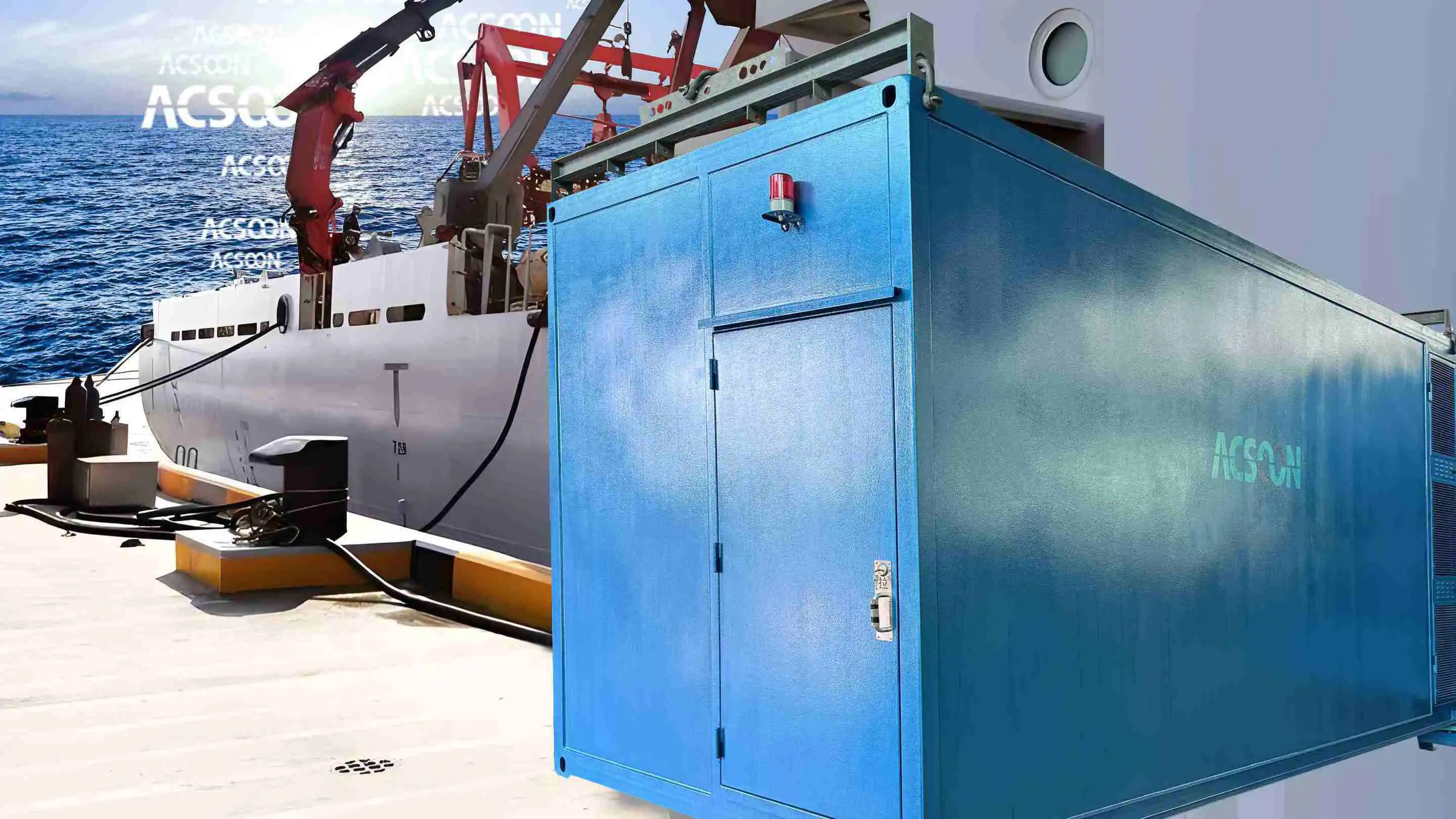
Containerised Static Frequency Converters are power conversion tools that can work on their own and are designed to work in tough conditions. Unlike most units that are placed on a skid or in a cabinet, these converters come fully assembled in weatherproof ISO containers or custom shelters made to handle harsh conditions in the ocean, the desert, or the cold.
Core Technology and Operational Principles
The basic design uses a double-conversion topology: Large-scale systems may use multi-pulse rectification or active front-end (AFE) technology to reduce harmonic distortion, which changes it to stable DC on an intermediate bus. Next, an advanced inverter stage precisely creates the output frequency that is needed. The double-conversion process helps isolate many input power disturbances and provides a controlled output waveform from upstream grids and keeps high-performance systems can achieve frequency stability better than ±0.01Hz depending on design and control technology and the voltage within ±1%. Many high-quality converters can achieve THD below 3% under specified linear load conditions when linear loads are applied, which is better than most utility grid quality requirements.
Applications Across Critical Industries
Containerised designs are very helpful for marine and offshore activities. Shore-to-ship power systems at military bases and business ports need to be able to reliably change frequencies so that ships can get power at 60Hz when they are linked to 50Hz regional grids or the other way around. The 1250kVA ACSOON containerised units can can be configured for different international shore power requirements. This means that ships don't have to run extra gas engines while they're in port, which saves money on fuel, lowers pollution, and protects machinery.
Aviation ground support is another important area of application. For checking avionics, hydraulic systems, and electrical parts, aircraft repair shops and flight lines need 400Hz power. Containerised solutions offer high-capacity, mobile 400Hz generation that can be moved around airfields as operating needs change. These solutions can meet the needs of both military and civilian aviation.
When bringing specialized equipment made for different regional power standards, industrial manufacturing plants often run into frequency problems. When connected to 60Hz North American grids, production equipment that is rated for 50Hz operation wears out faster and makes timing mistakes more often. When used in settings like semiconductor assembly, pharmaceutical production, and precision metalworking, a containerised frequency changer protects capital investments and keeps process control very accurate.
Key Factors Influencing Containerized Static Frequency Converter Prices
When procurement teams know what causes costs to go up or down, they can more critically examine quotes and deal better. It's still hard to see prices in this niche market, but there are a few major factors that always affect the end cost of acquisition.
Power Rating and Technical Specifications
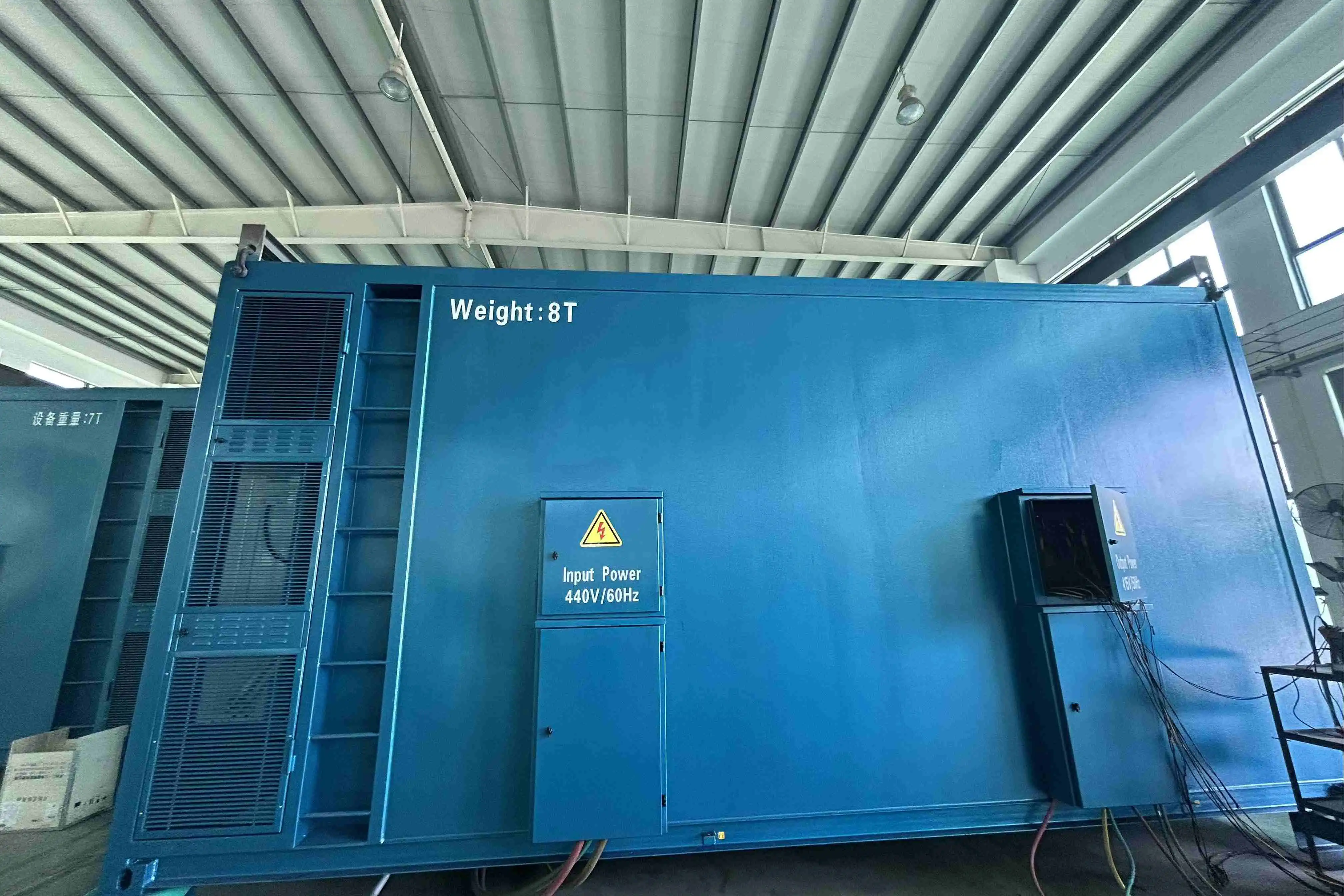
The main thing that determines price is capacity. Entry-level containerised units that deliver, while high-capacity systems that deliver more than 2000kVA. At 1250kVA, the ACSOON Containerised Static Frequency Converter has a medium- to high-capacity range. It delivers a lot of power while keeping costs low for large-scale applications.
The ability to change the voltage at the input and output adds value and complexity. Common voltage levels can be handled by standard three-phase configurations. However, customising for non-standard voltages like 440V or 690V or unique military specs needs more engineering and parts. Being able to take in both 50Hz and 60Hz input and output either frequency gives you more operating flexibility that is worth the extra cost for international businesses.
Ratings for environmental protection have a big effect on prices. Basic units that can be used in climate-controlled indoor spaces are a lot cheaper than containerised systems with an IP54 or IP65 rating that are made to withstand direct weather, salt spray, and wide temperature changes. Marine-grade units cost more because they are made with materials that don't rust, better cooling systems, and strong EMI protection.Marine environments may require anti-corrosion treatment, HVAC systems, and salt-mist protection.
Brand Reputation and Manufacturing Origin
Price premiums are given to well-known manufacturers with a track record in the defence, aerospace, and marine sectors. These premiums are based on decades of engineering improvement and reliability data. Because ACSOON specialises in aviation and military power systems, the brand is well-liked by procurement professionals who value mission-critical performance over lowest-bid pricing.
The ability to be an OEM adds strategic value. White-label suppliers let systems developers and big industrial companies use branded equipment that meets company standards while taking advantage of specialized production know-how. This gives you the freedom to work with the same suppliers for a long time and follow the same repair procedures at all of your locations.
Installation, Commissioning, and Support Services
Total cost of ownership includes a lot more than just the price of buying the tools. Professional installation services for containerised units usually add 8–15% to the base cost of the equipment. This depends on how the site needs to be prepared, how complicated the connections to utilities are, and how much work needs to be done to get it up and running. These service prices go up proportionally when they are used in remote areas or when launch times need to be shortened.
Warranty coverage and support after the sale vary a lot from one supplier to the next. Standard guarantees last between 12 and 24 months. Options that cover failures of parts for 5 to 7 years cost an extra 10 to 18% on top of the original price. Because some uses are so important, like naval operations, aircraft repair, or ongoing manufacturing processes, investing in longer warranties is often a good idea.
Here is a comparative overview of key pricing factors across different capacity ranges:
| Capacity Range | Typical Applications | Customization Premium | Installation Complexity | |
|---|---|---|---|---|
| 250-500 kVA | Laboratory testing, small workshops, mobile service units | 8-12% | Low to Moderate | |
| 500-1000 kVA | Medium industrial plants, shipyard services, aviation maintenance | 10-15% | Moderate | |
| 1000-1500 kVA | Large manufacturing, naval shore power, data centers | 12-18% | Moderate to High | |
| 1500-2500 kVA | Major maritime facilities, military installations, utility-scale projects | 15-22% | High |
Comparison of Containerized Static Frequency Converter Options
To choose from the different architectures that are out there, you need to know the basic trade-offs between containerised static designs and other conversion technologies.
Containerized vs. Skid-Mounted Configurations
When it comes to cost, skid-mounted frequency converters are better for long-term installs in climate-controlled spaces. Because they don't have weatherproof enclosures, built-in HVAC systems, or transport-optimised packaging, base prices are usually 15–25% lower than those of similar containerised units. But this saving seems to go away when you think about the changes that need to be made to buildings, the need for separate electrical rooms, and the need for fire control systems for installs inside.
Containerised options really let you just plug them in and start using them. When the units arrive at the site, they have already been checked and are ready to be connected to upstream feeds and downstream loads. Being able to move around easily is very helpful for military activities, short-term business projects, and buildings that plan to grow in the future. It's 15–25% more mobile than alternatives that are mounted on skids, which gives it strategic operational advantages that fixed installations can't match.
Static Solid-State vs Rotary Motor-Generator Converters
In rotary frequency converters, an induction motor that is driven by the input frequency is mechanically connected to an alternator that makes the output frequency. This well-known technology has a lot of problems, even though it has very high fault current capability and built-in overload tolerance. Static converters generally operate with lower noise levels because they eliminate mechanical rotating components,need a lot of preventative maintenance on the bearings and brushes, use more energy because of mechanical losses, and take up a lot more space.
There are no moving parts in static solid-state converters at all.Works almost quietly at less than 65 dBA, and needs very little upkeep beyond cleaning the air filter and checking the cooling fans every so often. The advantage in reliability is very important for unmanned remote installations and uses where downtime can have serious effects on safety or operations. At first, static converters cost 20–35% more than similar rotary units, but over their usual 15–20-year service lives, they have a cheaper total cost of ownership because they require less upkeep and work more efficiently.
Top-Rated Containerized Models for 2024
Leading companies have made improved containerised platforms with digital control systems, the ability to watch from afar, and modular power blocks that allow repair to be done in the field. Units with built-in energy management systems can connect multiple converters in parallel for backup or extra capacity, so they can handle the toughest task profiles.
Best practices for today can be seen in the ACSOON 1250kVA Containerised Static Frequency Converter. Its helps reduce harmonic impact on upstream power systems as much as possible, which keeps sensitive loads nearby from being affected. The three-phase design works with either a 50Hz or 60Hz mains source and gives you the freedom to choose the output voltage and frequency that works best for your equipment. This platform was designed to provide power to ships at sea, in shipyards, and from land to ships. It can connect reliably to dockside power systems around the world and can handle differences in voltage and frequency between international port facilities.
Modular construction lets you change the capacity above the normal 1250 kVA rating, so you can adapt to changing operating needs without having to replace all of your equipment. This ability to change saves capital investments as mission needs grow or building use increases over time.
How to Choose the Right Containerised Static Frequency Converter for Your Needs?
For strategic buying to work, all scientific, economic, and logistical aspects must be carefully considered and weighed. If you decide to buy something quickly based only on advertised specs or original price, you run the risk of expensive mismatches between what the equipment can do and how it works.
Defining Application Requirements Precisely
Characterising the load is the first step in choosing the right conversion size. When starting up, motor-dominant loads need converters with power ratings of three to five times the motor's base power to handle the inrush currents. This is true even if soft-starters or variable frequency drives are used to prepare the load. In a steady state, resistive heating loads and electronic power supplies don't cause too many problems, but they can create harmonic currents that need bigger converters or extra filtering.
Under-specification can be avoided with duty cycle analysis. Continuous-rated converters can handle 100% loading for an unlimited amount of time, while intermittent-rated units can handle short overloads but need time to cool down. Shore power systems that serve berthed ships usually need constant rates because ship hotel loads are always on when the port calls. On the other hand, aircraft ground test equipment may only work sometimes, which lets you choose a cheaper intermittent-rated converter.
Exposure to the environment directly determines the needs of the shelter. Marine-grade corrosion protection, sealed cable entry systems, and climate control that keeps internal temperatures within electronic component standards are all required for outdoor sites near the coast. When installed indoors in climate-controlled areas, enclosures can be made simpler, which lowers the cost of acquisition while maintaining reliability.
Evaluating Supplier Credentials and Capabilities
Technical knowledge is what sets real makers apart from resellers who just remake generic goods. Suppliers who work on military and aviation power systems have the engineering depth that is needed for mission-critical applications. Because ACSOON specialises in these tough areas, it shows that it can handle complicated needs that go beyond what's normally available on the market.
Being able to customize something is very important for applications that don't follow standard specifications. Flexible sellers are different from rigid catalogue vendors because they can change the output voltage, add custom safety methods, or add new monitoring interfaces. Large buying organisations can standardise on the specs they want for equipment while using specialized production partners with OEM support.
Inventory levels and lead times have a big effect on project schedules. When equipment breaks down or the project's scope changes, suppliers who keep enough stock on hand to deliver quickly avoid costly project delays. ACSOON's focus on managing inventory for urgent needs solves a problem that has been bothering people who buy specialized power equipment for a long time.
Procurement Best Practices and Negotiation Strategies
By asking for detailed technical offers from several qualified providers, you can get a sense of the different design approaches and set prices that are competitive. Performance guarantees should be required by specifications for things like output voltage regulation, frequency stability, efficiency, and power factor. Before shipping, factory acceptance testing protocols should make sure that all of these conditions are met.
A total cost of ownership study should look at everything from buying the equipment to installing and operating it, as well as the energy it uses and how much it is expected to be worth in the future. Over a 15-year service life, a converter that costs 15% more at first but is 3% more efficient and needs 40% less upkeep usually ends up being cheaper.
When you negotiate for bulk purchases, you can get big discounts. Framework deals should set bulk prices, standardized specs, and guaranteed delivery schedules for organisations that are planning multi-site deployments or expect to have needs that come up again and again. These kinds of deals lower transaction costs and get better business terms.
Future Trends and Environmental Impact
Frequency converters' features, prices, and how they work are always changing because technology is always changing. People who work in procurement can benefit from knowing about new trends that affect medium-term equipment strategies.
Technological Innovations Driving Market Evolution
Innovations in technology are changing the market. Silicon carbide (SiC) power circuits are being used in high-power converter designs. These allow for higher switching rates, less cooling, and better efficiency that gets close to 95%. SiC-based converters are currently 20–30% more expensive than regular silicon IGBT designs, but this difference should become smaller by 2026–2027 as production scales up, making higher efficiency available to more market segments.
Digital control platforms with AI algorithms improve the operation of converters based on the features of the load, the environment, and the quality of the power grid. Predictive maintenance algorithms look at running data to guess when a part will break days or weeks before it does. This lets replacements happen during planned maintenance times instead of having to be done when the system goes down without warning. These smart systems raise the initial cost of the equipment by 8–12%, but they make it much more reliable and lower the overall cost of ownership.
With the ability to connect to a smart grid, containerised converters become active assets on the grid instead of idle loads. Bidirectional power flow lets saved energy be released during times of high demand or utility problems, creating extra income streams that help cover the costs of ownership. Demand response involvement and frequency regulation services add value on top of their main purpose of converting power.
Environmental Sustainability and Regulatory Compliance
Containerised frequency converters help reach sustainability goals in a number of ways. Shore power systems that let ships that are docked turn off their backup diesel generators save hundreds of tonnes of carbon emissions and other pollutants every year per ship. A single 1,250 kVA shore power installation that serves cruise ships or military boats stops about 1,200 metric tonnes of CO₂ emissions every year. It also stops the release of harmful pollutants like particulate matter, sulphur oxides, and nitrogen oxides that are bad for port towns.
Improving energy efficiency cuts down on operating carbon loads in a proportional way. If a 1,000 kVA converter works 6,000 hours a year and becomes 2% more efficient, it will save about 120,000 kWh, which is the same as 85 metric tonnes of CO₂ in places that use fossil fuels for power production. The environment gains from the saves that add up over hundreds of installations.
Modular containerised construction makes it easier to fix up equipment and use parts again. Power processors become useless after a certain amount of time, but structure enclosures, transformers, and other systems can still be used. Manufacturers that offer update programs that let you add new inverter modules to old containers make them last decades longer, which reduces the amount of carbon that is released when they are replaced.
The following table illustrates the environmental impact comparison between different power supply methods for berthed vessels:
| Power Supply Method | Annual CO₂ Emissions (metric tons) | Particulate Matter (kg) | NOx Emissions (kg) | Operational Cost Index |
|---|---|---|---|---|
| Auxiliary Diesel Generators | 1,200 | 45 | 180 | 100 (baseline) |
| Containerized Shore Power | 0 (at point of use) | 0 | 0 | 45-60 |
| Hybrid Shore Power + Battery Storage | 0 (at point of use) | 0 | 0 | 40-55 |
Conclusion
Containerised static frequency converters are expensive purchases that need to be carefully thought out in terms of technical specs, total ownership costs, and provider capabilities. Prices vary greatly depending on the unit's capacity, level of customisation, and engineering for a particular application. For example, the ACSOON 1250kVA platform has been used reliably in naval, aviation, and industrial settings. A good buying process weighs up the initial cost against the overall value over time, giving more weight to providers that show technical know-how, the ability to adapt to different needs, and quick customer service. As technology improves and smart grids become more integrated, early adopters gain a competitive edge by having lower operating costs and better operational resilience. Strategic buyers who carefully consider what they need, compare options in a planned way, and make full service agreements set their companies up for long-term success in operational settings that are getting harder to work in.
FAQ
What primary factors determine pricing differences among containerised static frequency converters?
Ratings for power output have the most impact, with prices going down roughly in line with ratings from 250kVA to 2500kVA. Costs go up because of technical details like input/output voltage flexibility, frequency conversion range, and environmental protection ratings. Prices are also different depending on the brand's reputation, the length of the warranty, and the level of customization needed. For example, military and marine applications usually pay more than commercial industrial units.
Can containerised units provide simultaneous voltage and frequency conversion?
Yes, most industrial-grade containerised static frequency converters can change both voltage and frequency. The ACSOON platform can take a standard three-phase mains supply with an input frequency of either 50Hz or 60Hz. It then gives you a choice of output voltage and frequency. This ability to convert between two voltages is very useful for international business where equipment made for 400V/50Hz needs to work with 480V/60Hz power or the other way around.
How do maintenance requirements compare between containerised static and rotary converters?
Maintenance for static solid-state converters is pretty low. The air filter needs to be cleaned every three months, and the cooling fan needs to be checked once a year. DC-link capacitors need to be changed about every 5 to 7 years. Every 6 to 12 months, rotary motor-generator converters need to have their bearings oiled, their brushes changed, and their mechanical balance checked. Every 3 to 5 years, they need a major overhaul. This difference in care makes static technology the best choice for sites that are far away or not manned and where getting to services is hard.
Partner With JERRYSTAR for Your Containerized Static Frequency Converter Requirements
When dependability is important, JERRYSTAR specialises in providing ACSOON-brand power conversion systems made for testing in flight, the military, ships, and factories. Our containerised static frequency converter systems offer power capacities that can be changed from standard 1250kVA setups to custom rates that meet the needs of specific operations. As a business that both makes and sells things and has a lot of experience with flight and military power systems, we keep enough in stock so that we can quickly meet urgent needs. Our technical team works closely with procurement professionals to choose the best configurations, negotiate fair prices, and make sure that the installation goes smoothly. If you need shore-to-ship power systems that work with dockside infrastructures around the world, aviation ground support equipment, or frequency conversion for imported factory equipment, JERRYSTAR has solutions that have been tried and tested and come with full support. Contact our team at acpower@acsoonpower.com to discuss your specific requirements with a containerised static frequency converter supplier that is dedicated to providing excellent technical support and quick response times.
About Us
