




How Does a 60Hz to 50Hz Frequency Converter Work? Complete Guide for 220V AC Power Conversion
A Frequency Converter 60Hz to 50Hz 220V uses a complex double-conversion design to change the incoming 60Hz AC power to a stable 50Hz output at 220V. The device works in three steps: it changes the AC input to DC, filters it through a DC link, and then converts the DC power into a controlled 50Hz AC output waveform through an inverter stage. This change fixes the important grid-equipment mismatch issue that international procurement teams face when they have to manage power equipment made for European or Asian standards in North American facilities.
Understanding the Basics of Frequency Conversion
When putting machines in places with different electricity standards, global industrial operations often run into problems with equipment not working together. North America mainly uses 60Hz electrical systems, while many countries in Europe, Asia and Africa operate on 50Hz grids, while Europe, Asia, and Africa all use 50Hz networks. This difference in frequency has a direct effect on how well the equipment works and how safe it is to use.
Why Do Frequency Differences Matter in Industrial Applications?
The speed at which induction motors and synchronous motors is based on the frequency of the alternating current. When equipment rated for 50Hz is connected to a power source rated for 60Hz without the right conversion, for frequency-dependent motors, operating a 50Hz-rated motor on a 60Hz supply can increase synchronous speed by approximately 20%, which may affect performance and thermal conditions than they were meant to. This mismatch leads to too much wear on the bearings, heat stress on the windings, and insulation breaking down too soon. To make lab testing settings the same as foreign working conditions during the validation phases of a product, precise frequency control is needed.
Voltage and Frequency Relationships in Power Systems
Power systems keep a certain voltage-to-frequency ratio (V/f) to ensure that motor cores have the right amount of magnetic flux. Core overload or under-excitation happens when this ratio is thrown off. It's not possible for equipment that is rated for 220V at 50Hz to just work on 220V at 60Hz without running into these electromagnetic imbalances. Frequency conversion technology keeps the right V/f relationship while changing the power characteristics to fit the needs of the equipment.
Regulatory Compliance and Equipment Longevity
Many industrial power systems consider EMC requirements such as IEC 61000 standards when designing and installing electrical equipment. for electromagnetic compatibility and regional safety certifications. Using imported equipment with incompatible power supplies voids the warranty and may create compliance issues or affect equipment warranty conditions. By keeping the equipment's design working parameters, reducing unplanned maintenance, and stopping catastrophic failures during key production cycles, proper frequency conversion increases the equipment's useful life.
How Does a Frequency Converter 60 Hz to 50 Hz 220 V Work?
To separate the input grid from the output load, a frequency converter 60Hz to 50Hz, 220V uses power circuits as part of its technical design. When buying managers understand this conversion process, they can choose the right tools for tough jobs.
The Three-Stage Conversion Process
At the start of the process, a rectifier stage changes the three-phase 60Hz AC input into direct current. Depending on the power rate needs, this stage usually uses either controlled thyristor circuits or diode bridges. The DC voltage that has been rectified goes into an intermediate DC link that has large capacitor banks that smooth out voltage ripples and store energy.
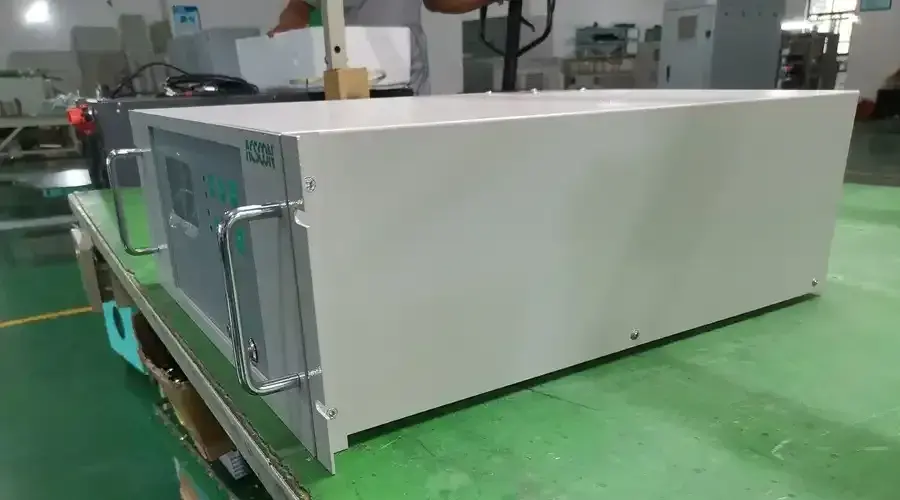
The inverter stage is the most important part because it's where the precise 50Hz pulse generation happens. Insulated Gate Bipolar Transistor (IGBT) technology and Pulse Width Modulation (PWM) switching techniques are used in modern converters. Modern static frequency converters commonly use IGBT-based PWM technology to achieve precise output control., making a stepped wave that is close to a sine wave. Filtering circuits then smooth out the wave to a clean 50Hz output. This technology is shown by the ACSOON AF series frequency converters provide stable voltage and frequency output for precision power applications even when the load changes.
Galvanic Isolation and Harmonic Management
Output isolation transformers keep the input and output circuits electrically separate in high-specification converters. This galvanic isolation stops the transfer of common-mode noise and keeps sensitive loads safe from grid disruption. Total Harmonic Distortion (THD) stays below 3% when linear loads are applied. This makes it low harmonic distortion helps improve power quality for sensitive industrial and testing equipment that can't handle waveform distortion.
Impact on Sensitive Industrial Equipment
To keep the temperature even, precision heating systems need power delivery that is very stable. Even small changes in frequency, like 0.5%, can mess up the thermal patterns in methods for making semiconductors or testing materials. Rack-mounted static frequency converters provide the controlled single-phase output that these demanding applications need. This prevents timing synchronisation errors that can occur when frequency-dependent control systems are used outside their design parameters.

Choosing the Right Frequency Converter for 60 Hz to 50 Hz, 220 V Applications
To choose the right conversion equipment, you need to carefully look at the technical specs and make sure they match the needs of the operation. When making decisions about what to buy, you should weigh the performance requirements against the limitations of the installation space and your budget.
Power Rating and Load Characteristics
There needs to be a safety margin between the frequency converter's 60Hz to 50Hz 220V power rating and the load it is connected to. This margin should account for inrush currents and transient conditions. When they are first turned on, inductive loads like motors use 5 to 7 times their maximum power. When it comes to leading power factors, capacitive loads pose different problems. The AF60W-31004 model's 4kVA grade works well for precision heating equipment with steady power needs, but it must be carefully analysed for motor-driven systems.
Input Voltage Flexibility and Installation Environment
By looking at the load profile over the course of an operational cycle, you can avoid undersizing, which can cause protective shutdowns during times of high demand. Continuous duty ratings are different from irregular duty ratings, especially when it comes to how well they handle heat. The equipment specs should make it clear which mode of operation the equipment is in.
Because of grid loading and transport losses, voltage changes in industrial sites. When the input voltage changes, converters with wide error ranges can handle it without affecting the steadiness of the output. The three-phase 208V-480V input range works with a wide range of North American facility power setups, so you don't need extra tools to regulate the voltage.
Comparison of Conversion Technologies
Knowing the differences between rotating converters, static frequency converters, and variable frequency drives helps you choose the best ones for your needs. The following methods are compared in the table below:
| Technology Type | Conversion Method | Efficiency | Output Quality | Maintenance Requirements |
|---|---|---|---|---|
| Static Frequency Converter | Between AC and DC and AC | 92% to 95% | THD <3%, frequency steadiness ±0.1% | Not much, and no moving parts |
| Rotary Frequency Converter | Motor and generator set | 85-88% | THD 5-8%, stabilisation by mechanical inertia | On-going cleaning for bearings and brushes |
| Variable Frequency Drive | AC to DC to AC with speed control | 90–93% | THD 3-5%, best for motor loads | Changing filters and keeping the cooling system in good shape |
When compared to mechanical options, static frequency converters provide better product quality and dependability. Variable frequency drives are excellent for controlling motor speed, but they don't have the precise frequency stability that testing equipment and synchronous machinery need. Rotary systems are strong in tough settings, but they need to be serviced regularly, which raises the cost of ownership over time.
Practical Applications and Benefits of Using Frequency Converters (60Hz to 50Hz, 220V)
Frequency converters from 60 Hz to 50 Hz (220 V) help many different types of businesses solve important practical problems. Knowing about these uses helps procurement teams find ways to make equipment work better with each other and make operations run more smoothly.
Manufacturing and Production Line Integration
Frequency converters are used during plant acceptance tests by U.S. companies that sell goods in other countries. Before they are shipped, the performance of CNC machines, robotic assembly systems, and automatic material handling equipment is checked by running them in real 50Hz circumstances. This testing protocol stops expensive failures in the field and lowers the number of warranty claims caused by operational problems related to frequency.
Production centers that use tools made in Europe face the opposite problem. A lot of the time, specialised equipment for processing textiles, making medicines, or preparing food comes set to work on 50Hz. By installing the right conversion equipment, you can start using it right away, without having to wait for special motor replacements or control systems to be rebuilt.
Aerospace and Defense Testing Applications
Aviation ground support equipment is tested thoroughly in a range of power situations. To test 400Hz aircraft systems, you need special tools for conversion, and to test parts of electronics made for foreign markets, you need to accurately simulate 50Hz power. To meet the requirements for military purchases, all NATO-standard power systems must be tested for compatibility. This means that labs must keep their ability to convert between different frequencies.
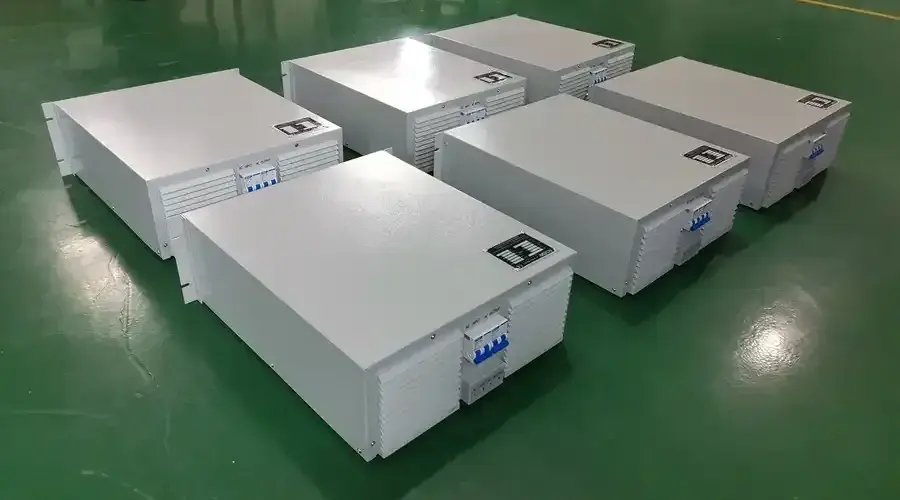
The AF60W-31004 and other units like it can be easily placed on a rack, making them perfect for test benches where room is limited and electromagnetic interference needs to be controlled. The voltage spikes and frequency drift that come with cheaper conversion tools are too much for these precise uses to handle.
Marine and Industrial HVAC Systems
When ships built to North American electrical standards dock at international ports, they connect to 50Hz shore power. By installing fixed frequency conversion systems, ships don't have to use diesel engines during port calls. This cuts down on emissions and fuel costs while keeping the temperature control and refrigeration systems running. Connecting to shore power can save you energy, and the savings usually pay for the conversion within two years of use.
To keep exact airflow rates, industrial HVAC systems that work in cleanrooms or climate-controlled storage facilities need motor speeds that don't change. Changes in frequency can affect how well fans work and mess up tried-and-true environmental control protocols. Dedicated frequency conversion for important HVAC circuits makes sure that facilities that make drugs and semiconductors follow the rules.
Laboratory and Research Equipment Reliability
Research institutions often purchase specialised testing tools from companies around the world. Thermal analysis systems, electron microscopes, and mass spectrometers all have synchronous motors and frequency-dependent timing circuits that are set up to meet certain power standards. Using these tools with power sources that aren't compatible leads to measurement errors that hurt the validity of the study.
This source of systematic error can be removed by sending separate, frequency-converted power to specific devices or whole lab areas. Precision converters have standards for voltage regulation and frequency stability that are the same as or better than the power quality of specialised laboratory power distribution systems. This means that experimental results can be repeated.
Facilities should think about their specific operational needs before putting in place frequency conversion solutions. Here are the main benefits that this technology gives us:
- Equipment Protection: Keeping the right V/f ratios stops motors from overheating and increases their useful life by 30 to 50 per cent compared to using frequency supplies that aren't compatible.
- Operational Flexibility: Facilities can use the best technology available, no matter where it comes from, so they don't have to make adjustments because of power standard compatibility issues.
- Energy Efficiency: Running the motor at its optimal frequency cuts power use by 8–12% compared to running it off-frequency and making voltage adjustments to make up for it.
- Downtime Reduction: Getting rid of failures that happen often cuts down on unplanned upkeep and the production costs that come with it, especially in industries that use continuous processes.
These benefits directly address the total cost of ownership issues that drive choices about buying capital equipment. Beyond the cost of the initial purchase, conversion equipment pays for itself by lowering operating costs and making assets last longer.
Troubleshooting and Maintenance Tips for Frequency Converters (60Hz to 50Hz, 220V)
For Frequency Converters 60Hz to 50Hz 220V to work reliably, you must install them correctly, inspect them regularly, and fix any problems quickly. Planned maintenance should take into account how important the supported equipment is and whether there are working backups available.
Common Operational Issues and Diagnostic Approaches
Overheating is the most common problem with converters. This can happen because there isn't enough air flow, the temperature outside is too high, or dust has built up and blocked airflow through cooling fans. Built-in sensors that check the temperature inside give early warnings before thermal safety circuits shut down the device. Keeping the clearances listed in the installation guides stops hot exhaust air from going back into the system.
Voltage fluctuations at the output of the converter show that the DC link's potential capacitor is degrading or that filter components are failing. By measuring voltage consistently under different loads, you can tell if the problem is with the converter itself or with the power quality upstream. Monitoring the input power can tell the difference between problems caused by the utility and those caused by the converter.
Preventive Maintenance Protocols
Inspections should be done on a regular basis, either every three months in demanding situations or once a year in controlled settings. These checks listen for noises and make sure that electrical connections are tight. They also listen for bulging or leaking capacitors that could mean they are nearing the end of their useful life. Thermal imaging finds hot spots that are starting to form before they cause parts to break.
How often filters need to be replaced depends on how much dust is in the working area. Installations in cleanrooms can go five years without having their filters changed, but floors in factories need to be serviced every year. Keeping thorough service logs sets baseline performance measures that show patterns of gradual degradation that need to be fixed before they get worse.
Warranty Compliance and Supplier Selection Criteria
By choosing converters from approved makers, you can be sure that they meet safety standards and electromagnetic compatibility rules. Third-party approval of design and production quality is shown by CE marking, UL listing, and IEC certification. The warranty terms should make it clear how long the service lasts, how long it takes for technical help to respond, and when replacement parts are available.
Evaluating supplier capabilities beyond initial product purchase proves critical during extended equipment lifecycles. Here is a comparison of supplier service capabilities:
| Service Aspect | Direct Manufacturer | Distributor Network | Value-Added Reseller |
|---|---|---|---|
| Technical Support | Application advice and engineering-level knowledge | Knowledge of the product and basic troubleshooting | Help with integration and system-level optimisation |
| Spare Parts Availability | Full inventory of parts and custom parts | Standard parts and common refills | Inventory carefully chosen for apps that can use it |
| Customization Capability | Custom design and OEM plans in full | Only allows changes to catalogues | Solution packaging and integration of multiple vendors |
| Bulk Pricing Programs | Discounts for large orders and personal account management | Different price levels | Project-based pricing and solutions that come together |
Xi'an Jerrystar Instrument Co., Ltd. is both a maker and a trading business. It gives ACSOON engineers direct access to its resources and keeps a large inventory on hand for quick deployment. This mixed model combines the speed and expertise of local marketing with that of original equipment makers.
Quality Assurance and After-Sales Support
Protocols for plant acceptance tests that check performance specs before shipment help bulk procurement programs. Calibration certificates, test results, and thorough operational manuals should all be included in documentation packages. Setting up clear lines of contact with technical support teams cuts down on the time it takes to fix problems in the field.
Global service availability becomes critical for multinational operations. Suppliers with service centers in the area cut down on the downtime that comes with returning and fixing equipment. Remote diagnostics let you do basic fixing without having to go to the site, which speeds up the resolution of the problem.
Conclusion
Frequency converter 60Hz-to-50Hz 220V technology is an important way for global businesses to ensure their equipment works with equipment that uses different power standards. The double-conversion design used in static frequency converters provides accurate frequency control, voltage regulation, and waveform quality that keeps sensitive equipment safe and ensures reliable operation. When specifying conversion equipment, people in charge of buying things have to look at things like power ratings, load characteristics, environmental factors, and the supplier's abilities. These include test rooms for manufacturing, proof labs for aerospace, marine systems, and research centers that need power quality that can't be beaten. Proper maintenance procedures and partnerships with suppliers can extend the life of tools and keep operations running as smoothly as possible.
FAQ
Is frequency conversion necessary for all 220V equipment moving between regions?
Not all equipment needs to be able to change frequencies. Frequency changes don't affect the performance of resistive heating loads, incandescent lighting, or universal power supplies. But induction motors, synchronous machinery, timing circuits, and precise instruments that are made for certain frequencies need to be converted correctly to keep them from breaking and to keep their performance specs.
How do I determine the appropriate converter power rating for my application?
Find the total linked load, which includes all the equipment that is running at the same time. For inductive loads, add 25 to 30 per cent extra to account for inrush currents that happen when the motor starts up. Check the load power factor requirements because loads with a low power factor need higher Frequency Converter 60Hz to 50Hz 220V rates than their wattage suggests. A thorough load study stops undersizing, which leads to annoying shutdowns.
What shipping and warranty terms apply to bulk converter orders?
Manufacturers usually offer savings for buying in bulk starting at 5 to 10 units, with different prices for bigger orders. The shipping terms are based on Incoterms, and buyers can choose between FOB, CIF, and DDP. Most warranties cover the product for 12 to 24 months after it is installed, but longer warranties are also available. When you place a large order, you can often get specialised technical help and faster access to spare parts.
Partner with JERRYSTAR for Reliable Frequency Converter 60Hz to 50Hz 220V Solutions
To solve problems with power conversion, you need to work with Frequency Converter 60Hz to 50Hz 220V makers who have a lot of experience and know what the most important application requirements are. The ACSOON brand is what Xi'an Jerrystar Instrument Co., Ltd. does best when it comes to static frequency converters for the aviation, military, marine, and lab testing industries. Our 5,000–10,000-square-meter factory in Shaanxi Province keeps enough stock on hand to guarantee fast shipping, meeting urgent buying needs that can't wait for long lead times.
Custom solutions take into account particular needs for power, the surroundings, and integration. Equipment manufacturers and system integrators can get private labelling and features that are made just for them through OEM programs. Technical consulting services help engineering teams choose the right conversion tools based on the features of the load and the performance goals. Contact our team at acpower@acsoonpower.com to talk about your frequency conversion needs and get full product specs for the AF60W-31004 or other models that will work for you. JERRYSTAR provides the technical dependability and quick service that important applications need, whether they are looking for a few units for a lab or a lot of them for a production facility.
References
1. Institute of Electrical and Electronics Engineers (IEEE). IEEE Standard 519-2014: Recommended Practice and Requirements for Harmonic Control in Electric Power Systems. New York: IEEE Press, 2014.
2. Chapman, Stephen J. Electric Machinery Fundamentals, Fifth Edition. New York: McGraw-Hill Education, 2012.
3. Rashid, Muhammad H. Power Electronics: Circuits, Devices, and Applications, Fourth Edition. Boston: Pearson Education, 2014.
4. International Electrotechnical Commission. IEC 61000-2-2:2002 Electromagnetic Compatibility (EMC) - Part 2-2: Environment – Compatibility Levels for Low-Frequency Conducted Disturbances. Geneva: IEC Central Office, 2002.
5. Bollen, Math H.J., and Fainan Hassan. Integration of Distributed Generation in the Power System. Hoboken: John Wiley & Sons, 2011.
6. Mohan, Ned, Tore M. Undeland, and William P. Robbins. Power Electronics: Converters, Applications, and Design, Third Edition. Hoboken: John Wiley & Sons, 2003.