




How to Select the Right Containerized Static Frequency Converter Supplier?
To find the best containerised static frequency converter provider, you need to plan ahead and think about how to combine technical accuracy, dependability, and the value of a long-term relationship. Industrial procurement teams that work in manufacturing, aviation, marine, and the military need suppliers who can do more than just deliver hardware. They need partners who can offer custom power solutions, quick access to inventory, and responsive engineering support. A good supplier makes sure that operations don't stop, reduces the chance of downtime, and provides power conversion equipment that meets strict requirements for mission-critical uses. You have to look at certifications, professional skills, how quick the supply chain is, and how committed the company is to protecting your investment after the sale.
Understanding Containerized Static Frequency Converters and Their Market
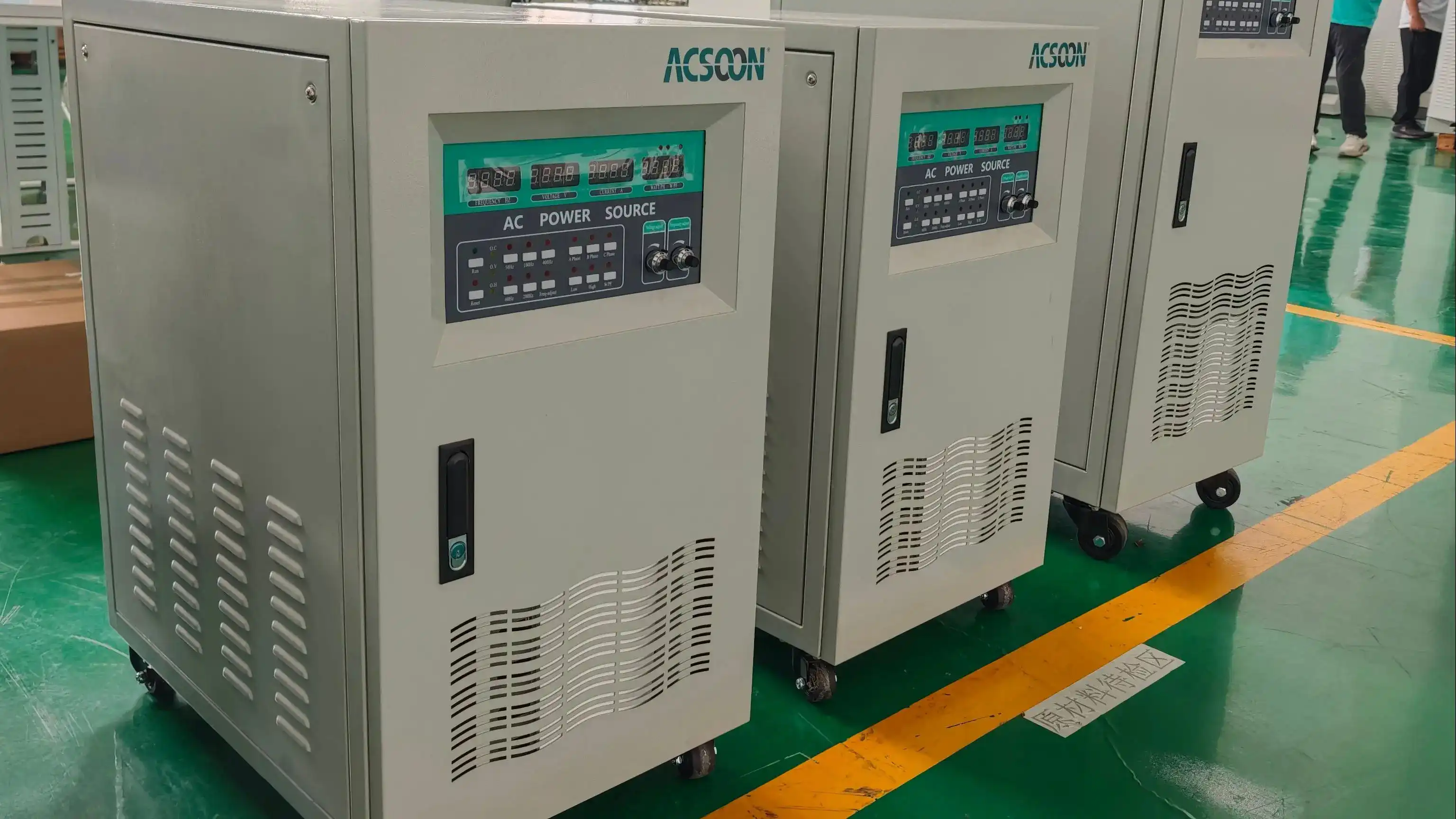
Containerised static frequency converters are a mix of high-tech power electronics and tough industrial packaging. These units use solid-state frequency conversion technology and come in weather-resistant, ISO-compatible container structures designed for quick deployment and harsh operating environments.Modern containerized static frequency converters commonly use IGBT-based power modules, while some high-power systems may adopt advanced semiconductor technologies such as IGCT or SiC devices depending on power rating and efficiency requirements. The containerised format has clear benefits over traditional rack-mounted or cabinet-style converters, such as being easier to move and install and naturally protecting against dust, moisture, and temperature changes.
Why Do Containerised Designs Matter for Critical Applications?
Containerised power systems are very helpful for businesses that work in hard-to-reach or remote areas. Offshore platforms, shipyards, and military forward operating sites need tools that can handle the harsh conditions of the ocean, sudden changes in temperature, and vibrations from moving parts. The self-contained design gets rid of the need for separate rooms for equipment, which cuts down on building costs and speeds up project timelines. Shore-to-ship power supply systems depend on containerised units that can quickly support different international shore power standards through configurable voltage and frequency outputs without a lot of site setup. This is especially true for systems that serve ships with different frequency needs.
Current Market Dynamics and Supplier Landscape
There are three main types of suppliers in the ecosystem: original equipment makers (OEMs), which develop and make converters themselves; authorised dealers, which keep regional supplies and support networks up to date; and trading companies, which make it easier to buy things across borders. Each group meets a different set of buying wants. OEMs, such as ACSOON, give you direct access to engineering teams, the ability to make changes, and detailed technical documentation. Distributors offer localised support and faster delivery for common setups, and trading companies can help with problems that come up when you need to buy something from another country. Recent changes in the industry show that people want devices that can convert between 50Hz and 60Hz frequencies, have higher power densities, IEC 61000-6-4 industrial electromagnetic emission requirements.
Core Criteria for Selecting a Containerized Static Frequency Converter Supplier
Decisions about what to buy must be based on objective evaluation criteria that take into account both short-term technical needs and long-term operational issues. Because frequency conversion technology is so complicated and most applications are mission-critical, choosing a supplier for a containerised static frequency converter is as much a risk management exercise as it is a buying decision.
Product Quality and Certification Standards
The qualifications for certification are used to judge a seller. Product-specific certifications like depending on application requirements, suppliers may need CE, UL, IEC compliance, or military-related environmental and EMC testing. show that they meet safety and performance standards. ISO 9001 certification shows that a seller is managing quality in a systematic way. When looking at different providers, make sure you ask for proof of third-party testing results, such as Total Harmonic Distortion (THD) readings under different load situations, accurate output voltage regulation, and transient response traits. For sensitive applications, many high-quality converters provide THD levels below 3% and voltage regulation around ±1%, depending on design requirements for linear loads and voltage regulation within ±1% across the entire load range.
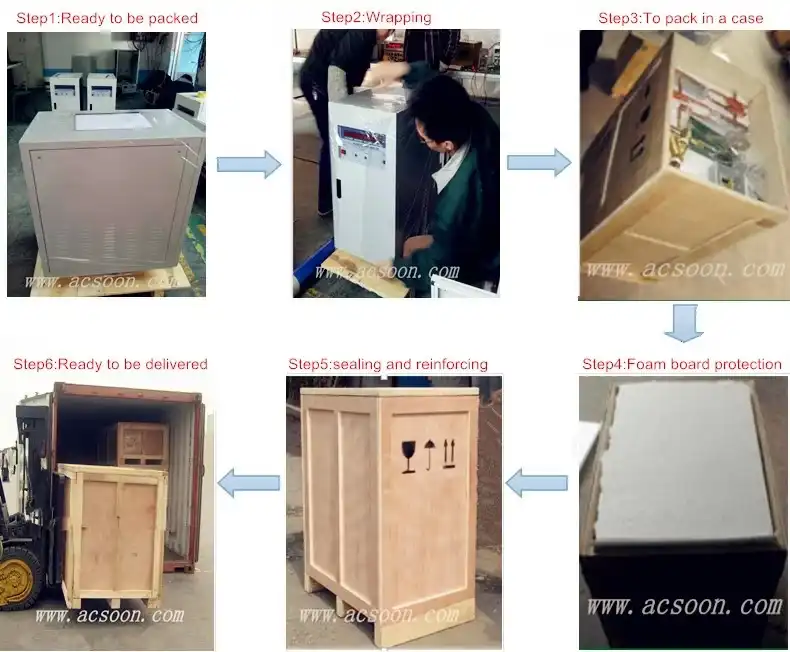
Check the production method for rigour as well as certifications. Burn-in testing, which involves running units at full maximum capacity for long periods of time, is done by suppliers with established quality control methods to find early-stage component failures before they are shipped. This method. Many experienced manufacturers perform burn-in or load testing before shipment to improve reliability. that make power systems for aeroplanes and the military, greatly lowers the number of failures that happen in the field.
Technical Expertise and Engineering Support
The technical skill of your supplier's engineering team has a direct effect on the success of the project. Check how well they can do pre-sales application engineering, such as load analysis, harmonic assessment, and system integration suggestions. Suppliers with a lot of technical knowledge can tell you the right converter rates based on the inrush current characteristics of your equipment. This is very important when powering motor loads that may draw three to five times the rated current when they first start up.
After-sales engineering support should include help with installation, commissioning, training operators, and ongoing support for fixing problems. Ask possible suppliers if they offer field service, how long it usually takes for them to answer technical questions, and if they have any remote diagnostic tools available. Manufacturers who keep specialized hotlines run by application engineers show that they care about their customers' success after the sale.
Supply Chain Reliability and Inventory Management
A lot of the time, buying a frequency converter is a matter of operational urgency. Shipyards can't keep up with repair plans when equipment breaks down, and research projects can't finish on time when tests take too long. Suppliers who keep enough goods on hand to deliver quickly have an edge over their competitors. Look into how long their normal lead times are for standard configurations versus custom-built units, how many units you have to buy, and how quickly they can ship when you need it.
Supply chain openness is important for everyone. Reliable suppliers keep lines of contact open and give real-time information on the state of orders, the progress of production, and shipping plans. People who support unique solutions should explain how they handle technical changes, how long it takes to make prototypes, and how they can increase production.
| Evaluation Criterion | What to Assess | Red Flags |
|---|---|---|
| Certifications | Meeting ISO 9001, CE, UL, and MIL-STD standards with proof | Test reports missing and certificates that have expired |
| Technical Support | Pre-sales engineering, a hotline that's open 24/7, and field service | Not enough technical information and slow response times |
| Inventory & Lead Time | Stock levels and normal vs. custom arrival times | Deliveries that aren't clear, and no choices to speed things up |
| Pricing Transparency | Quotes with lots of information about the parts and the total cost of ownership | Unknown warranty terms and hidden fees |
Comparing Containerized Static Frequency Converters: Supplier and Product Differentiators
Knowing the technical differences between product architectures makes it easier to match the skills of tools to the needs of an application. Different frequency converters don't work the same way, and containerised designs add extra factors that change how well they work in certain situations.
Containerized vs. Alternative Configurations
Containerised units are very different from skid-mounted and cabinet-style converters in how they can be set up and how well they can handle harsh environments. Skid-mounted systems aren't very portable, and they can't withstand bad weather, so they work best in indoor workplace settings but not so well in outdoor or sea settings. Cabinet-style units have small footprints that make them perfect for fixed installations in controlled settings, but they can't be moved around as easily. The containerised version works great for uses that need to be moved around a lot, are exposed to bad weather, or need to be set up quickly with little site preparation.
When contrasting configurations, think about how hard they are to install and how long it takes to deploy everything. When compared to field-assembled options, containerised systems usually only need the base to be prepared and the electricity to be connected. can significantly reduce onsite installation work compared with field-assembled systems.This benefit is especially useful for retrofitting offshore platforms and setting up temporary military bases where there aren't many building materials available.
Performance Benchmarks and Technical Specifications
The most visible specification is the power rating, but deeper technical factors decide how well it will work in the real world. Newer containerised static frequency converters, High-power systems may adopt technologies such as multi-pulse rectification or active harmonic control depending on application requirements layout that cuts down on input current harmonics by a lot compared to simpler 6-pulse designs. This design creates less harmonic noise on the supply side, which makes it easier for sensitive grid-connected equipment to work with and lessens the stress on the infrastructure.
Input voltage tolerance and frequency freedom define operational adaptability. Units that can take a three-phase mains supply at either 50Hz or 60Hz and offer adjustable output voltage and frequency can be used in a wide range of global application situations. This flexibility is especially useful for shore-to-ship power uses, since ships from different countries use tools made for different electrical standards. When handling foreign fleets, not having to worry about compatibility issues is taken care of by equipment that can easily connect to any dockside power system in the world.
Efficiency ratings impact operational costs over the equipment lifecycle. Premium converters are more than 92% efficient at rated load, which means they use less energy and don't need as much cooling. When looking at claims of efficiency, you should ask for performance graphs that show efficiency across the full load range, since some designs lose a lot of efficiency at partial loads.
Warranty Coverage and Maintenance Agreements
Structures of warranties show how confident the seller is in the stability of the product. Standard warranties usually last between 12 and 24 months, but for major parts, makers that focus on important uses will often cover them for 36 to 60 months. Carefully look over the warranty's limitations, as some manufacturers won't cover systems that are in corrosive environments or that go beyond the recommended job cycles without proper notice.
Preventive maintenance agreements provide long-term operational assurance. Comprehensive programs include scheduled inspections, thermal imaging of power components, testing of DC-link capacitors, maintenance of the cooling system, and firmware updates. When done the way the maker suggests, these services make equipment last longer and keep it working at its best. When suppliers offer these kinds of programmes, it shows that they care about building long-term relationships with customers instead of just making sales.
Procurement Process: How to Effectively Source and Order from Your Supplier
When buying complicated power conversion tools, structured purchase methods lower risks and improve results for a containerised static frequency converter. The process starts long before the seller is contacted and goes all the way through testing and making sure the system works well.
Defining Technical Specifications and Application Requirements
Creating accurate specifications keeps equipment capabilities and operational needs from not matching up, which can be very expensive. Start by writing down information about the load, such as the total linked load, the starting current needed for motor-driven equipment, and any devices in your electrical system that are sensitive to harmonics. For frequency conversion tasks that serve lab test equipment or precision manufacturing machinery, the output frequency may need to be stable within ±0.01Hz. For less important tasks, a variation of ±0.5Hz is fine.
The environment has a big impact on the choice of tools and how it is set up. For containerised units going to coastal ocean sites, they need coatings that don't rust, better seals (IP54 or higher ingress protection), and higher temperature ratings. For environmental stress screening, such as vibration, humidity, and temperature cycling tests, military procurement specifications often say that products must meet MIL-STD-810.
Crafting Comprehensive Requests for Quotation
RFQs that work do more than just ask for prices and delivery times. Include specific technical needs, compliance standards that apply, paperwork that needs to be made, training that is needed, and service level expectations. Make it clear if you need plant acceptance tests before the shipment, help with setting up the equipment on-site, or training for the operators. At this point, clarity keeps things from getting confusing and lets you compare costs correctly.
Ask for detailed quotes that include the price of the equipment, shipping and handling, installation services, training, suggestions for spare parts, and options for an extended warranty. This openness makes it easier to look at the total cost of ownership instead of just comparing prices.
Negotiation and Contract Finalization
When negotiating, more than just price should be taken into account. When making delivery plans, especially for unique configurations, it's important to be realistic and report work at regular intervals. Terms of payment may include down payments, payments in progress based on manufacturing goals, and full payment after successful launching. Suppliers who offer flexible payment plans or accept letters of credit show that they are willing to work with a variety of purchasing methods.
Service level agreements spell out what the provider is responsible for and what the performance standards are. Set acceptable reaction times for technical support questions, dates for sending service to key failure sites, and promises about when spare parts will be available. These parts of the deal give you options if the supplier doesn't meet your standards.
Ensuring Long-Term Success: Maintenance, Troubleshooting, and Supplier Relationship Management
Buying equipment is more like the start of a relationship with a seller than the end. Operational success over the lifetime of an item of equipment rests on good maintenance practices and working together to solve problems when they come up.
Preventive Maintenance Requirements
Containerised static frequency converters need regular maintenance that is specific to their duty cycle and working environment. Maintenance on the cooling system is the most important thing to do because dust and other particles that build up on heat sinks and fans cause thermal stress that breaks down power semiconductors. Cleaning the air filters, making sure the fans work, and using thermal imaging to find hot spots that mean parts are breaking down should all be part of every three-month inspection.
Over time, DC-link capacitors, which are important parts of the conversion topology, lose some of their capacitance. Every year, measures of capacitance find signs of ageing before they affect function. Power semiconductor lifetime is strongly affected by thermal stress, switching conditions, and operating environment and how to change them. By replacing capacitors before they fail, you can avoid sudden problems that could stop important activities.
Control system firmware updates, which are often forgotten, fix bugs and make the system work better. Set up a regular time to check manufacturer websites or call technical support to see what updates are available, and plan to apply them during scheduled maintenance windows.
Common Fault Identification and Resolution
Knowing the most common ways that things go wrong speeds up the fixing process when problems happen. Most of the time, annoying overcurrent trips are caused by incorrectly calibrated current transformers, not real overloads. On the other hand, persistent overvoltage alarms may mean that voltage-sensing circuits are failing. Output frequency instability that comes and goes can be caused by connections on the control board that aren't tight enough or electromagnetic interference that affects the feedback circuits.
Get the most out of supplier support channels by gathering diagnostic data before calling technical support. Keep track of fault codes, the working conditions at the time of breakdowns, recent repair tasks, and environmental factors. With this planning, support workers can give specific advice instead of general steps for fixing problems.
Building Strategic Supplier Partnerships
Transactional relationships miss chances to improve operations and come up with new ideas. There are several ways that strategic relationships with suppliers build value. Through group reviews of applications, it may be possible to find ways to make current tools more energy efficient or better at handling more work. Co-development projects allow for customization to solve specific operational problems, and ongoing communication keeps everyone up-to-date on technological advances that can be used in future projects.
| Partnership Activity | Procurement Benefit | Implementation Timeline |
|---|---|---|
| Review of Applications Every Year | Finds ways to improve productivity and make the best use of available space | 12 months after installation |
| Technology Roadmap Briefings | Early knowledge of what the next generation can do | Meetings every six months |
| Programs for joint testing | Checks the performance in real-world situations | Phase of planning the project |
| Consignment of Stock | Cuts down on the money that is stuck in spare parts | Talked about in the original deal |
Conclusion
To choose the best containerised static frequency converter provider, you need to think about both short-term technical needs and long-term strategy goals. Give more weight to providers who can prove their quality with official certificates, proven technical know-how, and a responsive support system. Check how reliable their supply chain is, especially when it comes to inventory depth and how quickly they can respond to customization requests, to make sure it fits with your needs for operational urgency. The buying process, from making the specifications to negotiating, lays the groundwork for a successful deployment. Long-term value comes from doing preventative maintenance, working together to solve problems, and building smart ties that go beyond transactions. Companies in the aviation, military, marine, and industrial manufacturing sectors get the most out of suppliers who see their customers' success as an extension of their own. These are partners who are dedicated to providing not only equipment but also complete power conversion solutions that support mission-critical operations in harsh global environments.
FAQ
What distinguishes a containerised static frequency converter from a variable frequency drive?
Even though both containerised static frequency converters and variable frequency drives change the frequency of electricity, they are used for very different things. When you use a frequency converter to change the frequency from 50Hz to 60Hz or the other way around, it keeps the voltage-to-frequency ratios stable, which is needed for grid-powered equipment that was made to meet certain standards. Variable frequency drives change the output frequency and voltage all the time to control the speed of a motor. They are mostly used for motion control. The double-conversion scheme (AC-DC-AC) is used by converters to completely separate the inputs and outputs, while direct AC-AC conversion is usually used by drivers. Static frequency converters are used instead of drives in critical situations that need a clean sine wave output with little harmonic distortion.
What is the typical operational lifespan of containerised frequency conversion equipment?
Units that are well taken care of usually last between 15 and 20 years in industrial settings. The lifespan of different parts varies. For example, IGBT power units usually last longer than 100,000 hours of operation; DC-link capacitors need to be replaced every 7–10 years, based on the temperature and load cycling; and cooling fans may need to be replaced every 5–7 years. Environmental factors have a big effect on how long something lasts. For example, marine installations that have the right corrosion protection and climate control can last as long as or longer than indoor installations. Sticking to preventive maintenance, especially managing temperature and replacing capacitors, is most strongly linked to longer operating life.
What certifications should I require from suppliers?
Important certifications include ISO 9001 for quality control systems and safety certifications for the goods that are right for your area, like CE marking for use in Europe or UL listing for use in North America. MIL-STD specifications must be followed for military and aerospace applications. IEC 61000 guidelines for electromagnetic compatibility make sure that the equipment doesn't make too much electrical noise or get messed up by outside signals. During the seller review process, ask for approval paperwork to make sure that it is still valid and that the area of coverage matches your planned application.
Partner with JERRYSTAR for Your Containerized Static Frequency Converter Needs
Picking the right containerised static frequency converter supplier has a direct effect on how well the converter works and how much it costs in the long run. JERRYSTAR, which does business under the ACSOON name, blends advanced technical knowledge with adaptable production skills that can be used in aerospace, defence, maritime, and industrial settings. Our 1250kVA containerised units have 12-pulse rectifying circuits that work with global power standards and offer flexible output configurations. They were designed for shore-to-ship power supply, offshore platforms, and shipyard applications that need to connect to any worldwide dockside power system. We keep enough in stock to be able to deliver quickly, and we can also help with custom solutions that meet specific technical needs. Our factory in Xi'an is between 5,000 and 10,000 square meters big and makes power conversion equipment that meets strict quality standards and comes with full tech support. Contact our team at acpower@acsoonpower.com to talk about your unique needs with experienced application engineers who know how important it is for you to have the right power infrastructure and can help you find the best options.
References
1. Anderson, K.L. (2022). "Frequency Converter Topology Comparison for Critical Industrial Applications," IEEE Transactions on Industrial Electronics, Vol. 69, No. 4, pp. 3847-3856.
2. Department of Defence. (2019). MIL-STD-461G: Requirements for the Control of Electromagnetic Interference Characteristics of Subsystems and Equipment. U.S. Government Printing Office.
3. Chen, H. and Rodriguez, M. (2023). Reliability Engineering in Power Electronics: Lifecycle Management and Maintenance Strategies. Springer International Publishing.
4. International Electrotechnical Commission. (2018). IEC 61000-6-4: Electromagnetic Compatibility - Generic Standards - Emission Standard for Industrial Environments. IEC Publications.