




Can a 240v DC to AC Inverter Save Energy and Reduce Costs?
When evaluating industrial power conversion systems, a key question often arises: can a 240V DC-to-AC inverter truly deliver measurable energy savings and reduce operating costs? For industries in Vietnam, Singapore, and Malaysia—where manufacturing, marine logistics, and automation systems run continuously—the answer is yes. Modern inverter systems achieve high efficiency levels, typically between 85% and 95%, which directly reduces wasted energy and long-term operational expenses. Unlike older conversion technologies that generate excessive heat and power loss, modern inverters with pure sine wave output and intelligent control systems provide stable electricity while minimizing energy waste. This makes them highly suitable for aviation support systems, industrial plants, laboratory environments, and marine applications.
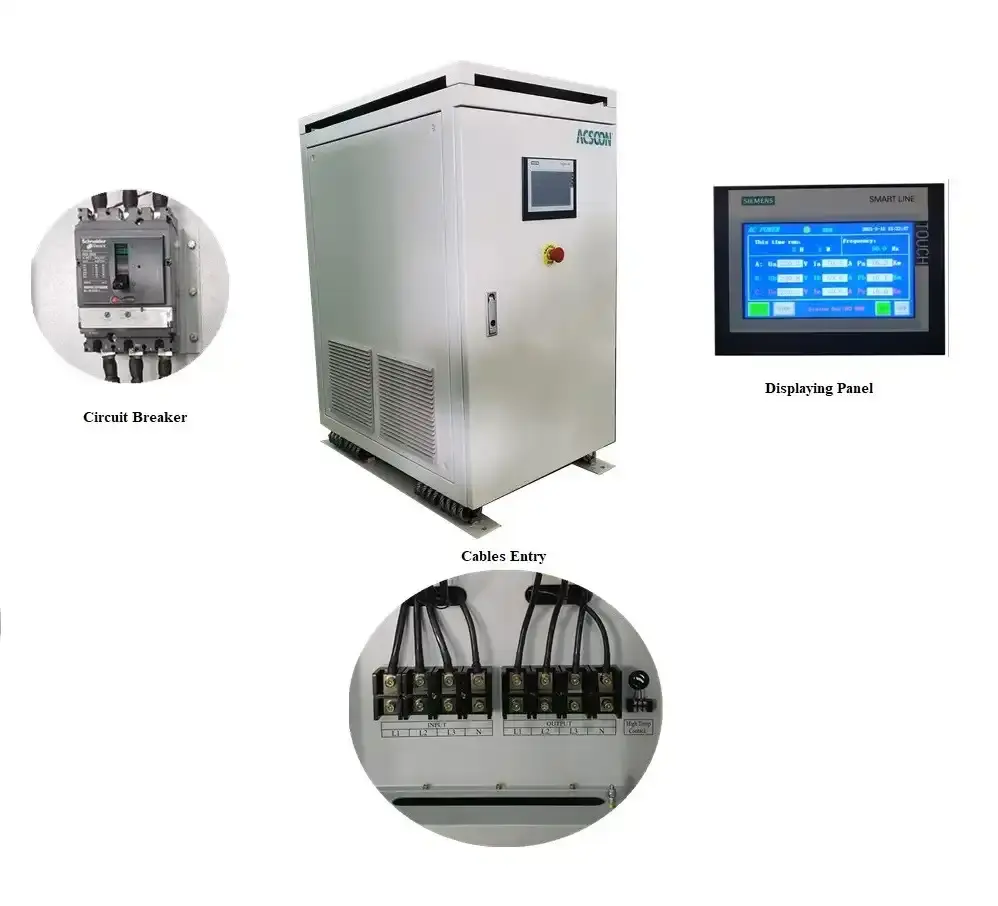
How a 240v DC to AC Inverter Works in Industrial Systems
A 240v DC to AC inverter converts direct current (DC) into alternating current (AC), enabling standard industrial equipment to operate using batteries, solar systems, or DC power sources.
The conversion process typically includes high-speed switching technology, such as SPWM (Sinusoidal Pulse Width Modulation), combined with IGBT power modules. These components generate a stable AC waveform that closely replicates utility grid power.
This ensures compatibility with sensitive equipment such as CNC machines, communication systems, testing instruments, and automated production lines commonly used in Southeast Asian industrial zones.
Pure Sine Wave vs Modified Sine Wave Output
The type of waveform produced by an inverter directly affects both energy efficiency and equipment lifespan.
Pure sine wave systems provide smooth and stable power output identical to grid electricity, making them suitable for precision and mission-critical applications. Modified sine wave systems are less expensive but introduce harmonic distortion, which can lead to overheating and reduced equipment lifespan.
Pure Sine Wave vs Modified Sine Wave Inverters
| Feature | Pure Sine Wave | Modified Sine Wave |
|---|---|---|
| Output Quality | Smooth, grid-like waveform | Stepped waveform |
| Equipment Compatibility | High (all devices) | Limited |
| Motor Performance | Efficient & cool operation | Increased heating |
| Harmonic Distortion | Very low | High |
| Use Case | Industrial, medical, aviation | Basic resistive loads |
Energy Efficiency and Cost Saving Mechanism
Modern 240V DC-to-AC inverter systems achieve high conversion efficiency, meaning more input energy is converted into usable output with minimal loss.
Efficiency levels typically peak between 50% and 80% load conditions. At these ranges, energy waste is minimized, and heat generation is significantly reduced.
This is particularly important in Southeast Asia, where high ambient temperatures already place additional stress on cooling systems in industrial environments.
Efficiency Impact on Energy Consumption (30kVA Example)
| Efficiency Level | Output Power | Input Power Required | Energy Loss | Cost Impact |
|---|---|---|---|---|
| 90% | 27 kW | 30 kW | High | Higher operating cost |
| 92% | 27 kW | 29.3 kW | Medium | Moderate savings |
| 95% | 27 kW | 28.4 kW | Low | Significant savings |
Why Higher Voltage DC Systems Improve Efficiency
A key advantage of 240V DC systems is reduced current flow compared to lower voltage systems.
Lower current results in:
- Reduced cable heating
- Lower resistive losses
- Smaller conductor size requirements
- Improved system stability
For example, delivering the same power at 240V requires significantly less current than at 120V, improving both energy efficiency and infrastructure cost efficiency.
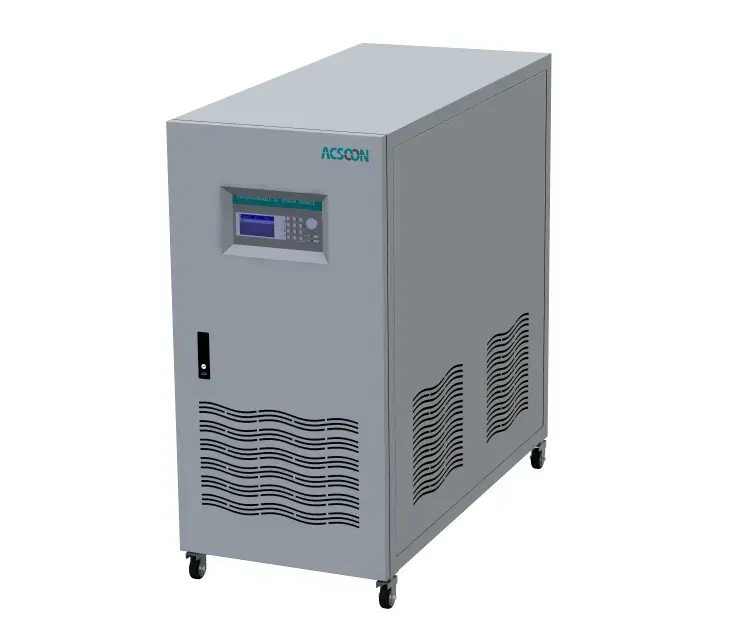
240V vs Lower Voltage DC System Comparison
| Parameter | 240V DC System | 120V DC System |
|---|---|---|
| Current Level | Lower | Higher |
| Cable Losses | Reduced | Increased |
| Heat Generation | Lower | Higher |
| System Efficiency | Higher | Lower |
| Infrastructure Cost | Lower long-term | Higher long-term |
Industrial Applications in Southeast Asia
In Vietnam, Malaysia, and Singapore, industrial operations increasingly rely on stable DC-to-AC conversion systems due to mixed power environments and imported equipment standards.
Common applications include:
- Electronics manufacturing in Malaysia (Penang, Johor)
- Automation factories in Vietnam (Bac Ninh, Binh Duong)
- Marine and port systems in Singapore
- Laboratory and testing facilities in industrial parks
These environments require stable, efficient, and low-maintenance power conversion systems to support continuous operation.
Operational Cost Savings in Real-World Conditions
The economic benefit of a high-efficiency inverter becomes more significant in continuous-load environments.
For example, in a 24/7 industrial operation, even a small efficiency improvement can translate into thousands of kilowatt-hours saved annually.
Additional savings come from:
- Reduced cooling system requirements
- Lower maintenance frequency
- Extended equipment lifespan
- Reduced downtime risk
Estimated Annual Cost Savings (Industrial Operation)
| Efficiency Improvement | Energy Saved per Year | Estimated Cost Savings (@$0.11/kWh) |
|---|---|---|
| +1% Efficiency Gain | ~3,000 kWh | ~$330 |
| +3% Efficiency Gain | ~9,000 kWh | ~$990 |
| +5% Efficiency Gain | ~15,000 kWh | ~$1,650 |
Maintenance and Long-Term Performance
Maintaining efficiency requires routine inspection and preventive maintenance.
Key maintenance practices include:
- Regular inspection of cooling systems
- Monitoring thermal performance
- Checking connection integrity
- Verifying output waveform quality
Proper maintenance ensures the inverter continues operating at peak efficiency throughout its service life.
Conclusion
A high-quality 240V DC to AC inverter can significantly reduce energy consumption and operating costs when properly selected and maintained. With efficiency levels reaching up to 95%, modern inverter systems minimize energy loss, reduce heat generation, and improve overall system reliability. For industries in Southeast Asia, where operational stability and energy efficiency are critical, investing in advanced inverter technology is not just a technical upgrade—it is a long-term cost optimization strategy that improves productivity and protects equipment assets.
FAQ
What efficiency rating should I expect from industrial-grade inverters?
Professional inverters designed for continuous industrial operation typically achieve 90-95% efficiency when properly loaded between 50-80% of rated capacity. The ACSOON ANDW240-330030 maintains high efficiency across broad load ranges through advanced SPWM technology and optimized thermal management, ensuring consistent performance during variable loading conditions common in testing and manufacturing environments.
How does pure sine wave technology benefit sensitive equipment?
Pure sine wave output eliminates harmonic distortion that causes overheating in motors, interference in communication systems, and operational anomalies in precision measurement instruments. Equipment manufacturers design products assuming clean grid-quality power; modified sine wave approximations void warranties and cause premature failures in sensitive electronics.
What customization options address specialized requirements?
We routinely modify output voltages, frequencies, mounting configurations, and environmental specifications matching unique operational requirements. Our engineering team works with procurement specialists and facility engineers to design solutions for unusual applications, such as extreme temperatures, mobile installations, and integration with existing control systems when standard catalog products are not enough.
Partner with JERRYSTAR for Reliable Power Conversion Solutions
Xi'an Jerrystar Instrument Co., Ltd. stands ready to support your power conversion requirements with advanced 240 V DC to AC inverter technology proven across aviation, military, marine, and industrial applications. As an experienced manufacturer and supplier, we deliver customized solutions backed by ISO 9001:2015 quality management; comprehensive certifications including CE, UL, and RoHS compliance; and over 15 years of specialized expertise in demanding environments. Our adequate inventory ensures fast delivery meeting urgent procurement timelines, while our 24/7 technical support and remote diagnostics minimize downtime and maximize operational efficiency. Contact our team at acpower@acsoonpower.com to discuss your specific requirements and discover how our ACSOON brand inverters deliver superior reliability, efficiency, and long-term value for critical power conversion applications.
References
1. Anderson, M. & Williams, R. (2021). "Industrial Power Conversion Systems: Efficiency Analysis and Cost Optimization Strategies." Journal of Electrical Engineering and Technology, Volume 16, Issue 4, pp. 1847-1862.
2. Chen, L., Thompson, K., & Rodriguez, P. (2022). "Comparative Performance Evaluation of DC-AC Inverter Technologies in Mission-Critical Applications." IEEE Transactions on Power Electronics, Volume 37, Number 8, pp. 9234-9248.
3. Defense Logistics Agency (2020). "Power Conversion Equipment Procurement Guidelines for Military and Aerospace Applications." U.S. Department of Defense Technical Manual Series, Publication DLA-J357.
4. International Electrotechnical Commission (2019). "IEC 62040-3: Uninterruptible Power Systems—Method of Specifying Performance and Test Requirements. "IEC Standards Documentation, Edition 3.0.
5. Morrison, J., Zhang, Y., & Patterson, D. (2023). "Energy Efficiency and Total Cost of Ownership Analysis for Industrial Power Conversion Systems." Energy Policy Journal, Volume 175, Article 113476.
6. Schneider, H. & Kumar, A. (2022). "Pure Sine Wave Inverter Technology: Design Considerations and Performance Optimization for Laboratory and Industrial Environments." Proceedings of the International Conference on Power Electronics and Drive Systems, pp. 412-429.