



Marine Shore Power Frequency Converter RFQ Guide for Ports and Shipyards
Introduction
A marine shore-power frequency converter connects a shore-side electrical source to a vessel-side power requirement. A request such as “50 Hz to 60 Hz, 400 kVA” may identify the basic conversion direction, but it does not define the complete system boundary.
Ports, shipyards and offshore facilities should prepare the RFQ around both sides of the connection, the vessel load and the interface responsibilities. This allows suppliers to compare the same technical scope.
Define the shore-side source
Record the available input voltage, frequency, phase system and source capacity at the proposed connection point. Add the upstream protection, fault-level information when required by the project engineer, cable route and distance to the converter location.
Do not assume that the local public-grid standard describes the actual berth supply. A port may have several distribution voltages, transformers or dedicated substations. The single-line diagram is the preferred reference.
Define the vessel-side output
State the required output voltage, frequency, phase system and neutral or protective-earth arrangement. Identify whether the system serves one vessel class, several berths or vessels with different electrical requirements.
If more than one output condition is required, list each condition separately. Do not combine different vessel requirements into one broad range without explaining how changeover and connection will be managed.
Describe the load profile
The load list should identify motors, pumps, compressors, transformers, rectifiers, hotel loads and other major consumers. Provide maximum demand, normal demand, power factor and starting or inrush information where available.
A vessel may not connect every load at the same moment. A time-based load schedule can therefore be more useful than the total installed power. The converter and upstream system should be reviewed against the expected operating sequence.
Clarify installation and enclosure
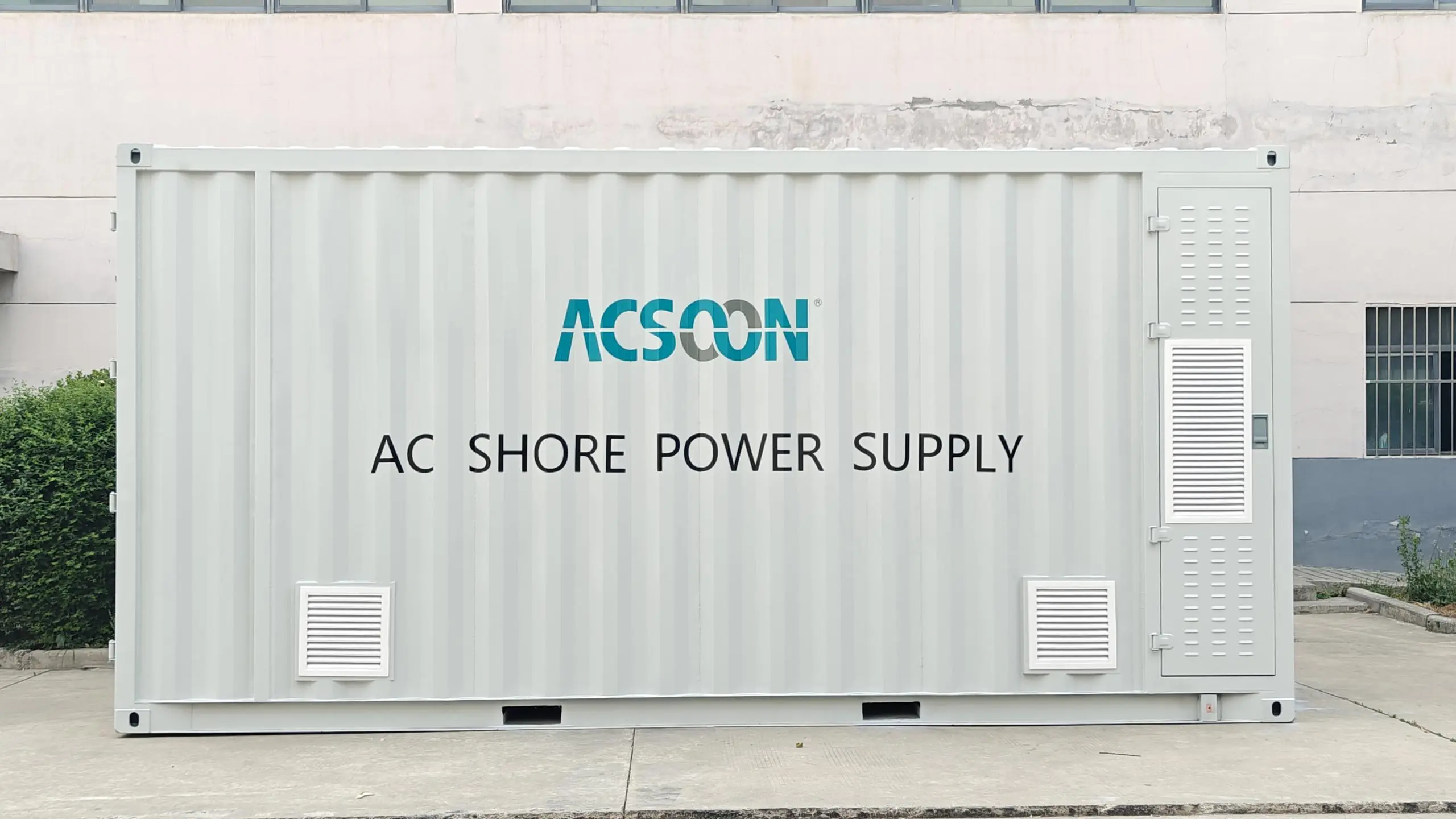
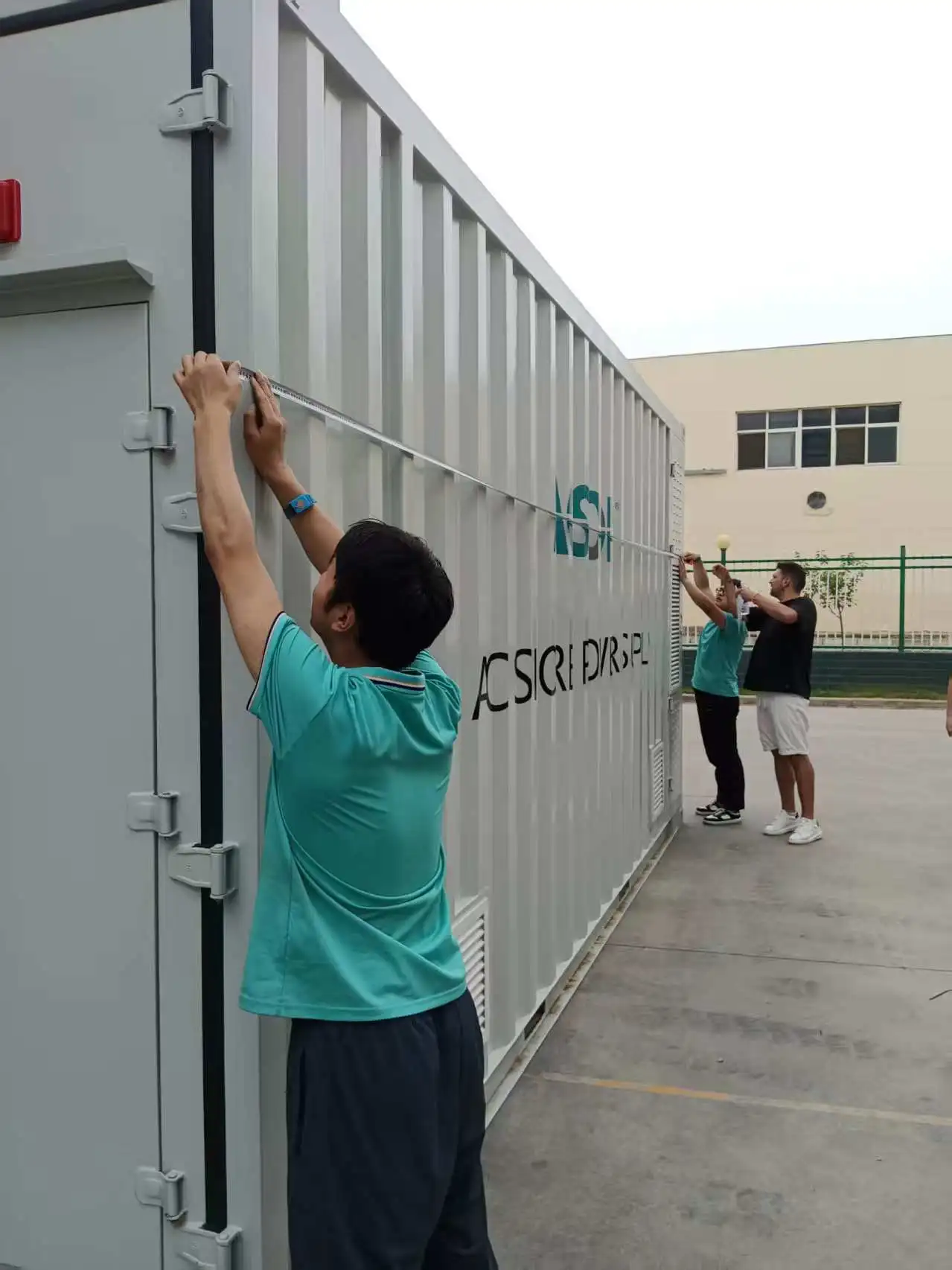
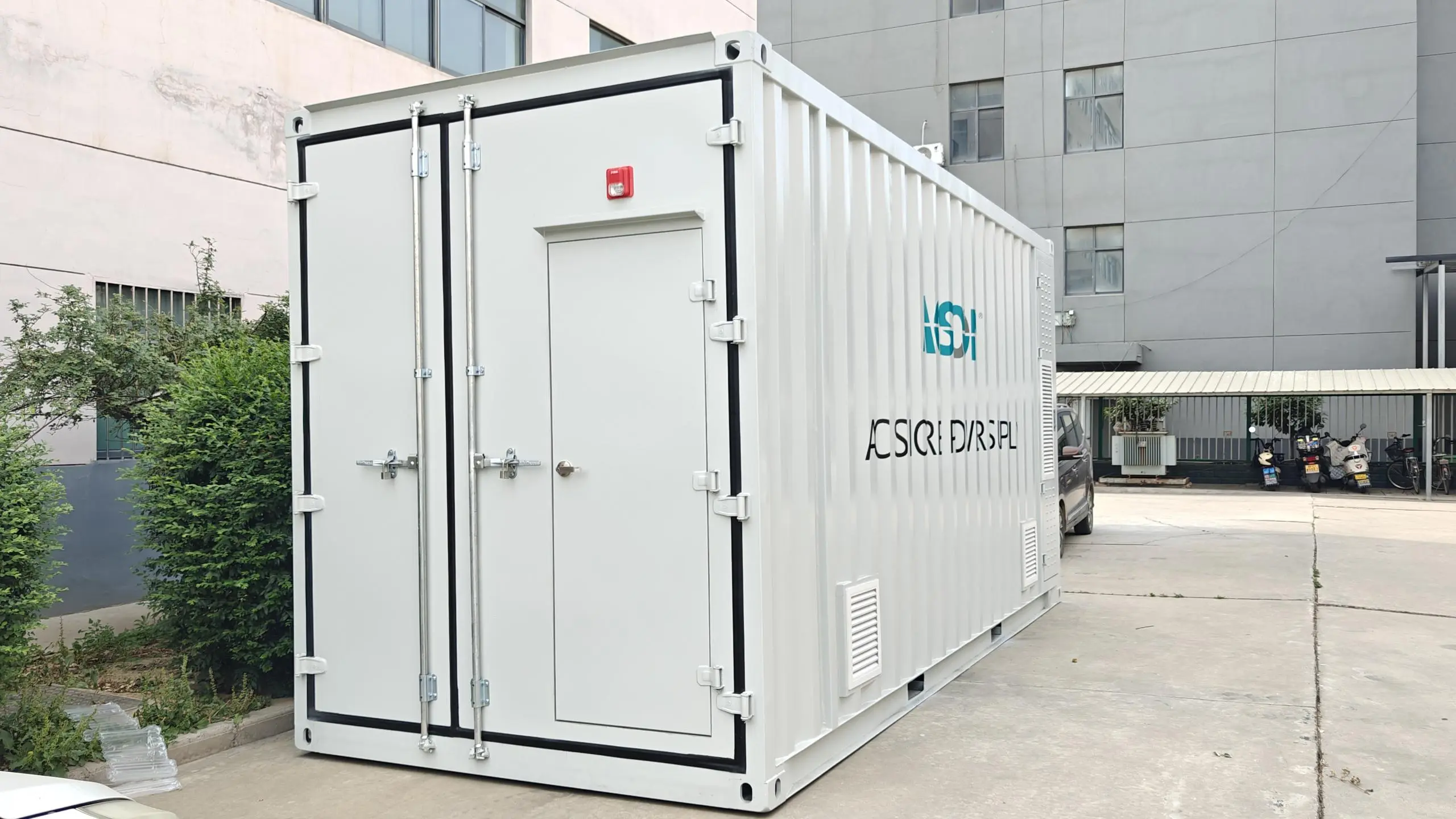
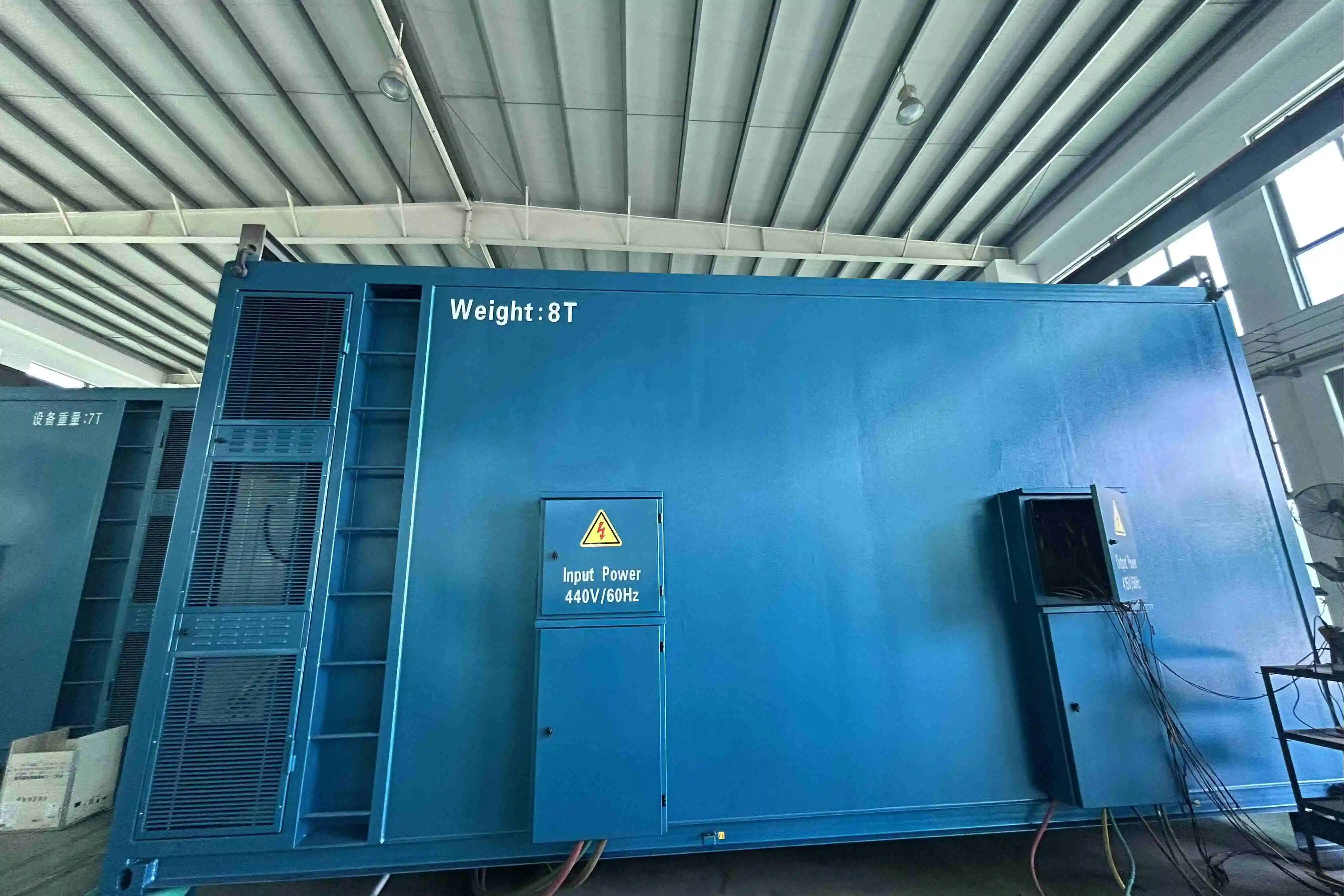
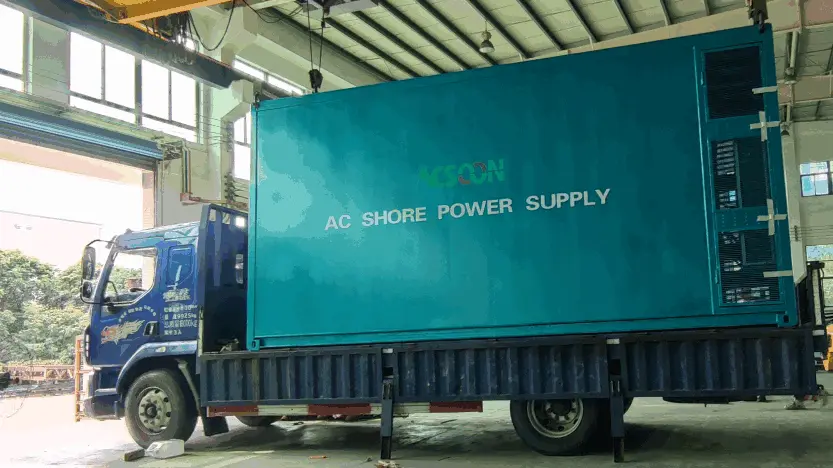
State whether the equipment will be installed indoors, outdoors or in a containerized system. Add temperature, humidity, salt exposure, dust, ventilation, drainage, access, lifting and maintenance requirements.
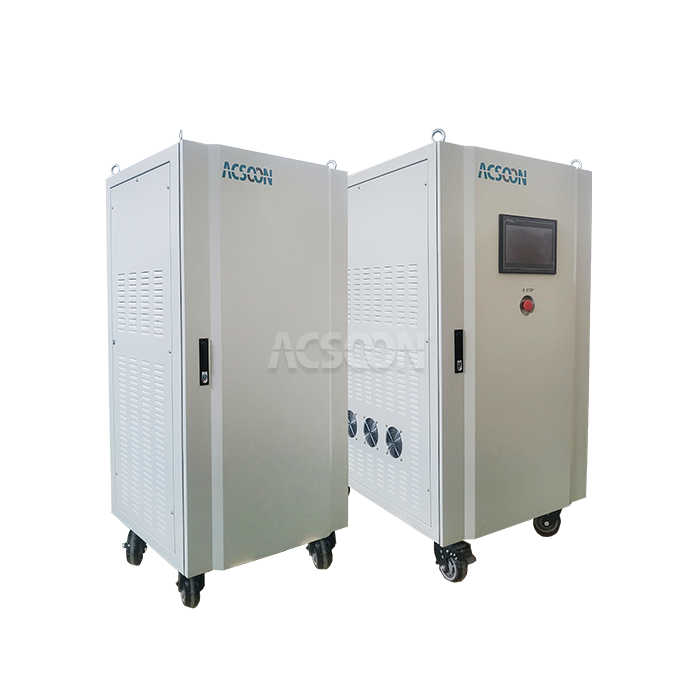
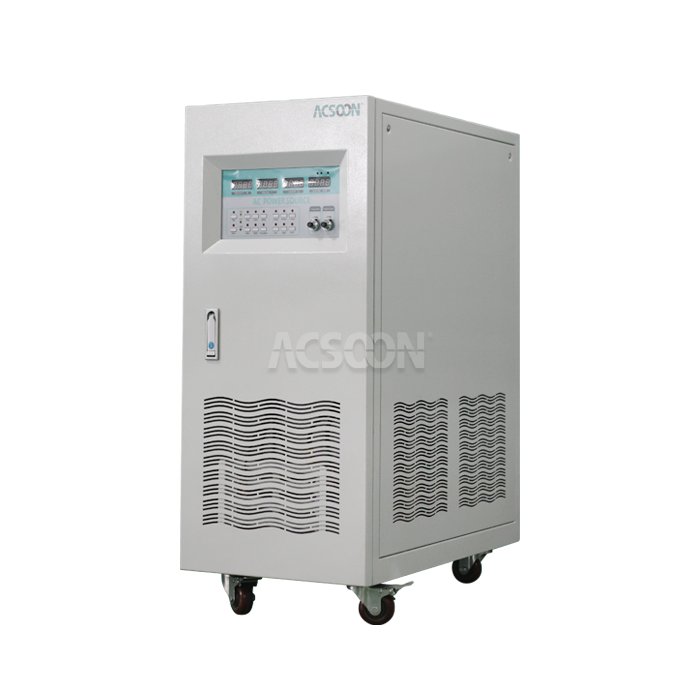
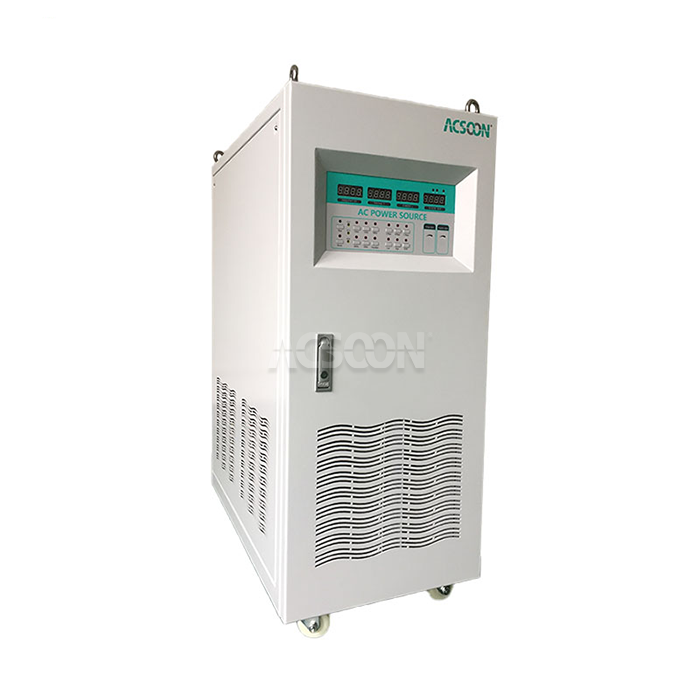
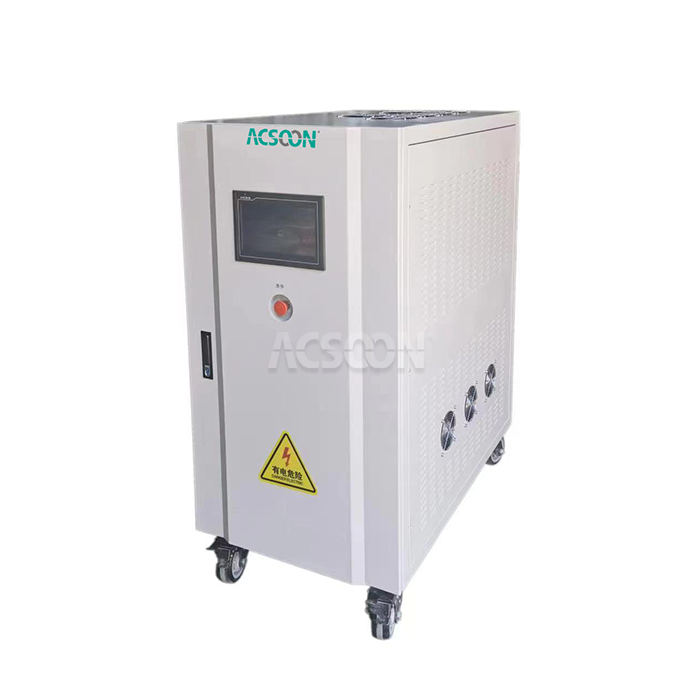
ACSOON shore-power documentation describes both indoor and containerized arrangements. The exact ingress protection, air-conditioning, ventilation, lighting and cable-entry scope should be stated in the project quotation and approved drawings rather than assumed.
Define cables and connection responsibilities
The RFQ should identify who supplies input cables, output cables, plugs, sockets, cable-management equipment and the physical ship connection. Cable length, conductor size and installation method affect voltage drop and thermal performance.
Also define the connection and disconnection sequence. Interlocks, earthing, permissive signals and emergency shutdown responsibilities should be coordinated with the port electrical design and the vessel interface.
Control monitoring and communication
List the local controls, remote controls, alarms, operating measurements and communication signals needed by the port or shipyard system. If the converter will connect to a supervisory system, provide the required protocol and data-point list.
A generic statement such as “remote monitoring required” is not enough for final engineering. Identify what must be started, stopped, displayed, recorded or alarmed, and which party owns each interface.
Agree on testing and documentation
Before manufacture, agree on the applicable project specification, approved drawings and acceptance plan. The plan may cover input conditions, output voltage and frequency, load points, protection checks, alarms, communication and inspection of the enclosure and cable interfaces.
Ask for the final drawings, operating manual, test records and packing list required by the project. Any certification or standard requirement should be listed by exact title and scope and confirmed before the supplier makes a compliance statement.
RFQ checklist
The core package includes a single-line diagram, shore-source data, vessel output requirement, load list, starting data, berth operating schedule, layout, cable scope, control philosophy, environmental data and acceptance requirements.
Where information is not yet available, assign an owner and a target confirmation date. This prevents unresolved assumptions from becoming hidden differences between quotations.
Conclusion
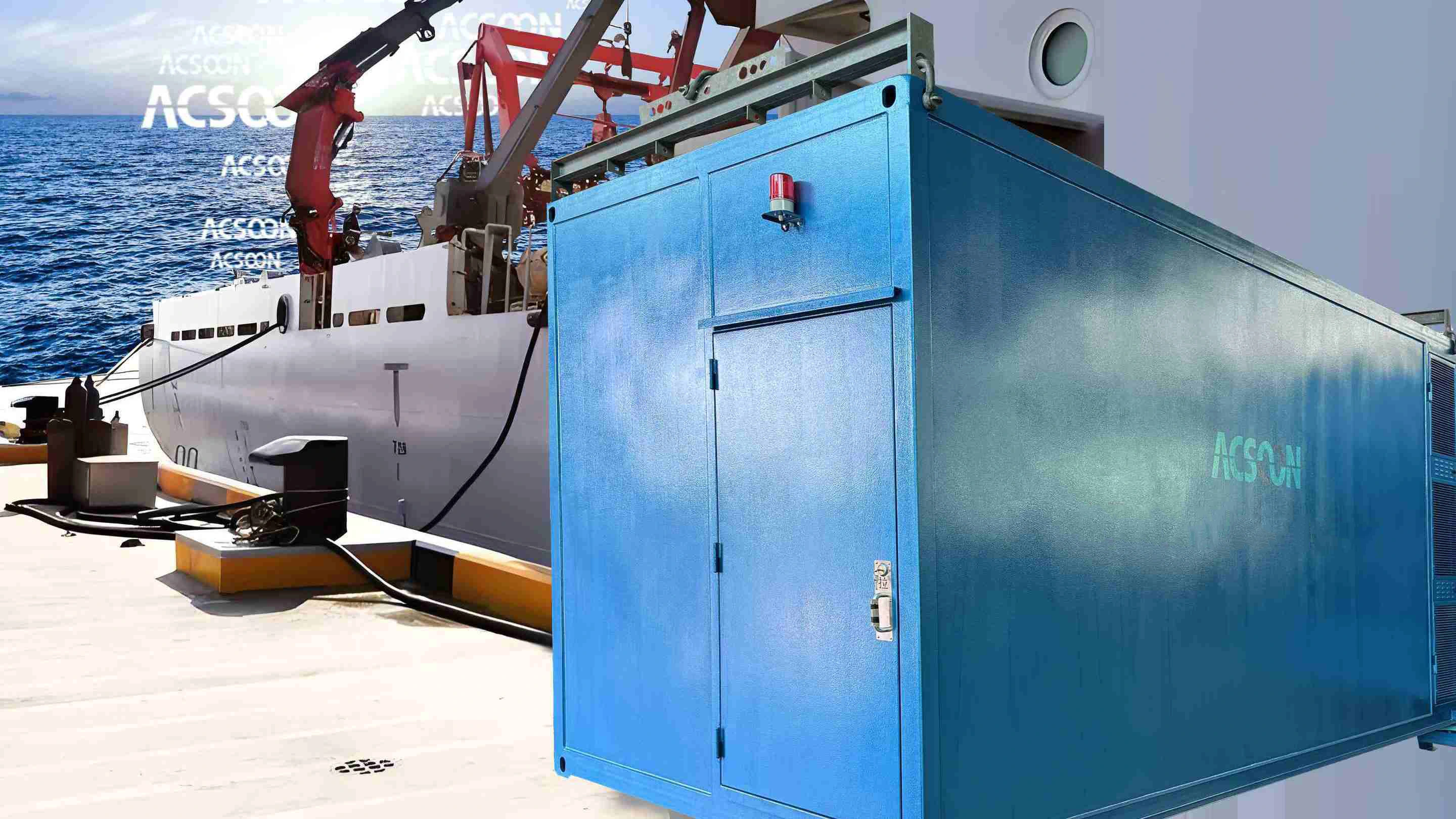
A shore-power converter should be specified as part of a complete berth-to-vessel electrical system. Frequency conversion is central, but voltage, phase, load behavior, cables, enclosure, cooling, control, protection and interface responsibilities all affect the final configuration.
Provide both sides of the connection and the expected load sequence. The engineering review can then define the appropriate power-conversion platform and the project-specific mechanical and control scope.