



Why Is a 240v DC to AC Inverter Essential for Off-Grid Systems?
A 240V DC to AC inverter serves as the backbone of off-grid power infrastructure, transforming stored direct current from solar arrays and battery banks into alternating current required by industrial machinery, laboratory instruments, and critical aerospace equipment. This voltage level offers superior transmission efficiency and reduced current draw compared to lower voltage alternatives, making it indispensable for applications where power reliability cannot be compromised. In environments ranging from remote military installations to marine vessels operating beyond grid access, these devices ensure the continuous operation of essential systems.
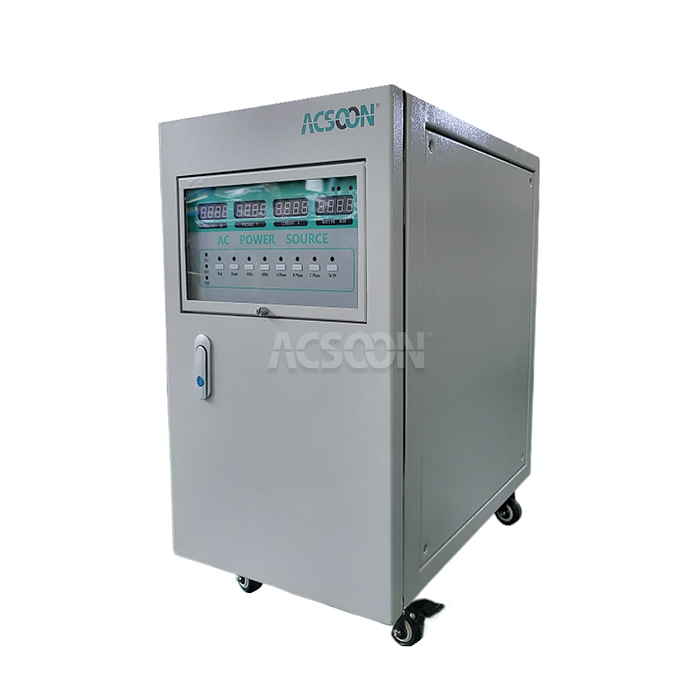
Understanding the Role of a 240V DC to AC Inverter in Off-Grid Systems
Connecting stored energy with operational demands is the primary goal of a 240V DC to AC inverter. Most industrial machinery requires alternating current, but photovoltaic panels and batteries provide direct current.
How Does Power Conversion Technology Work?
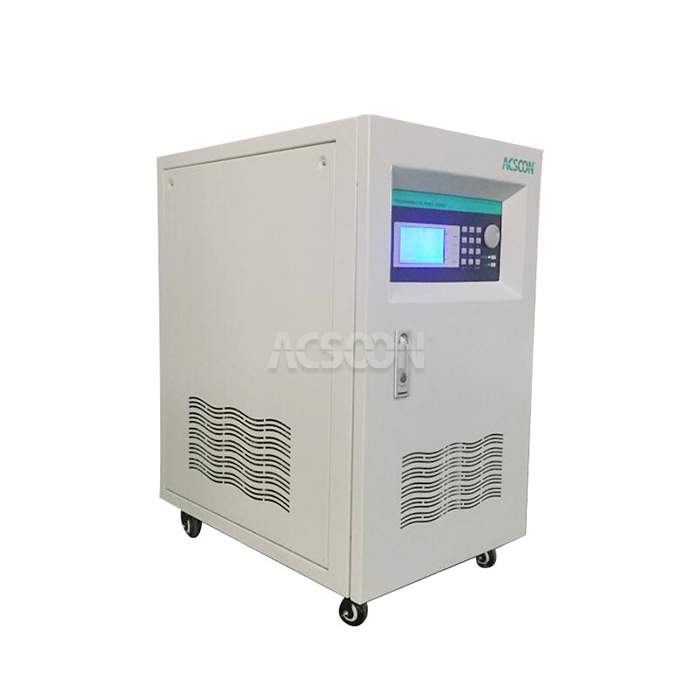
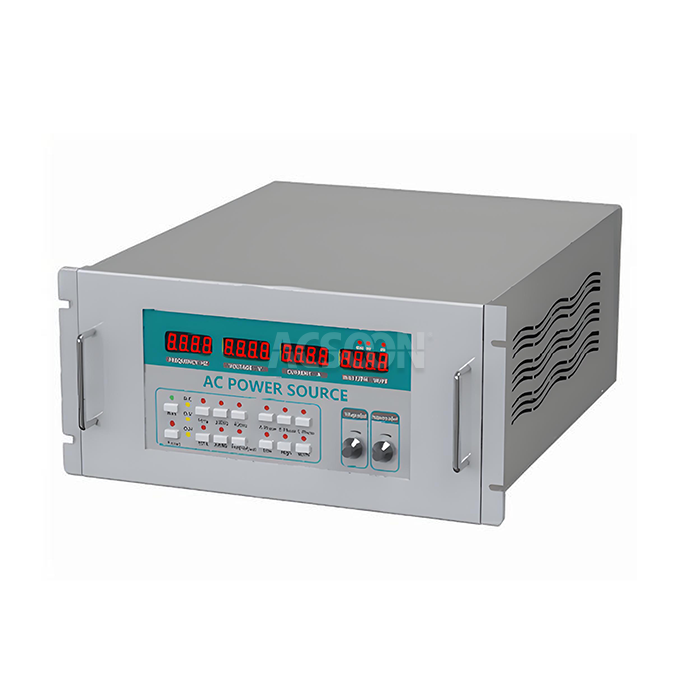
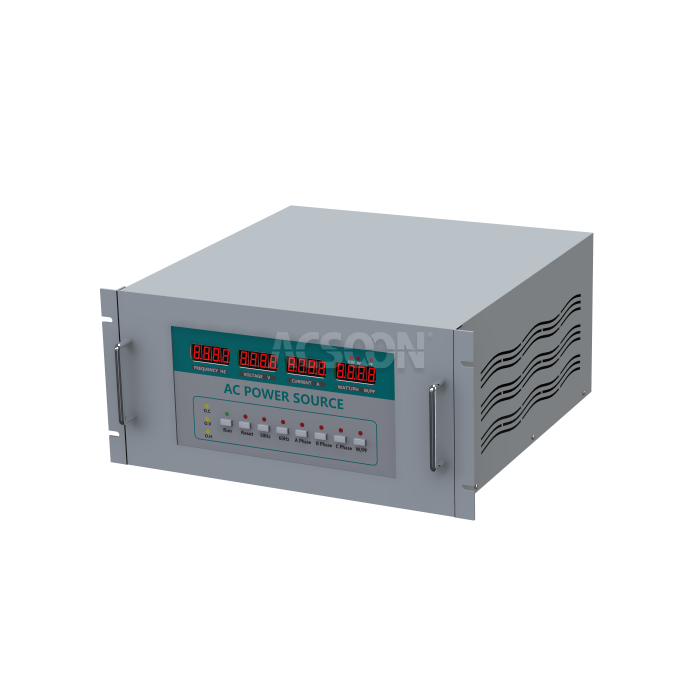
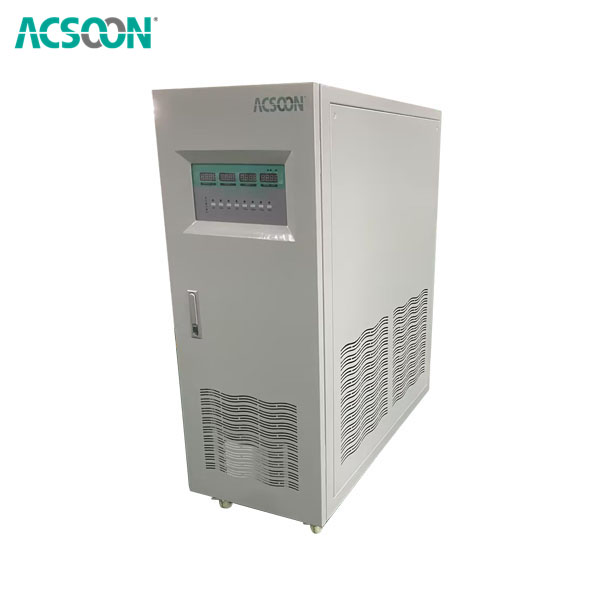
Modern semiconductor technology allows for the quick switching of DC voltage to an AC waveform, which is essential to the conversion process. To produce clean, consistent output, modern inverters use Sinusoidal Pulse Width Modulation (SPWM) techniques in conjunction with Insulated Gate Bipolar Transistor (IGBT) technology. One model that follows this technique is the ACSOON ANDW240-330030. It uses a tried-and-true IGBT architecture to provide 30kVA of pure sine wave power with a variable output that can be adjusted from 0 to 300 V to 0 to 520 V and from 50 Hz to 60 60Hz.
| Technology Element | Function | Benefit |
|---|---|---|
| SPWM (Sinusoidal PWM) | Generates a sine-like waveform through high-frequency switching | Produces clean, grid-quality output |
| IGBT Switching | High-speed power semiconductor control | Improves efficiency and response speed |
| Digital Control Circuit | Real-time waveform regulation | Ensures stable voltage and frequency |
| Thermal Management System | Heat dissipation and protection | Supports long-term continuous operation |
Pure Sine Wave Output Quality
The purity of the waveform directly affects the performance and lifespan of equipment. Pure sine wave inverters generate power identical to that of the utility grid to prevent harm to delicate electronics, overheating of motors, and interference with testing equipment. In settings where clean power is essential for precise measurements, such as laboratories, and in aviation support roles, where frequency stability impacts the calibration of aircraft systems, this becomes extremely important.
Critical Internal Components
Beyond the switching semiconductors, high-performance inverters integrate sophisticated control circuits, robust filtering systems, and thermal management components. EMC-compatible design suppresses electromagnetic interference, protecting both the inverter and surrounding equipment from noise-related malfunctions. The IP21 ingress protection grade provides defense against solid objects larger than 12.5mm and vertically falling water drops, suitable for controlled industrial environments.
Advantages of Using a 240v DC to AC Inverter in Off-Grid Systems
Selecting the appropriate voltage level for power conversion yields measurable benefits across operational efficiency, system scalability, and long-term cost management. Understanding these advantages enables procurement professionals to justify investment decisions and optimize energy infrastructure.
Enhanced Energy Efficiency and Transmission Performance
When compared to systems that produce the same amount of power but run on 120 volts, operating at 240 volts cuts current requirements in half. When the current is lowered, connectors, cables, and switching components experience less resistive loss. This efficiency advantage has a growing economic impact over long cable runs, which are typical in maritime applications or industrial facilities. Reduced thermal stress on conductors and connections improves system reliability and decreases cooling needs.
| Parameter | 120V System | 240V System | Improvement |
|---|---|---|---|
| Current Requirement | High | 50% lower | Reduced conductor load |
| Cable Loss (I²R) | Higher losses | Lower losses | Improved transmission efficiency |
| Cable Size Requirement | Thicker conductors | Smaller conductors | Lower material cost |
| Heat Generation | Higher | Lower | Better thermal stability |
| System Efficiency | Moderate | Higher | Improved long-distance performance |
Scalability Across Diverse Applications
Because it supports a wide range of voltage standards, the ANDW240-330030's flexible output architecture may handle equipment designed for various global requirements. The requirement for additional transformers is therefore removed. This adaptability could be quite beneficial for businesses that have operations in many regions or that test products for various markets. A 30kVA power rating may manage loads such as industrial production equipment, multiple laboratory instruments operating simultaneously, or large ground power systems for aircraft maintenance.
Integrated Safety and Protection Features
Advanced inverters incorporate multiple protective mechanisms that safeguard both the device and connected loads. Overload protection prevents damage during surge conditions, while thermal monitoring systems initiate shutdown sequences before critical temperature thresholds are reached. Short-circuit protection isolates faults rapidly, and under-voltage lockout prevents battery damage from excessive discharge. These features reduce the need for external protective components while ensuring personnel safety during operation and maintenance activities.
Extended Operational Lifespan Through Quality Engineering
Xi'an Jerrystar Instrument Co., Ltd. implements comprehensive quality control protocols that include strict component selection, multiple production inspection points, and rigorous final product testing. This approach, refined over 15 years of manufacturing experience, produces inverters capable of sustained operation under demanding conditions. Regular calibration of testing equipment and continuous improvement based on field feedback ensure each unit meets exacting standards before shipment.
Key Considerations When Selecting a 240v DC to AC Inverter for Off-Grid Use
Before making a purchase, it is important to assess the technical requirements, vendor capacity, and infrastructure for long-term support. If you want to find solutions that fit in with your organization's priorities and operational needs, think about the following.
Waveform Quality Impact on Equipment Compatibility
Pure sine wave output remains non-negotiable for sensitive electronics, precision instruments, and equipment containing microprocessors. Modified sine wave inverters, while less expensive, introduce harmonic distortion that can cause measurement errors in laboratory equipment, reduce motor efficiency, and generate audible noise in audio systems. Military and aerospace applications universally require pure sine wave power to ensure equipment operates within design parameters.
Efficiency Ratings and Surge Capacity
Continuous efficiency is what determines the operating costs of the inverter over its lifetime. This is especially important for systems that run for long periods of time. For optimal performance, it is crucial to size the system such that it operates between 50 and 80% of its rated capacity. The maximum inrush current of the connected equipment must be greater than the surge capacity of the inverter, which is its capability to manage transient overloads during motor starting or capacitive load switching. Negligible surge capacity can lead to inconvenient shutdowns and even damage to equipment.
Frequency Flexibility Requirements
Test labs that verify products for global markets require inverters with adjustable frequency output so they can mimic different grid conditions. When you run 60Hz equipment on 50Hz power, the motors run 20% slower and draw more current, which could cause them to overheat. On the other hand, when 50Hz transformers are run at 60Hz, it usually works, but when it's run in reverse, core saturation and thermal failure are common results.
Vendor Reputation and Technical Support Infrastructure
Going with well-established manufacturers who have a history of successful projects can mitigate procurement risk. ACSOON products are proof of their dedication to quality and compliance with regulations; they are certified by Xi'an Jerrystar to ISO 9001:2015 and meet all applicable standards, including CE, UL, RoHS, and IEC. The option for on-site service, remote diagnostics, and 24/7 technical support minimizes problems. In government and military contracts, two of the most important criteria are the reliability of vendors and the thoroughness of their documentation.
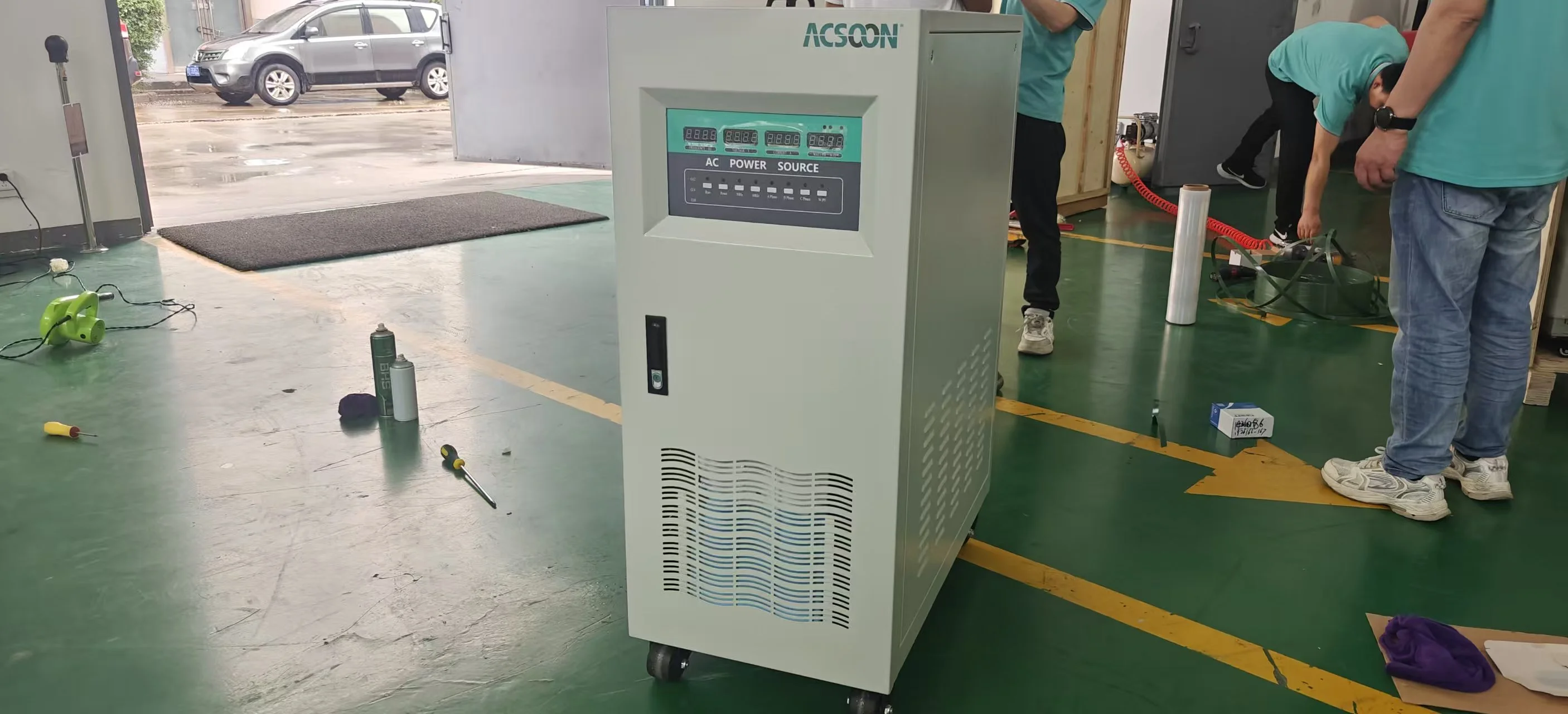
Installation, Maintenance, and Troubleshooting Guide
Proper implementation and ongoing care maximize inverter performance while preventing premature failure. Following structured protocols during each phase of the equipment lifecycle protects capital investment and ensures operational reliability.
Pre-Installation System Assessment
Engineers need to ensure the voltage of the battery banks is stable, that the DC circuits are adequately protected, and that the anticipated load profiles, including surge requirements, are calculated before power conversion equipment is installed. When choosing and installing equipment, it's important to consider environmental conditions, including temperature range, altitude, and potential exposure to contaminants. Proper grounding decreases electromagnetic interference and ensures safety by preventing thermal buildup, while adequate ventilation keeps things cool.
Installation Best Practices
Connecting high-power DC circuits requires attention to polarity, torque specifications, and conductor sizing. Undersized cables introduce voltage drop that reduces available power and generates heat. Battery disconnects must be rated for DC service—AC-rated switches may not interrupt DC arcs effectively. Output wiring should incorporate appropriate overcurrent protection and disconnect means. Proper labeling of all circuits facilitates future maintenance and troubleshooting activities.
Routine Maintenance Requirements
Preventive maintenance extends equipment life and identifies developing issues before they cause failures. Visual inspections should check for loose connections, signs of overheating, and accumulation of dust or contaminants. Cooling system maintenance includes cleaning intake filters and verifying fan operation. Firmware updates address known issues and may introduce enhanced functionality. Documentation of maintenance activities supports warranty claims and helps identify patterns indicating systemic problems.
Common Fault Diagnosis
Output failure can result from DC input issues, internal component failure, or protective shutdown due to fault conditions. Checking battery voltage and DC circuit integrity represents the logical starting point. Overheating typically indicates inadequate ventilation, excessive ambient temperature, or overloading. Waveform distortion suggests component degradation or control circuit issues. When troubleshooting exceeds internal capabilities, Xi'an Jerrystar's technical support team provides remote diagnostics and can arrange on-site service when necessary.
Future Trends and Innovations in 240v DC to AC Inverters for Off-Grid Systems
The power electronics industry continues advancing toward higher efficiency, enhanced connectivity, and improved sustainability. Understanding emerging technologies helps organizations plan strategic investments that remain relevant as requirements evolve.
Integration with Smart Grid and IoT Technologies
Modern 240V DC to AC inverters increasingly incorporate communication capabilities, enabling real-time monitoring, performance optimization, and predictive maintenance. Remote access allows engineers to adjust parameters, download operational data, and receive alerts about developing issues. Integration with building management systems or industrial control networks enables coordinated operation of multiple energy assets, optimizing overall system efficiency.
Advanced Materials and Semiconductor Technology
Silicon carbide and gallium nitride semiconductors offer superior switching characteristics compared to traditional silicon devices, enabling higher efficiency and power density. These materials tolerate higher operating temperatures and switch faster, reducing heat generation and allowing more compact designs. As costs decline, these technologies will become standard in professional-grade equipment.
Renewable Energy Optimization
Inverters designed specifically for renewable energy applications now include maximum power point tracking algorithms, battery management integration, and sophisticated charging protocols. These features extract maximum energy from solar arrays under varying conditions while extending battery lifespan through optimized charge/discharge profiles. The ability to blend multiple energy sources—solar, wind, battery storage, and backup generators—into seamless operation increases system resilience.
Customization for Specialized Applications
Off-the-shelf solutions cannot address all requirements in aerospace, military, and laboratory environments. Manufacturers offering customization capabilities, adequate inventory for rapid deployment, and willingness to develop specialized solutions provide strategic advantages. Xi'an Jerrystar's experience in aviation and military power systems, combined with its 5,000-10,000 square meter manufacturing facility, positions it to deliver tailored solutions for demanding applications.
Conclusion
The strategic importance of reliable power conversion equipment cannot be overstated in critical applications spanning aerospace ground support, military installations, marine systems, and precision laboratory operations. Selecting appropriate 240V DC to AC inverter technology requires balancing technical specifications, vendor capabilities, and long-term support infrastructure. Pure sine wave output, variable frequency capability, and robust construction distinguish professional-grade equipment from consumer products. Organizations prioritizing operational reliability, customization capability, and responsive technical support find value in partnering with experienced manufacturers who understand the unique demands of mission-critical applications and can deliver solutions that perform reliably over extended service lives.
FAQ
Can standard AC equipment operate directly from a 240V DC to AC inverter output?
Equipment designed for grid power operates seamlessly from pure sine wave inverters producing matching voltage and frequency specifications. Devices sensitive to waveform quality—including laboratory instruments, medical equipment, and computer systems—specifically require pure sine wave power. Modified sine wave inverters may cause operational issues with certain loads despite producing the correct nominal voltage.
How does 240-volt operation compare to 120-volt systems for off-grid efficiency?
Higher voltage systems deliver identical power using half the current, reducing resistive losses in cables and connections. This efficiency advantage becomes more pronounced with longer cable runs and higher power requirements. The reduced current also permits smaller conductor sizes, lowering material costs and installation effort.
What maintenance intervals do professional inverters require?
Visual inspections should occur quarterly, checking connections, cooling systems, and environmental conditions. Annual comprehensive inspections including electrical testing and firmware updates help identify degradation before failures occur. Operating environments with high temperatures, dust, or vibration may necessitate more frequent attention.
Partner with JERRYSTAR for Reliable 240V DC to AC Inverter Solutions
Xi'an Jerrystar Instrument Co., Ltd. stands ready to support your power conversion requirements with proven ACSOON technology backed by comprehensive engineering expertise. Our ANDW240-330030 model delivers 30kVA of pure sine wave power with variable voltage and frequency output, engineered specifically for demanding aerospace, military, marine, and laboratory applications. As an established 240V DC to AC inverter manufacturer with over 15 years of specialized experience, we maintain adequate inventory for rapid deployment while offering custom solutions tailored to unique operational requirements. Our ISO 9001:2015 certification, combined with CE, UL, and IEC compliance, demonstrates our commitment to quality and reliability. Contact our team at acpower@acsoonpower.com to discuss your project specifications and discover how our advanced power conversion solutions can enhance your off-grid system performance and operational resilience.
References
1. Rashid, M. H. (2017). Power Electronics Handbook: Devices, Circuits, and Applications. Butterworth-Heinemann, Oxford.
2. Mohan, N., Undeland, T. M., & Robbins, W. P. (2020). Power Electronics: Converters, Applications, and Design. John Wiley & Sons, Hoboken.
3. International Electrotechnical Commission. (2018). IEC 62040-1: Uninterruptible Power Systems (UPS) – Part 1: General and Safety Requirements for UPS. Geneva, Switzerland.
4. Institute of Electrical and Electronics Engineers. (2019). IEEE Standard 1547: Standard for Interconnection and Interoperability of Distributed Energy Resources with Associated Electric Power Systems Interfaces. New York.
5. Erickson, R. W., & Maksimovic, D. (2020). Fundamentals of Power Electronics. Springer International Publishing, Cham.
6. U.S. Department of Defense. (2016). MIL-STD-704F: Aircraft Electric Power Characteristics. Department of Defense Interface Standard, Washington, D.C.