



How Does a 120V DC to AC Inverter Support Off-Grid Living?
A 120V DC to AC inverter is the important link between DC power sources like solar panels or batteries and the AC products that people need to live off the grid today. These devices let you be completely energy independent without giving up the comfort and usefulness of regular electrical tools. They do this by changing stored DC electricity into clean alternating current. The process of change makes sure that everything from lights and fridges to sensitive electronics and power tools works reliably. Good inverters keep the voltage output fixed while keeping harmonic distortion low. This protects the life of the equipment and improves its efficiency. Choosing the right inverter size and waveform type has a direct effect on how reliable the system is, so it's important to understand the technology behind off-grid usage.
Understanding the Operating Principle of a 120V DC to AC Inverter
The Core Conversion Process
A DC to AC inverter works by quickly modulating transistors to change direct current into alternating current. This is done through complex electronic switching. Power electronics inside the device vibrate at specific frequencies to turn the steady DC input into an AC pattern. Pulse-width modulation is used by modern pure sine wave converters to make output that is very close to utility-grade power. When DC power from batteries or solar panels enters the input stage of the inverter, voltage levels are regulated and controlled to start the process. Then, the conversion circuits use controlled switching patterns to make the AC frequency and voltage that are needed.
Pure Sine Wave Versus Modified Sine Wave Technology
One of the most important technical differences in choosing an inverter is the quality of the waveform. Pure sine wave inverters make an AC output that is smooth and continuous, just like power from the grid. This makes sure that sensitive equipment like medical devices, precision tools, and variable-speed motors can work with them. Modified sine wave inverters make stepped versions of true AC. They are cheaper, but some items might not work right, make noise, or be inefficient when they are used. Motors that are hooked up to power that has a changed sine wave often run faster and less efficiently, which shortens their useful life. When driven by anything other than a pure sine wave output, communication and sound systems may experience disturbance.
Efficiency Metrics and Performance Factors
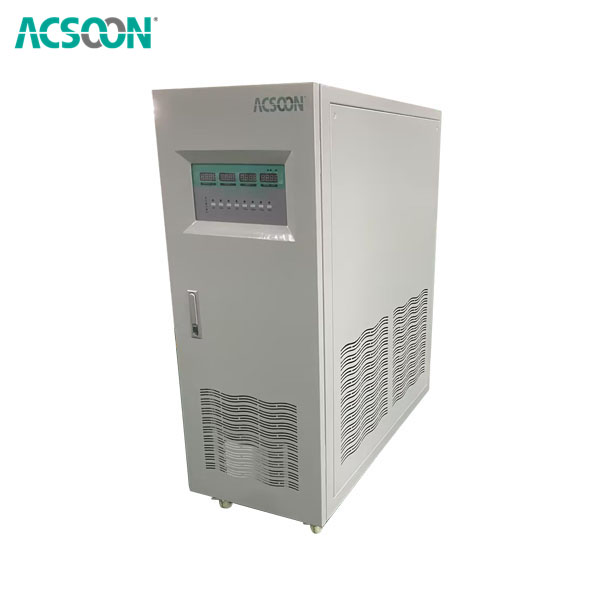
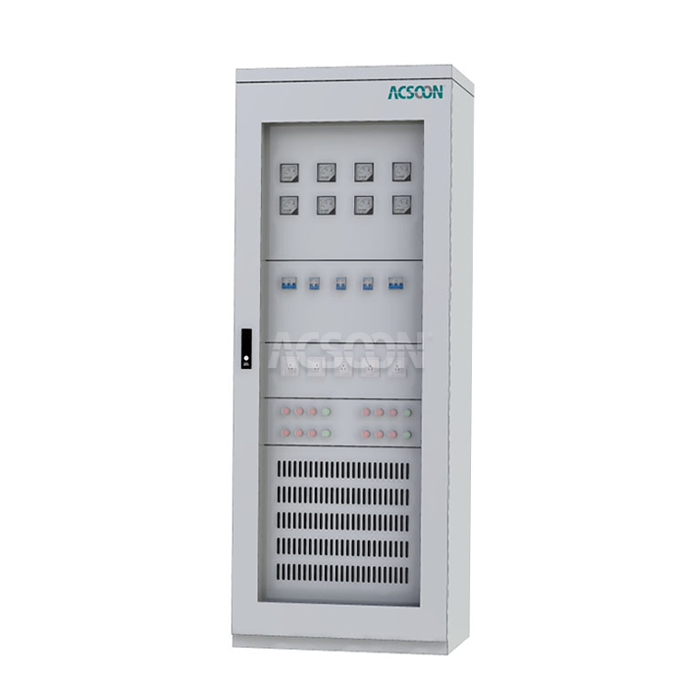
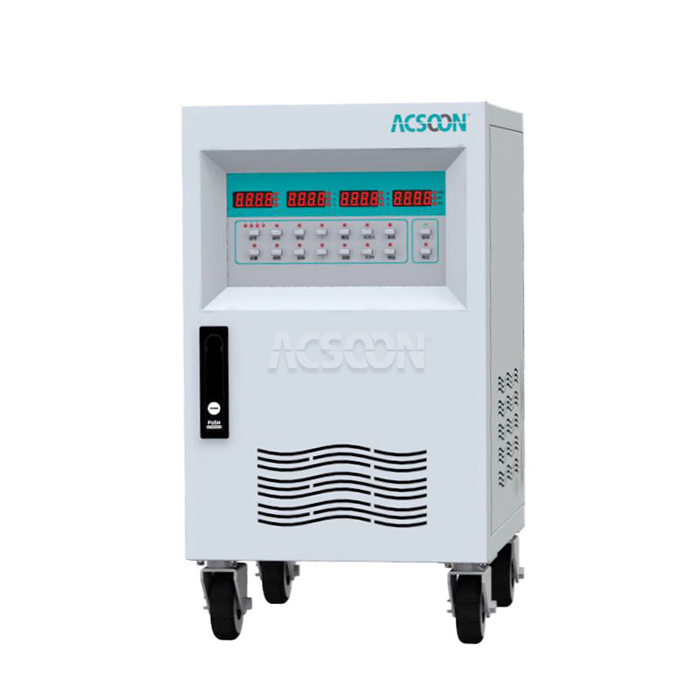
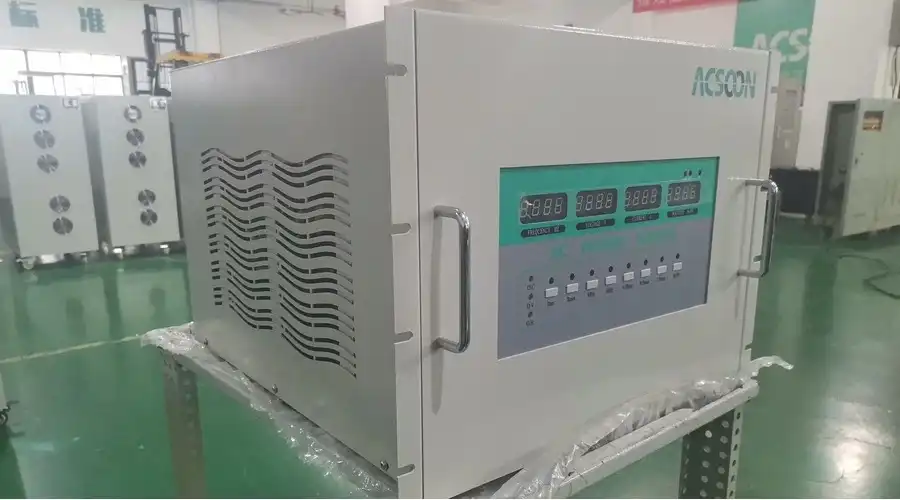
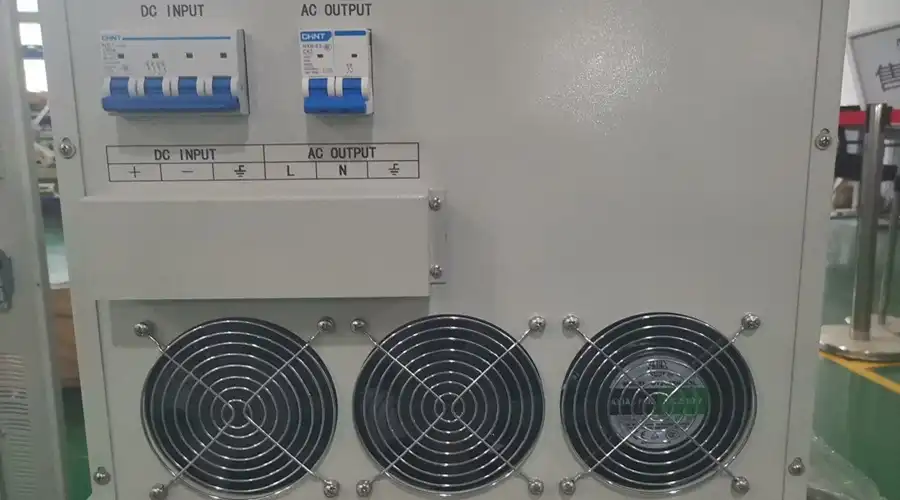
How much saved DC energy is turned into useful AC power is directly related to how well the conversion works. Inverters of good quality are 90–95% efficient when the load is at its best, but performance changes depending on the working temperature, the steadiness of the input voltage, and the load percentage. The ACSOON ANDW120-330020 model shows how advanced engineering reduces conversion losses by using galvanic separation and better circuit design. It is very important to get the right size for your inverter because its efficiency drops a lot when it is working with very light loads or too much capacity. Thermal management systems inside the unit get rid of the heat that is generated during conversion, which keeps parts reliable during long-term use. Here are the most important performance factors that affect how reliable an inverter is in tough situations: Low Harmonic Distortion: High-quality inverters keep total harmonic distortion below 3%. This keeps sensitive electronics from being harmed and makes sure that clean power is delivered.
Key Benefits of Using a 120V DC to AC Inverter for Off-Grid Living
Energy Independence and Flexibility
By letting stored 120V DC to AC inverter products, power conversion technology frees people from having to connect to utility lines. Off-grid setups use solar cells, battery banks, and inverters to build power systems that don't need to be connected to the power grid. These systems can power homes or businesses full-time. This freedom is especially helpful in remote areas where the cost of connecting to the power grid is higher than the cost of installing green energy systems. Being able to charge standard equipment without using special DC tools makes buying and maintaining equipment easier and increases the number of products that can be used.
Cost Efficiency and Return on Investment
Long-term savings are huge when you stop paying monthly energy bills and depend less on diesel engines. In remote operations, the costs of fuel, generator upkeep, and delivery add up quickly, which makes inverter-based systems more appealing. The ANDW120-330020's 20kVA power can handle heavy loads while still being efficient. This means that less energy is lost than with oversized generators that are only running at partial capacity. Bulk buying from companies like JERRYSTAR makes the project even more cost-effective because of lower shipping costs per item and better prices for large orders.
Installation Simplicity and Portability
Installing modern inverter systems is easy; all you need is basic electrical safety knowledge and the ability to connect DC inputs and distribute AC outputs. Units with an IP21 rating work effectively in controlled settings without the need for expensive weatherproof shelters. For harsher situations, marine-grade choices are available. Modern inverters have small footprints that make them easy to put in places with limited space, like equipment rooms, control panels, or mobile platforms. When operations move or grow, inverters can be taken out of service and put back in service with little change to the infrastructure.
Operational Silence and Environmental Benefits
Inverter systems work quietly because they use electronics to convert power and don't have any moving parts other than cooling fans. This is in contrast to combustion engines, which make noise and pollution all the time. Because of this, they are perfect for private off-grid uses, study stations, and places where noise pollution bothers wildlife or people. The lack of fuel storage standards reduces the risk of contamination and makes it easier to get permits in areas that are sensitive to the environment. When operating carbon impacts matter, solar-charged battery systems paired with good inverters are the only way to get power that doesn't release any pollution.
Comparing 120V DC to AC Inverters for Optimal Off-Grid Solutions
Voltage Output Compatibility
Whether 120V or 240V power is best for your application depends on how much load it needs to handle. Standard North American tools and light industrial equipment can be powered by single-phase 120V systems, and a lot of devices are compatible. The ACSOON ANDW120-330020 has an output that can be changed between 0V and 520V, which gives it a lot of freedom for a wide range of uses or foreign equipment standards. Multiple voltage levels are often needed at the same time in industrial automation facilities, which is why customizable output ranges are so useful. Careful voltage matching keeps equipment from breaking and makes sure that all linked loads work at their best.
Waveform Quality Considerations
For delicate electronics, precision tools, and equipment with motor controls, pure sine wave output is still the only option. Modified sine wave inverters are still used in low-cost situations, but their problems are becoming more noticeable than the small cost savings they offer. For correct operation, transmission equipment, measurement tools, and variable frequency drives all need clean sinusoidal power. Marine navigation devices need stable, interference-free power to keep their positioning accurate and their tools working well when things go wrong. Premium inverters keep linked equipment from breaking down early or acting strangely because they are harmonically pure.
Evaluating Manufacturer Credibility and Support
The name of the supplier has a direct effect on how reliable the system is in the long term and how easy it is to get help when technical problems appear. Manufacturers that have been around for a while and have a track record in flight, military, and marine uses show their technical skills through difficult use cases. ACSOON specializes in making power transfer equipment for important uses. This is because their design goals put reliability over lowering costs as much as possible. Professional-grade suppliers are different from common suppliers because they offer warranties, provide good technical documents, and provide quick customer service. True manufacturing partners are different from simple wholesalers because they can offer unique solutions and keep enough supplies on hand for pressing replacement needs.
Practical Applications and Case Studies of 120V DC to AC Inverters in Off-Grid Environments
Renewable Energy Integration
A 120V DC to AC inverter is needed for both home and business solar systems so that saved battery energy can be used with home and business electronics. Photovoltaic panels, charge controllers, battery banks, and inverters are all part of modern systems that work together to make combined power solutions that control the flow of energy automatically. During the day, solar panels charge the batteries and power daily loads through an amplifier at the same time. Extra power is stored in batteries for use at night, giving the system real 24-hour energy freedom. How well captured solar energy is turned into usable power depends directly on how well and reliably the inverter does its job.
Marine and Mobile Applications
Mobile work platforms, boats, and leisure vehicles all gain a lot from DC to AC conversion that works well. Marine tracking devices need very clean power to stay accurate and reliable in situations where safety is important. This ACSOON ANDW120-330020 is perfect for places where electromagnetic interference could affect communication or guidance systems because it has low noise and is compatible with EMC. The galvanic separation feature is also useful for mobile apps because it stops ground flaws and corrosion problems that can happen on metal-hull ships or car chassis grounds. Remote tracking posts and temporary work sites can get full electrical power without having to deal with generator noise or fuel supplies.
Industrial Automation and Testing Facilities
Power that is accurate and stable is needed for monitoring and control systems in labs and factories that use robotics. With a variable frequency output, you can test tools in a range of electrical situations without having to use multiple power sources. Voltage and frequency ranges that can be changed are especially helpful for research sites that are testing how well a product works in foreign markets. The ANDW120-330020 model can handle large test loads with its 20kVA capacity, and its low harmonic distortion won't affect the accuracy of the measurements. Inverter-based systems provide clean power to process control tools in manufacturing facilities that are far away or where the power grid isn't stable. A phone company put inverter systems at remote tower sites to get rid of the need for generator power and fuel supply. Solar panels charge battery banks, which then provide primary power through pure sine wave transformers. This makes it easier for network equipment to keep running than with older generator-based systems. Because there were no moving parts that needed to be serviced regularly, maintenance costs went down a lot, and system uptime went up. This work showed that choosing the right tools and designing a system in the right way can improve operations in more ways than one, such as lowering costs.
Procurement Guidelines and Best Practices for B2B Clients
Technical Specification Evaluation
To find the right capacity, you need to carefully look at how much connected load you need, along with enough extra space for surge currents. Starting motors, fans, and other inductive loads use a lot more current than they normally do when they first turn on. This means that the inverter needs to have surge rates that can handle these short peaks. To keep things efficient and avoid heat stress, continuous power rates should be equal to or greater than 80% of the highest load that can be expected. Compatibility with existing battery systems in the input voltage range ensures that the system works well and doesn't lose power or have compatibility problems. Stable output voltage under changing loads keeps sensitive equipment from breaking or not working properly.
Supplier Assessment Criteria
When you work with makers who do their own engineering instead of using third-party suppliers, you can get access to professional knowledge and the ability to make changes. This way of doing things is shown by Xi'an Jerrystar Instrument Co., Ltd, which specializes in ACSOON brand power converters for use in aircraft, industry, marine, and lab tests. Because the company is both a producer and a trader, it has power over production and freedom in how it buys things. A factory with a capacity of between 5,000 and 10,000 square meters can make a lot of things while still keeping an eye on quality. Experience with power systems in flight and the military shows that you are a good engineer in the most difficult situations where failure would have terrible results. Professional procurement teams should look into these important things when analyzing possible suppliers: Certification and Compliance: Good makers keep the right safety certifications and compliance paperwork for their target markets. This makes the approval process easier and lowers potential concerns by using safety standards that have been checked by a third party.
Cost Optimization Strategies
When projects need a lot of transformers or when purchases are coordinated across various sites, negotiating for bulk purchases can often lead to big price cuts per unit. Long-term supply deals with manufacturers keep prices stable and give priority to parts that are in short supply. By specifying slightly more capacity than needed at the start of the buying process, future growth can be accommodated without having to rebuild the whole system. Setting aside money for professional installation by trained professionals will save you a lot of money on repairs caused by mistakes made by amateur electricians and make sure that the guarantee is followed. Scheduled repair helps equipment last longer and stops it from breaking down when it's least expected, which can stop activities.
Conclusion
Differential converters from 120V DC to AC inverters are the main technology that makes off-grid power systems useful for homes, businesses, and vehicles. Good pure sine wave inverters, like the ACSOON ANDW120-330020, can convert signals reliably and have low harmonic distortion and EMC compatibility, making them safe for use with sensitive equipment. Long-term system performance and return on investment are guaranteed by making the right choice based on capacity needs, waveform quality, and source trustworthiness. When you combine green energy sources, battery storage, and modern power electronics, you get truly sustainable options to generators that run on fossil fuels or the power grid. As technology keeps getting better and more of them are made, inverter-based power systems become more cost-effective while also being more reliable and better for the environment.
FAQ
What factors most significantly impact inverter efficiency?
The percentage of load has the most impact on conversion effectiveness. Usually, the best performance happens between 40 and 80% of maximum capacity. Running inverters at very low loads or full power makes them much less efficient. Performance is also affected by how stable the input voltage is, since changes in voltage make control circuits work harder. The ambient temperature affects how well semiconductors work. Generally, working in cooler settings makes them more efficient. The difference between high-end units that stay 90% or more efficient and cheap models that lose 20% or more as heat is the quality of the parts and the complexity of the circuit design.
Can 120V DC to AC inverters safely power sensitive electronics?
Pure sine wave inverters make an output that can't be told apart from grid power. This means that computers, medical equipment, and precision tools can use them without any problems. Low harmonic distortion and galvanic separation in the ACSOON ANDW120-330020 keep sensitive devices safe from power quality problems. Electronics shouldn't use modified sine wave transformers because the stepped pattern can make the equipment overheat, break down, or last less long. Before connecting important or valuable equipment, always make sure that the inverter's specs include a pure sine wave output and low total harmonic distortion.
Partner with JERRYSTAR for Reliable DC to AC Inverter Solutions
Through our ACSOON brand, JERRYSTAR specializes in providing industrial-grade 120V DC to AC inverter systems that are designed to meet the needs of challenging aircraft, military, marine, and laboratory environments. Our factory in Xi'an makes unique power exchange solutions and keeps a large stock on hand so that they can be sent out quickly when project deadlines require them. As an OEM partner, we back you and offer technical advice to help you choose the best tools for your needs. Email our engineering team at acpower@acsoonpower.com to talk about your off-grid power needs and find out how our pure sine wave inverters can give your business the stability it needs. As a well-known company that makes 120V DC to AC inverters, we offer reasonable prices, strong guarantee programs, and quick customer service after the sale.
References
1. Smith, R. & Johnson, M. (2021). Power Electronics for Renewable Energy Systems: Design and Application. Academic Press Engineering Publications.
2. Thompson, D. (2020). "Performance Analysis of Pure Sine Wave Inverters in Off-Grid Applications." Journal of Sustainable Energy Technology, 15(3), 142-158.
3. Martinez, L. & Chen, W. (2022). Marine Electrical Systems: Design Principles and Power Quality Requirements. Maritime Engineering Institute Press.
4. Anderson, P. (2019). "Total Harmonic Distortion Effects on Industrial Automation Equipment." Industrial Electronics Quarterly, 28(2), 76-92.
5. Williams, K. & Roberts, J. (2023). Off-Grid Living: Technical Guide to Energy Independence. Sustainable Technology Publishers.
6. National Electrical Manufacturers Association (2022). Standards for Inverter Systems: Safety, Performance, and Testing Protocols. NEMA Technical Standards Division.
_1750904688128.webp)