



Solid State Frequency Converter Installation Tips & Best Practices
Installing a solid state frequency converter correctly is crucial for achieving reliable power conversion in critical industrial applications. These high-tech gadgets use semiconductor technology to convert electricity between different voltages and frequencies without any moving parts. This makes them perfect for tests in labs, military aircraft, ships, and the military. Installing things correctly makes sure they work well, improves the life of the equipment, and stops expensive breaks. This detailed guide covers everything, from planning before installation to long-term upkeep. It helps procurement managers and technical teams make choices that meet the strict operating needs of specialized power conversion applications.
Understanding Solid State Frequency Converters Before Installation
What Are Solid State Frequency Converters and How Do They Work?
Solid state frequency converter units are a big step forward in the technology of power conversion tools. These devices use power electronics, especially IGBT (Insulated Gate Bipolar Transistor) technology, to change incoming AC power to a different frequency and voltage output. This is different from standard rotary converters, which use mechanical motor-generator sets. In order to convert power, it has to be first rectified to DC and then inverted back to AC at the right frequency and voltage. This electrical method gets rid of mechanical wear, lowers the need for upkeep, and produces cleaner waves with total harmonic distortion usually below 3%.
Key Benefits Driving Industrial Adoption
One of the best things about these switches is that they save you energy. Compared to rotary options, solid state units have conversion rates of more than 90%, which means that they are cheaper to run. Their small size makes it possible to put them in places with limited room, which is especially useful on ships and in factories with lots of equipment. Since there are no moving parts, the process is quieter, and there is a lot less vibration, which protects nearby sensitive equipment. In addition, their quick reaction time makes it possible to precisely control frequency and voltage, which is very important for uses like high-frequency induction heating equipment, where power quality has a direct effect on the results of the process.
Common Industrial Applications Across Sectors
These converters are used in factories to power specific equipment that needs frequencies that aren't normal. Maintenance shops for airplanes rely on them for ground power units that send 400Hz power to aircraft systems while they are being serviced. Marine uses include charging shipboard electronics when the frequency of power from land is different from the frequency on board. They are used in labs to make sure that products meet several international voltage and frequency standards. For mission-critical power systems in the military, where failure is not an option, dependability is required. Knowing the specifics of your application helps you choose the right specs and placement method.
Critical Specifications to Consider
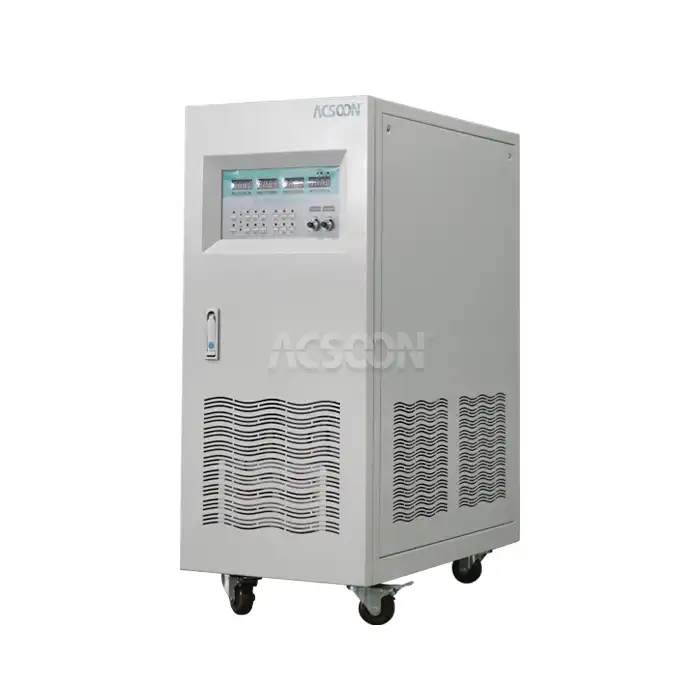
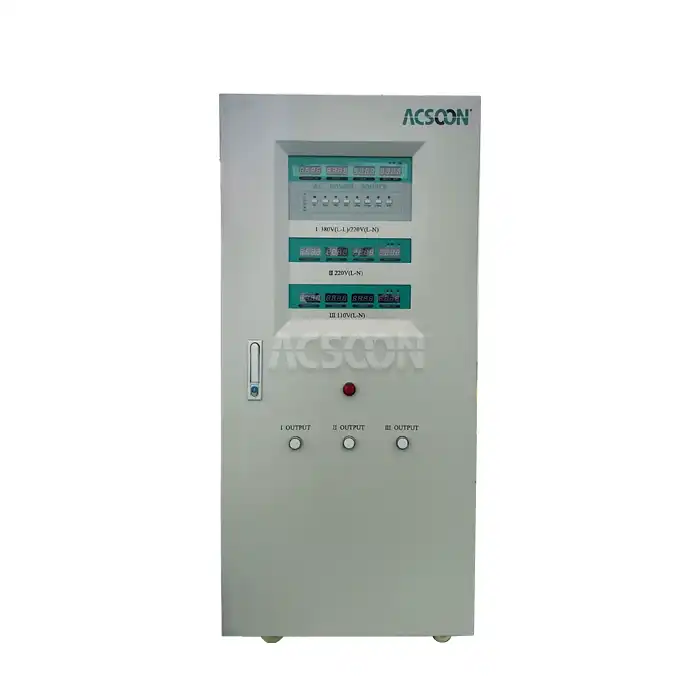
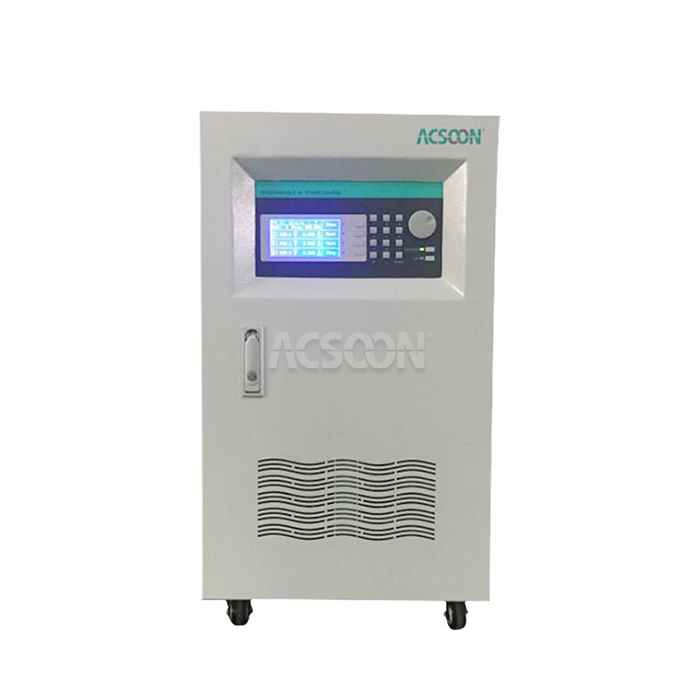
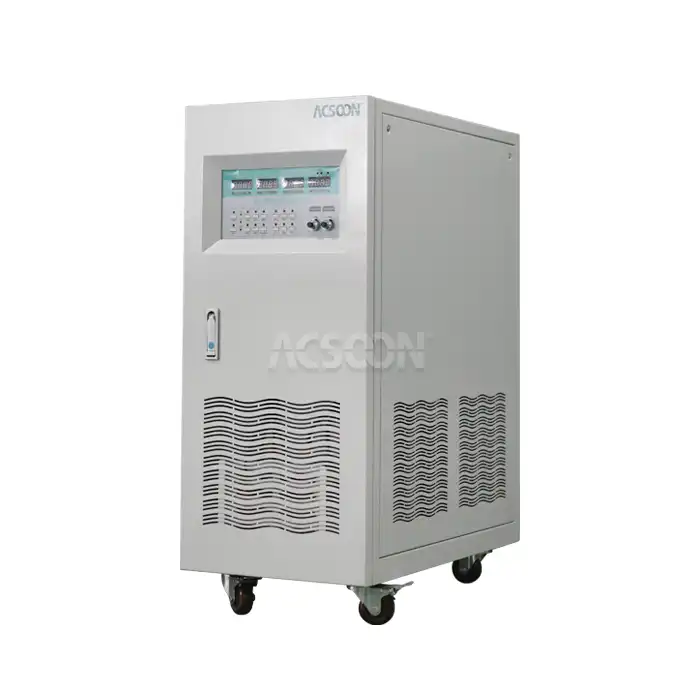
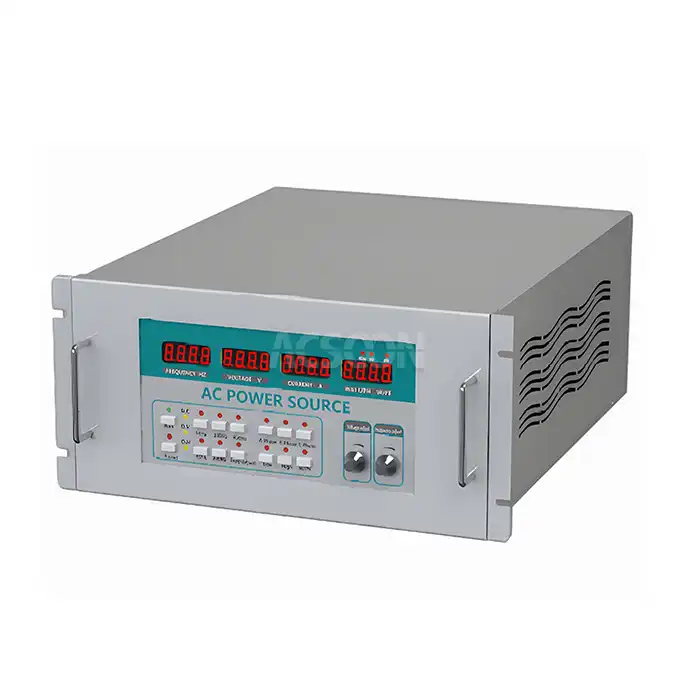
There are a number of technical factors that need to be carefully considered when judging frequency conversion tools. The input voltage range needs to work with the electrical system in your building. For example, the ACSOON AF60W-110009 type, which is rated at 9kVA, can accept three-phase input from 208V to 480V at 60Hz, so it can be used with a variety of power systems. Your load should be able to handle the output features. This unit has a three-phase output that can be adjusted from 208V to 480V at 50Hz, which means it can power European-standard equipment in North American buildings. The highest load capacity is based on the power grade. Undersizing causes overloading, while significantly oversizing wastes capital investment. In tough industrial settings, reliability and lifespan are affected by things like the temperature range, the amount of wetness that can be tolerated, and the level of ingress protection.
Pre-Installation Checklist: Preparing for a Smooth Setup
Evaluating Your Installation Site
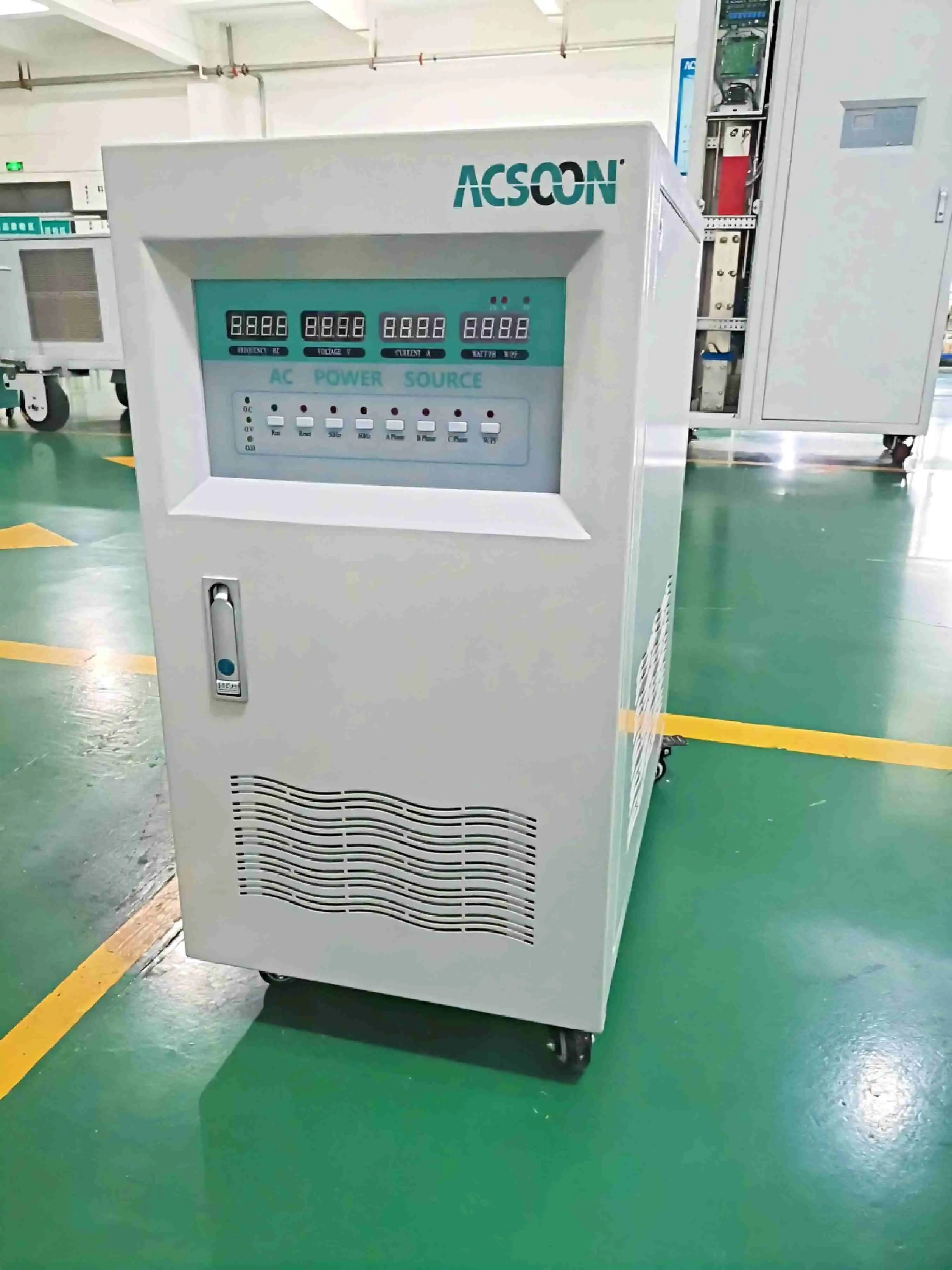
A thorough site inspection keeps installation problems from happening. Enough floor space is needed to fit the equipment's size, plus extra room for airflow. Solid state frequency converter models that are placed upright, like the AF60W-110009, which have wheels built in, are more mobile, but they still need to be stable while they're working. Power systems produce heat when they convert electricity to other forms. Not enough movement leads to thermal stress, which breaks down parts and shortens their useful life. Most makers say that there must be at least 12 to 18 inches of space around ventilation holes on the sides where air flows. The temperature outside should stay within the working range, which for industrial-grade tools is usually 0°C to 40°C. Extremely hot or cold places may need extra climate control or special conversion types that can handle higher temperatures for longer. The electrical equipment at the spot of your installation needs to be checked against the standards of the converter. The size of the input circuit breaker should match the highest input current at the lowest voltage. To figure this out, divide the kVA value by the voltage and take the square root of three for three-phase systems, then add a safety gap as required by the National Electrical Code. For safety and proper function, grounding devices must provide a low-impedance path to earth. The current load should be able to be handled by the existing wire gauge without too much voltage drop. This is especially important for longer cable runs.
Selecting Reputable Equipment Suppliers
Picking the right source has effects on the project's success that go beyond the quality of the tools. Established names like Schneider, ABB, Siemens, Mitsubishi, and Eaton have become well-known in their fields thanks to their reliable performance and large support networks. New companies like ACSOON have benefits over their competitors, such as the ability to customize products, faster lead times, and cheaper solutions that don't sacrifice technical stability. When comparing suppliers, look at their warranty terms. A guarantee that covers all production flaws shows that the company is confident in the quality of the product. The availability of technical support is very important; tools used for important tasks need quick help when problems happen. When planning a job, lead times become very important. Standard designs usually ship within a few weeks, but unique options may need more time to be made. Buying in bulk can lower the cost per unit and make sure that you have enough supplies for regular needs or backups in case of an emergency. Suppliers who keep enough stock on hand show that they care about how quickly their customers need things. This is especially important in military and flight uses, where downtime has a big effect on operations.
Documentation Review and Compliance Verification
Read all technical paperwork carefully before the equipment comes. Specific steps and requirements are spelled out in installation guides. Not following the manufacturer's advice could cancel warranties and pose safety risks. Electrical diagrams make connecting points clear and show where important grounding points are. Performance standards make sure that the equipment works well for your needs. Compliance paperwork shows that the product meets the necessary standards, such as UL, CE, or military requirements, based on the situation. For example, equipment that will be used by the government or the military may need extra licenses that regular adapters don't have.
Step-by-Step Installation Best Practices
Electrical Connections and Grounding Procedures
For a solid state frequency converter to work reliably, the electrical connections must be made correctly. Input wiring should use leads that are the right size based on the estimated current draw and run length. Wiring that is too small causes voltage drops and too much heating. Local electrical rules determine the colors used. In North America, black, red, and blue are used for three-phase lines, and green or bare copper is used for ground. Terminal connections need the right amount of torque, which is usually written on the terminal blocks or in the paperwork. Not enough torque makes high-resistance connections that get too hot, while too much torque harms the terminals. Grounding is a very important way to protect people and things. The protective earth link needs to give a steady, low-impedance path to the ground at the building. A lot of converters have different connections for signal ground and protective earth. Connecting both to the same grounding point stops ground loops that cause electrical noise. Surge protection devices at the input protect against short-term overvoltages caused by lightning hits or power switching. Voltage spikes are stopped before they reach sensitive power circuits by metal oxide varistors or surge suppression units.
Mechanical Mounting and Environmental Protection
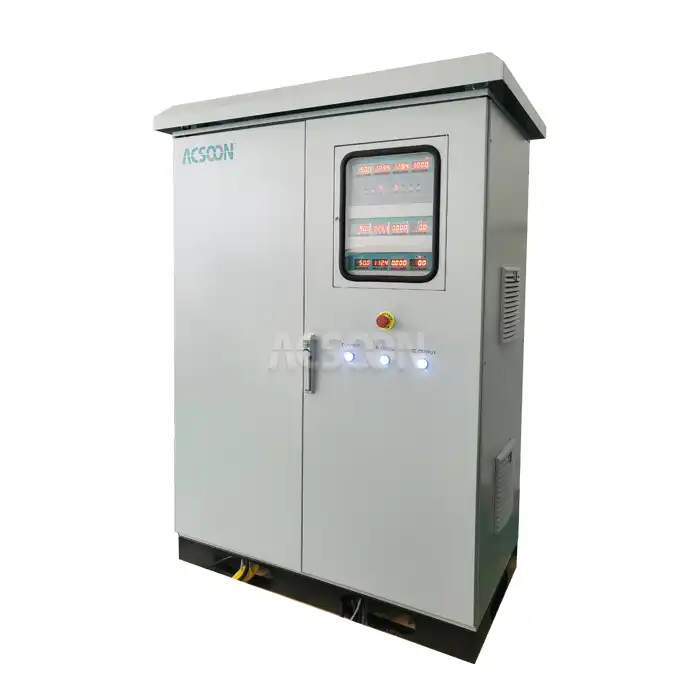
Thermal efficiency and mechanical longevity are both affected by how the installation is done. Wall-mounted units need a strong base that can hold the weight of the equipment and any vibrations that happen while it's working. Vibration-isolation pads on floor-standing converters stop noise from traveling through the frame and lower mechanical stress. Units with wheels, like the AF60W-110009 type, let you move them around, but they should be locked in place while they're working to keep them from moving. The maker specifies the mounting position that ensures proper cooling airflow patterns. Some designs need to be mounted vertically, while others can be mounted in more than one way. Protecting the environment makes tools last longer in tough circumstances. IP21 ingress protection keeps out solid items bigger than 12.5 mm, and water drops going straight down, which is enough for most indoor industrial settings. Facilities with higher levels of pollution, like machining processes that make metal particles or chemical processing areas, may need shelters that offer better protection. Extreme temperatures call for extra steps. Extra cooling fans or air conditioning keep places that are normally hot at a comfortable temperature, and heaters keep cold storage areas from freezing.
Initial Testing and Commissioning Protocols
Before connecting important loads, the quality of the work is checked by a system of tests. A visual check makes sure that all the connections are correct and that there are no loose leads or uncovered conductors. Continuity testing checks for grounding issues and finds any wire mistakes. By turning on the converter without a load, you can check the correct starting process and keep an eye on the input current draw. Most modern frequency converters have screens that show real-time information like input voltage, output voltage, output frequency, load current, and internal temperature. Checking these values when the converter is first turned on makes sure it is working properly. Progressive load testing involves adding more and more load while keeping an eye on speed. Starting with 25% of the maximum load lets you find any problems before they get too bad to use at full power. By using the right test tools to check the output voltage stability, frequency accuracy, and pulse quality, the converter meets the requirements when it is actually used. Input phase sequence mistakes that cause bad operation are a common problem at startup. This can be fixed by swapping any two input phase wires. If there are problems with communication between the converter and outside control systems, you need to check the wire connections and protocol settings.
Maintenance and Troubleshooting Tips to Ensure Long-Term Reliability
Preventive Maintenance Schedules and Inspection Routines
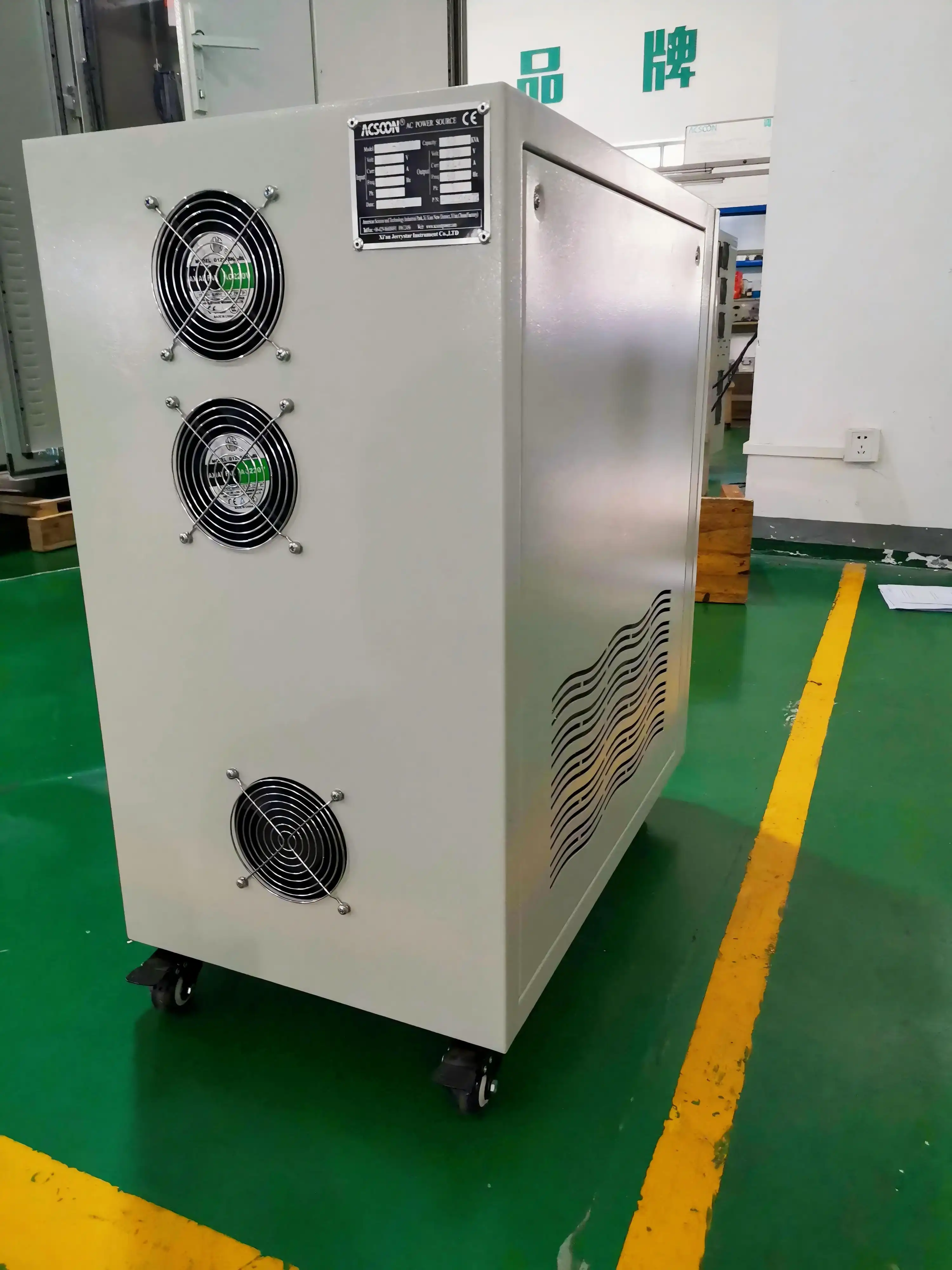
Maintenance keeps a solid state frequency converter from breaking down when it is least expected and increases its useful life. Visual checks are done once a month to see if dust has built up on the cooling fans and heat sinks. Cleaning with compressed air gets rid of the dust without taking the system apart. Electrical connections are checked every three months for signs of overheating, such as darkened leads or melted insulation. More thorough processes, such as thermal imaging to find developing hot spots before they cause breakdowns, are part of annual maintenance. When makers release firmware updates, they often include speed improvements and bug fixes that make the software more reliable.
Performance Monitoring and Early Fault Detection
By keeping an eye on key success markers, you can take action before it's too late. The voltage levels at the input and output should stay within certain limits. Deviations that don't go away should indicate problems with the power quality upstream or component degradation inside the device. Load current tracking finds slow rises that could mean that driven equipment is wearing out mechanically. The trending of the internal temperature shows that the cooling system is breaking down or that the environment is changing in a way that needs care. Modern converters that can log data allow for past research to find trends that happened before failures.
Common Issues and Practical Troubleshooting Techniques
Problems caused by temperature show up as heat shutdowns or reduced power capacity. Too little cooling movement from clogged filters or broken fans makes the insides of the machine too hot to be safe. Cleaning the paths for air flow and changing the fans brings back the proper temperature performance. Changes in input power, like voltage sags or phase mismatches, put stress on the converter's parts. Power quality can be improved by putting in voltage controls or working with utility companies. Load-related problems happen when linked equipment uses too much power or causes harmonic distortion. These issues can be fixed by checking the load compatibility and adding filters. Output frequency instability is usually caused by problems with the feedback sensor or the settings for the control parameters that need to be changed according to the manufacturer's instructions.
How to Choose the Right Solid State Frequency Converter for Your Needs
Matching Converter Capabilities to Application Requirements
Before you can choose the right solid state frequency converter tools, you need to know how your load works. For resistive loads like heaters, the power needs are simple. But for motor loads, you need to think about the inrush currents that happen when the motor first starts up. Motors can temporarily draw six to eight times their running current. When used for induction heating, there is a lot of harmonic material that needs to be filtered out by converters. The ACSOON AF60W-110009 type is designed to work with high-frequency induction heating equipment. It can change its frequency and voltage, which lets you precisely control the heating process in a variety of situations.
Evaluating Total Cost of Ownership Beyond Purchase Price
The initial cost of purchase is only one part of the long-term costs of ownership. Energy efficiency has a direct effect on running costs over the life of the equipment. For example, a converter that works 8760 hours a year at 95% efficiency instead of 85% efficiency saves a lot of money on power costs that add up over time. Parts prices and work hours are affected by how much maintenance is needed. For example, solid state designs need less maintenance than rotary designs, which need bearing replacements and brush cleaning. Dependability affects the cost of downtime, which is especially important in production settings where broken equipment stops work. When problems happen, fix costs are affected by things like warranty coverage and the availability of after-sales help.
Comparing Technology Options and Brand Advantages
Static frequency converters, like the AF60W-110009, do all of their change electronically and don't use any moving parts. This makes them small and very reliable. Rotary converters use motor-generator sets, which offer great overload protection and output waveform quality but need more room and upkeep. Hybrid designs take the best parts of both methods and can be used in certain situations with specific needs. When choosing a brand, you have to think about more than just the specs. Established manufacturers have long histories and large support networks. Specialized manufacturers, like ACSOON, can make products that are specifically designed to meet the needs of each application. Because they are engineers who have worked on power systems for aircraft and the military, their designs are strong and meet strict performance standards. Integrators and equipment makers who need named solutions can use private labeling with OEM help.
Conclusion
A solid state frequency converter installation that works well needs careful planning, exact execution, and a commitment to ongoing upkeep. Understanding the specs of the equipment, making sure installation sites are ready, following systematic installation processes, and starting preventative maintenance programs are all things that can be done to make sure long-term operation that is reliable. The technical issues this guide talks about can be used in many different types of industries where the dependability of power conversion is important for running a successful business. Taking the time to do installation and maintenance right will pay off in the form of less downtime, longer machine life, and stable process quality.
FAQ
How Long Does a Typical Installation Take?
How long an installation takes depends on how complicated the job is and how ready the spot is. Four to six hours may be enough time to finish simple installs that connect pre-wired power sources to single loads. Custom electrical work, integrating control systems, and multiple load lines are some of the more complicated tasks that can take several days to complete. Pre-installation planning that includes making sure all materials and infrastructure are ready before the equipment comes cuts installation time by a large amount.
What Causes Most Installation Failures?
Many installation problems are caused by bad wiring, which can be dangerous and make the system unstable. Thermal shutdowns and faster component aging are caused by cooling systems that aren't set up properly. If you connect the input phases incorrectly, the machine won't start up properly or will have internal problems. Equipment can be damaged by sudden overvoltages if it doesn't have enough surge protection. These risks are kept to a minimum by following the manufacturer's installation instructions and hiring qualified electricians.
Can These Converters Integrate with Existing Control Systems?
Most modern frequency converters have more than one transmission interface, which lets them work with building control systems. Modbus RTU, Modbus TCP, and analog control messages are all common systems. Real-time data display lets you keep an eye on operational factors from afar, which helps with predictive repair plans. Checking for compatibility when choosing tools makes sure that they will work well with your current system.
Partner with JERRYSTAR for Reliable Frequency Conversion Solutions
Xi'an Jerrystar Instrument Co., Ltd. is an expert at providing high-performance ACSOON brand power converters designed for tough industrial, military, marine, and flight uses. Our manufacturing plant, which is between 5,000 and 10,000 square meters, keeps enough inventory on hand to allow for quick transport to meet pressing operating needs. As a business that both makes things and sells them, we can offer competitive prices and a wide range of customization options to meet the special needs of each application. Our technical team has a lot of experience with power systems in both aviation and the military. They make sure that our goods meet strict reliability standards that are necessary for mission-critical activities. Our expert support helps you choose the right equipment, plan its placement, and make sure it works at its best all the time, whether you need 400Hz static frequency converters, variable frequency converters, or specialized ground power equipment. Get in touch with our team at acpower@acsoonpower.com to talk about your power conversion needs with solid state frequency converter makers who are dedicated to providing solutions that go above and beyond performance standards while meeting tight delivery schedules.
References
1. Institute of Electrical and Electronics Engineers. (2019). IEEE Recommended Practice for Electric Power Distribution for Industrial Plants. IEEE Standard 141-1993 (Reaff 2019).
2. National Electrical Manufacturers Association. (2021). Application Guide for AC Adjustable Speed Drive Systems. NEMA Standards Publication ICS 7.1-2021.
3. Rashid, Muhammad H. (2020). Power Electronics Handbook: Devices, Circuits, and Applications. Fourth Edition. Butterworth-Heinemann.
4. Bose, Bimal K. (2018). Power Electronics and Motor Drives: Advances and Trends. Second Edition. Academic Press.
5. Chapman, Stephen J. (2021). Electric Machinery Fundamentals. Sixth Edition. McGraw-Hill Education.
6. U.S. Department of Defense. (2017). Performance Specification: Power Supply, Alternating Current, 400 Hertz, Solid State. MIL-PRF-28800F.